Dell XPS Returns at CES 2026 as Alienware Gets a Major Refresh


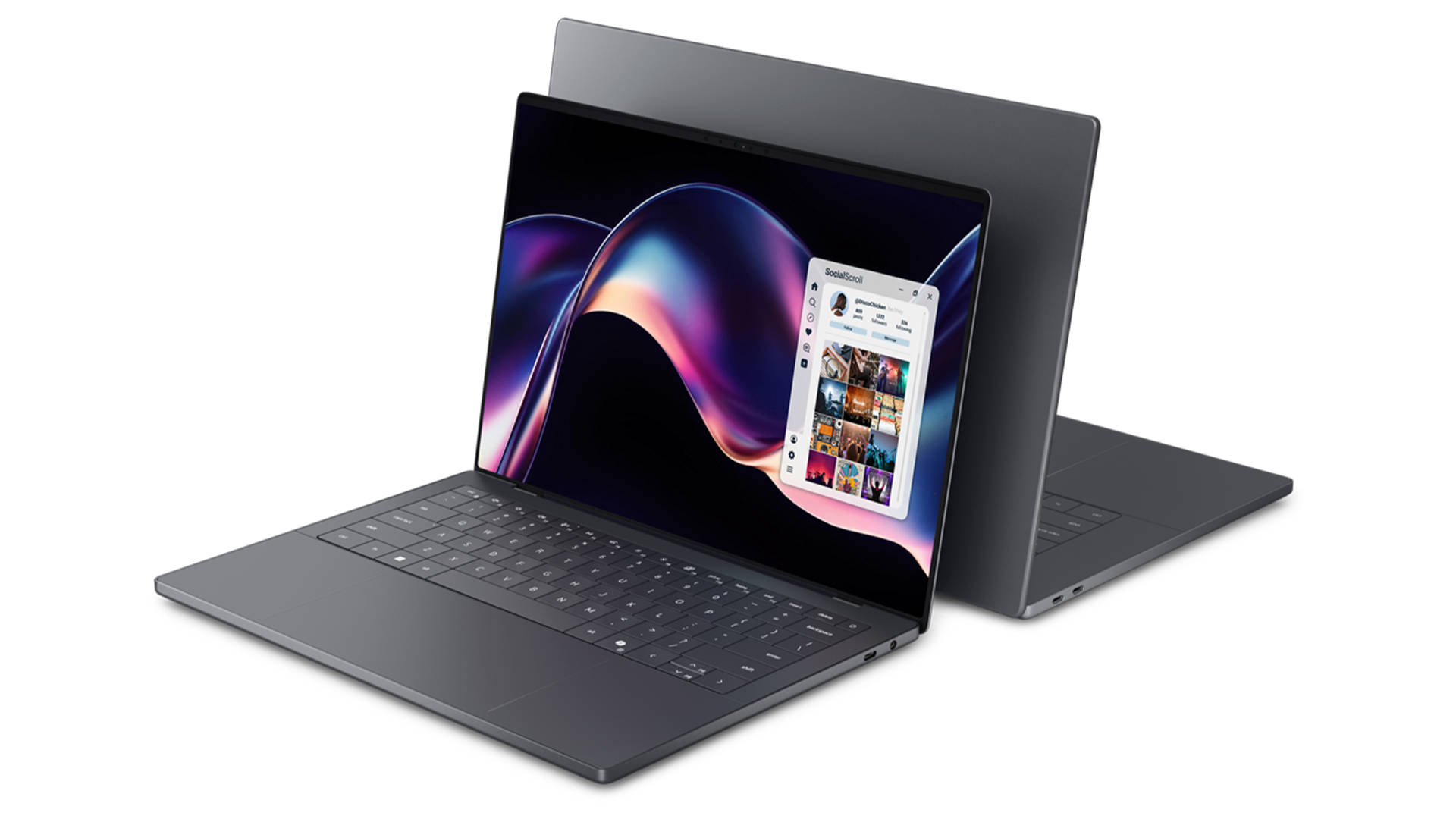
After a year of confusion and mixed reactions, Dell has finally come clean: the XPS brand is back where it belongs. Once quietly retired in favour of “Dell Premium” naming, which felt a bit too vanilla, the iconic XPS badge is reappearing on laptops right at CES 2026.
For anyone who remembers the XPS days of “Extreme Performance System” glory, this comeback feels like a classic underdog return. Dell acknowledged that dropping the XPS name was a misstep, and based on partner feedback and market reactions, the company has reversed course. At CES 2026, Dell officially revived the line with some seriously premium machines that blend performance, design, and mobility in ways the brand was originally known.
Table of Contents
Meet the New XPS 14 and XPS 16
Dell’s comeback starts with two headline grabbers: the XPS 14 and the XPS 16. These aren’t just old names dusted off, though. Both models embrace modern design cues and powerful internals while staying thin and light. The new XPS laptops come wrapped in CNC-milled aluminium with reinforced unibody construction, and in a nod to the brand’s legacy, the XPS logo proudly sits front and centre on the lid instead of a generic Dell badge.
A different performance philosophy?
Under the hood, both laptops are powered by Intel’s Core Ultra Series 3 processors with integrated Intel Arc graphics, aiming to boost performance while keeping thermals and battery life under control. There’s no discrete GPU on these models, which may surprise some, but Dell is leaning into efficient performance and excellent battery life as a selling point. Dell says the Arc graphics deliver a noticeable uplift over previous generations, enough for light creative work, casual gaming, and 1080p experiences, all without the power drain and thermal complexity of a discrete GPU.
Show Full Article


Add to that, the inclusion of Intel’s AI Boost NPU also positions XPS squarely in the emerging AI PC category. On-device AI acceleration supports features like background noise reduction, video call enhancements, and Copilot+ capabilities, all designed to run locally without tanking battery life.
Displays that balance beauty and practicality
Dell continues its display leadership with the new XPS lineup, offering a choice between power-efficient 2K LCD panels and high-end OLED options. OLED variants go up to 3.2K resolution, support VESA DisplayHDR True Black 500, and cover 100% of the DCI-P3 colour gamut, making them ideal for creative professionals who care about colour accuracy. At the same time, Dell hasn’t forgotten users who value battery life above all else. The 2K LCD option supports a variable refresh rate from 1Hz to 120Hz, dynamically adjusting to content to save power without user intervention.
XPS 13 Is Coming Too
While the XPS 14 and 16 take centre stage at CES, Dell also teased the return of the XPS 13 later in 2026. According to the company, it will be the thinnest and lightest XPS ever, and crucially, the most affordable XPS to date.

This move is important. It signals Dell’s intent to broaden XPS’s appeal beyond the ultra-premium segment, giving users a more accessible entry point without diluting the brand’s design and quality standards. How they manage to do that, given the surge in overall PC component prices, is a mystery in itself, but it’s also quite ambitious, to say the least.
Every Dell gaming laptop is now an Alienware
If XPS represents refinement and balance, Alienware’s CES 2026 story is all about expansion. Dell confirmed that Alienware plans to nearly double its laptop lineup, targeting not just hardcore enthusiasts but also gamers who want portability or a lower barrier to entry. This is a notable shift. Alienware has long been associated with unapologetically powerful, often bulky machines. CES 2026 marks the beginning of a more layered strategy, one that keeps flagship performance intact while opening the door to new audiences.
Anti-Glare OLED is finally here
One of Alienware’s biggest announcements is the introduction of anti-glare OLED displays on its 16-inch laptop family, specifically the Alienware 16 Area-51 and Alienware 16X Aurora.

These panels reduce reflections by up to 32% while preserving the deep blacks, contrast, and colour vibrancy of OLED. With HDR True Black 500 support, high peak brightness, and ultra-fast response times, these displays are clearly aimed at gamers who want premium visuals without being forced into dark rooms.
New silicon, same beast
Performance-wise, Alienware is moving forward with Intel Core Ultra 200HX processors across its high-end laptops, paired with NVIDIA GeForce RTX 50-series GPUs. This combination powers the Alienware 16 Area-51, 16X Aurora, and the larger Alienware 18 Area-51, which remains the brand’s no-compromise gaming flagship. The Alienware 18 Area-51, in particular, is positioned as a desktop replacement, designed for sustained performance rather than portability. It sits at the top of Alienware’s laptop hierarchy and continues to cater to enthusiasts who want maximum headroom for modern AAA games.
More to come, too?
Beyond the headline models, Alienware also confirmed two entirely new laptop categories launching later in 2026. The first is an ultra-slim gaming laptop, roughly 17mm thin, available in both 14-inch and 16-inch sizes. It’s designed to balance gaming capability with mobility, targeting users who want a powerful but understated machine that works just as well for creative tasks and daily productivity.

Additionally, there’s also a new entry-level Alienware laptop, aimed squarely at first-time gaming laptop buyers. While it won’t match the performance of the Area-51 line, or even the Aurora one for that matter, Dell emphasises that it won’t compromise on build quality, thermals, or the core Alienware experience. Pricing hasn’t been revealed yet, but this model is clearly intended to make Alienware more accessible than ever before.
Pricing and Availability
Dell has shared clearer details for the revived XPS lineup. The XPS 14 and XPS 16 will go on sale starting January 6, with limited launch configurations available initially. In the US, the XPS 14 starts at $2,049.99, while the XPS 16 starts at $2,199.99. Dell says additional configurations, including new starting options priced well under $2,000, will roll out in February. Both models will initially be available in Graphite, with the Shimmer colour option arriving later in the year. Dell has also confirmed that the XPS 14 will get an Ubuntu 24.04 variant later this year, while the new XPS 13 is slated to launch sometime in 2026, positioning itself as the most accessible XPS yet.
On the Alienware front, Dell has outlined availability windows but is keeping pricing under wraps for now. The Alienware 16X Aurora, Alienware 16 Area-51, and Alienware 18 Area-51 laptops are all confirmed for Q1 2026, featuring the new Intel Core Ultra 200HX processors, with the 16-inch models also offering the new anti-glare OLED displays. Pricing for these machines will be announced closer to launch. Meanwhile, the Alienware Area-51 desktop, updated with the new AMD Ryzen 7 9850X3D processor, is scheduled to arrive in February 2026, with final pricing details to be shared nearer to availability.
The Bigger Picture
Put it all together, and Dell’s CES 2026 lineup feels less like a routine refresh and more like a conscious reboot. XPS reclaiming its premium identity and Alienware widening its gaming net suggest a company that’s paying closer attention to what users actually want, not just what looks good on a roadmap. The cleaner separation between brands also finally delivers on what Dell seemed to be aiming for with its naming overhaul last year: clarity. Whether that strategy sticks in the long run is still an open question. That said, we’ve already spent some hands-on time with these laptops, so if you’re curious about how they feel in the real world, our First Impressions story is well worth a read.