Samsung is adding a new privacy layer to keep phone screens private in public


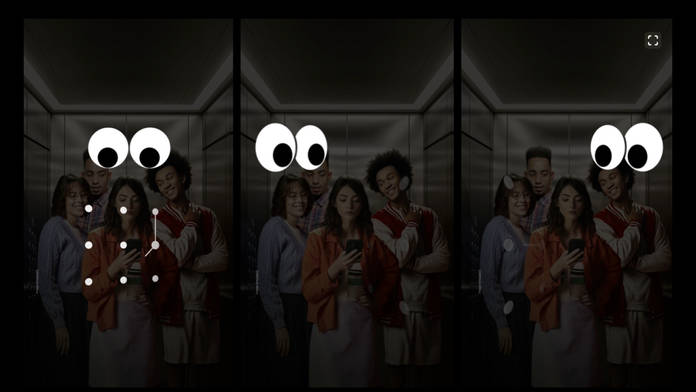
Samsung has started teasing the Galaxy S26 series, and one of the first features it’s talking about is a fairly relatable one. Anyone who has used their phone in a cab, cafe, or packed metro knows the awkward feeling of someone peeking at their screen. Until now, the usual fix has been a privacy screen protector. Samsung wants to make that protection part of the phone itself.
In a set of teaser videos, Samsung hints at a new display feature that limits what people around you can see. The company describes it as protection from “shoulder surfing.” It doesn’t name the feature in these clips, but earlier official material referred to it as “Privacy display,” and the behaviour shown lines up with that. From the side, the screen content fades out. Look at it straight on, and everything appears normal.
Show Full Article
What makes this interesting and different from privacy screen protectors is how controlled it’s meant to be. Samsung says this is not a mode you simply turn on and live with all the time. Instead, users will be able to decide when the privacy effect applies. That could mean hiding notification previews, protecting specific apps, or limiting visibility only when entering passwords or access details. If you don’t need it, you can switch it off altogether.


Samsung also claims this feature has been in the works for over five years. The company says it looked at how people actually use their phones in public and what they consider private, trying to avoid the usual downsides that come with privacy filters. Those downsides are familiar to anyone who has used a privacy screen protector, including lower brightness, duller colours, and a screen that looks compromised even to the owner.
At the moment, most smartphones still rely on third-party apps for this kind of privacy. Apple does not offer a built-in angle-based privacy display on the iPhone, and other Android brands largely stick to software-level controls rather than changing how the display itself behaves. If Samsung’s approach works as shown, it could be a neater alternative to sticking something on top of the screen. Lenovo’s ThinkPad laptops, HP business laptops, and some enterprise monitors have built-in privacy displays (such as Lenovo PrivacyGuard). Those are closer in spirit to what Samsung is claiming, but they’ve never made it into mainstream phones.
There is a limitation, though. Early reports suggest the privacy display feature may be available only on the Galaxy S26 Ultra, not on the standard or Plus models. If that turns out to be true, it could become one of those small, practical features that nudge some buyers towards the Ultra.
The Galaxy S26 series is expected to launch in late February, when Samsung should confirm which models will get this feature and how it performs outside controlled demos.