Over the past few years, India has seen sweeping digital adoption. Almost every student today owns a smartphone, yet less than 9% own a PC. You know, the one device truly capable of deeper learning, creativity, and collaboration. The PadhAI Ka Future event at Intel’s Bengaluru campus in late September was a bold response to that imbalance. It brought together EdTech innovators, students, teachers, and OEM partners to demonstrate how AI-powered PCs with built-in NPUs (Neural Processing Units) can turn classrooms into collaborative, personalised learning spaces that extend far beyond the textbook.
But this event wasn’t just about demos, but instead, about reimagining the future of education. One powered by Intel’s hardware innovation, local partnerships, and an inclusive vision for India’s learners. To understand Intel’s goals more deeply, we spoke with Santhosh Viswanathan, Vice President and Managing Director, India Region, Intel. He shared how the company is building not just smarter devices, but an ecosystem that can empower every student, teacher, and school across the country.
Table of Contents
From Access to Empowerment: Intel’s Education Mission
For Intel, education isn’t just another vertical, but a national priority. “While smartphones are nearly ubiquitous, only 9% of young people own a PC, the device most critical for deeper learning, creativity, problem-solving, and collaboration,” Santhosh said. “Through PadhAI Ka Future, we aimed to spotlight how AI-powered PCs can transform classrooms into interactive, personalised learning spaces.”
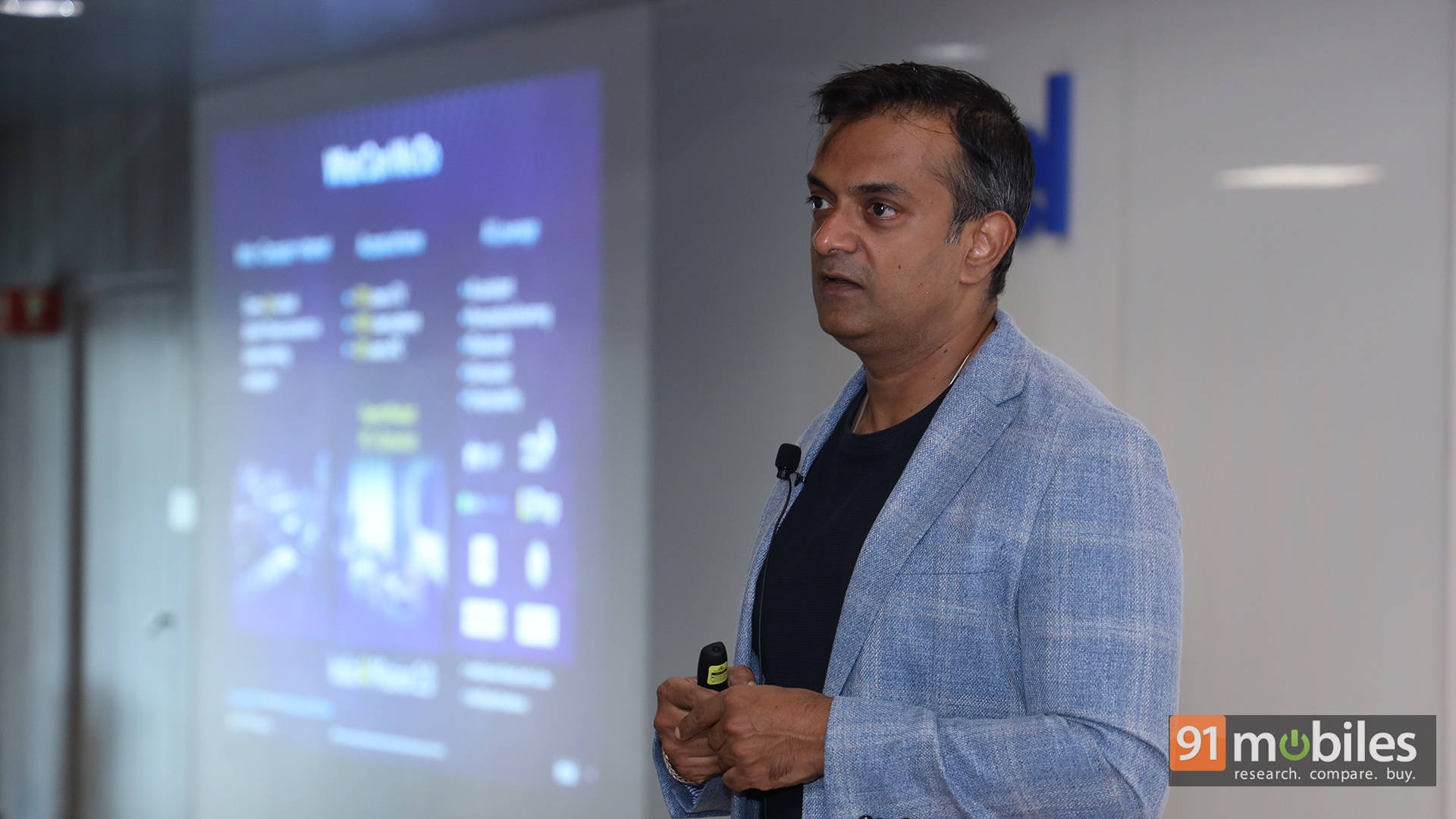
Intel’s approach goes beyond connectivity. It’s about giving students access to the right devices: ones that help them think critically, create freely, and learn independently. These AI PCs aren’t just machines with upgraded specs; they are intelligent learning companions. Thanks to dedicated NPUs, they can run real-time doubt-solving, adaptive assessments, AI-enabled grading, and even multilingual AI mentors locally, without depending on cloud connectivity. The goal, Santhosh explained, is to make learning inclusive, adaptive, and engaging, while reducing the workload on teachers.
AI as the Teacher’s Assistant, Not a Replacement
Of course, this gives rise to one of the biggest concerns around AI in education: the fear that it might eventually replace teachers. Santhosh was quick to dispel that notion, stating that “no technology can replace the human ability to inspire, mentor, and motivate students. What AI PCs can do is act as an assistant, taking over repetitive and time-consuming tasks like grading, building question banks, or handling routine queries. This frees teachers to focus on higher-order skills such as critical thinking and personalised guidance.”
India’s teacher-student ratio remains a challenge. In many government schools, one teacher handles over 40 to 60 students. AI can step in as a scalable support system, offering each learner personal attention that might otherwise be impossible. To support this, Santhosh cited examples such as Infinity Learn’s AI Grader. The way it works is that it evaluates long-form answer sheets within seconds. On the other hand, there’s AI Guru, which answers questions in real time across multiple languages. These tools, he believes, don’t replace teachers but amplify them.
Making Learning Personal Again
One of the recurring themes during the event, and one that resonated strongly with attendees, was Intel’s broader message about the shift from one-way content consumption to truly personalised learning. “Intel is uniquely positioned to enable this shift because it sits at the intersection of hardware innovation, ecosystem collaboration, and AI enablement,” Santhosh said. “With AI capabilities built directly into devices, we’re enabling students to move beyond passively watching lessons to actively interacting with content tailored to them.”
At the event, Intel showcased partnerships with leading EdTech platforms like Physics Wallah, Infinity Learn, and Ei Mindspark. Each demonstrated how Intel AI PCs can personalise the learning experience. For instance, Physics Wallah’s AI Guru chatbot and Saarthi learning companion support students in vernacular languages while tracking their progress. Infinity Learn’s AI Doubt Solver and AI Grader handle assignments and queries instantly, freeing up valuable teacher time. Ei Mindspark, meanwhile, demonstrated adaptive assessments for grades 1–10, adjusting questions dynamically based on a student’s skill level.
The Case for GST Relief on Education Devices
One of the standout moments from Santhosh’s on-stage talk was his call for waiving GST on laptops used for educational purposes. This proposal could significantly improve affordability for millions of families.
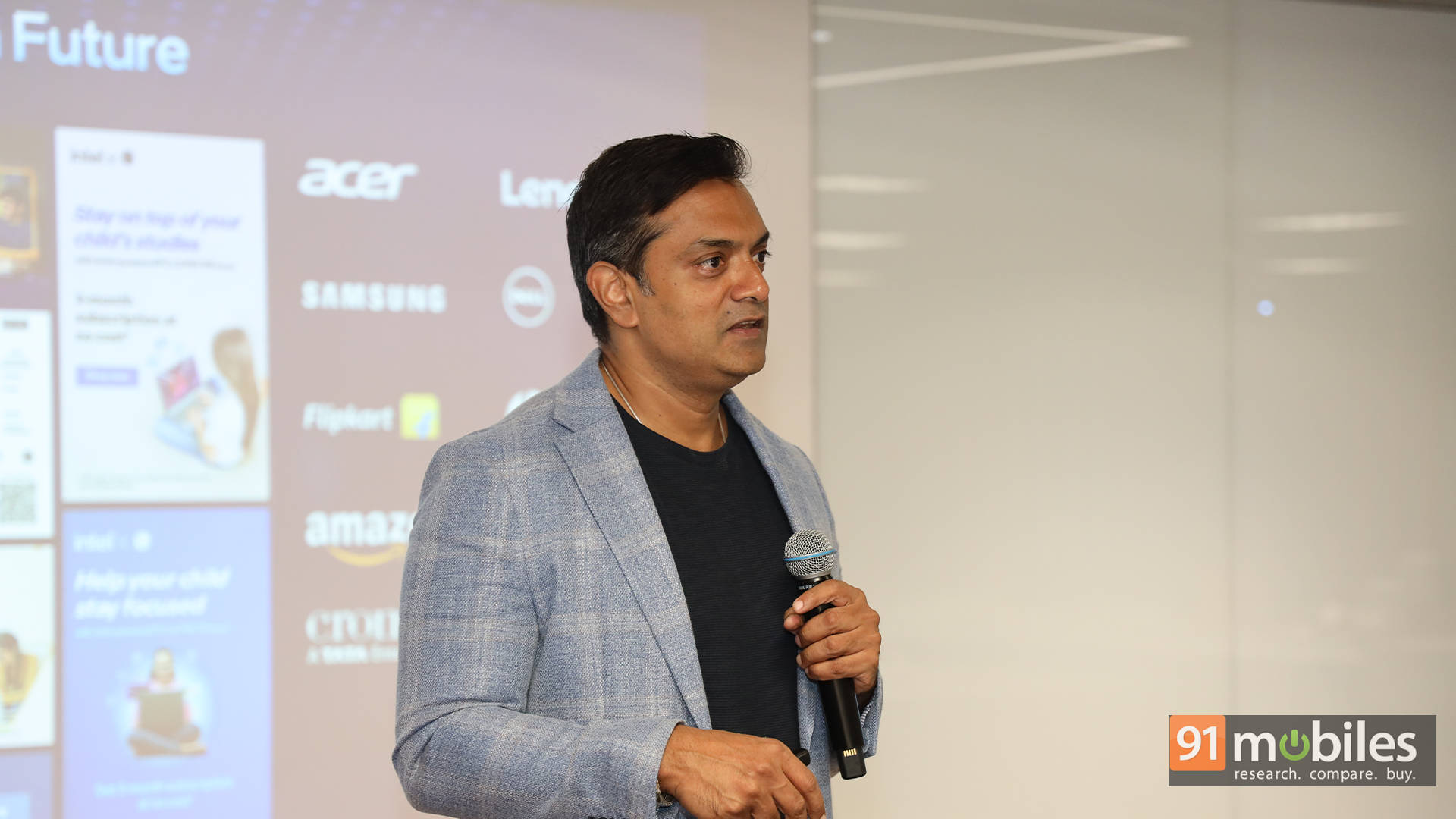
“Just as paper, pens, and textbooks attract zero GST, computers for education should also be at the lowest tax bracket because they are an investment in a child’s future,” he argued. Intel has proposed that GST relief on student PCs could be implemented using APAAR IDs (the government’s Academic Bank of Credits system) for authentication, ensuring that only genuine students benefit. “This can also align with the Make in India vision,” he added, “encouraging adoption while supporting domestic manufacturing.”
It’s a practical suggestion with far-reaching potential. Students form the largest consumer base for laptops. As such, a move could turn AI PCs from an aspiration into an attainable tool for every learner.
Partnerships that Power the Ecosystem
The PadhAI Ka Future event also highlighted Intel’s expanding ecosystem of educational partners. From Physics Wallah to SchoolNet, the demos showcased how AI can complement both traditional teaching and modern EdTech solutions. Santhosh explained that Intel carefully selects partners who share its vision of sustainable impact.
“Our collaborations are strategic and innovation-focused,” he said. “We bring together Intel’s technology with our partners’ domain expertise to co-develop solutions that truly benefit students.” This co-engineering approach ensures that software and hardware work seamlessly, enabling personalised feedback, local-language content, and even offline AI processing. The result is a future where students learn at their own pace and teachers teach with greater insight.
AI That Works Offline and Puts Privacy First
Connectivity remains one of India’s biggest educational challenges. Many schools, especially in rural regions, lack reliable internet access. But Intel’s AI PCs are designed to overcome that. “With Intel AI PCs, many AI models run locally on the device,” Santhosh said. “That means sensitive data never leaves the system, ensuring privacy, security, and reliability even in areas without connectivity.”
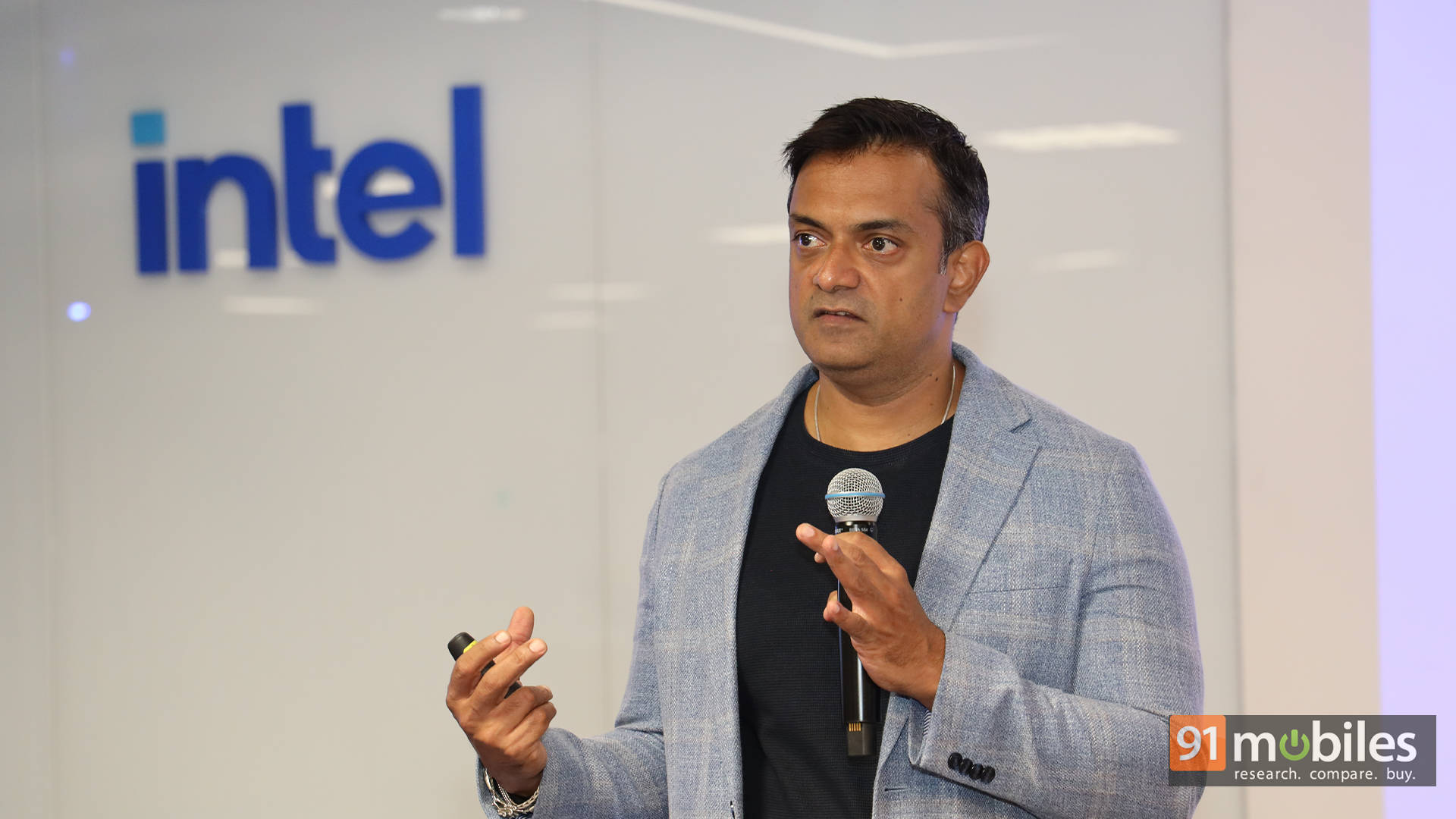
He added that Intel is already experimenting with offline AI learning models globally. He cited an example from a non-profit school in Guatemala, where students are using Intel Core Ultra-based AI PCs loaded with an offline large-language tutor. It helps them learn math and language without cloud access. Santhosh believes this model could become a blueprint for how AI PCs can transform India’s rural education system, where connectivity gaps and teacher shortages often go hand in hand.
The Road Ahead: Inclusive, Interactive, Intel-ligent
Santhosh’s closing message to parents, teachers, and policymakers is both pragmatic and optimistic. “Intel’s AI-powered PCs are not about replacing teachers or traditional learning, but about unlocking opportunities that today’s students cannot afford to miss,” he said.
With PC penetration still below 10%, the challenge is clear, but so is the potential. The combination of Intel’s AI PCs, affordable pricing, policy support such as GST relief, and domestic manufacturing could redefine the learning experience for millions of students. From gamified content to real-time feedback and multilingual support, AI PCs can bridge the urban-rural divide, empower educators, and prepare students for an AI-driven world.
“Just as we once thought of the Right to Education,” Santhosh concluded, “we must now think of the Right to Compute“. And to be fair, we at 91mobiles do agree. By blending innovation, accessibility, and vision, Intel isn’t just talking about the future of learning. Instead, it’s building it, one AI-powered classroom at a time.