iPad Air launched with M4 chip and upgraded RAM, price starts at Rs 64,900 in India


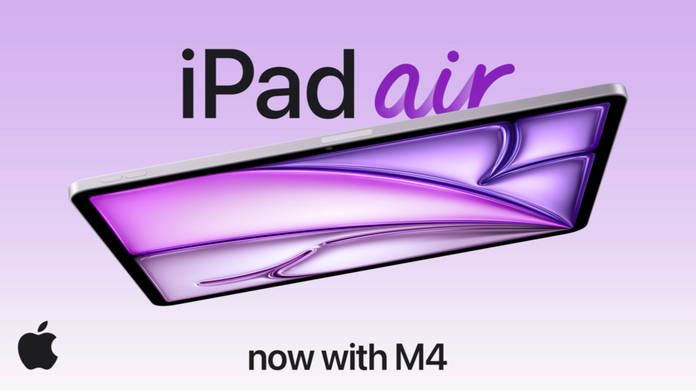
Alongside the launch of the iPhone 17e, Apple has introduced a new version of the iPad Air in India and globally with the M4 chip, replacing the M3-powered model that launched in March 2025. The new M4-powered iPad Air starts at Rs 64,900 in India, which is a step-up from the base price of the M3 iPad Air that launched last year, but the new model comes with upgraded RAM.
Prices for the M4 iPad Air are as follows: the 11-inch Wi-Fi variant starts at Rs 64,900, while the 13-inch Wi-Fi model starts at Rs 84,900. Wi-Fi + Cellular versions are priced at Rs 79,900 and Rs 99,900. Pre-orders begin March 4th and sales start March 11th. The previous iPad Air with the M3 chip was released in March 2025 at Rs 59,900 for the 11-inch Wi-Fi model and Rs 79,900 for the 13-inch Wi-Fi version. The design remains unchanged, and the iPad Air available in blue, purple, starlight and space grey.
Show Full Article
Apple says the M4 chip, which debuted on the iPad Pro in 2024, delivers up to 30 percent better performance than the M3 on the previous generation. The upgrade will be visible most in tasks such as video editing, handling large photo libraries or running graphics-heavy games. For web browsing, streaming and office work, both M3 and M4 offer more than enough performance. Memory increases to 12GB, up from 8GB on the previous generation. That should make multitasking smoother, especially when using split-screen apps or working across several heavy applications. Base storage continues to start at 128GB.
The display remains a Liquid Retina LCD panel in both 11-inch and 13-inch sizes. It doesn’t move to OLED or adopt a higher refresh rate, features that Apple keeps for the iPad Pro lineup. In comparison, Samsung’s Galaxy Tab S10 FE models, which are closest in price to the new iPad Air, use AMOLED displays offering deeper blacks and stronger contrast. Samsung also includes the S Pen in the box, whereas Apple sells Apple Pencil separately. Apple Pencil Pro is priced at Rs 11,900, and the 11-inch Magic Keyboard costs Rs 26,900. Once accessories are added, the total cost of the iPad Air can move significantly higher than the starting price.


The processor remains Apple’s main differentiator over competitors. Even though old, the M4 chip is part of the same silicon family used in Macs, and can handle sustained workloads without noticeable slowdowns. For users working regularly with video timelines, creative software or larger files, that may be more relevant than display technology differences. For users focussed primarily on streaming, reading and note-taking, the display panel and bundled stylus offered by Samsung may make more sense.
Connectivity support now includes Wi-Fi 7. While Wi-Fi 7 routers are not yet common in India, the inclusion extends long-term compatibility. Cellular models use Apple’s C1X modem, which the company says improves speed and power efficiency over the previous generation.
iPadOS 26 brings a more flexible windowing system, a menu bar at the top, and an improved Files app, which makes managing documents and multitasking on the iPad feel a bit more like using a small laptop. The Preview app now supports sketching and richer PDF and image editing.
If you’re already in Apple’s ecosystem and upgrading from an M1-based iPad Air or an older standard iPad and regularly edit video, work with large image files, or keep multiple heavy apps open, the M4 model’s extra RAM and stronger performance make it the safer long-term choice. If your use is limited to streaming, note-taking, reading, online classes and routine office work, the performance gap between M3 and M4 is unlikely to change your experience. The M3 iPad Air may also get price cuts with the launch of the new model, so casual users who don’t need the performance gains from M4 should keep an eye out for good deals there.