iPhone 17 Air leak roundup: slim, stylish, and potentially game-changing


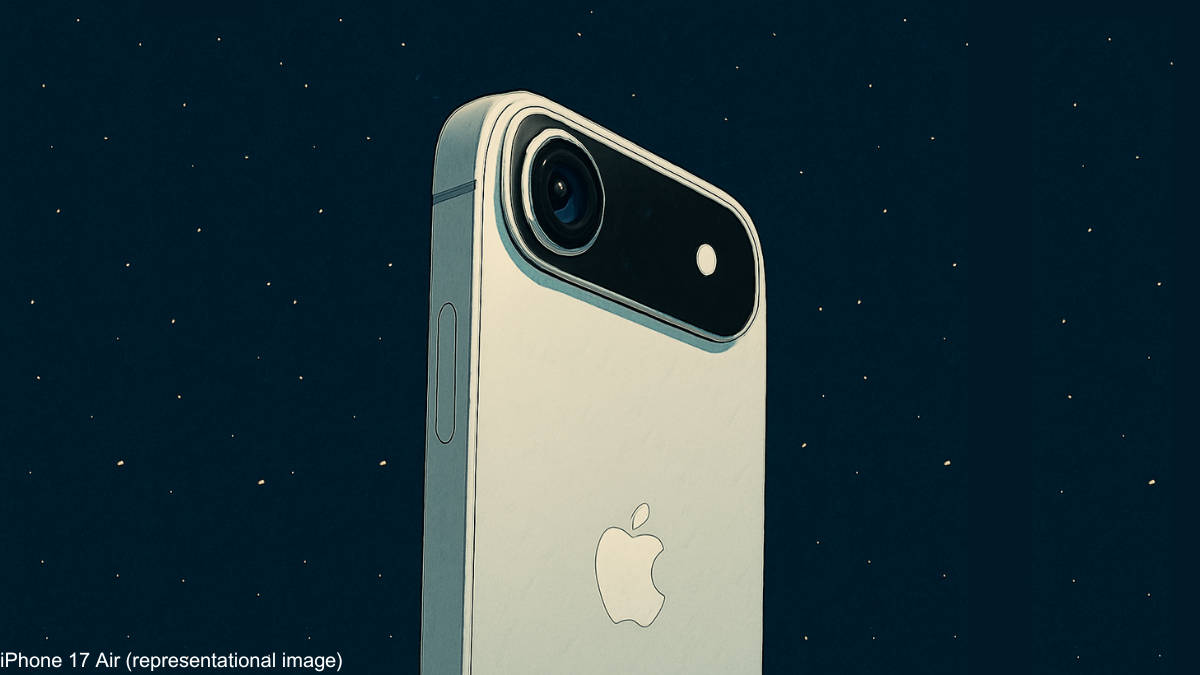
2025 is shaping up to be the year of ultra-slim smartphones. After years of foldables, vegan leather backs, and incremental camera upgrades, brands are once again looking at form factor, and Apple seems ready to join in.
The iPhone 17 Air, as it’s being called in several leaks, could be Apple’s boldest iPhone redesign in nearly a decade. A thinner body, a new camera layout, possibly even a new pricing tier, it’s all on the table. Here’s a look at what we know so far and why this phone might matter more than most fall releases.
Air or Slim: what’s in a name?
So far, the name iPhone 17 Air seems the most likely. It fits Apple’s established branding. The Air suffix has long stood for sleek, lightweight hardware across the Mac and iPad lineups. But there’s also been talk of it being called the iPhone 17 Slim.
Naming aside, this new model is expected to replace the current Plus variant in the iPhone lineup. If that holds true, we could be looking at four models this year: iPhone 17, iPhone 17 Air, iPhone 17 Pro, and iPhone 17 Pro Max.
A September launch with a possible pricing twist
Like clockwork, Apple is expected to unveil the iPhone 17 series in September 2025. If leaks stay on course, the iPhone 17 Air will debut at the main event and hit stores within two to three weeks after.
Pricing, however, remains one of the biggest mysteries. Some reports suggest it could sit above the iPhone 17 Pro, making it the most expensive model in the series. Others think Apple will price it below the Pro lineup to avoid confusing the Pro tier’s positioning.
For context, the iPhone 16 Plus currently starts at Rs 89,900, while the iPhone 16 Pro starts at Rs 1,19,900. If Apple is serious about pushing the iPhone 17 Air as a new design-first model, it could land somewhere between those two, or even surprise us with a higher tag just to signal its premium intent.
What to expect in terms of hardware and features
Under the hood, the iPhone 17 Air is likely to run on Apple’s A19 chip, while the Pro models get the A19 Pro. Both chips are expected to be built on TSMC’s 3nm node and come with Apple’s custom 5G modem and upgraded neural engine to support Apple Intelligence features.
The display might be one of the most generous upgrades. Apple is reportedly going with a 6.6-inch LTPO OLED panel, possibly with ProMotion support for a 120Hz refresh rate. There’s no clear sign yet whether Always On Display will make the cut. That could depend on how aggressive Apple gets with power efficiency in this thinner form factor.


In terms of cameras, the iPhone 17 Air might have to compromise. The rear camera is expected to be a single 48MP shooter, partly due to the slim profile. That means no telephoto lens and no spatial video, features currently tied to multi-camera setups. On the front, we might see a bump to 24MP, which would be a nice step forward for selfies and video calls.
As for RAM and storage, 8GB RAM is likely to become the new baseline, with storage variants starting at 256GB and going up to 1TB. That aligns with the Air’s rumored premium positioning.
Battery life could be the Achilles’ heel. A thinner chassis usually means less room for a big battery, although 35W wired charging and MagSafe support might help soften the blow for power users.
Design: slim, shiny and possibly controversial
The iPhone 17 Air is all about thinness. It could be just 5.5mm to 6.25mm thick and perhaps half as thick as the iPhone 17 Pro. For reference, the iPhone 16e (review) is 7.8mm thick, iPhone SE 2022 is 7.3mm thick, and iPhone 6 is 6.9mm thick. The slimmest Apple device, however, will still be the iPad Pro 13 (2024), which is just 5.1mm thick.
But it’s not just the dimensions. The rear camera island could be horizontal this time, with an oblong-shaped module that sits flush with the frame. It’s a bold move and maybe a divisive one. Slim phones often suffer from awkward camera bumps, and leaked dummy images show a fairly prominent one too.
Apple is reportedly using a mix of titanium and aluminium for the frame, along with glass on both front and back. This should help keep the phone light but still premium. A camera control button and an Action Button are also expected, possibly joining the speaker grille at the top edge.
If Apple pulls this off, the iPhone 17 Air could be the closest thing we’ve seen to a “design-first” iPhone in years. But it could come with trade-offs, especially if battery life and camera versatility take a hit.
What’s the takeaway?
The iPhone 17 Air feels like Apple’s response to two things: the growing obsession with foldables, and the increasing sameness of flagship phones. Instead of bending screens or adding extra lenses, Apple might be going back to the fundamentals: making the thinnest, most elegant phone it can.
But that ambition raises big questions. Will the iPhone 17 Air be just a one-off experiment, like the iPhone 5C or iPhone 12 Mini? Or is this the start of a new iPhone direction that values design simplicity over spec-sheet dominance?
We’ll know more in September, but one thing’s clear already: this iPhone isn’t just chasing thinness. It’s trying to define it.