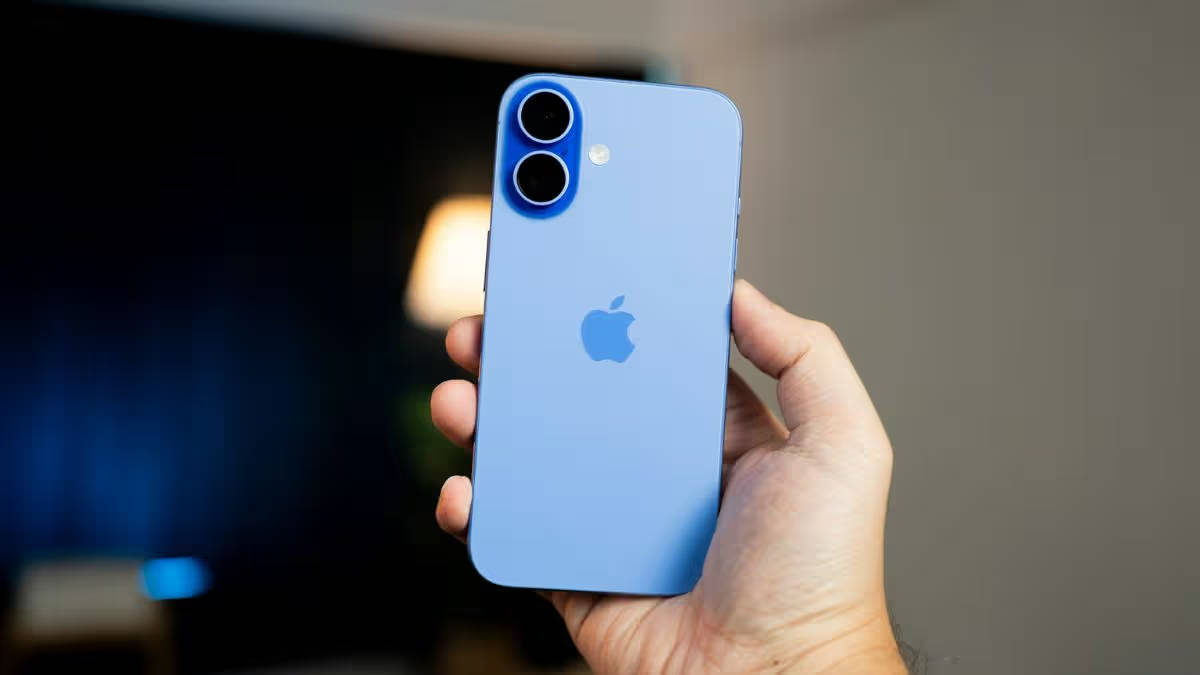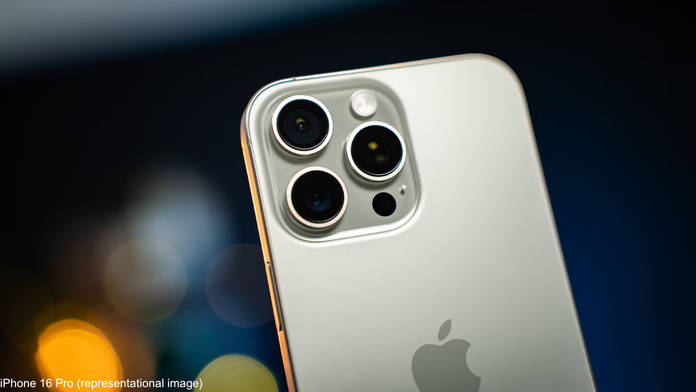
The iPhone 17 series is expected to launch in September 2025, and a recent MacRumors report suggests Apple is planning its most significant camera upgrade yet. If true, the iPhone 17 Pro could finally take aim at Samsung’s Ultra phones with features like 8x optical zoom, an additional Camera Control button, and a built-in Pro camera app with manual controls.
Of the three rumoured features, a new Camera Control button feels the least likely. Hardware changes this close to launch usually leak earlier, and so far, we’ve seen little to support this. That said, there’s a case for it. Many users find the current Camera Control button awkward, particularly when shooting in vertical mode. A dedicated button on the top edge could offer better ergonomics and grip stability, key when capturing action or wildlife shots.
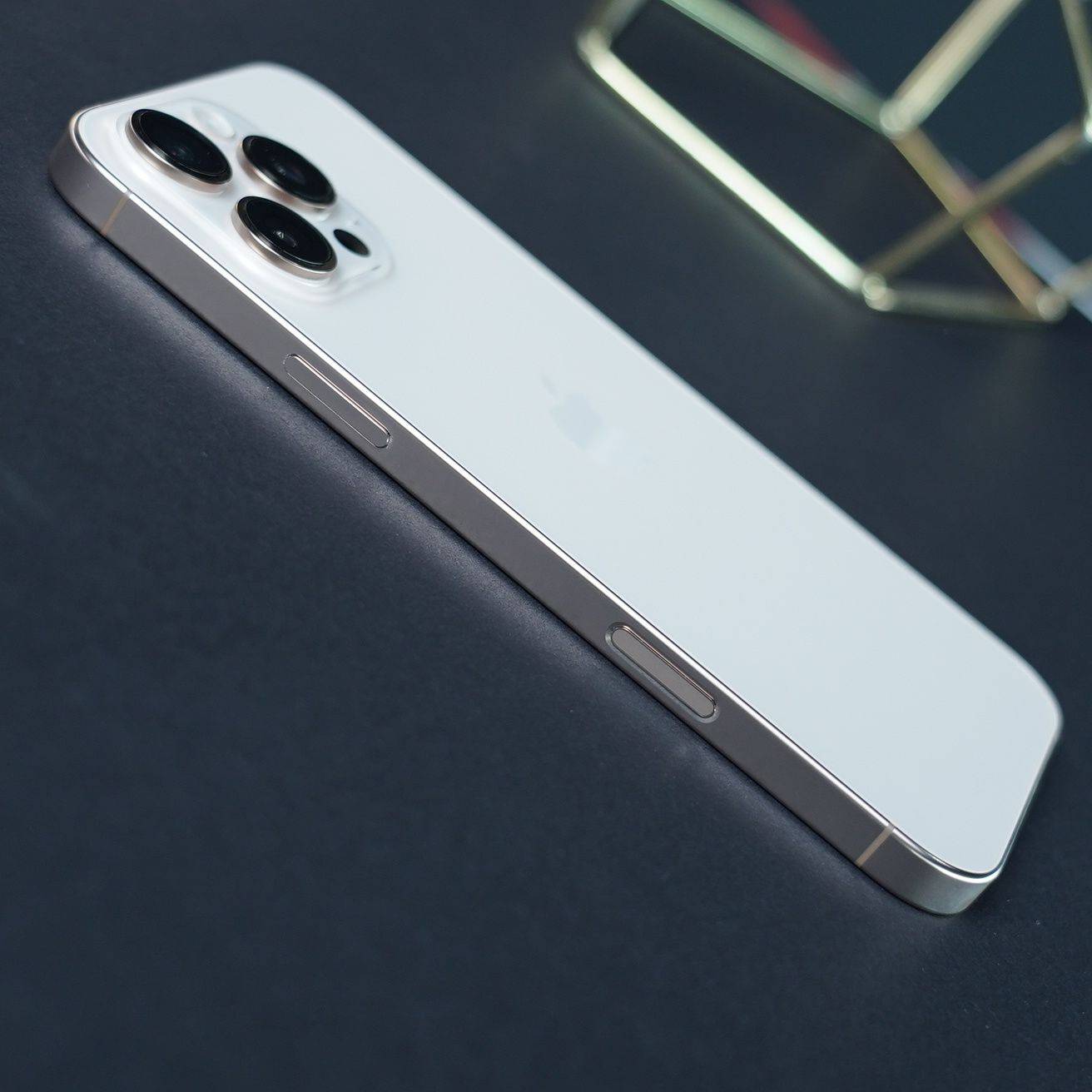
The zoom upgrade, however, feels overdue. Apple has maintained a 5x optical zoom for two generations. At the same time, its Android rivals, such as Samsung and Huawei, have achieved optical zoom levels of up to 10x. Rumours also suggest a moving lens system that could enable variable zoom, providing consistent image quality across focal lengths, similar to DSLR behaviour. This could appeal to mobile photographers who often can’t control their distance from subjects.
Samsung’s past models, like the Galaxy S22 Ultra and S23 Ultra, offered impressive zoom quality at multiple levels. Though Samsung has scaled back in recent years, Apple may be picking up where it left off, along with Apple’s signature integration and consistency across lenses, colours, and software.
The most likely addition is a built-in Pro camera app. While third-party apps like Halide offer manual controls, Apple’s app would likely integrate more deeply with its computational photography stack, enabling features like HDR and Deep Fusion with fewer limitations.
Taken together, these upgrades suggest that Apple is becoming more serious about professional mobile photography. The trend aligns: more users are creating video content for YouTube and Reels, and they want a phone they can truly rely on for manual control and high-quality output.
If these features do make it to launch, the iPhone 17 Pro could be worth waiting for, especially for creators, photography enthusiasts, or anyone who’s outgrown the current Pro lineup. It could be the most significant leap we’ve seen in iPhone camera tech in years.