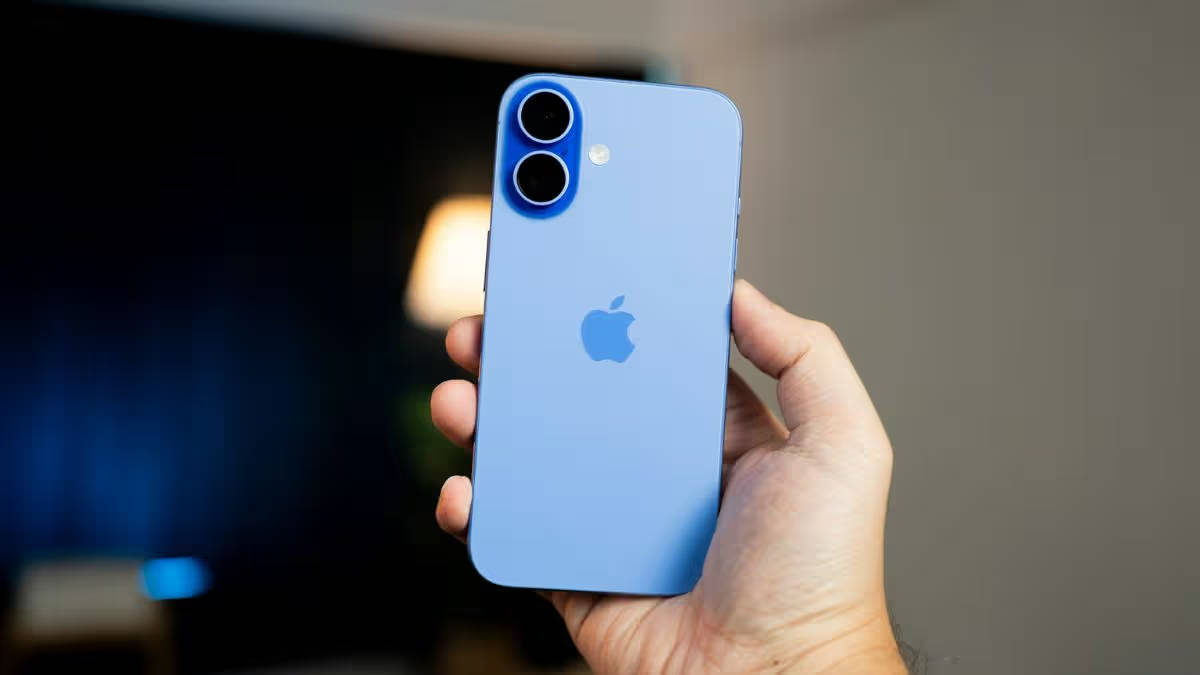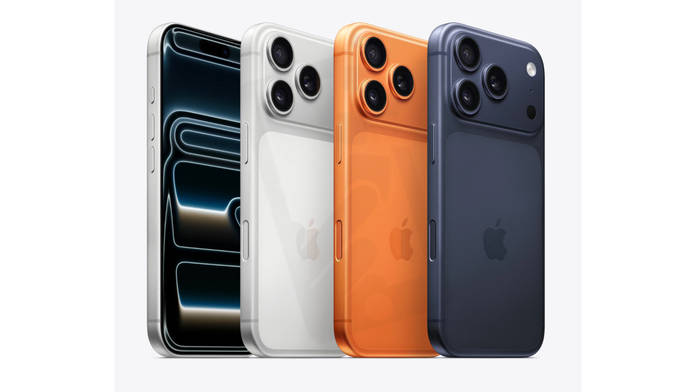
Apple may be prepping to bring some rare good news for premium iPhone buyers this year. The upcoming iPhone 18 Pro and iPhone 18 Pro Max are expected to launch at the same starting prices as the iPhone 17 Pro models, despite a global spike in memory costs that is already pushing many Android flagship prices higher.
According to GF Securities analyst Jeff Pu via MacRumors, Apple’s supply chain partners indicate that the company is focussed on strict cost management to keep iPhone 18 Pro pricing “unchanged or at a similar level” versus the current generation. In the US, that would mean a starting price of around USD 1,099 for the iPhone 18 Pro and USD 1,199 for the iPhone 18 Pro Max, matching the iPhone 17 Pro series. The iPhone 17 Pro models start at Rs 1,34,900 in India.
This comes at a time when DRAM and NAND prices have surged, as chipmakers divert more production to lucrative AI data centres, leaving fewer memory chips for consumer devices. Research firms say this has already translated into 10-25 percent price increases for some smartphones and is putting pressure on Android brands, many of which are either raising prices or cutting back on RAM and storage at the same price points.
Pu believes Apple is using its scale and bargaining power to cushion customers from these increases by negotiating more favourable memory deals with suppliers such as Samsung and SK Hynix, while trimming costs on other components like the display and cameras. Another well-known Apple analyst, Ming-Chi Kuo, has echoed this view, saying Apple’s internal goal is to avoid raising iPhone 18 prices “as much as possible,” even if it means taking a hit on hardware margins.
For Indian buyers, official prices will only be clear closer to the expected September launch, but stable US pricing is usually a sign that India MRPs may not see a dramatic jump generation-on-generation, barring currency swings or tax changes. With Android rivals likely to get pricier or more “tiered” as memory costs bite, a flat launch price for the iPhone 18 Pro lineup could make it a relatively safer pick for users planning a long-term upgrade, especially those coming from older Pro models or standard iPhones rather than last year’s iPhone 17 series.