iQOO Neo 12 vs OnePlus Ace 7: which phone is better for gaming and power users?


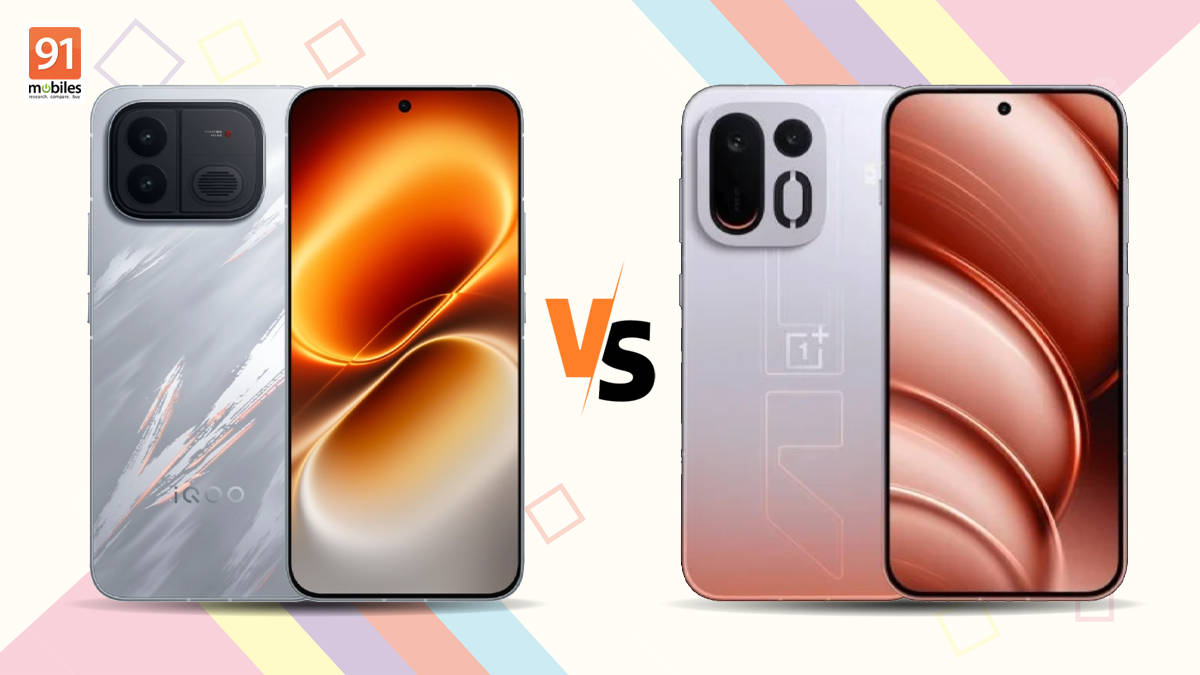
The iQOO Neo 12 and OnePlus Ace 7 are two performance-focused smartphones with flagship-grade chipsets, large batteries, high-refresh-rate displays, and dedicated cooling systems. Both phones share several key specifications, making them closely matched on paper and top contenders for a gaming phone or a daily driver for heavy usage. However, there are some differences in their cameras, display resolution, software support, and pricing that could influence your buying decision.
So, how do the two compare, and which one offers better value for money? Let’s find out.
Table of Contents
iQOO Neo 12 vs OnePlus Ace 7: specifications
| Specification | iQOO Neo 12 | OnePlus Ace 7 |
| Display | 6.83-inch 2K AMOLED, 185Hz refresh rate, 2,200 nits peak brightness | 6.78-inch 1.5K AMOLED, 185Hz refresh rate, 2000 nits peak brightness |
| Processor | Qualcomm Snapdragon 8 Elite Gen 5 | Qualcomm Snapdragon 8 Elite Gen 5 V Series |
| Cameras | 50MP primary, 8MP ultra-wide; 16MP front | 200MP primary, 8MP ultra-wide; 16MP front |
| Battery, charging | 9,000mAh, 100W wired charging | 9,000mAh, 100W wired charging |
| Software | OriginOS 7 (Android 17), 4 OS upgrades, 5-year security updates | ColorOS 17 (Android 17) |
| Durability | IP68+IP69 | IP66, IP68, IP69 and IP69K; Crystal Shield Glass |
iQOO Neo 12 vs OnePlus Ace 7: price
The iQOO Neo 12 starts at CNY 4,199 (Rs 59,400 approx) for the 12GB + 256GB base variant. It comes in five variants with up to 16GB RAM and 1TB onboard storage. OnePlus Ace 7 starts slightly higher at CNY 4,399 (around Rs 62,200) for the same memory configuration. It comes in three more variants with up to 16GB RAM and 512GB storage.
In terms of pricing, the iQOO Neo 12 has a small advantage over the Ace 7. It also offers more memory configurations and higher RAM and storage.
iQOO Neo 12 vs OnePlus Ace 7: design, display
Both the iQOO Neo 12 and OnePlus Ace 7 are performance-focused phones, and their designs reflect that. Starting with the Neo 12, it has a large rear camera module housing the sensors and a cooling fan to dissipate heat. The handset comes in three colour options: Contending, Frost Blade blue, and Shadow Black. The Contending (translated) variant has a textured back panel with striking effects. This one stands out from the other two, which are more subtle. The iQOO Neo 12 comes with IP68 and IP69 ratings for dust and water resistance.


In comparison, the OnePlus Ace 7 is more understated, while still giving off a performance phone look. It has a smaller, square-shaped camera module. Similar to the iQOO phone, the Ace 7 also has a cooling fan embedded on the camera island. It comes in three colour options: Midnight Black, Streamer White, and Quenched, which has the Ace branding slapped on the back panel. The Ace 7 has stronger durability with IP66, IP68, IP69, and IP69K ratings.

Up front, the Neo 12 features a 6.83-inch 2K (3200×1440 pixels) AMOLED display with a 185Hz refresh rate and 2,200 nits peak brightness. The Ace 7 has a slightly smaller 6.78-inch 1.5K ( 2772×1272 pixels) AMOLED display with a 185Hz refresh rate and 2,000 nits peak brightness.
Overall, the iQOO Neo 12 has an edge in display resolution and brightness, while the OnePlus Ace 7 offers a more understated design and better durability ratings, choosing between the two largely a matter of personal preference. It’s also worth mentioning that both phones maintain a slim design, despite housing a massive battery.
iQOO Neo 12 vs OnePlus Ace 7: chipset, battery
The iQOO Neo 12 is powered by the Qualcomm Snapdragon 8 Elite Gen 5, the same chipset used by the OnePlus Ace 7. Both phones also come with LPDDR5X Ultra RAM and UFS 4.1 storage. So, performance-wise, both phones should be mostly on par for handling everyday tasks and heavy-duty tasks as well. You also get built-in cooling systems with both phones. The OnePlus Ace 7 features what it calls the industry-first dual-path glacier air-cooling system, while the iQOO Neo 12 has an ice doom air cooling system. When it comes to heat dissipation, both phones should handle it pretty well during your long gaming sessions.

Battery capacity is also the same on both phones, which is 9,000mAh with 100W wired charging support. This means that you should get around the same battery usage on either phone, which should easily last more than a day, even with heavy usage.

With identical chipsets, memory configurations, cooling systems, and battery capacities, the iQOO Neo 12 and OnePlus Ace 7 appear evenly matched on paper, with both promising flagship-level performance, sustained gaming, and reliable all-day battery life.
iQOO Neo 12 vs OnePlus Ace 7: cameras
The iQOO Neo 12 has a dependable camera setup, but not one that’s versatile. The setup includes a 50MP primary sensor and an 8MP ultra-wide camera at the back, accompanied by a 16MP front camera. This setup is decent and suitable for everyday photography, but maybe not for enthusiasts. The OnePlus Ace 7 has an advantage here with a stronger 200MP sensor for its main camera. This should result in better details and colours compared to the Neo 12. The rest of the cameras are the same as the Neo 12, so you’re missing a telephoto lens on both phones, which helps with portraits and zoom shots.
Overall, the OnePlus Ace 7 has an edge in main camera resolution, while both phones offer similar versatility, with no dedicated telephoto lens for zoom photography.
iQOO Neo 12 vs OnePlus Ace 7: software
On the software front, the iQOO Neo 12 runs OriginOS 7 based on Android 17 out of the box. The smartphone is also getting 4 OS upgrades and 5 years of security updates. The OnePlus Ace 7 also comes with the latest Android 17-based ColorOS 17 out of the box. However, its software update policy hasn’t been revealed yet. Both UIs are known to offer smooth animations, improved performance, and AI-powered features.
OriginOS 7 focuses more on personalisation, multitasking, and productivity tools. ColorOS 17, meanwhile, emphasises a polished interface, fluid animations, and AI tools for everyday tasks. The difference might come down to personal preferences and which UI is more useful for everyday use.
Overall, the iQOO Neo 12 has a clear advantage in software support, while the OnePlus Ace 7 could appeal equally to users who prefer ColorOS, although its update commitment remains unclear.
Summing up
The iQOO Neo 12 and OnePlus Ace 7 are closely matched in performance, battery life, and display experience, making both strong options for users looking for performance-focused smartphones. The iQOO Neo 12 has a slight advantage with its higher-resolution, brighter display, a more clearly defined software update policy, and a slightly lower starting price. It also offers more memory configurations, giving buyers greater flexibility when choosing a variant.
The OnePlus Ace 7, on the other hand, offers a higher-resolution primary camera, better durability ratings, and a more understated design. While the Ace 7 could appeal to users who prioritise camera resolution and design, the iQOO Neo 12 makes a stronger case as an overall value-for-money option, especially for those looking for flagship-level performance without spending as much. Either way, both phones can be purchased if power usage and heavy gaming are your priorities.