Lenovo ThinkBook 14x launched in India, weighs just under 1kg and focuses on battery life


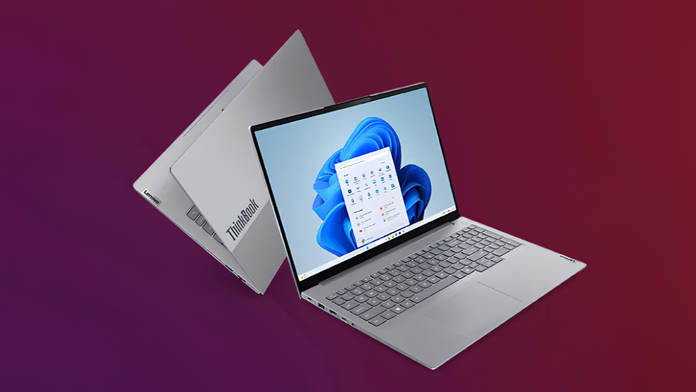
The Lenovo ThinkBook 14x has launched in India, targeting professionals and students who want a powerful but portable laptop. It weighs less than 990 grams, is just 12.9mm thin, and uses soldered memory to balance performance with battery efficiency. Let’s take a detailed look at it below.
Table of Contents
Lenovo ThinkBook 14x: key features, specifications
Lenovo is offering the ThinkBook 14x in three configurations and categorizing them into “Good,” “Better,” and “Best” variants. The good news here is that all three machines get 16GB LPDDR5X memory built into the processor, and it has a blistering 8,533MT/s of speed. The bad news is since the memory is built-in, you can’t really upgrade it down the line.


The entry-level “good” variant should suit users who want a regular everyday laptop for work, study, and general use. The Core Ultra 5 226V (8-core) processor and 16GB memory should offer enough performance for common tasks, while the 54.7Wh battery should prove sufficient enough for a normal day of use.
Show Full Article


The “better” variant is a more capable option, using the Intel Core Ultra 7 256V (8-core) with more processing power and the Intel Arc 140V integrated GPU. This makes it a better fit for users who may dabble in light games, video editing, or other graphics-heavy workloads alongside everyday tasks. It also adds a touch display, which could be useful for users who prefer to take notes and want an easier way to interact with the laptop.
The “best” variant is for users who want the best features the lineup has to offer. It offers a 2.8K OLED display with a 120Hz refresh rate, 1TB storage and a larger 65Wh battery. The OLED panel makes it the better choice for users who regularly watch movies and shows on their laptop, while the larger battery should help offset the higher power needs that come with an OLED panel.
Should you buy the Lenovo ThinkBook 14x?
The ThinkBook 14x starts at Rs 1,08,990, while the Better variant is currently listed at Rs 1,34,991 on Lenovo.com. The top-end OLED variant is not listed yet, but it should cost around Rs 1.5-1.6 lakh.
The ThinkBook 14x is a good option for users who want performance and good battery efficiency without moving away from x86 platform. Its Intel Core Ultra Series 2 processors, also known as Lunar Lake, focus heavily on power efficiency, while the Intel Arc 140V GPU gives the higher-end variant enough graphics power for light gaming and creative work.
That puts the ThinkBook 14x in competition against Snapdragon X laptops like the ASUS Zenbook A14 and the MacBook Air M5, which also focus on performance and battery life. Lenovo’s x86 platform, however, gives users easier compatibility with traditional Windows software without the ARM-related compatibility concerns that can still affect some applications. Snapdragon X2 laptops do have a battery efficiency advantage, while the MacBook Air remains a popular option for users who are comfortable with macOS.
For users who want a very light laptop with good battery life, decent performance and fewer software compatibility compromises, the ThinkBook 14x looks to be a worthwhile option. The OLED model also caters to users who want a laptop for media consumption, but its final price will decide if its as value-centric as its other siblings.