Lenovo Yoga Pro 9n and Yoga 9n 2-in-1 launched in India with RTX Spark chipsets


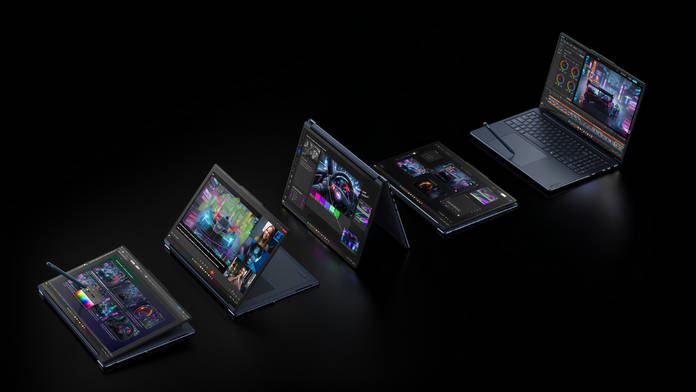
Lenovo has launched two new Yoga laptops in India, the Yoga Pro 9n Gen 11 and the Yoga 9n 2-in-1 Gen 11, powered by NVIDIA RTX Spark. These machines will cater to creators, developers and AI professionals with a focus on running demanding AI tasks locally. Let’s discuss them in more detail below.
Table of Contents
Lenovo Yoga Pro 9n and Yoga 9n 2-in-1: price in India
The Lenovo Yoga Pro 9n Gen 11 starts at Rs 3,19,990 in India, while the Yoga 9n 2-in-1 Gen 11 starts at Rs 3,54,990. The Yoga Pro 9n is available through Lenovo’s official website and select retail outlets. The Yoga 9n 2-in-1 is available exclusively through Lenovo.com. Buyers can also customise the laptops through Lenovo’s online store, with options to configure memory, storage and accessories.
What do the Lenovo Yoga RTX Spark laptops offer?
Both laptops use NVIDIA RTX Spark technology, which combines a 20-core NVIDIA Grace CPU with Blackwell RTX graphics to deliver up to 1 petaflop of AI performance. The Yoga Pro 9n supports up to 128GB of unified memory, while the Yoga 9n 2-in-1 supports up to 64GB.
Show Full Article
This setup is designed to run AI models and applications locally, helping users work on AI development, software coding, video editing and 3D rendering without relying entirely on cloud services.

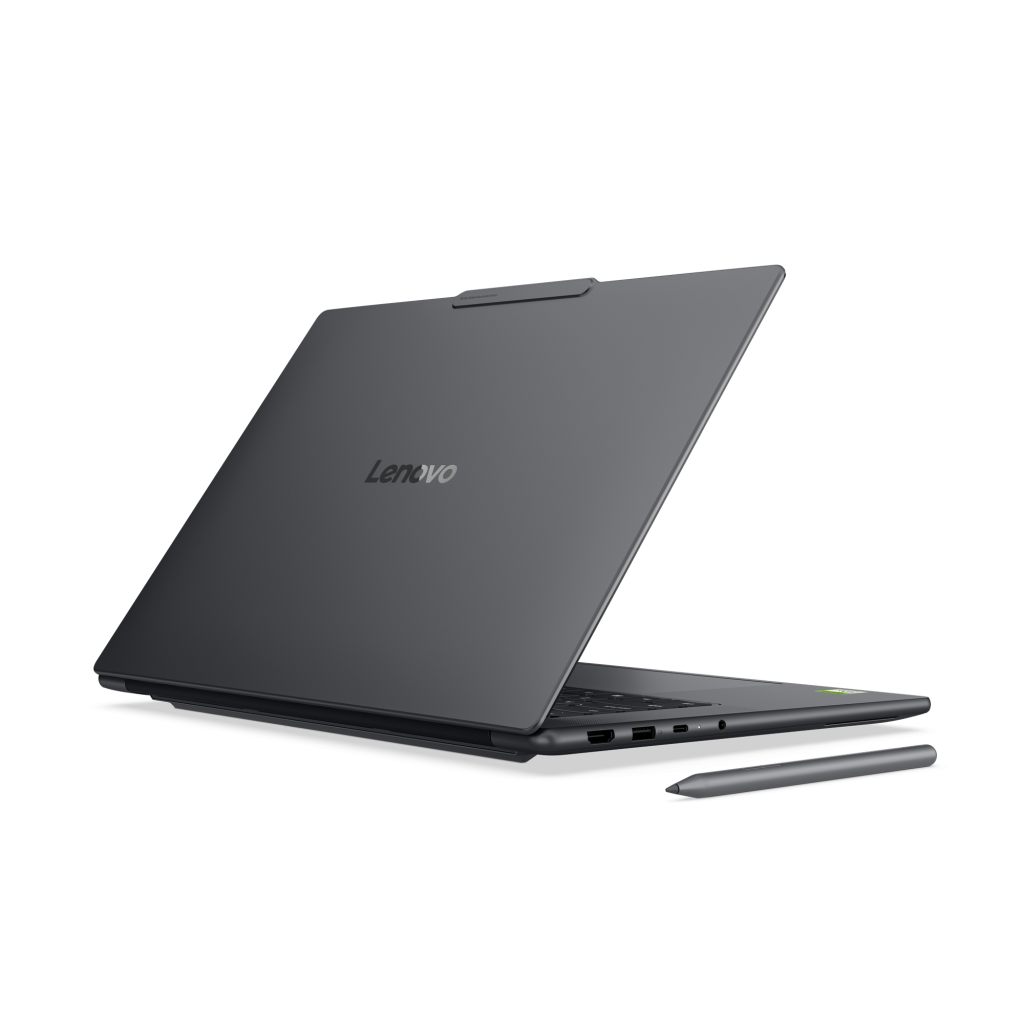
Lenovo has also included its Powerhub and AI Engine+ tools, which can direct tasks to different parts of the system based on the workload. This should help the laptops manage demanding tasks while balancing performance and power use. Both models also support NVIDIA’s CUDA software tools, which developers can use to build and run AI applications.
The Yoga 9n 2-in-1 is unique for its 360-degree hinge, which lets users switch between laptop, tablet, tent, stand and canvas modes. It also supports Lenovo’s Yoga Pen Gen 2, which offers pressure sensitivity, tilt support, palm rejection and customisable controls.


Users can write or draw directly on the OLED display or use the haptic ForcePad. This could be useful for sketching, taking notes, annotating documents and making precise edits.
The Yoga Pro 9n, meanwhile, has a regular design for users who need performance for creative work, AI development and gaming. Both laptops feature a PureSight Pro OLED display with 100 per cent P3 colour coverage, VESA DisplayHDR True Black 1000 certification and factory Pantone validation. These features improve colour accuracy and offer high-contrast for photo and video work.
Who should buy the Lenovo Yoga RTX Spark laptops?
The Lenovo Yoga Pro 9n and Yoga 9n 2-in-1 are best suited to developers, AI engineers and creators who regularly run heavy AI workloads. Running AI models locally could help them reduce cloud usage and save on token costs, while NVIDIA’s CUDA tools and RTX graphics can support AI development, video editing and 3D rendering. Gaming is an added benefit for those who want one machine for both productivity and games.
The consumer alternatives for these machines would include the 14-inch MacBook Pro with M5 Pro, starting at Rs 2,99,900 for heavy AI workloads, and also offers better CPU and GPU-based performance. For users with lighterworkloads, the ASUS Zenbook S16 with AMD Ryzen AI 9 465+, listed at Rs 1,82,990, can be a good alternative.
These laptops, however, use integrated graphics and offer less memory than the Yoga Pro 9n’s top configuration of 128GB. The Lenovo Yoga RTX Spark models are worth considering for buyers who need local AI development and powerful graphics, while most can make do with more affordable AI laptops for everyday productivity and lighter workloads.