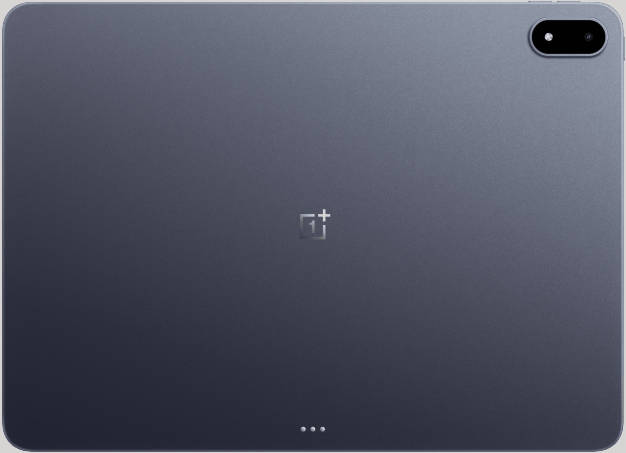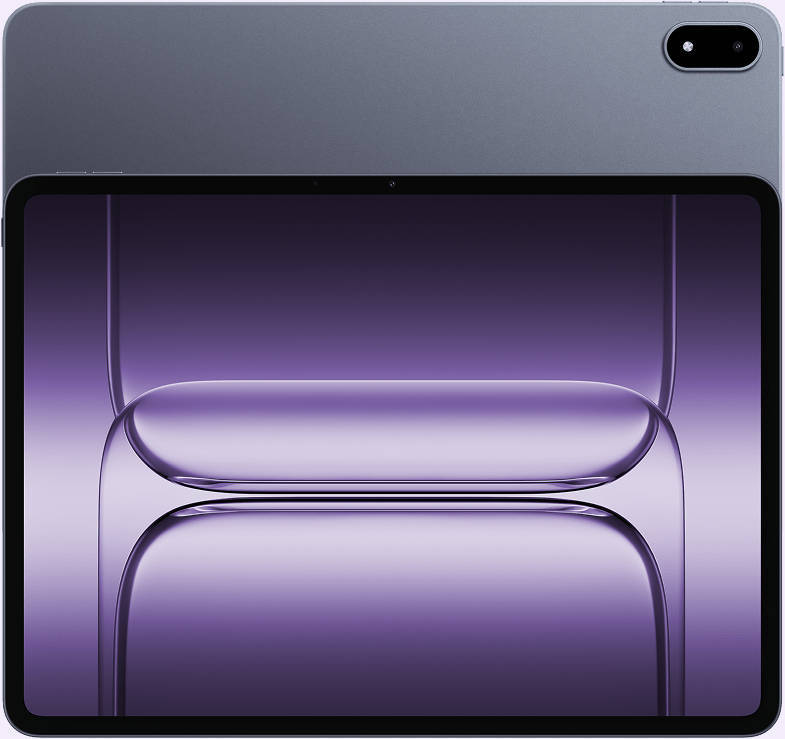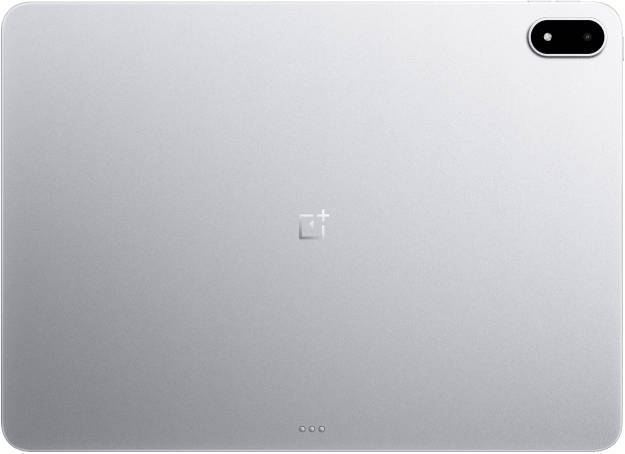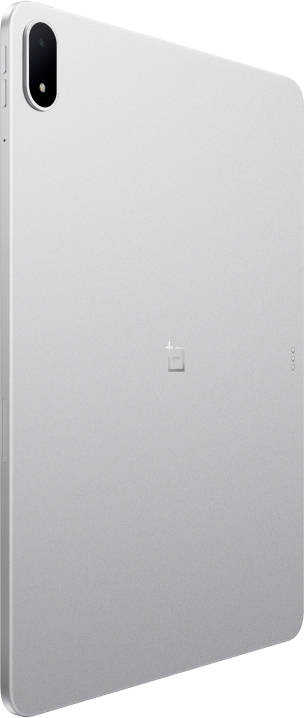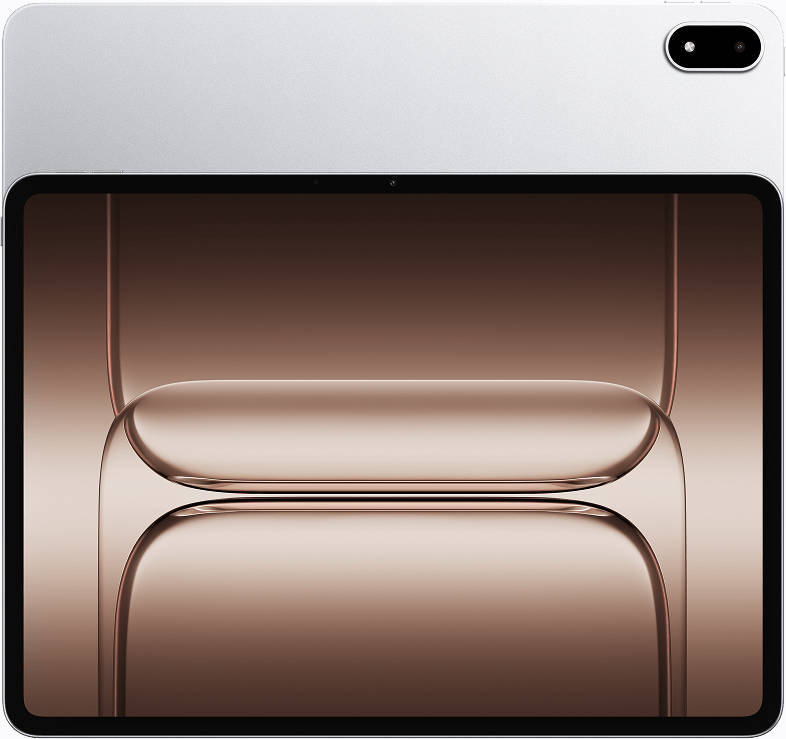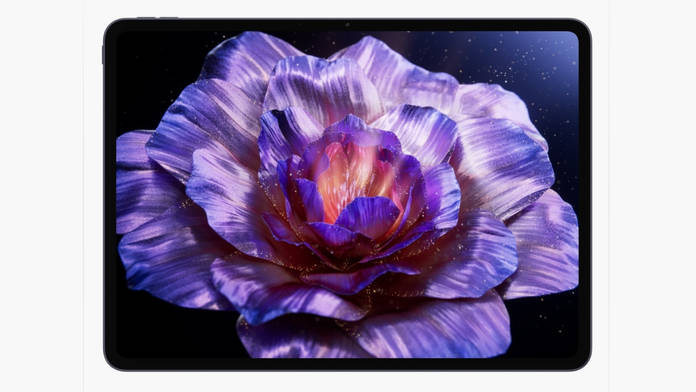
OnePlus has revealed the price of its flagship tablet, the OnePlus Pad 3, nearly three months after being unveiled alongside the OnePlus 13s. The base variant, with 12GB RAM and 256GB storage, is priced at Rs 47,999, making it a high-end offering comparable to the Samsung Galaxy Tab S10 FE and iPad Air. The successor to the OnePlus Pad 2 (review) is positioned as a premium device for productivity and entertainment, promising blazing fast performance with the top-tier Snapdragon 8 Elite chipset and a large 12,140mAh battery with 80W fast charging.
The OnePlus tablet will be available in a Wi-Fi-only model with two memory configurations: Rs 47,999 for the 12GB+256 GB variant and Rs 52,999 for the 16GB+512 GB model. With bank offers, you can get the tablet starting at Rs 42,999. The OnePlus Pad 3 will go on sale from September 5th at 12 PM via the OnePlus store and Amazon. At this price, the OnePlus Pad 3 becomes one of the most affordable Snapdragon 8 Elite devices available, as phones powered by this chipset typically cost over Rs 50,000. It also undercuts flagship tablets with its price-to-specs ratio.
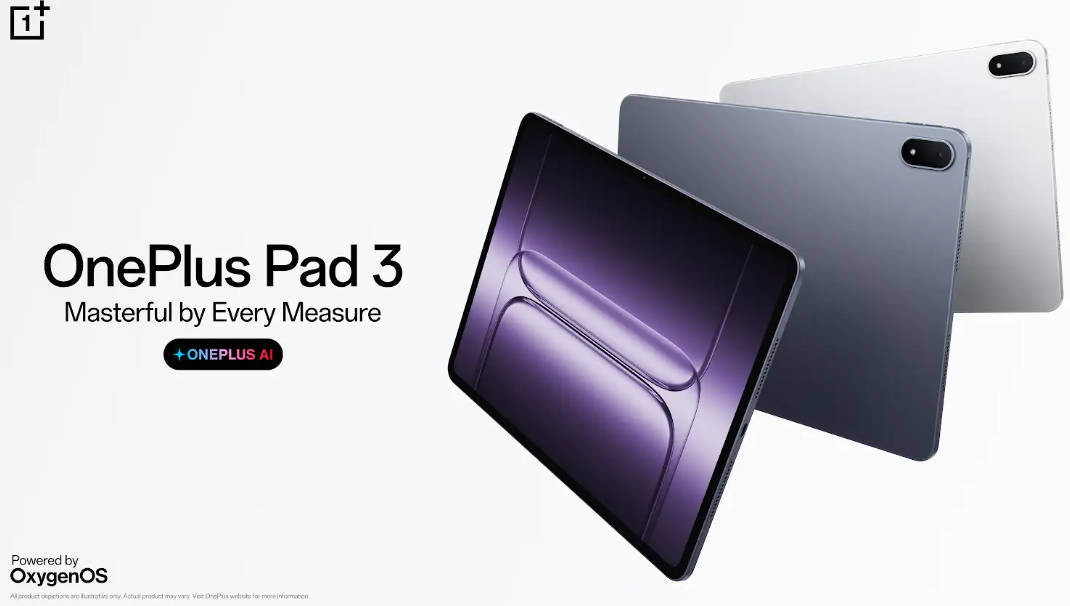
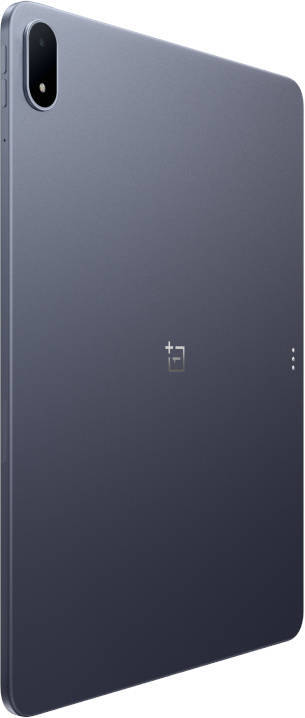
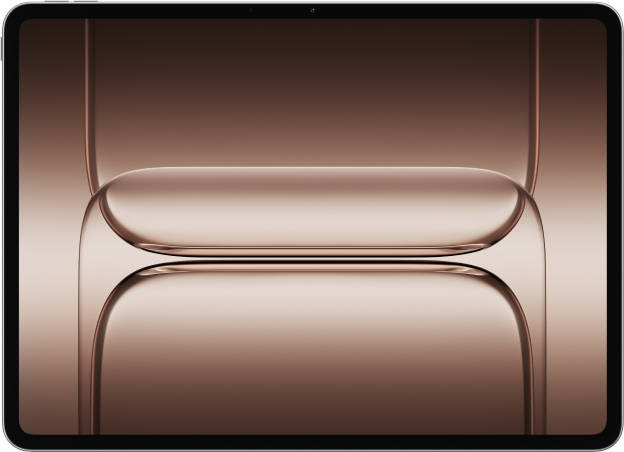
The OnePlus Pad 3 is just 5.97mm thick and packs a 13.2-inch display. On paper, it supports a 144Hz adaptive refresh rate, 540Hz touch sampling, and 96% DCI-P3 colour coverage, which means smooth visuals and accurate colours for gaming or media. However, OnePlus has gone with an LCD panel instead of OLED. For most users, this won’t be a dealbreaker – the brightness goes up to 600 nits and colours look vibrant – but those who value deep blacks and HDR performance may find the experience a notch below Samsung’s OLED tabs or Apple’s iPads. The choice was likely made to keep pricing under Rs 50,000, and in that regard, it’s a practical compromise.
Sound is another area where OnePlus is trying to stand out. The 8-speaker system (four woofers + four tweeters) should deliver a room-filling stereo effect that makes the Pad 3 particularly appealing for Netflix or YouTube binges. It’s a reminder that this tablet isn’t just for work but also for entertainment on a large screen.
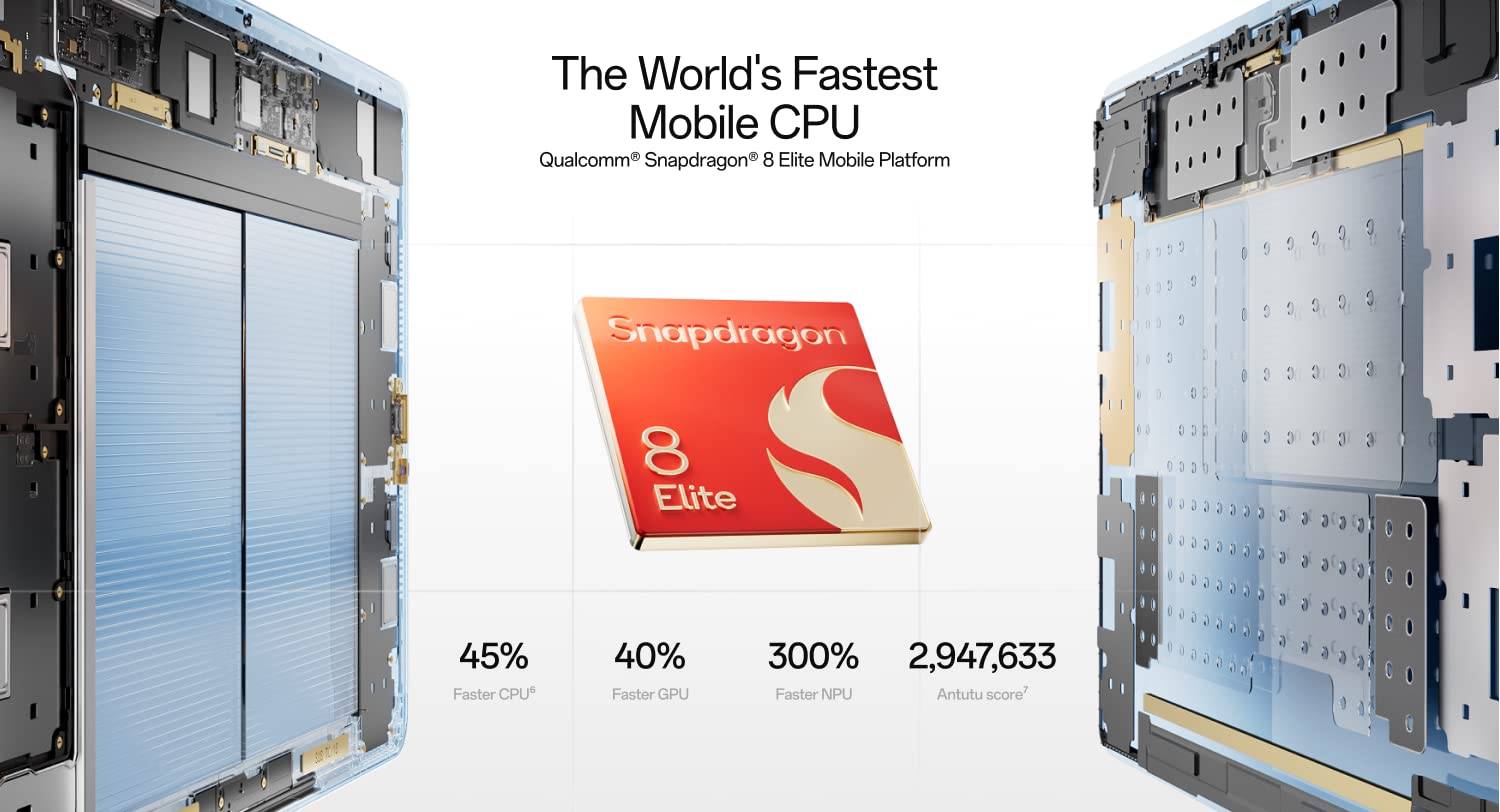
Performance, though, is where the Pad 3 makes its biggest statement. It runs on Qualcomm’s Snapdragon 8 Elite chipset, the same top-tier silicon used in 2025’s most expensive flagship phones. Compared to last year’s Pad 2, the CPU cores run faster, and the Adreno 830 GPU brings a clear uplift in graphics power. For students, creators, or professionals juggling heavy apps, this means smoother multitasking and even high-end gaming without compromise. And because it’s paired with up to 16GB LPDDR5T RAM, the Pad 3 is future-proofed for demanding workloads in a way most mid-range tablets simply aren’t.
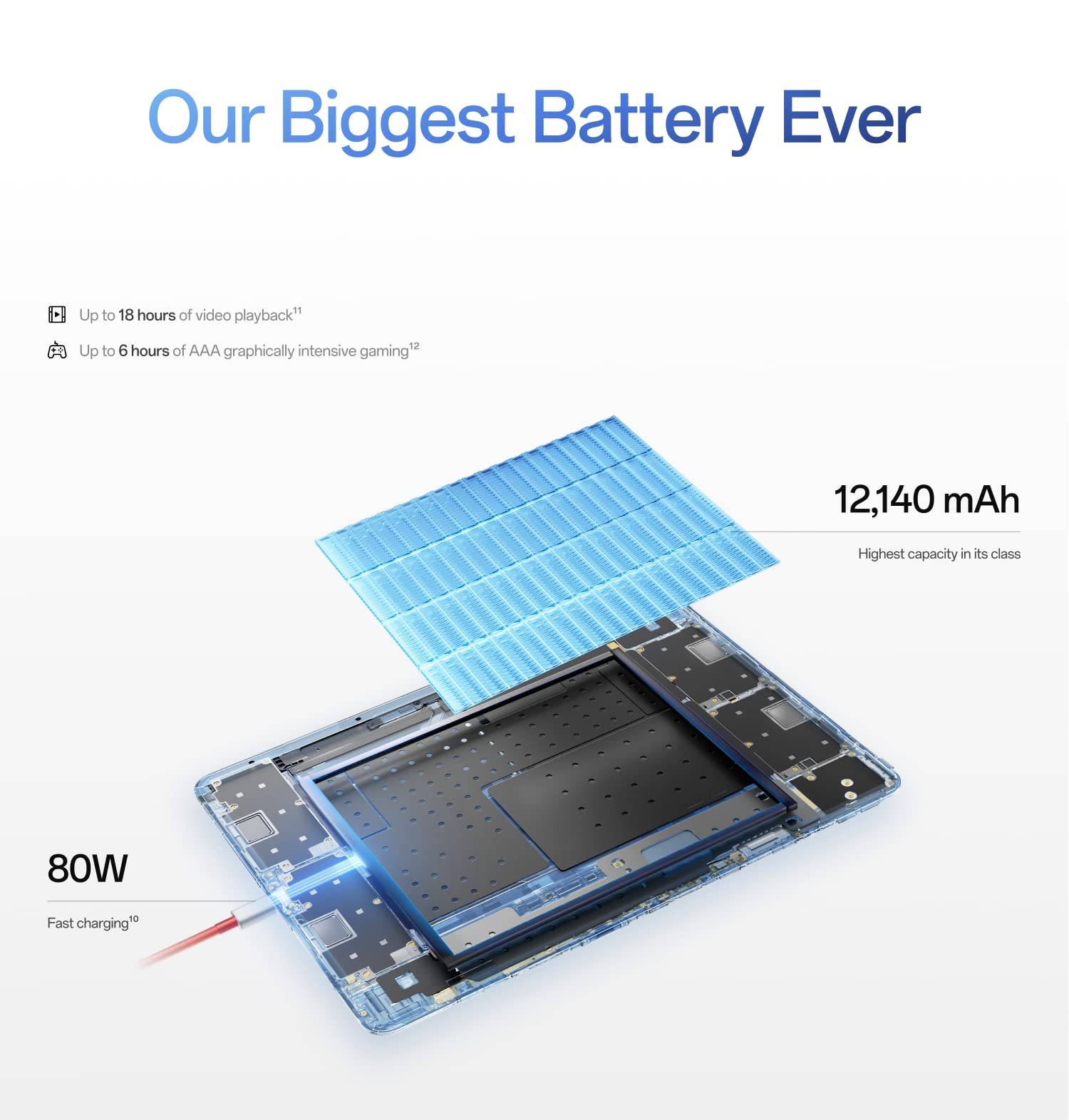
Powering this audiovisual setup is a 12,140mAh battery with 80W fast charging support. That’s a bigger battery and faster charging solution compared to the 9,510mAh unit and 67W charging on the OnePlus Pad 2. Fitting a larger battery while keeping the tablet slimmer is impressive, but the weight is on the higher side at 675 grams.
The OxygenOS 15 also brings complementary AI tools (like AI Translation, AI Writer) and multitasking with up to 3 apps simultaneously on screen. If you want to prop up the tablet like a PC, you can connect the Stylo 2 (pen), Folio case and Smart Keyboard. These accessories will be sold separately. For a limited-time sale offer, the Folio case and Stylo can be obtained for free with the purchase of the tablet.
However, the newcomer shares similar connectivity and camera specifications: Wi-Fi 7, Bluetooth 5.4, USB-C port, 13MP rear camera, and 8MP front camera. If you care about cellular connectivity, that’s not available.
If you want a big-screen Android tablet with premium hardware and software optimisations for multitasking, the OnePlus Pad 3 is worth considering. It features fast LPDDR5T RAM, a Snapdragon 8 Elite chip, and AI-powered OxygenOS 15 capabilities that distinguish it from last year’s model. However, if you prefer 5G connectivity, you can consider the Samsung Galaxy Tab S10 FE. For an OLED display and a better software ecosystem, the Samsung Galaxy Tab S10 or S9, or the Apple iPad Pro 11 (2024) are available, but at a significantly higher price.
OnePlus Pad 3 Images