OnePlus Turbo tipped to launch soon as a dedicated gaming flagship: check expected specifications


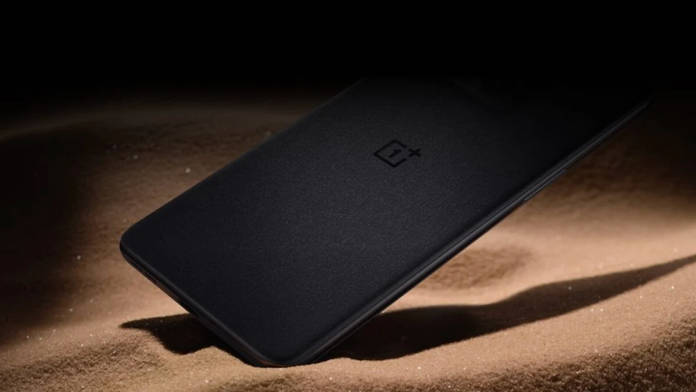
In a market where the majority of flagships try to do a bit of everything, OnePlus seems to be getting ready to cut a sharper niche. New reports indicate that the company is working on a dedicated gaming flagship named OnePlus Turbo, which could be the company’s first big step into the gaming-specific category, a vertical currently dominated by the likes of ASUS and RedMagic. The phone, codenamed ‘Macan’ and tipped to launch in the next couple of months, might mark OnePlus’ move to diversify its offerings beyond the numbered flagship line and its sub-flagship R/Ace series.
The major highlight of the soon-to-be-unveiled OnePlus Turbo is its hardware. The device is rumoured to launch with Qualcomm’s yet-unannounced Snapdragon 8 Gen 5 chipset, which could make it the world’s first smartphone to bundle this processor. The move would give OnePlus a first-mover advantage and could set the Turbo as a benchmark should it meet performance standards.
Show Full Article
To power the chipset’s needs, OnePlus is apparently loading the phone with an 8,000mAh battery, another first for flagships. For context, most flagship devices have batteries between 4,700mAh and 5,000mAh, but competitors like Realme have recently upped the ante with 7,000mAh+ batteries with phones like the Realme GT8 Pro. OnePlus themselves introduced a 7,000mAh+ battery on the OnePlus 15. Paired with 100W wired fast charging, the OnePlus Turbo could significantly minimise gamers’ anxiety over battery drain, especially during marathon gaming sessions or live streams.
Thermal performance also seems to be in the spotlight. The phone will reportedly feature the new Glacier Cooling System, meant to handle heat under heavy use. The system debuted on the OnePlus 15, and is essentially a larger vapour chamber made from thin tearable steel to improve heat dissipation. It remains to be seen whether the chamber will be replicated on the Turbo or an improvised one will be used. Dedicated gaming phones like ASUS’ ROG series and RedMagic’s Nubia series use such chambers to improve thermal dissipation.


The Turbo’s screen logically appears to be geared towards gaming-oriented expectations. The phone is said to come with a 6.7-inch OLED display that has 1.5K resolution and a 165Hz refresh rate, which should guarantee smooth motion and accurate touch response with high frame rate games. This would place it on the same level as the fastest screens found on existing gaming smartphones, only below the ASUS ROG Phone 9 Pro, whose refresh rate tops at 185Hz, but with lower FHD+ resolution. The setup could be the same BOE’s third-gen Oriental screen that is seen on the OnePlus 15.
Design details are still scarce, but the leak indicates practical features like stereo speakers, X-axis linear motor for haptic feedback, NFC, and an in-display ultrasonic fingerprint sensor, all pointing towards a full-flagship experience.
Contrary to usual OnePlus flagships, the Turbo is said to dial back on camera aspirations in favour of gaming performance. The primary camera on the back is tipped to feature a 50MP sensor and an 8MP ultra-wide sensor, with the selfie camera potentially being a 32MP sensor. This should be enough for everyday photography and streaming work but strongly indicates the company’s willingness to allocate resources elsewhere.
The report further states that active testing for the OnePlus Turbo is already in progress in India. This comes as no surprise based on India’s increasing population of mobile gamers and OnePlus’ reputation in the country. If it launches as anticipated, the OnePlus Turbo would directly compete with the ASUS ROG Phone 9, RedMagic 10, and Black Shark 8 lineup, all of which target the niche but increasing gaming market. Branding and pricing would be its biggest challenge.
If these specs indeed turn out as tipped and you are an avid mobile gamer who values performance and battery life above photographic abilities, the OnePlus Turbo may be a strong device to consider when it becomes available. However, general users or those more interested in photography may find it less desirable due to its solid focus on gaming.
Also Read


OnePlus Ace 6 launched in China with 165Hz display, Snapdragon 8 Elite chipset: check out the price and features

OxygenOS 16 launched with enhanced personalisation options, Parallel Processing 2.0, new AI features, and more


OnePlus 15 display specs includes BOE's third-gen 165Hz Oriental Screen