Finnish health tech firm Oura has brought the Oura Ring 4 to India, stepping into a smart ring category that’s still small but growing steadily. The ring, which was launched globally in October 2024, goes on sale from March 18th via 100+ Croma stores and Amazon. Prices start at Rs 28,900 for the Silver and Black versions and go up to Rs 39,900 for the premium finishes – Stealth, Brushed Silver, Gold, and Rose Gold. There’s also a Rs 599 monthly subscription to access the full app experience.
The Oura Ring 4 is meant to sit quietly in the background and track your health data for you. There’s no screen, no constant notifications — it simply tracks things like sleep, heart rate variability, stress, and daily activity, and turns that data into easy-to-understand insights in the app. The idea is less about tracking everything in real time, and more about helping you spot patterns over time.
This new version also brings a few under-the-hood upgrades. It uses 18 sensing pathways, up from the last generation, to improve accuracy for things like HRV and blood oxygen. The ring itself is lightweight titanium, designed to be worn all day and night without getting in the way, and it can last up to eight days on a single charge. It also comes in multiple sizes, which matters more here than with watches, since a proper fit directly affects how accurate the readings are.
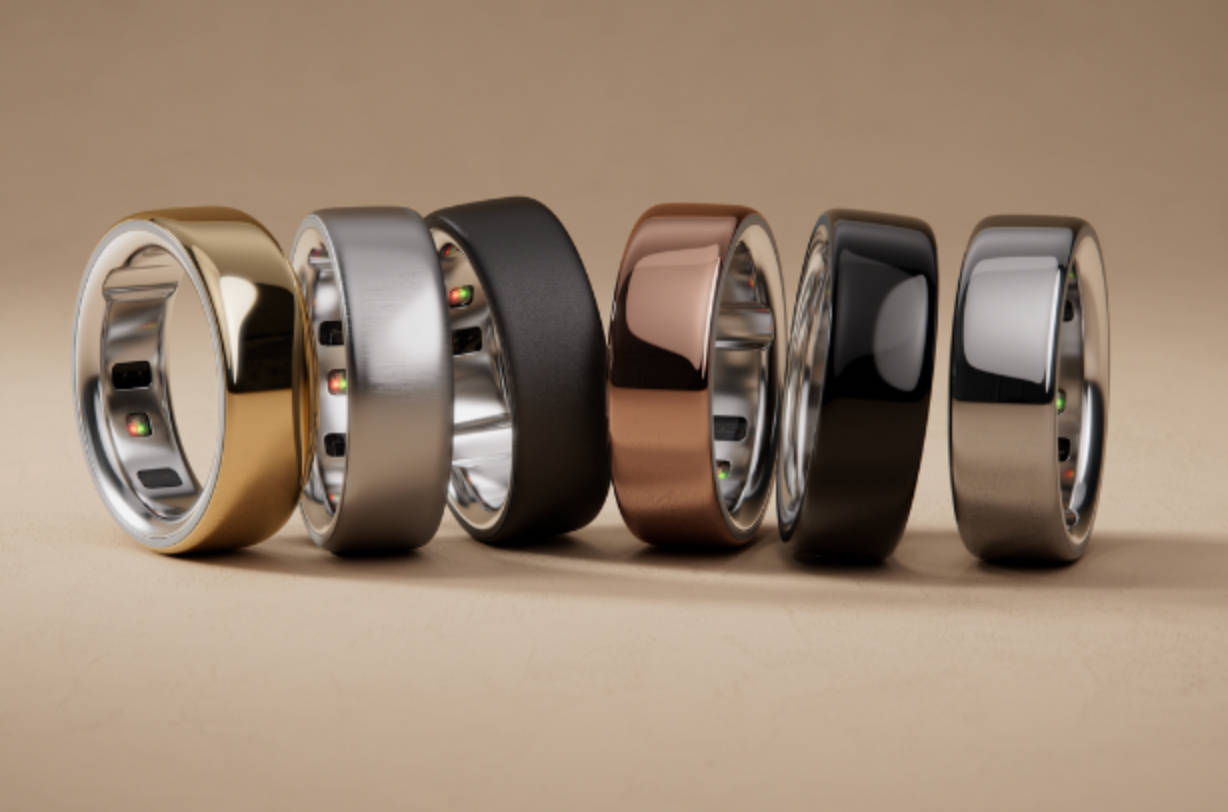
In India, Oura isn’t entering an empty segment. The Ultrahuman Ring Air sits at a similar price but skips the subscription, which may be easier to commit to for some people. The Samsung Galaxy Ring, which is priced around Rs 38,000, leans more on ecosystem features, especially for Galaxy users, while the Noise Luna Ring offers a more affordable, no-frills entry point at under Rs 22,000. Oura’s approach seems a bit different. It’s leaning into deeper insights and long-term tracking rather than just ticking feature boxes. The subscription adds to the cost, but it’s tied to how much value users see in those insights over time.
For most people, the choice comes down to what you’re looking for. If you want a more detailed view of your sleep and recovery and are willing to build habits around it, the Oura Ring 4 fits that role well. If you’d rather keep things simple and avoid a recurring fee, other options in this space may feel more practical.
The launch timing coincides with a broader pattern Oura is highlighting. Its ‘India: The State of Sleep 2026’ report suggests Indian users are averaging just 6 hours and 28 minutes of sleep a night. Late nights and fixed wake-up times leave little room for recovery, often pushing people towards longer naps during the week. That’s exactly the kind of gap Oura is trying to address not just by tracking sleep, but by helping users understand how to improve it.