


Review Summary
Expert Rating
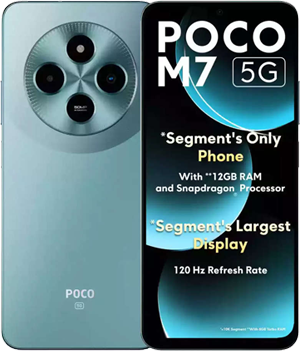
The POCO M7 is the most affordable model in the brand’s M series for 2025, launching after the POCO M7 Pro (review) in January. It offers a solid set of features for a budget device, including a Snapdragon 4 Gen 2 chipset, a 50MP AI rear camera, and a 5,160mAh battery. POCO targets budget-conscious users and those upgrading from older devices with the M7, but does it deliver good value for the price? Let’s find out.
Table of Contents
Verdict
The POCO M7 is a good choice for those looking for a reliable budget phone under Rs 10,000. It delivers strong multimedia performance, good battery life, decent cameras, and long-term software support. While it ticks many boxes, it would have been even better with fewer pre-installed apps and better low-light photography.
Design & display
| Smartphones | Weight | Thickness | IP rating |
| POCO M7 | 205 grams | 8.3mm | IP52 |
| Tecno Spark 30C | 189 grams | 7.82mm | IP54 |
| Infinix Hot 50 | 188 grams | 7.82mm | IP54 |
The POCO M7 has a simple yet refined design, featuring a dual-tone rear panel with a glossy finish on the upper half and a matte texture on the lower half. The matte finish helps keep fingerprints and smudges at bay, which is a nice touch. Despite the plastic build, the glass-like back gives it a premium feel, while the front houses a large 6.88-inch display.
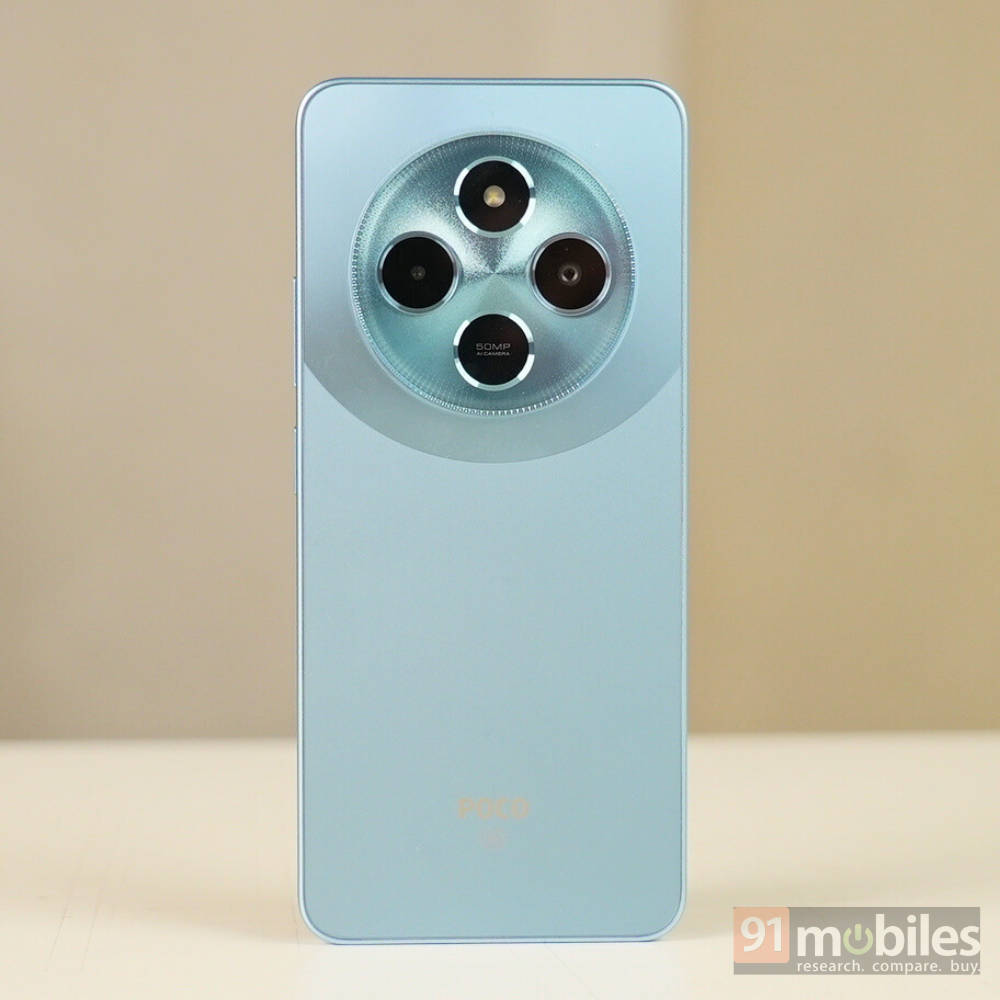
The phone feels quite large in hand, and I found it a bit overwhelming at times, but POCO has done a good job with weight distribution, making it well-balanced despite its tall frame. Although the phone does carry some heft to it, and if you’re used to a lighter device, it might take time to acclimate.
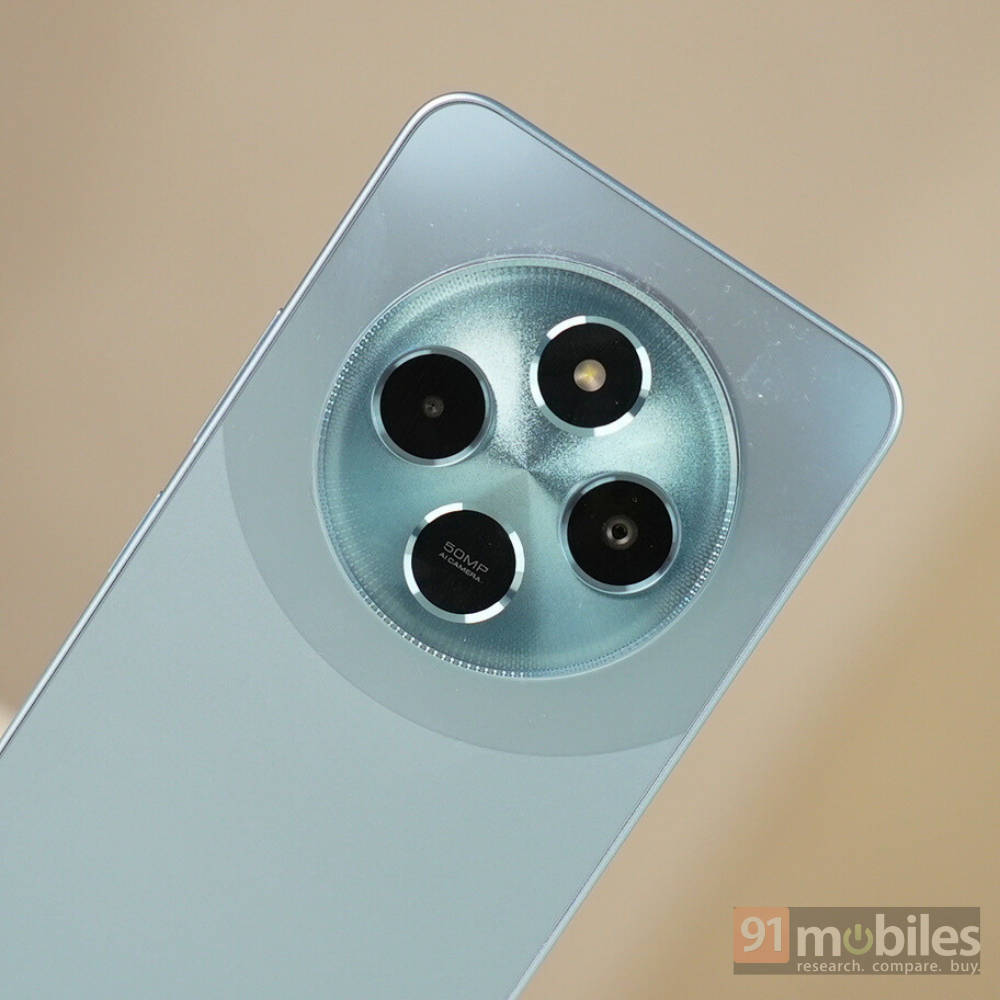
The camera sits within a large circular module at the back—a design choice that I’m not very keen on. The power and volume buttons are on the right, while the 3.5mm headphone jack is positioned at the top. At the bottom, you’ll find the mono speaker and USB-C port.
| Smartphones | Display | Peak brightness |
| POCO M7 | 6.88-inch LCD | 600 nits |
| Tecno Spark 30C | 6.67-inch LCD | 480 nits |
| Infinix Hot 50 | 6.7-inch LCD | 600 nits |
The 6.88-inch drop-notch LCD display offers HD+ (1,640 x 720p) resolution, 120Hz refresh rate, and 600 nits brightness. The panel appears rather washed out in standard mode if you’re used to more premium displays, but in vivid mode it looks pretty nice. The mono speaker delivers clear audio with decent volume, though a stereo setup would be better.
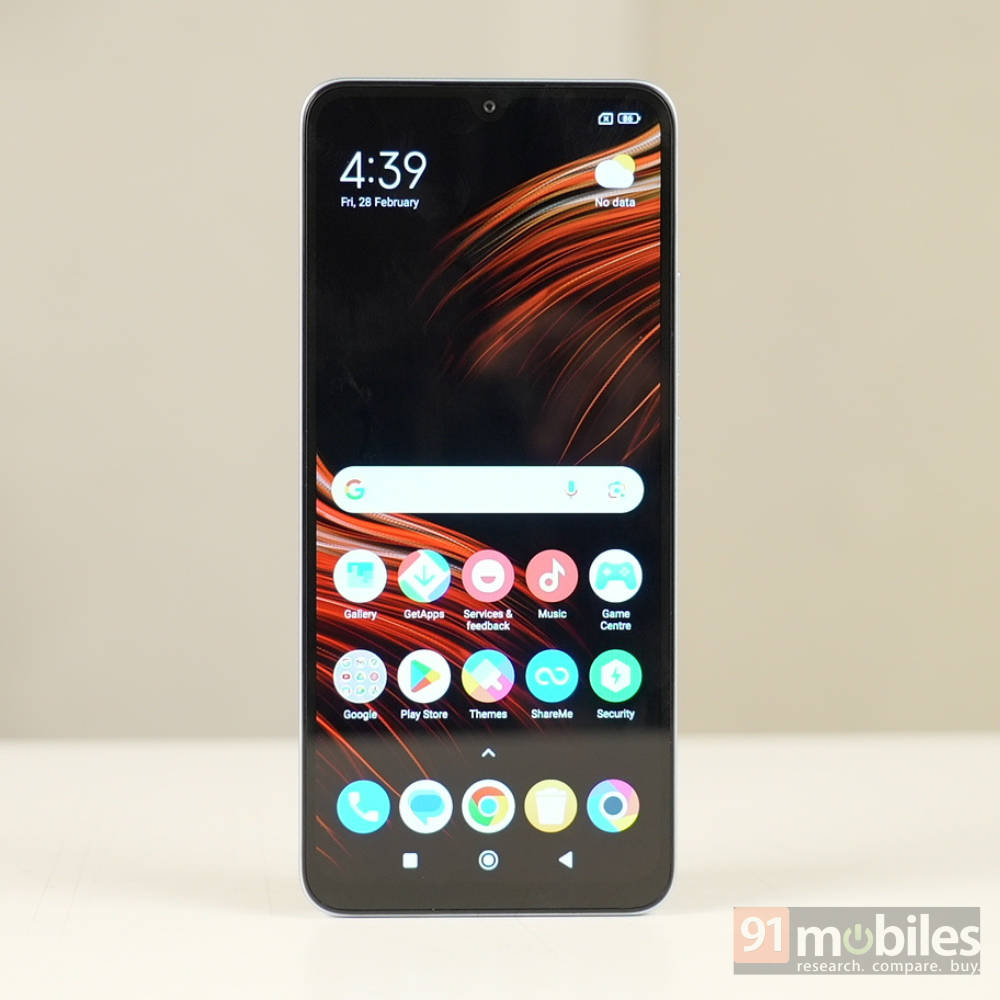
The brightness is sufficient for indoor use but feels lacking outdoors, especially with summer approaching, although that’s common for this segment. Finally, the multimedia experience is great, and the tall display definitely adds a lot to it.
For biometrics, you get a side-mounted fingerprint sensor, which functions well, along with face unlock.
Cameras
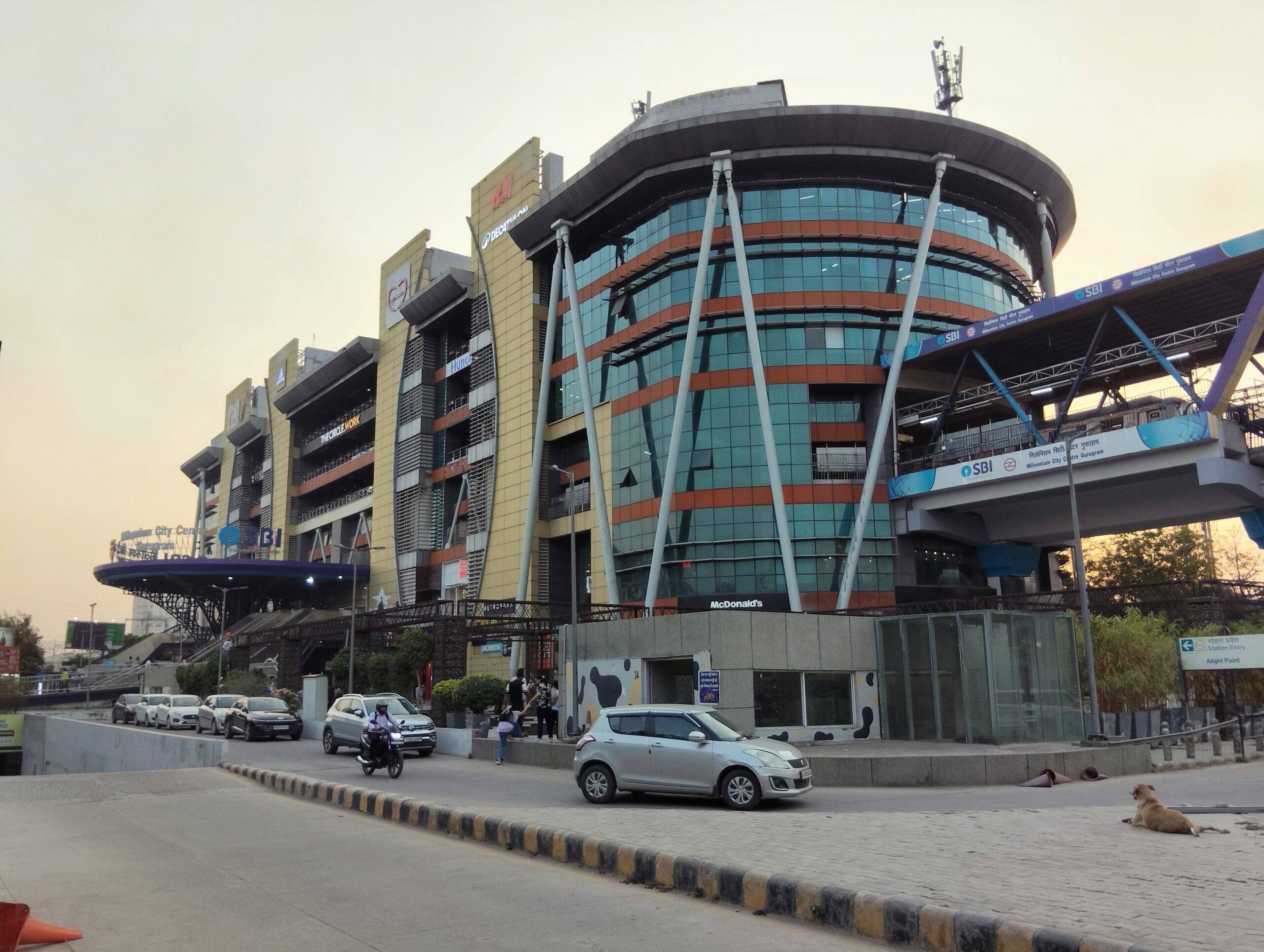
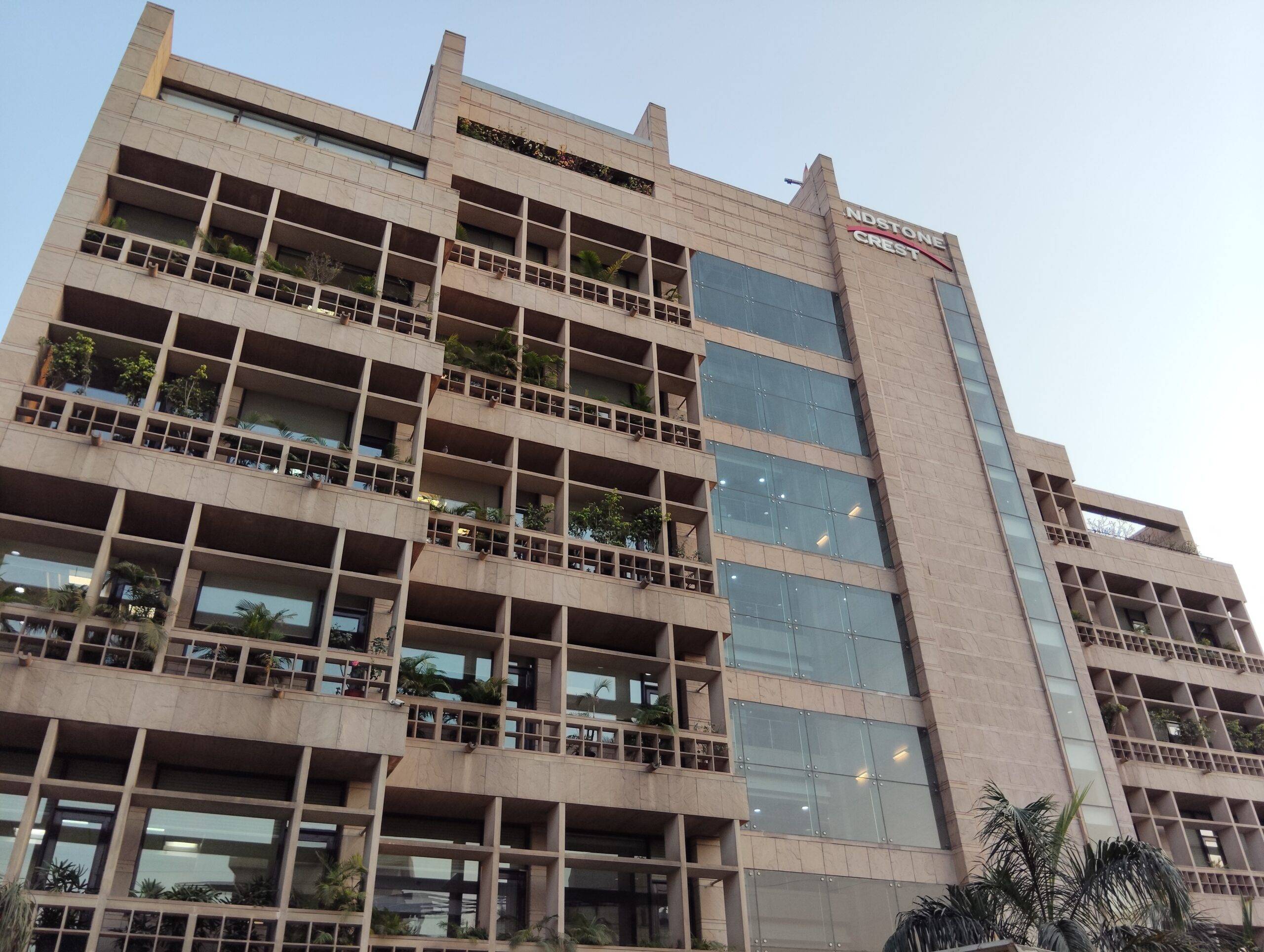
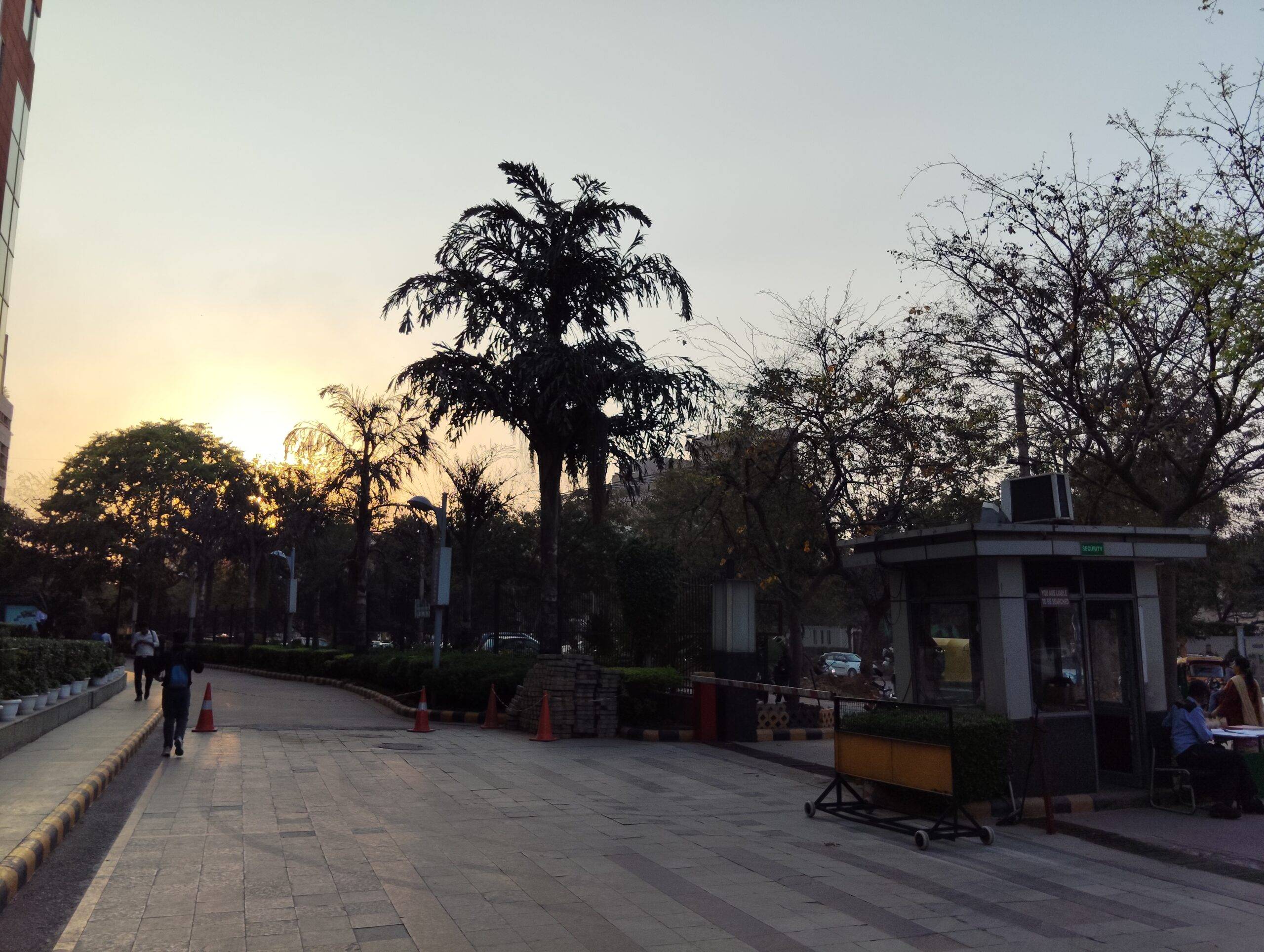
The POCO M7 features a 50MP dual rear camera setup alongside an 8MP selfie camera. In daylight, the rear camera delivers visually appealing shots with decent contrast, sharpness, and mostly natural-looking colour reproduction, though some images can appear slightly washed out. The dynamic range is satisfactory, and the 50MP lens preserves a fair amount of detail.
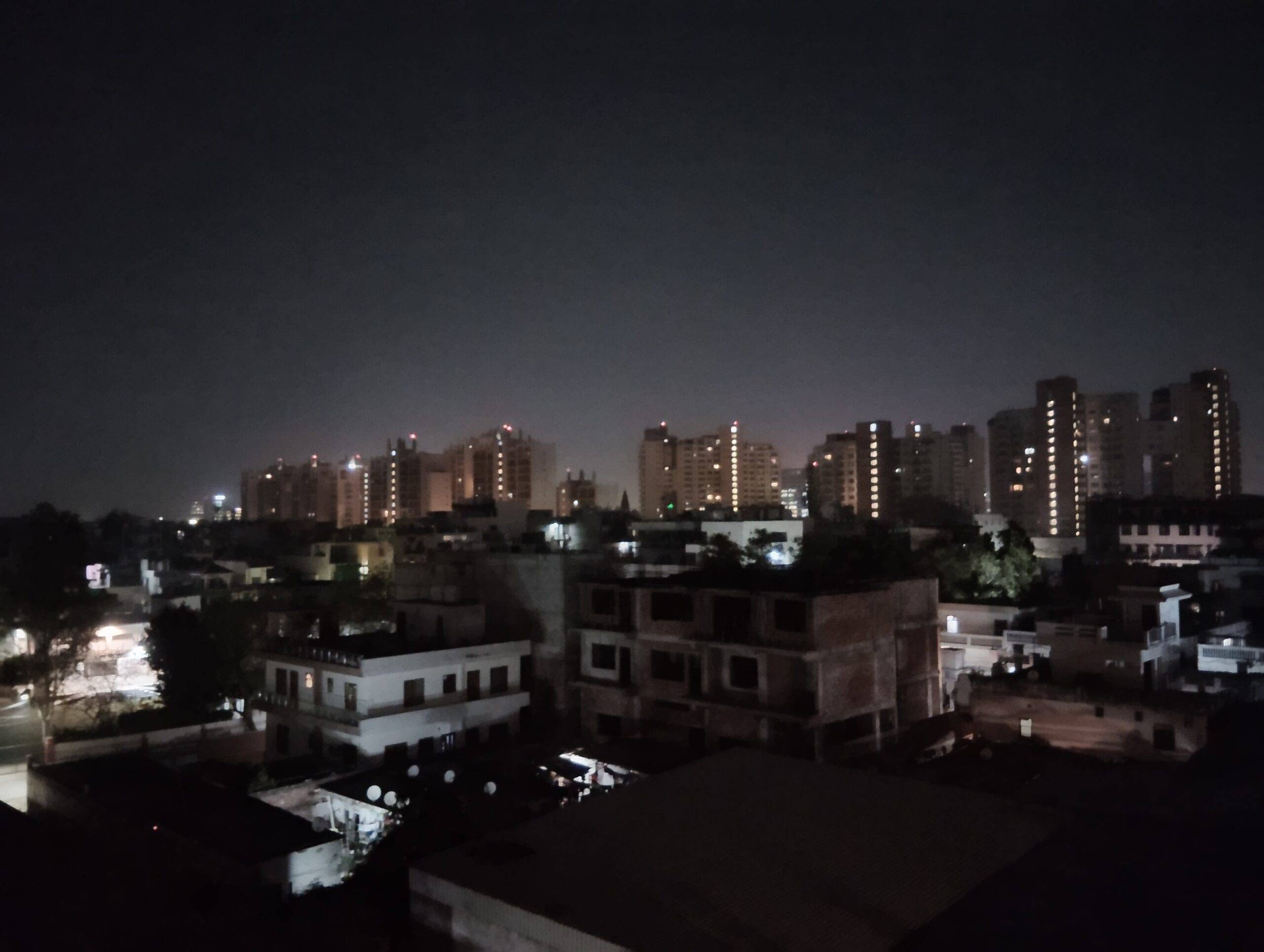
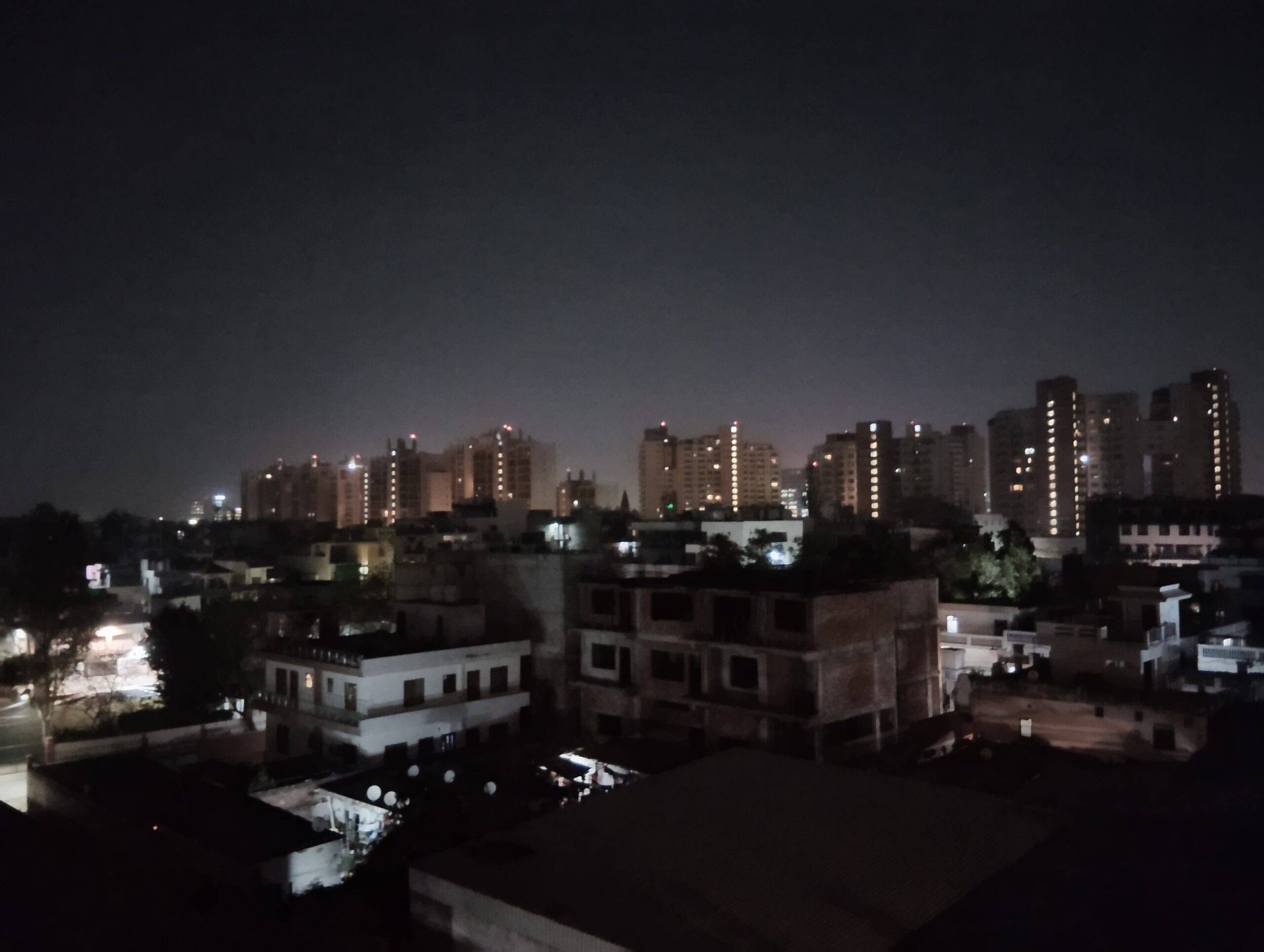
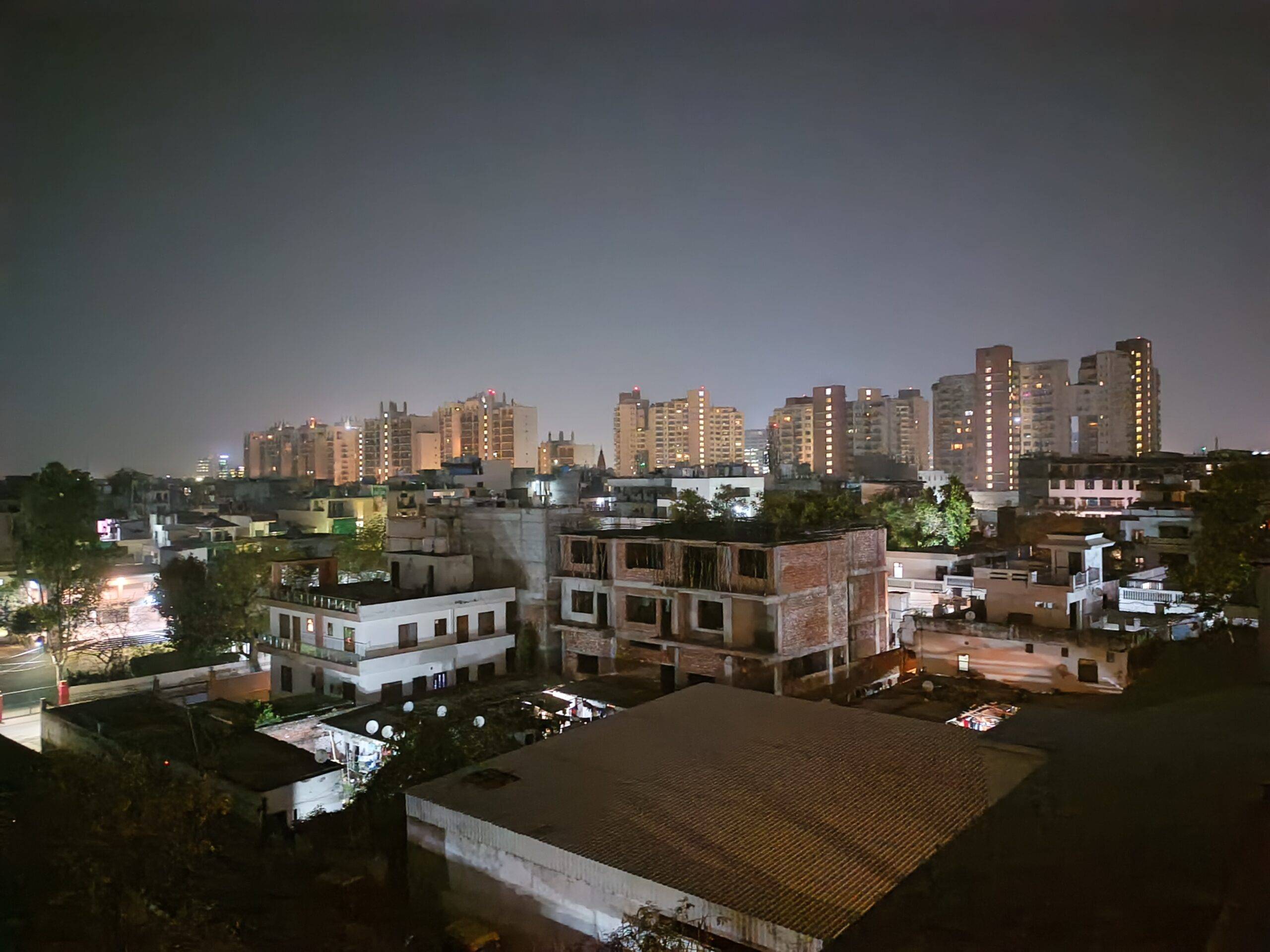
The selfie camera captures satisfactory shots with natural-looking colours, though the level of details tends to be on the lower end. Low-light photography is where the M7 struggles a lot, producing softer images with noise and a lack of detail, even with Night Mode enabled.







Daylight
The POCO M7 and Tecno Spark 30C capture similar levels of detail in daylight shots. Both phones boost colours slightly, but the Spark 30C applies more aggressive colour correction. Its post-processing enhances contrast and vibrancy while also improving clarity slightly. In comparison, the POCO M7 introduces some noise when you zoom in closer.


Portrait
Both phones do a surprisingly good job when it comes to portraits, with vibrant colours, details and sharpness. The Tecno Spark 30C, however, has an advantage in terms of sharpness. The Spark 30C also retains better facial details and edge detection when compared to the POCO M7.


Selfie
Selfies on the POCO M7 tend to be underexposed, making the image look slightly dull and causing a loss in facial details. The Tecno Spark 30C, on the other hand, balances colour correction and exposure better, preserving facial details and delivering a more natural-looking shot.


Low light
In low light, even with Night Mode enabled, the POCO M7 struggles with exposure and edge detection. The resulting images suffer from softness, noise, and poor edge definition. While the Tecno Spark 30C also faces some challenges, it manages to produce better-exposed images with improved detail, making it the stronger performer in low-light conditions.
Performance & software
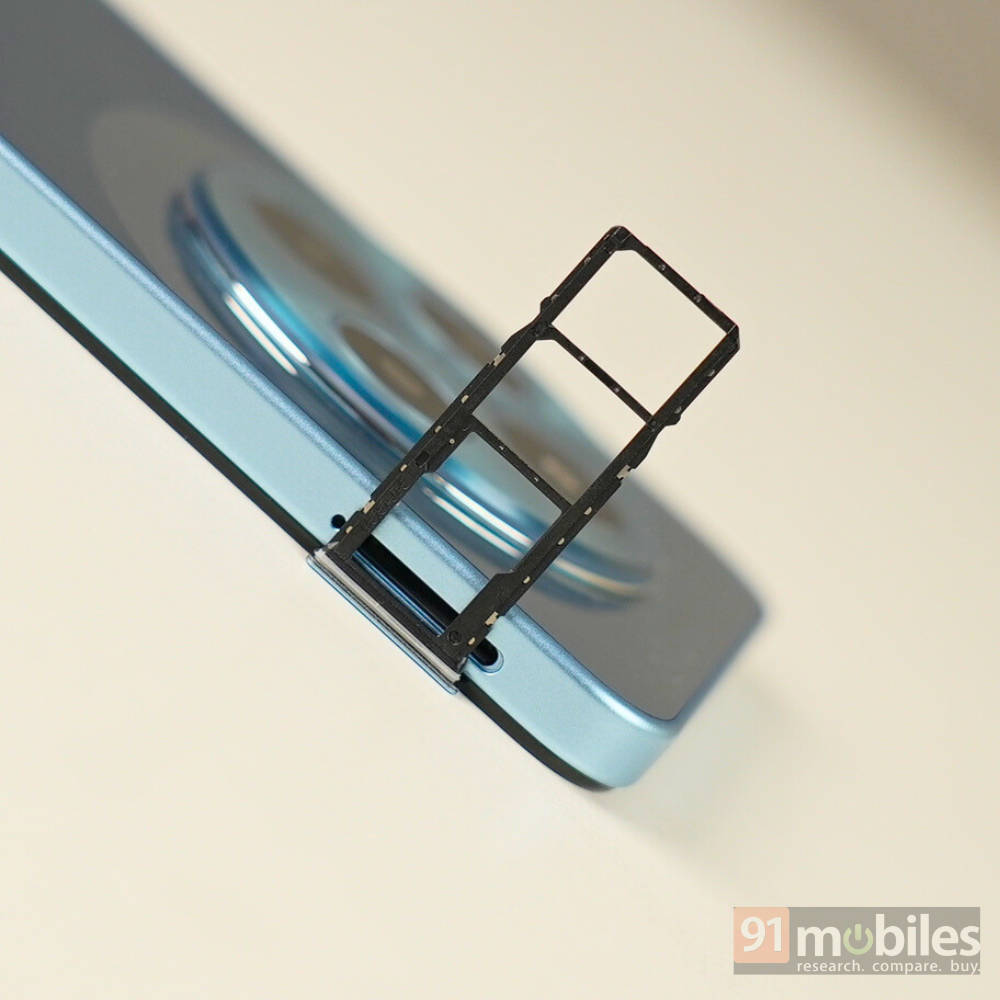
The POCO M7 runs on the Snapdragon 4 Gen 2 SoC, backed by up to 8GB of LPDDR4X RAM and 128GB of UFS 2.2 storage. If you need more space, there’s a dedicated microSD card slot for expansion.


For everyday tasks like browsing social media, taking photos, and messaging on WhatsApp, the POCO M7 handles things smoothly. There’s a slight lag when opening apps or the gallery, but it’s minimal and not a major issue. You might notice occasional stutters when multitasking or keeping multiple apps running in the background, which is expected at this price point.
The phone can also handle casual gaming, but it’s best to keep expectations in check. At low graphical settings, COD: Mobile runs at a playable 50 FPS, while BGMI, which demands more power, manages around 28 FPS on HD graphics.
Out of the box, the POCO M7 runs HyperOS, based on Android 14. The interface, however, feels cluttered due to several pre-installed apps on first boot.
Fortunately, most of these pre-installed apps can be easily uninstalled. However, it’s a bit disappointing that the POCO M7 ships with Android 14 when Android 15 is readily available. This effectively shortens its major OS support by a year, although this is not uncommon among budget devices.
Overall, the UI remains smooth and user-friendly. Some noteworthy features include Game Turbo, which optimises performance for gaming, and Reading Mode, which lets you adjust the display to black and white, minimal colours, or a paperback-style filter—something frequent readers will appreciate.
| Smartphones | Pre-installed apps | Software mode |
| POCO M7 | 62 | 2 OS updates + 4 years security |
| Tecno Spark 30C | 44 | 2 years security |
| Infinix Hot 50 | 47 | 2 years security |
Battery & charging
The POCO M7 packs a 5,160mAh battery with support for 18W fast charging, and POCO includes a 33W charger in the box. With moderate use, the phone easily lasts a full day, delivering around 6 hours of screen-on time with regular browsing, light gaming, and multimedia.
However, constant 5G usage drains the battery faster, so that’s something to keep in mind. Charging from 20 to 100 percent takes about 1.5 hours, which is reasonable for its price range. That said, the phone does get quite warm while charging, so that’s worth noting as well.
| Smartphones | Battery size | Charging time |
| POCO M7 | 5160 mAh | 96 minutes (18W) |
| Tecno Spark 30C | 5000 mAh | 120 minutes (18W) |
| Infinix Hot 50 | 5000 mAh | 123 minutes (18W) |
Final Verdict
The POCO M7 currently retails for Rs 9,999 for the 6GB + 128GB variant and goes up to Rs 10,999 for the 8GB + 128GB configuration. The device nails essentials and offers a smooth 120Hz display, decent battery life, satisfactory daylight photography and good software support. Its key rival at this price is the Tecno Spark 30C (review).
Both phones are evenly matched in terms of performance and battery life, though the Spark 30C has the advantage in low-light photography. However, it doesn’t come with a compatible charger in the box, which adds to the overall cost.
If you’re looking for a budget-friendly phone with a great display and good longevity, the POCO M7 is definitely worth considering.
Editor’s Rating: 7.6/10
Reasons to buy:
- The phone delivers an excellent multimedia experience thanks to its large display and loud speaker.
- The phone’s performance output is pretty good.
- The POCO M7’s cameras are quite reliable in well-lit environments.
- The phone’s battery will deliver a full day of use on moderate usage.
Reasons not to buy:
- The cameras struggle in low-light environments.
- The phone has a lot of pre-installed apps.