Realme 16 Pro is the latest smartphone from the brand’s popular number series. It was launched alongside the Realme 16 Pro+, which is the more expensive offering. Realme 16 Pro debuts a new design, offers a massive 7,000mAh battery, a 200MP camera, and several AI features. We take a look at what the Realme 16 Pro has to offer, and compare it with the Motorola Edge 60 Pro, a popular mid-range phone in this segment.
Table of Contents
Price
The Realme 16 Pro has launched at the same price as its predecessor, the Realme 15 Pro. It starts at Rs 31,999 for the base variant with 8GB RAM and 128GB storage, and goes up to Rs 36,999 for the 12GB + 256GB variant. The Motorola Edge 60 Pro has a pricing advantage here with a lower starting price of Rs 29,999, and with 256GB, which is also more than the 16 Pro.
Design, display
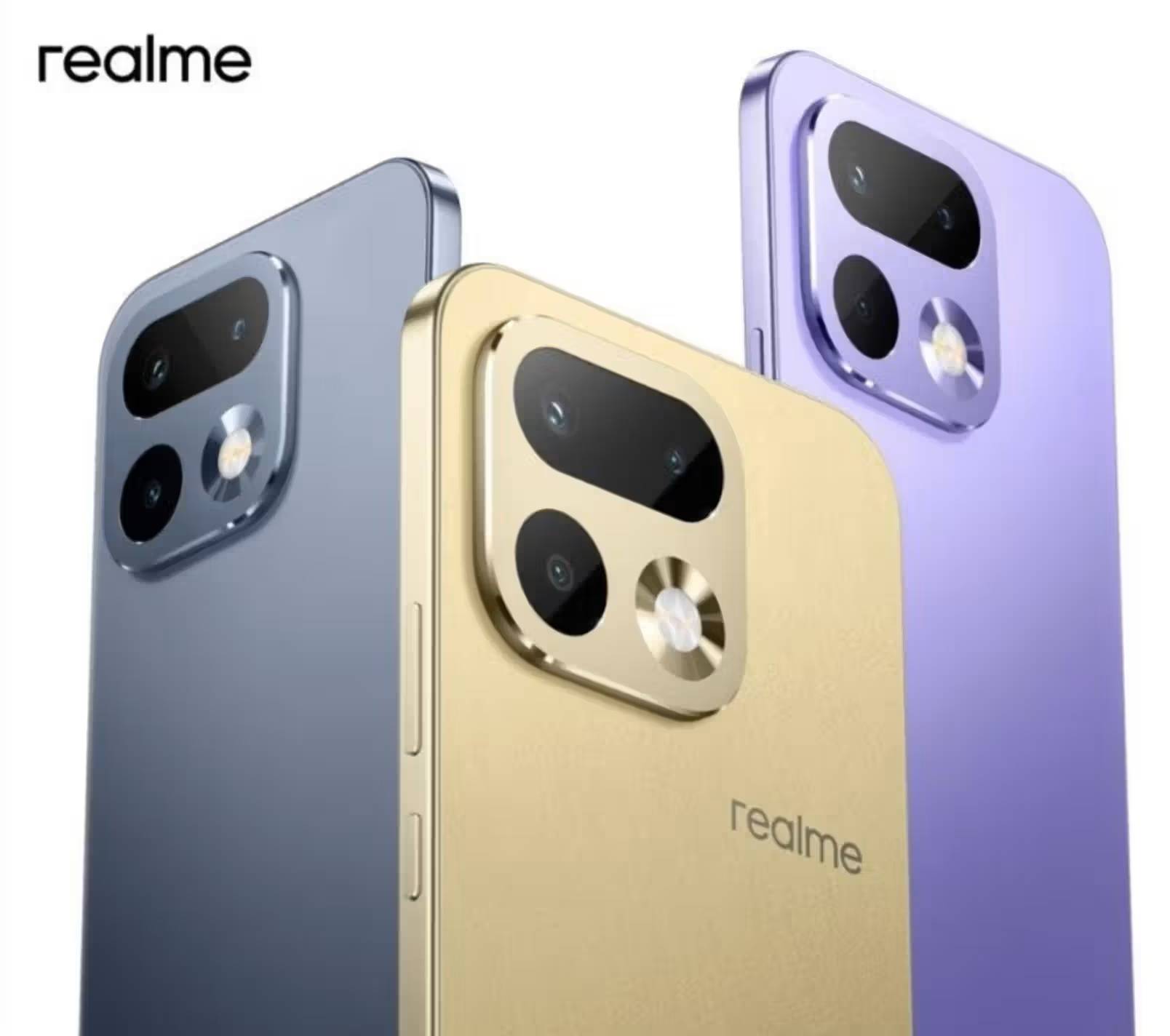
The Realme 16 Pro debuts a new ‘Master Design’ in collaboration with Japanese designer Naoto Fukusawa. It comes in Master Gold, Pebble Grey, and Orchid Purple colours. The distinctive part of the Realme 16 Pro’s design is the camera deco, which resembles the OnePlus 13’s cameras but flipped. The smartphone has a flat design with very thin bezels. The Realme 16 Pro is also certified with IP66 / IP68 / IP69 / IP69K ratings, making it highly durable against dust and water.
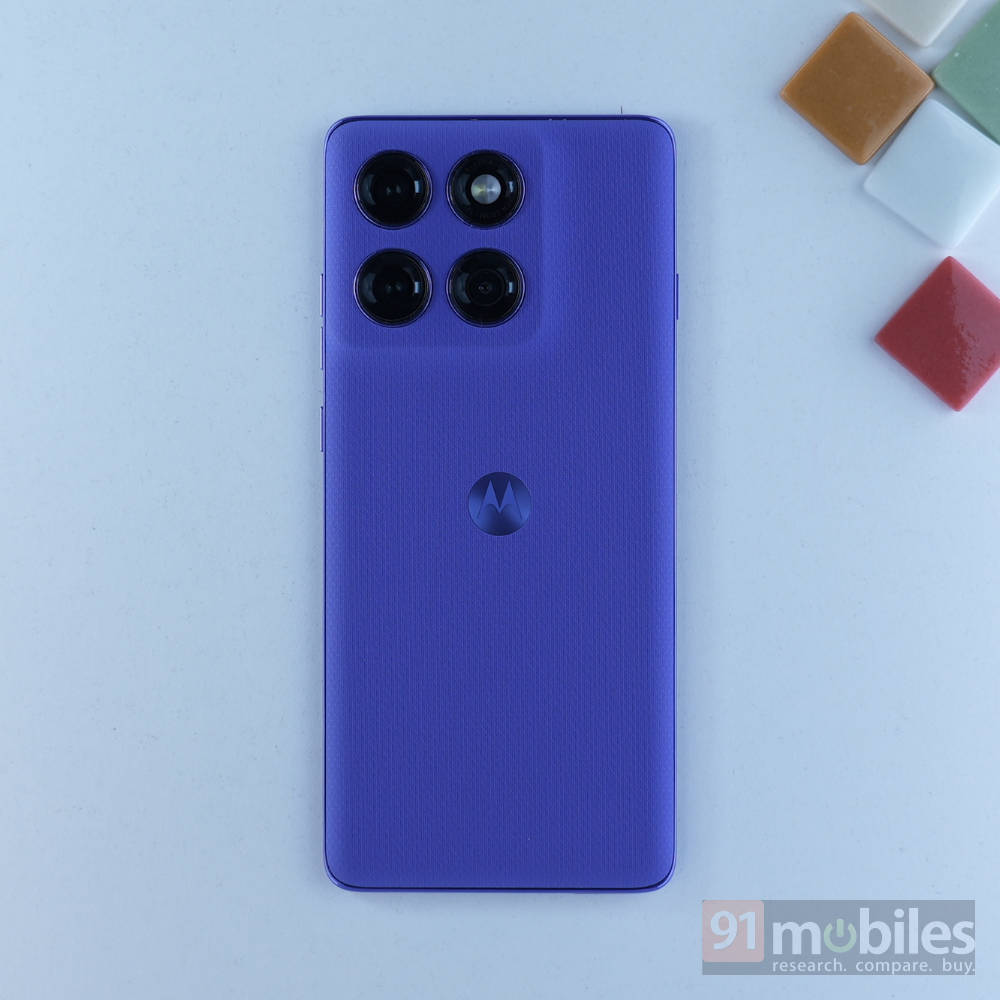
With the Motorola Edge 60 Pro, you get a curved screen design and a nylon-like material at the back. The smartphone offers a handy and comfortable feel, but the curved display might invite accidental touches. It’s a plastic frame on the Edge 60 Pro, along with MIL-STD-810H certification, IP68, and IP69 ratings. The smartphone comes in four Pantone colours: Dazzling Blue, Shadow, Sparkling Grape, and Walnut. In terms of design, the difference lies in whether you prefer a flat frame or a curved design.
Display specs of the Realme 16 Pro include a 6.78-inch AMOLED panel with a resolution of 1272 × 2772 pixels and a 144Hz refresh rate. Its peak brightness caps at 1,500 nits in HBM mode. The Edge 60 Pro has a 6.7-inch pOLED 3D curved 1.5K display (2712 x 1220p) with a 120Hz refresh rate, and a peak brightness claim of 4,500 nits. The Realme 16 Pro would offer a better gaming experience thanks to its high refresh rate, while the Edge 60 Pro would be comparatively brighter.
Performance
The Realme 16 Pro is powered by the MediaTek Dimensity 7300 Max 5G chipset, a custom-tuned version aimed at balancing performance and efficiency for everyday use. We’re yet to test the Realme 16 Pro’s performance, which will help us figure out if it’s good for multitasking, casual gaming, and long-term usage. The Edge 60 Pro’s MediaTek Dimensity 8350 Extreme SoC puts the phone among the top performers with close scores to the iQOO Neo 10R.
While we can’t draw a direct comparison between the two phones, here’s a look at their scores to get an idea of what to expect from each phone.

Cameras
The Realme 16 Pro has a dual-camera setup with a 200MP main sensor, paired with an 8MP ultra-wide camera. The front camera is a 50MP shooter on the 16 Pro. The smartphone offers a multi-focal length from 1x to 4x, a Vibe Master Mode with 21 different tones for portraits and festivals. It also comes with the new Luma ColorEngine technology, designed to get an accurate skin tone, precise depth-of-field, and better portraits with texture, lighting, and shadows.
The Motorola Edge 60 Pro is a tough competitor in the camera segment as it’s one of the leading performers. It has a triple-camera setup with a 50MP main camera with OIS, a 50MP ultra-wide camera, and a 10MP 3x telephoto lens with up to 50x digital zoom. The Edge 60 Pro’s advantage here is the telephoto camera for better portraits and zoom shots. In our review, we found that the Edge 60 Pro delivers crisp, detailed photos with more balanced colours thanks to Pantone validation. While not perfectly true to life, the main camera is more accurate than the others, and low-light shots remain clean with good detail and minimal noise.
Battery
The battery is a highlight for the Realme 16 Pro. It’s a massive 7,000mAh battery with 80W fast charging support. With this setup, you should easily get a full day’s power. In comparison, the Edge 60 Pro has a smaller 6,000mAh battery with 90W fast charging, along with 15W wireless charging support. The Edge 60 Pro offers more than a full day’s battery on regular usage, so there shouldn’t be complaints with this phone. However, the Realme 16 Pro still holds an edge for a longer battery life.
Software
Software might be a key differentiator between the two phones as one offers a customised UI, while the other leans on a cleaner look. The Realme 16 Pro ships with Realme UI 7.0 based on Android 16 out of the box, and it will get 3 years of OS upgrades and 4 years of security patches. While Realme UI 7.0 does offer lots of customisation with AI features, it may feel cluttered with several pre-installed apps.
The Edge 60 Pro runs Android 15-based Hello UI out of the box, which is a near-stock Android UI with no unnecessary pre-installed apps. The software support is also 3+4 years, but since it shipped with Android 15, it will be a year behind the 16 Pro. The decision here would be based on whether you like a clean UI or one with more customisations.
Summing it up
Overall, the choice between the Realme 16 Pro and the Motorola Edge 60 Pro boils down to priorities. If you want the biggest battery in the segment, a flat 144Hz display, and a feature-packed camera experience with plenty of AI tools, the Realme 16 Pro justifies its higher price. However, if you care more about raw performance, cleaner software, versatile cameras with a telephoto lens, and better value for money, the Edge 60 Pro remains the smarter pick under Rs 30,000. Casual users and stock-Android fans should lean towards Motorola, while power users who prioritise endurance and display fluidity will feel more at home with Realme.