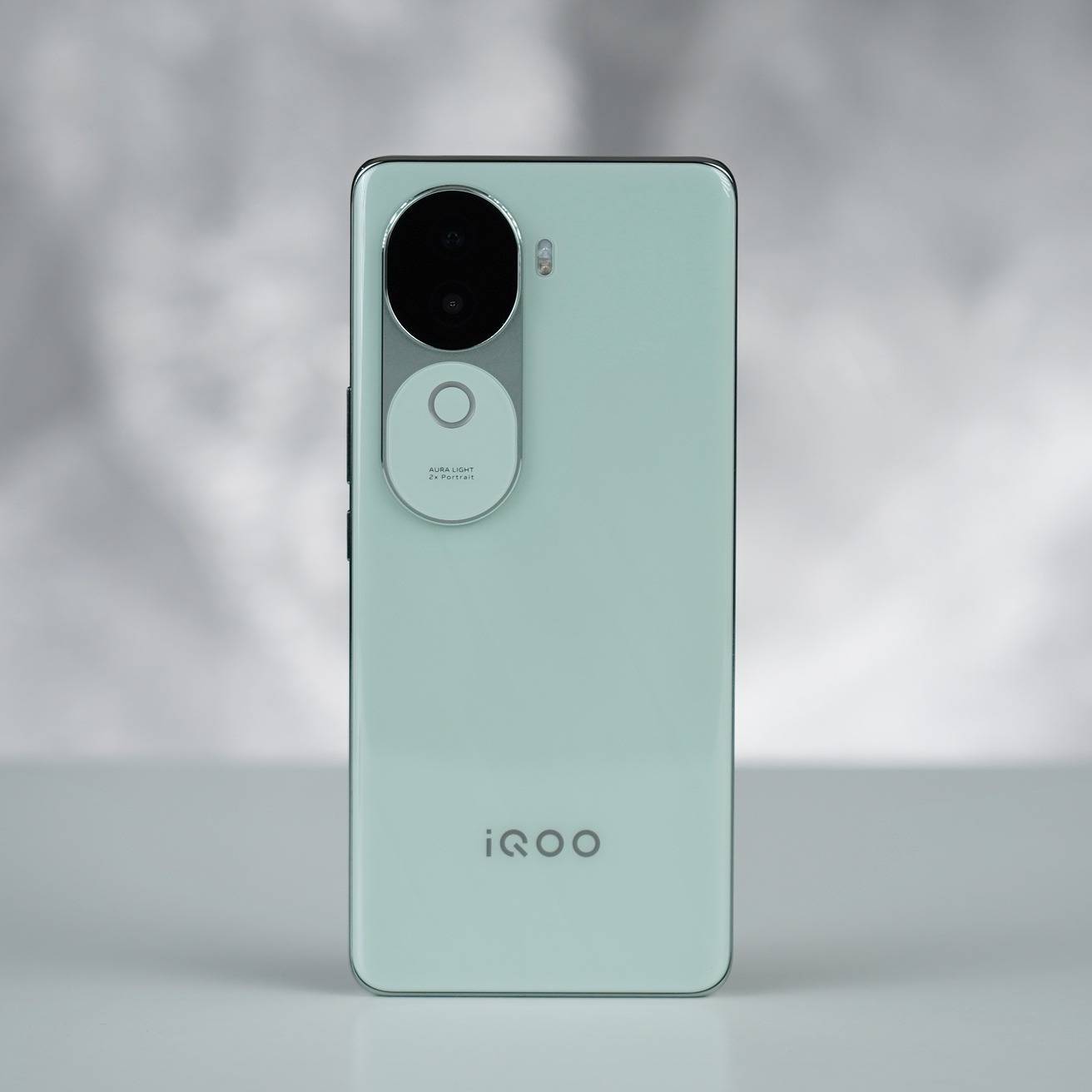
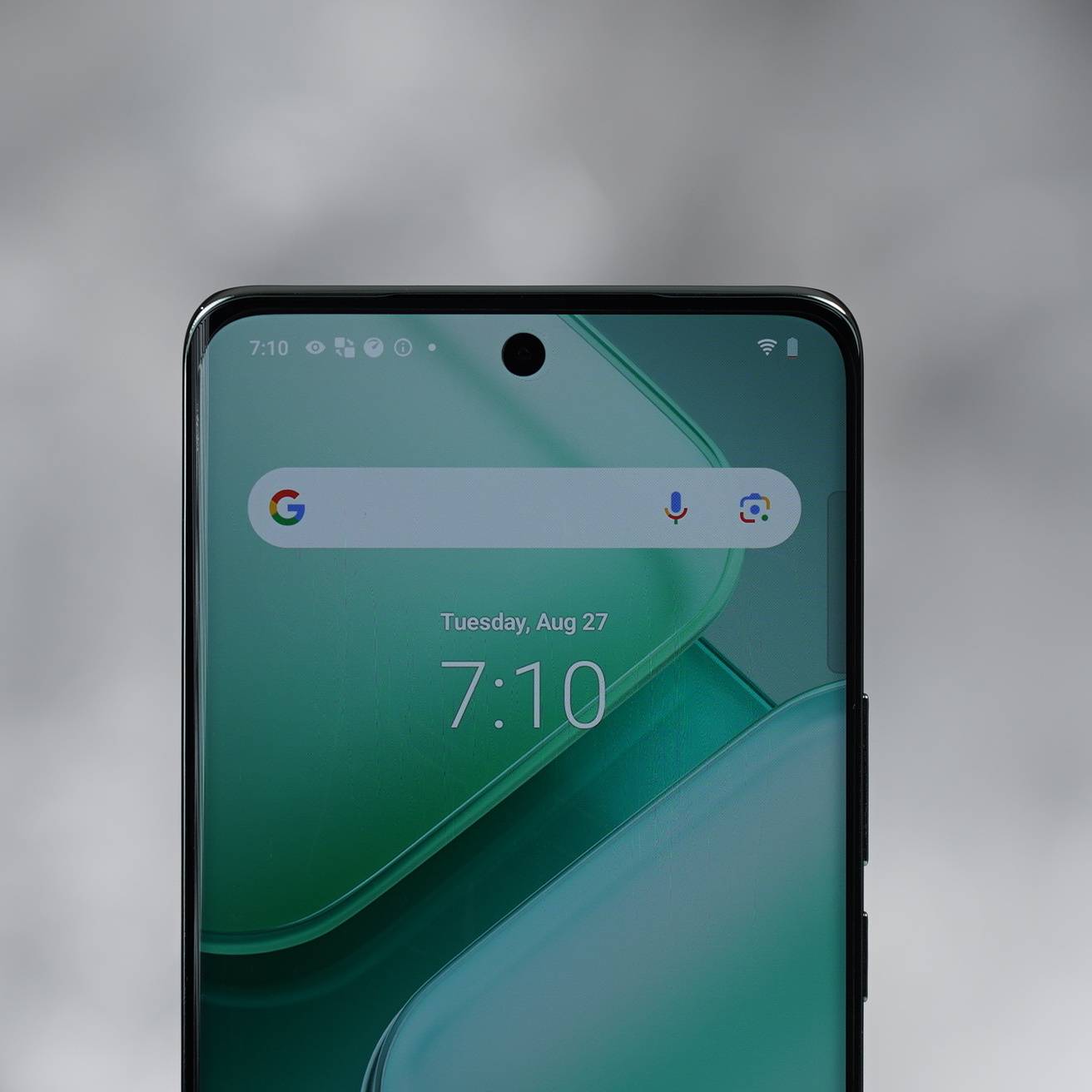
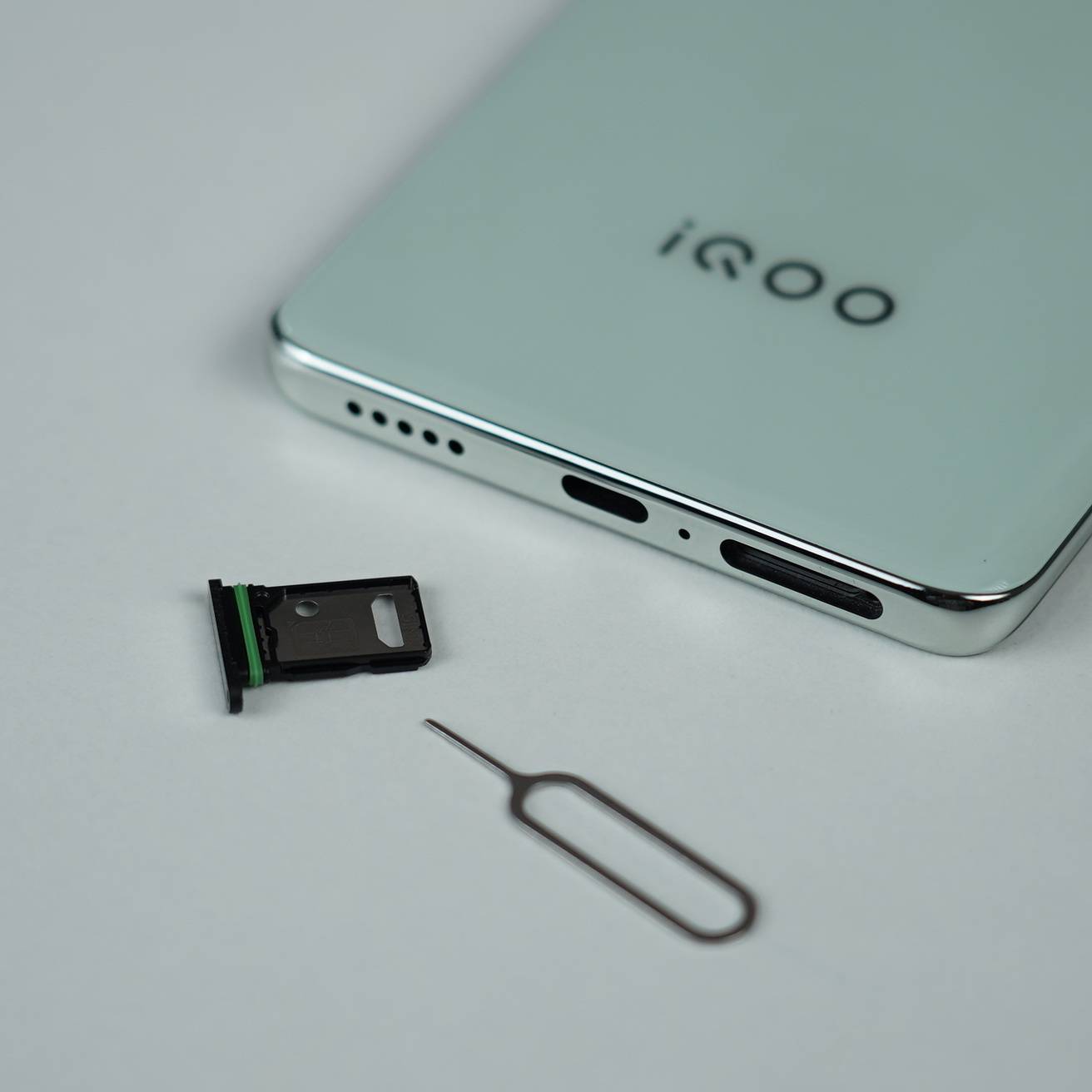
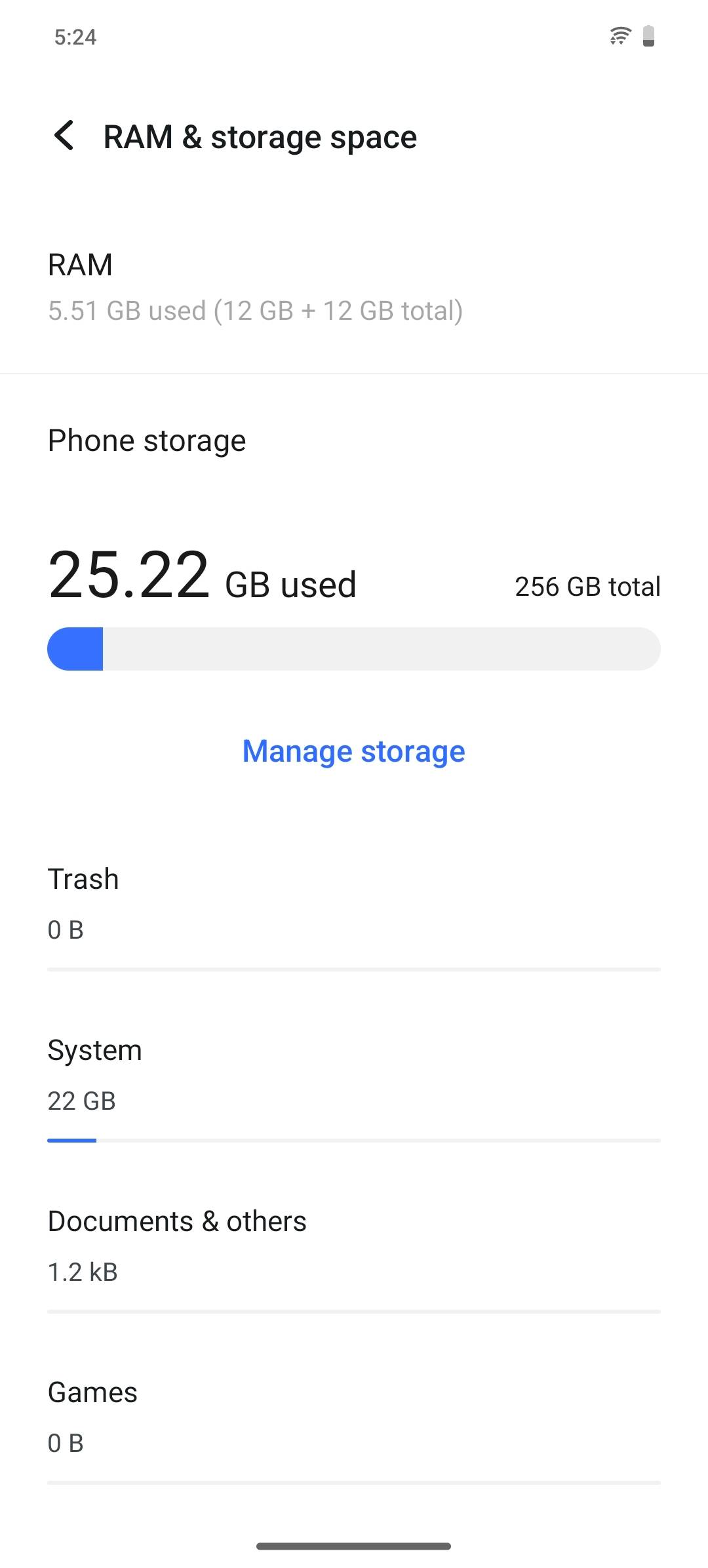
The Redmi Note 14, the latest entry-level addition to the Redmi Note series, is the first smartphone in India powered by MediaTek’s new Dimensity 7025 Ultra SoC. This mid-range chipset promises dependable performance for everyday tasks and gaming. But where does the SoC place the Redmi Note 14 in the crowded sea of smartphones within its price range? In this performance review, we put the smartphone to the test against some of its notable rivals.
Table of Contents
Verdict
The Redmi Note 14 offers considerable power for handling everyday tasks and light gaming. The handset gaming performance in terms of frame rates and CPU throttling under intense are also on par with competitors.
Pros
- Dependable performance for everyday use
- Gameplay on par with competitors
- CPU throttling efficiency
Cons
- Average benchmark scores
- Thermal management needs improvement
Redmi Note 14 performance review at a glance:
| Test | Result |
| AnTuTu | Rank 1– iQOO Z9s Rank 2– Redmi Note 14 Rank 3– Realme 13 |
| Geekbench | Rank 1– iQOO Z9s Rank 2– Redmi Note 14 Rank 3– Realme 13 |
| Burnout | Rank 1– Redmi Note 14 Rank 2– iQOO Z9s Rank 3– Realme 13 |
| Gaming | Rank 1– iQOO Z9s Rank 2– Realme 13 Rank 3– Redmi Note 14 |
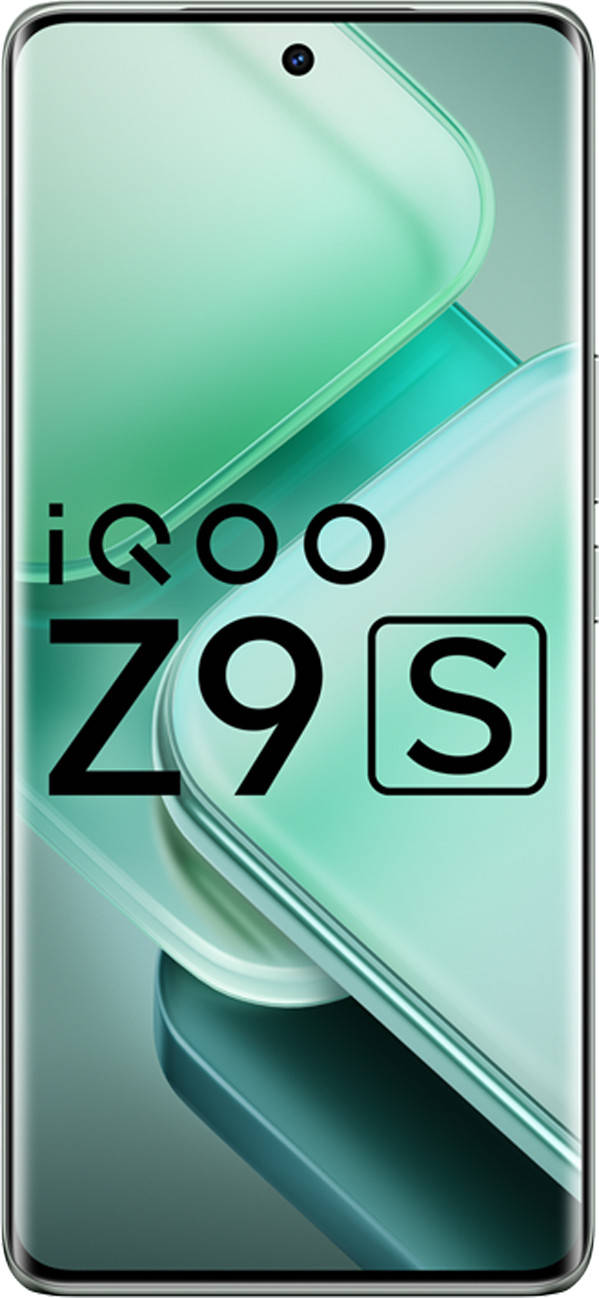
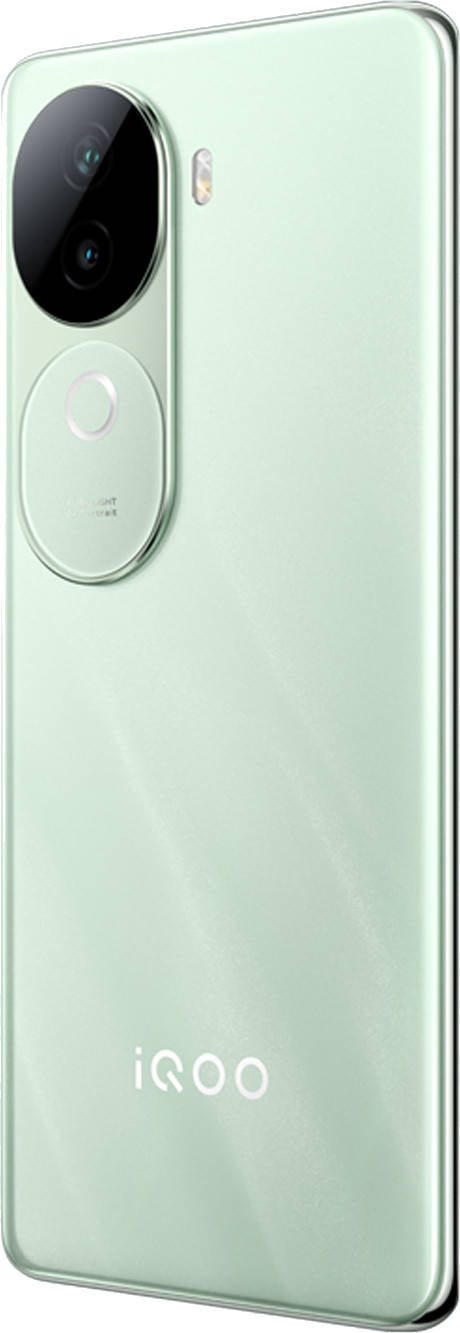
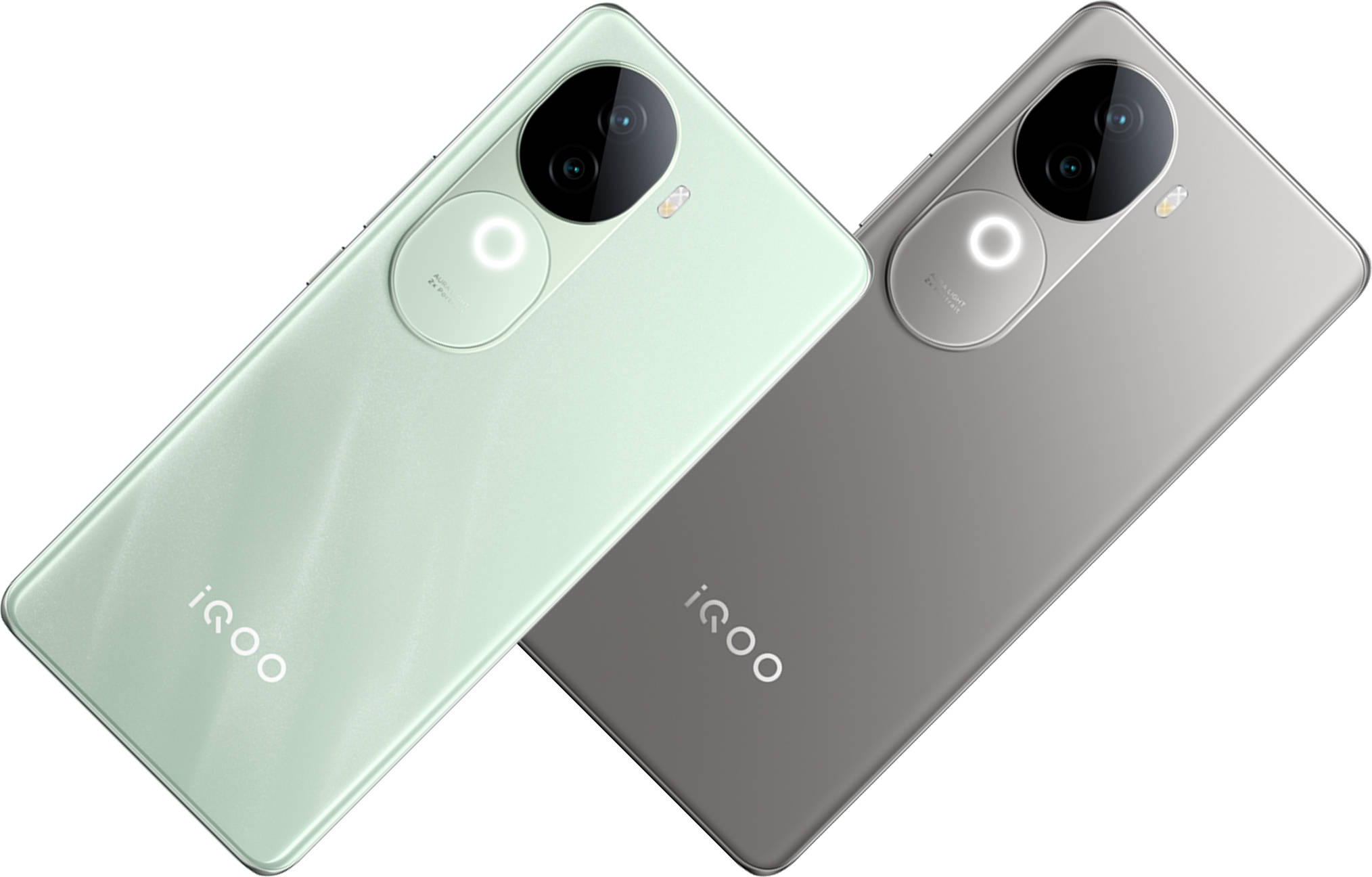
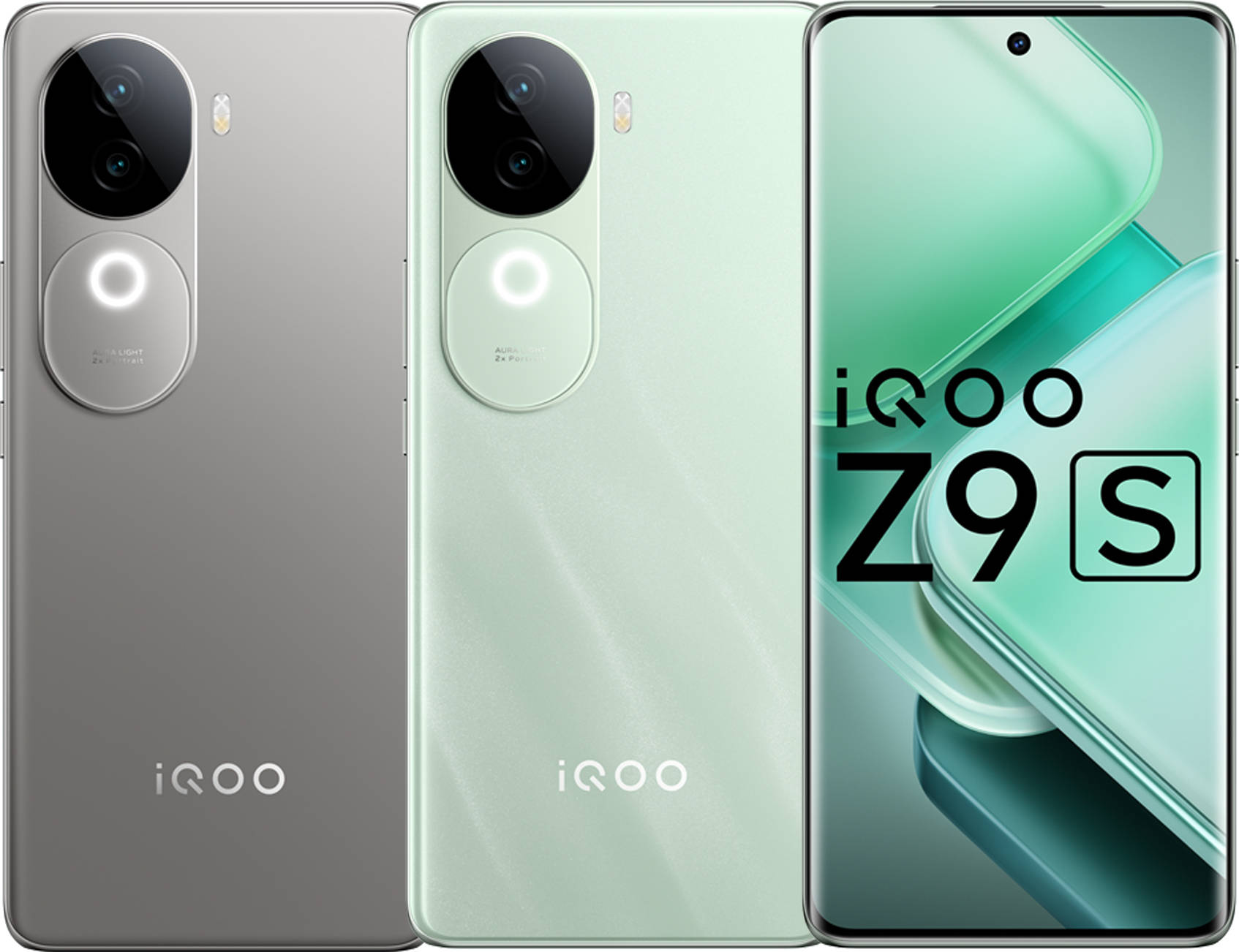
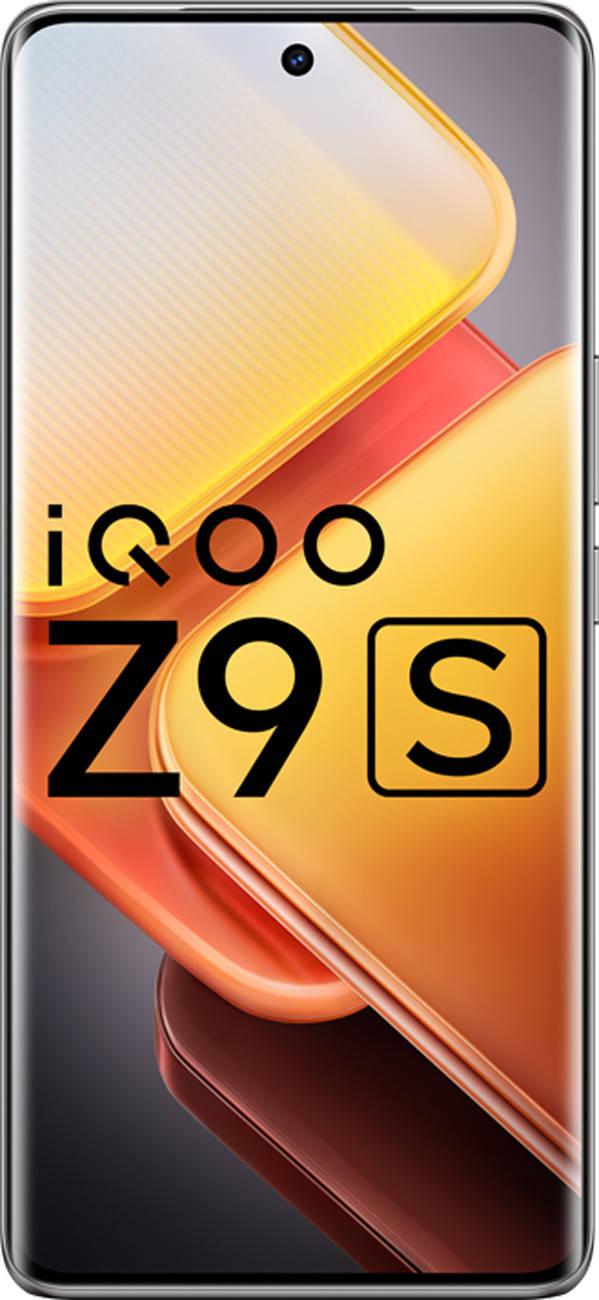
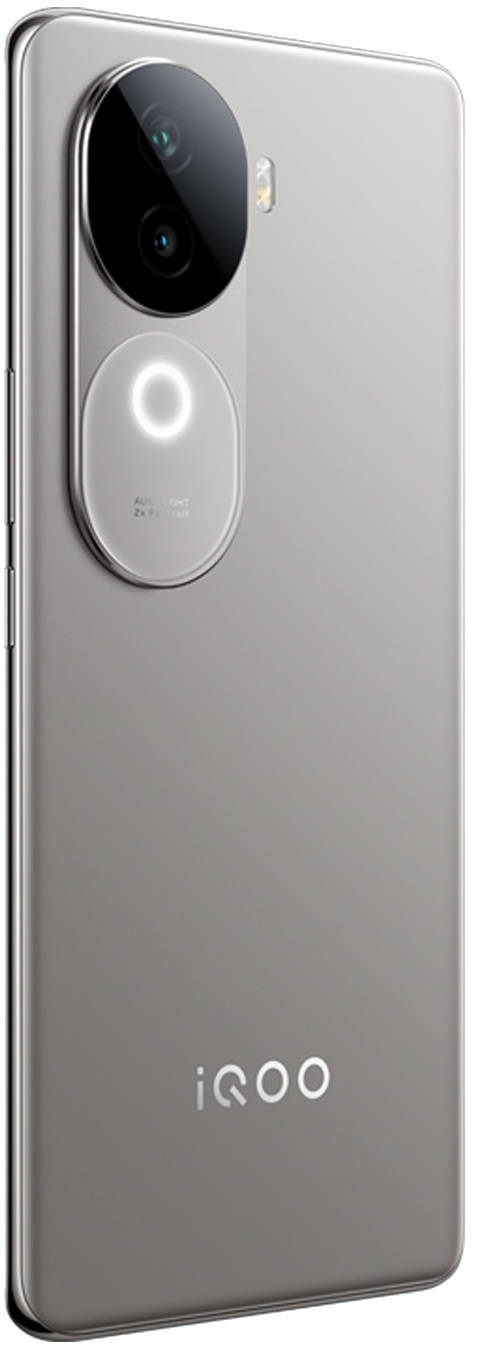
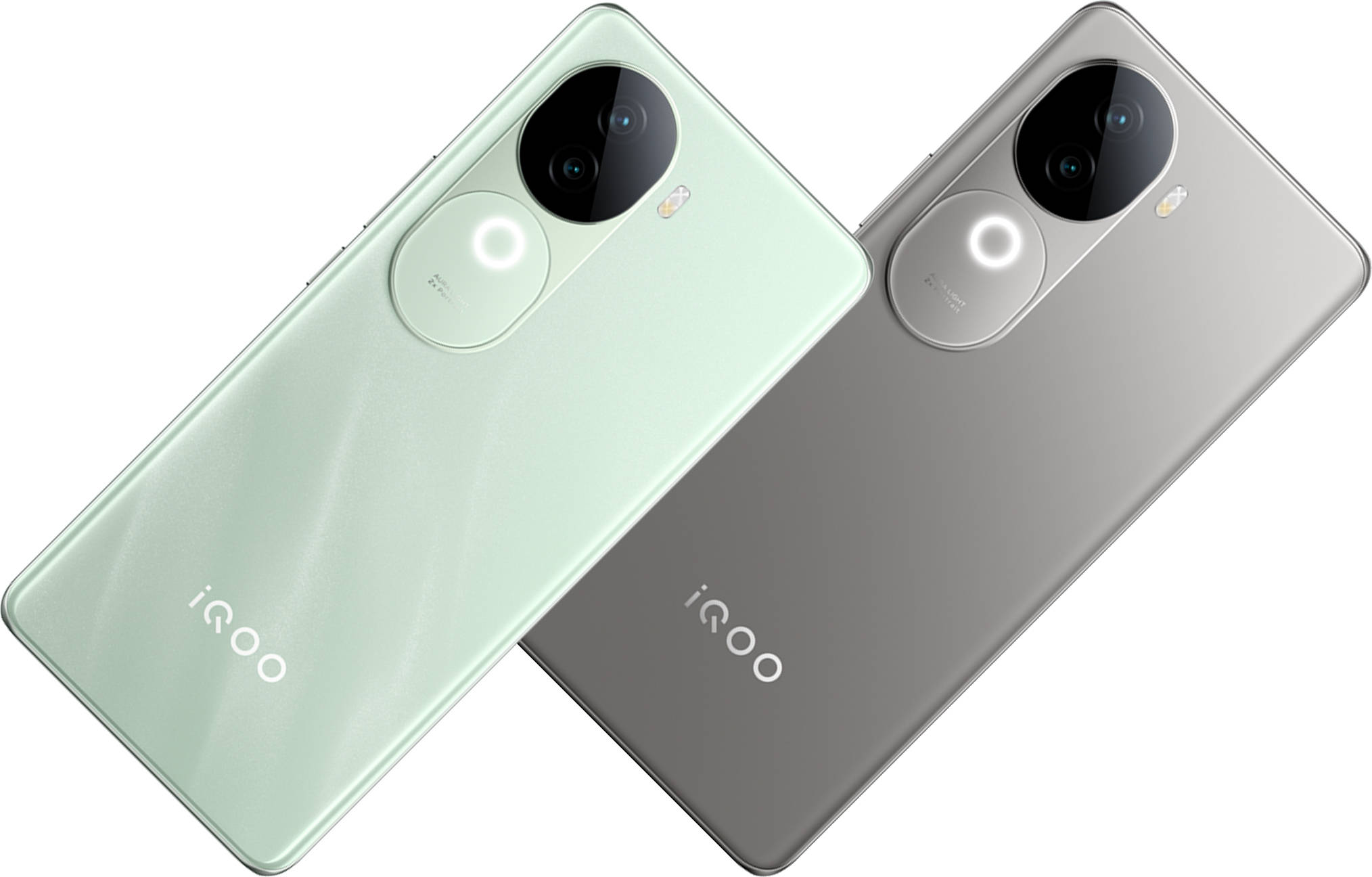
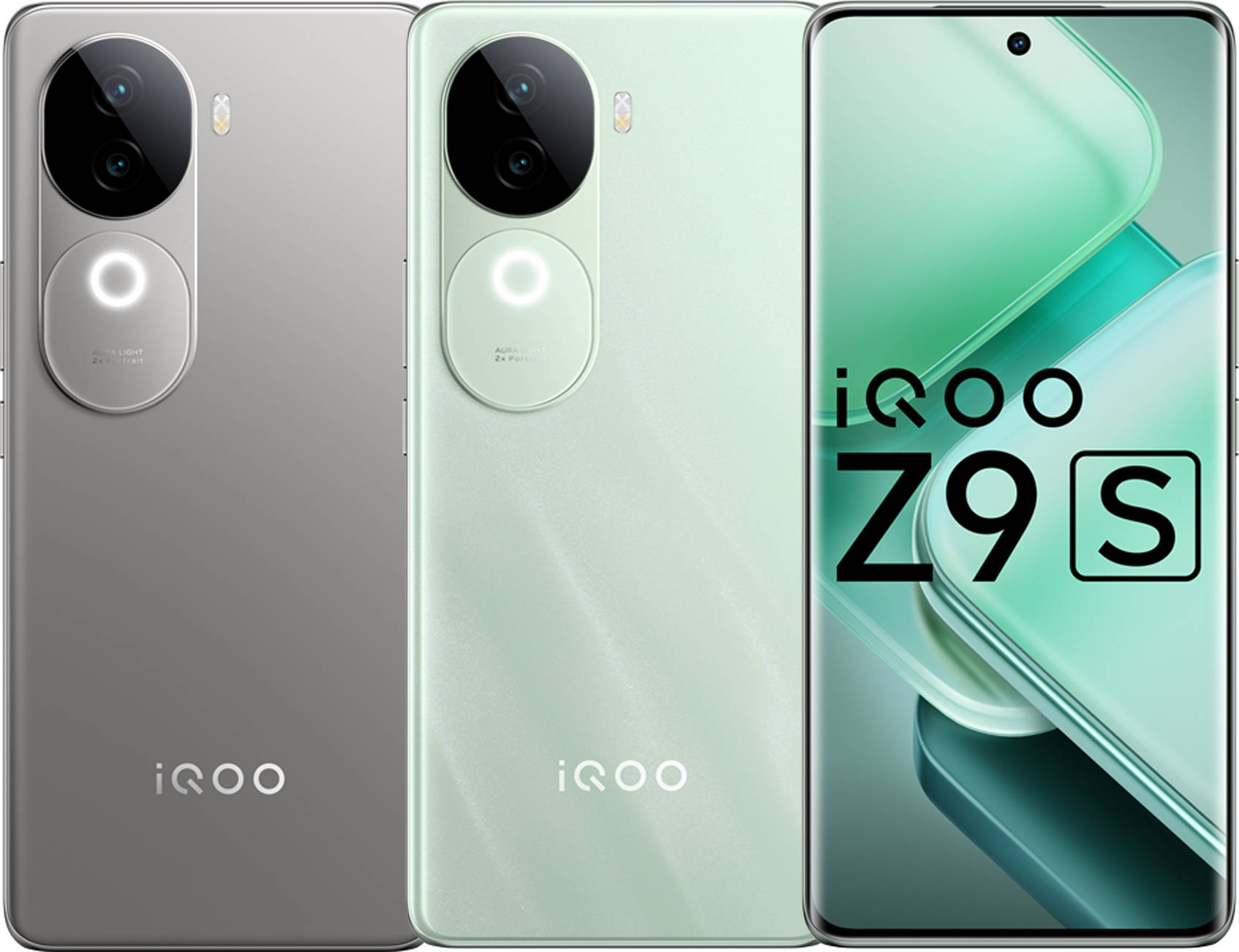
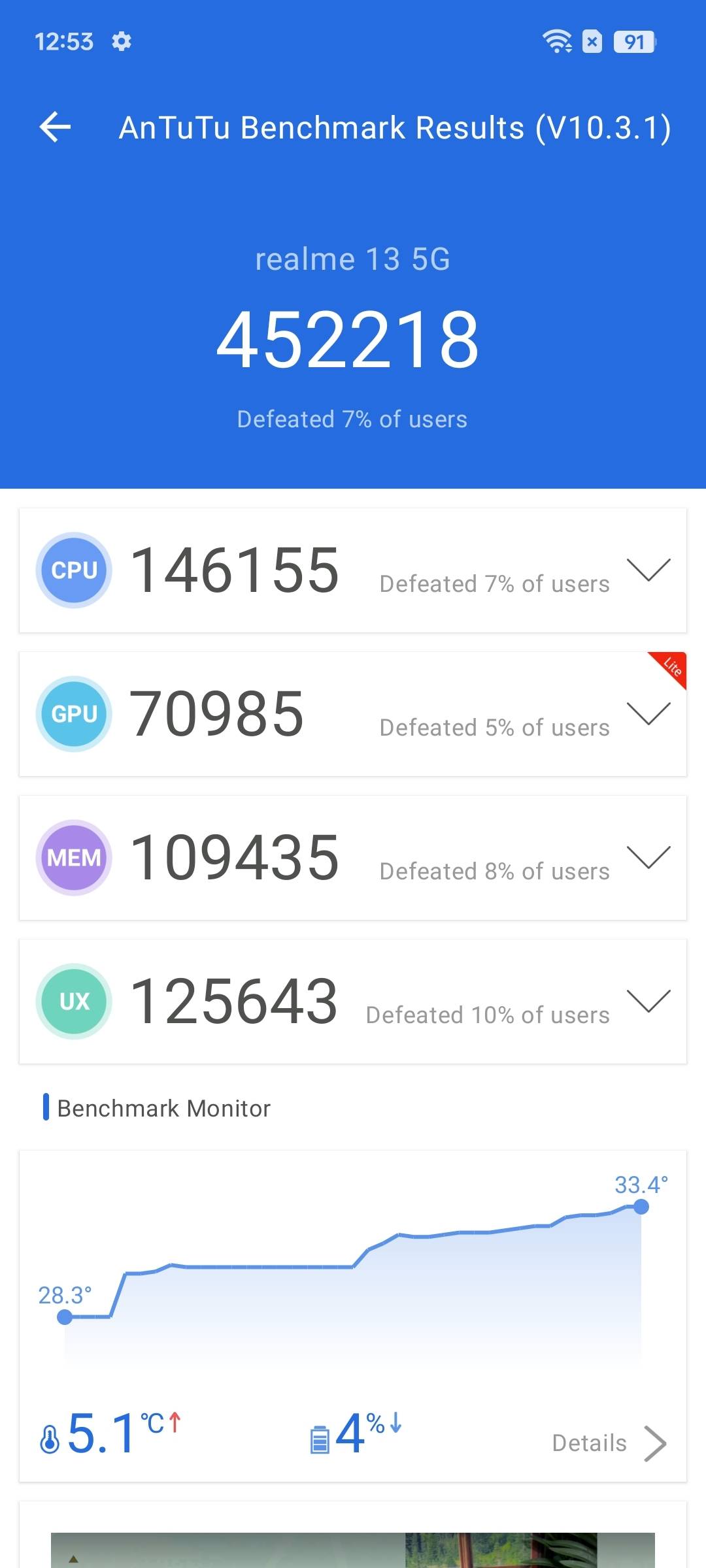
The iQOO Z9s (review) and the Realme 13 (review) are among the closest rivals of the Redmi Note 14. We ran global benchmarking apps such as AnTuTu, Geekbench, and Burnout CPU throttling, along with our gaming test to analyse their performances.
AnTuTu
(higher is better)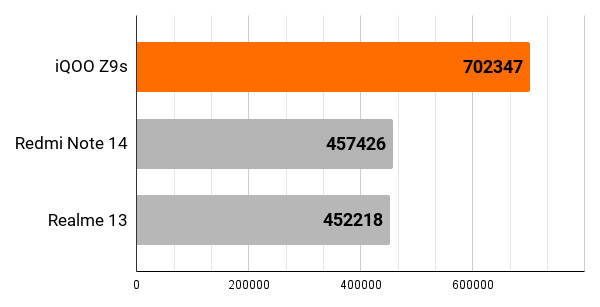
Winner: iQOO Z9s
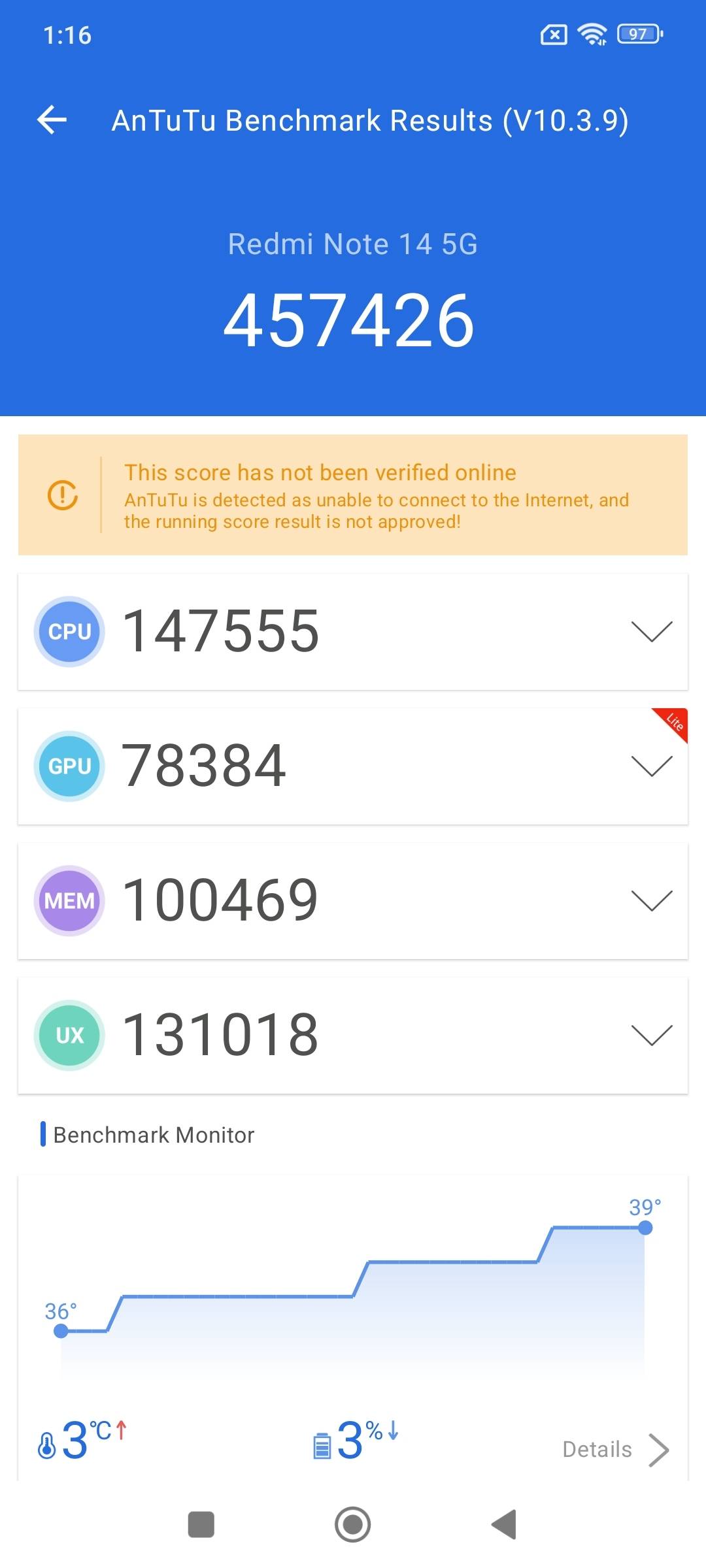
The AnTuTu benchmark offers an overview of the smartphone by analysing its CPU, GPU, and memory performance. It also evaluates the interface and animations across the UI.
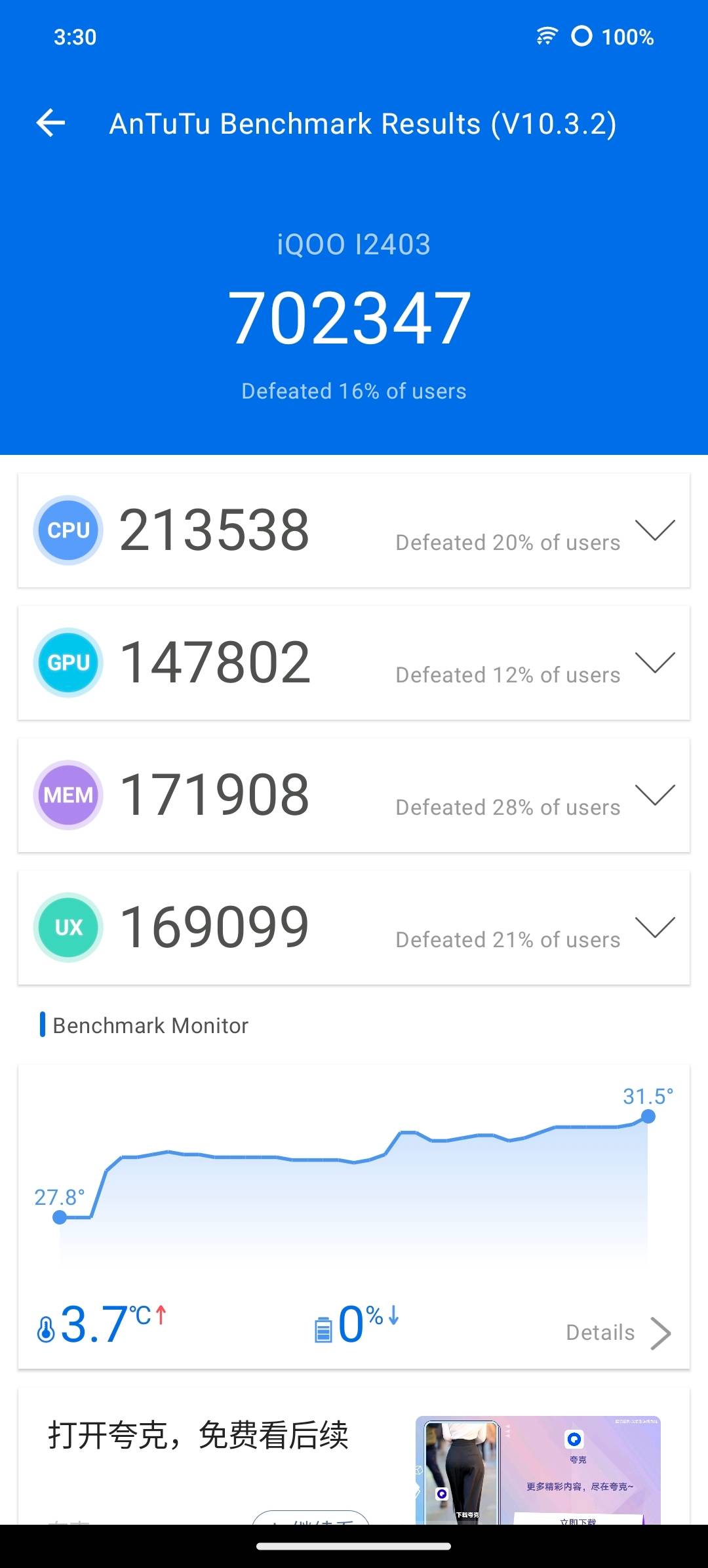
While the Redmi Note 14’s 4.5 lakh AnTuTu score is typical for smartphones in the sub-Rs 20,000 category, the iQOO Z9s makes it look modest. The iQOO smartphone continues to be among the most powerful offerings within the segment. The smartphone outperforms both Redmi Note 14 and Realme 13 in every aspect, including GPU, CPU, memory, and user experience.
Real-world context: The Redmi Note 14 performance is going to be equally capable as the Realme 13 for everyday tasks. However, for power users, the iQOO Z9s is going to be a better offering with its quick processing and superior graphics capabilities.
Geekbench
(higher is better)
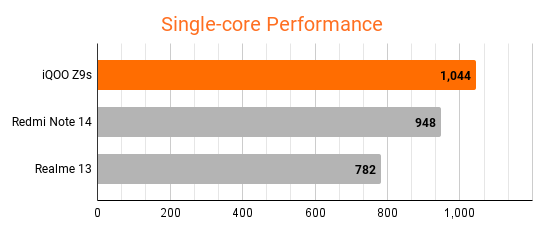
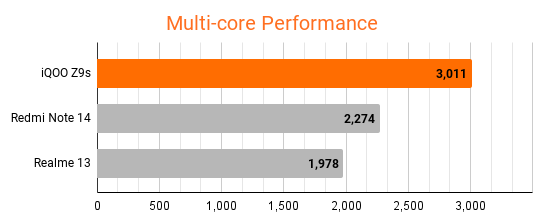
Winner: iQOO Z9s
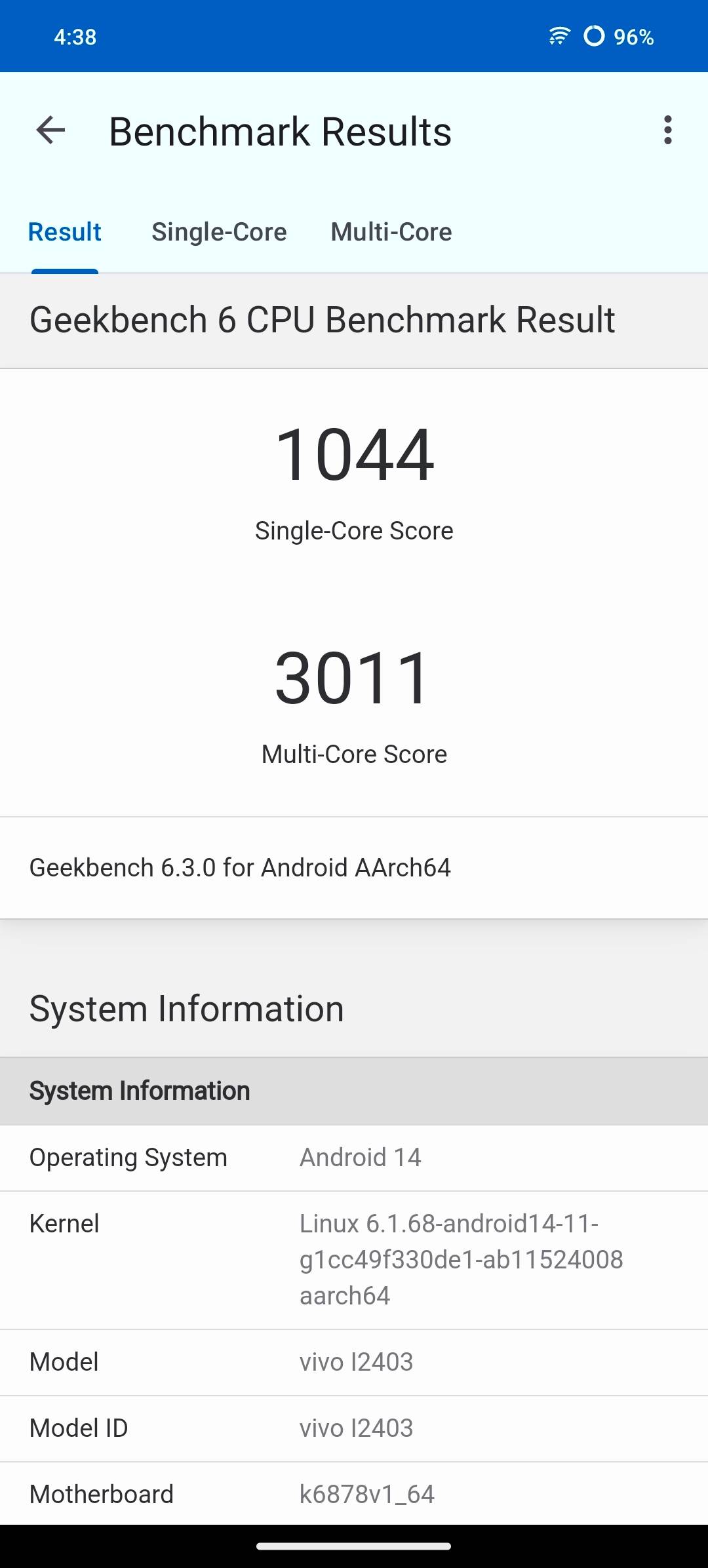
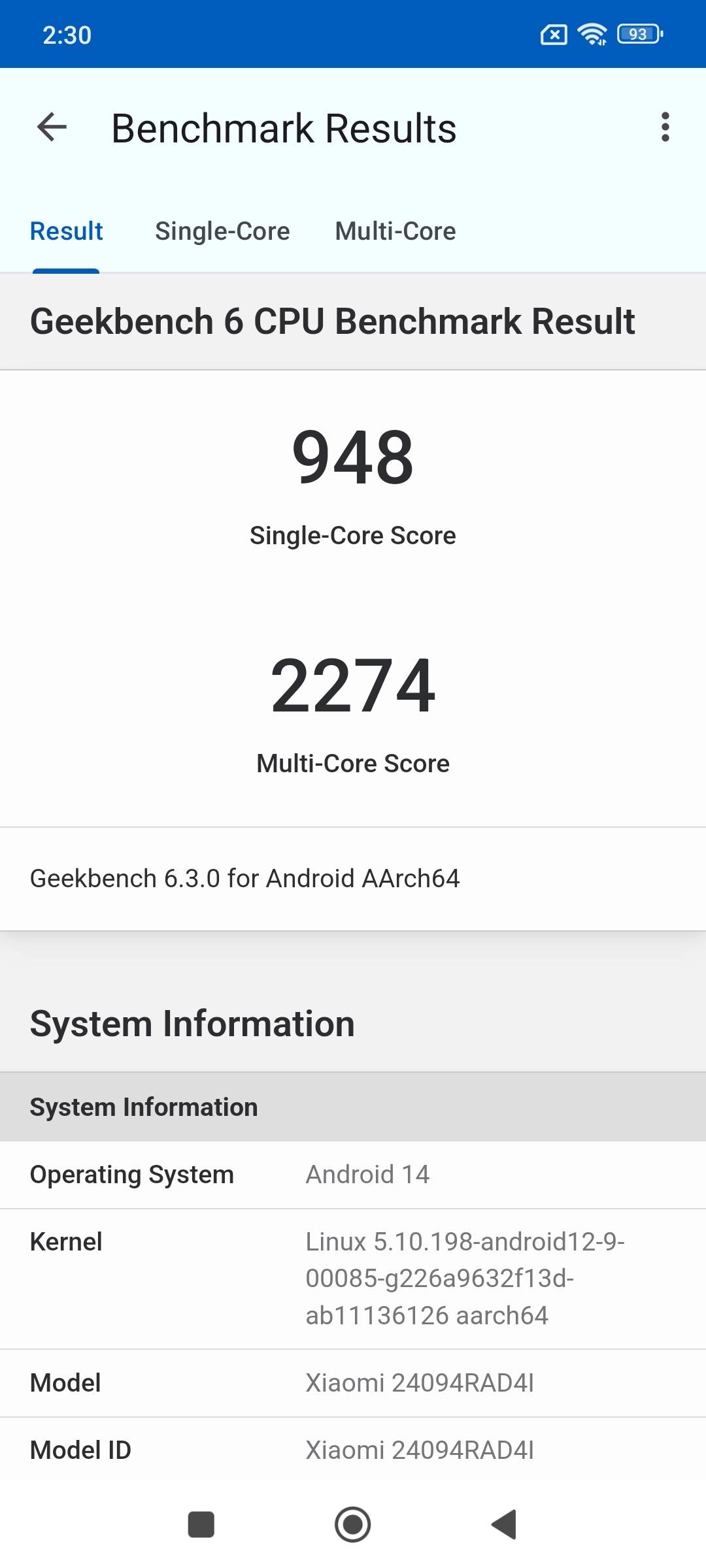
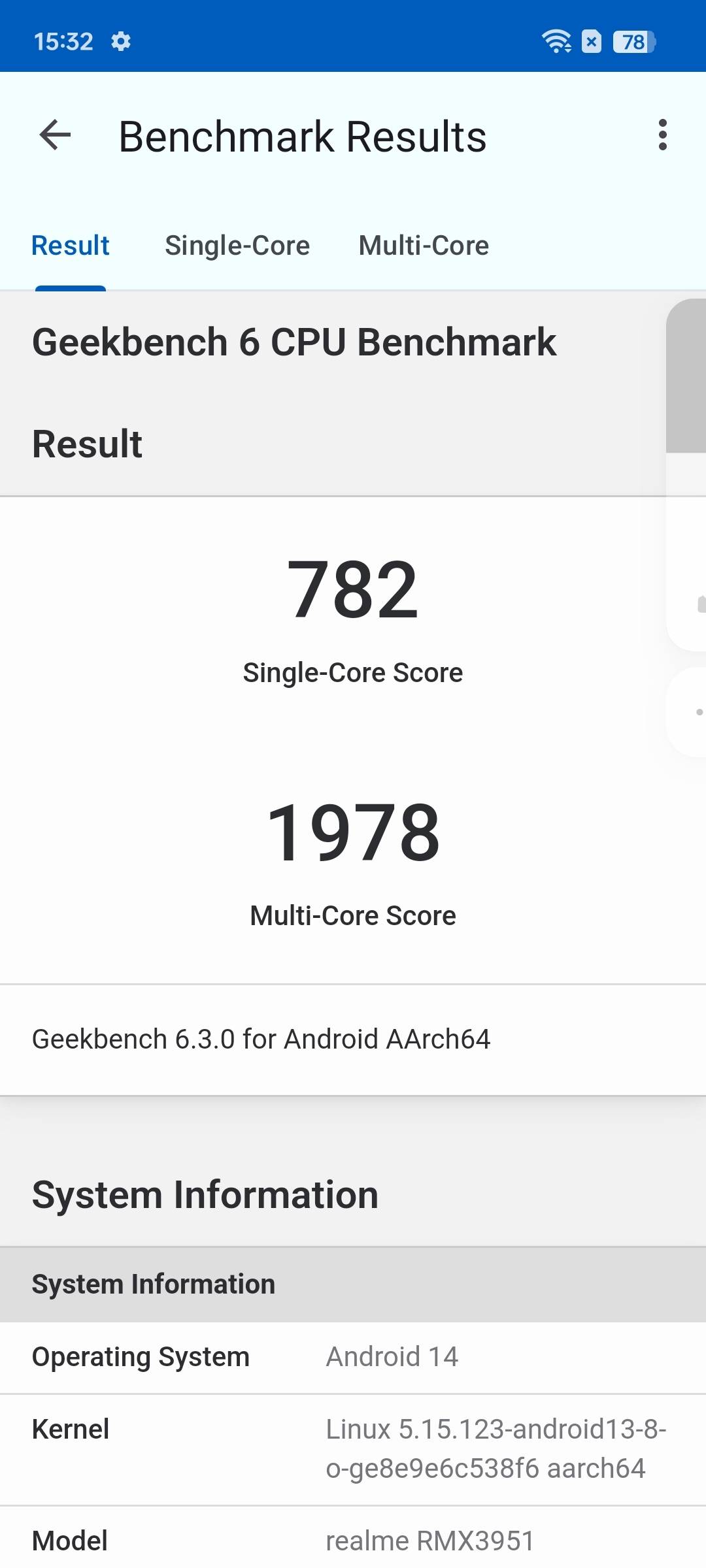
The Geekbench test reveals a considerable gap in performance between the Redmi Note 14 and the Realme 13. The Redmi smartphone outperforms its counterpart in both single-core and multi-core tests. That said, the iQOO Z9s still leads the pack.
Real-world context: While the Redmi Note 14 may not outperform the iQOO Z9s, it is definitely faster than the Realme 13. The handset takes a fraction of a second less compared to the Realme offering to complete both basic and demanding tasks. This is noticeable when launching or closing the app and capturing multiple shots in quick succession, making the Redmi Note 14 a more compelling choice for users who value smooth multitasking and swift operation over the Realme 13.
CPU Throttle
(higher is better)
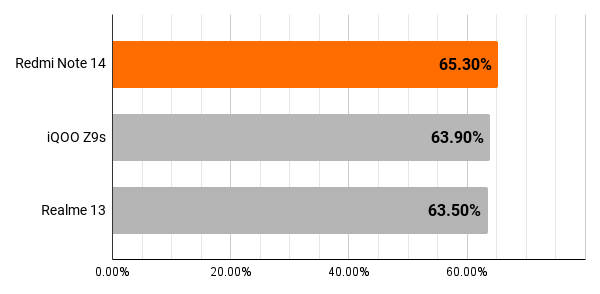
Winner: Redmi Note 14
All three phones performed similarly in our Burnout CPU throttle test, which assesses a chipset’s capability under intense load. While the Redmi Note 14 have a slight edge, this marginal difference is unlikely to impact real-world usage.
Real-world context: The Redmi Note 14 performs similarly to the iQOO Z9s and Realme 13 while demanding activities like gaming. However, prolonged gaming sessions may reveal thermal limitations in the Redmi smartphone, which is apparent in the following test.
Gaming
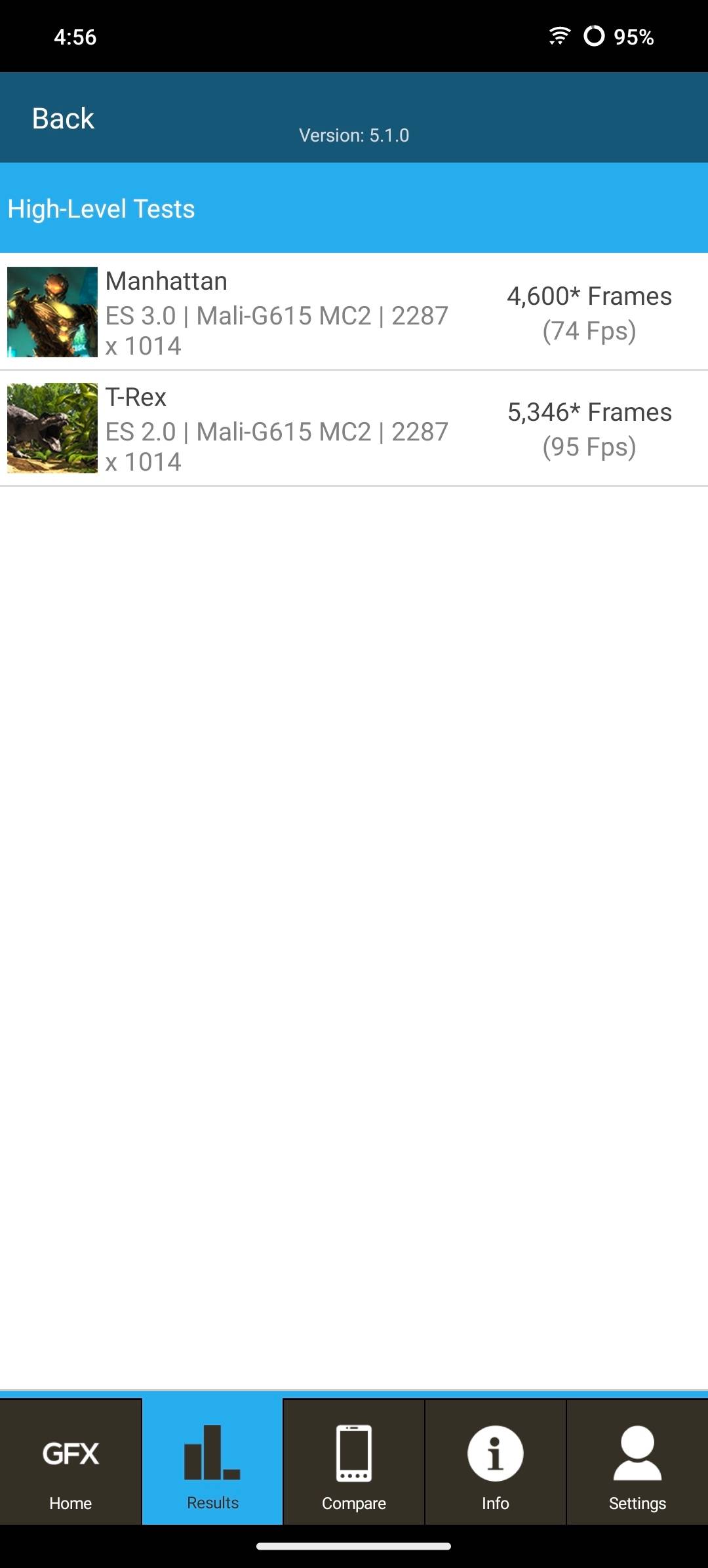
Our gaming test assesses how well smartphones handle heavy usage in the real world by running popular, graphically demanding titles such as BGMI, Call of Duty, and Real Racing 3 on the Redmi Note 14, iQOO Z9s, and Realme 13. These games will test the smartphone’s thermal efficiency, which is essential for maintaining peak performance without consuming too much power.
Before we get to the test, it is worth mentioning that the iQOO Z9s supports higher graphics and frame settings, but we standardised them to match those of its counterparts for a fair comparison. The games were played for 30 minutes each on individual devices of the average fps (frames per second) and thermal management.
Average frames per second (FPS) during 30 minutes of gaming (higher is better)
| Smartphones | Average FPS |
| Redmi Note 14 | 45.7 |
| Realme 13 | 46.5 |
| iQOO Z9s | 46.6 |
Since all three smartphones deliver similar frames per second, it’s nearly impossible to notice any difference in gameplay with the naked eye. If smooth gameplay is your priority, any of these devices would be a solid choice. That said, thermal efficiency is drastically different for each phone.
Temperature increase after 30 minutes of gameplay (lower is better)
| Smartphones | Total temp gain (degrees Celsius) |
| Redmi Note 14 | 20 |
| Realme 13 | 15.3 |
| iQOO Z9s | 12.7 |
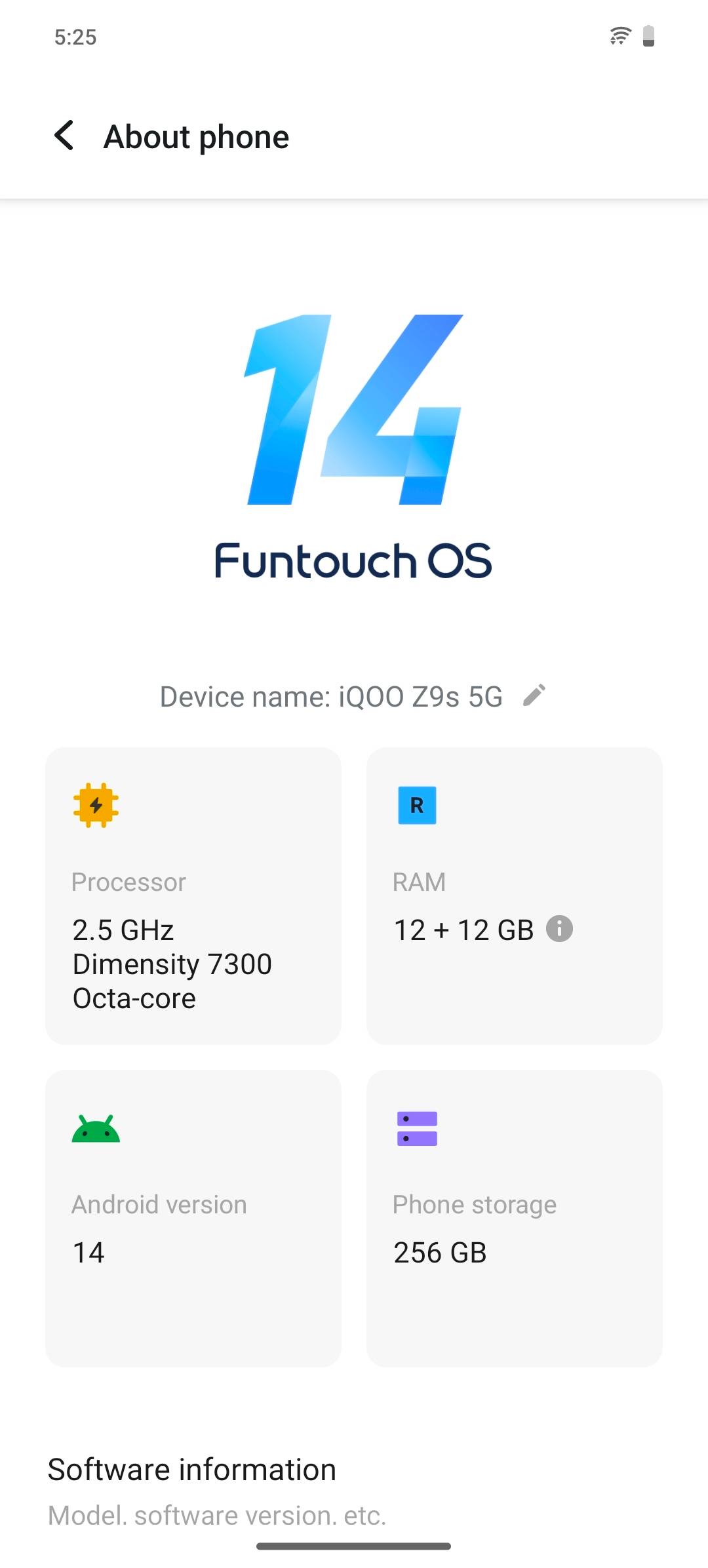
The Redmi Note 14 falls short in heat dissipation, reaching the highest temperatures during our gaming tests, followed by the Realme 13. In contrast, the iQOO Z9s excels with its 3,000mm square VC Liquid Cooling system, which rapidly dissipates heat, preventing the phone from throttling and getting uncomfortably warm during demanding activities.
Winner: iQOO Z9s
Final verdict
That concludes our Redmi Note 14 performance review. While the handset is good for daily work (calls, text, browsing, and so on), the iQOO Z9s remains the top performer in this segment as it excelled in benchmarks, gaming, and heat dissipation. As for the Redmi Note 14:
- It offers dependable performance for everyday tasks and casual gaming, making it a solid choice for budget-conscious buyers.
- However, the handset still needs improvements in areas such as gaming thermals and peak performance.
- While its CPU throttling efficiency is commendable, some heat build-up is noticeable during extended gaming sessions.
| Smartphones | Starting price |
| Redmi Note 14 | Rs 18,999 |
| Realme 13 | Rs 17,999 |
| iQOO Z9s | Rs 19,999 |
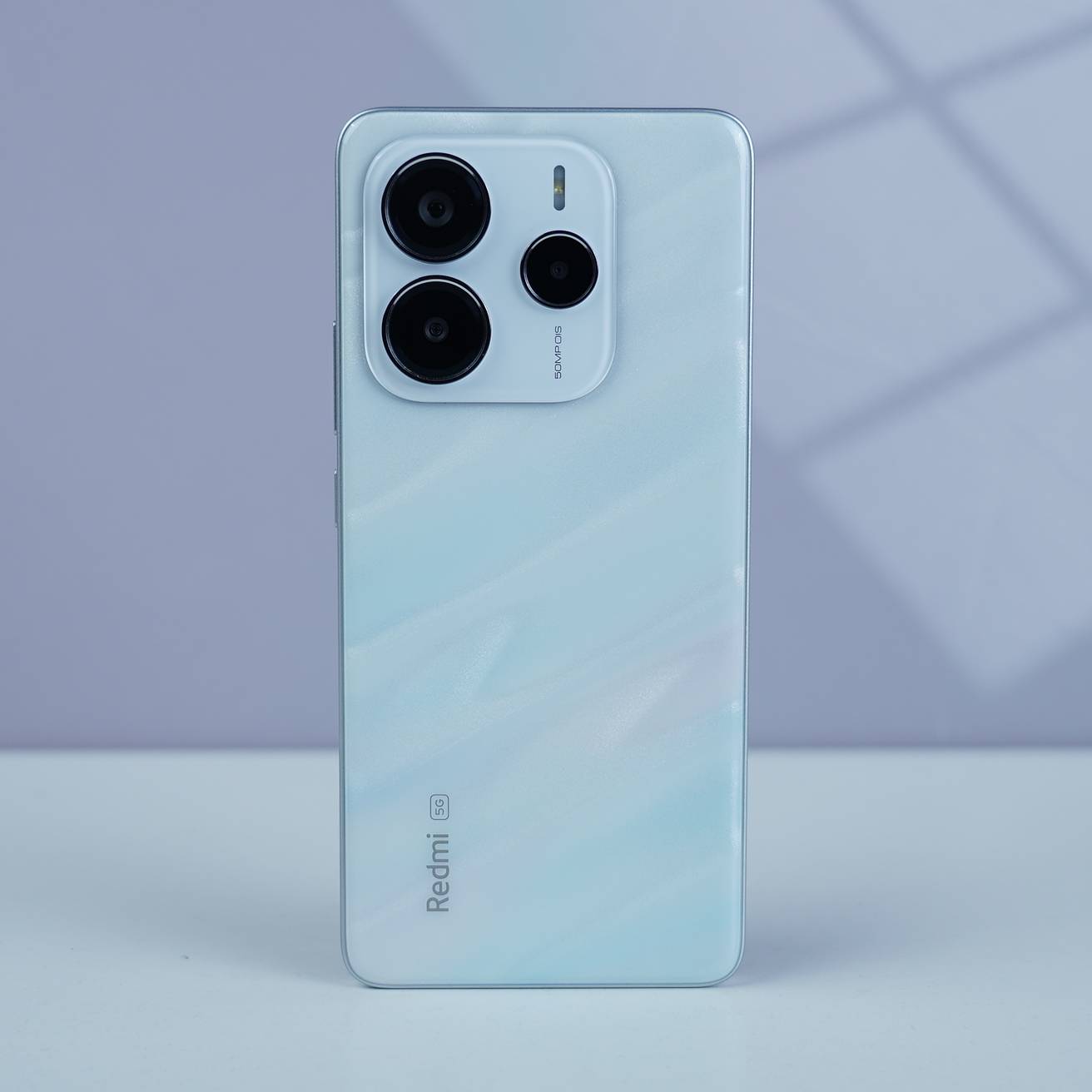
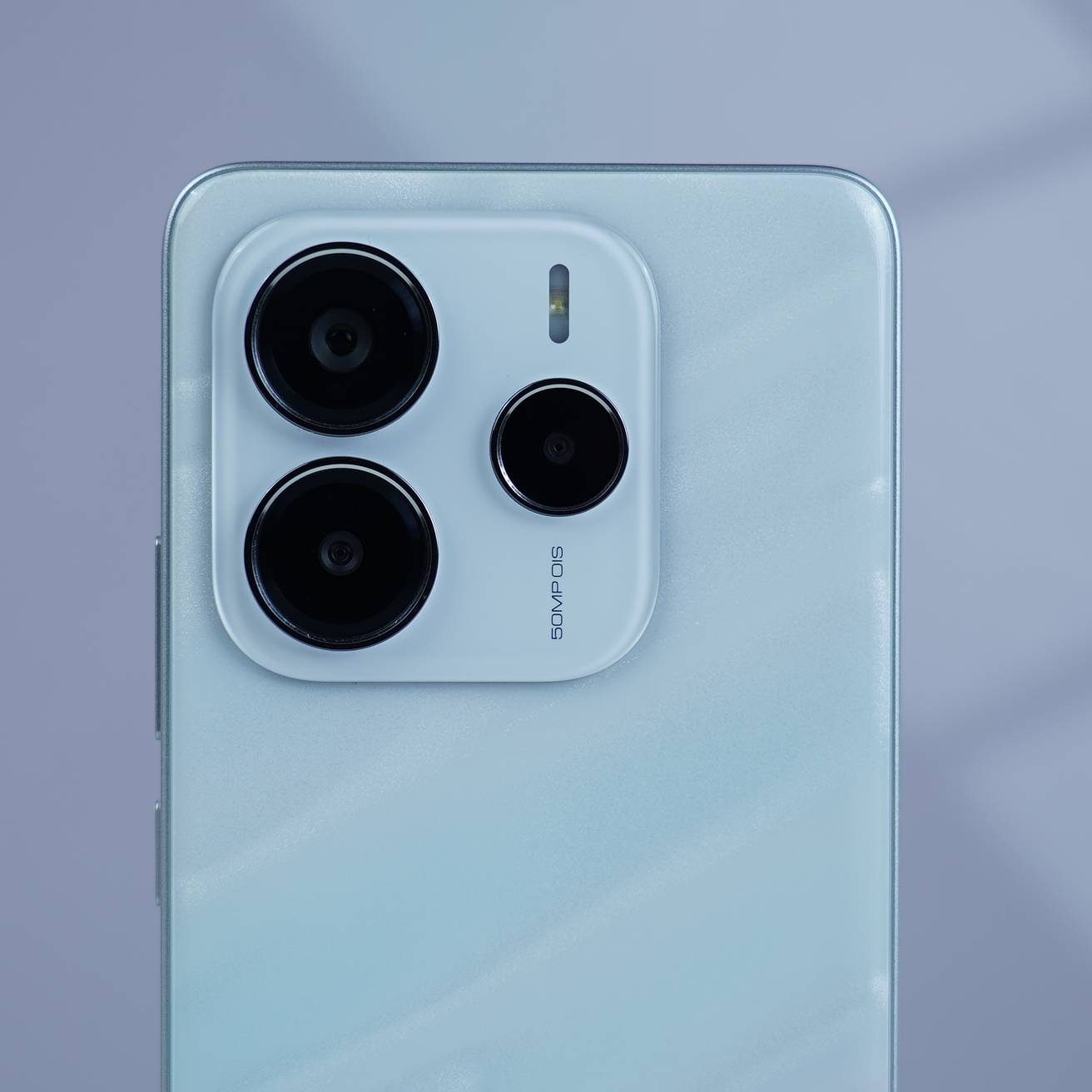
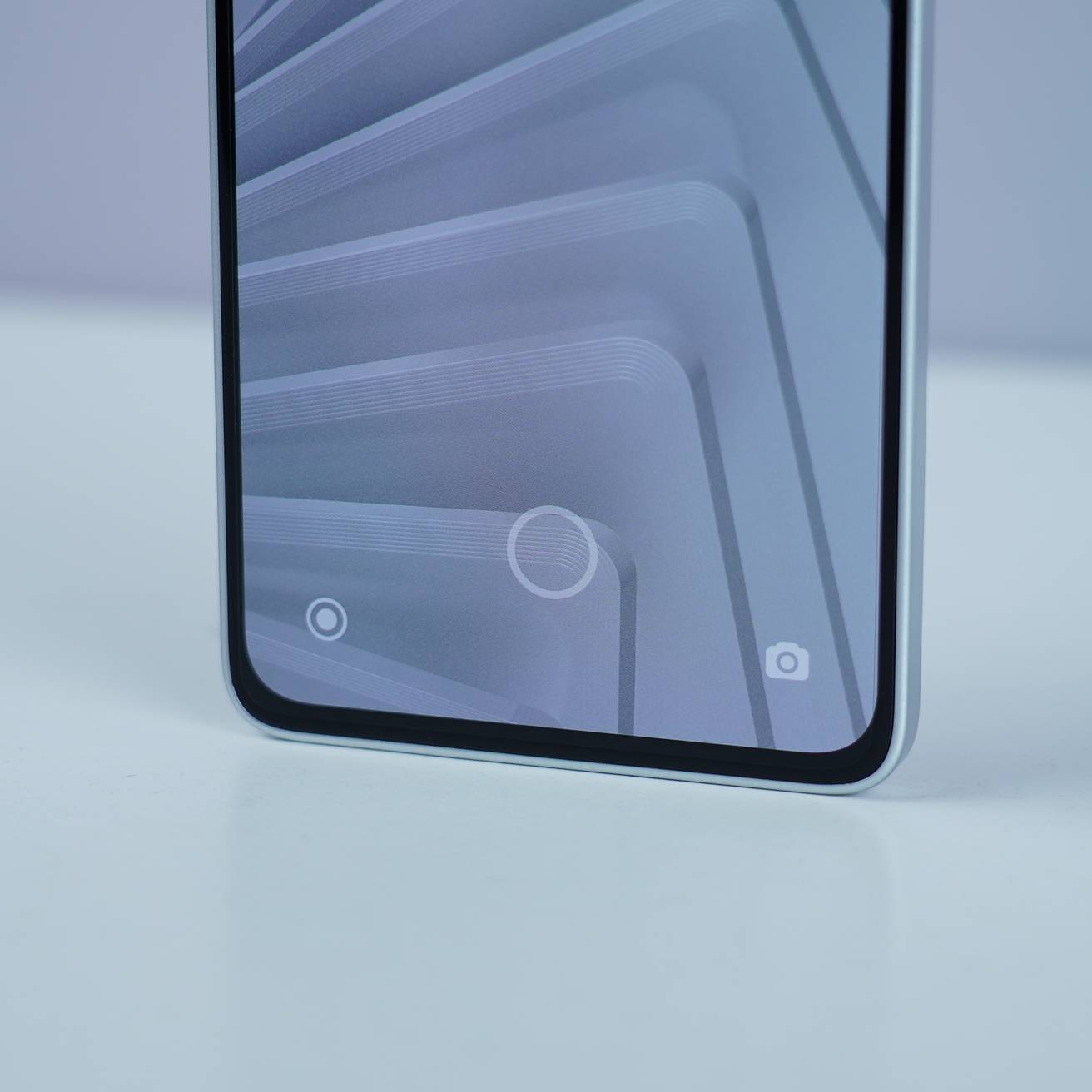
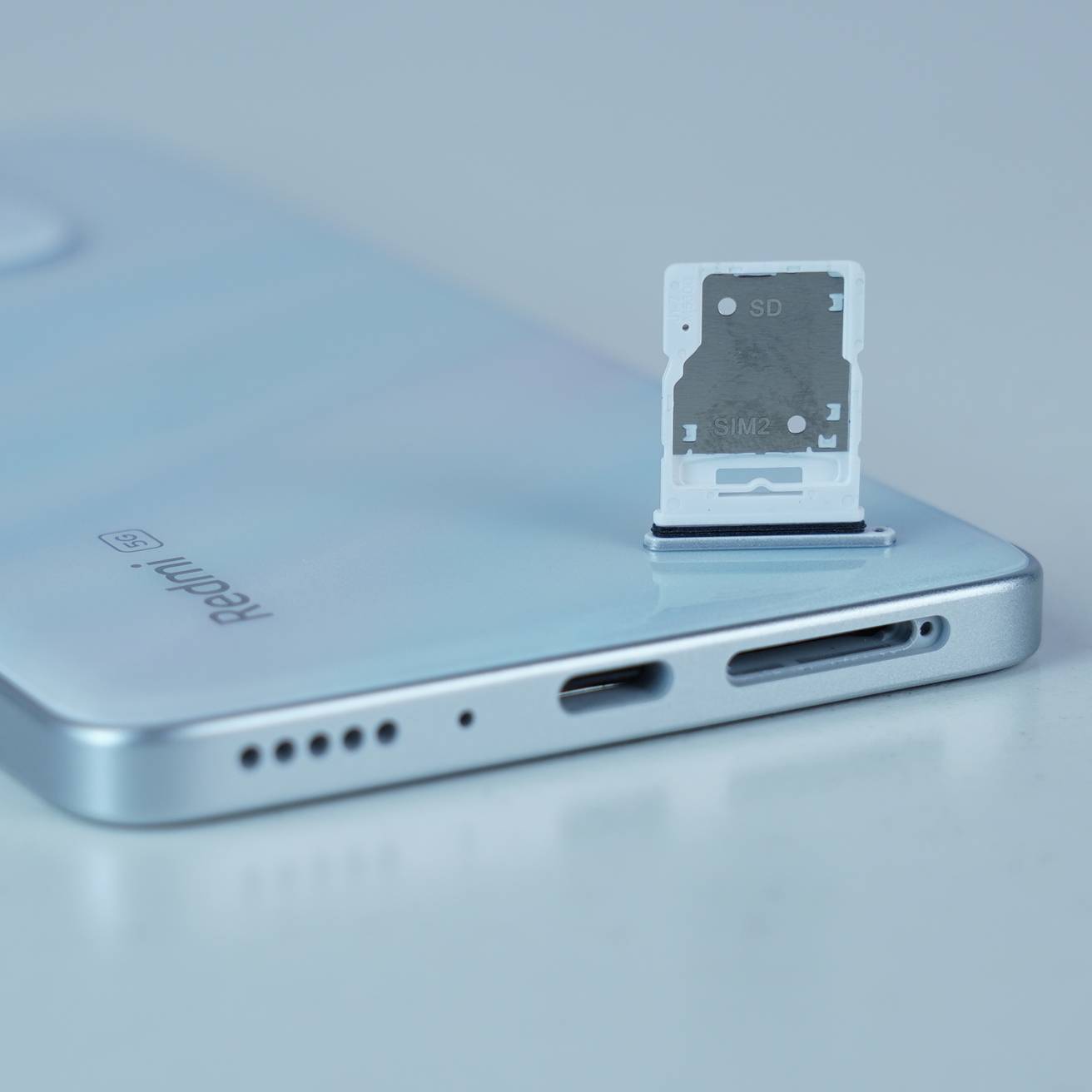
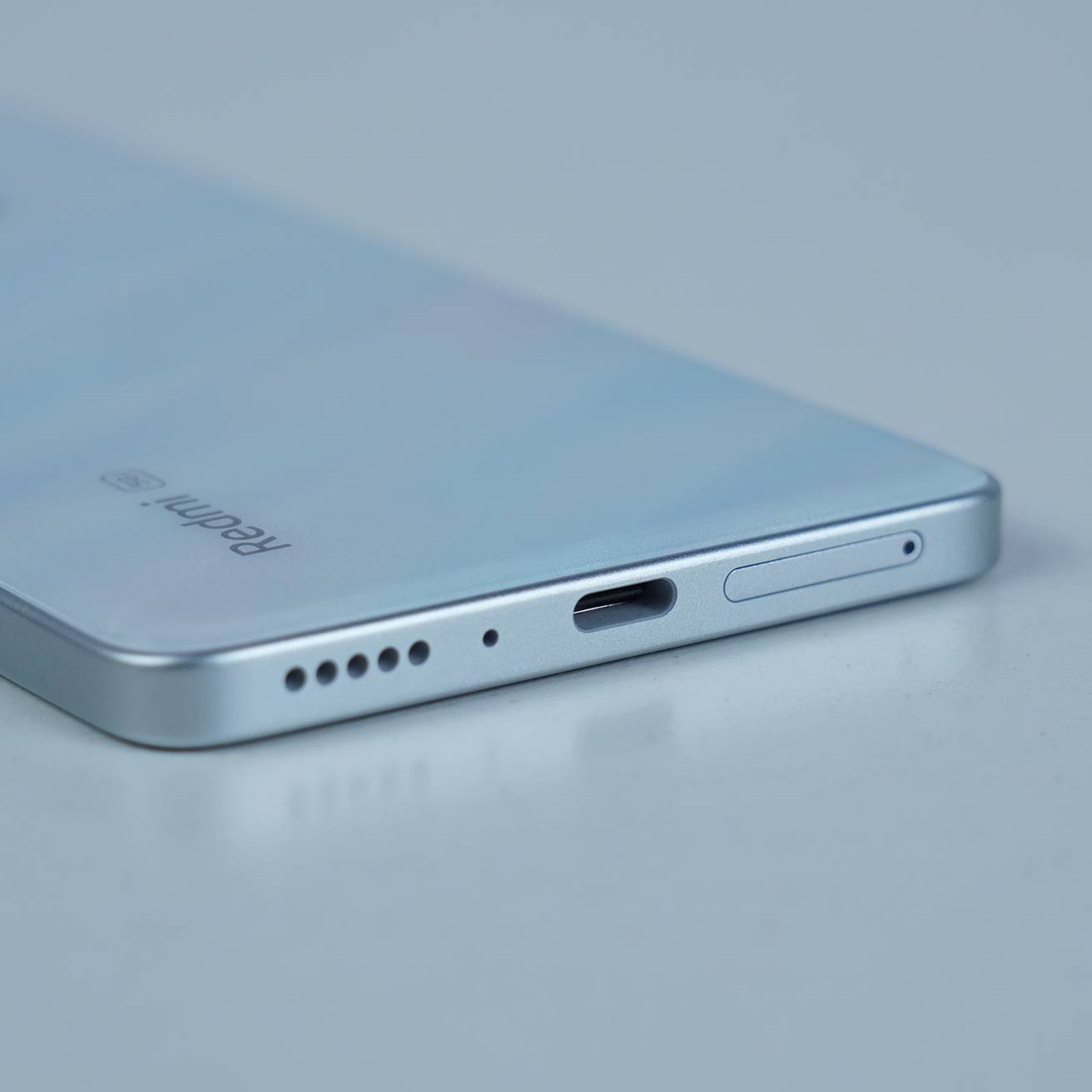
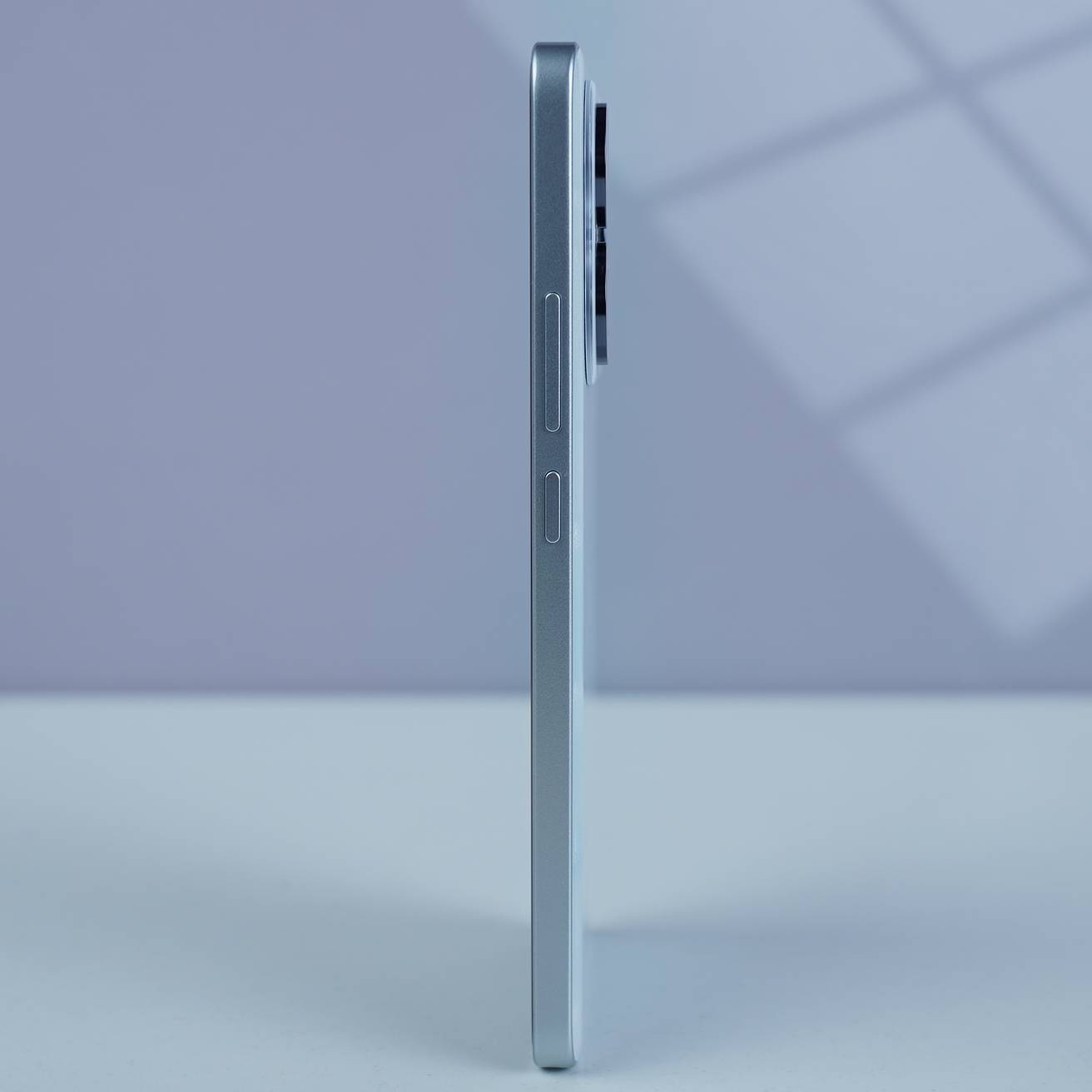
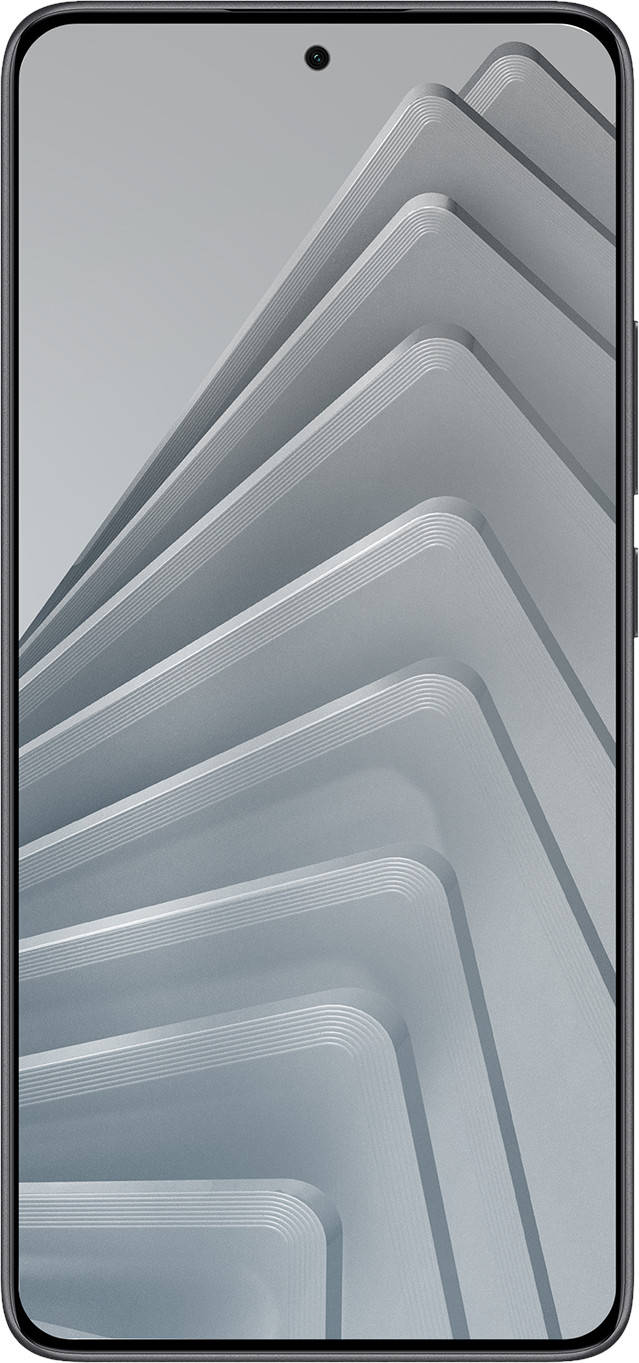
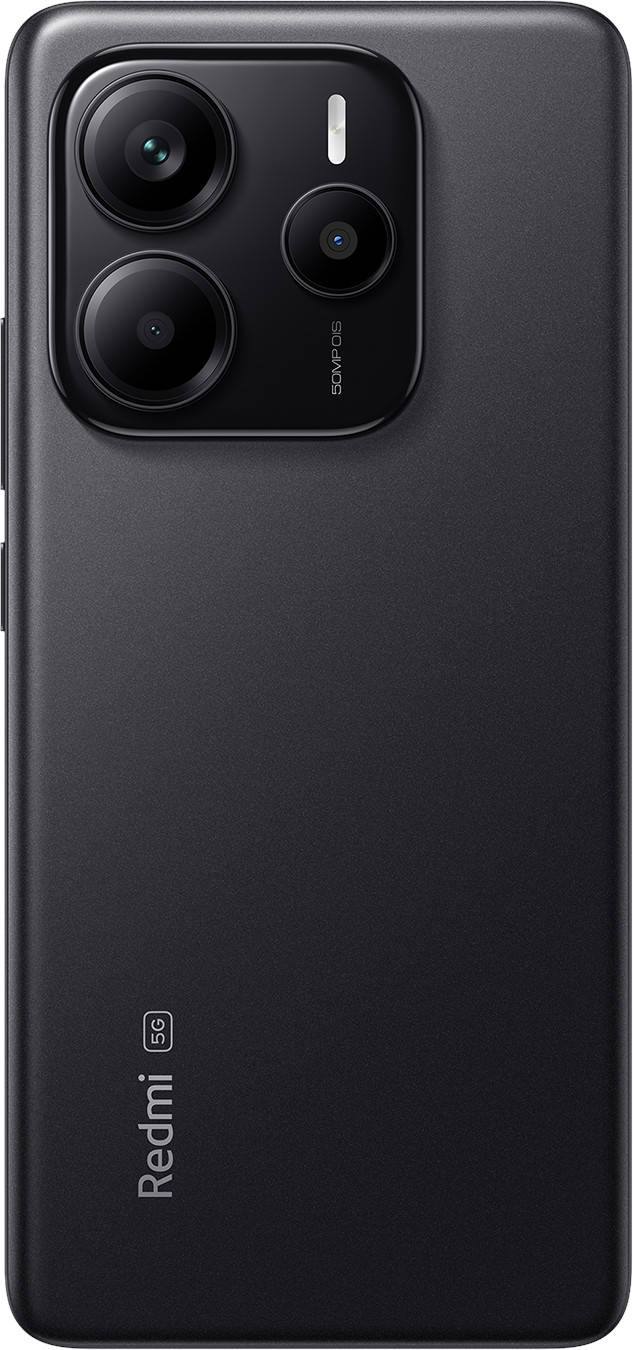
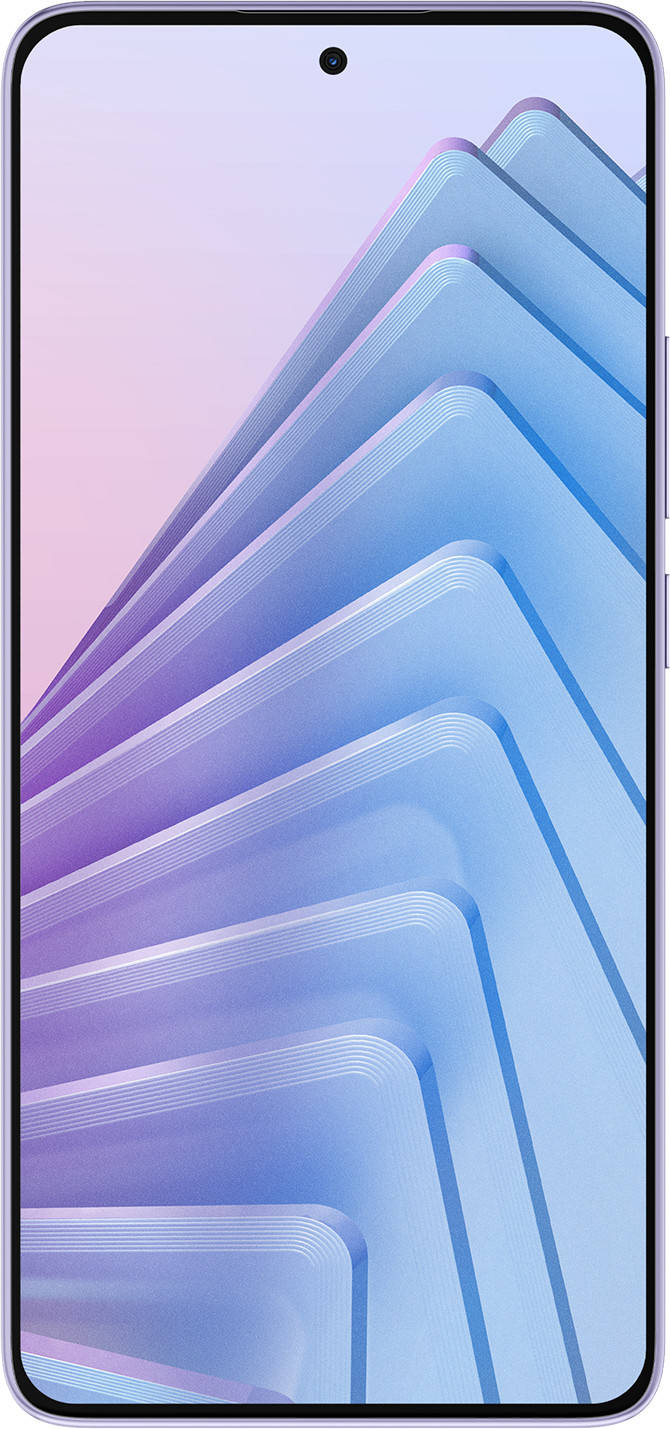
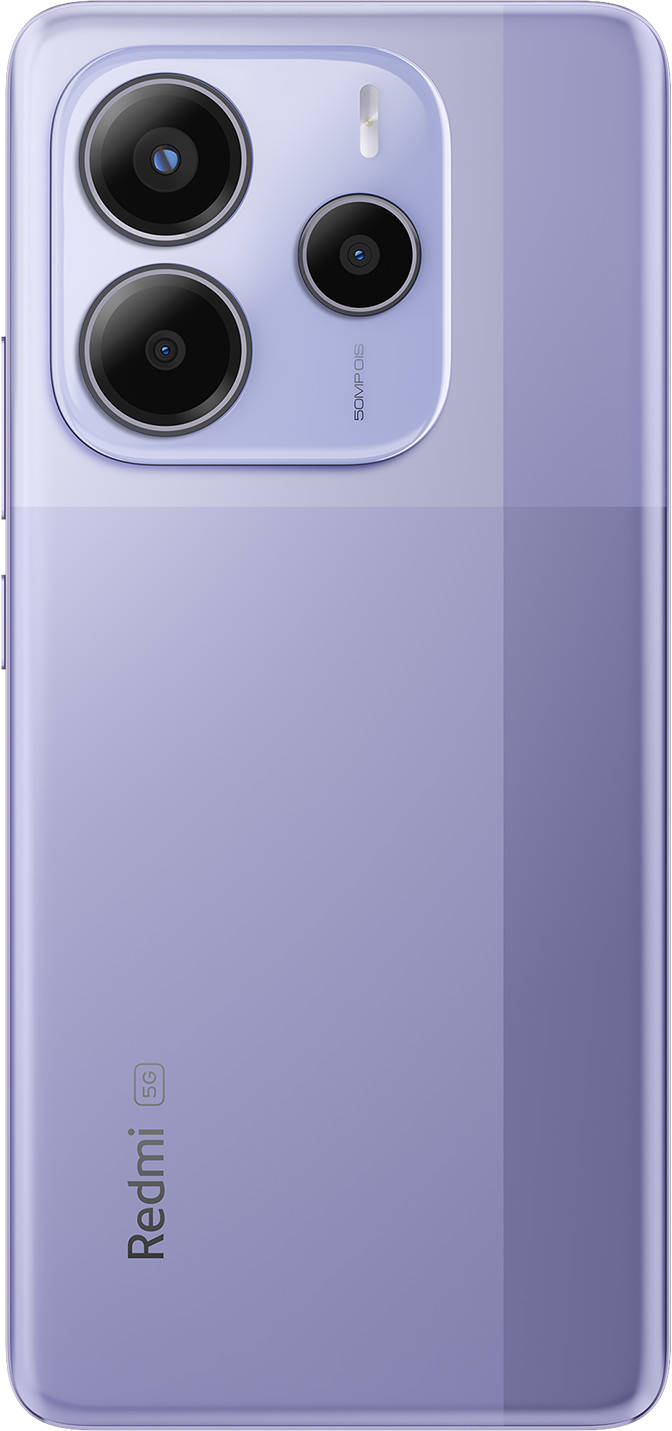
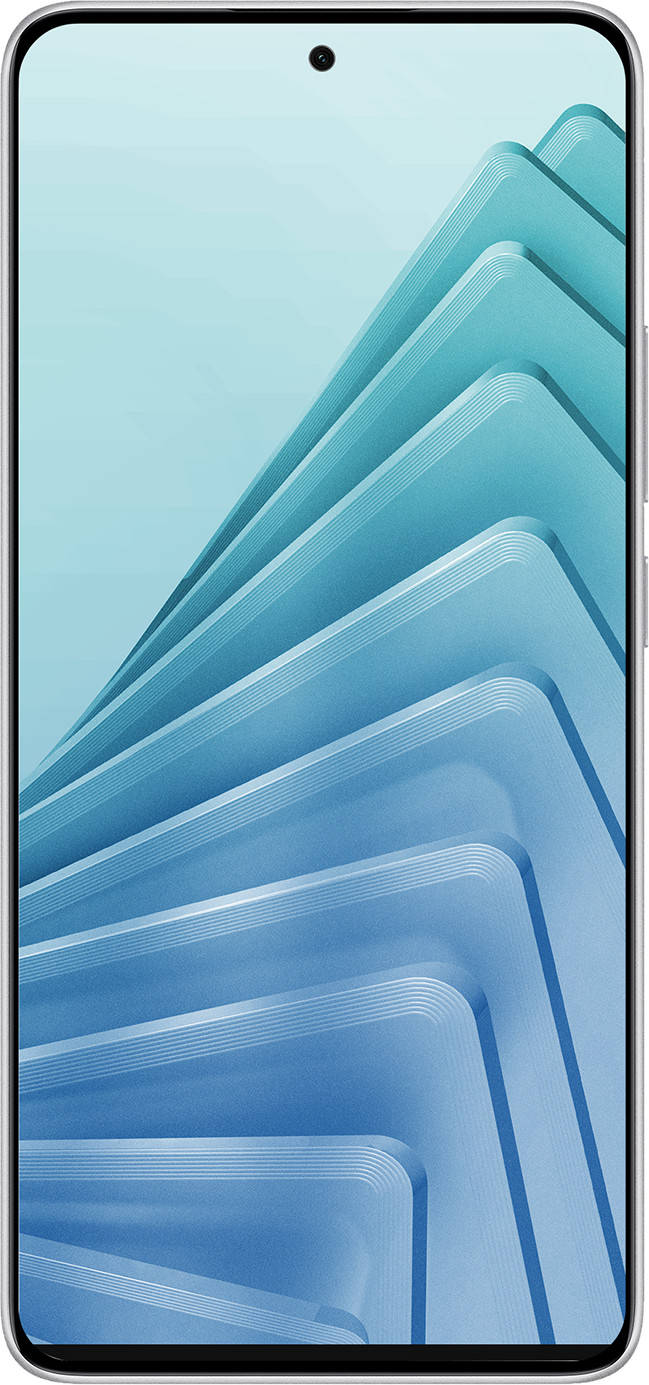
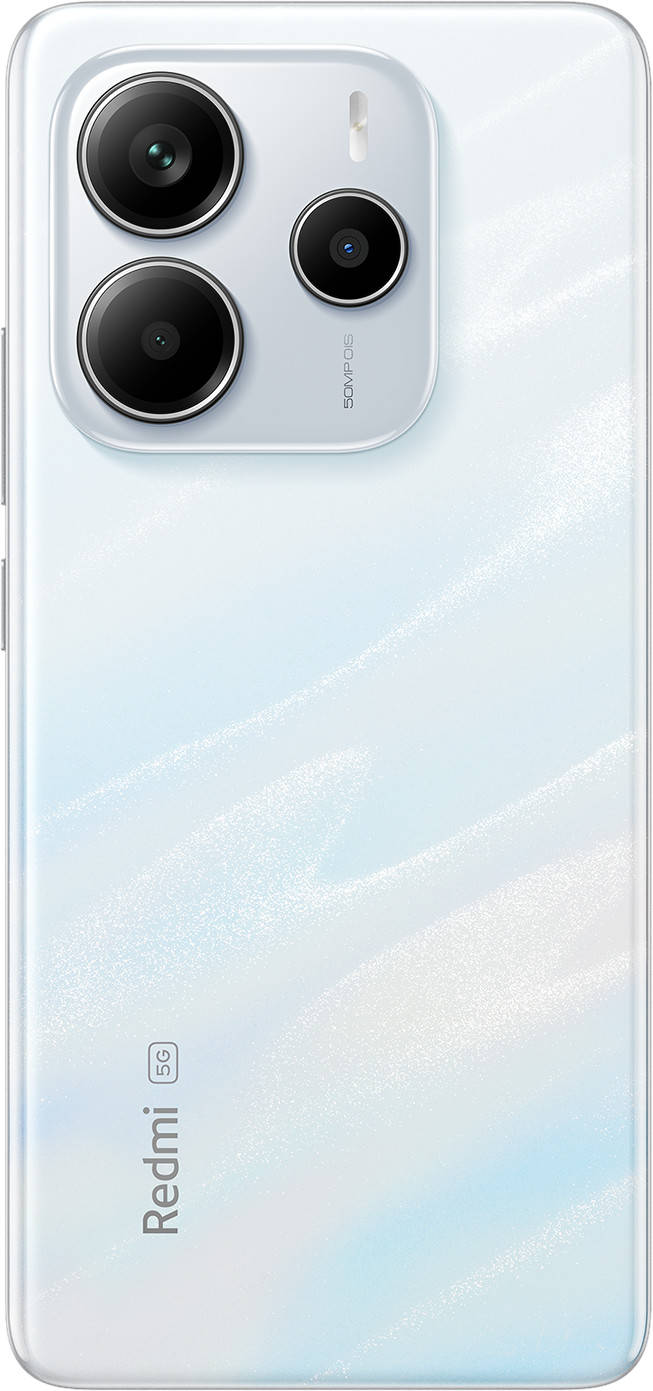
Xiaomi Redmi Note 14 5G Images




















































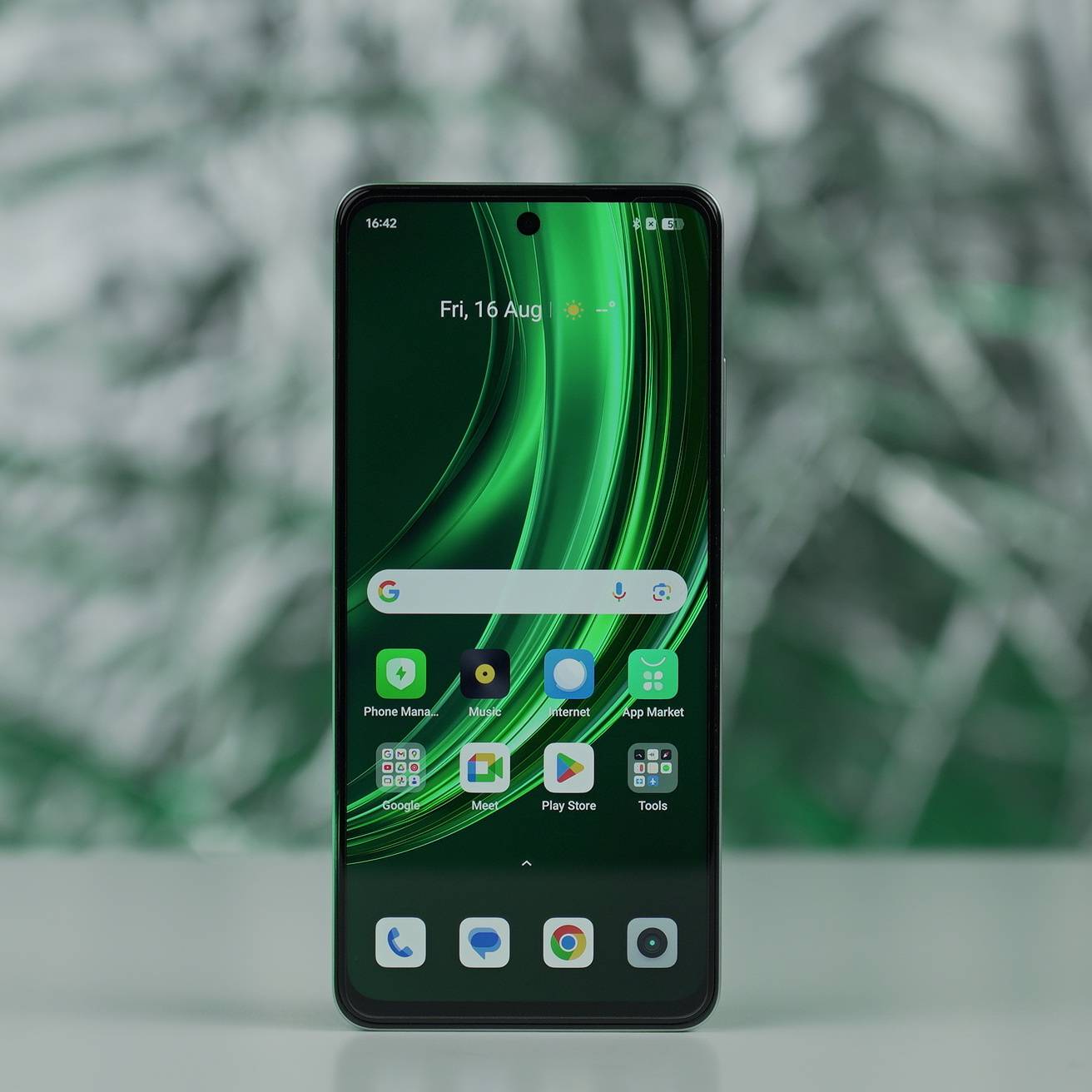
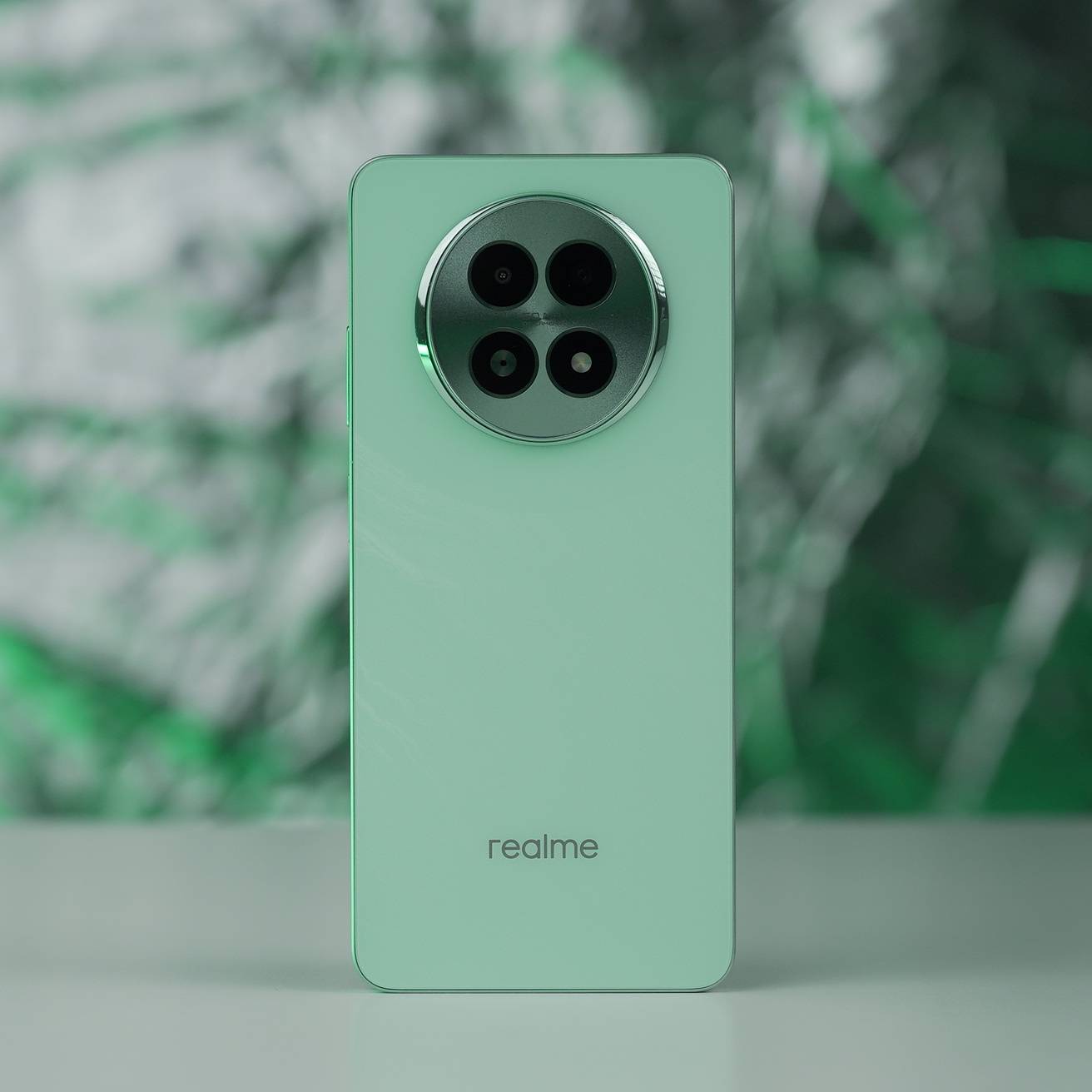
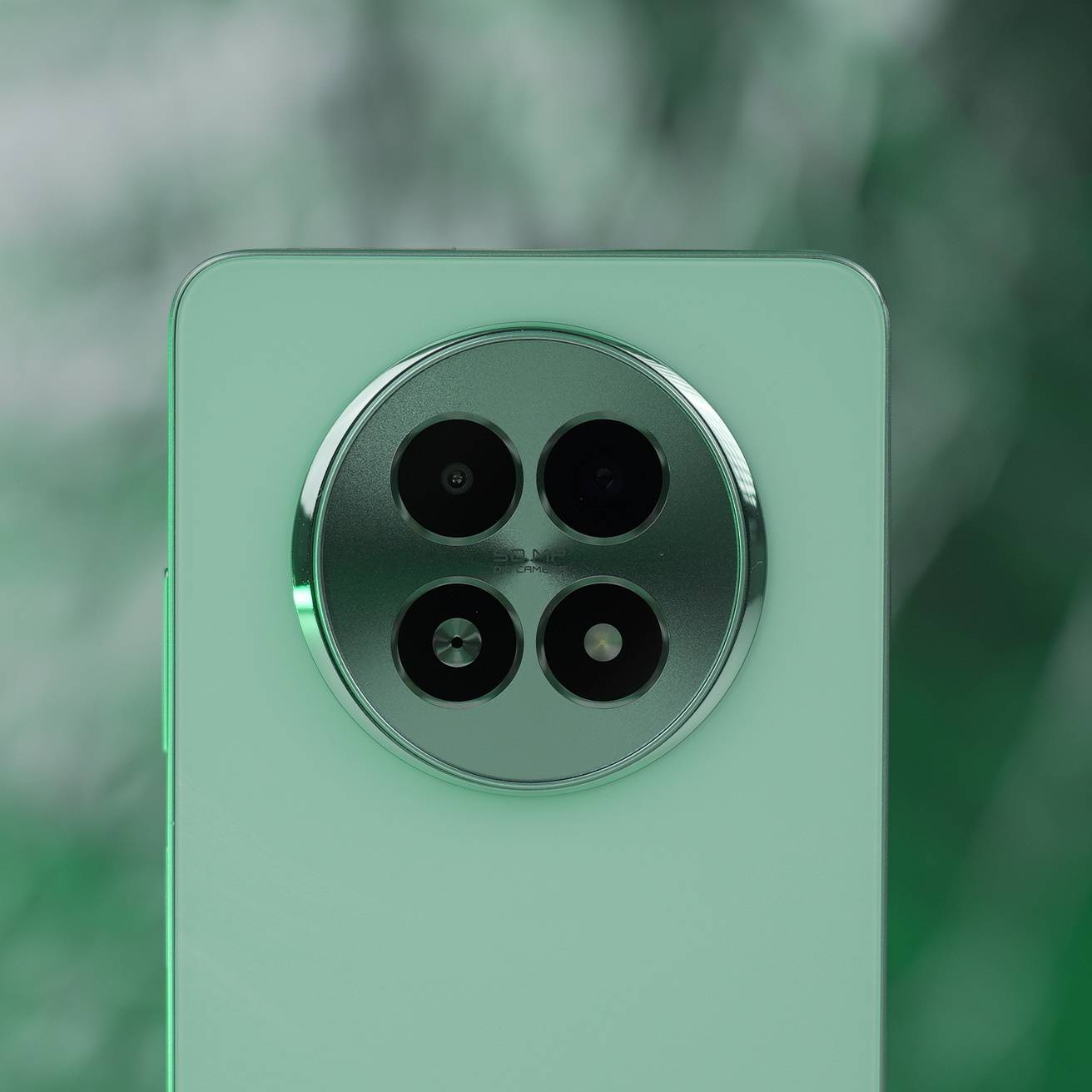
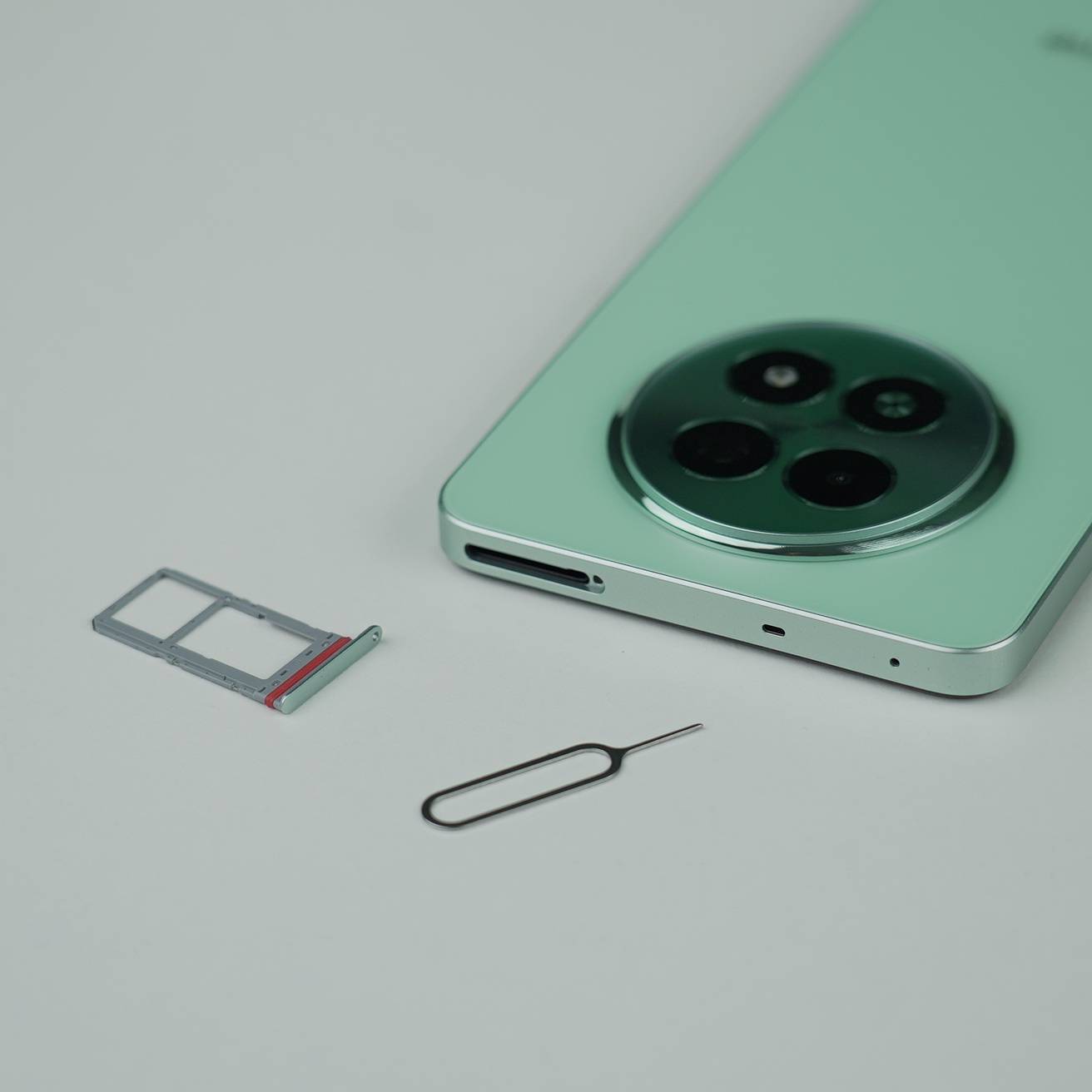
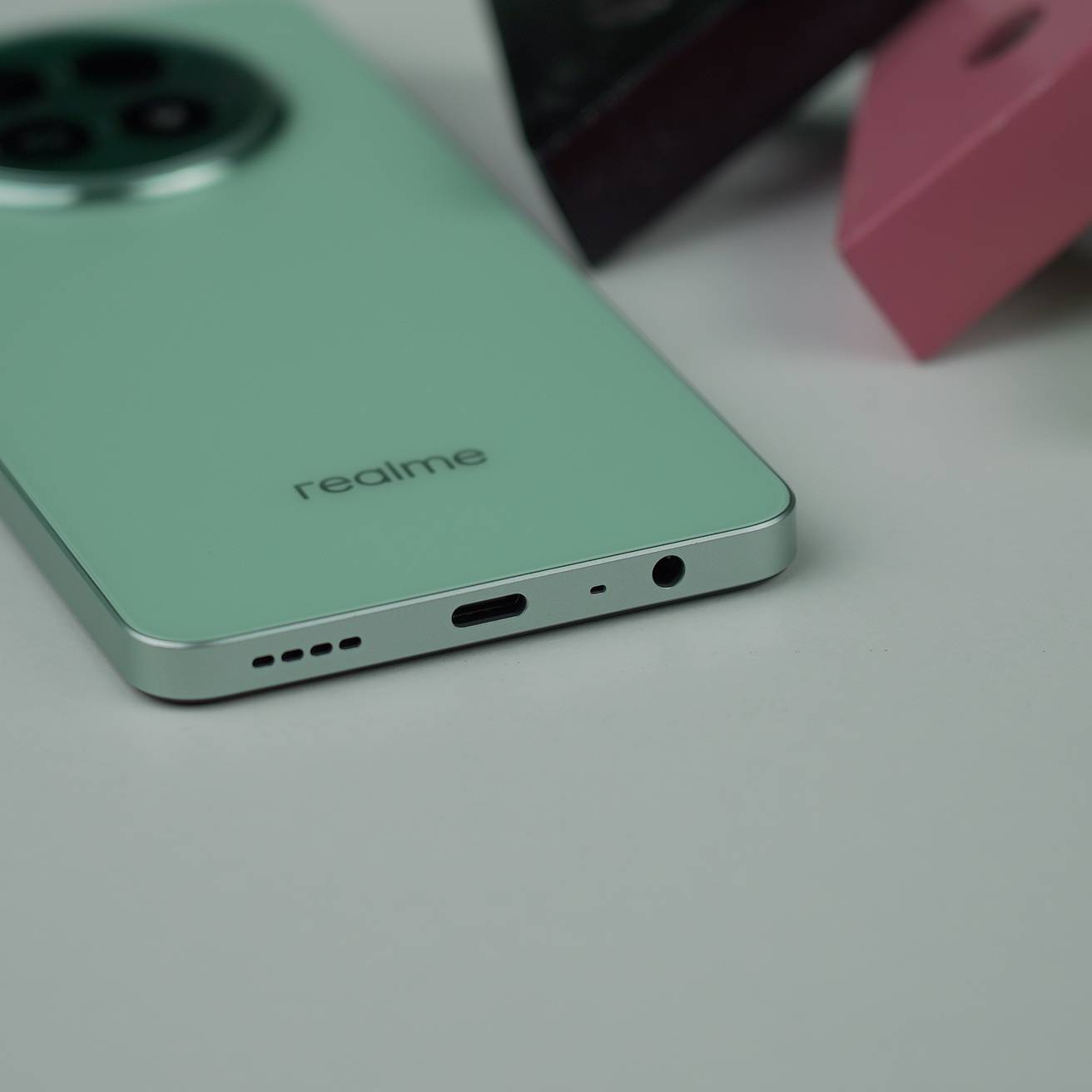
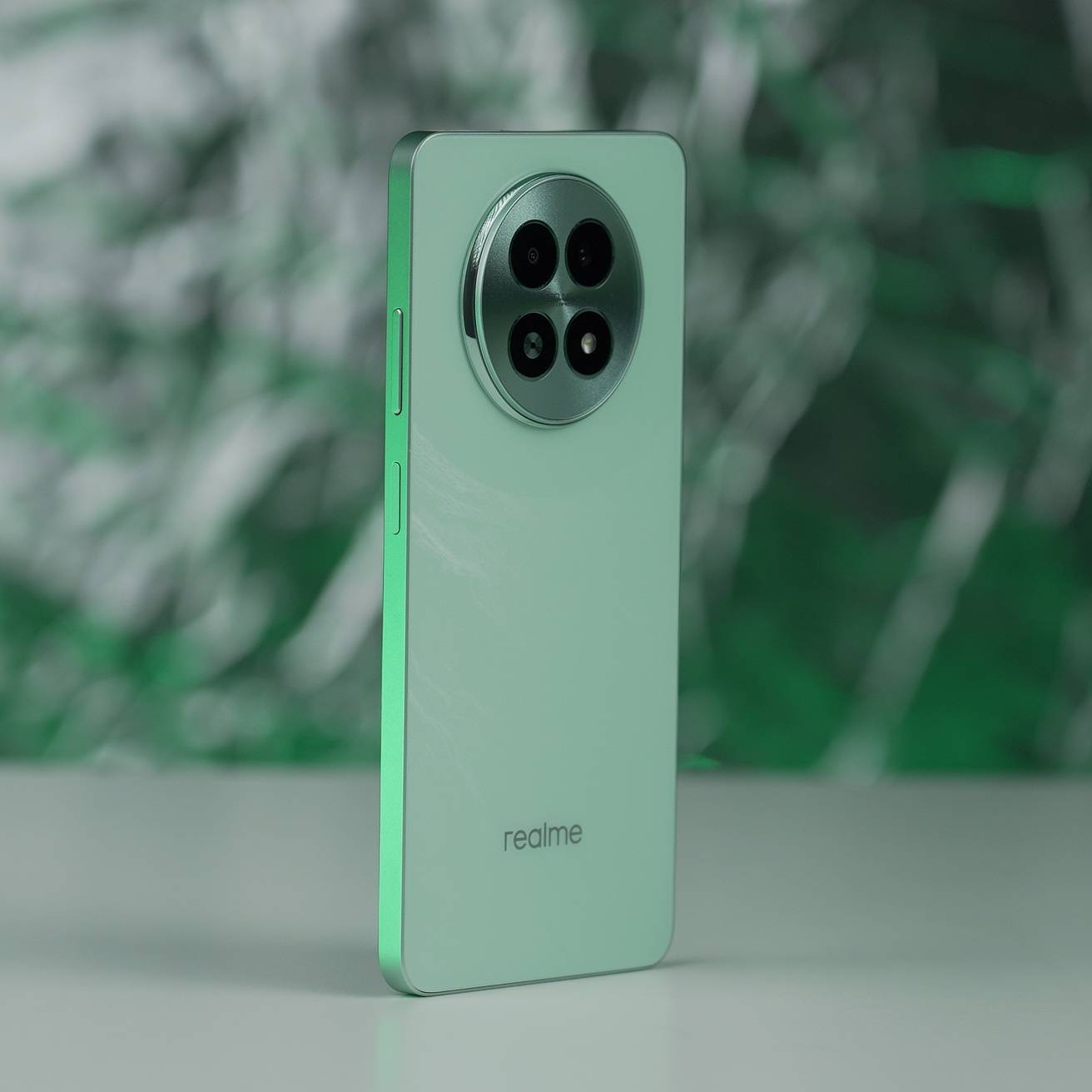
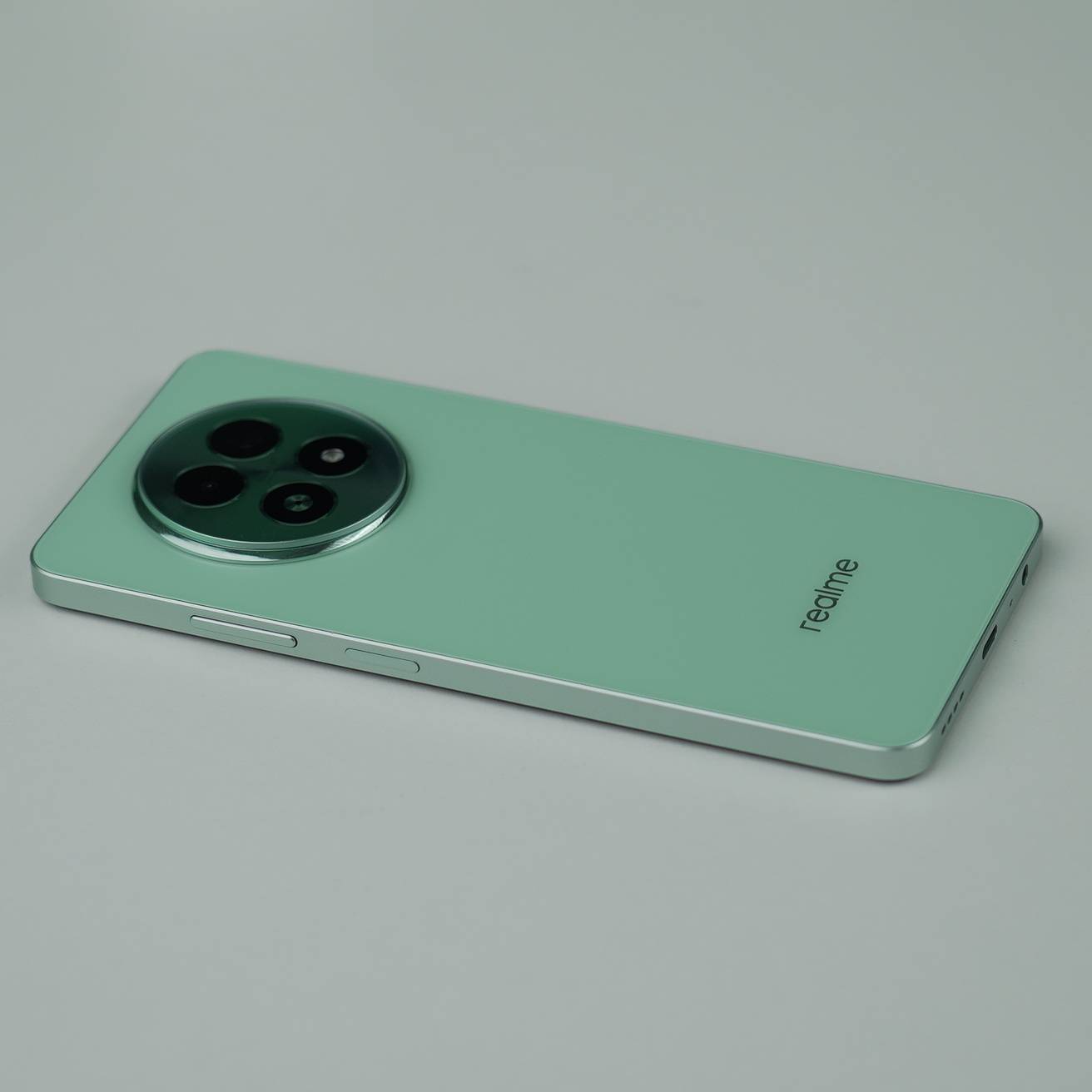
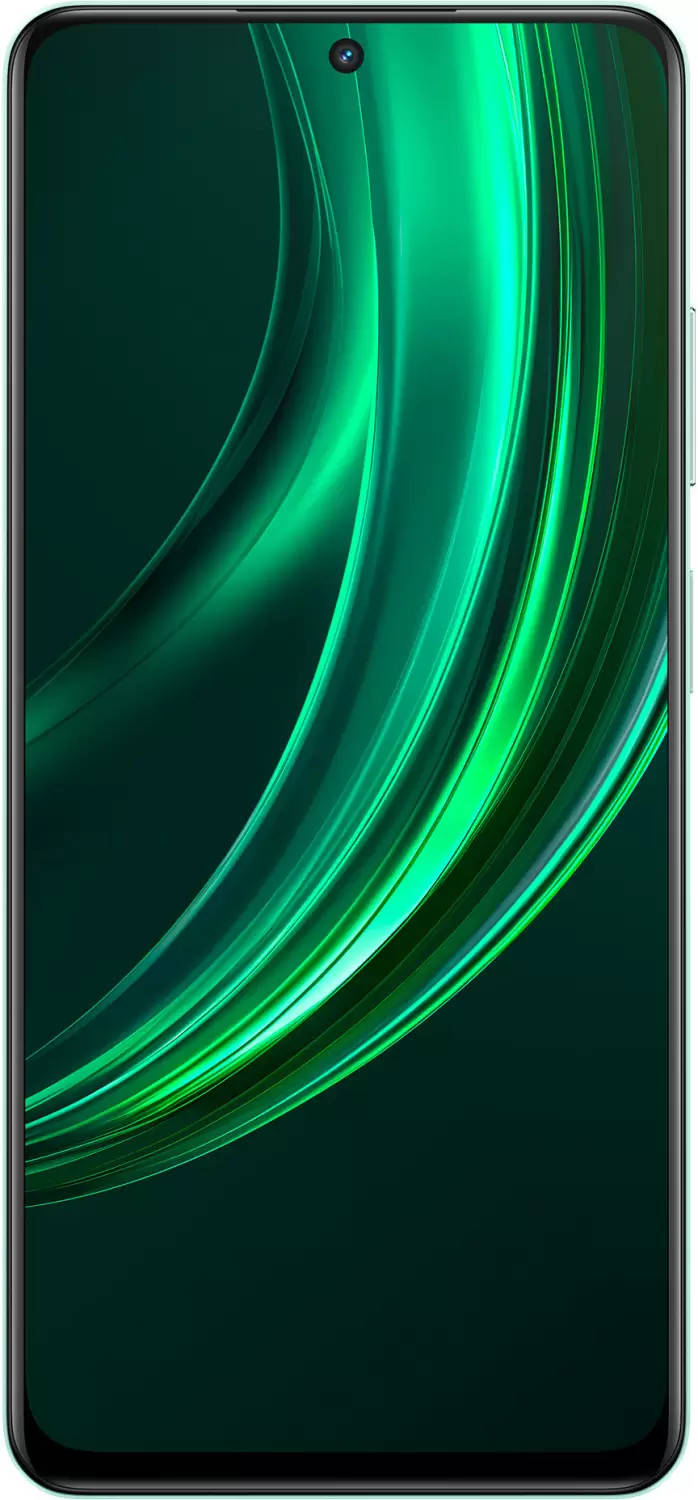
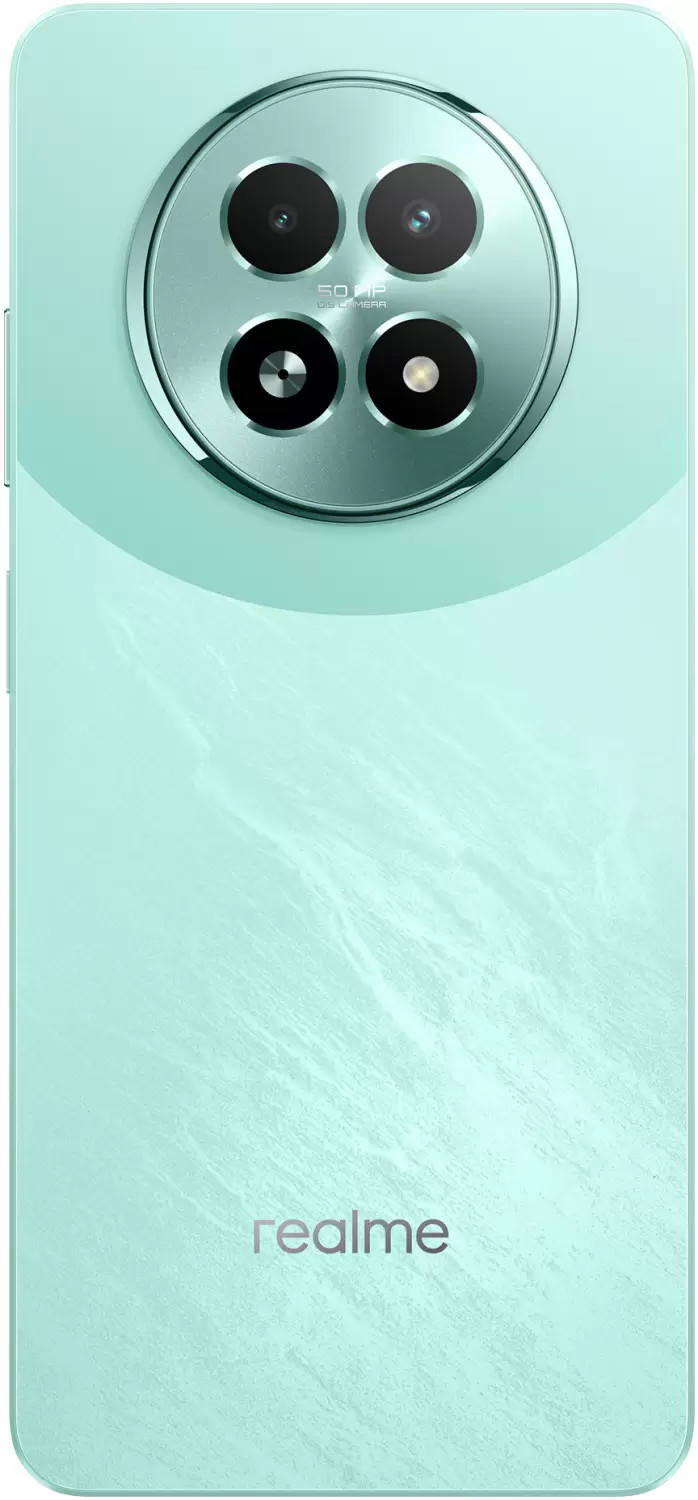
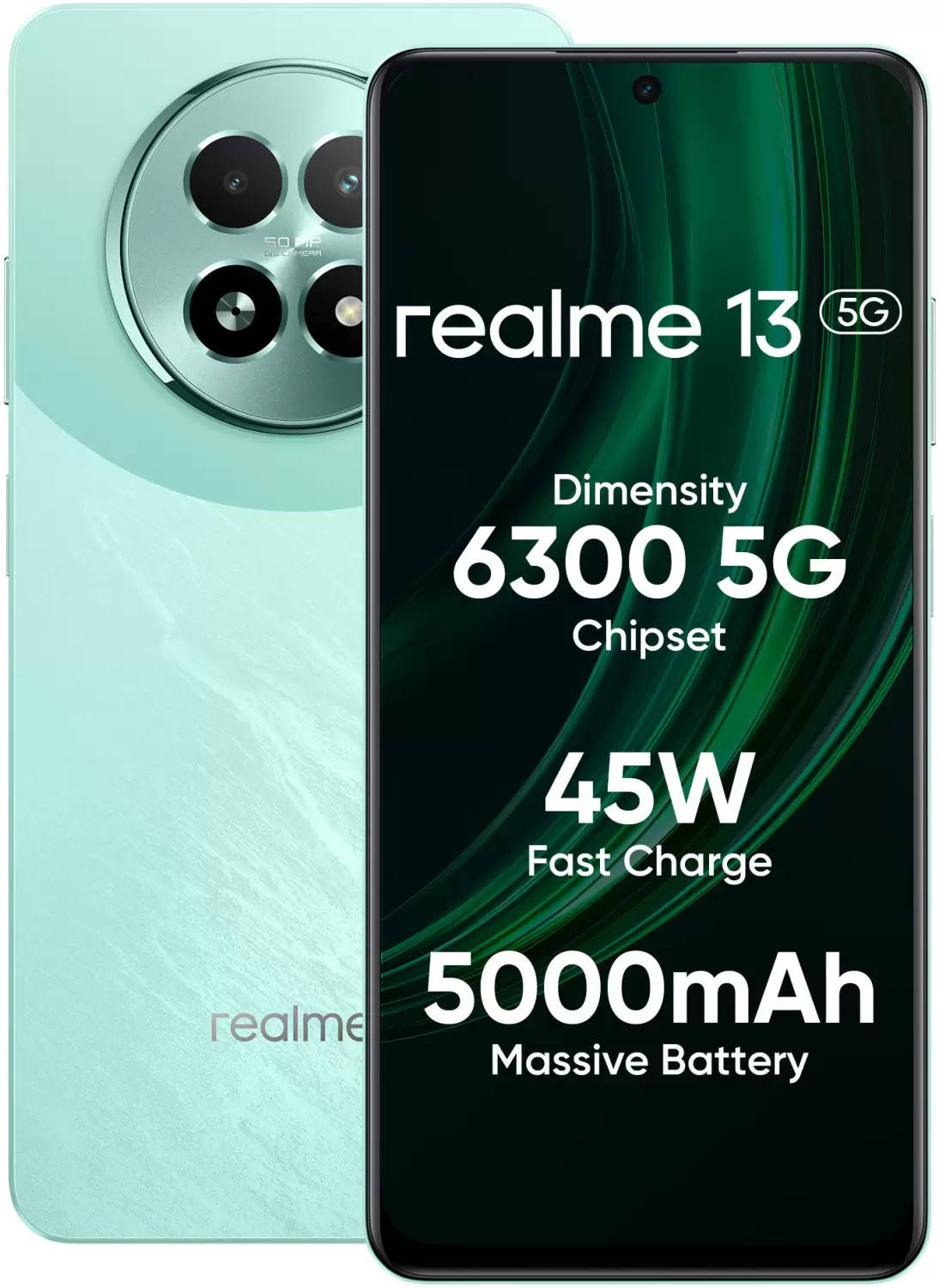
realme 13 5G Images


































iQOO Z9s Images