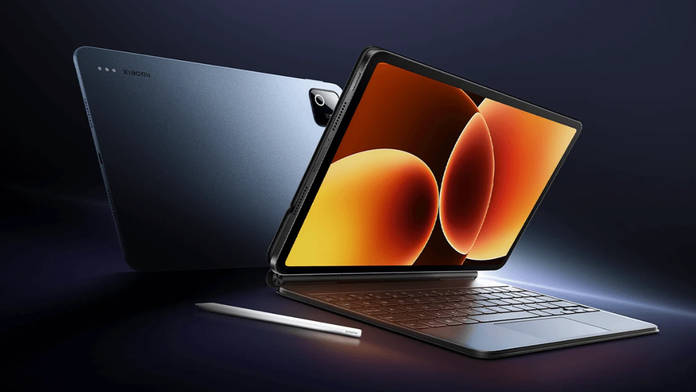
The Xiaomi Pad 8 (review) was initially launched at Rs 33,999 back in March. Today, its price has been revised again, and the tablet now starts at Rs 38,999 for the standard variant, which features 8GB of RAM and 128GB of storage. The new prices have already gone live on Xiaomi’s online store without any prior notice, which has been the case for most devices receiving price hikes as of late.
Table of Contents
Xiaomi Pad 8 revised pricing
Here’s how the Xiaomi Pad 8’s new pricing fares against its old pricing.
| Variant | Old pricing | Revised pricing |
| 8GB + 128GB | Rs 37,999 | Rs 38,999 |
| 12GB + 256GB | Rs 40,999 | Rs 43,999 |
| 12GB + 256GB (Nano Texture) | Rs 42,999 | Rs 45,999 |
| 12GB + 256GB (with Pen) | Rs 45,999 | Rs 48,999 |
| 12GB + 256GB (Nano Texture with Pen) | Rs 47,999 | Rs 50,999 |
While the base 8GB + 128GB variant has seen a Rs 1,000 increase, the other four variants have been hiked by Rs 3,000. The hike is likely linked to the ongoing memory crisis, which has affected all smartphones, laptops, and tablets in the recent past, forcing brands to jack up their prices to offset high memory procurement costs.
Is the Xiaomi Pad 8 still worth considering?
Despite the Xiaomi Pad 8’s pricing now touching Rs 40,000, at least for the base variant, it still remains one of the strongest contenders in the segment. Since the Apple iPad 11th Generation retails for Rs 49,900 after the recent price hike, which affected most non-iPhone products in Apple’s current portfolio, the Pad 8 offers superior performance gains over the current competition.
Powered by the Qualcomm Snapdragon 8s Gen 4 on board, the tablet delivers significantly superior performance to the likes of the Lenovo Idea Tab Pro and Samsung Galaxy Tab A11 Plus, which are powered by the MediaTek Dimensity 8300 and Exynos 1380, respectively. Per our in-house testing, the Xiaomi Pad 8 scores over 2.3 million on AnTuTu, indicating strong performance across a range of tasks, be it heavy app multitasking, video editing and rendering, or playing games at high graphics settings.
The Redmi Pad 2 Pro, on the other hand, stands as a great alternative to the Xiaomi Pad 8. However, the Snapdragon 7s Gen 4 processor won’t offer as great a performance as the Snapdragon 8s Gen 4. Fortunately, it should easily suffice for medium-use cases, such as reading books, watching videos, and taking notes.