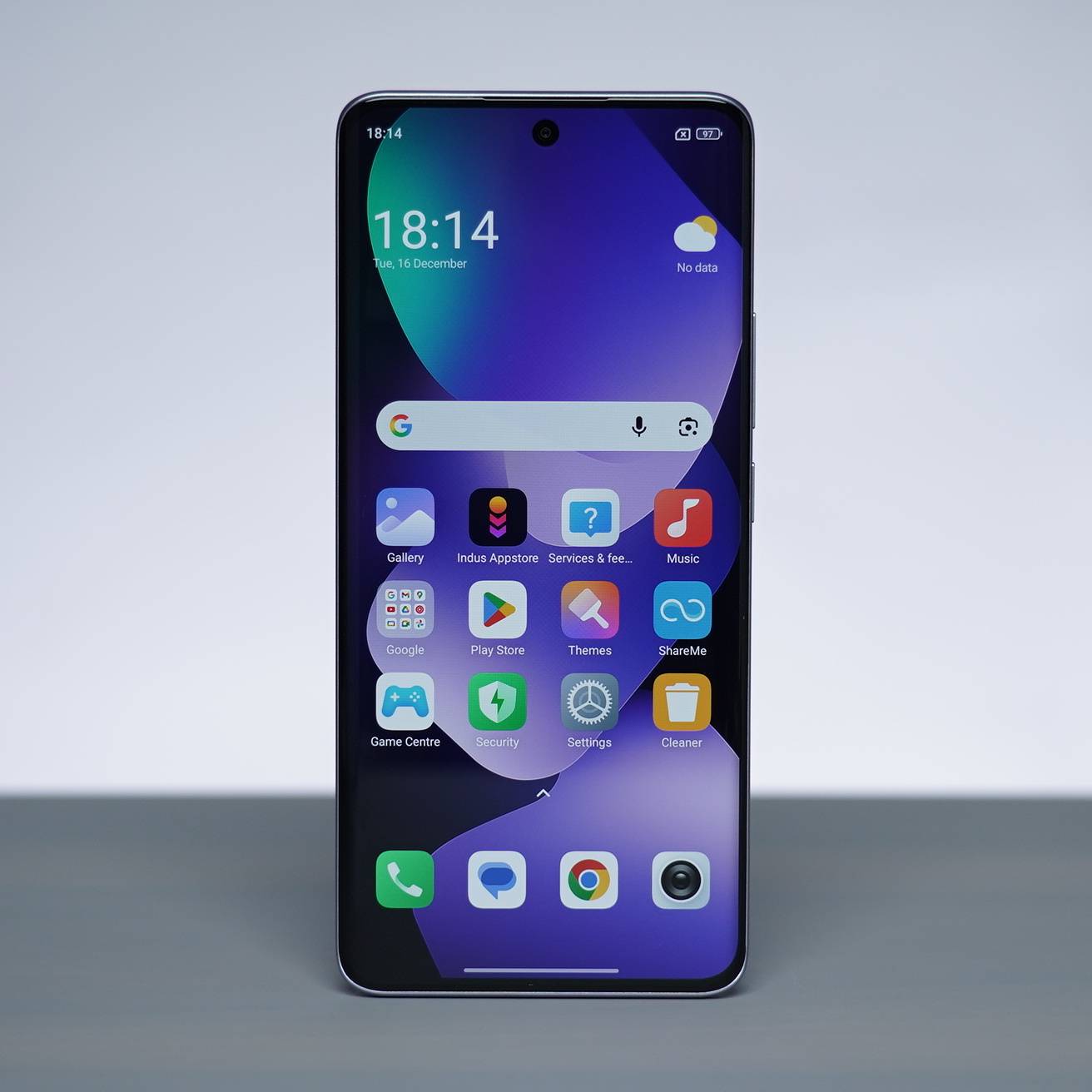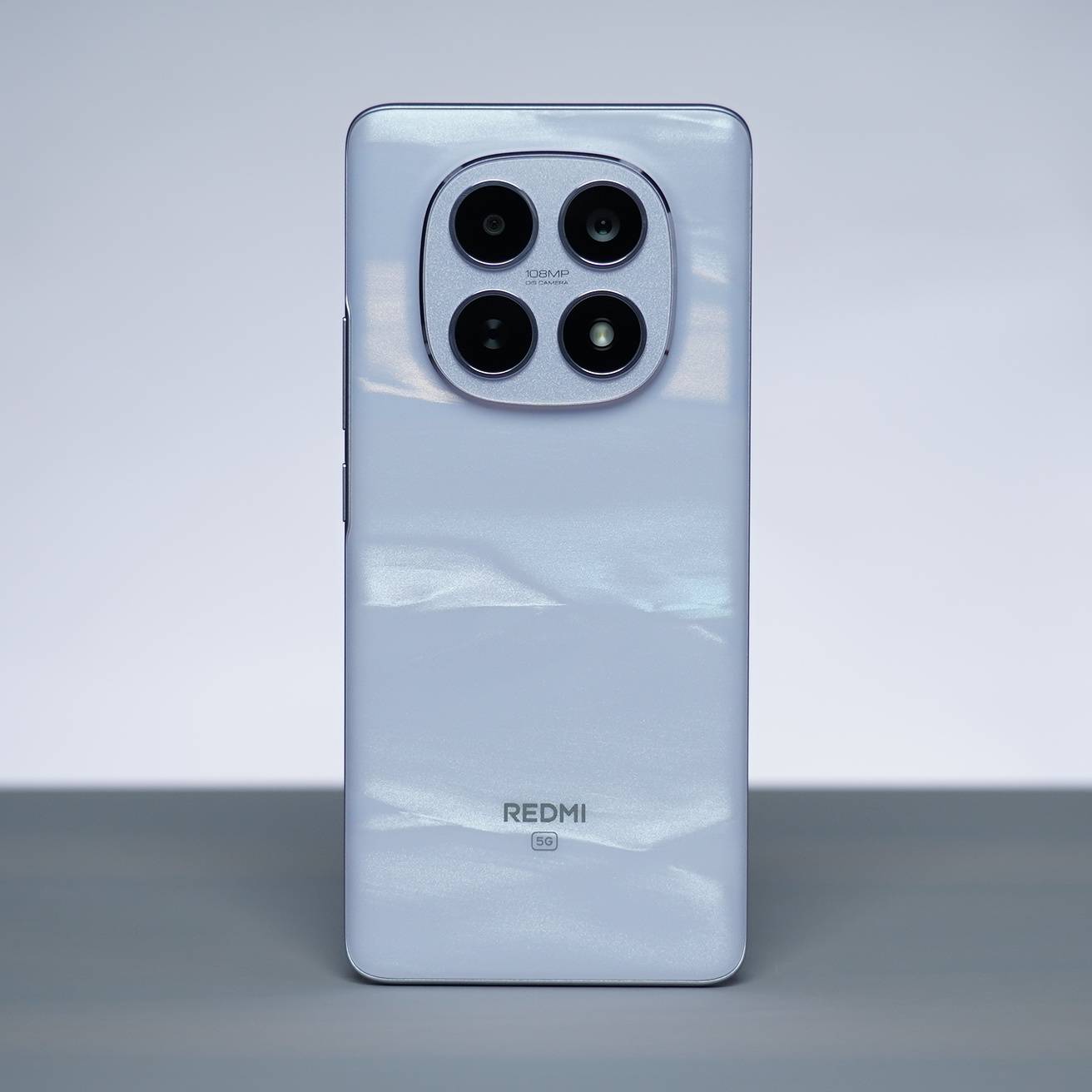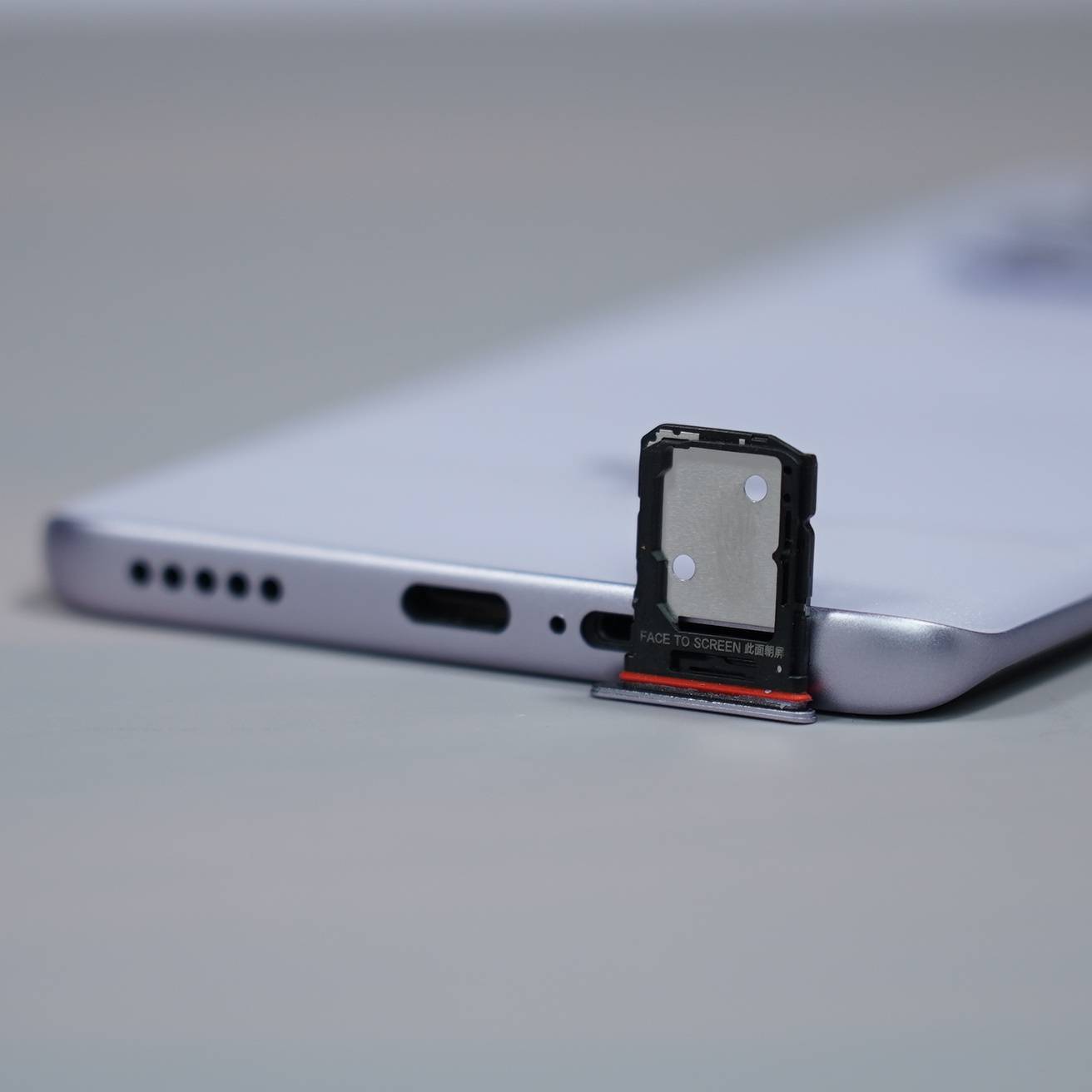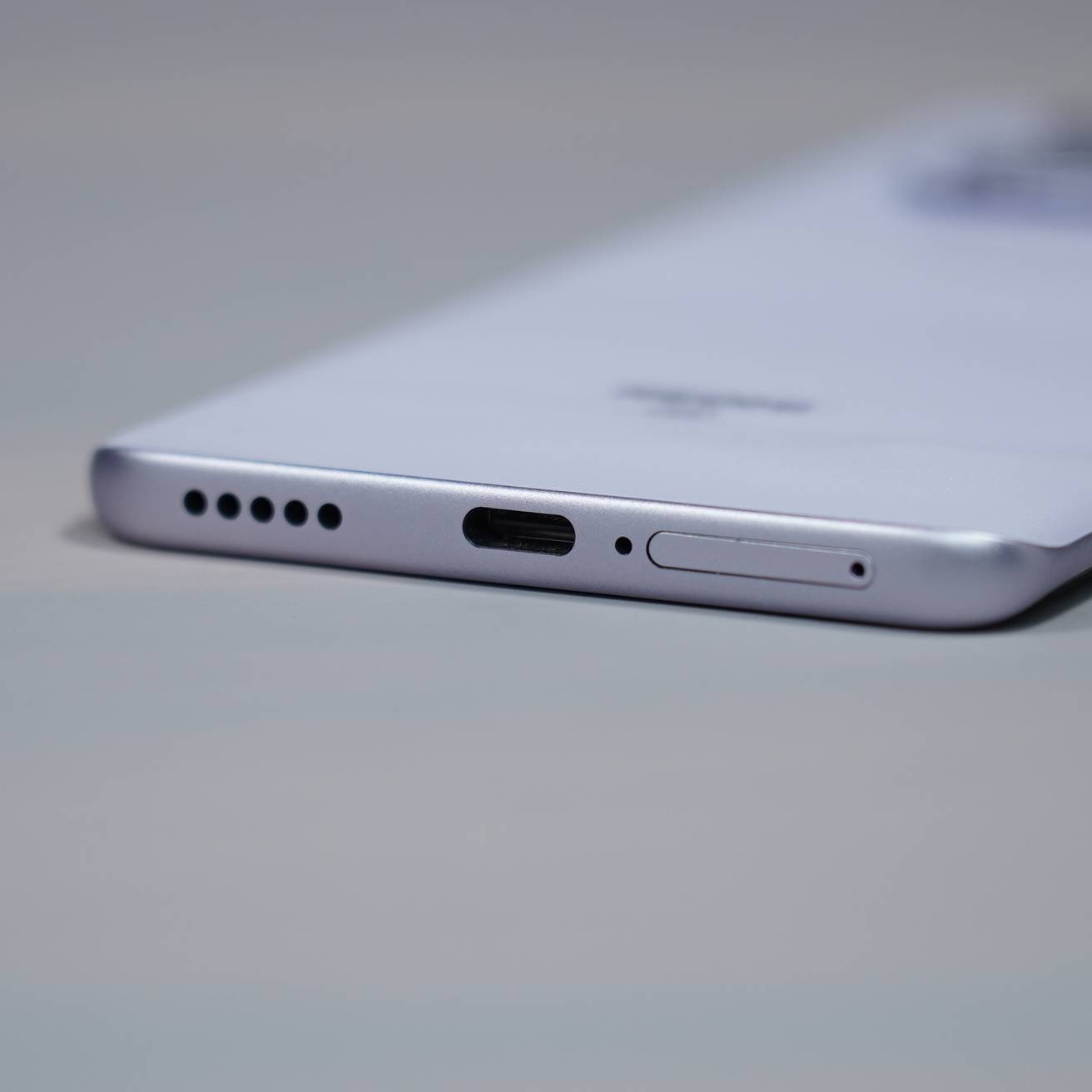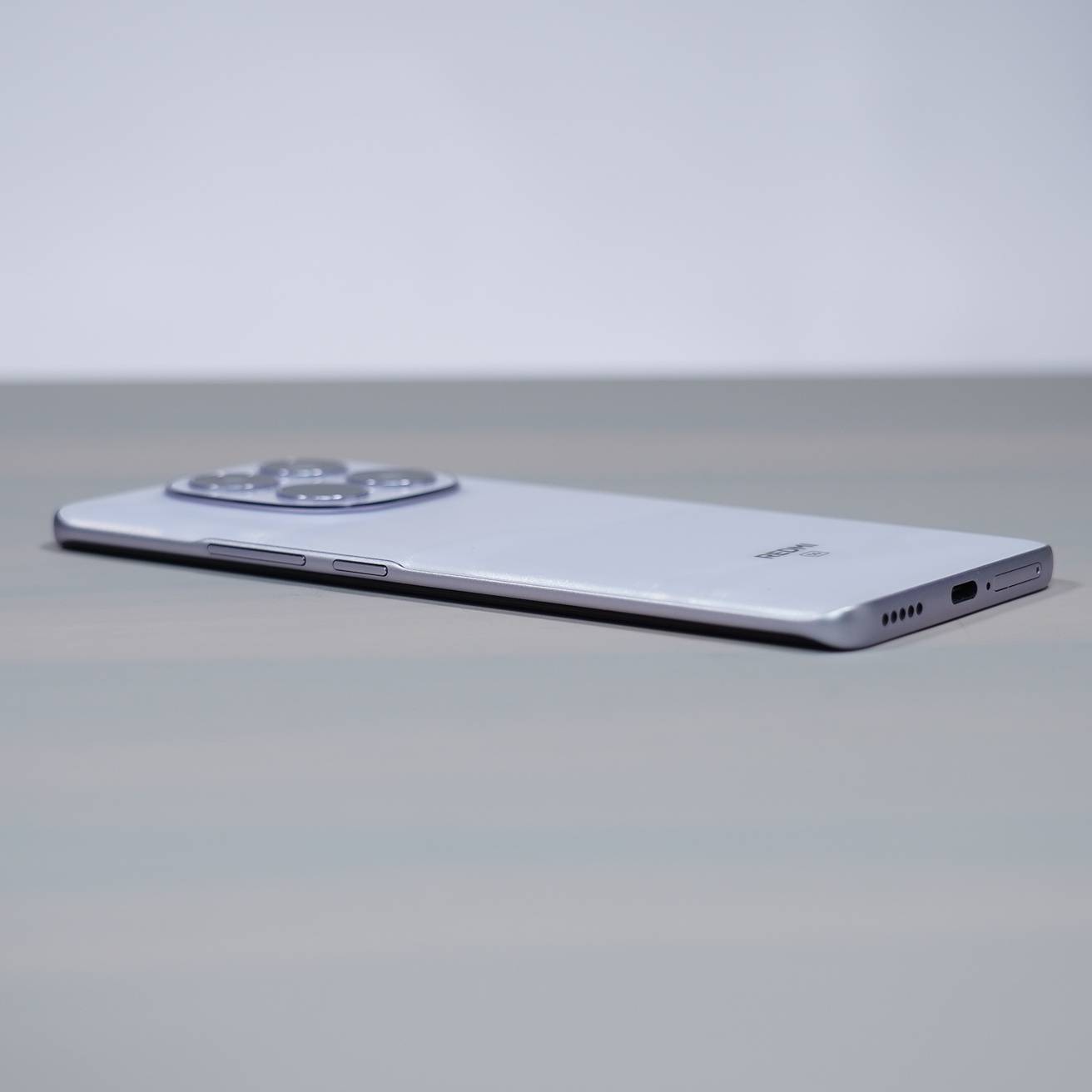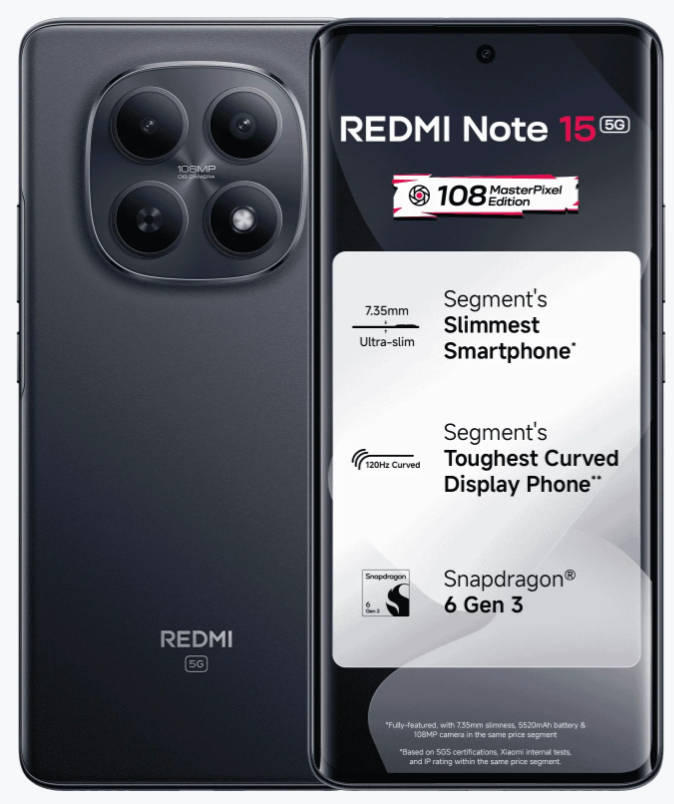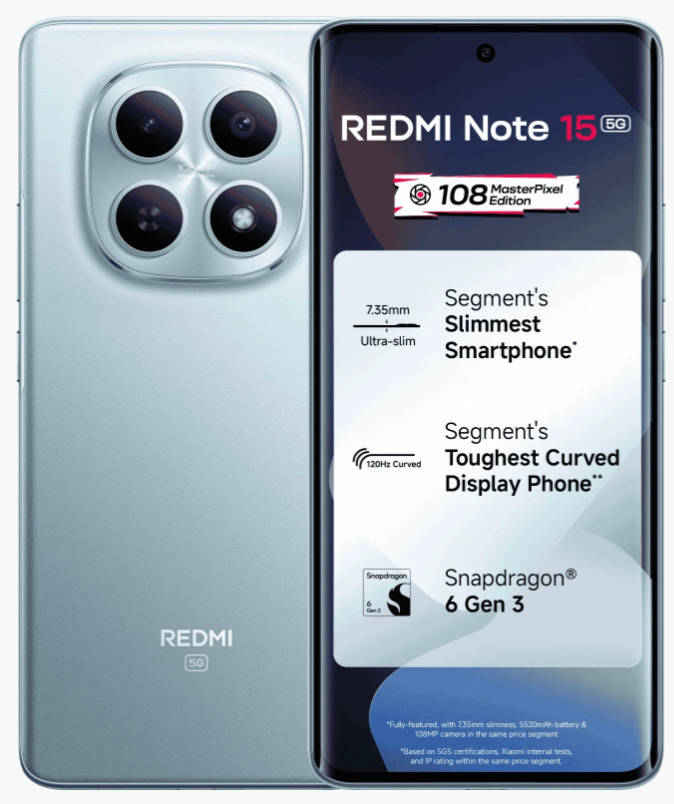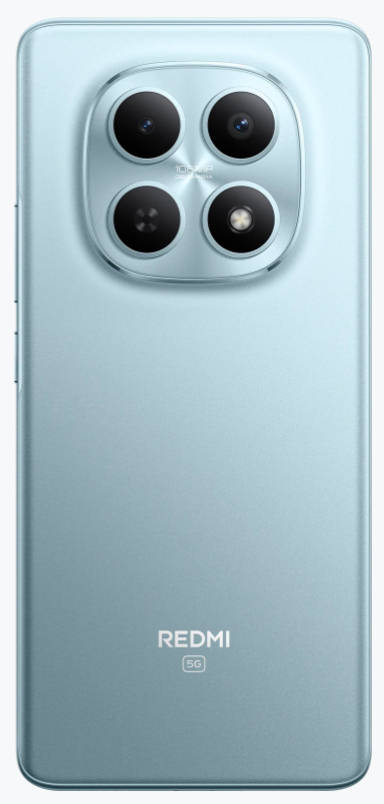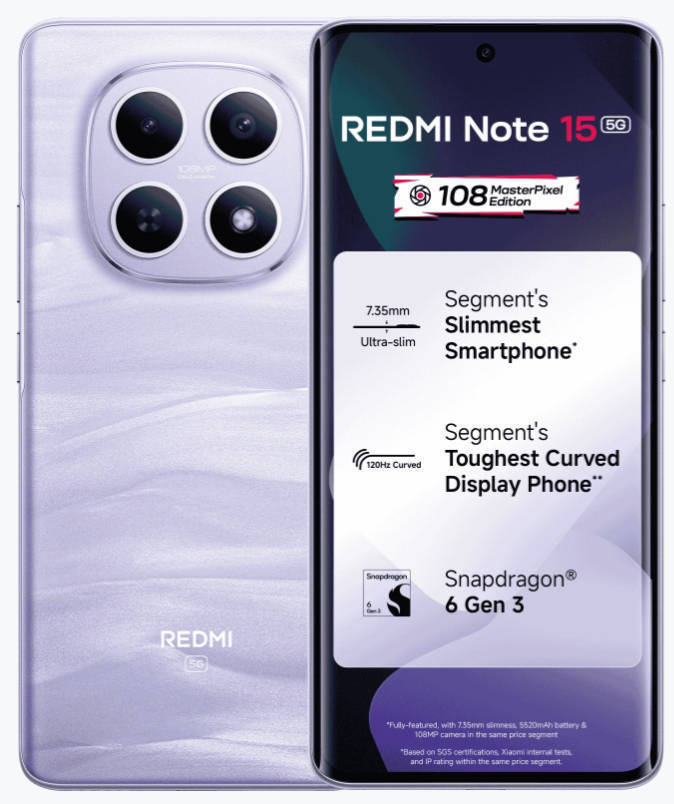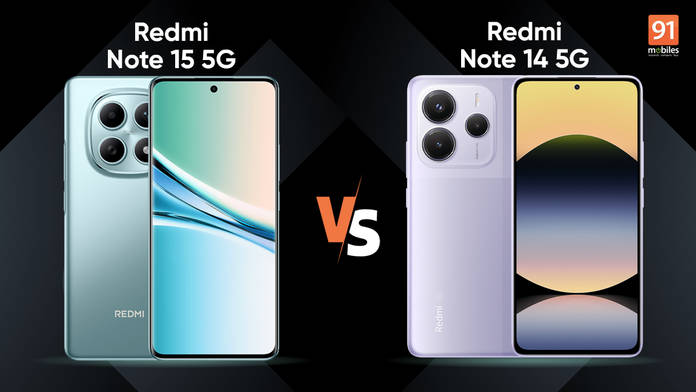
Just over a year after the Redmi Note 14 5G‘s launch in India, Xiaomi has debuted the Redmi Note 15 5G. This time, the company has decided to switch things around by taking a bottom-up product release approach. Meaning, while the Redmi Note 15 Pro series will arrive later, Xiaomi’s primary goal is to focus on individual products one at a time by incorporating and building upon core features. This is clearly evident in the Redmi Note 15, which features a revamped, sleek design, upgraded cameras, and improved performance and battery life.
On that note, here’s a specs-based comparison between the Redmi Note 15 and the Redmi Note 14 to see where upgrades have been made in Redmi’s latest release over its predecessor.
Table of Contents
A quick glance at the pricing
Kicking off the comparison with the obvious, the price. The Redmi Note 15 will retail for Rs 22,999 (without offers) for the 8+128GB variant, a Rs 5,000 increase from the Redmi Note 14 (Rs 17,999). While a price increase is inevitable given the upgrades on the Redmi Note 15 5G, the sharper surge may also stem from the industry-wide rise in memory prices driven by the AI boom.
A matter of flat vs curved design
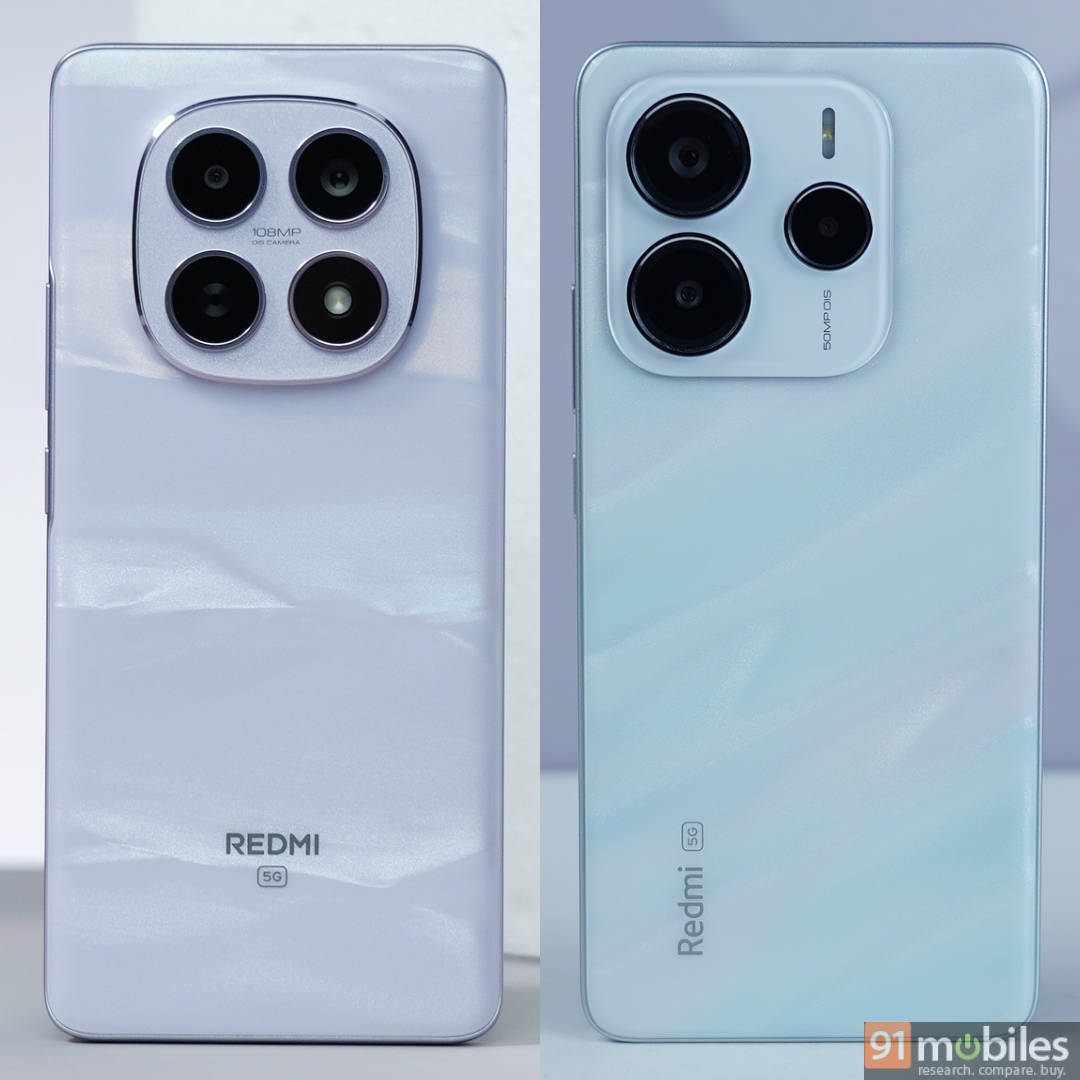
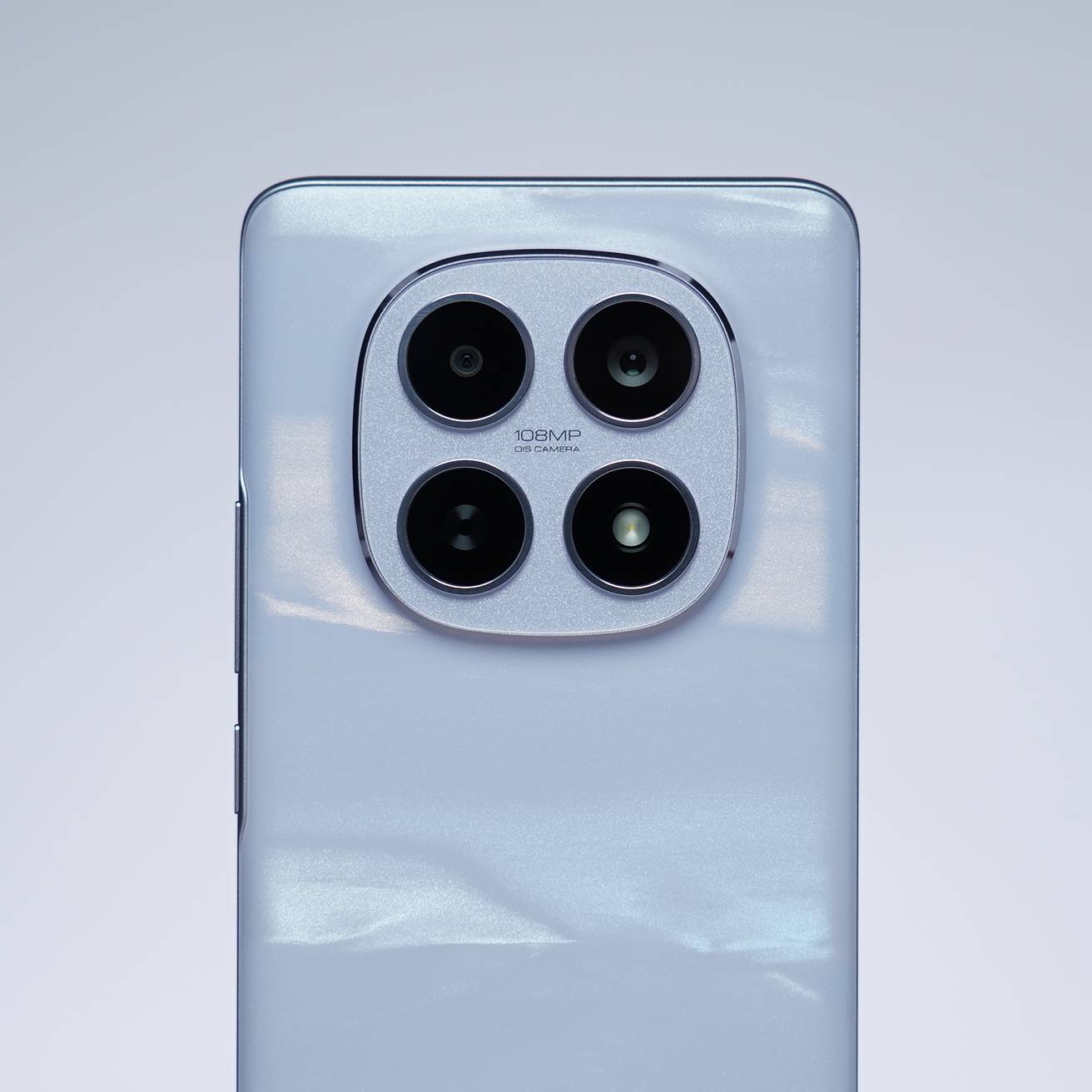
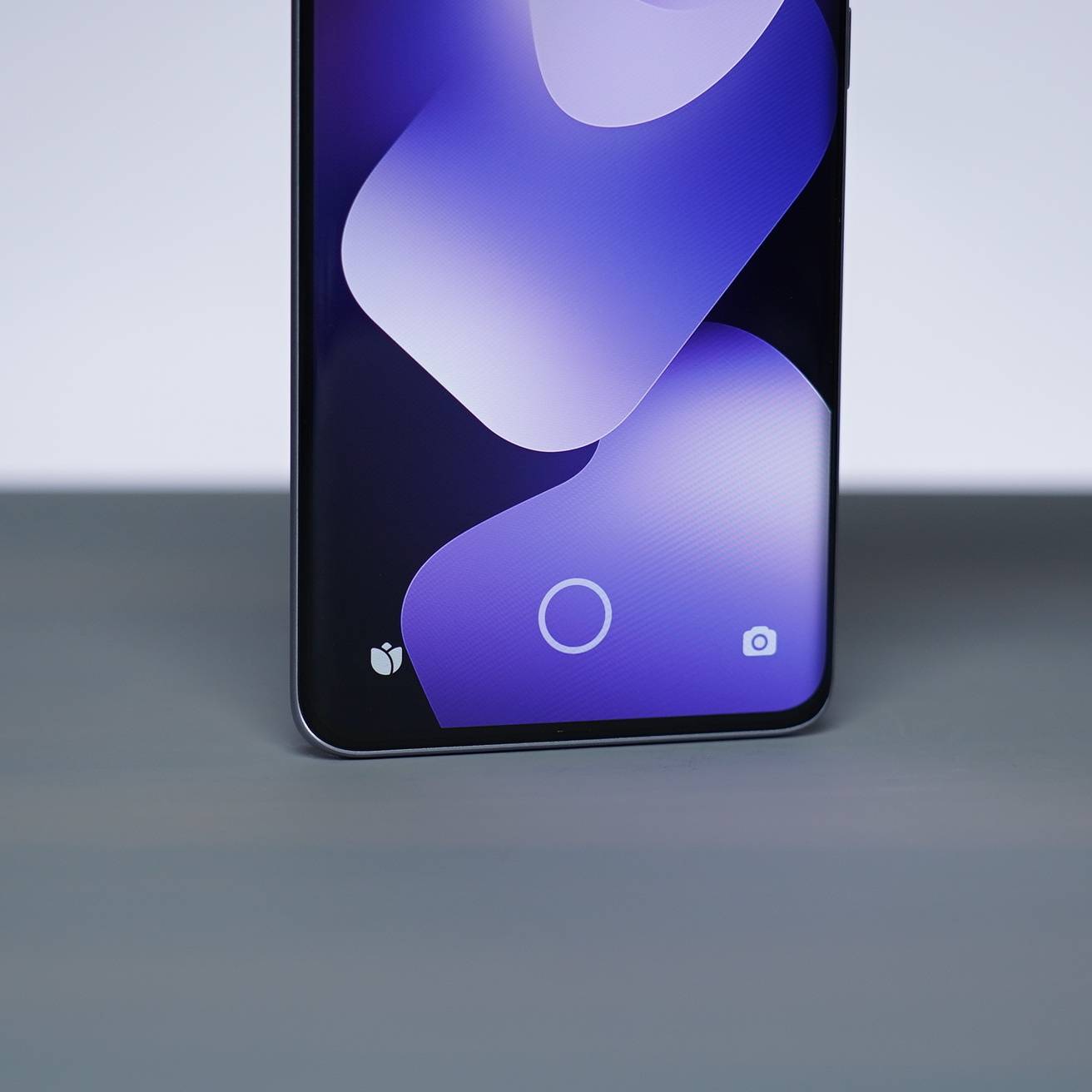
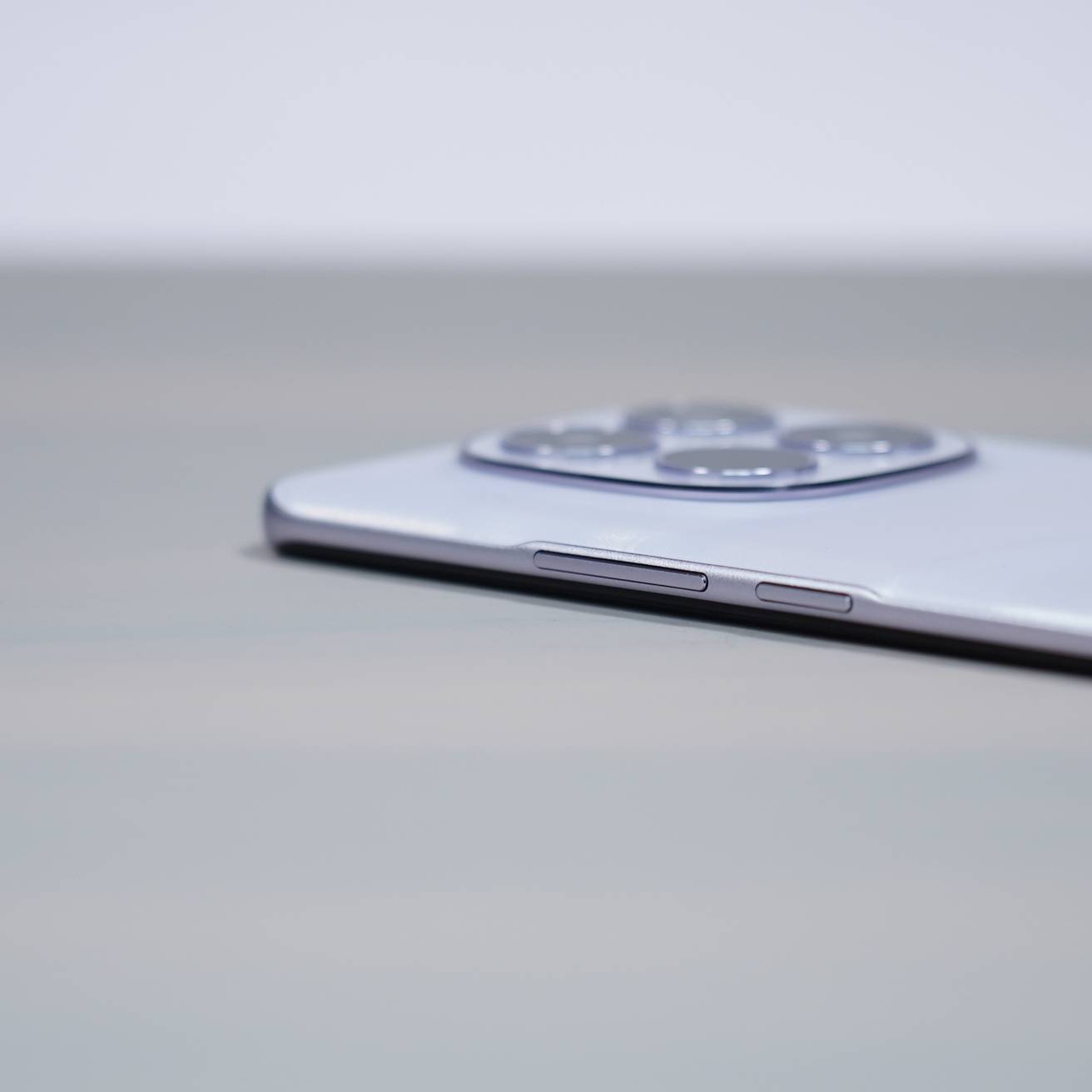
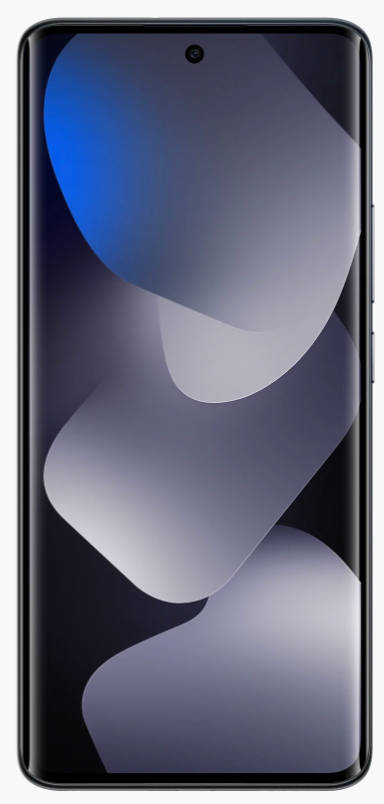
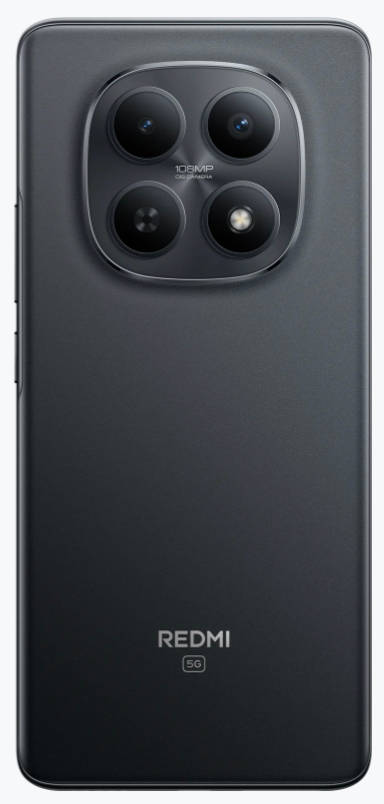
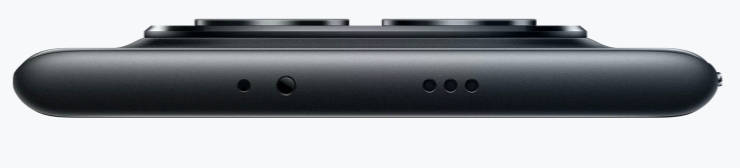
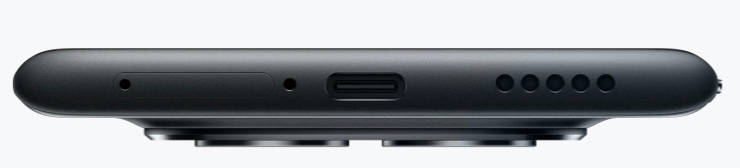
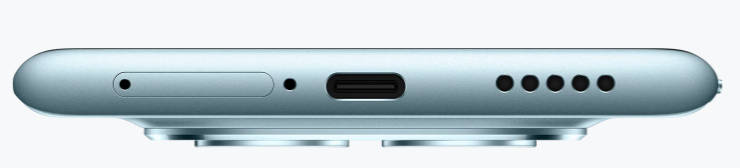
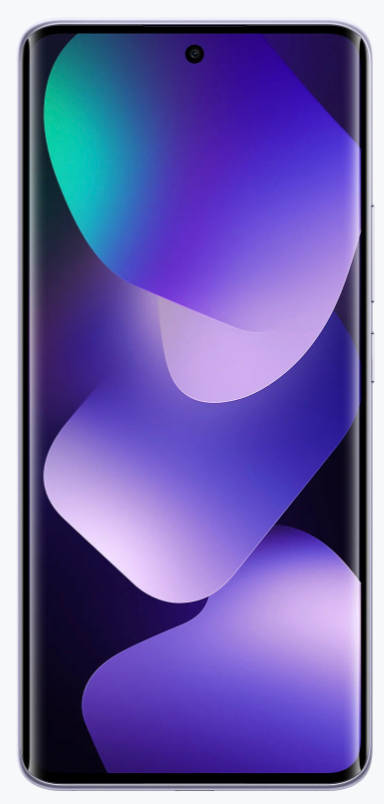
Apart from the repositioning of the rear camera module, the biggest design difference between the Redmi Note 15 and Note 14 is the mid-frame and display curvature. As noted in our first impressions, the Note 15 gets a 3D curved AMOLED display and a rounded frame, similar to the more premium Redmi Note 13 Pro+ and Note 14 Pro+. On the other hand, the Note 14 features a flat frame and a completely flat display.
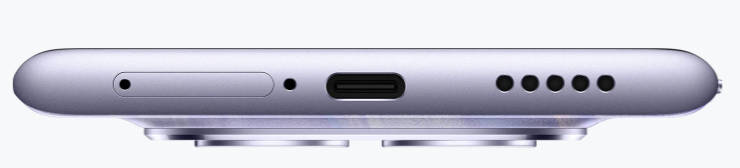
While choosing a smartphone based on design is subjective, the Redmi Note 15’s build could feel more ergonomic as the curved mid-frame is likely to settle in the hands more firmly. Furthermore, Xiaomi has managed to reduce the weight and thickness, so the Redmi Note 15 weighs 178g and is 7.35mm thick. On the other hand, the Note 14 weighed 190g and measured 8mm thick.
An old but premium display approach?

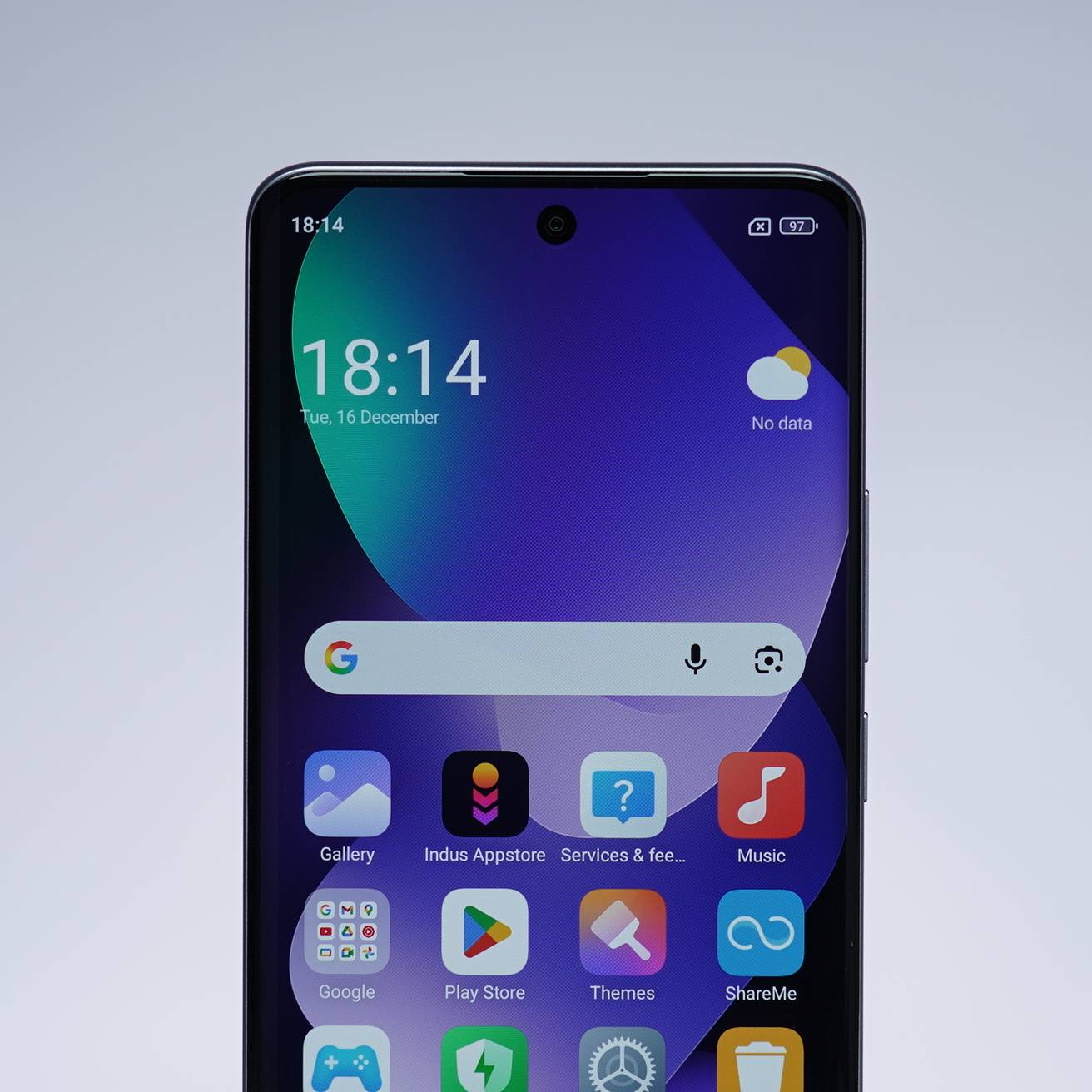
Continuing from the previous section, the Redmi Note 15 features a slightly larger 6.77-inch display compared to the 6.67-inch panel of the Redmi Note 14. The key differences lie in brightness and HDR support: the Note 15 offers up to 800 nits of typical brightness, while the Note 14 is capped at 500 nits. However, the Note 14 pulls ahead by gaining HDR10+ support on YouTube and other apps, while the Note 15 misses out.
In real-world use, the Note 15’s display should perform slightly better for outdoor legibility, while the Note 14 may offer a brighter viewing experience for HDR content. Meanwhile, other display aspects remain largely similar, such as an FHD+ resolution, a 120Hz refresh rate, up to 240Hz touch sampling rate, and a wet touch technology to input touches even if the display is exposed to water.
A major camera sensor upgrade
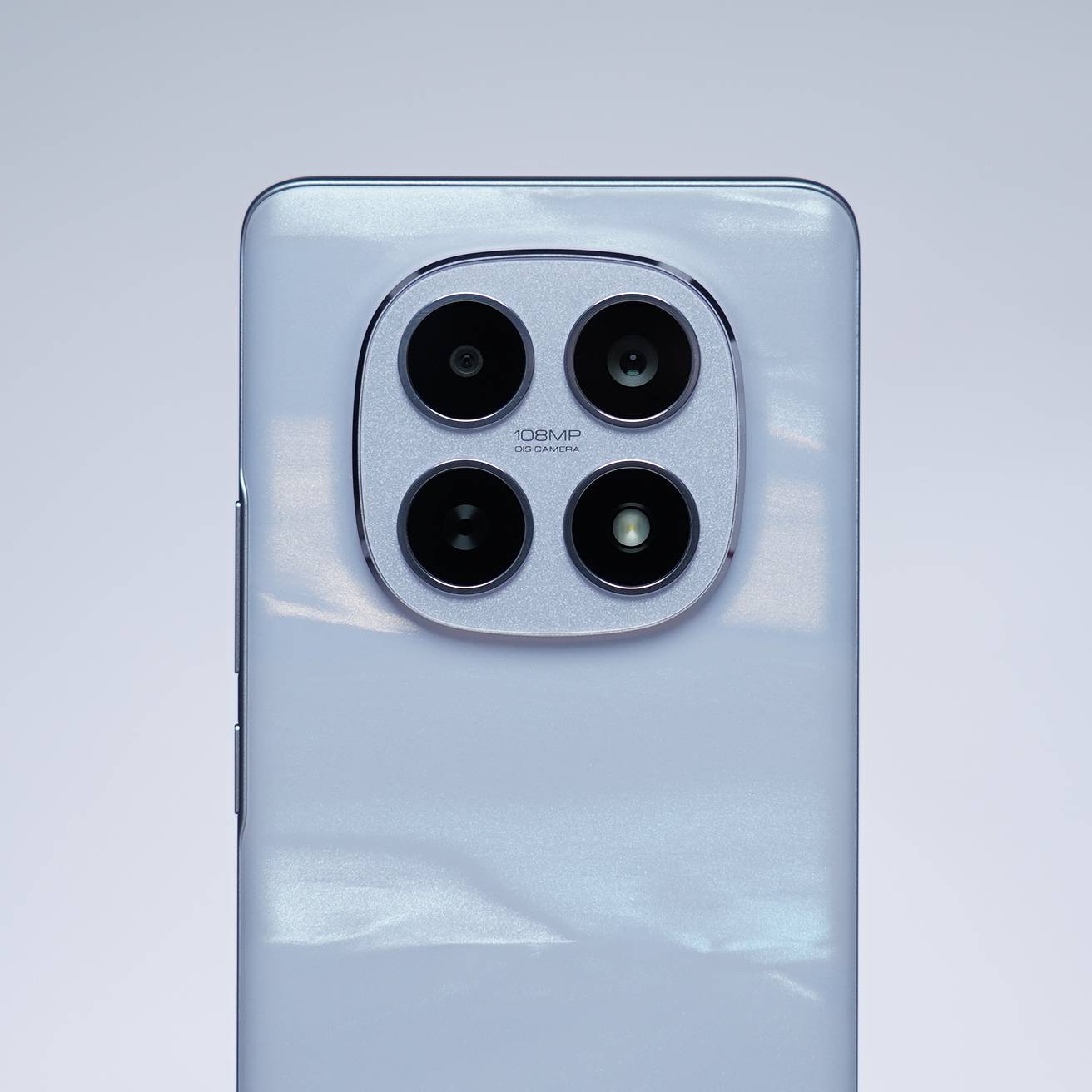
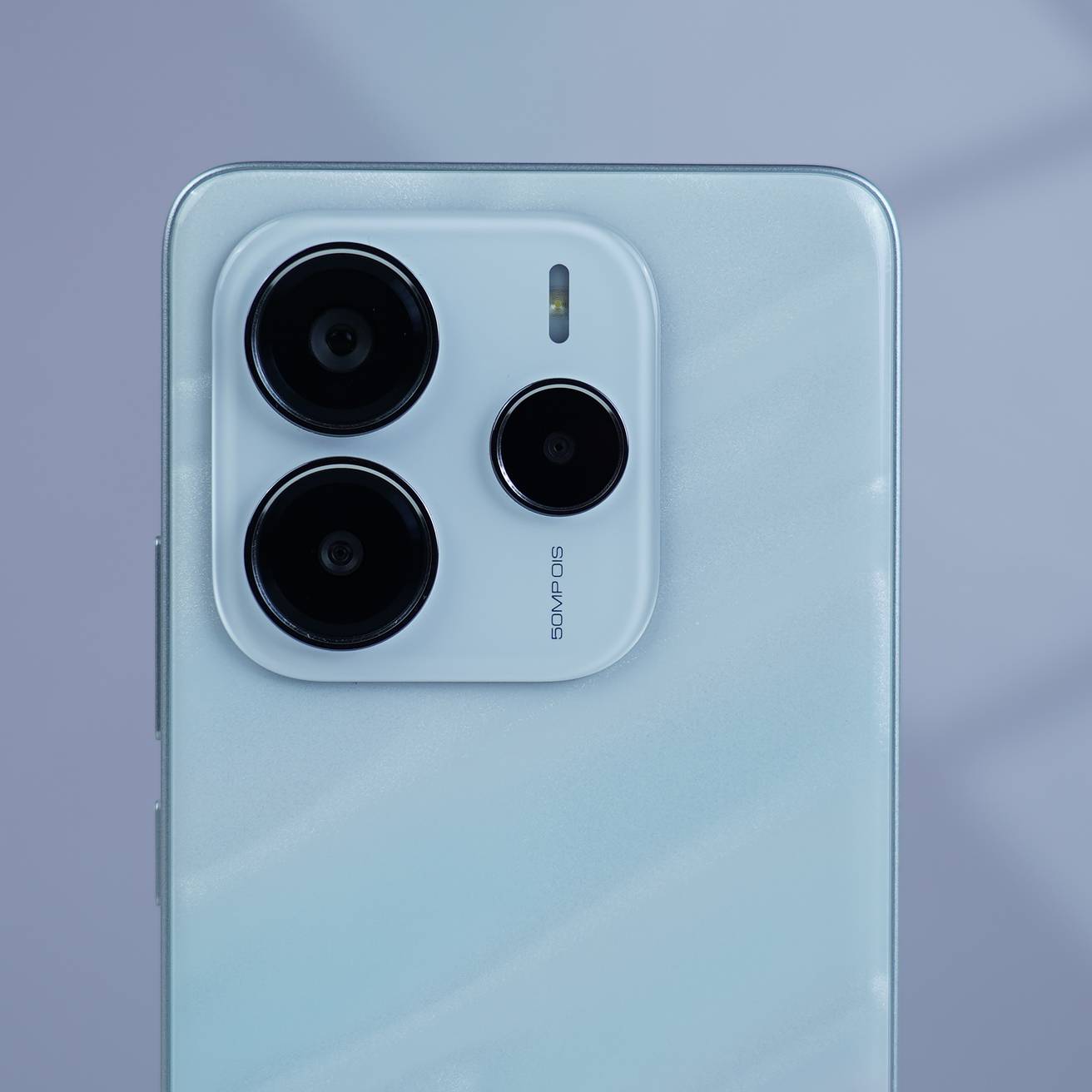
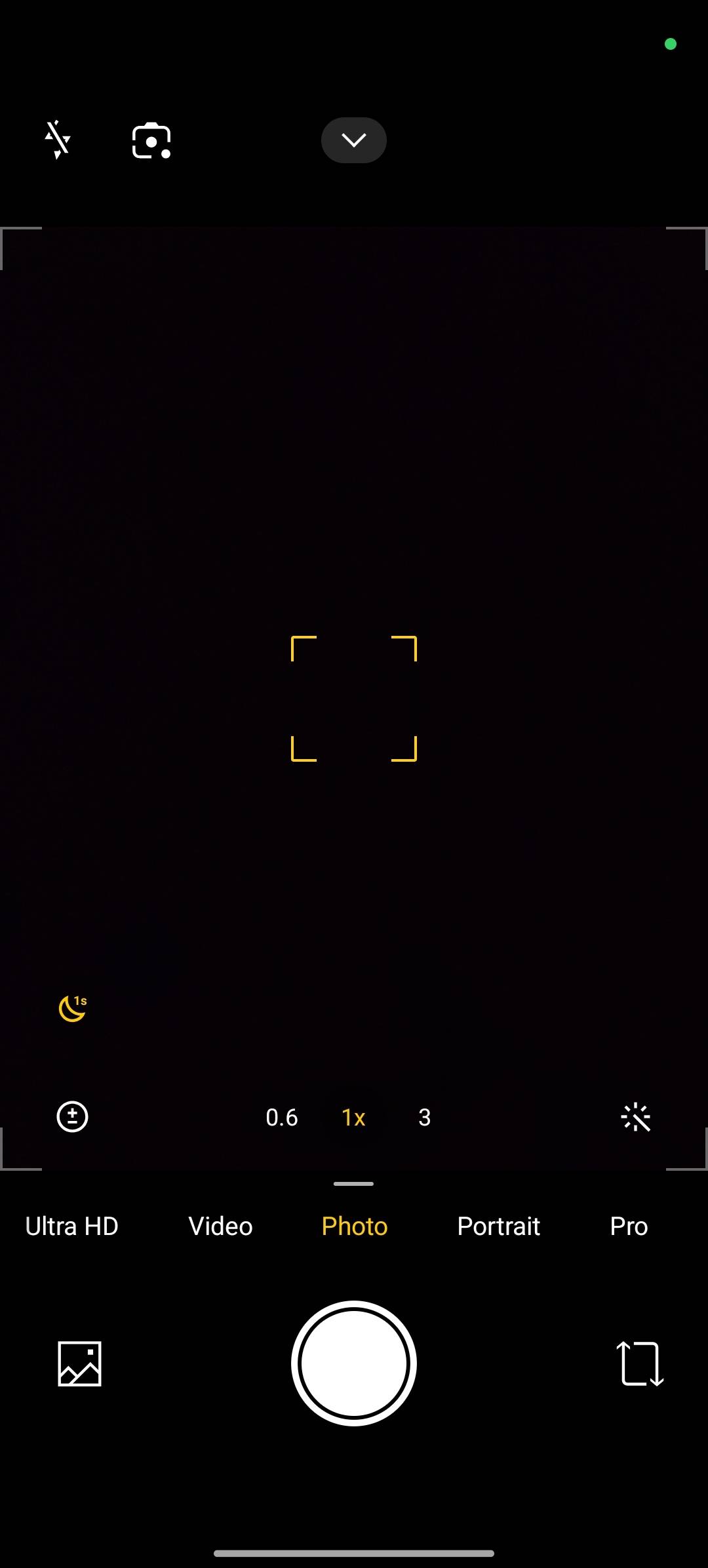
The Redmi Note 15 gets a major upgrade to its primary camera, featuring a 108MP 1/1.67-inch Samsung HM9 sensor. The Redmi Note 15 featured a 50MP 1/1.96-inch LYT600 main camera, 27.4 percent smaller in area compared to the Note 15’s camera. The larger the sensor, the more light it can capture. This results in sharper and clearer images, especially in low light.
However, the Note 14 boasts a wider f/1.5 aperture, compared to the Note 15’s f/1.7 aperture. This allows for more natural depth of field and bokeh. While the Note 14 gets an additional 2MP macro camera, the ultrawide and front camera feature the same megapixel count at 8MP and 20MP, respectively.
Redmi Note 15 gets a performance boost
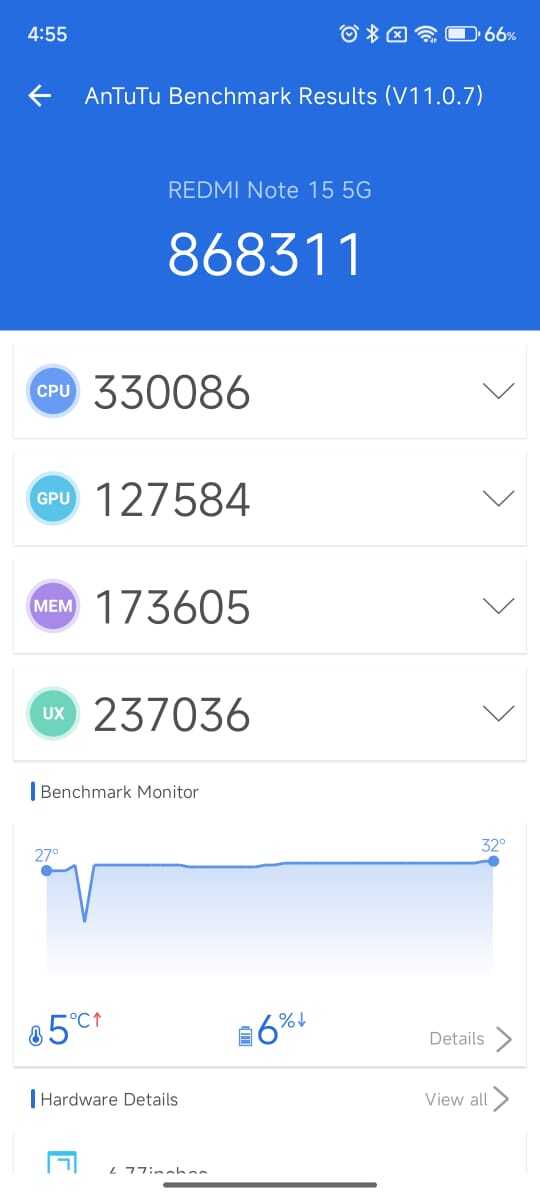
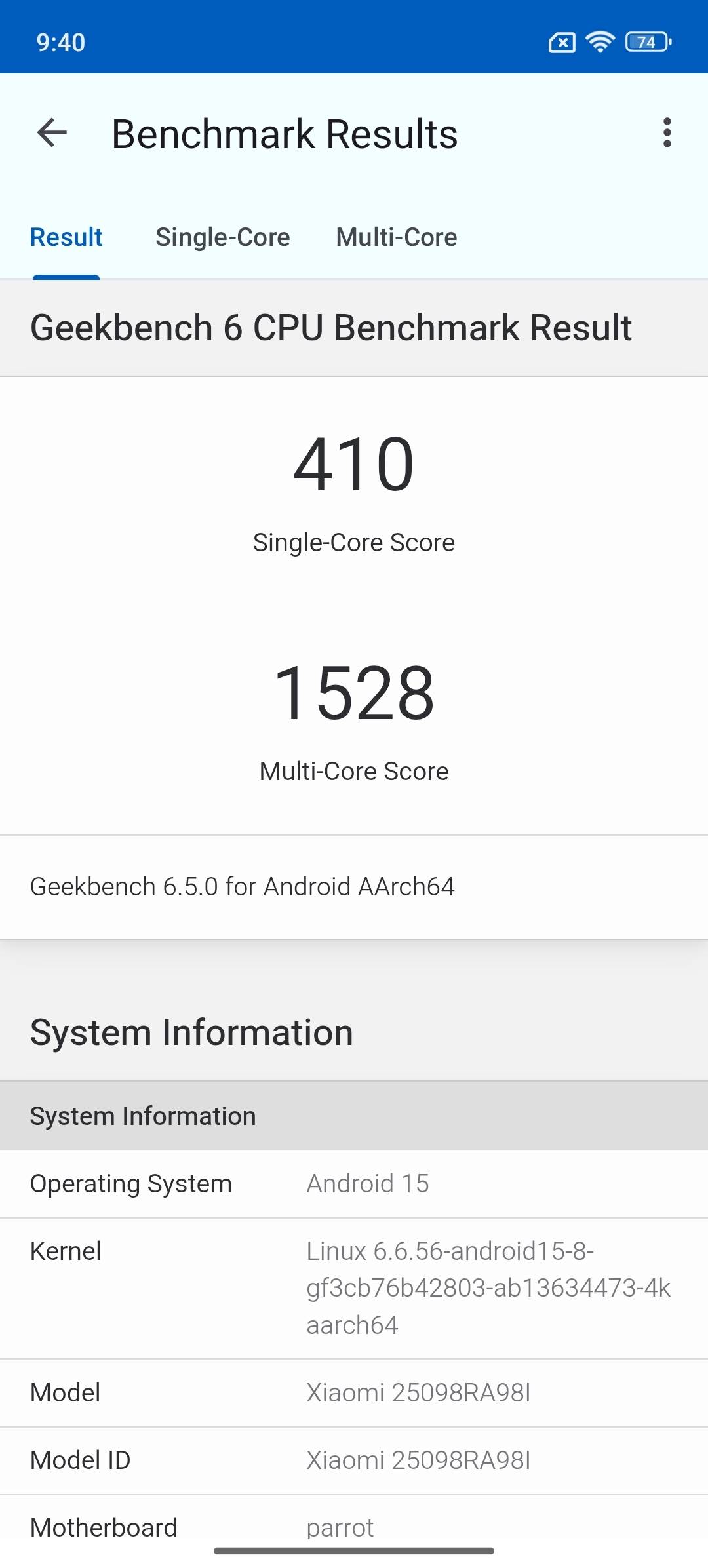
The Redmi Note 15’s Qualcomm Snapdragon 6 Gen 3 processor rocks better raw performance over the MediaTek Dimensity 7025 Ultra found on the Redmi Note 14. While we haven’t run benchmarks on the Note 15 yet, you can expect the AnTuTu score to be higher than the Redmi Note 14’s 457,426.
We will have a better idea about the Redmi Note 15’s performance when compared to its rivals under Rs 25,000 in our full review.
Much-needed and improved software longevity
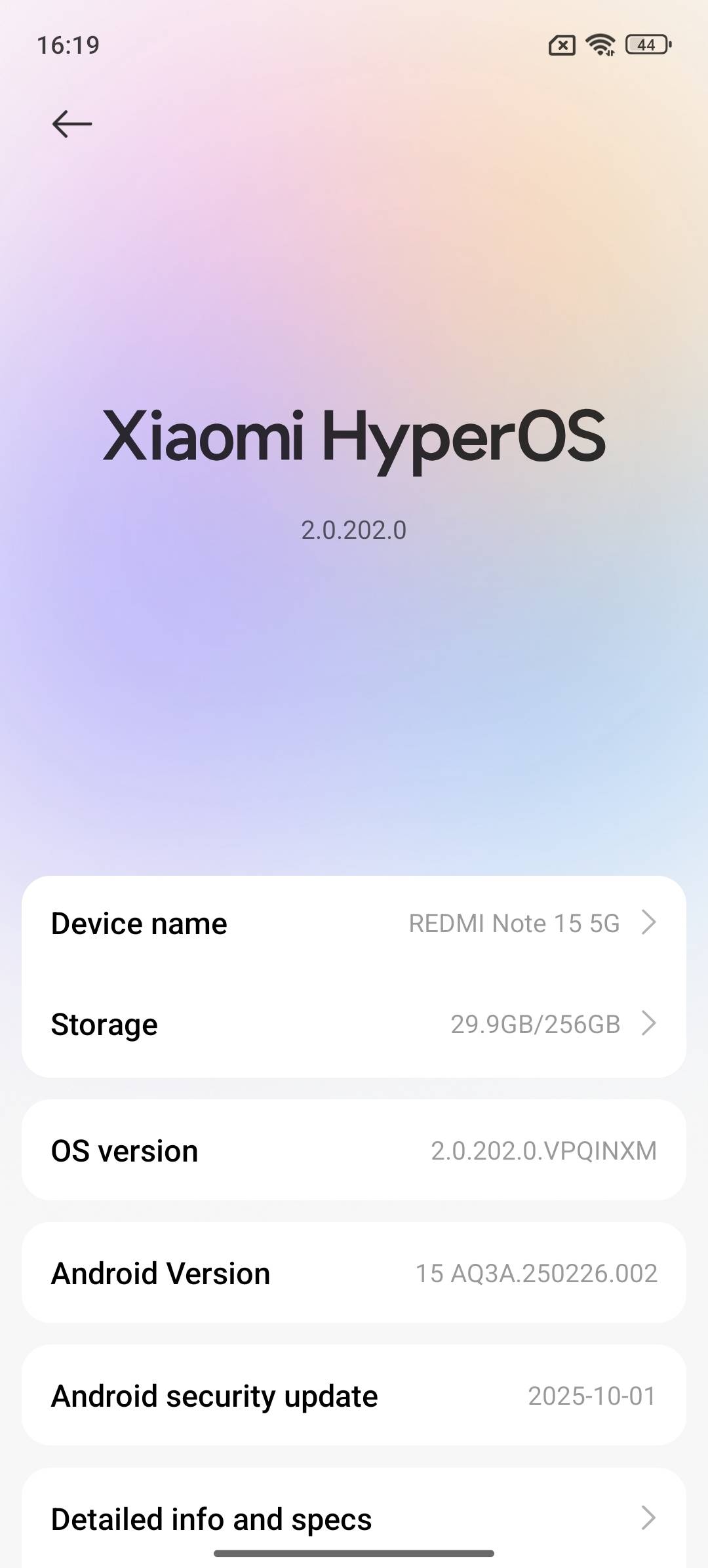
The Redmi Note 15 flaunts Xiaomi’s feature-rich HyperOS 2 skin, based on Android 15. Since HyperOS 3 has started seeding to a bunch of Xiaomi devices in India, it’s a bummer that early buyers of the device won’t be able to experience the latest software the company has to offer. Thankfully, Xiaomi has confirmed that HyperOS 3 will roll out to the Note 15 very soon.
As for the Redmi Note 14 5G’s software situation, it has already started receiving the Android 16-based HyperOS 3 update since December 2025. The update brings fresh new homescreen icons, HyperIsland for viewing or tracking information from apps in real-time, tons of refined animations, a new Gallery design, and more.
In the long term, though, the Redmi Note 15 will clearly have an edge over the Note 14. It’s promised to receive four OS upgrades along with six years of security updates, while the Note 14 is set to receive only one more OS upgrade and three years’ worth of security patches since it’s already been a year since its launch.
Larger battery capacity, but not by much
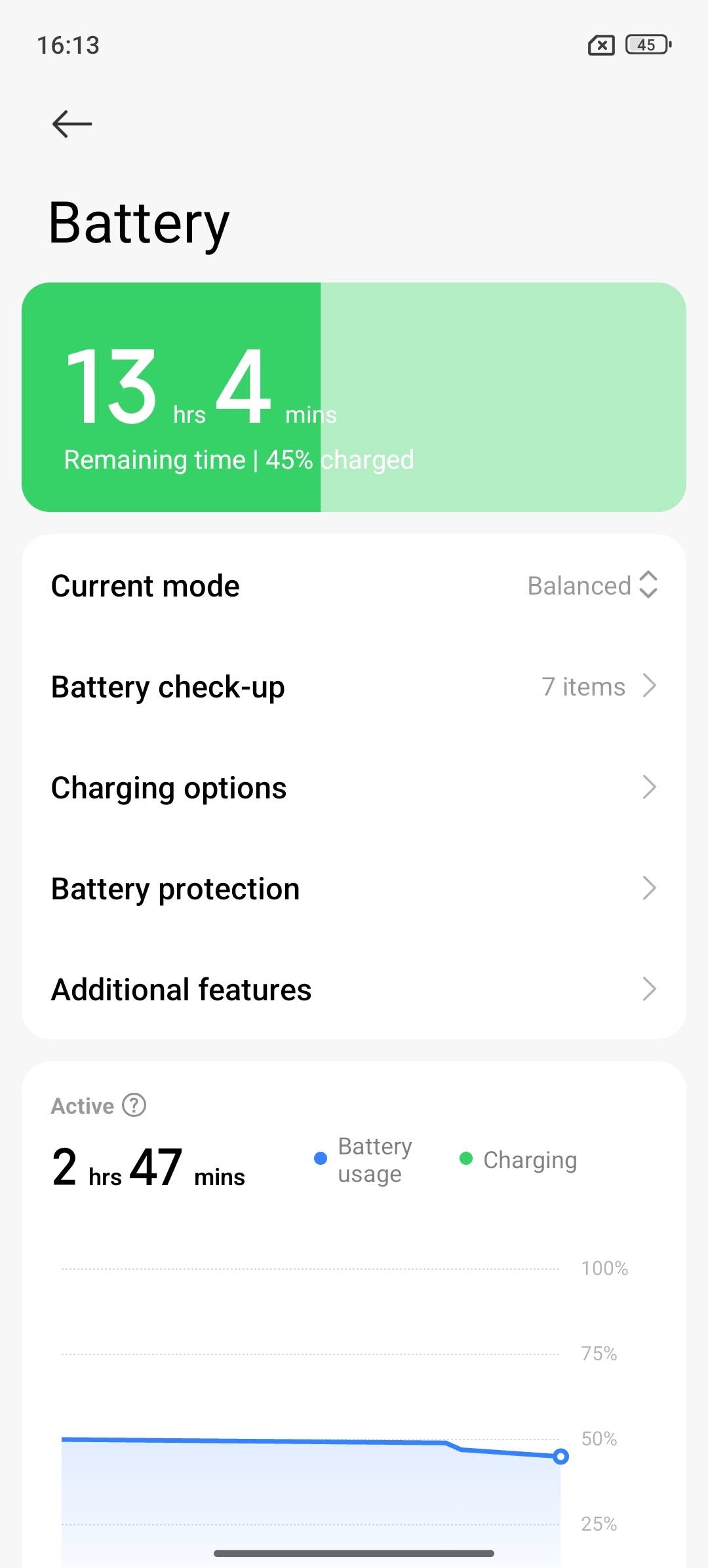
Just last year, we saw a myriad of smartphones launched under Rs 25,000 that pack over 7,000mAh batteries. To name a few, the Vivo T4 made headlines with its massive 7,300mAh battery, the OnePlus Nord CE5 followed closely with a 7,100mAh cell, and the entire Realme P4 featured 7,000mAh batteries. The Redmi Note 15 with its 5,520mAh battery is clearly not chasing big numbers, possibly to ensure sleekness.
Other key differences (and similarities)
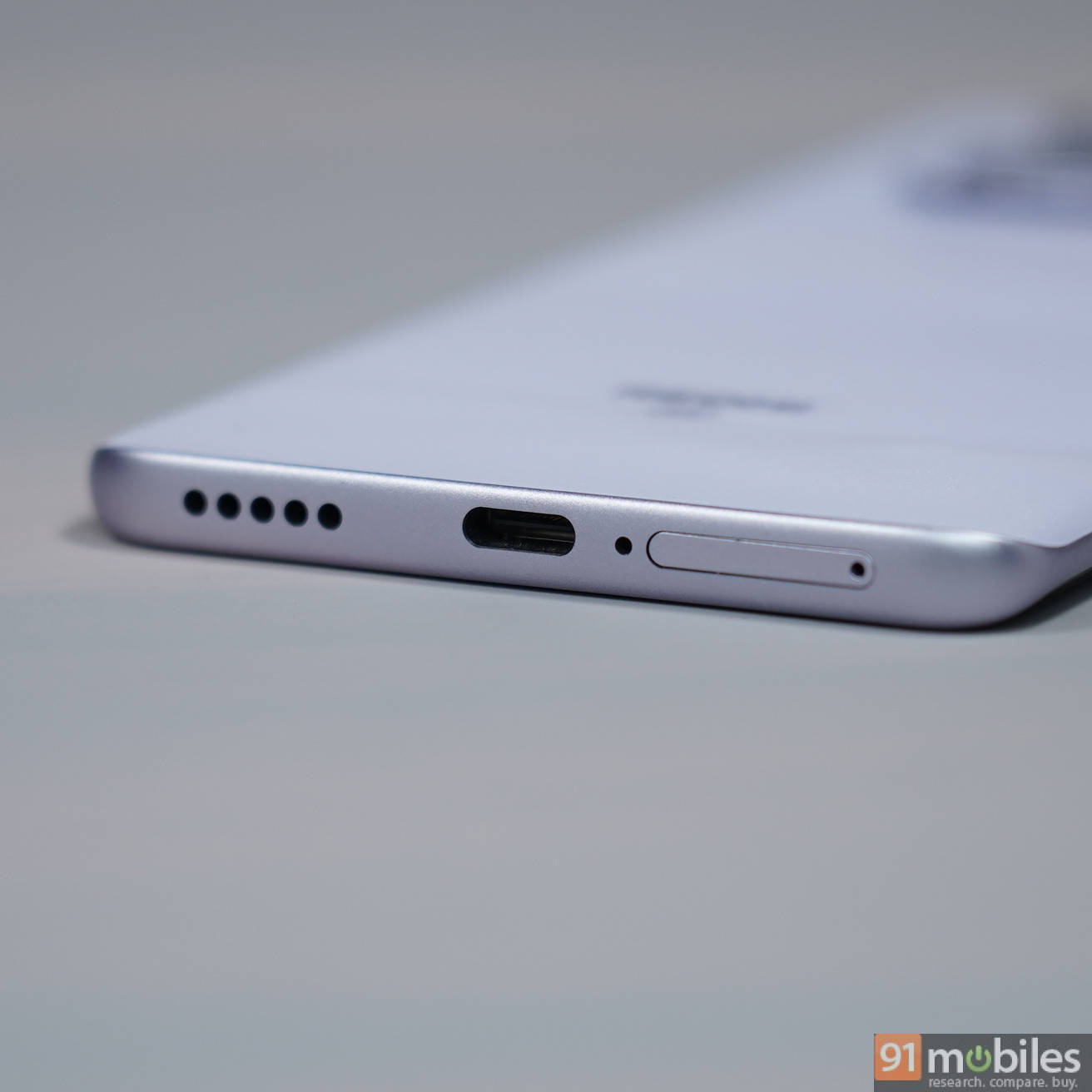
- IP rating: The Redmi Note 15 gets an IP66 rating, an upgrade over Note 14’s IP64 rating. This should ensure significantly better water protection.
- Glass protection: The latest Redmi Note release uses a proprietary display glass protection, while the Note 14 gets the Corning Gorilla Glass 5.
- Stereo speakers (same on both): Both handsets get dual-firing speakers that support Dolby Atmos tuning.
- Optical in-display fingerprint scanner (same on both): A bottom-positioned optical in-display fingerprint scanner can be found on both phones.
On paper, the upgrades across the board clearly position the Redmi Note 15 as a more balanced and well-packaged smartphone compared to the Note 14. However, for the price, it remains to be seen how the Snapdragon 6 Gen 3 powering the device will fare against more powerful competitors in the segment, such as Nothing Phone (3a) Lite and Vivo T4. Similarly, while battery capacity has improved, it’s not the highest-capacity cell out there.
To conclude, the Redmi Note 15 does win against the Note 14 across the board, but if you’re considering picking it over the existing competition, make sure to go through real-world reviews and usage experiences to know whether its performance suffices with your needs.
Xiaomi Redmi Note 15 Images