Smart rings are all the rage these days, with Samsung being the latest, and possibly most notable, entrant into the segment. Smart rings, in case you’ve been living under a rock thus far, are rings that come with sensors that capture health and physical data, monitoring aspects like heart rate, sleep, workouts, and more. In that sense, they aren’t too different from smartwatches, which are also capable of logging similar metrics. While smart ring features are mostly a subset of those offered by smartwatches, one point where the former supposedly has an advantage over the latter is better data accuracy. Or at least that’s what a few smart ring brands have led us to believe. So this was the question I asked when I got face to face with Dr Hon Pak, Vice President and Head of Digital Health Team, Mobile eXperience Business at Samsung Electronics.

Dr Pak comes with three decades of experience under his belt and is a known name in innovation in the field of telemedicine and healthcare IT. His vast experience includes stints as a faculty at Georgetown University, as a board member of Journal of Telemedicine and eHealth, as Chair of the American Telemedicine Association, Advisor for the health category for CES, and Chief Medical Information Office for the US Army. Phew — that’s quite a resume and I figured he’d be the ideal person to answer this question.
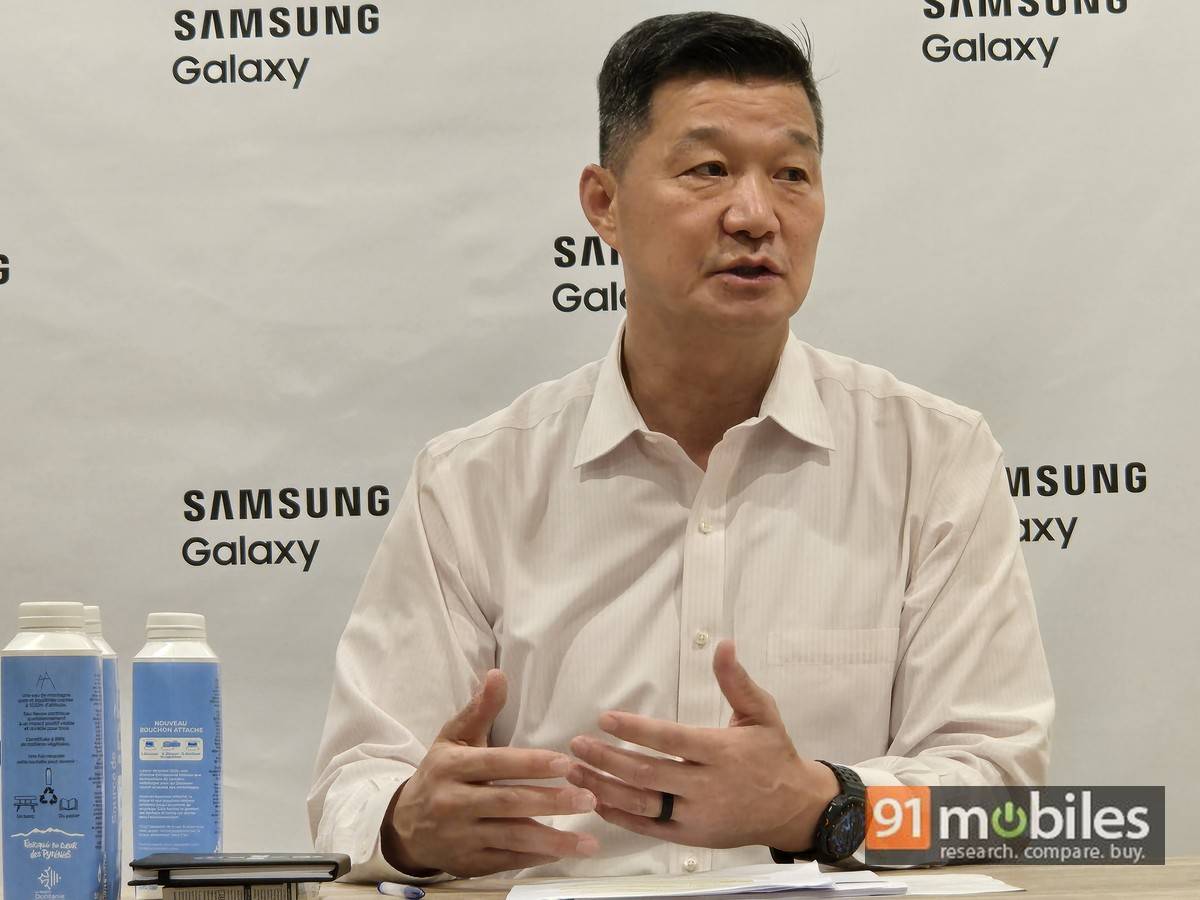
When asked whether a smart ring can capture health and fitness data more accurately than a smartwatch, this is what Dr Pak had to say. “I cannot say one is better than the other. I don’t want to make that comment, I think they are very similar in accuracy.”
Dr Pak feels any variation which is apparent could be because of other factors — like not wearing the smartwatch tightly enough, for instance. So based on what the user does and their movement, the ring should have a better signal-to-noise ratio. Other variables can also affect the accuracy of the data, like cold environments for example. In extremely cold weather, the extremities of the body generally tend to get colder, and that could have an impact on the data captured by a smart ring. In that situation, a properly worn smartwatch could be more accurate.
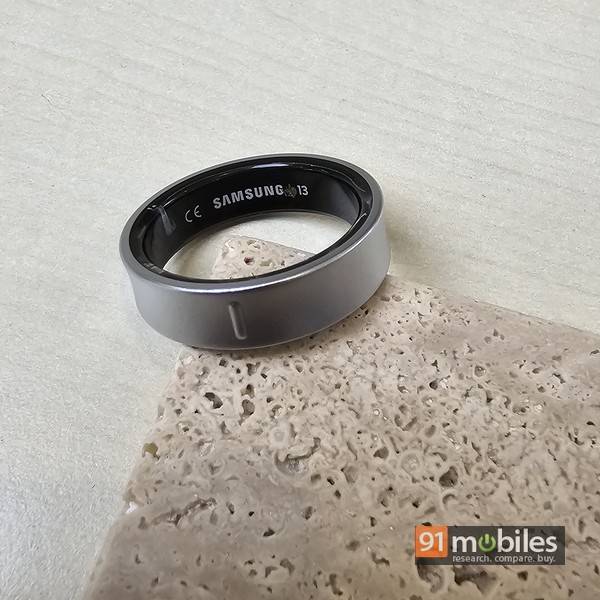
Responding to why it’s recommended to wear a smart ring on the index finger, Dr Pak said that it’s to do with the anatomy of the vessels on the hand, and the index finger has been found to offer the best measure over time. However, he prefers wearing his Galaxy Ring on his ring finger and says ultimately it depends on user preferences. He feels that a variation of small percentage points in data accuracy shouldn’t matter in the longer run, and that he’s getting what he wants out of it anyway.
I’d think that these questions about data accuracy are quite relevant, especially now that smart rings are just coming to the fore. Samsung has just announced its smart ring, offering 24/7 health monitoring features. The Galaxy Ring’s features include detailed sleep analysis that includes aspects like snoring and respiration during sleep, an Energy score, advanced heart rate monitoring, along with Galaxy AI-powered health reports. Promising a battery life up to 7 days, the Galaxy Ring comes with a charging case, is water resistant up to 10ATM and is fashioned out of grade 5 titanium. The device will be available in three colours, and in nine sizes, but unfortunately, it won’t be launching in India initially.
[Hands-on] Samsung gave me a ring, but we’re not engaged. Not yet.
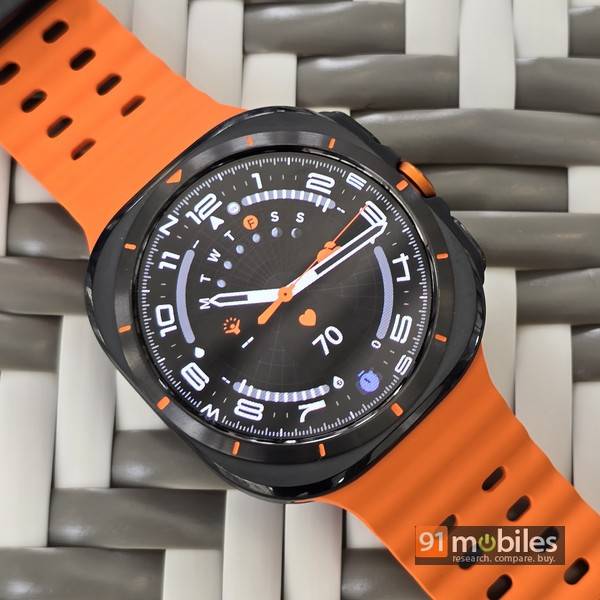
Moving back to the issue at hand regarding health data captured by a smart ring vis-à-vis a smartwatch, I think Samsung’s ecosystem features should come in handy for anyone concerned about the accuracy. As per the brand, if both a Galaxy Ring and a Galaxy Watch are worn together, one device should be able to fill in the gaps left by the other, if any. Now that’s an advantage a well-integrated ecosystem can offer.