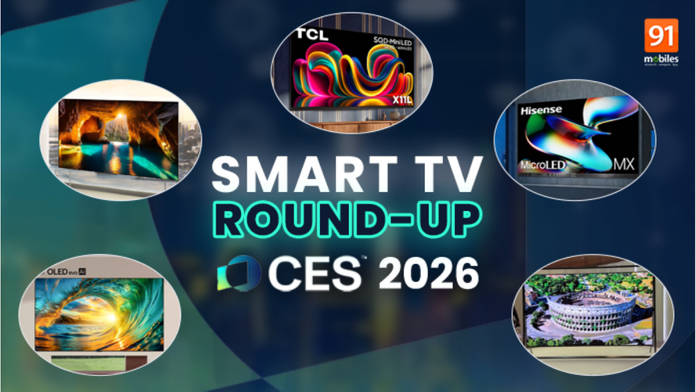
The CES 2026 show floor this year felt a bit different. It appears that the TV industry has finally started asking a more interesting question: “What if the next TV actually felt like it belonged in your living room?”
Instead of the usual parade of concept screens that disappear after the tradeshow lights go out, brands brought setups that looked genuinely livable. Realistic room lighting, everyday furniture, and content you’d actually watch.
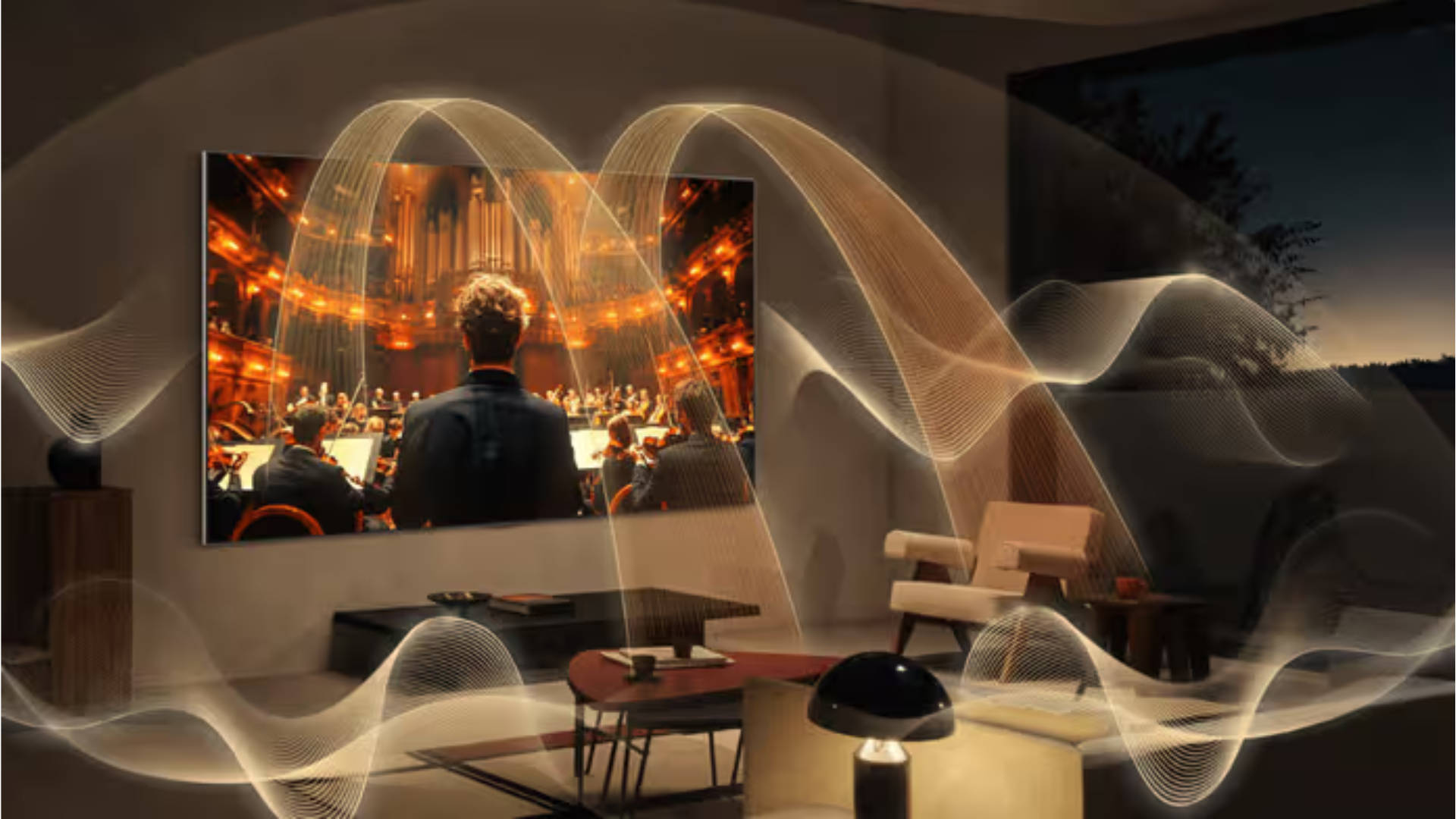
Two technologies dominated almost every major booth. One was Tandem OLED, which finally brings meaningful brightness gains to OLED TVs without wrecking picture quality. The other was RGB Mini-LED, where brands are moving away from white or blue backlights and using separate red, green, and blue LEDs for better colour.

And then there was size. Screens over 100 inches were everywhere. Not tucked into concept corners, but placed front and centre as upcoming consumer products.
Here are ten TVs from CES 2026 that stood out, not just for being flashy, but for showing where the TV industry is actually headed.
Table of Contents
The Showstoppers
Samsung 130-inch Micro RGB TV
Samsung’s largest TV at CES 2026 was impossible to miss. At 130 inches, this machine feels more like a private cinema wall. This is the company’s MicroLED technology, which uses each pixel to separate red, green, and blue inorganic LEDs. There is no backlight and no colour filter. What you get instead is extreme brightness, perfect blacks, and colours that stay intact even in very bright scenes.
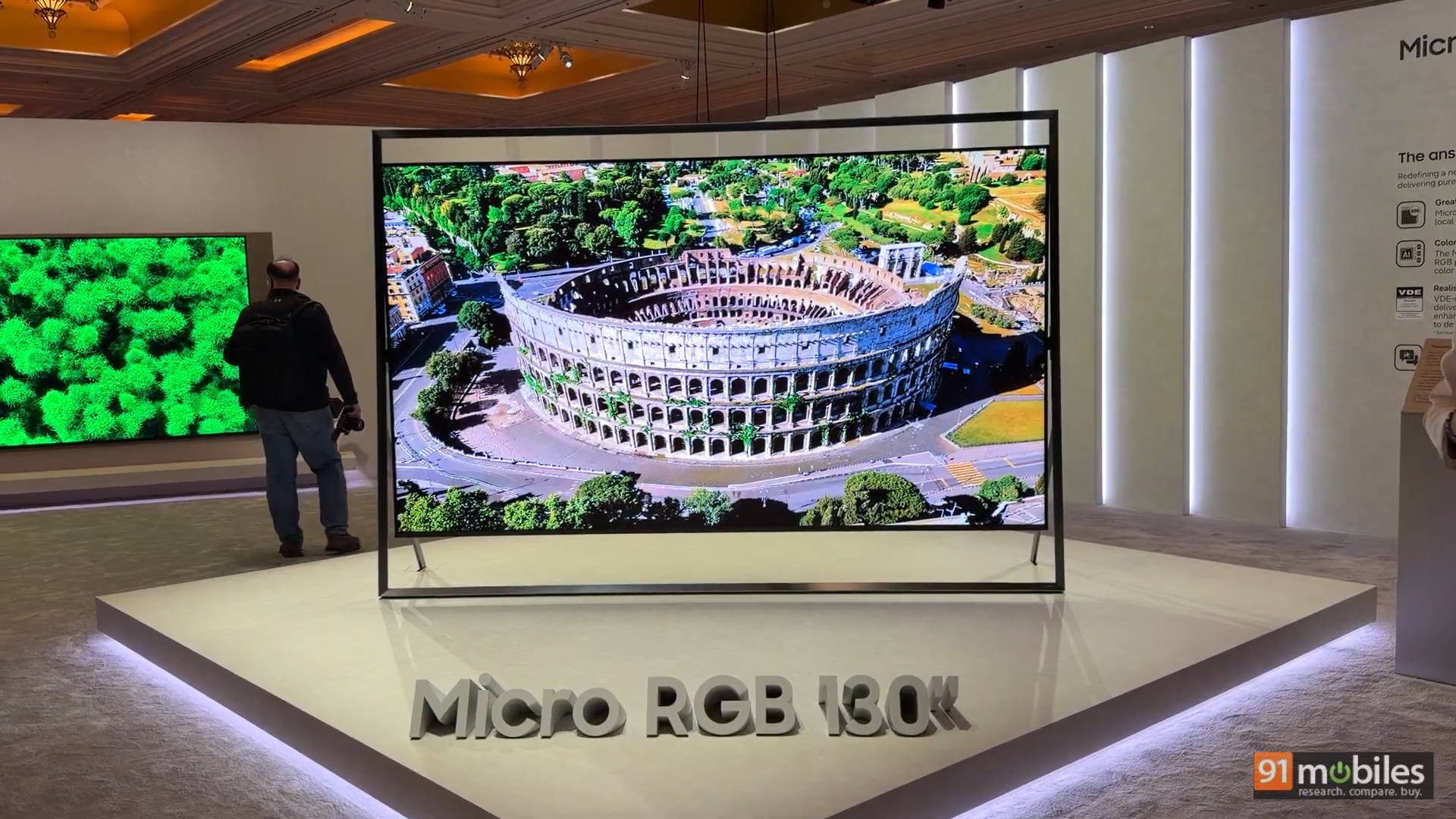
In real-world demos, the panel looked effortlessly bright without washing out colours, something a few OLED panels still struggle with in well-lit rooms. Samsung also highlighted the lack of burn-in risk, which remains a selling point for buyers who might be considering ultra-large displays.
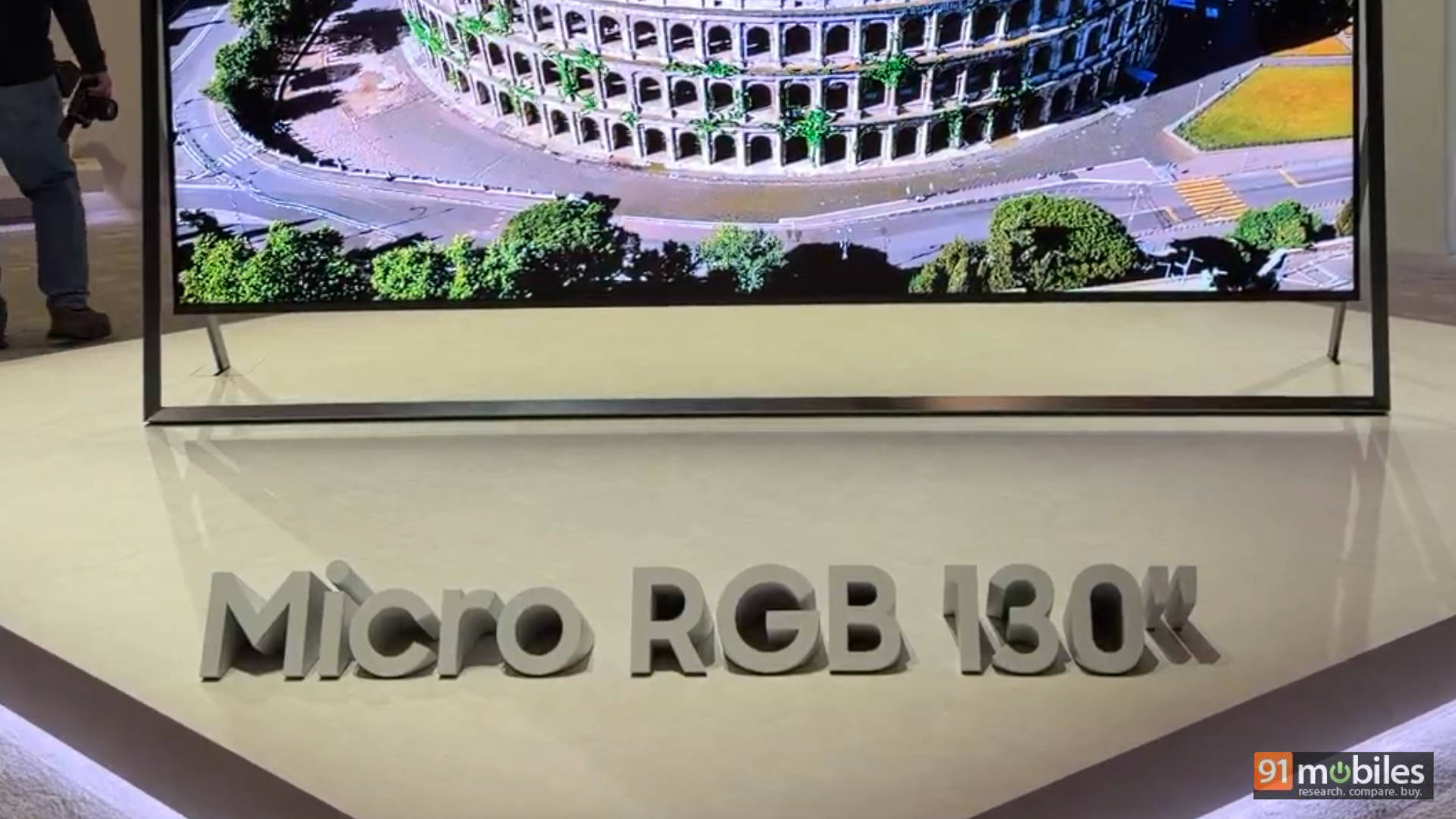
The TV also introduces Samsung’s Vision AI Companion, which suggests content based on viewing habits and ambient conditions. It is very much a luxury feature, and opinions on how useful it will be are likely to vary.
Clearly, this is not a TV most people will buy. But it shows where Samsung believes the future of premium displays lies.
LG OLED evo W6 “Wallpaper” TV
LG brought back a name that long-time TV watchers will remember. The Wallpaper TV is officially back, and this time it feels far more practical. The OLED evo W6, as it is called, is incredibly thin, measuring around 9mm, and mounts completely flush against the wall. From a distance, it might even look like a poster rather than a television. The big change this year is that it is now a wireless TV.
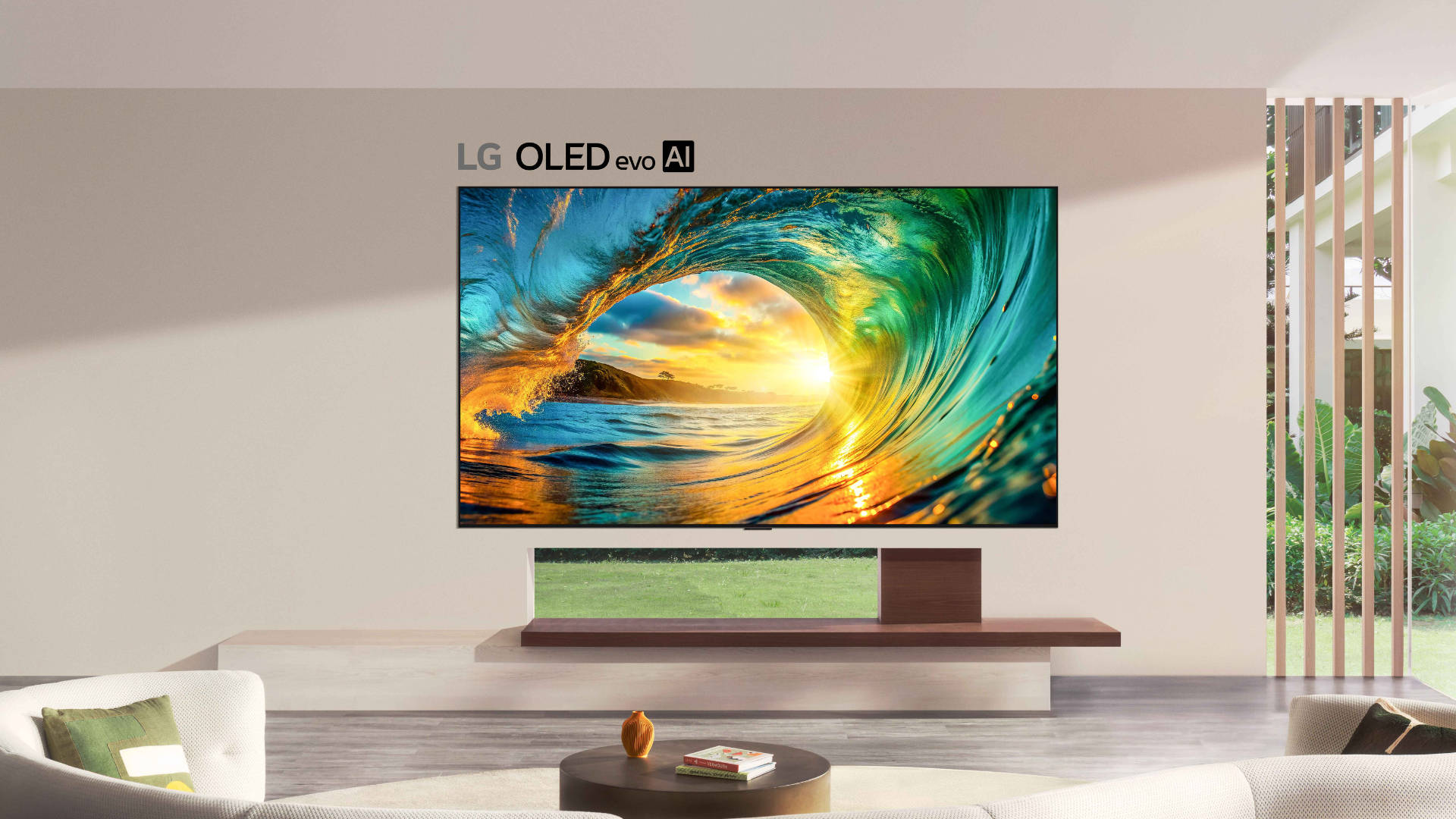
All external devices connect to LG’s Zero Connect Box, which sends video to the panel wirelessly. That means no visible cables running down the wall, something earlier Wallpaper models struggled with.
LG also claims improved brightness thanks to its new Hyper Radiant Colour Technology. Thin OLED TVs have traditionally sacrificed brightness, so this is an important upgrade if it holds up outside controlled demos. For buyers who care as much about how a TV looks when it is off as when it is on, the W6 is one of the most compelling designs shown at CES this year.
TCL X11L SQD-Mini LED TV
TCL has been steadily pushing Mini-LED technology into higher tiers, and the X11L SQD-Mini LED TV can be considered its most aggressive attempt yet. SQD stands for Super Quantum Dot, and this panel is designed to compete directly with OLED on colour and brightness.
The headline numbers are hard to ignore. TCL claims up to 10,000 nits of peak brightness and around 20,000 local dimming zones. If accurate, this places the X11L far beyond most current consumer TVs in terms of raw light output.
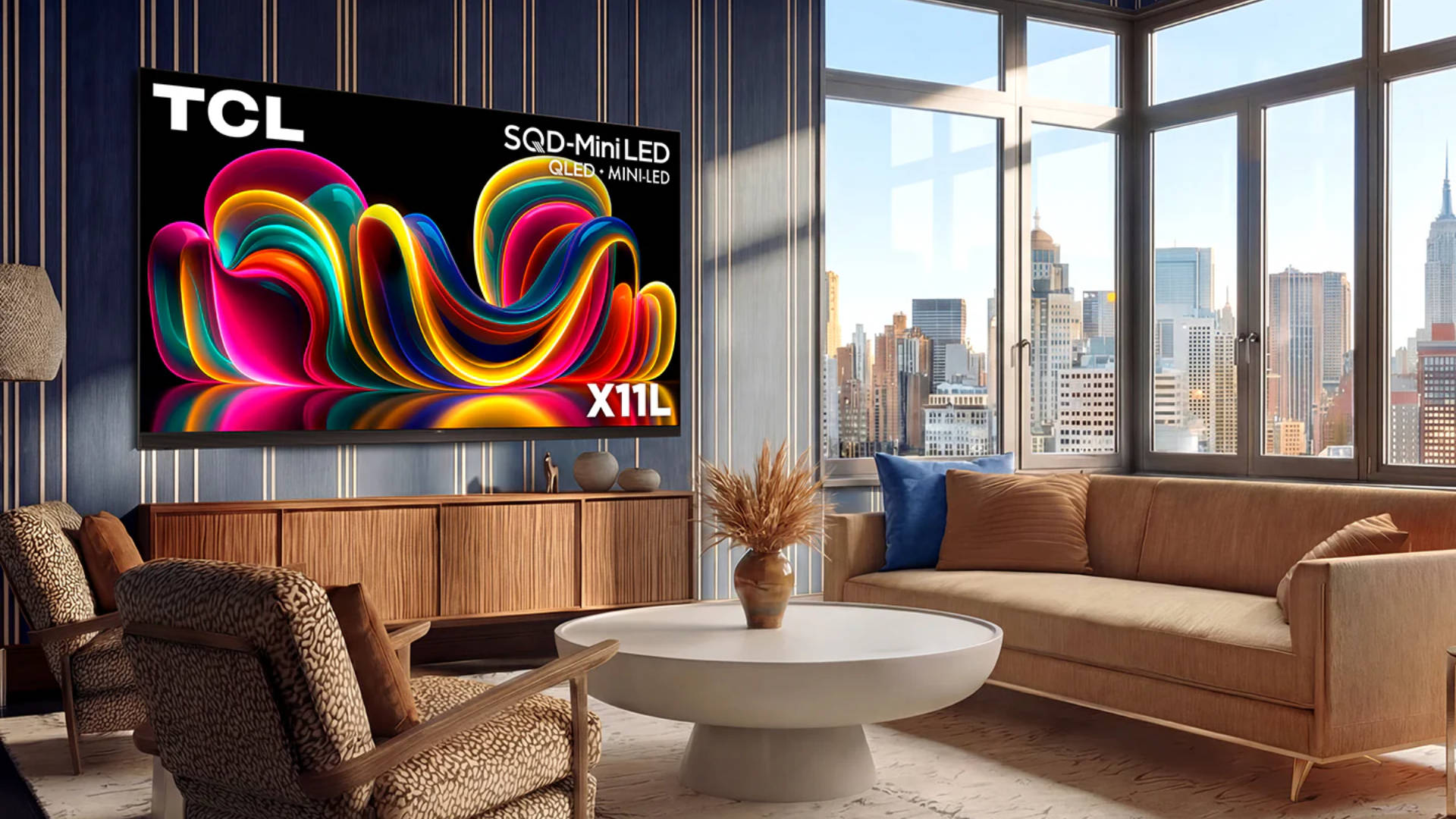
The TV also claims 100% coverage of the BT.2020 colour space. That means it can theoretically display colours that standard TVs simply cannot reproduce, particularly in very bright scenes where colour saturation often drops.
While OLED still holds an advantage in pixel-level contrast, the X11L shows how far Mini-LED has evolved. It is no longer just a cheaper alternative but a genuine competitor at the top end of the market.
Hisense 163-inch MicroLED MX Series
Hisense has made its ultra-premium ambitions clear with the 163-inch MicroLED MX Series, which received a Best of Innovation award at the show.
At this size, calling it a TV almost feels misleading. The panel functions more like a modular cinema wall designed for dedicated rooms rather than living spaces. The advantage of MicroLED at this scale is longevity and consistency. Unlike OLED, there is no organic material involved, which means no risk of burn-in and less degradation over time.
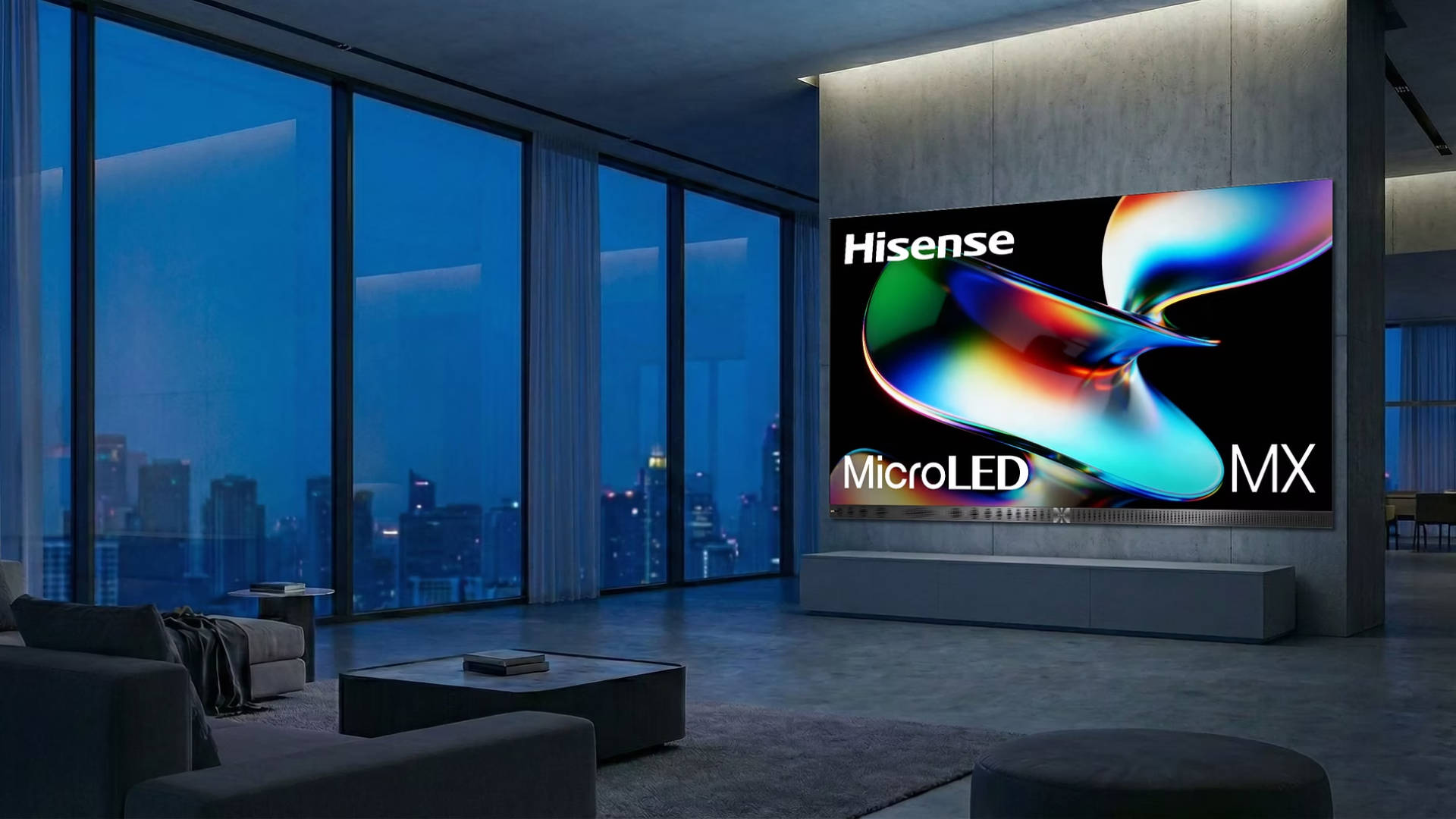
The MX Series is said to deliver extremely high contrast and brightness, even across such a massive surface area. Hisense positioned this as a long-term installation rather than a device that gets replaced every few years.
While availability and pricing remain targeted at the luxury segment, the MX Series reflects how MicroLED is slowly moving from commercial displays into high-end consumer homes.
The flagship OLEDs
These TVs focus on outright picture quality rather than size or novelty, targeting buyers who want the best possible image in typical home environments.
LG OLED G6
The OLED G-series has traditionally been LG’s gallery-style flagship, and the G6 continues that approach with a strong focus on improving daytime viewing.
The biggest upgrade is the new Tandem OLED 2.0 panel. By stacking OLED layers, LG claims a brightness increase of around 20% compared to the previous generation. This directly addresses one of OLED’s most common criticisms, especially in bright rooms.
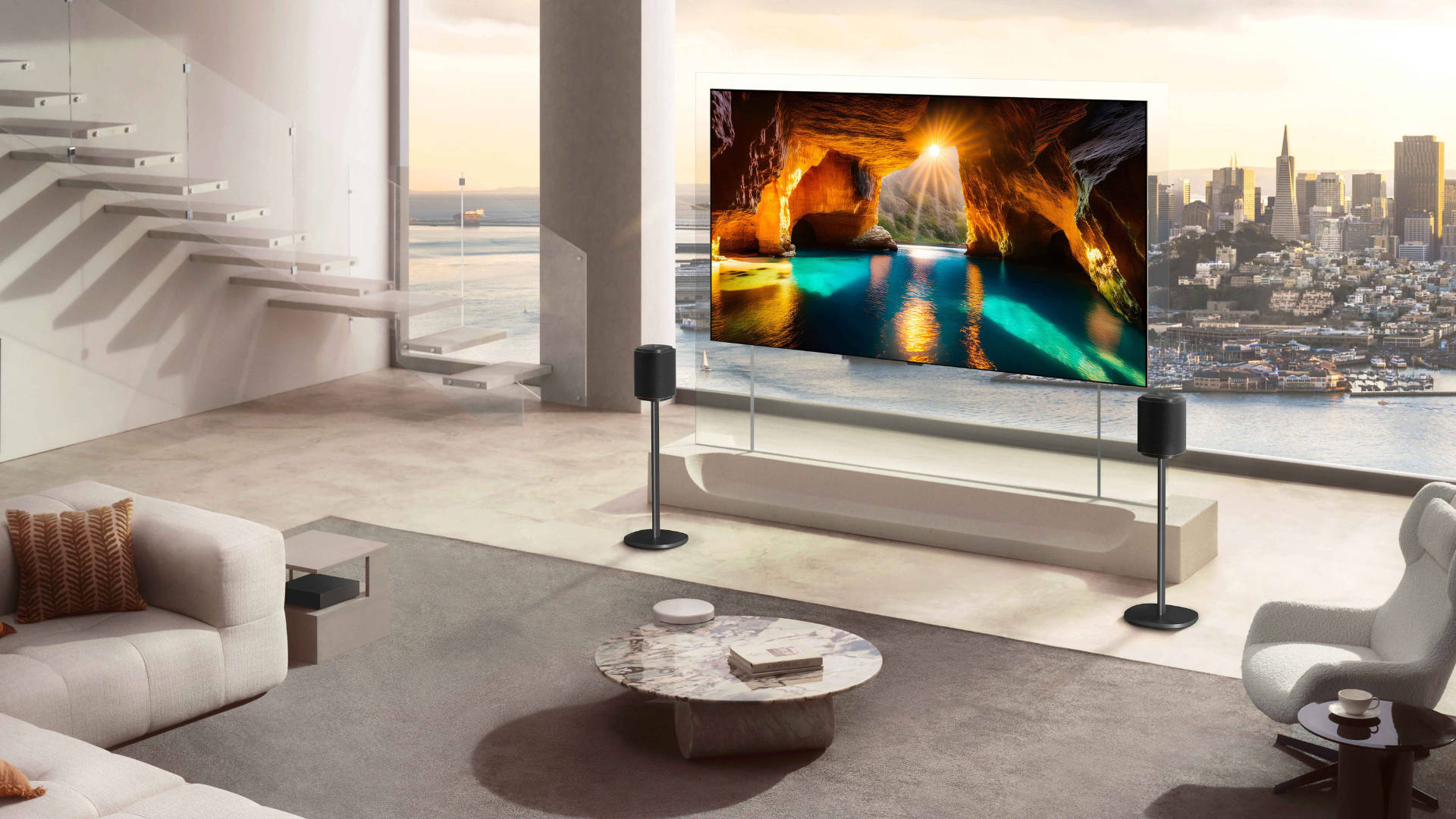
Another key addition is Reflection Free Premium technology. Glossy OLED panels are known to reflect ambient light, which might reduce contrast in well-lit spaces. LG says this new coating significantly reduces glare without affecting black levels. The G6 is positioned as a no-compromise OLED for buyers who want top-tier picture quality without stepping into experimental or ultra-thin designs.
Samsung S95H OLED
Samsung continues to refine its QD-OLED approach with the S95H. Instead of using white OLED subpixels, QD-OLED relies on blue OLED light combined with quantum dots to produce red and green. The result, Samsung claims, is higher colour brightness and improved colour volume.
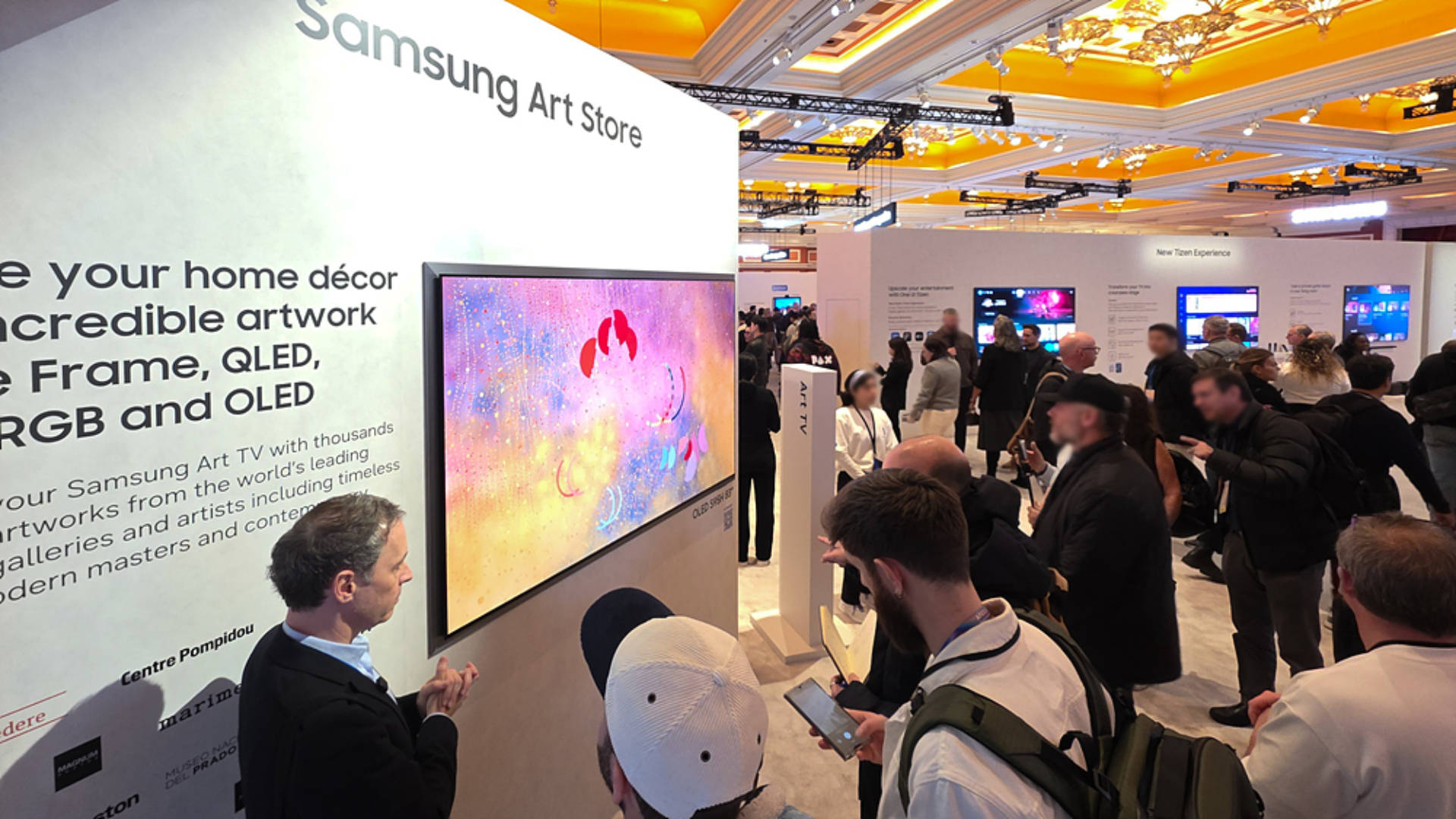
The S95H is packed in an extremely slim, near-borderless design that is clearly meant to function as a visual centrepiece. Samsung also highlighted improved tone mapping, with support for content mastered at up to 4,000 nits.
Like previous high-end Samsung models, the S95H uses the One Connect Box, which moves all ports and processing into a separate unit. This helps keep the panel itself thin and reduces visible cable clutter. The S95H represents Samsung’s most polished OLED offering to date, focusing equally on design and performance.
The real-world winners
These are the TVs that are likely to reach mainstream buyers sooner, offering new technology without extreme pricing or installation requirements.
LG OLED C6H
The C-series has long been LG’s most popular OLED lineup, and for 2026 the company has quietly made it more interesting by splitting the range.
The C6H variant is limited to the larger 77-inch and 83-inch models. These sizes now receive the Tandem OLED panel, a feature previously reserved for LG’s flagship TVs and automotive displays.
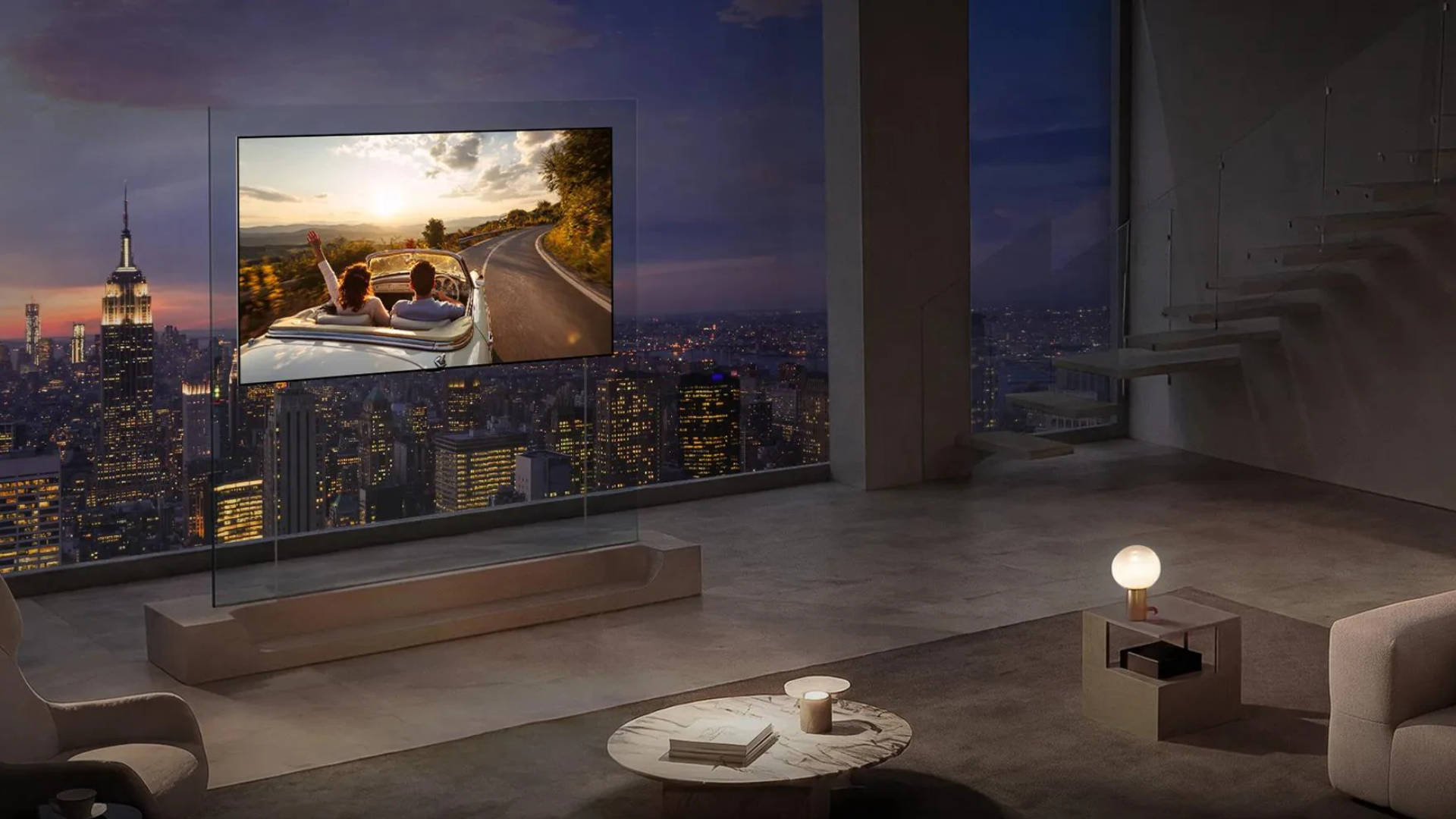
The result, LG says, is a noticeable increase in brightness compared to the standard C-series, without moving into gallery-style pricing territory. Smaller sizes will continue to use conventional OLED panels. For buyers considering large OLED TVs, the C6H could represent one of the most balanced options shown this year.
Hisense 116UXS RGB Mini-LED
While many Mini-LED TVs still rely on blue LEDs combined with colour filters, Hisense is taking a different approach with the 116UXS.
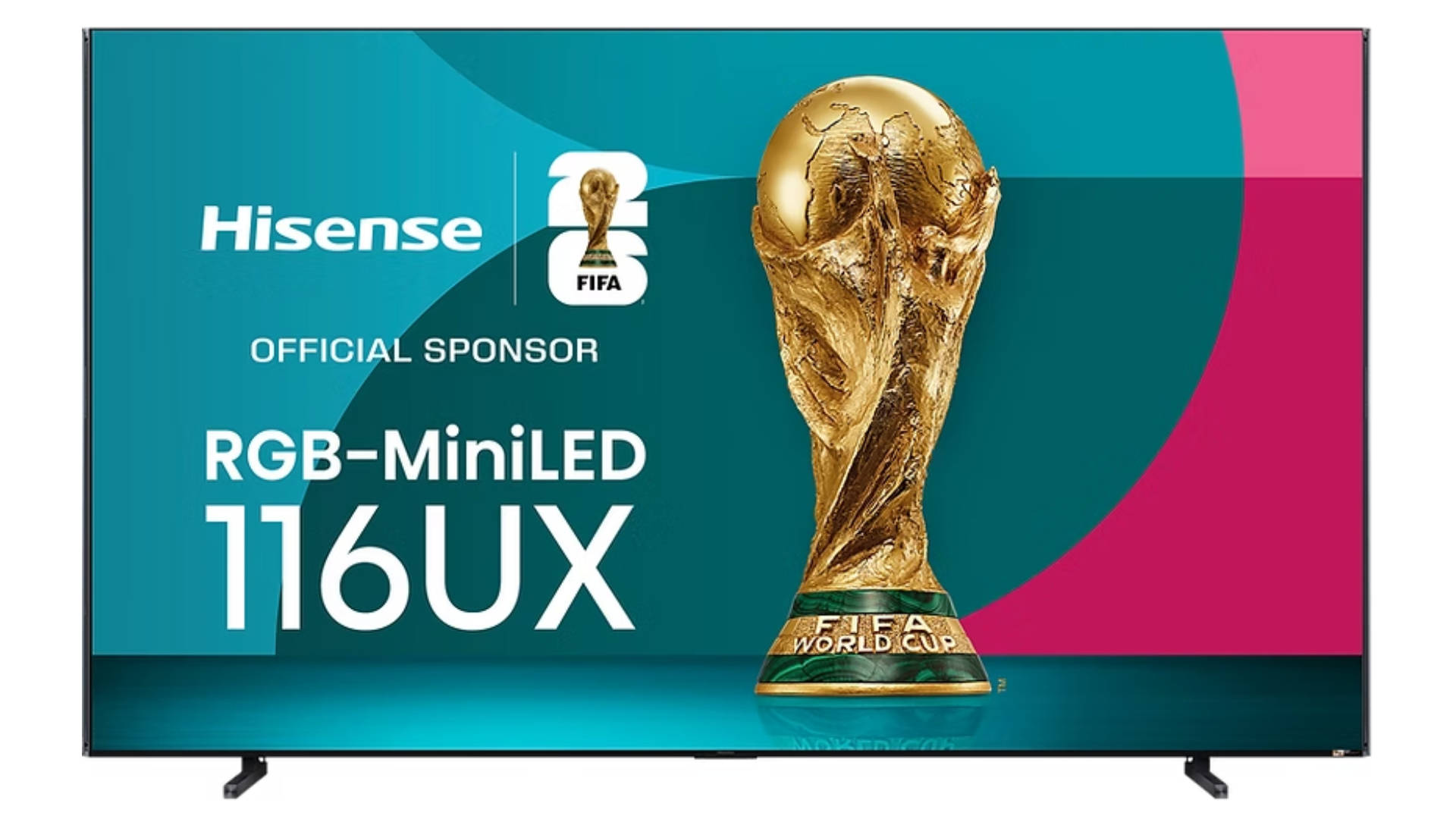
This TV uses distinct red, green, and blue LEDs, along with an additional cyan layer. Hisense refers to this as RGB Mini-LED evo. The idea is to improve colour accuracy while also managing blue light output more effectively. Hisense claims up to 110% BT.2020 colour coverage, and the cyan layer helps smooth colour transitions while also improving accuracy in difficult spectral ranges.
At 116 inches, this is most definitely still a large TV. Still, it is positioned as a consumer product rather than a concept, showing how advanced Mini-LED technology is moving into more accessible formats.
Hisense UR8 and UR9 Series
The UR8 and UR9 series are where Hisense’s RGB Mini-LED strategy becomes truly relevant for everyday buyers.
Available in sizes ranging from 55 inches to 100 inches, these TVs are said to bring true RGB backlighting to conventional living room dimensions. This is significant because most affordable Mini-LED TVs still use white or blue backlights, which limits colour performance.
By using separate coloured LEDs, the UR8 and UR9 series can give users richer colours and better brightness consistency across the screen. If pricing remains competitive, this might just be one of the most important Mini-LED launches of the year.
The lifestyle innovator
Samsung MovingStyle TV
Samsung also used CES 2026 to experiment with how TVs fit into physical spaces, not just how they display content. The MovingStyle TV is designed to be mobile and interactive. Mounted on a motorised stand or track system, the TV can reposition itself within a room and potentially follow the user.
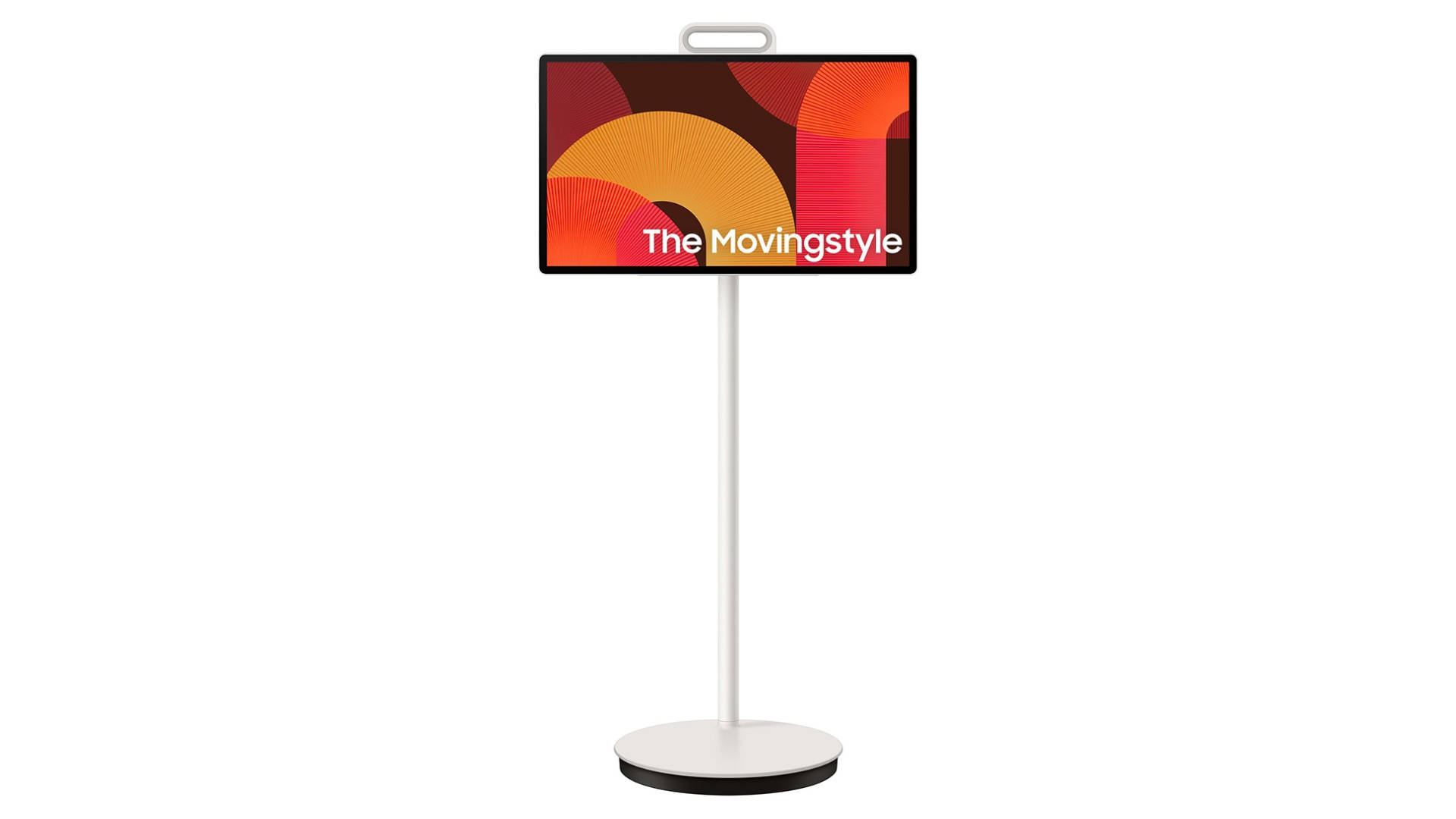
To be clear, this concept does build on ideas seen in earlier products like the Sero. However, it takes them further by focusing on mobility rather than screen orientation alone. The product is niche, but it reflects a growing interest in making large screens more adaptable to modern, multi-purpose living spaces.
Key TV trends from CES 2026
CES 2026 has made several broader trends impossible to ignore.
Tandem OLED moves into homes
Tandem OLED technology was originally developed for automotive displays and tablets. Now at CES 2026, it finally arrived in consumer TVs in a meaningful way.
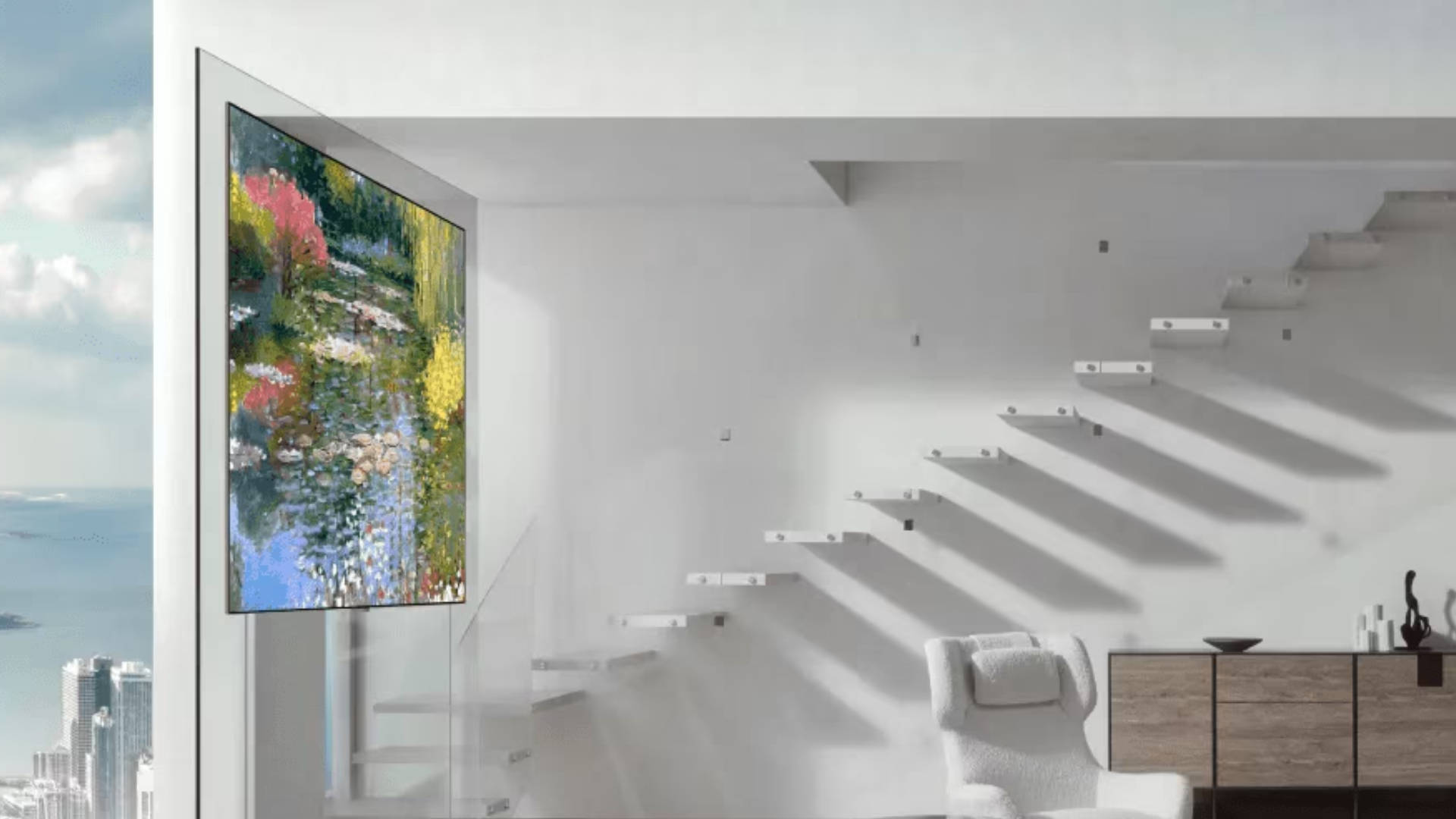
By increasing brightness without sacrificing contrast, Tandem OLED addresses one of OLED’s longest-standing weaknesses. Its appearance in both flagship and upper-midrange models suggests it will become standard in premium OLED TVs over the next few years.
RGB Mini-LED replaces white backlights
Mini-LED is no longer just about adding more dimming zones. Brands are now focusing on the quality of the backlight itself.
RGB Mini-LED replaces white or blue LEDs with separate red, green, and blue light sources. This significantly increases colour volume, especially in bright scenes where traditional Mini-LED TVs struggle.
CES 2026 showed that this technology is moving quickly from showcase products to mass-market series.
100 inches and above becomes normal
Perhaps the most striking shift at CES 2026 was how casually brands treated extremely large screens. Displays over 110 inches were not hidden in concept areas. They were presented as upcoming consumer options, complete with pricing discussions and installation solutions. As panel manufacturing improves and prices continue to fall, ultra-large TVs are clearly becoming a core part of future lineups rather than a novelty.
Final takeaway
CES 2026 did not introduce a single revolutionary TV technology. Instead, it showed steady, meaningful progress across the board. OLED is getting brighter. Mini-LED is getting more colour-accurate. Screen sizes are continuing to grow. And manufacturers are experimenting with how TVs fit into homes, not just how they look on spec sheets. For buyers, this means more choice, fewer compromises, and a clearer sense of where the TV industry is headed next.