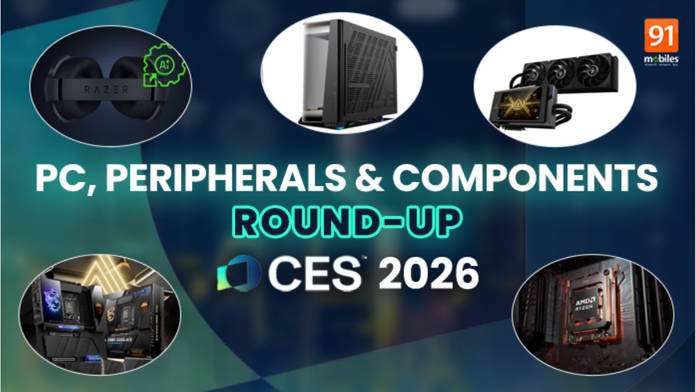
CES 2026 delivered an impressive lineup of PC components and peripherals that go well beyond just incremental upgrades. The show floor was packed with everything from absurdly powerful GPUs to keyboards with entire computers hidden inside. Brands like NVIDIA, AMD, MSI, ASUS, Razer, Keychron, and more are pushing the envelope with genuinely innovative features rather than just slapping RGB on existing designs.

We went through the massive wave of announcements. Here’s a look at the 10 most interesting PC components and peripherals from CES 2026 and exactly why they deserve your attention.
Table of Contents
The Powerhouse Components
NVIDIA GeForce RTX 5090 (MSI Lightning Z / ASUS ProArt)
The RTX 5090 was undoubtedly the star of CES 2026. While NVIDIA’s Founders Edition is impressive on its own, board partners absolutely stole the spotlight with their custom implementations.
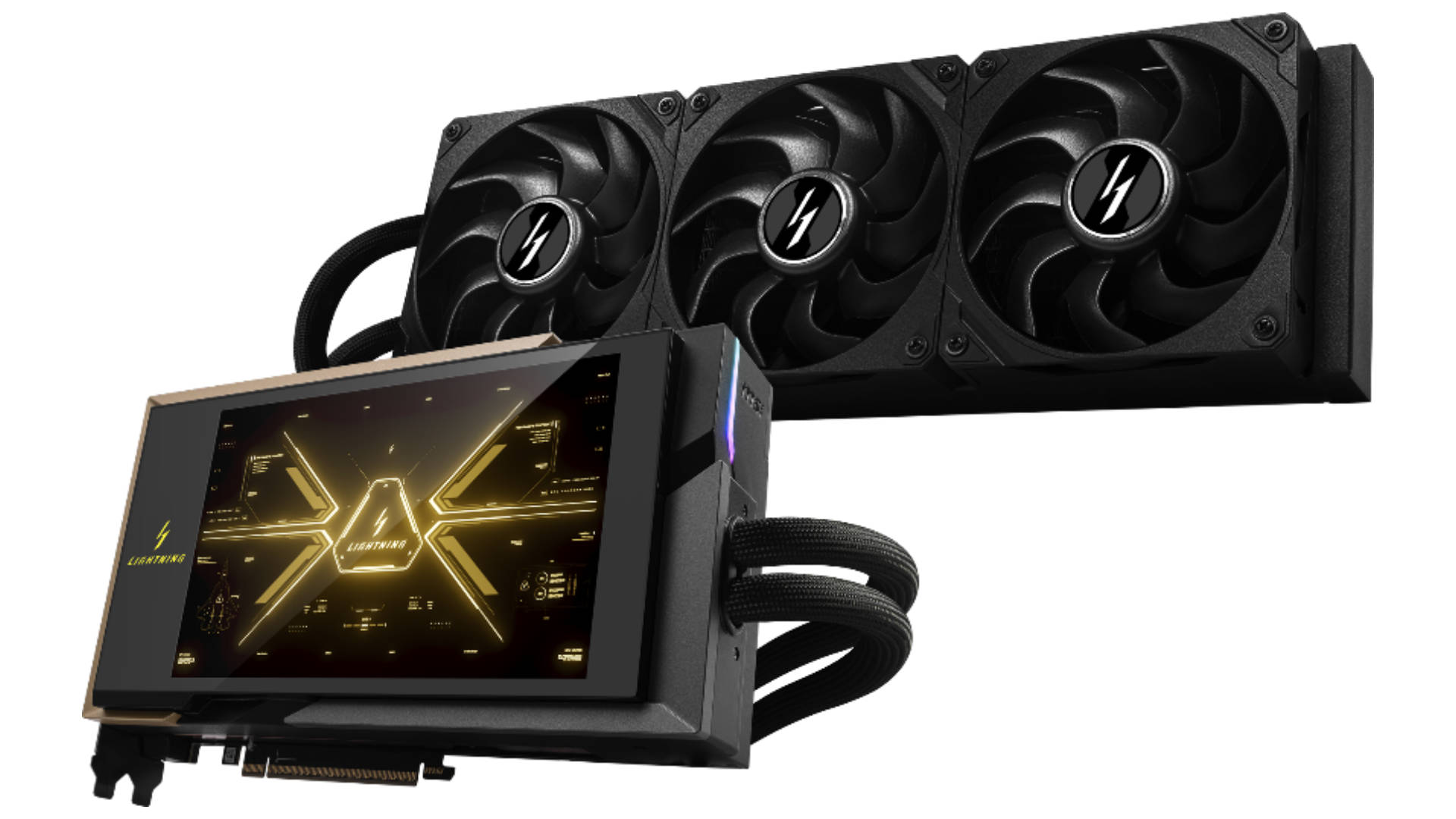
The standout versions come from MSI and ASUS. MSI’s Lightning Z features a massive carbon-fibre chassis and a built-in OLED screen mounted on the side of the card. This display lets you monitor temperatures and performance metrics without needing software overlays.
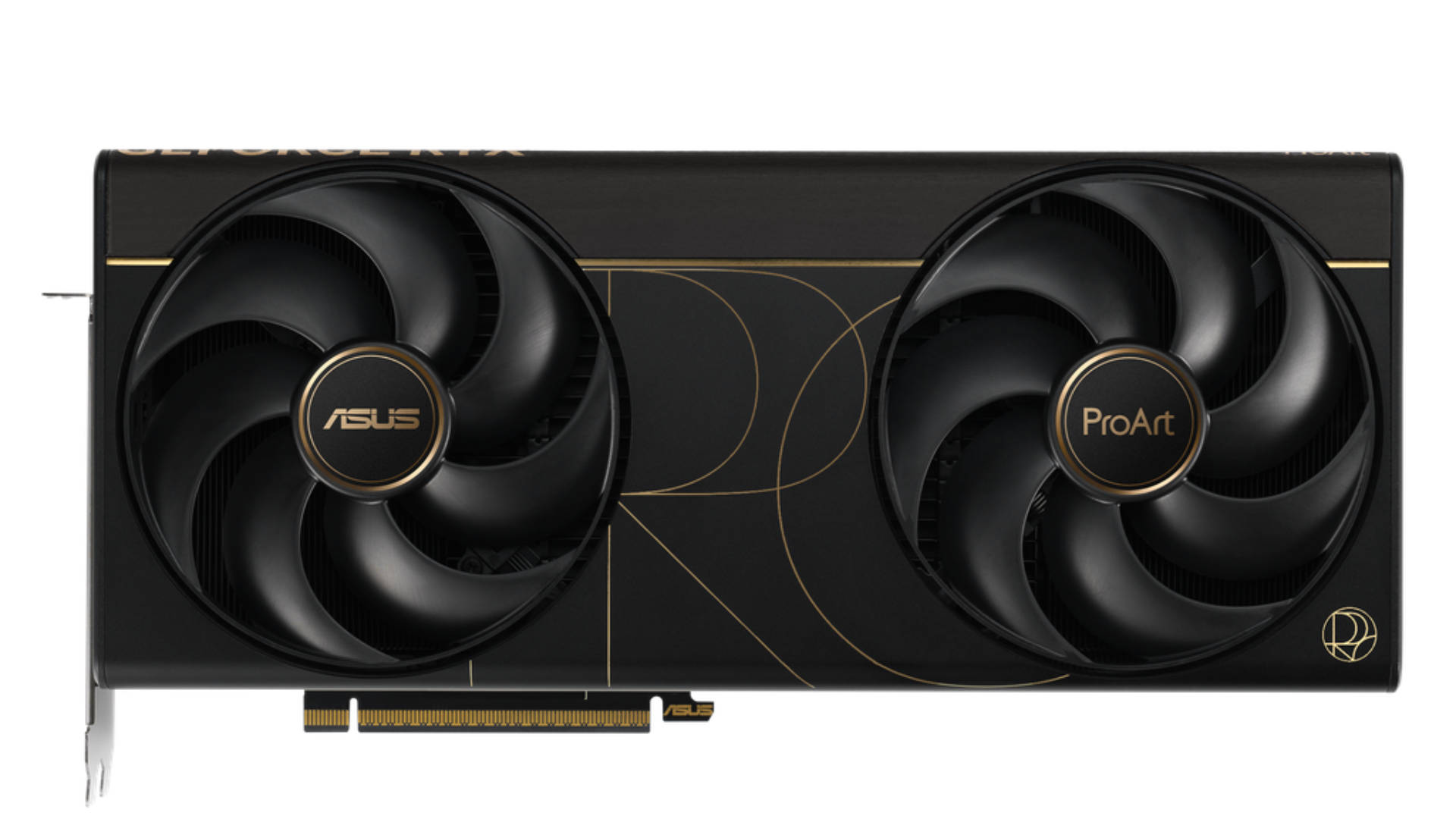
Meanwhile, ASUS took a completely different approach with the ProArt edition. This version is supposed to deliver the same 5090 power in a sleek form factor with minimal design. It is aimed at creators who want top-tier performance without the aggressive gamer aesthetic.
Both cards utilise NVIDIA’s new Blackwell Architecture. Compared to the previous generation, it is said to bring significant improvements to ray-tracing performance and power efficiency.
AMD Ryzen 7 9850X3D
AMD built on the success of the 9800X3D with the new 9850X3D. The CPU pushes clock speeds up to 5.6GHz boost while maintaining the legendary 3D V-Cache technology. It’s the same technology that made its predecessor so popular among gamers.
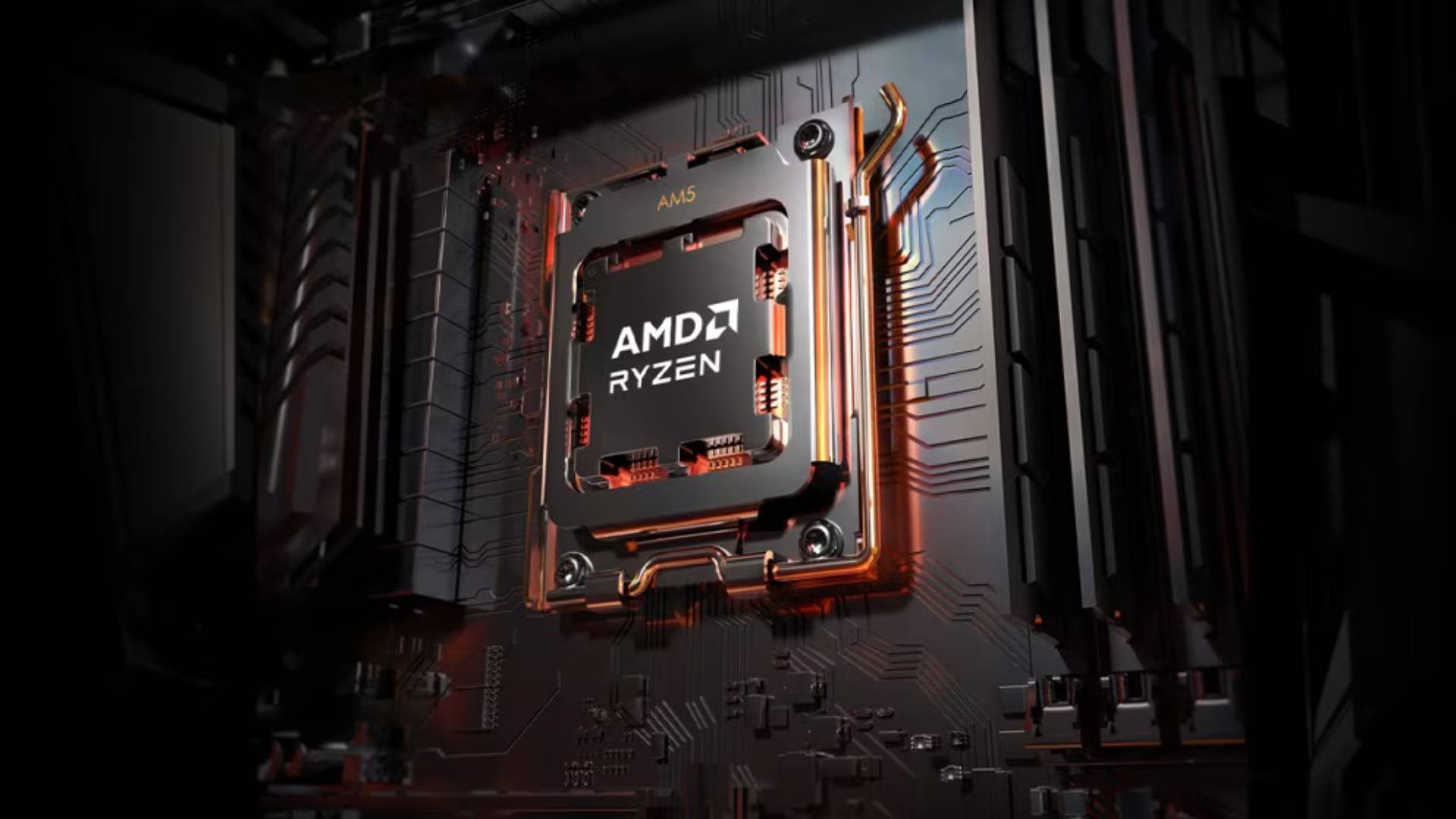
The 9850X3D stands out as a genuine no-compromise CPU. The previous X3D chips lagged slightly in productivity tasks despite their gaming dominance. AMD has finally closed that gap with this release. This makes it an excellent choice for users who want the best gaming performance without sacrificing capabilities in creative workloads or heavy multitasking.
ASUS NUC 16 Pro (Powered by Intel Core Ultra Series 3)
The ASUS NUC 16 Pro marks the first major Mini-PC to feature Intel’s newly announced Core Ultra Series 3 “Panther Lake” processors. This tiny machine packs serious performance into an incredibly compact form factor.
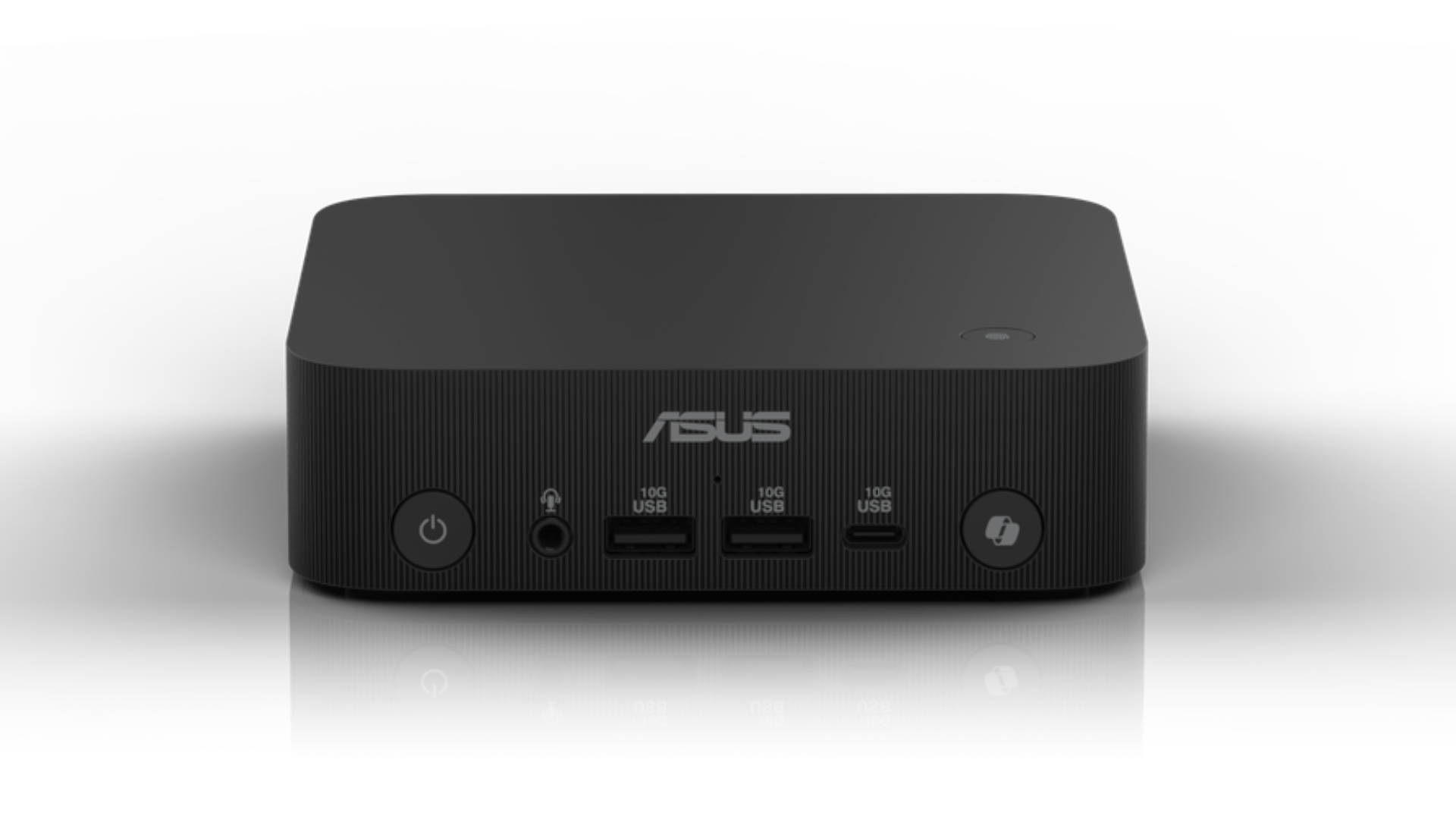
The NUC 16 Pro runs on the Core Ultra X9 chip paired with Intel’s new Arc B390 graphics based on Xe3 (3mm) architecture. Despite being a 0.7-litre box roughly the size of a sandwich, it delivers 180 TOPS of AI performance. This exceeds most full-sized desktops from last year. The integrated graphics are powerful enough to handle 1080p gaming without needing a discrete graphics card, making this an incredibly versatile small-form-factor solution.
MSI MEG Z890 GODLIKE
MSI’s MEG Z890 GODLIKE motherboard is designed for Intel’s new Core Ultra “Arrow Lake” desktop CPUs. MSI claims that this board pushes the boundaries of what modern motherboards can do.
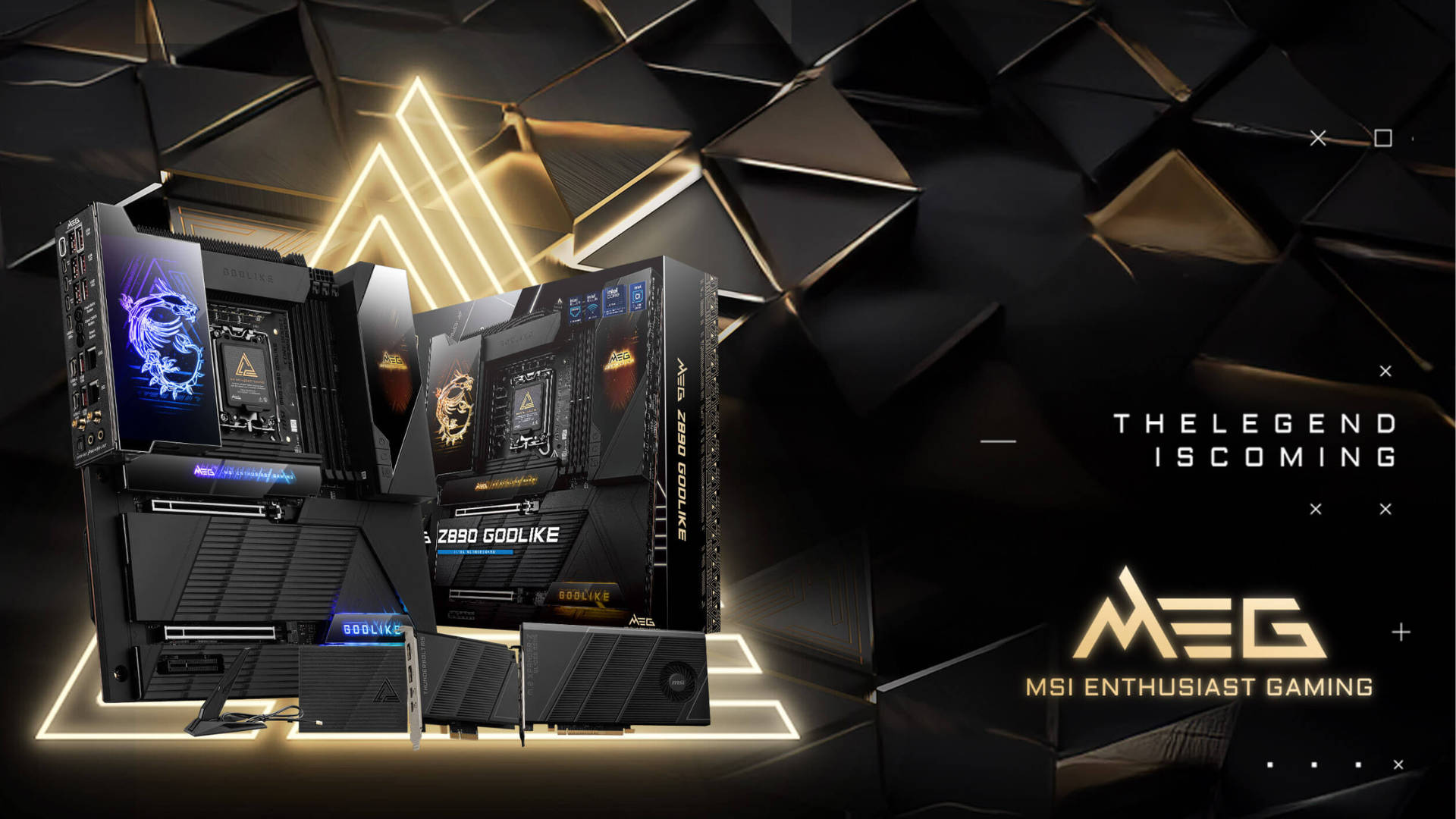
The standout feature is support for 256GB of DDR5 RAM via new 4-Rank CUDIMM memory modules. This makes it the first motherboard to reach this capacity threshold. It also includes a detachable 4-inch touch screen called the “Dynamic Dashboard III.” You can place this screen on your desk to control fan curves and overclocking settings without opening any software. This creates a much more immediate and tactile way to manage your system.
Peripherals (Keyboards, Headsets, Controllers)
Keychron Ultra Series (ZMK Wireless)
Keychron has brought enthusiast-grade custom keyboard features to the mass market with the Ultra Series. This release bridges the gap between hobbyist builds and production keyboards.
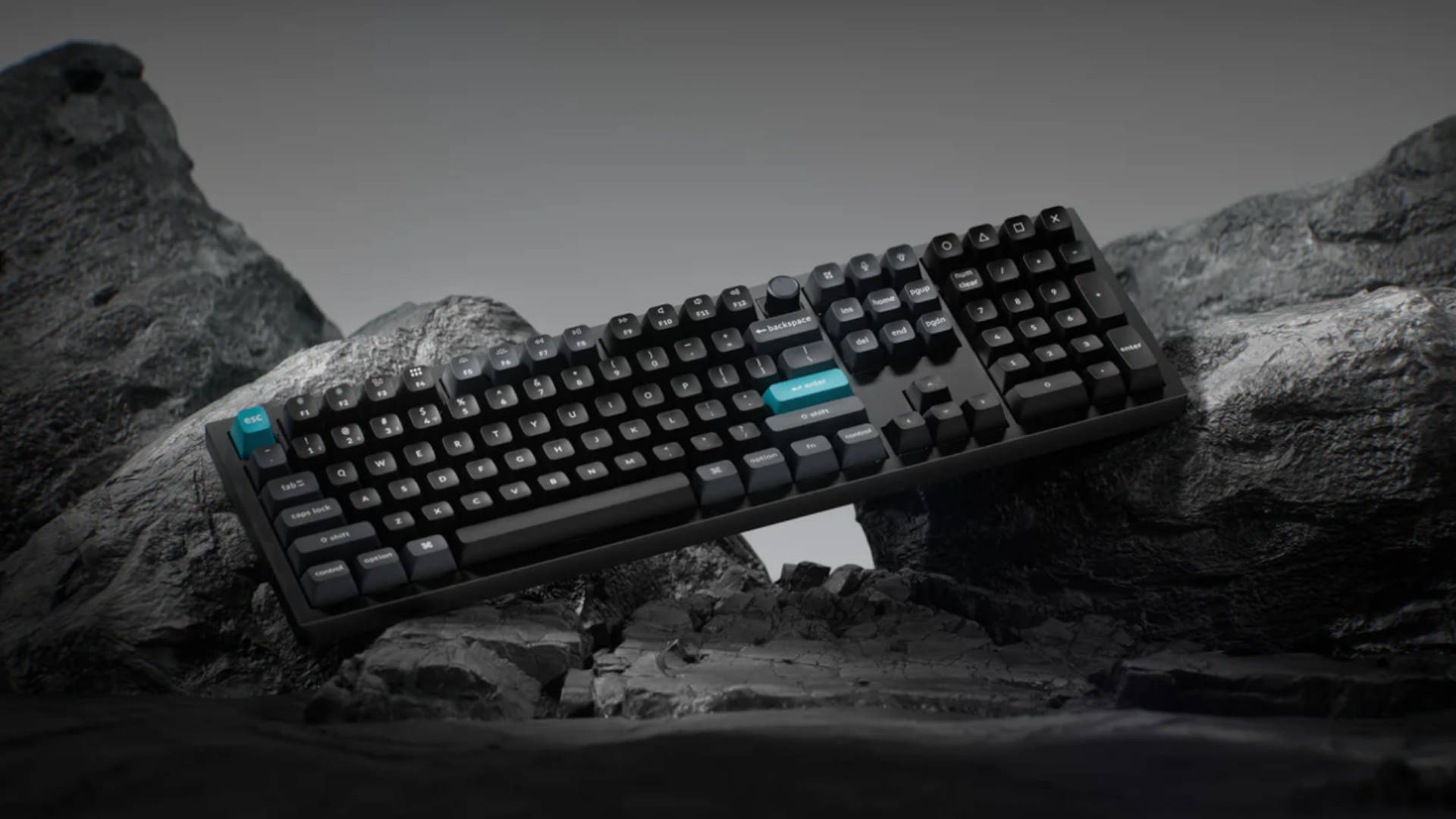
The Ultra Series is the first major production keyboard to run ZMK firmware out of the box. This firmware is usually reserved for niche hobbyist builds, and this allows for infinitely complex wireless macro programming. The keyboard also supports 8,000Hz polling, making it fully esports-ready. This combination of advanced customisation and competitive-level performance makes it appealing to both keyboard enthusiasts and competitive gamers.
Razer Project Motoko
Razer introduced one of the most intriguing concepts at CES 2026. Project Motoko is a headset with cameras built directly into the earcups.
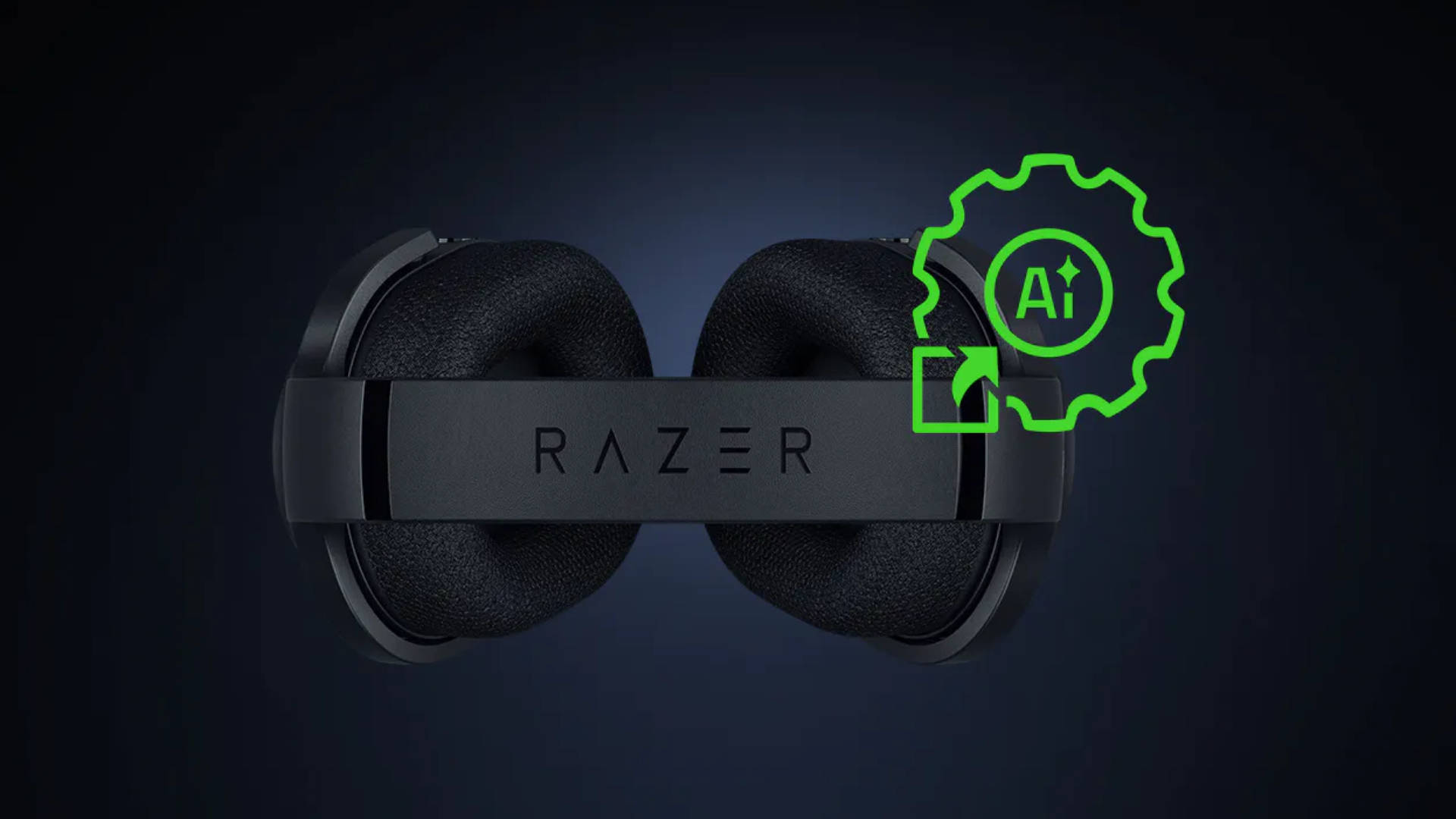
The headset uses visual AI to see what you’re looking at on your screen or in your room. This enables context-aware audio and coaching features. If you’re stuck on a puzzle in a game, you can ask the headset for help. It will analyse what’s displayed on your screen to provide relevant guidance. This represents a completely new approach to gaming assistance and accessibility.
HyperX Clutch Tachi
The HyperX Clutch Tachi is a pro-grade controller designed to work seamlessly across PC, Xbox, and mobile platforms. This universal compatibility makes it appealing to gamers who play across multiple ecosystems.
The controller features an OLED screen built into the faceplate, similar to the ASUS Raikiri but at a much more accessible price point. This screen lets you swap profiles, check battery levels, or even display custom GIFs without needing to open PC software. The combination of cross-platform functionality and built-in customisation makes it a strong all-around option.
HP EliteBoard G1a
HP revived the spirit of the Commodore 64 with the EliteBoard G1a. This device isn’t just a keyboard; it’s a complete PC disguised as a mechanical keyboard.
The EliteBoard packs a full AMD Ryzen AI processor inside the keyboard chassis. You simply walk up to any monitor, plug in a single USB-C cable, and instantly have access to your complete desktop environment. This makes it the ultimate backpack PC for hybrid workers who move between different locations but always have access to displays. It eliminates the need to carry a laptop while still giving you your own secure computing power and data.
Cases & Desk Technology
MSI MEG Maestro 900R
The MSI MEG Maestro 900R is a massive PC case. It is designed specifically for showcase “aquarium” builds where aesthetics matter as much as performance.
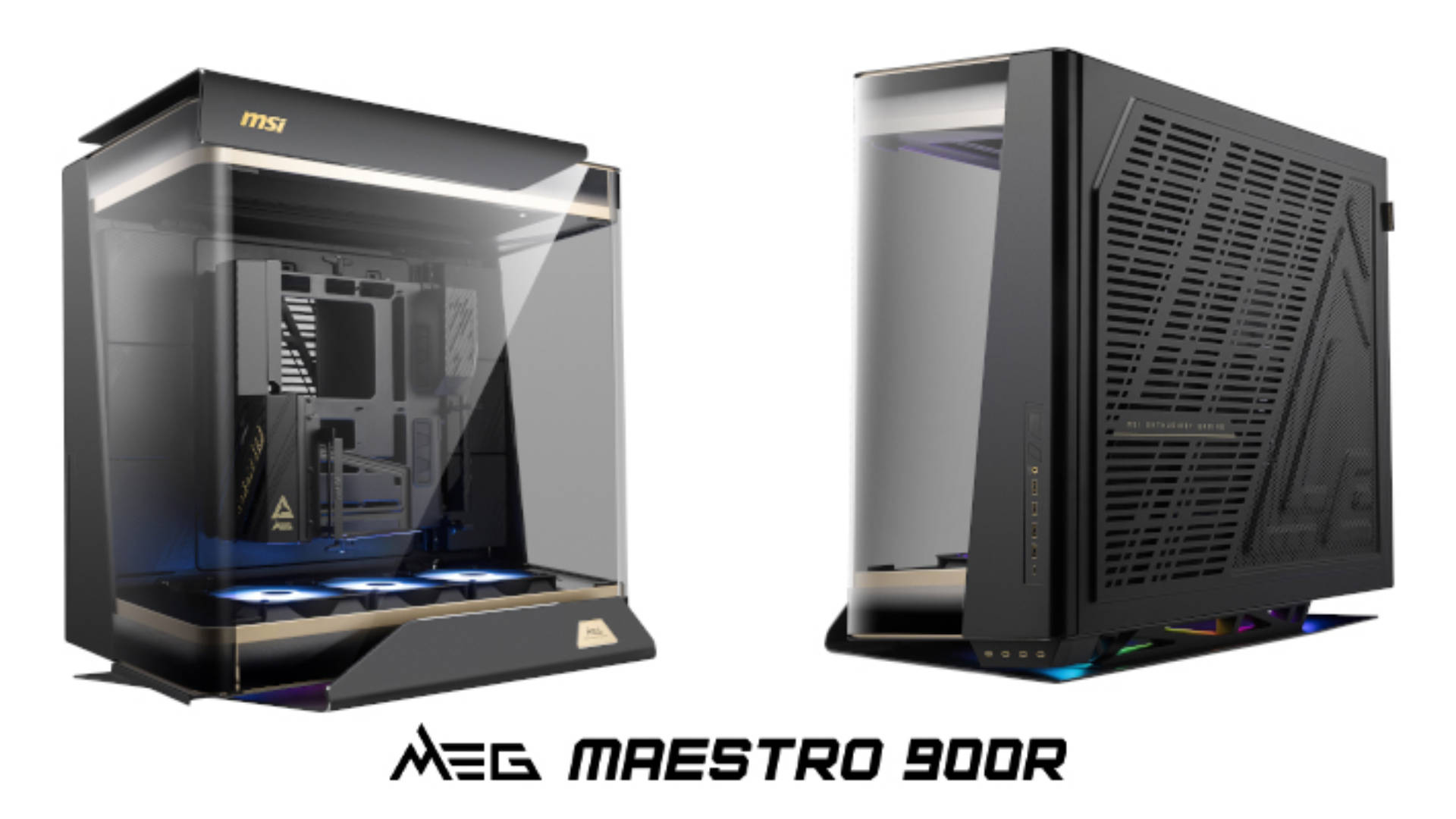
The case features a huge single piece of curved glass that wraps around the front and side with no corner pillar to interrupt the view. The unique feature is the motorised, rotatable motherboard tray inside. You can angle your internal components towards the glass for better visibility or adjust them for improved airflow. This level of flexibility is significant in PC cases. It gives builders far more control over how their system looks and performs.
Razer Project AVA
Razer introduced something completely different with Project AVA. It may be labelled a peripheral, but it operates in a class of its own.
Project AVA is a small holographic puck that sits on your desk and projects an AI avatar. This avatar acts as a system monitor and companion with personality. If your CPU starts overheating, the avatar visually sweats. When you receive an email, the avatar holds up a letter. In simpler terms, it’s an experimental approach to making PC monitoring more engaging and human.
CES 2026’s PC component showcase revealed major strategic shifts across the industry. NVIDIA’s partners are targeting professional creators with gaming hardware, while AMD eliminates the gaming-only stigma from X3D processors. ASUS is establishing Mini-PC dominance with early Panther Lake adoption. Peripheral makers are carving new niches. Keychron disrupts premium keyboards with open-source firmware.
Meanwhile, Razer bets on AI-assisted gaming and ambient computing. HP also reimagines portable computing for hybrid workers. MSI pushes to own the entire enthusiast ecosystem. These moves signal an industry focused on creating new product categories rather than simply iterating on existing designs.