
CES 2026 turned into an interesting laptop showcase this year, with manufacturers pushing boundaries in ways we haven’t seen in a while. The event brought together a wide spectrum of ideas and form factors. These ranged from fanless productivity machines to dual-screen gaming beasts.

There were rollable displays that physically expand, and even a keyboard with an entire computer hidden inside. Brands like Samsung, ASUS, Lenovo, MSI and more are moving beyond just specification bumps. They are experimenting with radical form factors, smarter cooling, and AI features that actually benefit the user.
We sifted through the massive pile of announcements to pick out the machines that genuinely stand out. Here’s a look at the 20 most interesting laptops from CES 2026 and exactly why they deserve your attention.
Table of Contents
Samsung
Samsung Galaxy Book6 Ultra
Samsung’s direct answer to the MacBook has arrived, now powered by NVIDIA’s RTX 50-Series and Intel’s Core Ultra Series 3 (Panther Lake). The Galaxy Book6 Ultra is designed to deliver flagship performance without the bulk typically associated with high-powered machines.
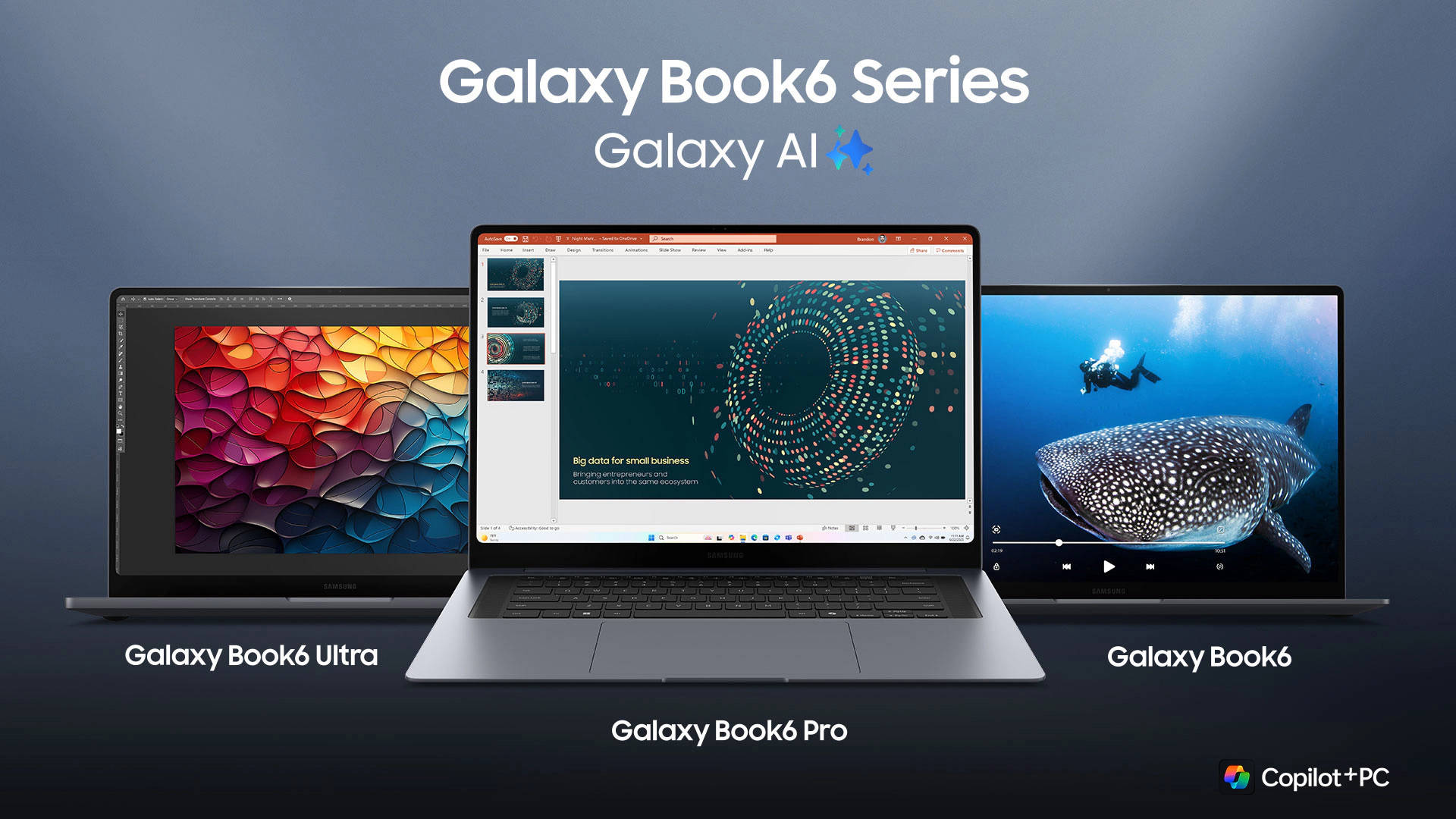
The standout feature here is the massive custom vapour chamber cooling system, a piece of tech usually reserved for thick gaming laptops. Samsung has managed to fit this advanced cooling solution into a chassis that measures just 15.4mm thick. This allows the laptop to sustain high performance during extended workloads without throttling. This genuinely makes it a serious contender for creators and professionals
Samsung Galaxy Book6 Pro (16-inch)
Next up in the Samsung lineup is the Book6 Pro, which features up to a 16-inch touchscreen AMOLED display. Unlike the ultra lineup, the Pro series laptop tops out at Intel Core Ultra X7 and goes all the way to Core Ultra 5 processors. On the graphics side, it comes with an Intel Arc GPU. This positions it well for productivity and creative workloads.
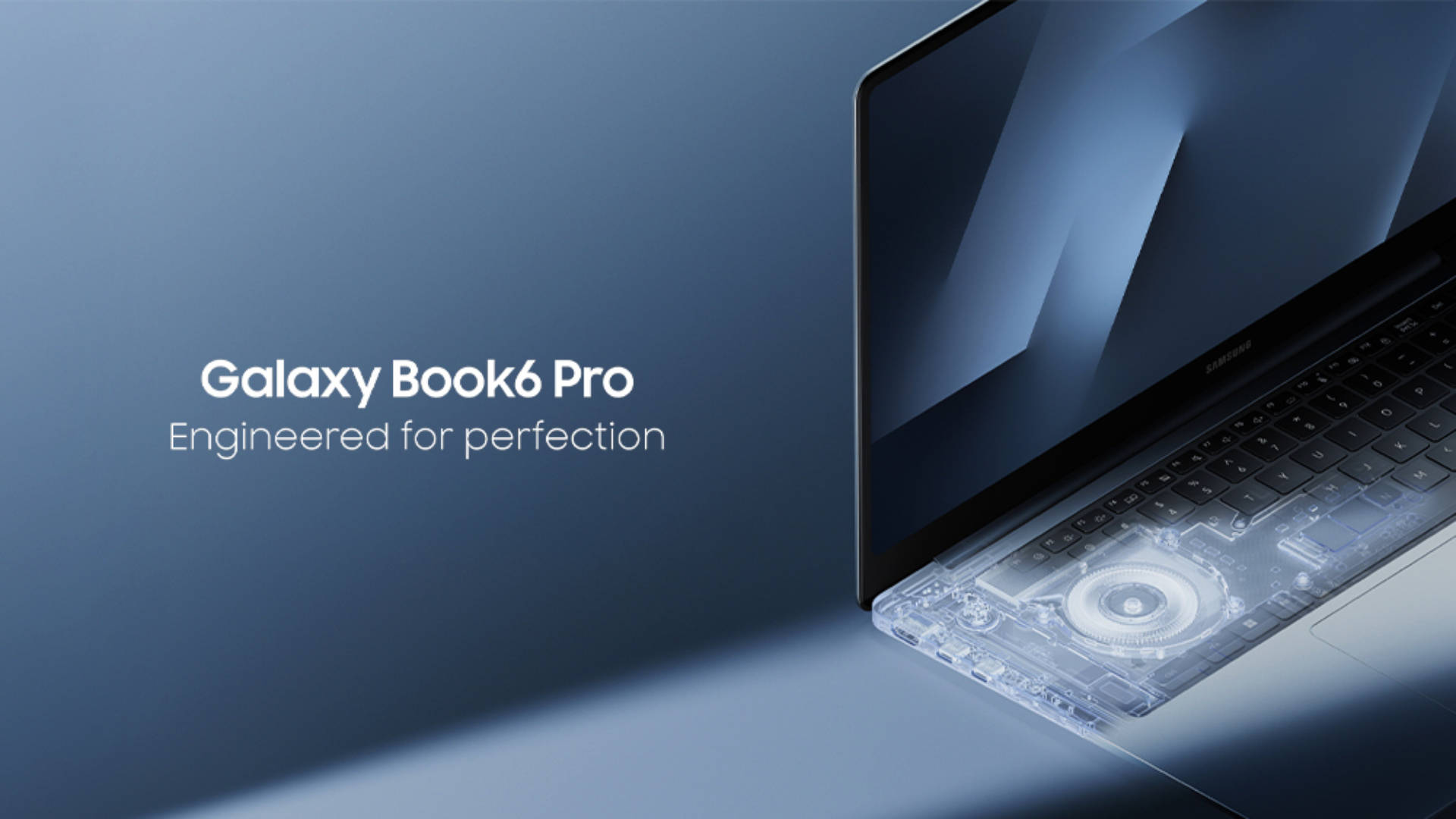
Samsung has also addressed thermals this generation by adding a vapour chamber to the Galaxy Book6 Pro for the first time. This marks a notable upgrade over the previous model. The company claims improved cooling efficiency. This should help maintain more consistent performance while keeping fan noise under control. Battery life remains a key focus as well. Samsung is promising all-day endurance for work and media consumption, along with fast charging support to minimise downtime.
Acer
Acer Predator Helios Neo 16S AI
Acer is bringing premium display tech to the mainstream gaming market with the Predator Helios Neo 16S AI. This machine is a visual upgrade to the established Predator line, focusing heavily on what you see rather than just what you get under the hood.
The headline feature is the stunning 240Hz OLED panel. Unlike typical glossy OLEDs that suffer from distracting reflections. This display uses a new coating that reduces glare without dulling the vibrant colours. This solves one of the biggest complaints gamers have had with OLED gaming laptops, which makes the Helios Neo 16S AI a strong option for users who want both speed and visual quality. We recently got a hands-on with the latest gaming rig. Check out the full coverage from 91mobiles.
Acer Swift 16 AI
The Swift 16 AI feels like a glimpse into how we might interact with laptops in the AI era. This productivity machine is built around a completely reimagined interface. That goes beyond the traditional keyboard and trackpad setup.
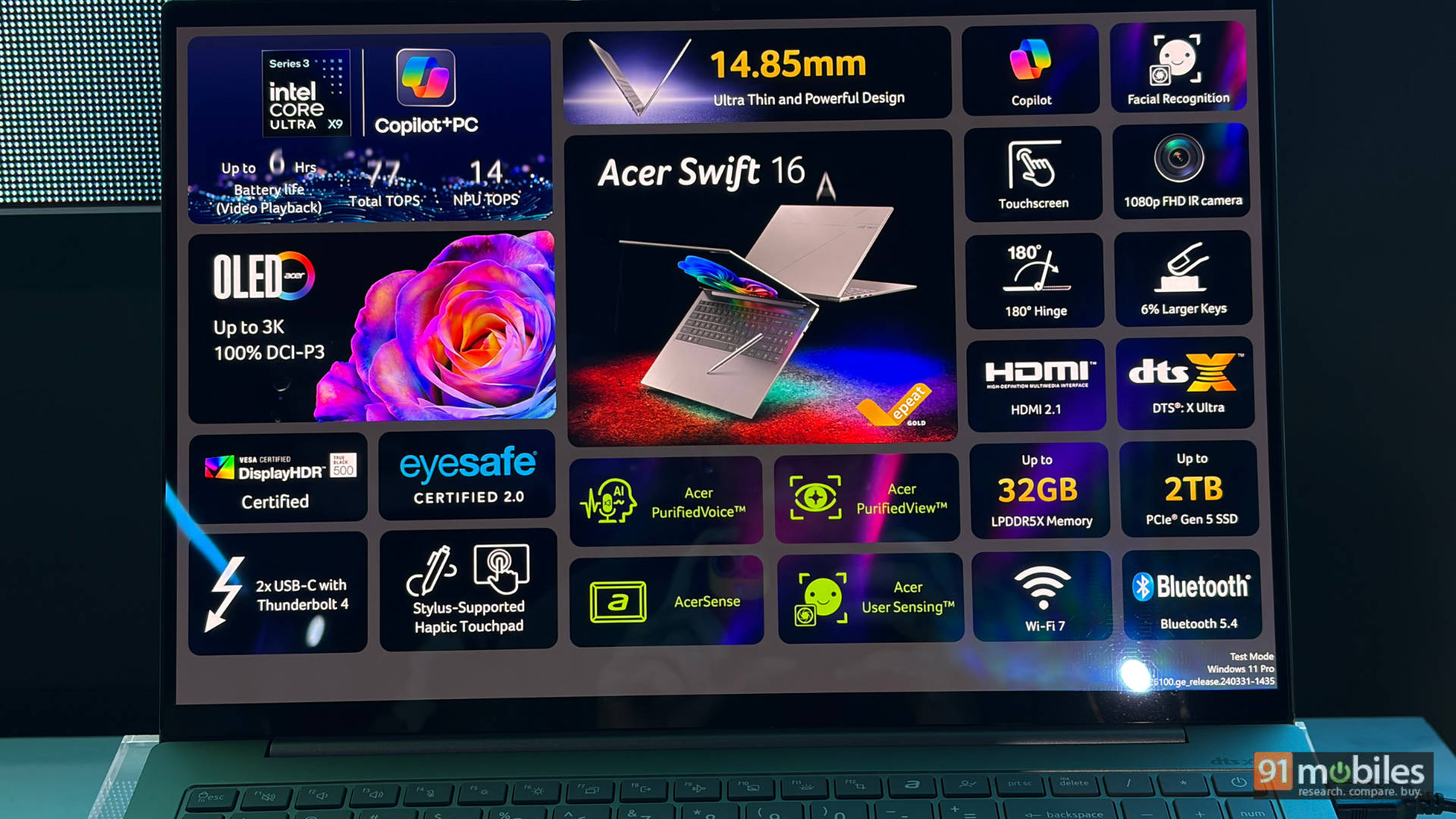
The unique feature here is the massive haptic trackpad that spans nearly the entire palm rest. When you open creative apps, it lights up with distinct zones that act as contextual controls. This effectively turns the bottom half of the laptop into a dedicated control deck, tailored to the software you’re using. As a result, tasks like video editing or photo retouching should feel more intuitive, hands-on, and immediate.
ASUS
ASUS Zenbook A16
The ASUS Zenbook A16 became one of the most talked-about devices at CES 2026, largely because of what it’s made from. This laptop represents a genuine leap in material science for consumer electronics.
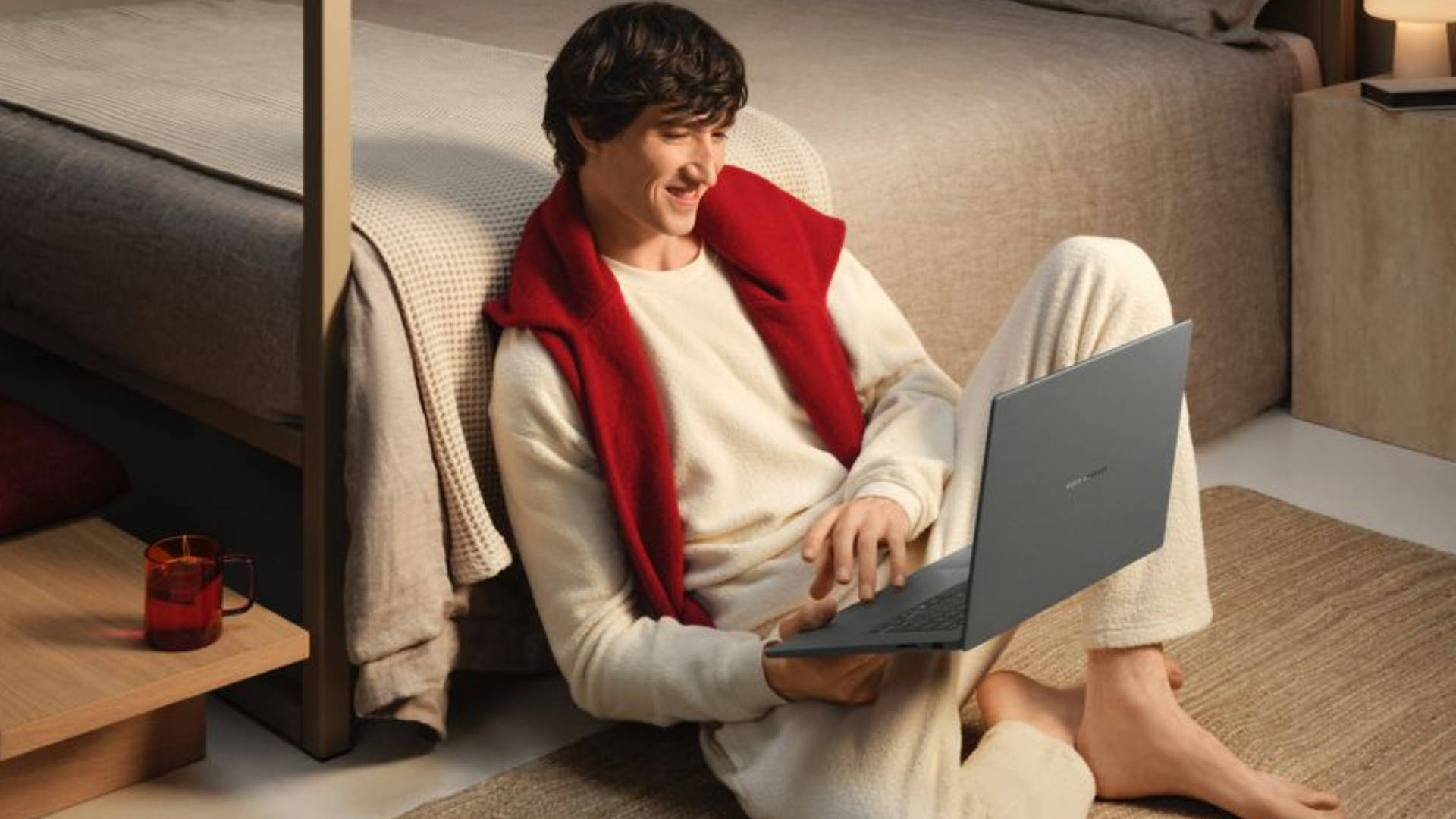
The lid is constructed from “Ceraluminum,” a high-tech ceramic-aluminium hybrid that ASUS developed exclusively for this machine. It is supposed to feel warm and soft like stone but maintains the durability of metal, creating a tactile experience unlike any other laptop. Under the hood, it runs on AMD’s powerful new Ryzen AI processor.
ASUS ROG Zephyrus Duo (2026)
ASUS is bringing back the dual-screen gaming laptop concept with a twist! The ROG Zephyrus Duo (2026) refines the original design to create a more seamless and practical dual-display experience.
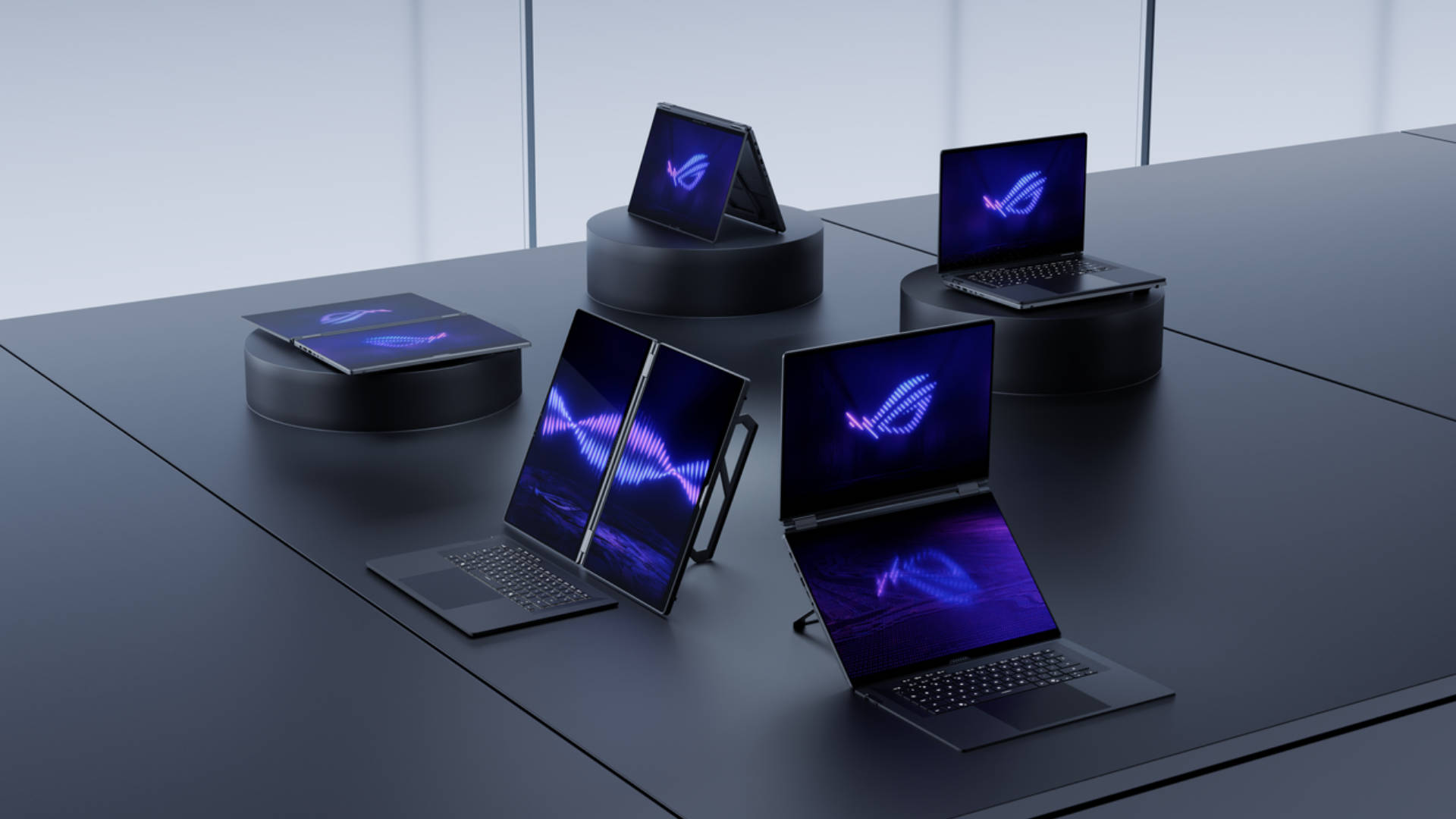
The secondary “ScreenPad Plus” now lifts significantly higher than previous versions, sitting flush with the main screen to create what looks like a continuous vertical workspace. Both panels are now matching OLEDs, ensuring perfect colour consistency between displays. This makes the setup far more cohesive for multitasking, whether you’re gaming with Discord and stream tools visible or working on complex creative projects.
ASUS ProArt PX13 “GoPro Edition”
ASUS partnered with GoPro to create a ruggedised convertible laptop specifically designed for field work. The ProArt PX13 “GoPro Edition” targets content creators who shoot action footage and need to edit on location.
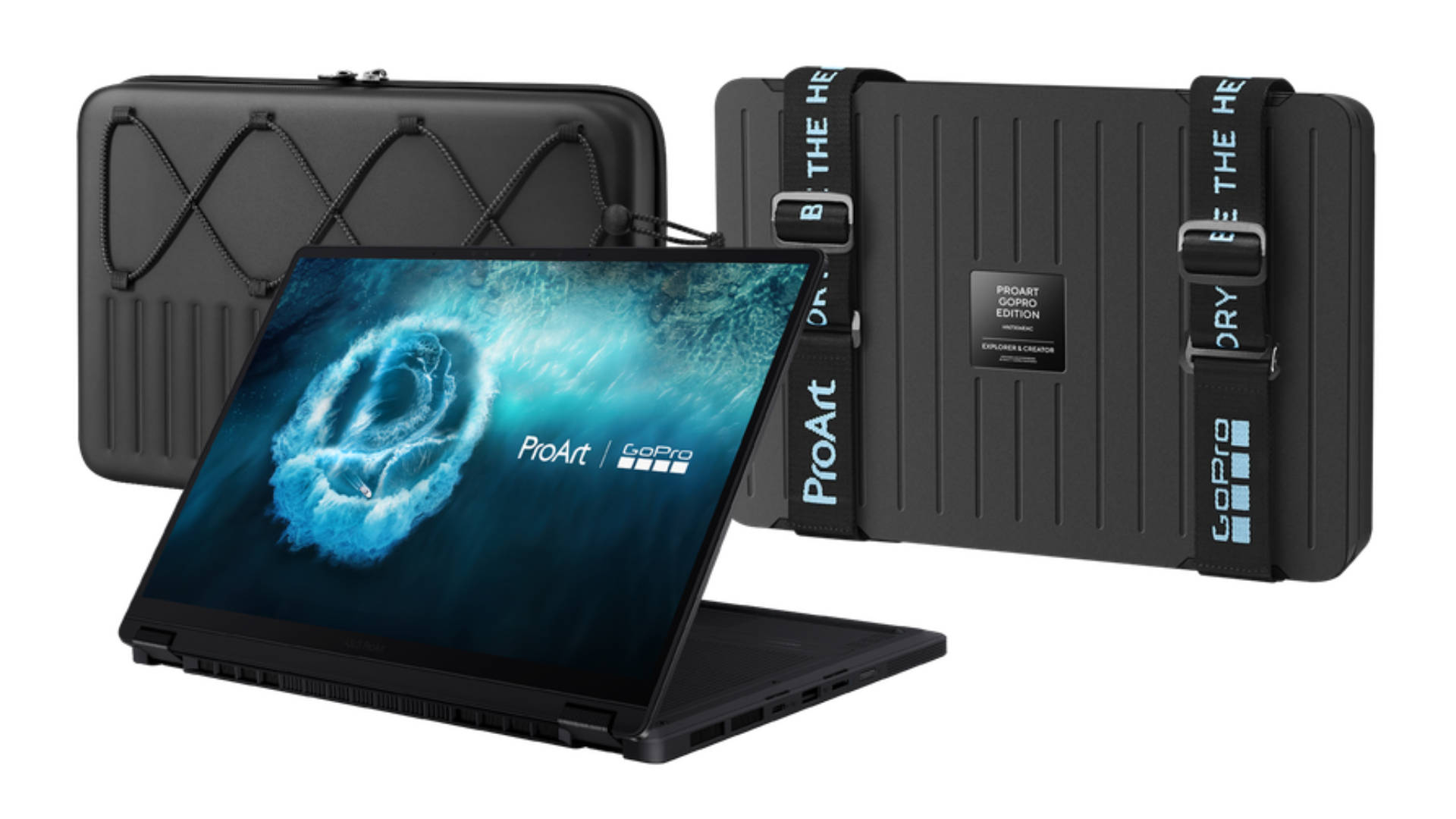
The collaboration goes beyond branding. The laptop features deep hardware integration with GoPro cameras. It includes a built-in high-speed transfer slot designed specifically for action cam footage. It also comes with the “StoryCube” AI app, which automatically edits your rough GoPro clips into polished highlight reels. This makes the entire workflow from capture to edit significantly faster for creators working in the field.
Dell & Alienware
Dell XPS 14
Dell has achieved something remarkable with the new XPS 14. This machine represents a radical engineering shift for the XPS line. Pushing the boundaries of what’s possible with modern laptop design.
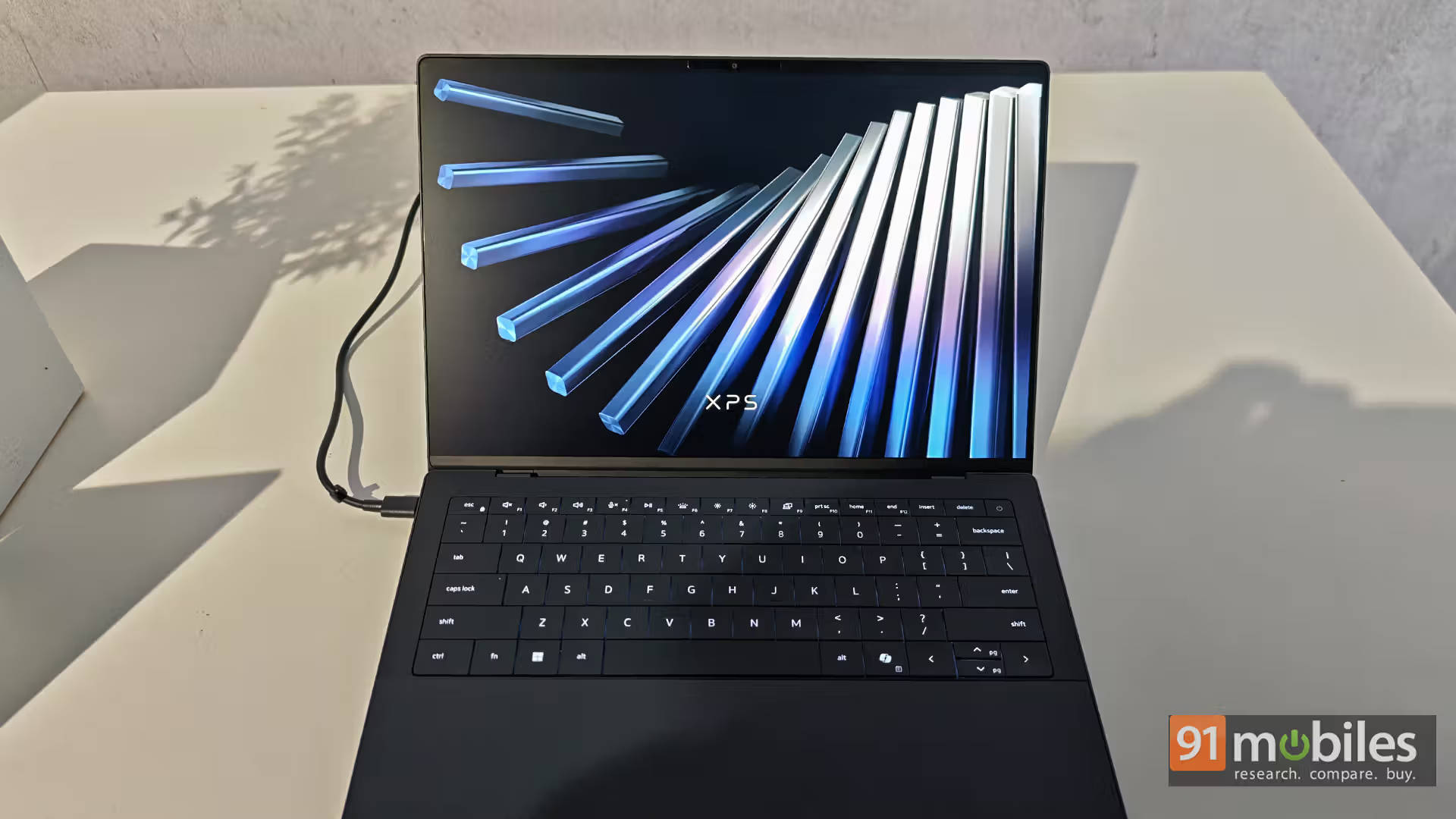
Thanks to the efficiency of Intel’s new Core Ultra Series 3 chips, this model runs completely fanless for standard tasks like web browsing, streaming, and document work. As per Dell, it remains silent until you launch heavy creative applications, at which point the cooling system kicks in. This creates an experience that feels more like using a tablet for everyday tasks while still delivering full laptop performance when needed.
Alienware m16 R3 OLED
Alienware is finally embracing OLED technology across its gaming lineup. The m16 R3 OLED is built with the display as the primary focus. Offering gamers visual flexibility that most competitors can’t match.
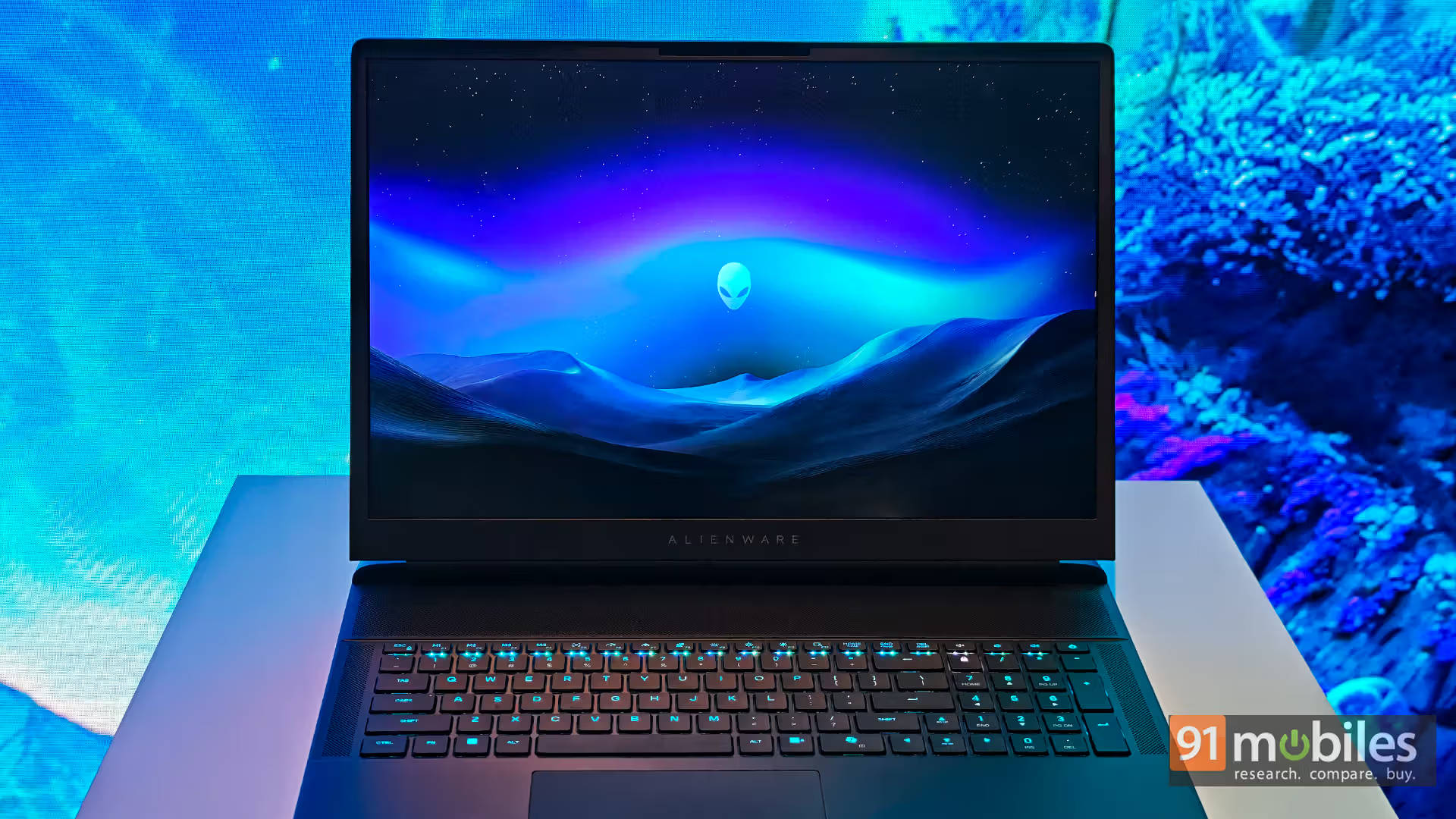
The standout feature is the “Dual-Mode” display. You can toggle the screen between 4K at 120Hz for immersive RPGs and 1080p at 480Hz for competitive shooters using a single hotkey. This gives you two monitors in one, letting you optimise for visual fidelity or pure speed. Depending on what you’re playing without needing to swap cables or fiddle with settings menus.
Lenovo
Lenovo ThinkBook Plus Gen 7 Auto Twist
The ThinkBook Plus Gen 7 Auto Twist became the viral hit of CES 2026. This machine looks like science fiction, but it actually works. Bringing motorised automation to the traditional laptop form factor.
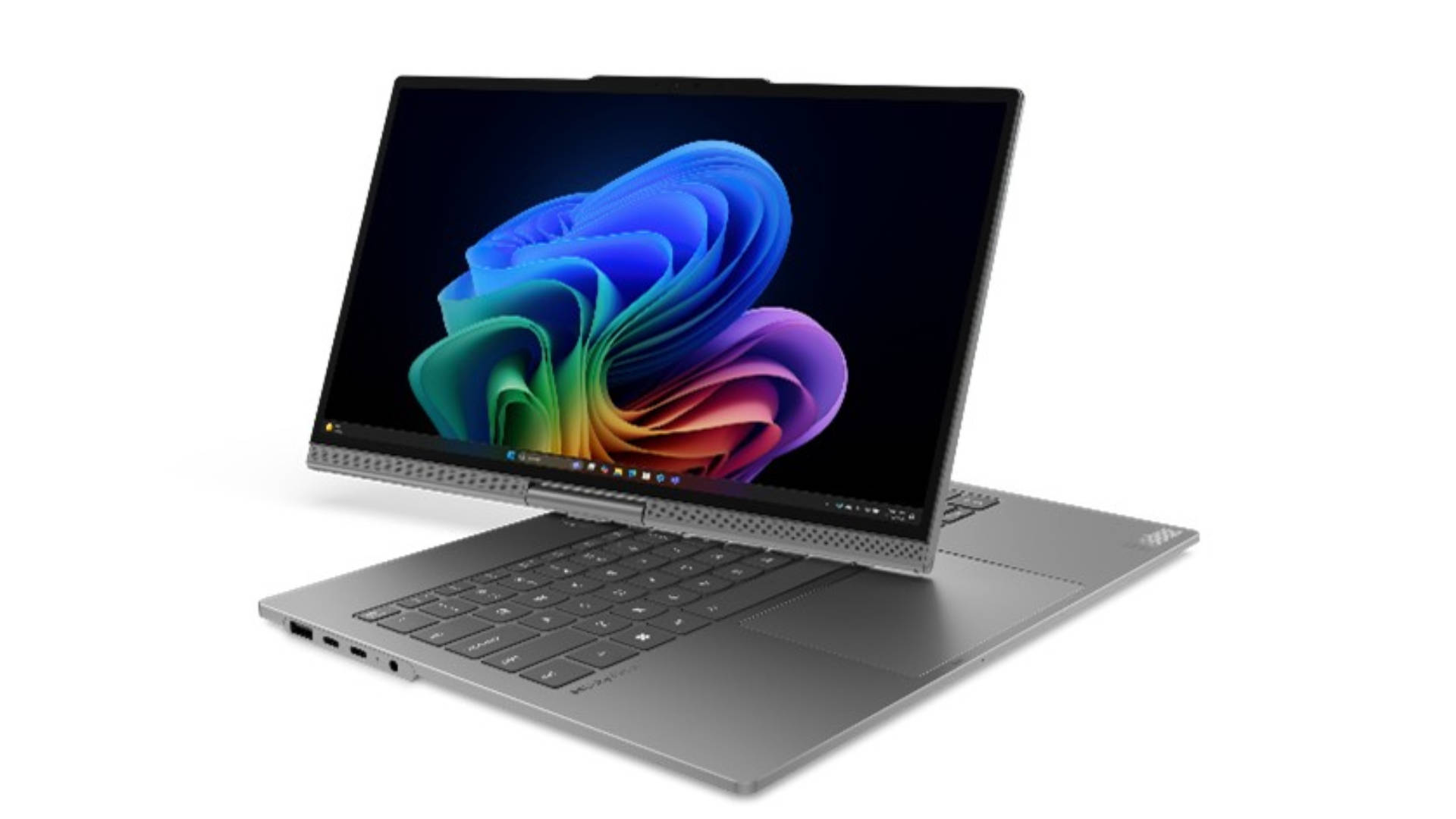
The unique feature is a motorised hinge that rotates the screen automatically. It tracks your movement during video calls to keep the display facing you. It can also switch between laptop and tablet modes via voice command. You can literally say “Hey Tiko, switch to tablet” and watch the screen rotate itself. It’s a feature that sounds gimmicky until you see it in action, where it suddenly makes perfect sense for hybrid workers.
Lenovo Legion Pro Rollable
Lenovo is pushing a concept closer to reality with the Legion Pro Rollable. This gaming laptop addresses one of the biggest compromises mobile gamers face: screen size versus portability.
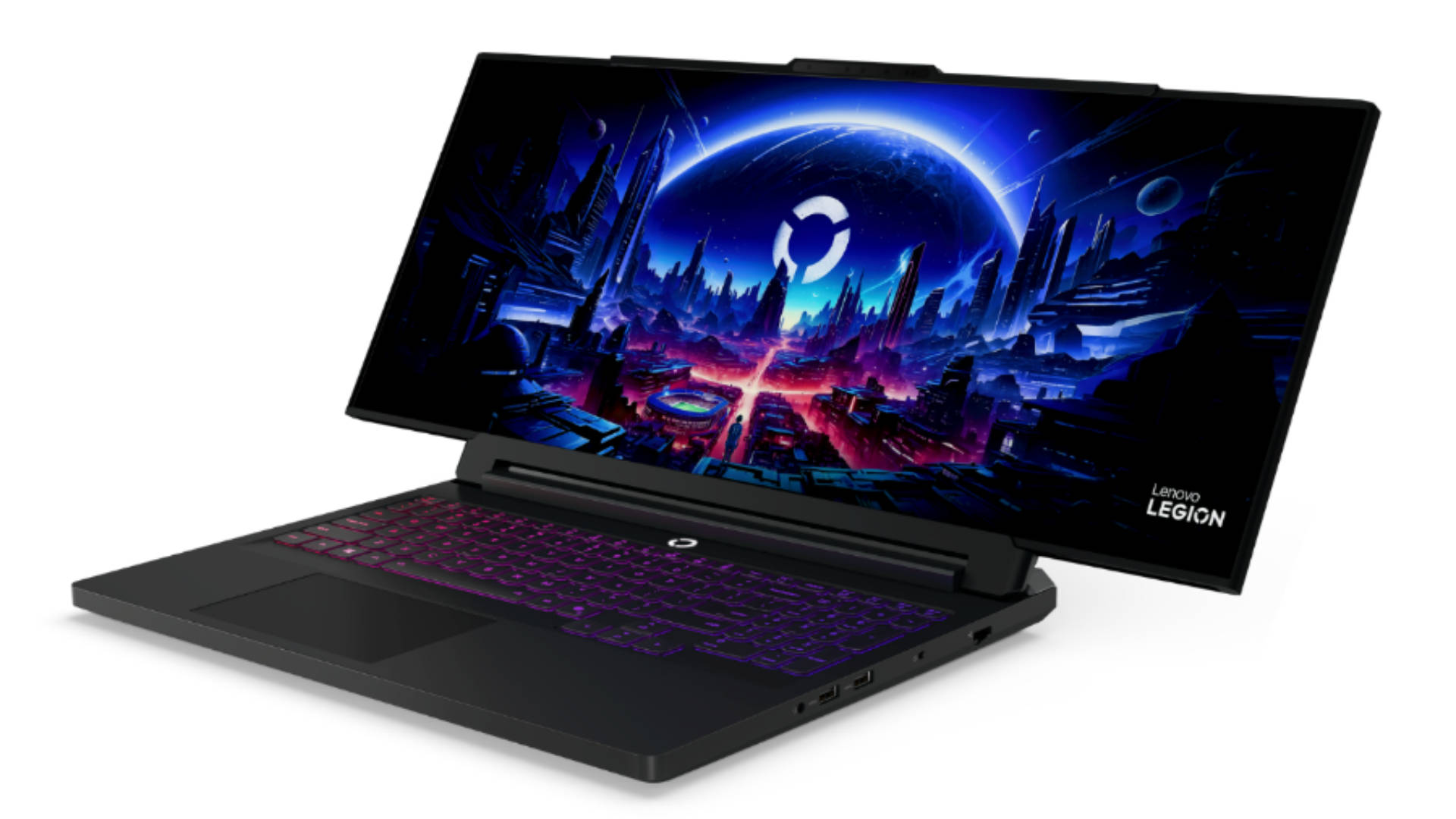
The machine starts as a standard 16-inch gaming laptop. When you need more screen real estate, it physically unrolls horizontally. It becomes a massive 24-inch ultra-wide monitor with a 32:9 aspect ratio. This solves the issue of needing an external monitor for truly immersive gaming while travelling. Though it remains to be seen how durable the rollable mechanism proves in real-world use.
Lenovo ThinkPad Rollable XD
The ThinkPad Rollable XD takes the rollable concept in a different direction, focusing on vertical expansion rather than horizontal. This business-focused machine is designed for professionals who need more screen space for coding, spreadsheets, or long documents.
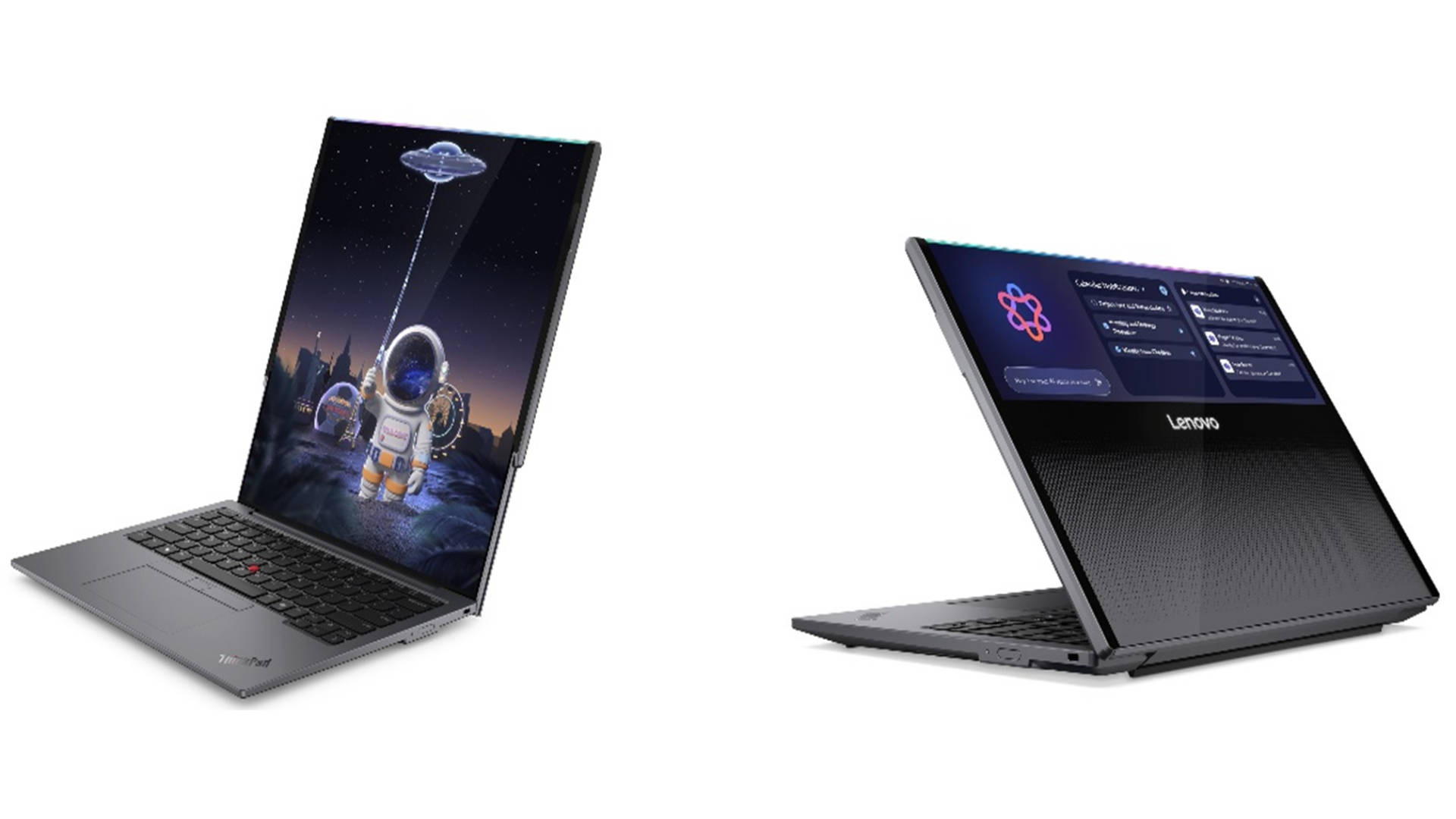
The screen extends upwards to give you additional vertical real estate when needed. When retracted, the screen wraps over the back of the lid. As a result, creating a rear-facing notification display that people sitting across from you can see. This makes it useful for collaborative work or presentations where others need to view your screen from the opposite side.
MSI
MSI Stealth 16 AI+
The Stealth 16 AI+ is a gaming laptop that doesn’t look like one. MSI designed this machine to blend into professional environments while packing serious gaming hardware underneath.
The achievement here is fitting an RTX 50-Series GPU into a chassis just 16.6mm thin. MSI uses a magnesium-aluminium alloy to keep the weight under 2kg. It makes it a legitimate competitor to the MacBook Pro 16 for creators who need Windows and gaming performance. This is the kind of laptop you can take to client meetings without looking like you’re carrying a gaming rig.
MSI Prestige Flip 2 in 1
The centrepiece of MSI’s business-focused launch is the all-new Prestige Flip 2-in-1. The laptop is built around Intel Core Ultra Series 3 processors paired with Intel Arc integrated graphics. The Prestige Flip models add touch-enabled displays and stylus support, bundled with MSI’s Nano Pen.
The pen supports fast charging and includes a dedicated Copilot activation function, reflecting MSI’s focus on AI-assisted workflows. Other additions include a larger “Action Touchpad” with customizable gesture zones, OLED display options with high refresh rates, and enterprise-grade security features such as TPM 2.0, biometric login and presence-based auto-lock.
MSI Crosshair 16 Max HX
MSI is bringing flagship-level performance to a more accessible price point with the Crosshair 16 Max HX. This machine targets gamers who want serious power without paying ultra-premium prices.
The laptop features advanced cooling and RTX 50-Series graphics at a mid-range price. It also introduces a new “Spaceship” aesthetic. It features a futuristic 24-zone RGB keyboard and transparent keycaps on the WASD keys. This combination of strong performance and eye-catching design makes it appealing to gamers who want their setup to look as good as it performs.
HP
HP OmniBook Ultra 14
HP’s top consumer AI PC focuses on efficiency and portability. The OmniBook Ultra 14 is built for users who need all-day battery life without carrying a bulky machine.
The laptop is rated for 26 hours of battery life, which would make it one of the longest-lasting ultrabooks available. It also features a clever “Jaw-Drop” hinge that reveals hidden USB-A and HDMI ports that would normally be too thick for its 10mm chassis. This solves the eternal problem of ultrabooks lacking connectivity by hiding full-size ports in a mechanically elegant way.
HP Omen Max 16
The Omen Max 16 represents a complete rebrand of HP’s gaming lineup. This machine is the new face of HP’s gaming division, with a focus on premium cooling and performance.
It features the “Tempest Cooling Pro” system, which uses a full-width rear heatsink similar to what you’d find in exotic supercars. This is also the first HP laptop to completely ditch the “HP” logo in favour of purely “HyperX” branding. It signals a shift in how the company positions its gaming products.
HP EliteBoard G1a
HP introduced one of the most unusual form factors at CES 2026. The EliteBoard G1a is a radical reimagining of what a portable computer can be. Targeting hybrid workers who move between different workspaces.
The device is essentially a keyboard with a computer inside. You walk up to any monitor in an office or hotel, plug in one USB-C cable, and instantly have your full desktop environment. This “cyberdeck” concept eliminates the need to carry a screen with you. As a result, making it perfect for workers who always have access to displays but want their own computing power and data.
LG
LG Gram Pro 17 (2026)
LG continues to dominate the lightweight laptop category. The Gram Pro 17 (2026) remains the lightest 17-inch laptop available worldwide. Pushing the boundaries of how little a large laptop can weigh.
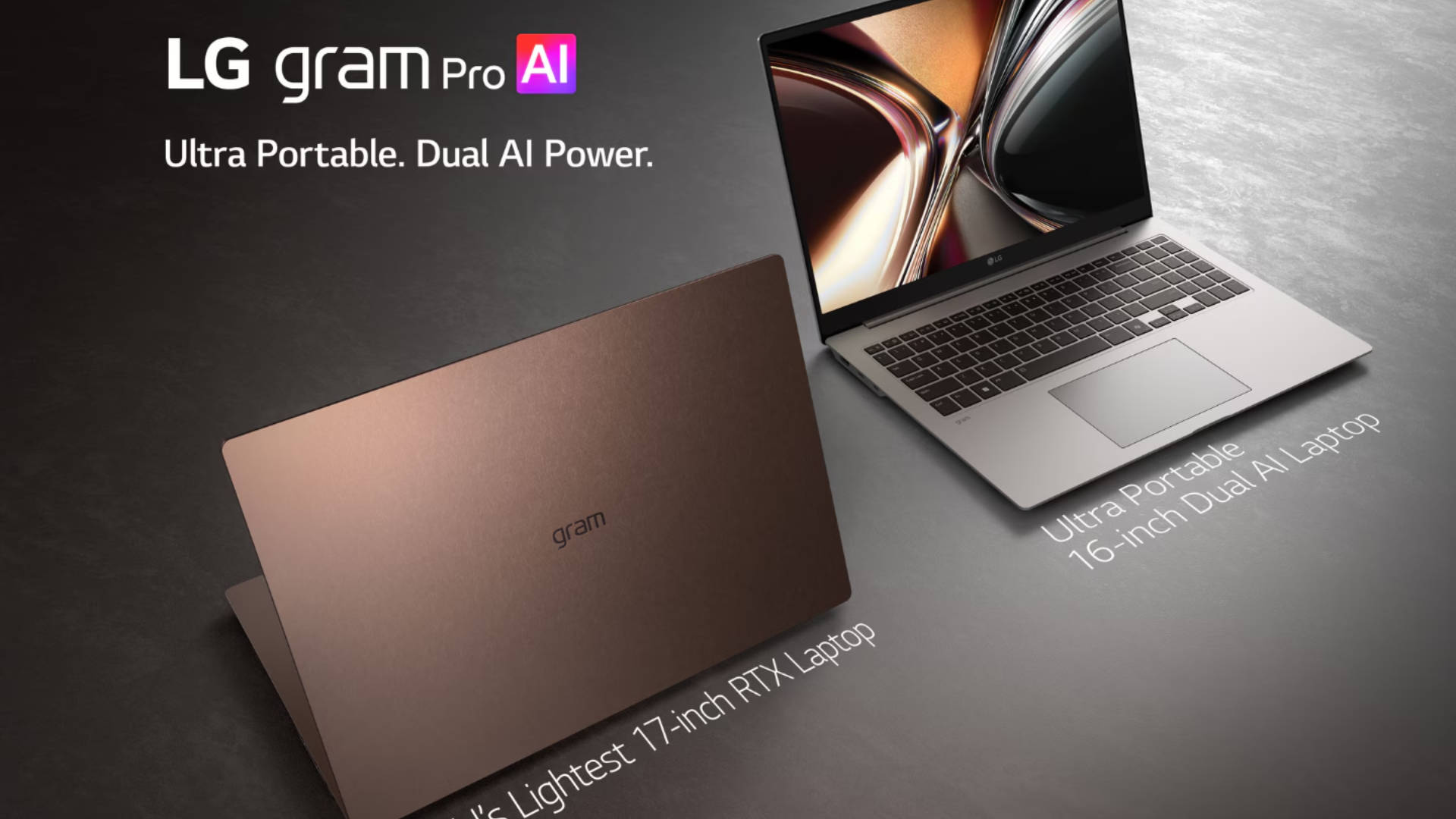
The secret is a new material called “Aerominum,” an aerospace-grade aluminium that’s stronger than magnesium but lighter. This allows the massive 17-inch laptop to weigh less than many 14-inch competitors. The result is a compelling option for users who want maximum screen space without the typical weight penalty.
LG Gram Pro 16 OLED
LG combines its lightweight Aerominum chassis with cutting-edge display technology in the Gram Pro 16 OLED. This machine delivers a masterclass in screen technology that goes beyond just offering an OLED panel.
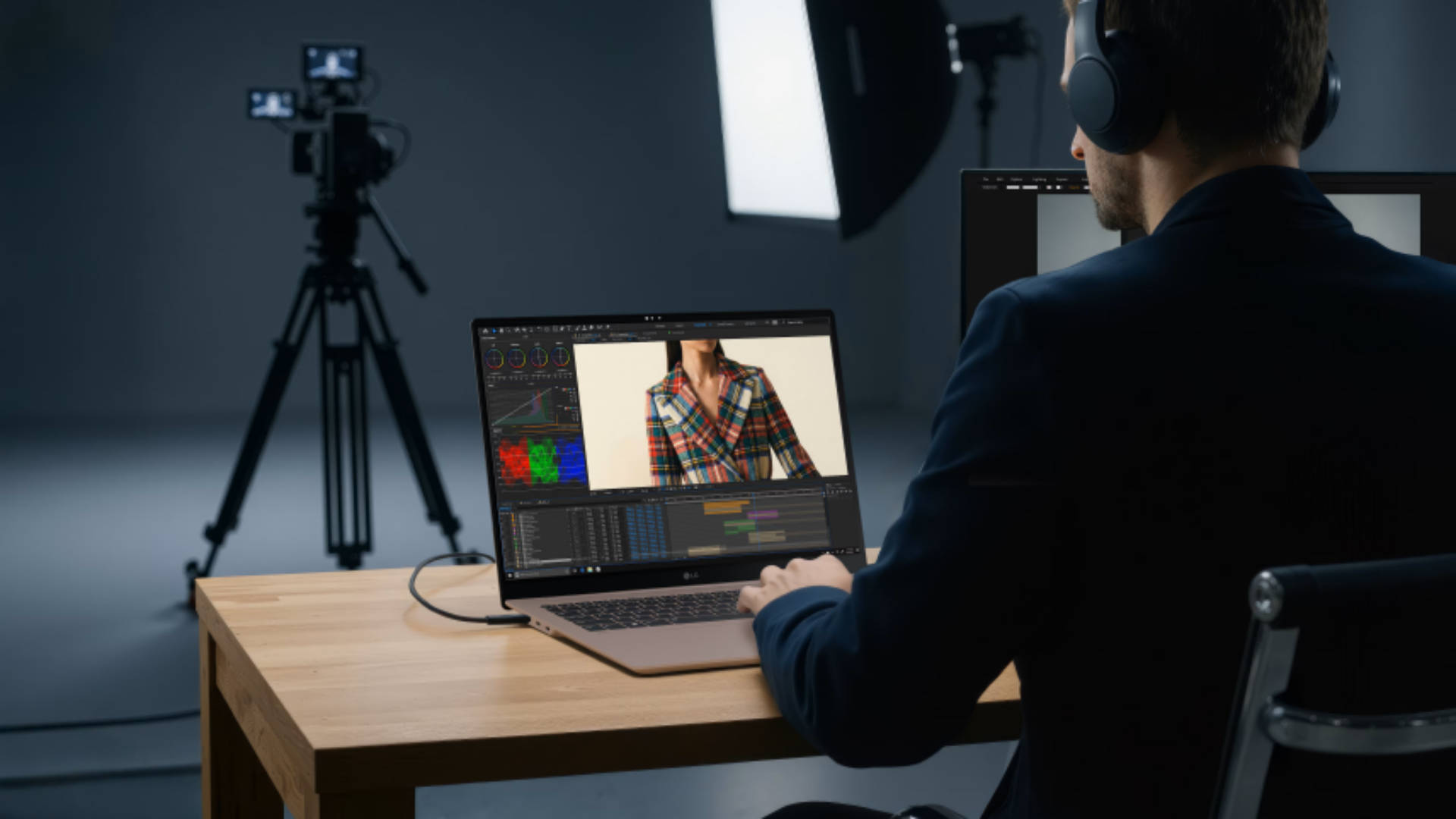
The display features Variable Refresh Rate (VRR) technology, which intelligently adjusts according to your activity. It can drop to 1Hz when you’re reading text to save massive amounts of battery, then shoot up to 120Hz for smooth scrolling when needed. This creates an experience that balances visual fluidity with exceptional power efficiency.