Vivo X300 vs OnePlus 15: which flagship should you go for?


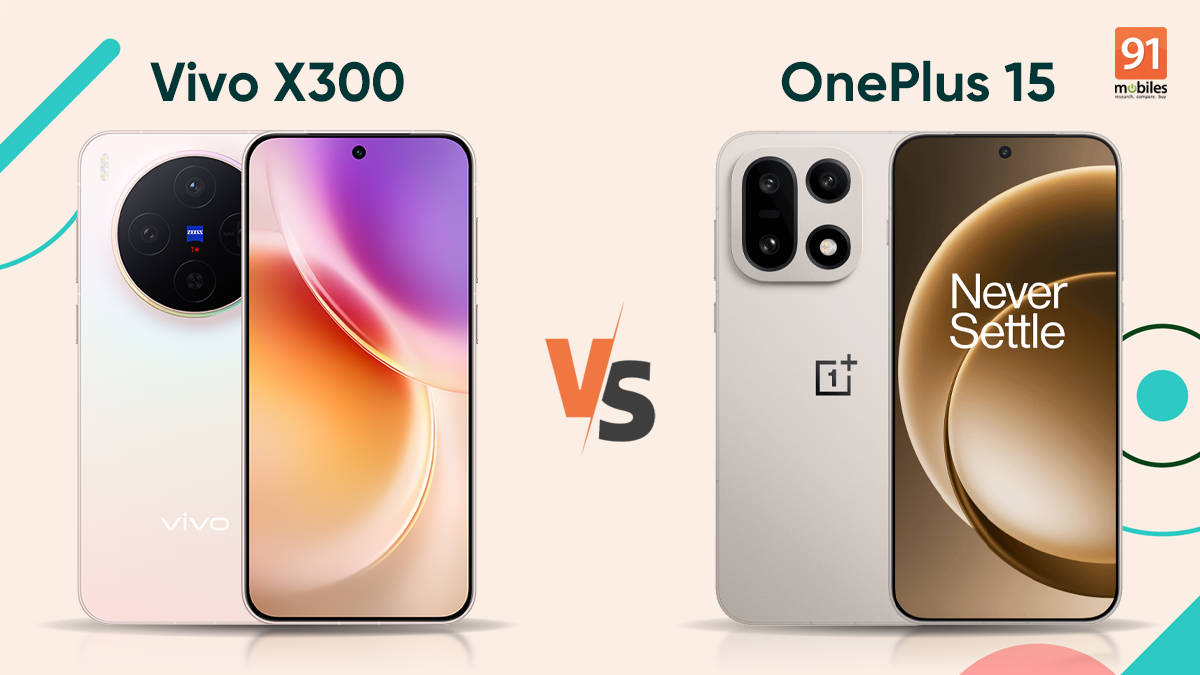
The Vivo X300 is the latest phone to pave the way for Android flagships as we move into 2026. It’s a compact powerhouse starting at Rs 75,999, and offering specifications such as the MediaTek Dimensity 9500 chip, a Zeiss triple-camera setup, a 6,040mAh battery, and the latest OriginOS 6 out of the box. With a handful of new flagships now available in India, we compare the Vivo X300 with another popular contender, the OnePlus 15. One focuses on a compact flagship all-around experience, while the other prioritises performance.
Show Full Article
Both the Vivo X300 and the OnePlus 15 have been launched at a more expensive price than their predecessors. The Vivo X300 is priced at Rs 75,999, while the OnePlus 15 is slightly more affordable at Rs 72,999. The X300 comes in three variants, going up to Rs 85,999. The OnePlus 15, on the other hand, is available in two variants, with the top-end model priced at Rs 79,999. Based on just the pricing, the OnePlus 15 is the more affordable of the two, but can the Vivo X300 still justify its price? Let’s find out.
Table of Contents
Compact design or minimalist look?
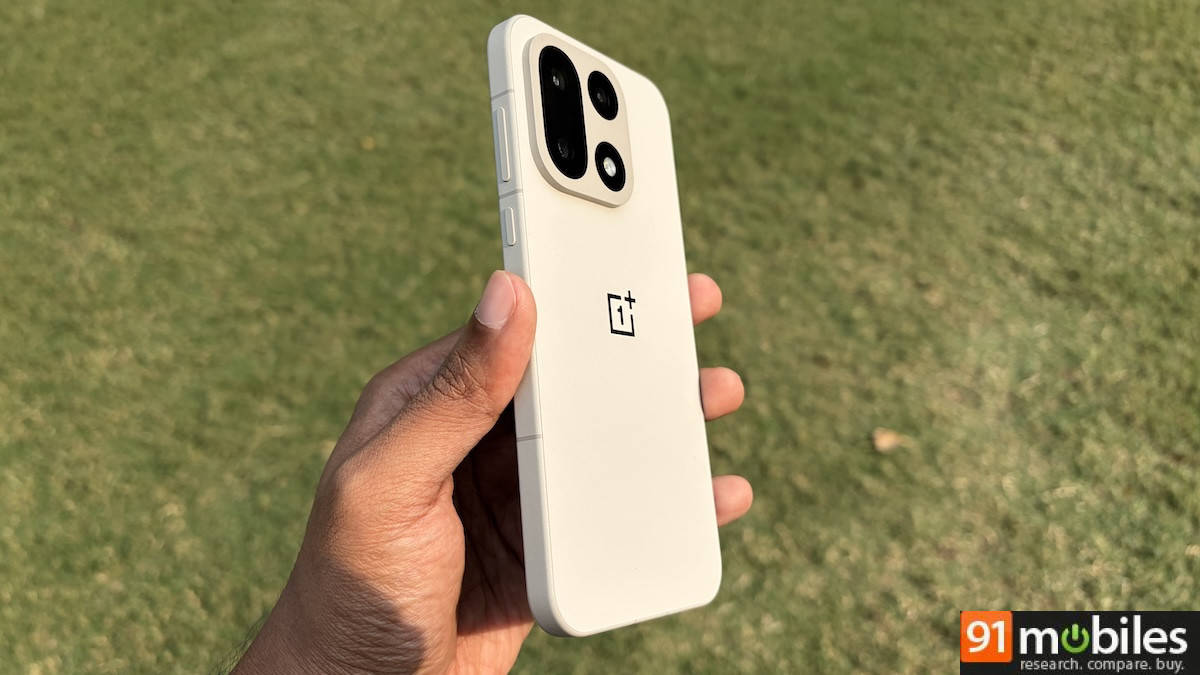
Vivo X300 launched as the brand’s compact flagship phone, succeeding not only the X200 but even the X200 Pro Mini. You still have the signature circular camera module at the back, but the overall form factor is handy and comfortable. The smartphone comes in three colour options: Elite Black, Mist Blue, and Summit Red. OnePlus 15, on the other hand, is bigger but offers a more minimalist look. This is more prominent since the OnePlus 15 shifts away from the bold circular camera look that the previous OnePlus flagships have offered. It’s now a very subtle look on the OnePlus 15, which doesn’t look bad, but might not appeal to everyone.


OnePlus 15 is more durable, though, with four IP ratings — IP66, IP68, IP69, and IP69K. With the X300, you get IP68 and IP69 ratings. This is good enough, too, but the OnePlus 15 is better prepared against dust and water. OnePlus 15’s colour options are also versatile with Sand Storm, Infinite Black, and Ultra Violet.
With a compact form factor, the Vivo X300 offers a smaller 6.32-inch display, as compared to the OnePlus 15’s 6.78-inch screen. In terms of hardware, you get a brighter display with the X300 and a higher refresh rate with the 15. The differences might not be too obvious, so the ultimate choice lies in whether you’re fine with a small screen or you’d prefer a bigger one to watch shows and movies.

Dimensity 9500 or Snapdragon 8 Elite Gen 5?
We’re yet to review the Vivo X300, but we have its benchmark scores conducted by our in-house team, which give an idea of what to expect. The Vivo X300, powered by the MediaTek Dimensity 9500, scored 30,04,951 on the AnTuTu benchmark, which is fairly good for this segment. Its Geekbench single-core and multi-core scores are also close to the OnePlus 15’s, suggesting that the Vivo X300 might deliver a similar real-world performance for regular tasks like web browsing and intensive tasks like editing.
AnTuTu score


OnePlus 15
Qualcomm Snapdragon 8 Elite Gen 5
3,615,565

vivo X300
MediaTek Dimensity 9500
3,004,951
AnTuTu assesses a smartphone's CPU, GPU, memory, and overall user experience (higher is better)
The overall AnTuTu score still trails the OnePlus 15, which posted an impressive 36,15,565, among the highest in the flagship segment. The OnePlus 15 has already proven its gaming credentials with dedicated tech aimed at delivering a console-like experience. That said, this gap should not take away from the Vivo X300, which is still expected to offer the kind of top-tier performance you would expect from a true flagship.
Zeiss cameras vs in-house tuning
The Vivo X300 comes with a Zeiss camera system featuring a 200MP Samsung HPB main sensor, a 50MP telephoto lens with up to 3x optical zoom and 100x digital zoom, and a 50MP ultra-wide camera. For selfies, you get a 50MP front camera on the Vivo X300. OnePlus 15 opts for an in-house DetailMax Engine this time, instead of Hasselblad for its cameras. The setup is a 50MP primary camera with OIS, a 50MP telephoto camera with 3.5x optical zoom and OIS, and a 50MP ultra-wide lens. We found the OnePlus 15’s cameras good for social media-ready photos, especially in daylight and portrait shots. We wouldn’t call it one of the best camera phones, though.
We haven’t tested the Vivo X300’s cameras yet, but they’re expected to deliver an impressive performance, and one that we can already vouch for.
Battery life: OnePlus 15 takes the lead
Judging by their specifications alone, we can say that the OnePlus 15 offers a more reliable battery life than the Vivo X300. It packs a 7,300mAh battery with 120W fast charging support. Based on our usage, the OnePlus 15 lasted one and a half days, which is not just excellent in general but possibly the best you’ll get on a flagship.
The Vivo X300 offers a smaller 6,040mAh battery with 90W fast charging support. With this battery capacity, you should be able to get an entire day’s usage. This setup is still better than most flagships, but if you want to go the extra mile, then the OnePlus 15 would be the better pick.
Software: UI and updates compared
Software is a highlight for the Vivo X300, since it replaces Funtouch OS with OriginOS 6. The new UI has a cleaner look, better animations, and smoother transitions as well. You also get more customisation features, new AI tools for editing photos, productivity, and more. Vivo X300 also gets long-term software support with five years of OS updates and seven years of security patches.
OnePlus 15 ships with OxygenOS 16 out of the box. The latest software version brings several new features and customisation options. The Gallery app and App drawer have been revamped, and you also get the most refined AI features with OxygenOS 16. OnePlus 15 will get 4 OS upgrades and 6 years of security patches, a year less than the X300.
Both phones provide a highly interactive custom UI with features that will actually help you in your daily usage. Vivo does get an edge with a longer software support, but if that’s not an issue, then you can go for either phone depending on your preference.
Since we haven’t reviewed the Vivo X300 yet, we can’t give a clear-cut opinion between the two, but we still have a fairly good idea of both phones’ weaknesses and strengths. The Vivo X300 can be considered for its compact and handy design, Zeiss cameras, and bright display. OnePlus 15 is the better option if performance and battery life are your priorities.