Who is the iPhone Air really for?


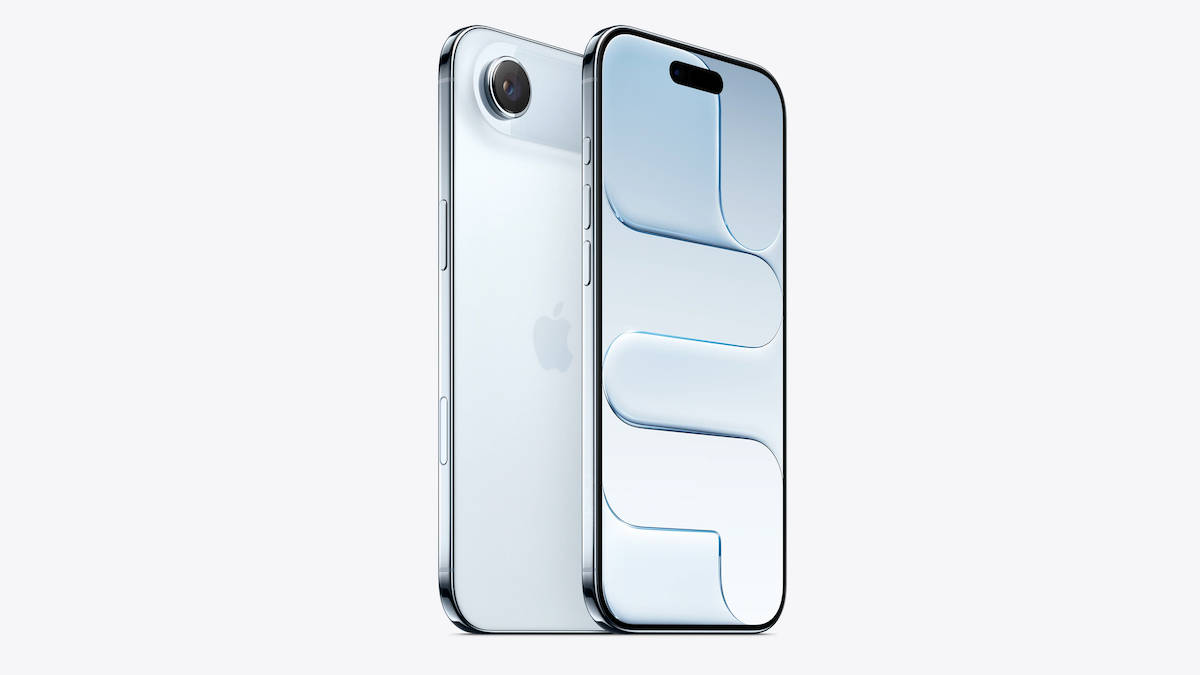
Apple has a knack for creating new categories out of thin air (pun intended). The iPhone Air, its thinnest and lightest iPhone yet, feels like one of those bold swings. It isn’t a straightforward replacement for the Plus, nor does it directly compete with the Pro line. Instead, it carves out a curious new middle ground, much like the Galaxy S25 Edge has for Samsung’s S series. But the question is – who is the iPhone Air really for?
The appeal of thin and light
At 5.5mm and 145 grams, the iPhone Air is absurdly slim and featherweight compared to most modern smartphones. For anyone who has longed for the days of pocketable phones that didn’t feel like slabs of glass and metal, the Air scratches that itch. Add to that a 6.6-inch display – larger than the iPhone 17 – and you have a phone that gives you both portability and screen real estate. That’s not a combination we see often. Samsung did something similar recently with the Galaxy S25 Edge, while some other OEMs have opted for smaller rather than slimmer designs, such as OnePlus with the 13s and Vivo with the X200 FE.


Where Apple holds back
Of course, this design comes with its compromises. The single 48MP rear camera feels like a major step down for a device that costs more than the standard iPhone 17. Yes, you get the upgraded 18MP front camera, and yes, the A19 chip is a huge plus, but for anyone who values versatility in photography, the Air may feel incomplete. Battery life is another open question. Apple hasn’t revealed specifics yet, except for claiming all-day battery life, and then talking about a new MagSafe battery pack for the iPhone Air in the very next breath. Going thinner usually comes at the expense of endurance, but I will reserve my opinion on the battery life until after some real-world tests.

The price complicates things
And then there’s the price. The iPhone Air starts at Rs 1,19,900, which places it above the iPhone 17 (Rs 82,900) and puts it dangerously close to the iPhone 17 Pro (Rs 1,34,900). At the top end, the 1TB variant of the Air costs Rs 1,59,900, only Rs 15,000 less than the Pro Max with the same storage. For a phone that carries just a single rear camera, this pricing is steep, to say the least. Buyers looking at the Air will inevitably wonder if they’re better off spending a little more for a Pro model, which offers a more complete package with multiple cameras and bigger batteries.
Positioning in Apple’s lineup
Apple’s messaging with the Air seems clear: it’s meant for people who want the Pro-level performance of the A19 without carrying the bulk of a Pro. Think of it as the MacBook Air of iPhones – thin, light, powerful, but not fully loaded. In other words, it’s less about being the all-rounder and more about being the lifestyle iPhone.
Think of it as the MacBook Air of iPhones – thin, light, powerful, but not fully loaded. The buyers Apple is courting
So who is the iPhone Air for? Likely three kinds of people:
- The portability-first crowd – users tired of bulky phones, who want something sleek but not “mini” small.
- The casual user with premium tastes – those who don’t need multiple cameras or all-day battery but want the bragging rights of Apple’s latest design and chip.
- The status-conscious buyer – people who want a phone that looks distinctly different from last year’s model, even if it means giving up certain features.
My take
The iPhone Air is an interesting experiment. It won’t be the best iPhone for photographers. It won’t be the best iPhone for power users. And with its pricing, it’s certainly not the most value-driven option in the lineup either. But it could be the best iPhone for those who simply want a beautiful, feather-light device that still packs enough performance for everyday use. Whether this middle ground finds an audience remains to be seen. But if Apple has taught us anything, it’s that there’s always a market for thinness (think MacBook Air), even if it comes at a premium.