Xiaomi 17, 17 Ultra may launch globally on February 28th, prices tipped again


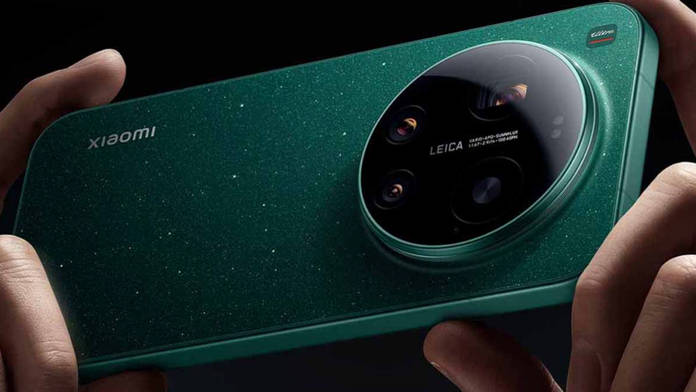
Xiaomi could be bringing its latest flagship phones to global markets sooner than expected. A fresh leak suggests the Xiaomi 17 and Xiaomi 17 Ultra may launch internationally on February 28th, just days before Mobile World Congress (MWC) 2026 begins in Barcelona. The timing would give Xiaomi an early presence during one of the busiest weeks for the mobile industry.
The Xiaomi 17 series first launched in China in September 2025, with the Ultra model following in December. Xiaomi later confirmed plans to release the Ultra in select global markets in early 2026 but did not provide a date. A report from Dealabs now points to a late-February rollout for both devices.
Show Full Article
Leaked pricing places the Xiaomi 17 in the premium category. The base model with 12GB RAM and 256GB storage is tipped to cost EUR 999 (around Rs 1.07 lakh), while the 12GB + 512GB version could be priced at EUR 1,099 (about Rs 1.18 lakh). The Xiaomi 17 Ultra is expected to sit in the ultra-premium segment, with prices of EUR 1,499 (roughly Rs 1.61 lakh) for the 16GB + 512GB variant and EUR 1,699 (around Rs 1.83 lakh) for the 16GB + 1TB model. An earlier listing spotted by us pointed at the same pricing but this is the first time we’re seeing higher variants. Like we reported, the Xiaomi 17 is said to be offered in Black, Green, Blue, and Pink, while the Ultra could arrive in Black, White, and Green. Xiaomi has not confirmed these options.
Both phones are expected to run HyperOS 3 based on Android 16 and use Qualcomm’s Snapdragon 8 Elite Gen 5 chip built on a 3nm process. The Xiaomi 17 is tipped to include a 6,330mAh battery. In China, it features a 6.3-inch 1.5K OLED display with a 120Hz refresh rate, Leica-branded triple rear cameras, and support for 100W wired and 50W wireless charging. Global versions typically keep the same core hardware.
If the pricing holds, the Xiaomi 17 Ultra will compete with flagship devices such as Samsung’s Galaxy S26 Ultra and Apple’s iPhone 17 Pros. The standard Xiaomi 17 enters a crowded segment alongside the upcoming Galaxy S26, OPPO Find X9, Vivo X300 series and OnePlus 15, where camera performance, software support, and ecosystem features often play as big a role as raw specifications.
For buyers, it may be worth waiting for official regional pricing. Xiaomi often adjusts prices in markets like India, which can make its flagships more competitive than European figures suggest. Those who prioritise fast charging and Leica cameras may find Xiaomi’s approach appealing, while buyers focussed on long-term software support and resale value may still lean toward Samsung or Apple.
If the February 28th launch date proves accurate, Xiaomi will enter MWC week with fresh flagships and a renewed push at the premium end of the smartphone market.