
Big TVs have always been aspirational in India. For years, a 65-inch television was considered massive, the kind of screen people admired in showrooms but rarely brought home. Xiaomi itself treated 75-inch TVs as a niche category when it previously launched one back in 2021.
Fast forward to 2026, and the brand is back with a new 75-inch QLED TV. But this isn’t just another big-screen launch. According to Xiaomi India’s Gautam Batra (Associate Director, Product Marketing) and Sandeep Sarma (Associate Director, Marketing & PR), this launch signals a significant shift in how Indians watch TV, and how the market itself has matured.

After speaking with both executives, one thing became clear: this TV exists because Indian buyers have changed.
Table of Contents
The great Indian screen-size upgrade
It has been years since Xiaomi last ventured into the 75-inch category, a gap that many attributed to a niche market. However, the post-pandemic “new normal” has fundamentally shifted how Indians consume content. Sandeep Sarma explained that during the COVID-19 pandemic, a significant number of consumers began staying indoors and avoiding theatres, which cultivated a long-term habit of seeking high-quality entertainment at home.
“With COVID, what happened was lot of people started staying indoors,” Sandeep noted. “They’ve now sort of gotten used to this as the new normal… more people are wanting a home cinema experience.”
This shift has led to a growing demand for a “home cinema” experience that replicates the scale and immersion of a theatre. The numbers back this up: Xiaomi’s QLED-series business grew sixfold year-on-year, signalling a clear appetite for premium display technology that moves beyond the standard LED experience.
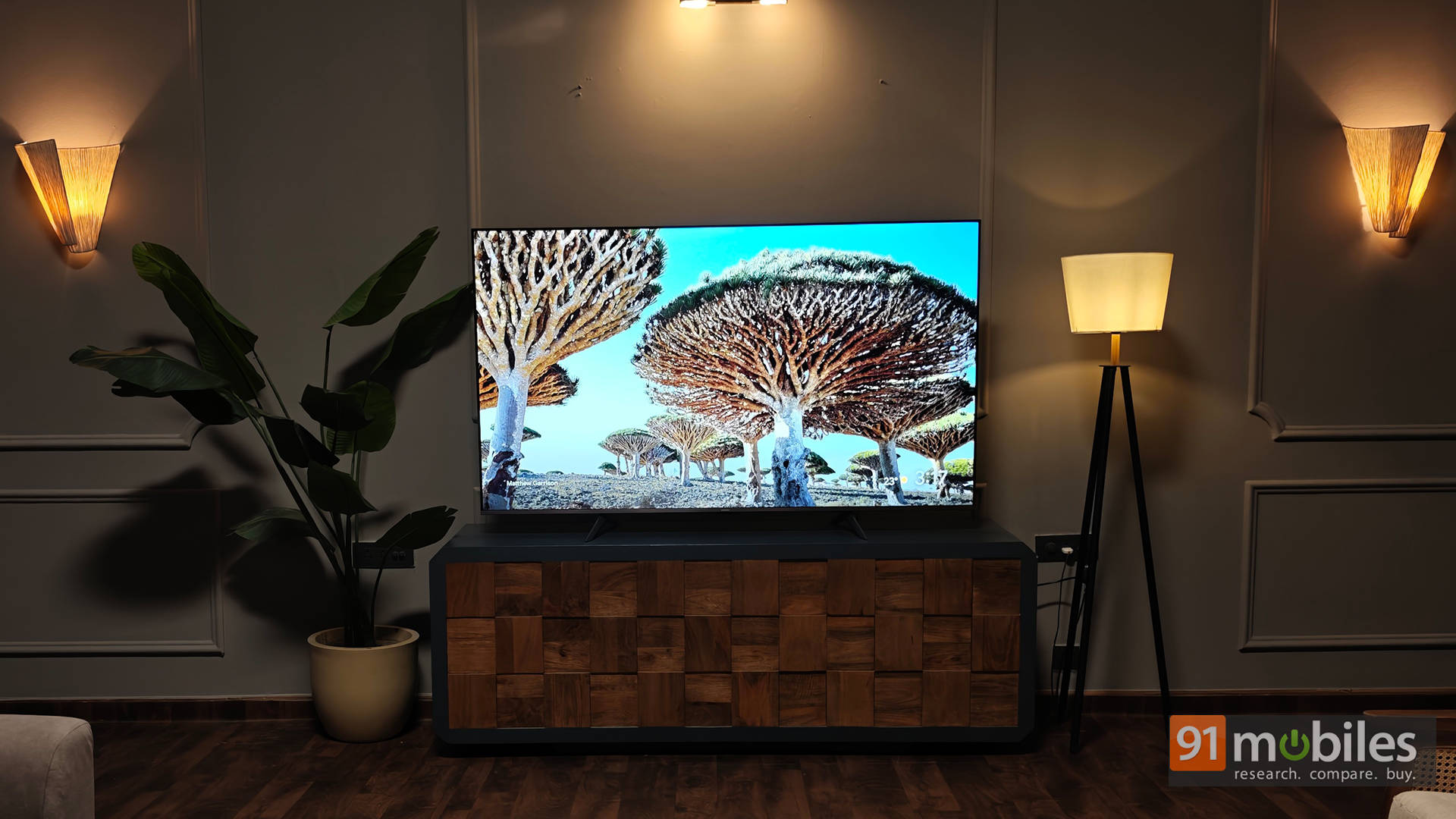
Add to that, Gautam Batra noted that while a 65-inch screen was once considered the pinnacle of aspiration, the goalposts have moved for the modern Indian family. He recalled that when he first purchased a 75-inch unit, many visitors viewed it as “overkill” or a niche product for hardcore gamers.
“Everyone who showed up at my house to see it felt it’s an overkill. Now, it’s kind of becoming where 65 is kind of like a size everyone can easily get, and therefore 75 becomes that next point for them.”
As 55-inch and 65-inch models have become mainstream and easily accessible, the 75-inch category has emerged as the next logical upgrade for those wanting a truly cinematic family viewing experience.
Why projectors aren’t replacing TVs anytime soon
With the rise of affordable projectors, it’s natural to wonder if big TVs are under threat. Xiaomi doesn’t think so. Sandeep pointed out that in the Indian context, a television is an item of pride and a key decorative element in the living room.
“A TV in a household, at least in India, is an item that people like to flaunt. If you have a projector there, people just come and are like, ‘where’s the TV?'”
When guests enter a home, they expect to see a prominent, high-quality screen. Projectors often feel less encompassing and can sometimes feel “hidden” or temporary, which doesn’t provide the same sense of permanence or prestige as a large-scale QLED TV. Beyond aesthetics, there are practical deterrents that favour TVs over projectors for the average consumer. Most projectors require specific room lighting and dedicated setups to match the colour accuracy and brightness of a high-end panel.
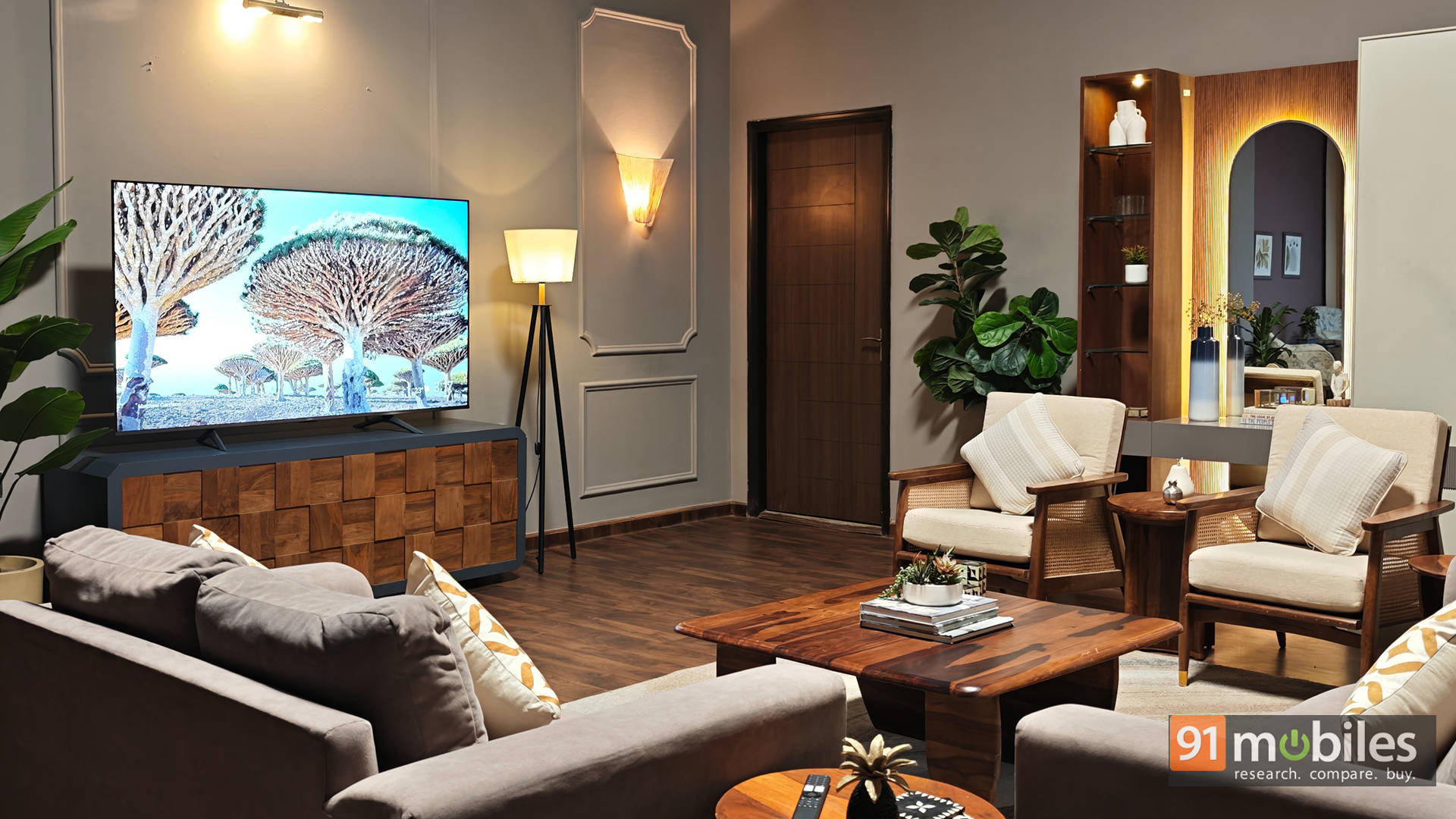
Gautam did note that, especially for Gen Z, projectors are becoming popular for their portability and social “party” vibe. That said, for pure content consumption, where colour depth, HDR performance, and ease of use are paramount, Xiaomi maintains that the large-screen TV remains the undisputed king of the living room.
The TV market shake-up
The smart TV market has seen several brands scale back or exit entirely. Interestingly, Xiaomi views this as proof that long-term product strategy matters more than aggressive pricing.
As budget rivals flood the market with low-cost QLED panels, Xiaomi is doubling down on “blind trust” through rigorous tuning and high-quality components. Gautam Batra emphasised that many brands have attempted to misuse the “Xiaomi playbook” by focusing solely on low pricing while sacrificing the actual viewing experience.
“It was not just about being online and being affordable. It was also about delivering that quality… that blind trust in the brand.”
Sandeep Sarma reinforced this by explaining Xiaomi’s internal philosophy: they build the best possible product first and then determine how to price it competitively, rather than working backwards from a cheap price point and cutting corners.
This philosophy has pushed the brand beyond its online-only roots into an omnichannel strategy. Trust also plays a huge role. Many Xiaomi TV users bought their first smart TV from the brand years ago and continue using it today, creating a natural upgrade path.
Service as the Silent Advantage
A key pillar of Xiaomi’s 2026 strategy is ensuring that the premium experience doesn’t end at the point of sale. Sandeep emphasised that for products purchased for the family and home, reliable service is often the deciding factor for long-term loyalty.
Xiaomi has doubled down on its service infrastructure, creating what is arguably the largest and most reliable television service network in India. Gautam added that the evolution of their software has also played a major role in this success. From the early days of AOSP-based systems, Xiaomi pivoted quickly to integrate Android TV, all while maintaining its proprietary PatchWall interface.
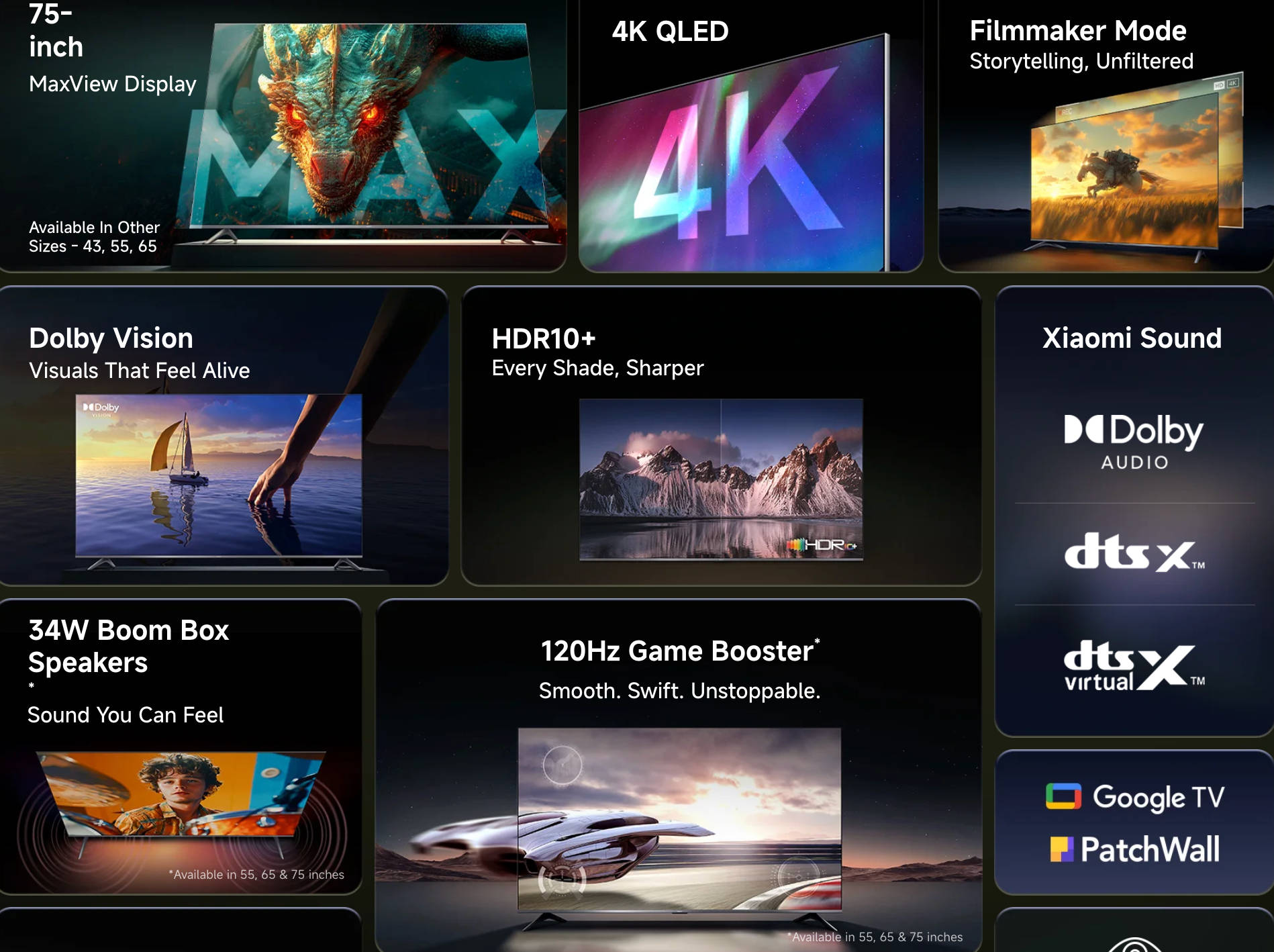
This dual-layered approach gives users the best of both worlds: the massive app library of Google and the curated, content-first discovery of PatchWall. By listening to consumer feedback and consistently updating its platform with features like built-in Chromecast and specialised “CineMagic” tuning, Xiaomi has turned its service and software into a formidable competitive moat.
What’s next: bigger screens and better tech
The 75-inch QLED doesn’t feel like a one-off experiment. In our conversation, Sandeep made it quite clear that there’s a growing appetite not just for larger screens, but for more premium display technologies as well. Xiaomi sees that shift happening in real time: people aren’t just asking for size anymore, they’re asking for better panels and a more cinematic experience.
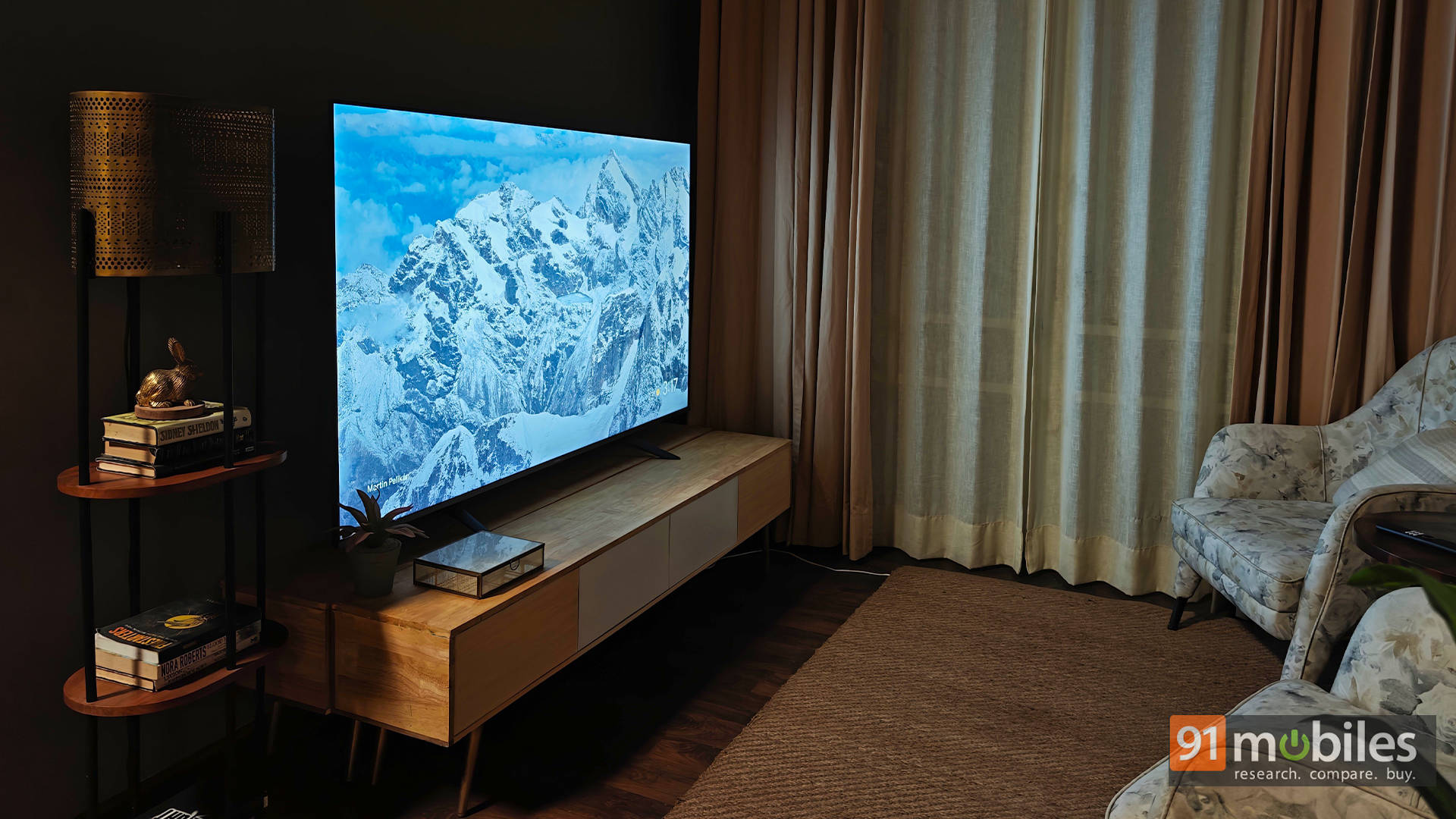
While the company isn’t ready to announce specifics yet, it acknowledged that newer technologies are very much being explored. The tone suggested that when the timing and the market alignment feel right, Xiaomi will step further into premium territory. In other words, the 75-inch launch might just be the beginning of a broader move upward.
There were also subtle hints about expanding into adjacent home entertainment categories. Without naming anything outright, the leadership suggested the brand is looking at going deeper in categories it already operates in, as well as stepping into new ones. That makes this phase less about a single TV launch and more about slowly building a bigger living room ecosystem around it.
The bigger picture
After this conversation, the new 75-inch TV feels less like a product launch and more like a timing story. Screen sizes are growing, premium content is everywhere, and the living room has quietly become the centre of home entertainment again. Xiaomi clearly sees this as the moment when bigger, better TVs stop being aspirational and start becoming the natural next upgrade for Indian households.