
Lava Blaze Duo
+ Compare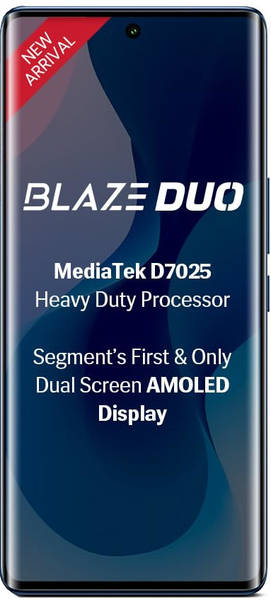
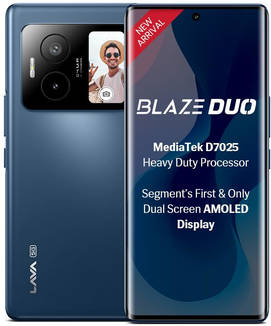
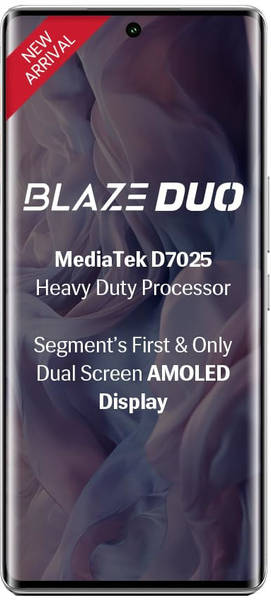
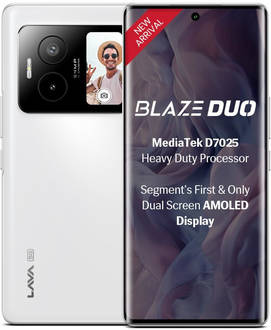
-
Design13

-
Rear Camera14

-
Front Camera4

-
360° View
![360° View]()
-
UI Screenshot17
![UI Screenshot]()
-
Benchmarks3
![Benchmarks]()


Key Specs
Performance
-
MediaTek Dimensity 7025 -
Octa core (2.5 GHz, Dual Core + 2 GHz, Hexa Core) -
6 GB / 8 GB RAM, LPDDR5
Display
-
Main Display - 6.67 inches (16.94 cm); AMOLED (Curved Display)
- 1080x2400 px (FHD)
- 120 Hz Refresh Rate
- Bezel-less with punch-hole display
-
Cover Display - 1.58 inches (4.01 cm); AMOLED
- 228x460 px
Rear Camera
-
Dual Camera Setup - 64 MP (upto 10x Digital Zoom) Wide Angle Primary Camera
- 2 MP Macro Camera
-
LED Flash
Front Camera
-
16 MP Wide Angle Lens -
Screen flash -
Full HD @30 fps Video Recording
Battery
-
5000 mAh, Li-Polymer -
33W Fast Charging; USB Type-C port
General
-
SIM1: Nano, SIM2: Nano -
5G Supported -
128 GB internal storage, Non Expandable -
Dust Resistant, Water Resistant
Lava Blaze Duo Prices in India
 Flipkart
Lava Blaze Duo Compare Camera Samples


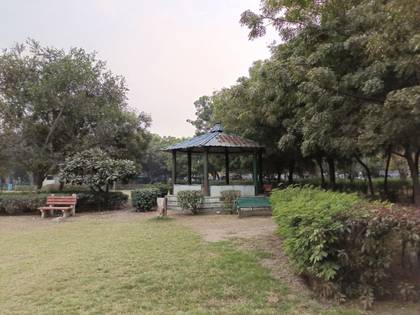
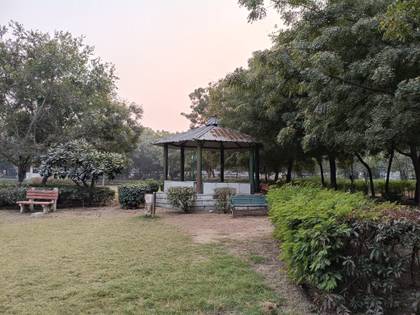




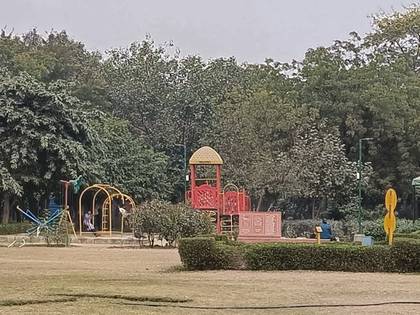
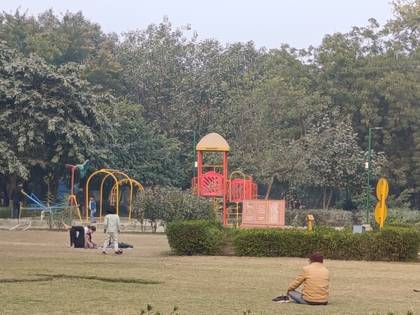
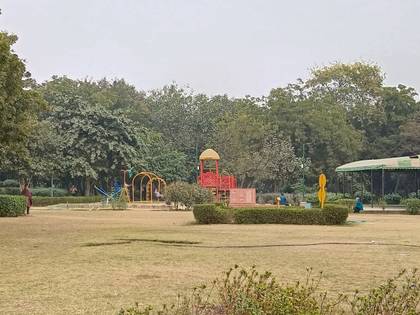
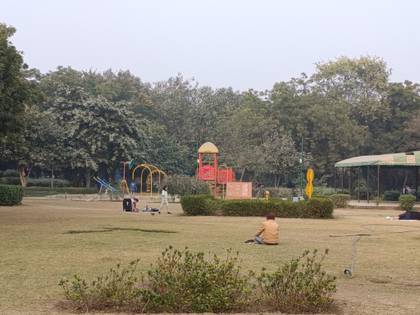
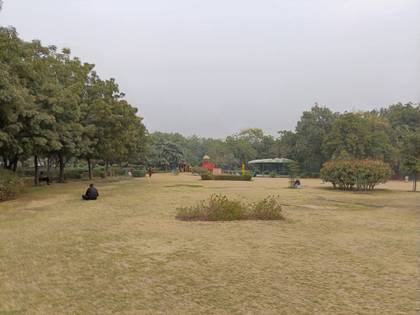
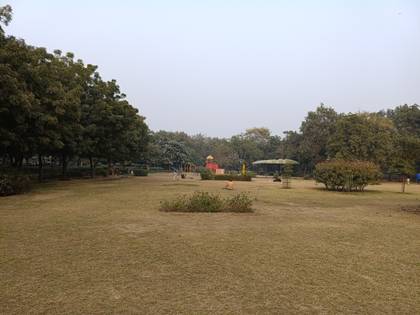
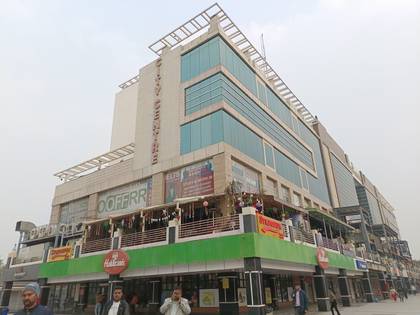
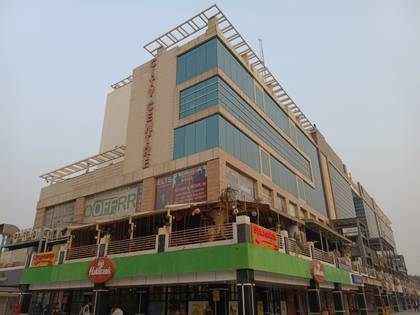


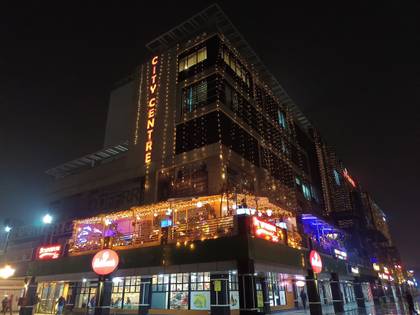

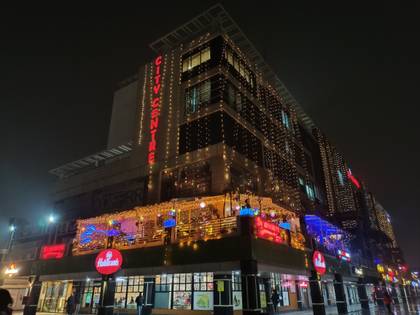











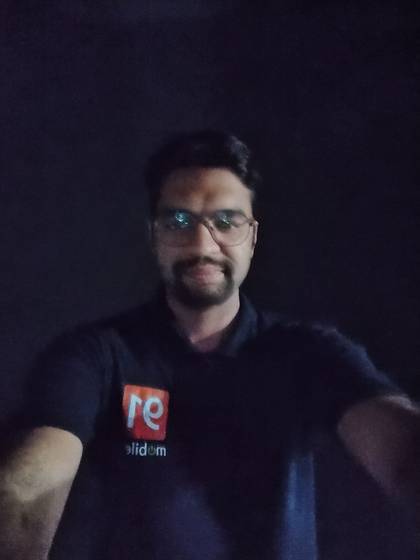



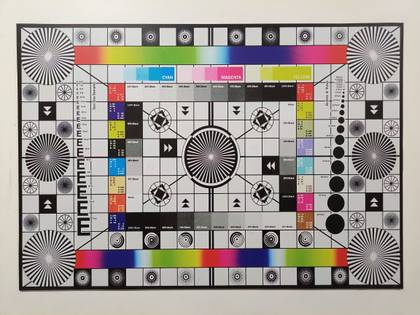
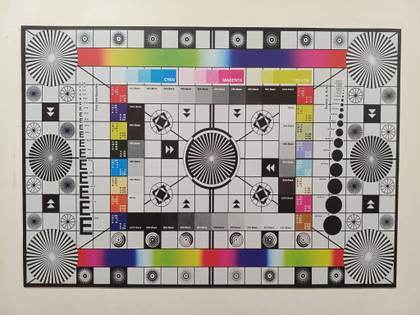



Lava Blaze Duo Expert Review Summary
Expert Rating:
![Ashish Kumar]()
Verdict
The Lava Blaze Duo stands out for its dual display concept, near-stock Android experience, and performance. While it falls short in a few areas like the camera quality and charging speeds, it remains a compelling option for everyday use with a streamlined and efficient interface.
Pros
- Dual displays
- Decent performance
- Clean OS
Cons
- Camera needs improvement
- Slower charging compared to competitors
Design and displays
+
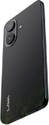
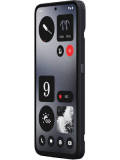
The Lava Blaze Duo has taken its design cues from its senior Agni 3 (review) smartphone. The handset boasts a dual-screen design, with the secondary 1.58-inch display mounted next to the dual cameras inside the large black rectangular module on the back. This secondary display can be used for various functions, such as serving as a viewfinder for taking selfies with the rear cameras, controlling music, and quickly checking the time and notifications from a limited selection of supported apps. It is not as functional as the Agni 3 secondary display, which even comes with an animated virtual puppy for an engaging experience, but gets the job done. A little more control would have been appreciated.SmartphonesThicknessWeightIP ratingLava Blaze Duo8.5mm186 gramsIP64Redmi Note 147.9mm190 gramsIP64HMD Fusion8.3mm202.5 gramsIP54
Read More
Camera
+
The Lava Blaze Duo camera setup is a 64MP shooter with a 2MP macro sensor around the back. The front houses a 16MP snapper for selfies and video calling.The cameras perform adequately in well-lit conditions, with quick focusing and decent tonality. However, the image details leave room for improvement, and the dynamic range could be enhanced for a better overall experience. The skin tones and colours also appear washed out. To gain further insight, here's a camera comparison of the Lava Blaze Duo with Redmi Note 14, which boasts 50MP+8MP+2MP triple rear cameras, and HMD Fusion, which comes with a 108MP primary camera.DaylightThe Lava Blaze Duo daylight image isn't as sharp and colour-accurate as the HMD Fusion and Redmi Note 14. The HMD Fusion excels in capturing those finer details; however, it is the Redmi Note 14 which outputs an appealing image with vibrant colours and good exposure to details even around the shadowy areas.PortraitThe Lava Blaze Duo falls behind both HMD Fusion and Redmi Note 14 in portraits as well. While the edge detection isn't quite perfect on all three phones, the HMD Fusion excels at capturing the finer details, which is a miss on its counterparts. The Redmi Note 14's representation of skin tones is closer to reality.The bokeh effect is on par for all three phones.SelfieA similar story follows for the selfie. The Lava Blaze Duo captures overexposed images with underwhelming details and artificial skin tones. The Redmi Note 14 captures the best selfie, followed by HMD Fusion.Night modeYou will notice that the Lava Blaze Duo takes decent shots in low light with night mode enabled. However, when put next to the HMD Fusion and Redmi Note 14's night mode results, the handset fails to impress. The HMD Fusion's night mode impresses the mode with low noise and good exposure to details. That said, the Redmi smartphone is better at preserving shadows.
Read More
Performance and software
+
The Lava Blaze Duo is powered by the MediaTek Dimensity 7025 chipset, paired with 6GB/ 8GB of RAM and 128GB storage. The storage is not user-expandable.We received the 8GB RAM variant of the device for review, which scored over 5 lakh on AnTuTu, which measures the overall capability of the device. The score is higher than the Redmi Note 14, which features MediaTek Dimensity 7025 Ultra SoC ticking at its core. The Lava Blaze Duo also outperforms both the Redmi Note 14 and HMD Fusion in processing power, securing higher scores in both Geekbench single-core and multi-core benchmarks.The handset's performance under intense load on the Burnout CPU throttle test is slightly better than both Redmi Note 14 and HMD Fusion. While its gameplay experience is on par with its competitors, the Blaze Duo falls short in thermal efficiency.In our lab tests, which involved playing BGMI, Call of Duty, and Real Racing 3 for 30 minutes each, the Lava Blaze Duo's temperature rose by 16 degrees Celsius. In contrast, the Redmi Note 14 exhibited a marginally better thermal performance, with its temperature increasing by approximately 15 degrees Celsius under similar conditions.The Lava Blaze Duo is well-suited for regular everyday use and occasional bursts of demanding tasks. During my experience, multitasking and running graphically intensive games were smooth, with no significant lags or performance hiccups. However, I did notice a slight delay in specific actions, such as the camera shutter button being less responsive when capturing multiple shots in quick succession. However, this is a common limitation found in most affordable devices.SmartphonesPre-installed appsOS updatesLava Blaze Duo312 years major + 4 years securityRedmi Note 14662 years major + 4 years securityHMD Fusion402 years major + 3 years security
Read More
Battery and charging
+
The Lava Blaze Duo features a 5,000mAh battery with 33W fast charging support. The battery capacity is 110mAh smaller than the Redmi Note 14, a difference that seems to have a significant impact on the PCMark results. The Redmi smartphone clocks roughly 9 hours more than the Lava offering on the synthetic benchmark battery test. The Lava Blaze Duo's 10 hours and 13 minutes score is even lower than the HMD Fusion, which packs the same 5,000mAh battery.SmartphonesCharging speedsCharging time (20-100 percent)Lava Blaze Duo33W72 minutesRedmi Note 1445W32 minutesHMD Fusion33W76 minutes
Read More
Read full Review

Verdict
The Lava Blaze Duo stands out for its dual display concept, near-stock Android experience, and performance. While it falls short in a few areas like the camera quality and charging speeds, it remains a compelling option for everyday use with a streamlined and efficient interface.
- Dual displays
- Decent performance
- Clean OS
Pros
- Camera needs improvement
- Slower charging compared to competitors
Cons
Design and displays
+The Lava Blaze Duo has taken its design cues from its senior Agni 3 (review) smartphone. The handset boasts a dual-screen design, with the secondary 1.58-inch display mounted next to the dual cameras inside the large black rectangular module on the back. This secondary display can be used for various functions, such as serving as a viewfinder for taking selfies with the rear cameras, controlling music, and quickly checking the time and notifications from a limited selection of supported apps. It is not as functional as the Agni 3 secondary display, which even comes with an animated virtual puppy for an engaging experience, but gets the job done. A little more control would have been appreciated.SmartphonesThicknessWeightIP ratingLava Blaze Duo8.5mm186 gramsIP64Redmi Note 147.9mm190 gramsIP64HMD Fusion8.3mm202.5 gramsIP54
Read MoreCamera
+The Lava Blaze Duo camera setup is a 64MP shooter with a 2MP macro sensor around the back. The front houses a 16MP snapper for selfies and video calling.The cameras perform adequately in well-lit conditions, with quick focusing and decent tonality. However, the image details leave room for improvement, and the dynamic range could be enhanced for a better overall experience. The skin tones and colours also appear washed out. To gain further insight, here's a camera comparison of the Lava Blaze Duo with Redmi Note 14, which boasts 50MP+8MP+2MP triple rear cameras, and HMD Fusion, which comes with a 108MP primary camera.DaylightThe Lava Blaze Duo daylight image isn't as sharp and colour-accurate as the HMD Fusion and Redmi Note 14. The HMD Fusion excels in capturing those finer details; however, it is the Redmi Note 14 which outputs an appealing image with vibrant colours and good exposure to details even around the shadowy areas.PortraitThe Lava Blaze Duo falls behind both HMD Fusion and Redmi Note 14 in portraits as well. While the edge detection isn't quite perfect on all three phones, the HMD Fusion excels at capturing the finer details, which is a miss on its counterparts. The Redmi Note 14's representation of skin tones is closer to reality.The bokeh effect is on par for all three phones.SelfieA similar story follows for the selfie. The Lava Blaze Duo captures overexposed images with underwhelming details and artificial skin tones. The Redmi Note 14 captures the best selfie, followed by HMD Fusion.Night modeYou will notice that the Lava Blaze Duo takes decent shots in low light with night mode enabled. However, when put next to the HMD Fusion and Redmi Note 14's night mode results, the handset fails to impress. The HMD Fusion's night mode impresses the mode with low noise and good exposure to details. That said, the Redmi smartphone is better at preserving shadows.
Read MorePerformance and software
+The Lava Blaze Duo is powered by the MediaTek Dimensity 7025 chipset, paired with 6GB/ 8GB of RAM and 128GB storage. The storage is not user-expandable.We received the 8GB RAM variant of the device for review, which scored over 5 lakh on AnTuTu, which measures the overall capability of the device. The score is higher than the Redmi Note 14, which features MediaTek Dimensity 7025 Ultra SoC ticking at its core. The Lava Blaze Duo also outperforms both the Redmi Note 14 and HMD Fusion in processing power, securing higher scores in both Geekbench single-core and multi-core benchmarks.The handset's performance under intense load on the Burnout CPU throttle test is slightly better than both Redmi Note 14 and HMD Fusion. While its gameplay experience is on par with its competitors, the Blaze Duo falls short in thermal efficiency.In our lab tests, which involved playing BGMI, Call of Duty, and Real Racing 3 for 30 minutes each, the Lava Blaze Duo's temperature rose by 16 degrees Celsius. In contrast, the Redmi Note 14 exhibited a marginally better thermal performance, with its temperature increasing by approximately 15 degrees Celsius under similar conditions.The Lava Blaze Duo is well-suited for regular everyday use and occasional bursts of demanding tasks. During my experience, multitasking and running graphically intensive games were smooth, with no significant lags or performance hiccups. However, I did notice a slight delay in specific actions, such as the camera shutter button being less responsive when capturing multiple shots in quick succession. However, this is a common limitation found in most affordable devices.SmartphonesPre-installed appsOS updatesLava Blaze Duo312 years major + 4 years securityRedmi Note 14662 years major + 4 years securityHMD Fusion402 years major + 3 years security
Read MoreBattery and charging
+The Lava Blaze Duo features a 5,000mAh battery with 33W fast charging support. The battery capacity is 110mAh smaller than the Redmi Note 14, a difference that seems to have a significant impact on the PCMark results. The Redmi smartphone clocks roughly 9 hours more than the Lava offering on the synthetic benchmark battery test. The Lava Blaze Duo's 10 hours and 13 minutes score is even lower than the HMD Fusion, which packs the same 5,000mAh battery.SmartphonesCharging speedsCharging time (20-100 percent)Lava Blaze Duo33W72 minutesRedmi Note 1445W32 minutesHMD Fusion33W76 minutes
Read MoreCompetitors For Lava Blaze Duo
View Alternatives






Popular Comparisons
 Lava Blaze Duo
 Lava Agni 3 5G
Lava Blaze Duo
Lava Agni 3 5G
Lava Blaze Duo
 POCO M7 Pro
Lava Blaze Duo
POCO M7 Pro
Lava Blaze Duo
 Moto G85
Lava Blaze Duo
Moto G85
Lava Blaze Duo
 Lava Blaze Curve 5G
Lava Blaze Duo
Lava Blaze Curve 5G
Lava Blaze Duo
 Xiaomi Redmi Note 14 5G
Lava Blaze Duo
Xiaomi Redmi Note 14 5G
Lava Blaze Duo
 CMF Phone 1

Lava Blaze Duo Specifications
General |
|
|---|---|
| Launch Date | December 20, 2024 (Official) |
| Operating System | Android v14 |
| OS Updates | 1 Year |
Performance
(Very Good)
|
||||
|---|---|---|---|---|
| Chipset | MediaTek Dimensity 7025 View Details | |||
| Processor | Octa core (2.5 GHz, Dual core, Cortex A78 + 2 GHz, Hexa Core, Cortex A55) | |||
| Architecture | 64 bit | |||
| Fabrication | 6 nm | |||
| Graphics (GPU) | IMG BXM-8-256 | |||
| RAM | 6 GB / 8 GB | |||
| RAM Type | LPDDR5 | |||
|
Gaming Test Results

* after 30 mins of gaming
|
||||
Benchmark Screenshots
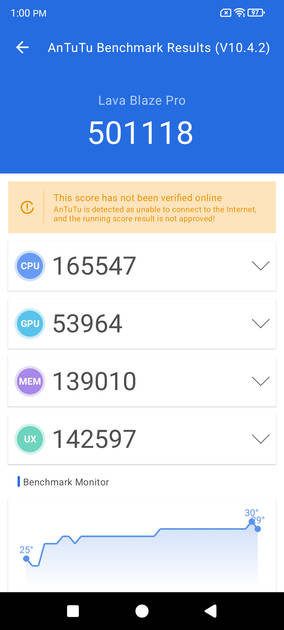
AnTuTu Benchmark
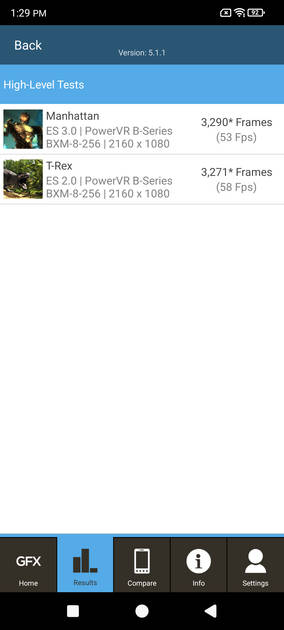
Graphics Benchmark
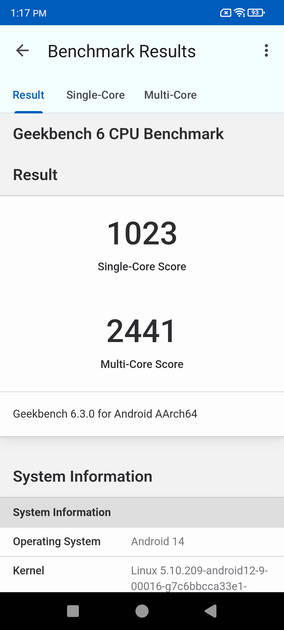
Geekbench6 Benchmark
|

Display
(Best In Class)
|
||||||
|---|---|---|---|---|---|---|
| Main Display | ||||||
| Display Type | AMOLED (Curved Display) | |||||
| Screen Size | 6.67 inches (16.94 cm) | |||||
| Resolution | 1080x2400 px (FHD) | |||||
| Refresh Rate | 120 Hz | |||||
| Aspect Ratio | 20:9 | |||||
| Pixel Density | 395 ppi | |||||
| Screen to Body Ratio (calculated) | 89.56 % | |||||
| Bezel-less Display | Yes with punch-hole display | |||||
|
Cover Display
|
Design |
|
|---|---|
| Height | 162.4 mm |
| Width | 73.85 mm |
| Thickness | 8.45 mm |
| Weight | 186 grams |
| Water Resistance | Yes, Splash proof, IP64 |
| Ruggedness | Dust proof |
|
Click to View

|
Rear Camera
(Good)
|
|||||||||||||||
|---|---|---|---|---|---|---|---|---|---|---|---|---|---|---|---|
| Resolution | |||||||||||||||
|
|||||||||||||||
| Autofocus | Yes | ||||||||||||||
| Flash | Yes, LED Flash | ||||||||||||||
| Image Resolution | 9000 x 6000 Pixels | ||||||||||||||
| Settings | Exposure compensation, ISO control | ||||||||||||||
| Shooting Modes |
Continuous Shooting High Dynamic Range mode (HDR) Macro Mode |
||||||||||||||
| Camera Features |
10 x Digital Zoom Auto Flash Face detection Filters Touch to focus |
||||||||||||||
| Video Recording Features |
Dual Video Recording Video Pro Mode |
||||||||||||||
Rear Camera Samples

Daylight / HDR Auto

Max Zoom Supported 10x

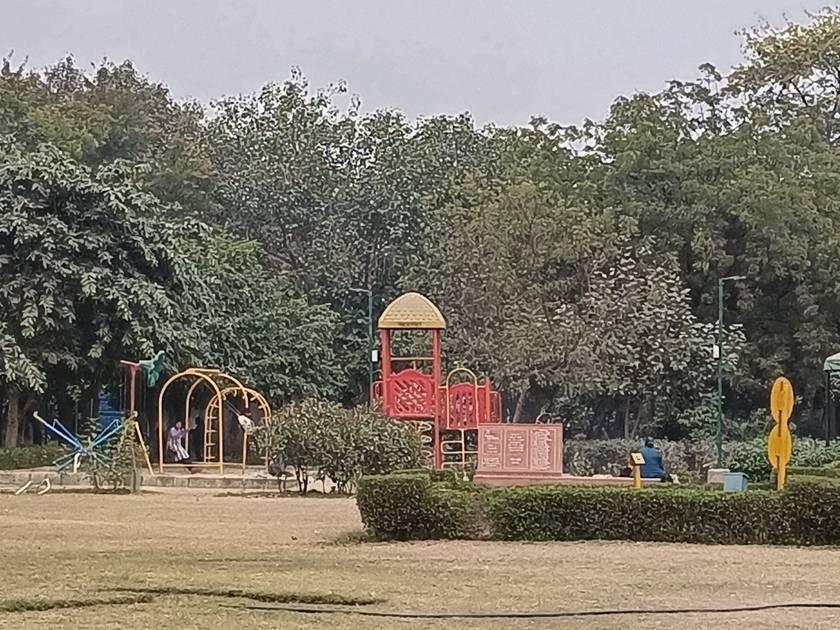
Long Shot 10X
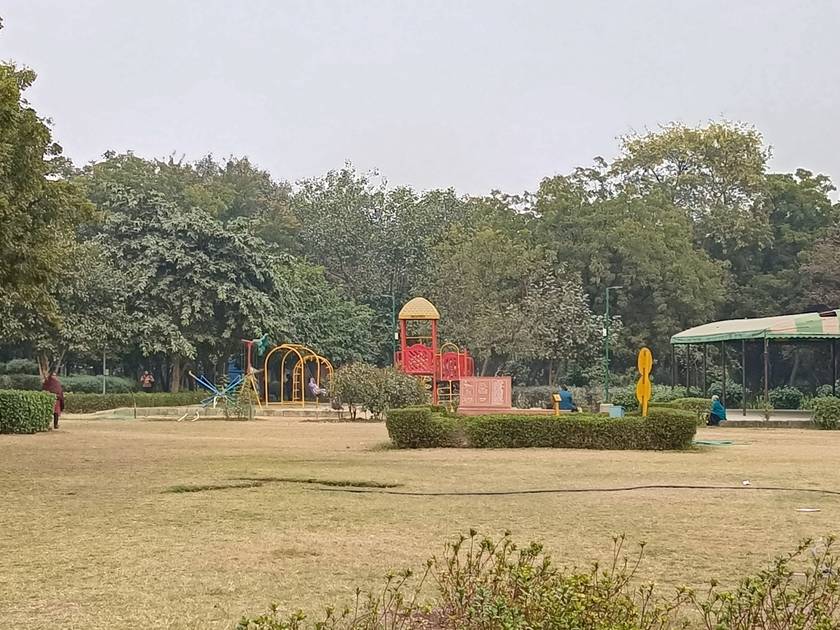
Long Shot 5X
Long Shot 3X
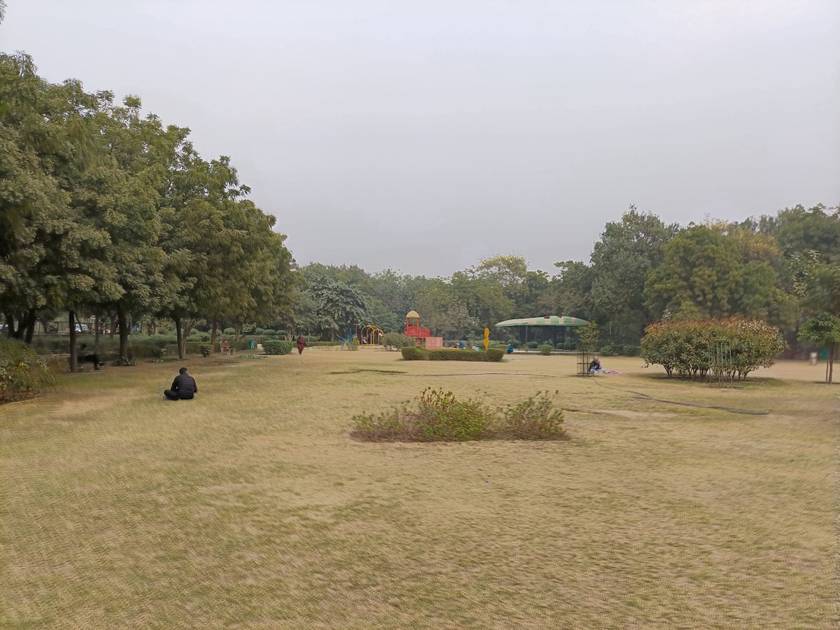
Long Shot 1X
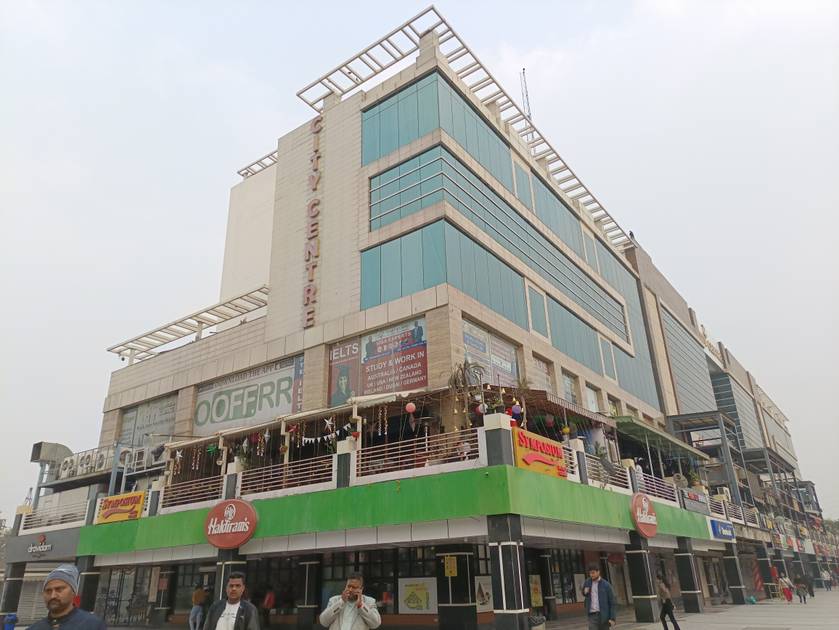
High Res

Portrait Shot
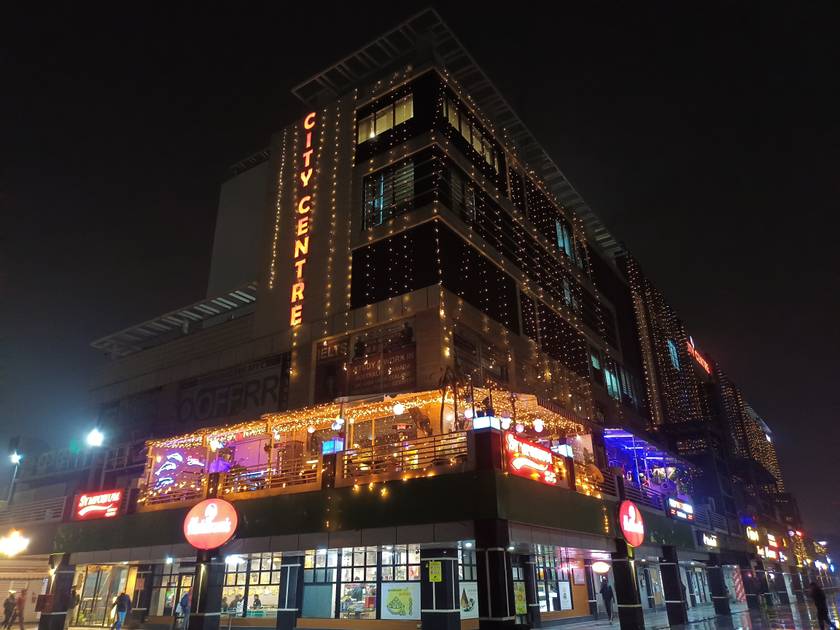
Night Mode OFF
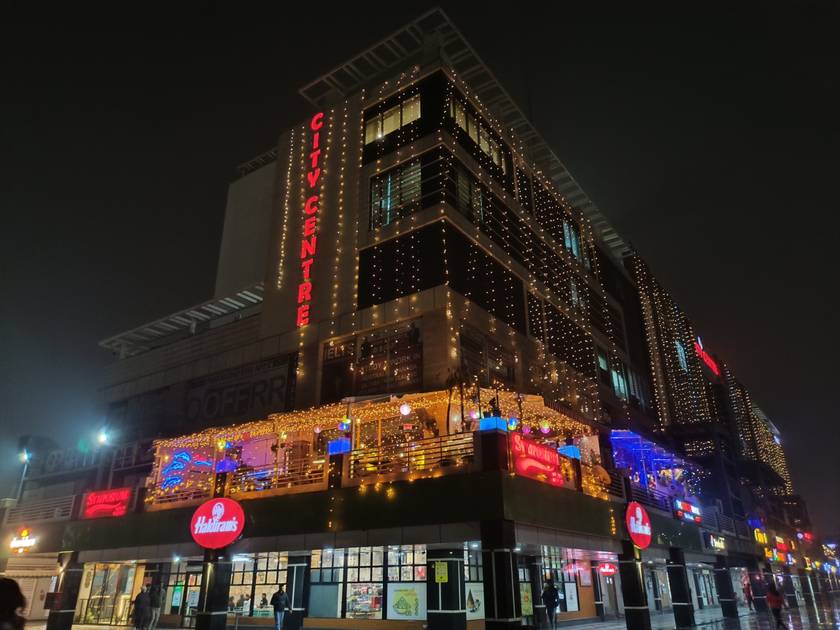
Night Mode ON
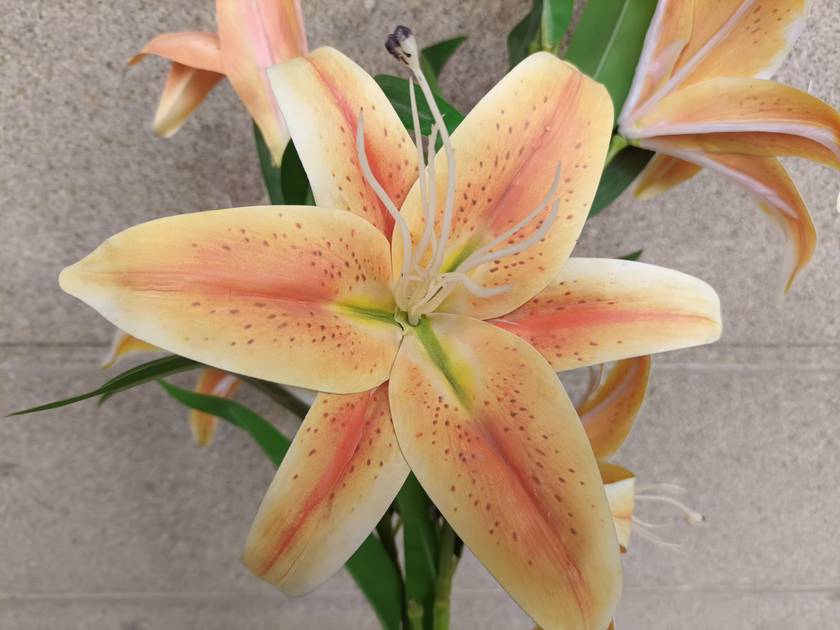
Close Up

Low Light
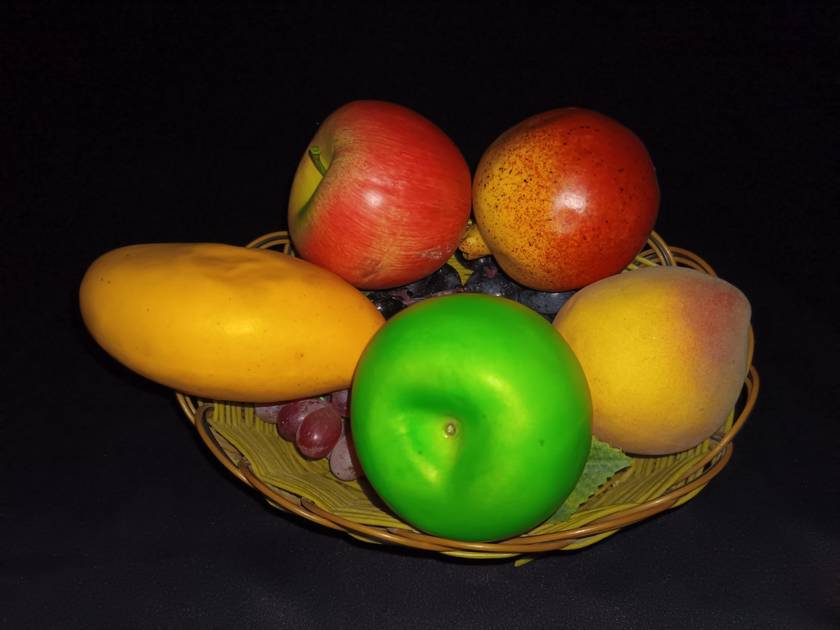
Low Light With Flash
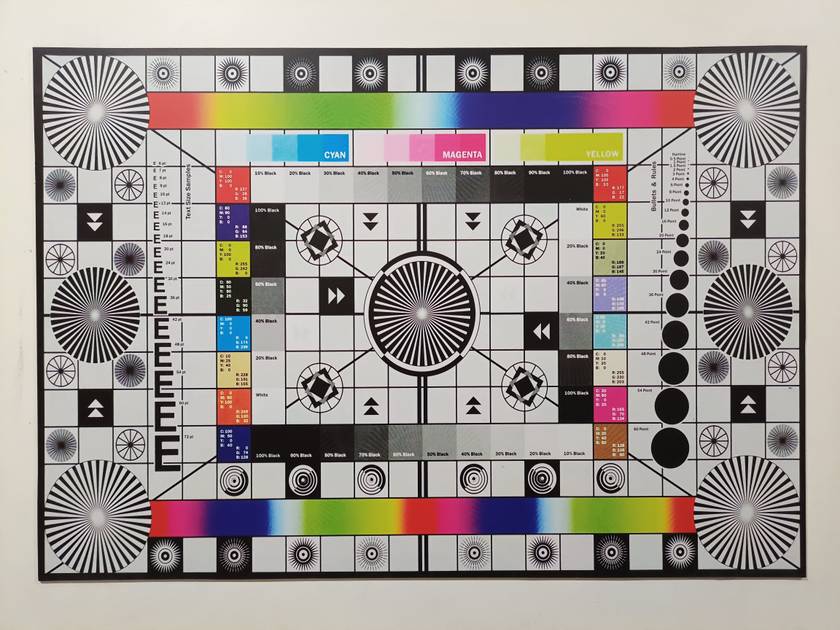
Colour Variance
|
Front Camera
(Very Good)
|
||||||
|---|---|---|---|---|---|---|
| Resolution | ||||||
|
||||||
| Flash | Yes, Screen flash | |||||
| Video Recording | Full HD @30 fps | |||||
Front Camera Samples
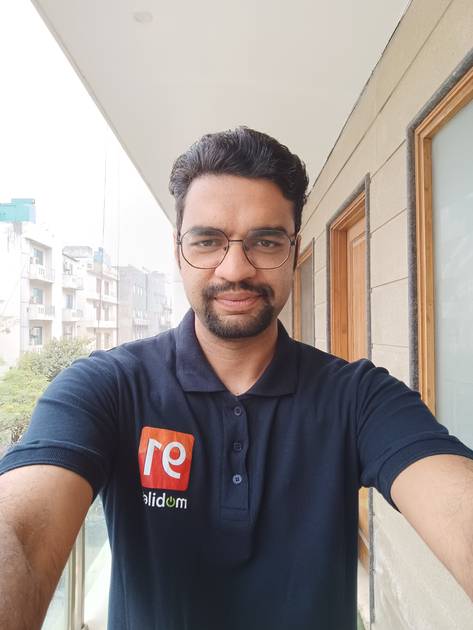
Selfie
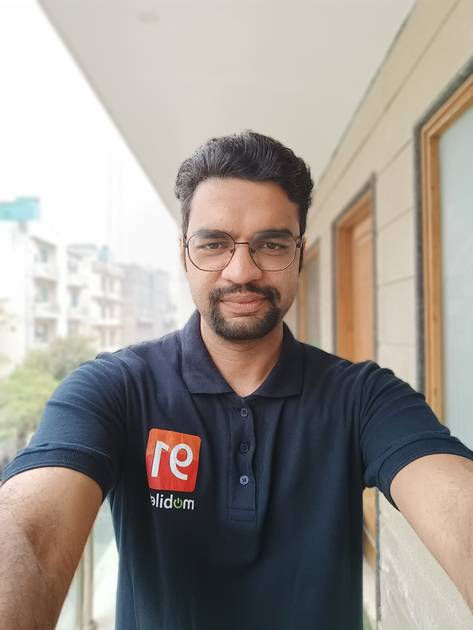
Selfie Portrait
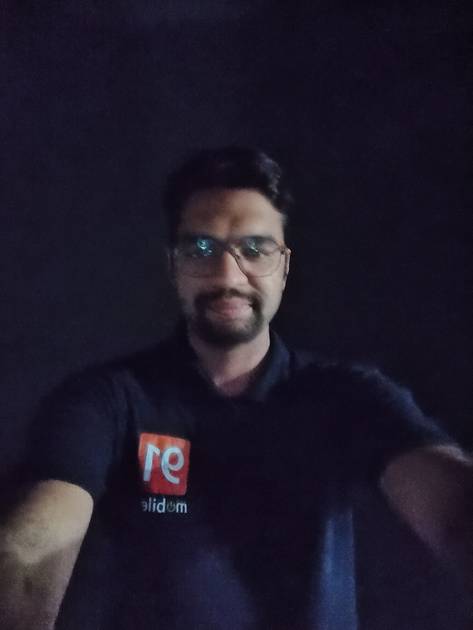
Selfie Low Light

Selfie Low Light With Flash
|
Battery
(Very Good)
|
||||
|---|---|---|---|---|
| Capacity | 5000 mAh | |||
| Battery Type | Li-Polymer | |||
| Quick Charging | Yes, 33W Fast Charging | |||
|
Battery Test Results
|
Storage |
|
|---|---|
| Internal Storage | 128 GB |
| Storage Type | UFS 3.1 |
| Expandable Storage | No |
Network & Connectivity |
|
|---|---|
| SIM Slot(s) | Dual SIM |
| SIM Type | SIM1: Nano, SIM2: Nano |
| Network Support | 5G, 4G |
| VoLTE | Yes |
| SIM 1 |
5G bands, 4G bands
Expand
|
| SIM 2 |
5G bands, 4G bands
Expand
|
| Wi-Fi | Yes, Wi-Fi 5 (802.11 a/b/g/n/ac) |
| Wi-Fi Features | Mobile Hotspot |
| Bluetooth | Yes, v5.2 |
| GPS | Yes with A-GPS, Glonass |
| NFC | No |
Multimedia |
|
|---|---|
| Audio Jack | USB Type-C |
Sensors |
|
|---|---|
| Fingerprint Sensor | Yes |
| Fingerprint Sensor Position | On-screen |
| Fingerprint Sensor Type | Optical |
| Other Sensors | Light sensor, Proximity sensor, Accelerometer, Gyroscope |
Lava Blaze Duo User Reviews
Lava Blaze Duo Key Highlights
| Processor | MediaTek Dimensity 7025 |
| RAM & Storage | 6 GB RAM + 128 GB 8 GB RAM + 128 GB |
| Display | 6.67", 1080 x 2400 Resolution |
| Rear Camera | 64 MP + 2 MP |
| Front Camera | 16 MP |
| Battery | 5000 mAh |




























Lava Blaze Duo Price In India
| Product Name | Store | Price |
|---|---|---|
| Lava Blaze Duo (6 GB + 128 GB) | Flipkart | ₹14,051 |
| Lava Blaze Duo (8 GB + 128 GB) | Flipkart | ₹17,039 |
Popular Links
- All Upcoming Phones
- vivo V80 5G
- OPPO F35 Pro
- Xiaomi Redmi Note 17 Pro Max 5G
- OPPO F35
- Ai+ Nova 2 Power 5G
- Samsung Mobiles
- Motorola Mobiles
- vivo Mobiles
- OPPO Mobiles
- Tecno Mobiles
- realme Mobiles
- Xiaomi Mobiles