
LG V40 ThinQ
+ Compare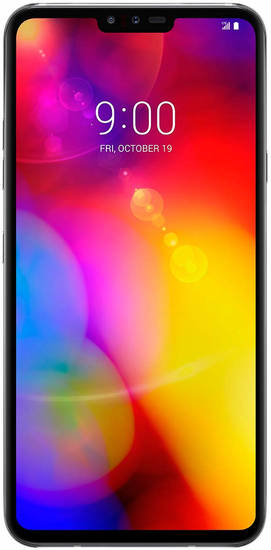


-
Design17

-
Rear Camera8

-
360° View

-
UI Screenshot17
![UI Screenshot]()
-
Benchmarks10
![Benchmarks]()
-
Videos4
![Videos]()


Key Specs
Performance
-
Qualcomm Snapdragon 845 -
Octa core (2.8 GHz, Quad Core + 1.7 GHz, Quad core) -
6 GB RAM, LPDDR4X
Display
-
6.4 inches (16.26 cm); OLED -
1440x3120 px (QHD+) -
Gorilla Glass 5 Protection -
Bezel-less with notch
Rear Camera
-
Triple Camera Setup - 12 MP Primary Camera
- 16 MP Ultra-Wide Angle Camera
- 12 MP Telephoto (upto 5x Digital Zoom, upto 2x Optical Zoom) Camera
-
Dual LED Flash -
4k @30 fps Video Recording
Front Camera
-
8 MP + 5 MP
Battery
-
3300 mAh, Li-Polymer -
Quick Charging v3.0; USB Type-C port
General
-
SIM1: Nano, SIM2: Nano (Hybrid) -
5G Not Supported -
128 GB internal storage, Expandable upto 2 TB -
Dust Resistant, Water Resistant
LG V40 ThinQ Prices in India
 Flipkart
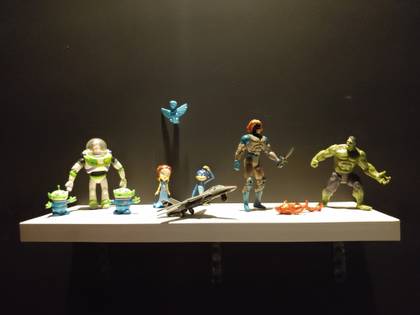
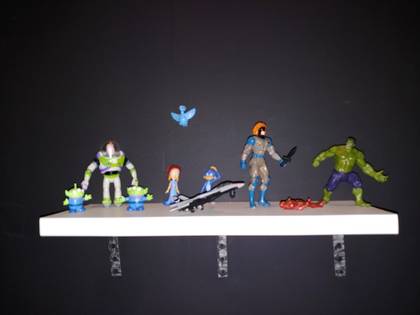
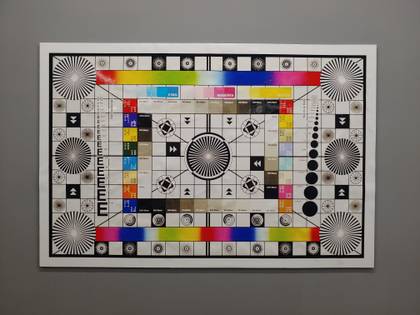
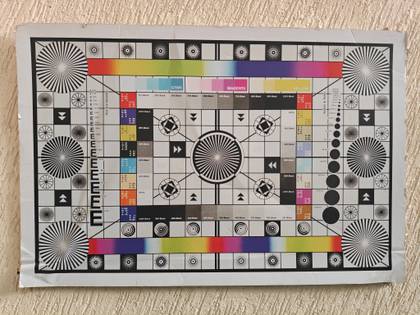
LG V40 ThinQ Compare Camera Samples






LG V40 ThinQ Expert Review Summary
Expert Rating:
![Prateek Pandey]()
Verdict
The LG V40 ThinQticks most boxes for a premium flagship, includinga gorgeous display, stunning design, capable cameras, and a day-long battery life. That said, it feels slightly overpricedfor its asking price of Rs 50K, especiallyconsidering youcan get the G7+ ThinQ – which, crudely put, is basically the same phone - for Rs 20K less. Add to that the smartphone s outdated software, subpar gaming performance, and the fact that newer devices with better SoCs are just around the corner, the V40 ThinQ doesn t come across as a steal,as some of its predecessors did. In fact, LG s next flagship, the...
Read Full Verdict
Pros
- Gorgeous display
- Stunning design
- Capable cameras
Cons
- Gaming performance isn't the best
- Selfie cameras could've been better
- Outdated software
Specs at a glance
+
Display
Read More
Design and display
+
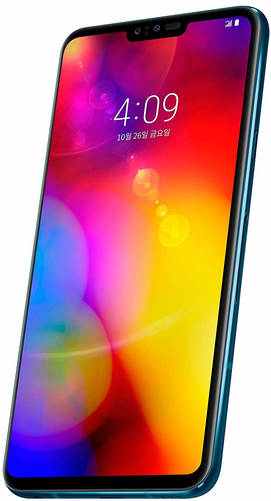
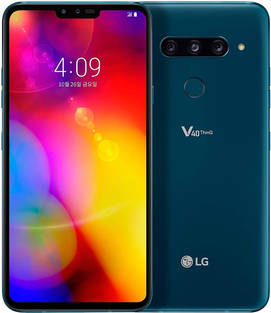
For the most part, the LG V40 ThinQ looks and feels like a broader G7+ ThinQ, though there are some noteworthy changes to the design. For starters, LG is offering the device in a vibrant Moroccan Blue hue, which is outright gorgeous. Now, I'm sure you're no stranger to gradient hues on smartphones, but, I think that this is by far my favourite finish of the bunch. Instead of going for a glossy finish, LG has slapped a subtler matte coating to the back of the device, which lends it a silky touch. Moreover, while the finish doesn't attract as many eyeballs, it keeps the back from smudging or greasing too. Now, I don't know about you, but I'm tired of constantly wiping the back of my phone, so the V40 ThinQ's finish is a huge win in my books.As for the rest of the design, the smartphone feels like a true-blue flagship. The V40 sports a glass sandwich design which is held together by a metal frame. The back of the smartphone curves into the edges which not only paves way for a comfortable grip, but also enhances the overall looks of the device. The ports have been drilled precisely, and there are no rough edges whatsoever on the smartphone's chassis. That said, the device is quite slippery, and it seems like LG is competing hard with Samsung and Apple to give buyers a mini heart attack every now and then.Thankfully, the smartphone isn't as fragile as competing devices, as it's MIL-STD 810G certified, meaning it should come out unscathed if you drop it. LG has also furnished a the smartphone with a layer of Corning's Gorilla Glass V5 on both the front as well as the back, making the device immune to scuffs and scratches to a certain degree. Hell, you can even take it with you for a swim, since it also comes with IP68 ingress protection rating - talk about a complete package.The LG V40 ThinQ doesn't adhere to all the latest design trends either, which honestly works in the smartphone's favour. As is the case with most LG flagships, you'll get a 3.5mm headphone jack with the device which has been paired with a dedicated 32-bit Quad DAC. Now, I don't want to turn this into an audio review but if you own high-fidelity headphones, then boy are you in for a treat. I can guarantee that you'll revel listening to your favourite music on the V40 ThinQ, and that's not just limited to the audio coming out of the headphone jack.The smartphone also features the company's boombox speaker technology, which transforms its chassis into a resonating chamber to deliver louder, clearer audio when the device is kept flat on a surface. Quite honestly, the V40 ThinQ probably has the loudest speakers in the market, which speaks volumes (no pun intended) about the handset's audio prowess.Then, there's the capacitive fingerprint sensor at the back which although isn't the fastest in the market, is extremely accurate. That's more than what I can say about the in-display fingerprint sensors present on smartphones like the OnePlus 6T and the Huawei Mate 20 Pro. LG also gives you the option to unlock the device by means of face recognition, which in my experience was painstakingly slow. Consequently, I all but used the fingerprint sensor during my time with the LG V40 ThinQ.Much like the G7+ ThinQ I reviewed a while ago, the LG V40 ThinQ too ships with a dedicated button to invoke the Google Assistant. For someone who uses Google's services quite often, I welcomed the toggle's functionality. While it still peeves me that the button isn't reprogrammable, LG somewhat makes up for it by giving users the option to disable it.One of the biggest differentiators which set the V40 ThinQ apart from its predecessors is the presence of a vibrant OLED panel. The display stands 6.4-inches diagonally, boasts a QHD+ resolution and in a nutshell, is among the best screens I've used on a smartphone. The colours appear punchy, the contrast levels are off the charts (in a good way) and the display gets exorbitantly bright too. On the flipside, the bezels bordering the display are quite thick and coming from the OnePlus 6T, I'm not the biggest fan of the notch on the V40 ThinQ.However, on the whole, the V40 is just a better device to consume media on, thanks to the panel's HDR compatibility which makes it a treat to watch reruns of shows like Daredevil on Netflix. You can even boost the vibrancy of SDR content from within the smartphone's display settings, which is a nice touch.
Read More
Cameras
+
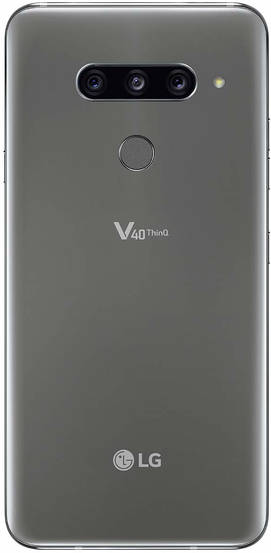
At 91mobiles, our Photographer in Chief Raj Rout is constantly shuffling between different lenses to get the best possible shot in a particular scenario. And that's exactly the type of flexibility LG wants to give buyers opting for the V40. The smartphone comes with a total of five sensors – three at the back and two on the front – each with varying aperture and use cases, allowing buyers to unleash their creativity to the fullest. The rear camera setup comprises a trio of sensors including a 12MP standard shooter with f/1.5 aperture, a 16MP wide-angle lens with f/1.9 aperture and lastly, a 12MP, f/2.4 aperture telephoto lens. For selfies, the smartphone features an 8MP standard lens with f/1.9 aperture which is assisted by a 5MP, f/2.2 aperture wide-angle shooter.Now that we have the specs out of the way, how good are the cameras on the V40 ThinQ? Well, during my time with the smartphone, I enjoyed clicking pictures with it. The trio of shooters at the back did not disappoint me, though I did find the selfie shooters to be a bit underwhelming. I'll try to sum up my experience in bullet points, so here we go: Pictures taken in daylight come out beautifully on the LG V40 ThinQ. Regardless of which of the three rear cameras you're using to take the shot, there are plenty of details, the colours look vibrant and the objects in the pictures retain sharpness even upon zooming in. In a similar fashion, portrait shots look great, have a convincing blur effect and well-defined edges too.Adding HDR to the mix makes the overall scene appear more visually pleasing to the eyes. The smartphone also does a fantastic job at bringing out the highlights from the shadows, as is evident from the photos of the metro rail. Ergo, the smartphone's dynamic range is among the best I've seen and you'll love clicking landscapes with the device. I'd also like to point out that unlike some other devices, pictures clicked in HDR mode don't appear unnatural when snapped with the V40 ThinQ.The wide-angle camera works really, really well. I recently took the phone with me to the mall, and the device managed to capture an excellent shot of the buyers enjoying bargains at the flea market. The shot covered the entire front side of the mall, which would've been impossible if not for the wide-angle camera's 107-degree field of view. Now, there's a subtle fisheye effect in buildings and other architectural areas, but for scenic pictures, the shooter works just fine.The telephoto lens works as advertised, and will let you click pictures where the subject is a bit far off. To test the sensor, I snapped a photo of a building with a cool parrot graffiti, and was quite pleased with the results. The picture appeared sharp, had just the right amount of details and the colour temperature wasn't off either, meaning the sensor captured the moment just like I remember seeing it. That's something I can say for all three of the sensors, provided you're not clicking images with the AI enabled.Speaking of which, the LG V40 ThinQ's cameras are backed by AI, which works with all five of the smartphone's sensors. While you could use the smartphone's AI Cam during the day and get substantially vivid photos, I'll recommend using it at night, preferably when the sun's about to set. It's then when I noticed the AI actually put in some work to bring out the details from the shadows and make the overall scene look drastically better. Take for instance, another shot I took of the metro rail, with the sun just setting on the horizon. Not only can you zoom on the metro tracks to extract more details from the image, but the sky appears more mesmerising too.I was immensely impressed with the smartphone's ability to click excellent lowlight images. With HDR enabled, the smartphone can click some breath-taking shots at night. What's more, even with multiple sources of light in the frame, I didn't come across any instances of lens flaring with the V40 at night, which is fantastic.Unfortunately, the V40's selfie-cameras leave a lot to be desired. While the pictures I clicked with the main selfie shooter turned out okay, they paled in comparison to the selfies from smartphones like the OnePlus 6T and the Mate 20 Pro. I even ran into numerous exposure issues when I was clicking selfies with the sensor in the direction of the source of light.
Read More
Hardware and software
+
As much as I like the smartphone's design, cameras and its display, things go south quickly in the performance and the software department. To cut a long story short, the LG V40 ThinQ doesn't feel like it's powered by Qualcomm's Snapdragon 845 processor. Don't get me wrong, the smartphone is plenty fast for normal usage, but things take a turn for the worse when you play intensive games like PUBG Mobile on it. Unlike the POCO F1 (review) or the OnePlus 6T (review), I experienced a ton of frame drops whilst running the game at the highest graphics preset on the V40, which is unacceptable from a smartphone powered by one of the fastest chips in the market.Again, I'll reiterate that the smartphone performs just fine in day-to-day usage. Applications open swiftly, there's nary any instance of lag while navigating through the UI. And thanks to the presence of six gigs of RAM, the device could hold a good number of apps in memory too. There were instances when the smartphone reloaded certain applications like Instagram and Slack, but for the most part, I didn't find any issues doing ‘normal phone stuff' on the LG V40. The performance felt flaky only whilst gaming, and I'm hoping that LG will be able to fix that with a software update down the line.
Read More
Read full Review

Verdict
The LG V40 ThinQticks most boxes for a premium flagship, includinga gorgeous display, stunning design, capable cameras, and a day-long battery life. That said, it feels slightly overpricedfor its asking price of Rs 50K, especiallyconsidering youcan get the G7+ ThinQ – which, crudely put, is basically the same phone - for Rs 20K less. Add to that the smartphone s outdated software, subpar gaming performance, and the fact that newer devices with better SoCs are just around the corner, the V40 ThinQ doesn t come across as a steal,as some of its predecessors did. In fact, LG s next flagship, the... Read Full Verdict
- Gorgeous display
- Stunning design
- Capable cameras
Pros
- Gaming performance isn't the best
- Selfie cameras could've been better
- Outdated software
Cons
Specs at a glance
+Display
Read MoreDesign and display
+For the most part, the LG V40 ThinQ looks and feels like a broader G7+ ThinQ, though there are some noteworthy changes to the design. For starters, LG is offering the device in a vibrant Moroccan Blue hue, which is outright gorgeous. Now, I'm sure you're no stranger to gradient hues on smartphones, but, I think that this is by far my favourite finish of the bunch. Instead of going for a glossy finish, LG has slapped a subtler matte coating to the back of the device, which lends it a silky touch. Moreover, while the finish doesn't attract as many eyeballs, it keeps the back from smudging or greasing too. Now, I don't know about you, but I'm tired of constantly wiping the back of my phone, so the V40 ThinQ's finish is a huge win in my books.As for the rest of the design, the smartphone feels like a true-blue flagship. The V40 sports a glass sandwich design which is held together by a metal frame. The back of the smartphone curves into the edges which not only paves way for a comfortable grip, but also enhances the overall looks of the device. The ports have been drilled precisely, and there are no rough edges whatsoever on the smartphone's chassis. That said, the device is quite slippery, and it seems like LG is competing hard with Samsung and Apple to give buyers a mini heart attack every now and then.Thankfully, the smartphone isn't as fragile as competing devices, as it's MIL-STD 810G certified, meaning it should come out unscathed if you drop it. LG has also furnished a the smartphone with a layer of Corning's Gorilla Glass V5 on both the front as well as the back, making the device immune to scuffs and scratches to a certain degree. Hell, you can even take it with you for a swim, since it also comes with IP68 ingress protection rating - talk about a complete package.The LG V40 ThinQ doesn't adhere to all the latest design trends either, which honestly works in the smartphone's favour. As is the case with most LG flagships, you'll get a 3.5mm headphone jack with the device which has been paired with a dedicated 32-bit Quad DAC. Now, I don't want to turn this into an audio review but if you own high-fidelity headphones, then boy are you in for a treat. I can guarantee that you'll revel listening to your favourite music on the V40 ThinQ, and that's not just limited to the audio coming out of the headphone jack.The smartphone also features the company's boombox speaker technology, which transforms its chassis into a resonating chamber to deliver louder, clearer audio when the device is kept flat on a surface. Quite honestly, the V40 ThinQ probably has the loudest speakers in the market, which speaks volumes (no pun intended) about the handset's audio prowess.Then, there's the capacitive fingerprint sensor at the back which although isn't the fastest in the market, is extremely accurate. That's more than what I can say about the in-display fingerprint sensors present on smartphones like the OnePlus 6T and the Huawei Mate 20 Pro. LG also gives you the option to unlock the device by means of face recognition, which in my experience was painstakingly slow. Consequently, I all but used the fingerprint sensor during my time with the LG V40 ThinQ.Much like the G7+ ThinQ I reviewed a while ago, the LG V40 ThinQ too ships with a dedicated button to invoke the Google Assistant. For someone who uses Google's services quite often, I welcomed the toggle's functionality. While it still peeves me that the button isn't reprogrammable, LG somewhat makes up for it by giving users the option to disable it.One of the biggest differentiators which set the V40 ThinQ apart from its predecessors is the presence of a vibrant OLED panel. The display stands 6.4-inches diagonally, boasts a QHD+ resolution and in a nutshell, is among the best screens I've used on a smartphone. The colours appear punchy, the contrast levels are off the charts (in a good way) and the display gets exorbitantly bright too. On the flipside, the bezels bordering the display are quite thick and coming from the OnePlus 6T, I'm not the biggest fan of the notch on the V40 ThinQ.However, on the whole, the V40 is just a better device to consume media on, thanks to the panel's HDR compatibility which makes it a treat to watch reruns of shows like Daredevil on Netflix. You can even boost the vibrancy of SDR content from within the smartphone's display settings, which is a nice touch.
Read MoreCameras
+At 91mobiles, our Photographer in Chief Raj Rout is constantly shuffling between different lenses to get the best possible shot in a particular scenario. And that's exactly the type of flexibility LG wants to give buyers opting for the V40. The smartphone comes with a total of five sensors – three at the back and two on the front – each with varying aperture and use cases, allowing buyers to unleash their creativity to the fullest. The rear camera setup comprises a trio of sensors including a 12MP standard shooter with f/1.5 aperture, a 16MP wide-angle lens with f/1.9 aperture and lastly, a 12MP, f/2.4 aperture telephoto lens. For selfies, the smartphone features an 8MP standard lens with f/1.9 aperture which is assisted by a 5MP, f/2.2 aperture wide-angle shooter.Now that we have the specs out of the way, how good are the cameras on the V40 ThinQ? Well, during my time with the smartphone, I enjoyed clicking pictures with it. The trio of shooters at the back did not disappoint me, though I did find the selfie shooters to be a bit underwhelming. I'll try to sum up my experience in bullet points, so here we go: Pictures taken in daylight come out beautifully on the LG V40 ThinQ. Regardless of which of the three rear cameras you're using to take the shot, there are plenty of details, the colours look vibrant and the objects in the pictures retain sharpness even upon zooming in. In a similar fashion, portrait shots look great, have a convincing blur effect and well-defined edges too.Adding HDR to the mix makes the overall scene appear more visually pleasing to the eyes. The smartphone also does a fantastic job at bringing out the highlights from the shadows, as is evident from the photos of the metro rail. Ergo, the smartphone's dynamic range is among the best I've seen and you'll love clicking landscapes with the device. I'd also like to point out that unlike some other devices, pictures clicked in HDR mode don't appear unnatural when snapped with the V40 ThinQ.The wide-angle camera works really, really well. I recently took the phone with me to the mall, and the device managed to capture an excellent shot of the buyers enjoying bargains at the flea market. The shot covered the entire front side of the mall, which would've been impossible if not for the wide-angle camera's 107-degree field of view. Now, there's a subtle fisheye effect in buildings and other architectural areas, but for scenic pictures, the shooter works just fine.The telephoto lens works as advertised, and will let you click pictures where the subject is a bit far off. To test the sensor, I snapped a photo of a building with a cool parrot graffiti, and was quite pleased with the results. The picture appeared sharp, had just the right amount of details and the colour temperature wasn't off either, meaning the sensor captured the moment just like I remember seeing it. That's something I can say for all three of the sensors, provided you're not clicking images with the AI enabled.Speaking of which, the LG V40 ThinQ's cameras are backed by AI, which works with all five of the smartphone's sensors. While you could use the smartphone's AI Cam during the day and get substantially vivid photos, I'll recommend using it at night, preferably when the sun's about to set. It's then when I noticed the AI actually put in some work to bring out the details from the shadows and make the overall scene look drastically better. Take for instance, another shot I took of the metro rail, with the sun just setting on the horizon. Not only can you zoom on the metro tracks to extract more details from the image, but the sky appears more mesmerising too.I was immensely impressed with the smartphone's ability to click excellent lowlight images. With HDR enabled, the smartphone can click some breath-taking shots at night. What's more, even with multiple sources of light in the frame, I didn't come across any instances of lens flaring with the V40 at night, which is fantastic.Unfortunately, the V40's selfie-cameras leave a lot to be desired. While the pictures I clicked with the main selfie shooter turned out okay, they paled in comparison to the selfies from smartphones like the OnePlus 6T and the Mate 20 Pro. I even ran into numerous exposure issues when I was clicking selfies with the sensor in the direction of the source of light.
Read MoreHardware and software
+As much as I like the smartphone's design, cameras and its display, things go south quickly in the performance and the software department. To cut a long story short, the LG V40 ThinQ doesn't feel like it's powered by Qualcomm's Snapdragon 845 processor. Don't get me wrong, the smartphone is plenty fast for normal usage, but things take a turn for the worse when you play intensive games like PUBG Mobile on it. Unlike the POCO F1 (review) or the OnePlus 6T (review), I experienced a ton of frame drops whilst running the game at the highest graphics preset on the V40, which is unacceptable from a smartphone powered by one of the fastest chips in the market.Again, I'll reiterate that the smartphone performs just fine in day-to-day usage. Applications open swiftly, there's nary any instance of lag while navigating through the UI. And thanks to the presence of six gigs of RAM, the device could hold a good number of apps in memory too. There were instances when the smartphone reloaded certain applications like Instagram and Slack, but for the most part, I didn't find any issues doing ‘normal phone stuff' on the LG V40. The performance felt flaky only whilst gaming, and I'm hoping that LG will be able to fix that with a software update down the line.
Read MoreCompetitors For LG V40 ThinQ
View Alternatives


Popular Comparisons
 LG V40 ThinQ
 Samsung Galaxy Note 9
LG V40 ThinQ
 LG G7 Plus ThinQ
LG V40 ThinQ
 LG V30 Plus
LG V40 ThinQ
 OnePlus 6T
LG V40 ThinQ
 Huawei Mate 20 Pro
LG V40 ThinQ
 LG G8 ThinQ
LG V40 ThinQ Specifications
General |
|
|---|---|
| Launch Date | January 19, 2019 (Official) |
| Operating System | Android v8.1 (Oreo) |
| Custom UI | LG UI |
Performance
(Good)
|
|
|---|---|
| Chipset | Qualcomm Snapdragon 845 |
| Processor | Octa core (2.8 GHz, Quad core, Kryo 385 + 1.7 GHz, Quad core, Kryo 385) |
| Architecture | 64 bit |
| Fabrication | 10 nm |
| Graphics (GPU) | Adreno 630 |
| RAM | 6 GB |
| RAM Type | LPDDR4X |
Benchmark Screenshots
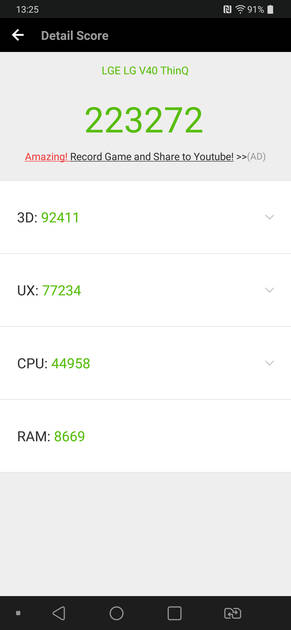
AnTuTu Benchmark
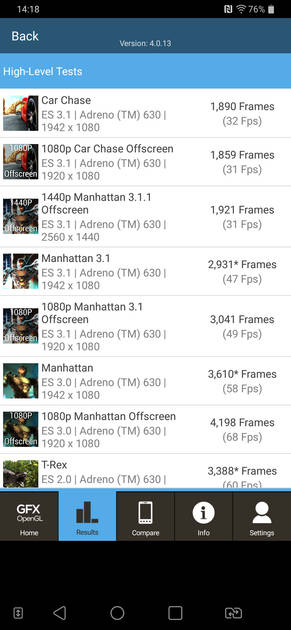
Graphics Benchmark
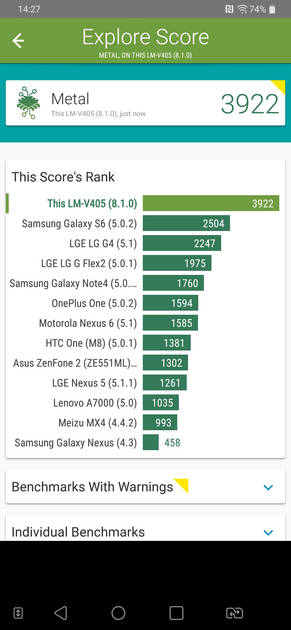
Vellamo Metal Benchmark
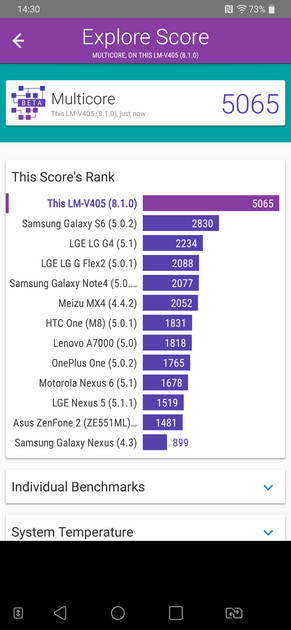
Vellamo Multicore Benchmark
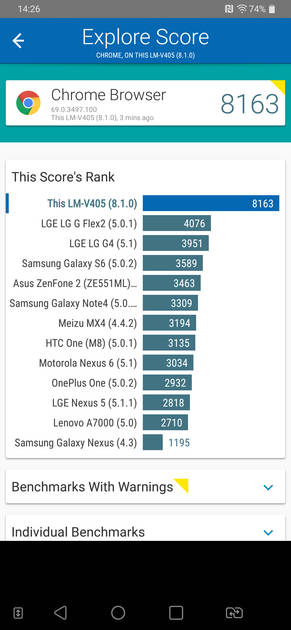
Vellamo Browser Benchmark
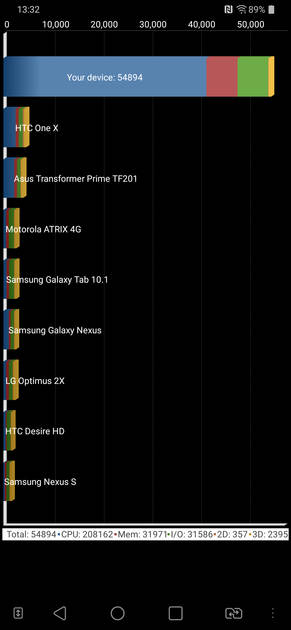
Quadrant Benchmark
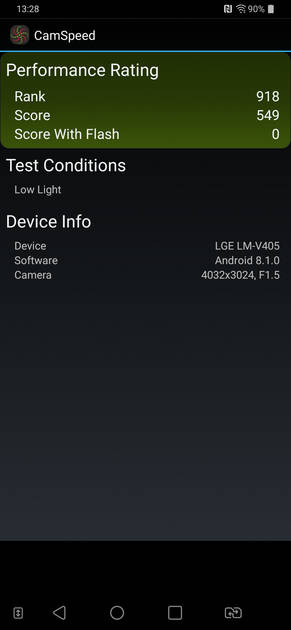
Camera Speed Benchmark
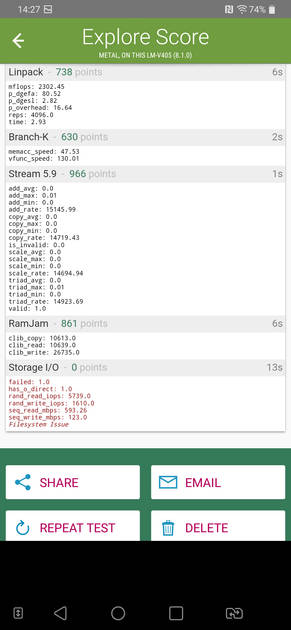
Linpack Benchmark
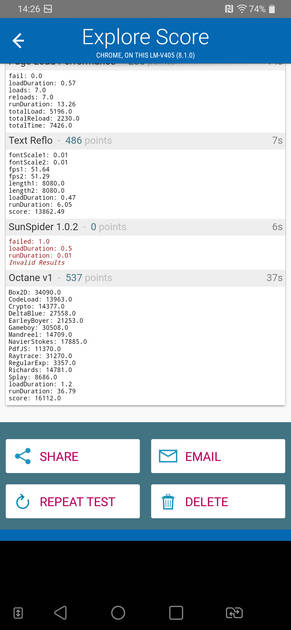
Sunspider Benchmark
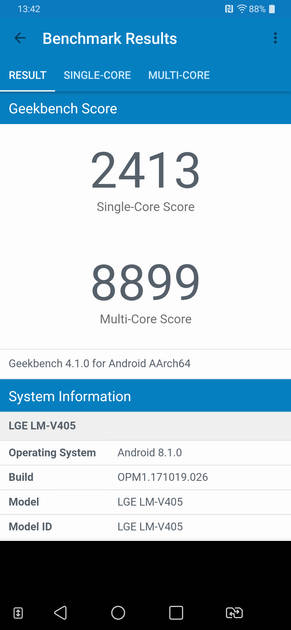
Geekbench4 Benchmark
|

Display
(Best In Class)
|
|
|---|---|
| Display Type | OLED |
| Screen Size | 6.4 inches (16.26 cm) |
| Resolution | 1440x3120 px (QHD+) |
| Aspect Ratio | 19.5:9 |
| Pixel Density | 537 ppi |
| Screen to Body Ratio (calculated) | 83.46 % |
| Screen Protection | Corning Gorilla |
| Bezel-less Display | Yes with notch |
| Screen to Body Ratio (claimed by the brand) | 84.3 % |
UI Screenshots
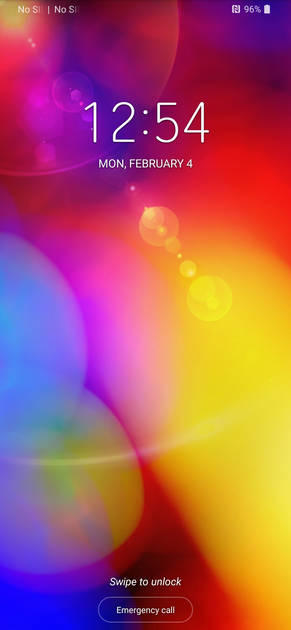
Lock Screen
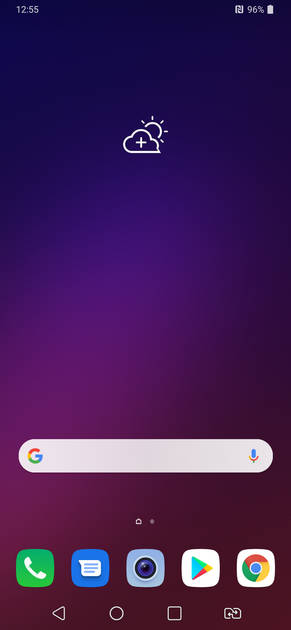
Home Screen
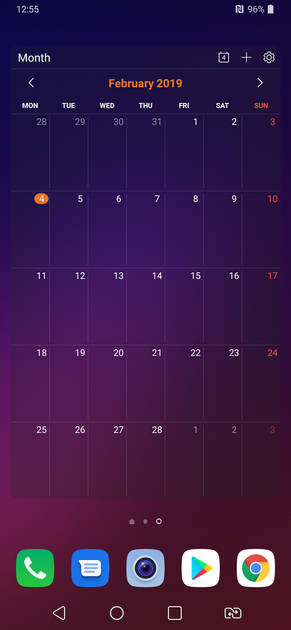
Screen With Widgets

Dialer Screen
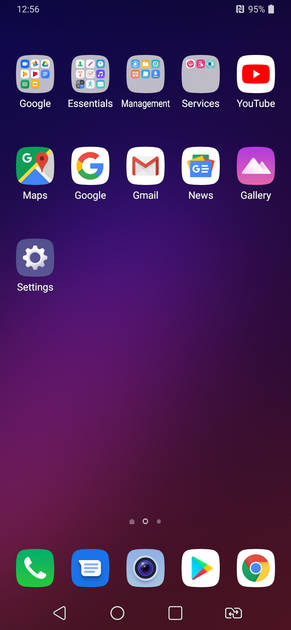
App Drawer
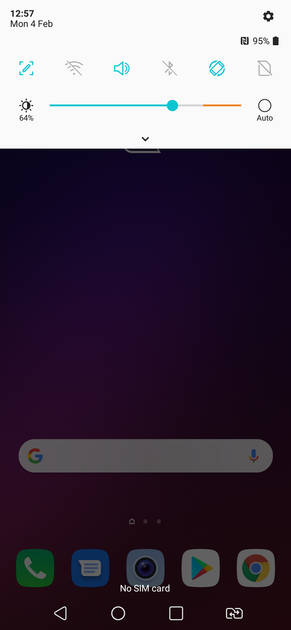
Notification Panel
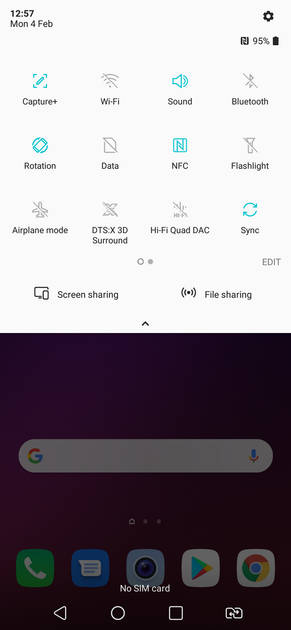
Quick Settings Panel
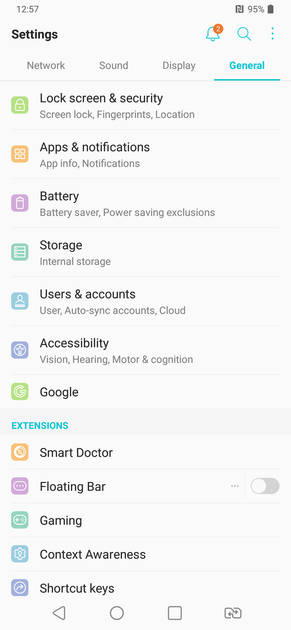
Settings Screen
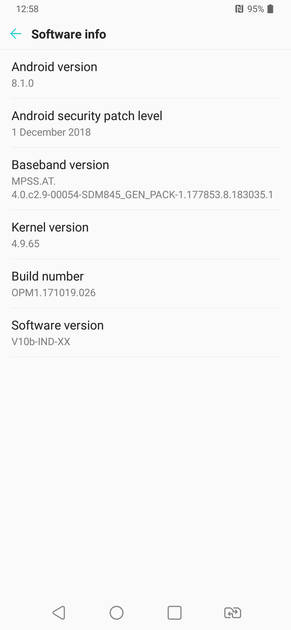
OS Version
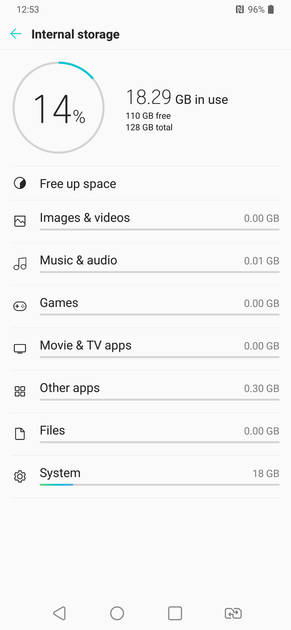
Storage
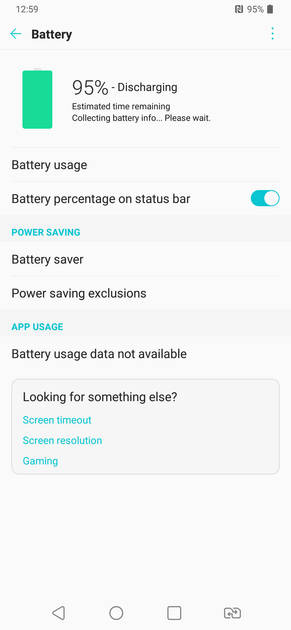
Battery
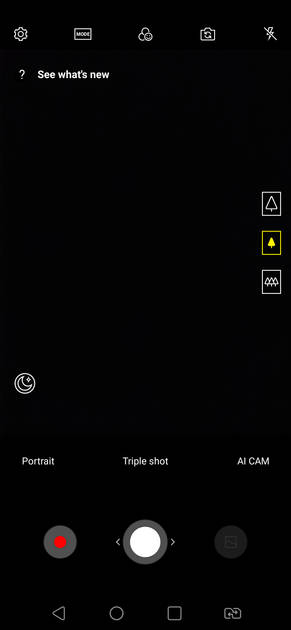
Camera On
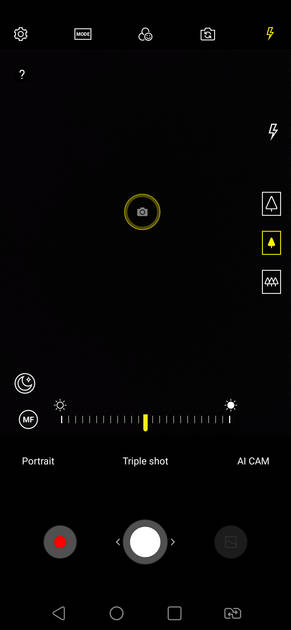
Camera Options
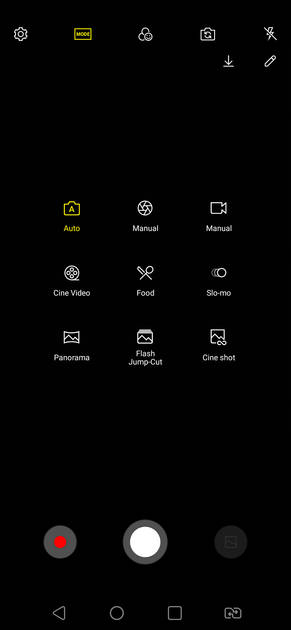
Camera Modes
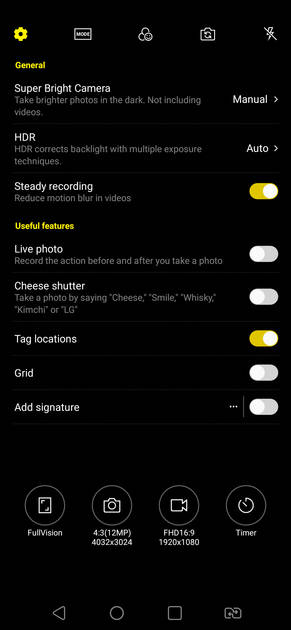
Camera Settings
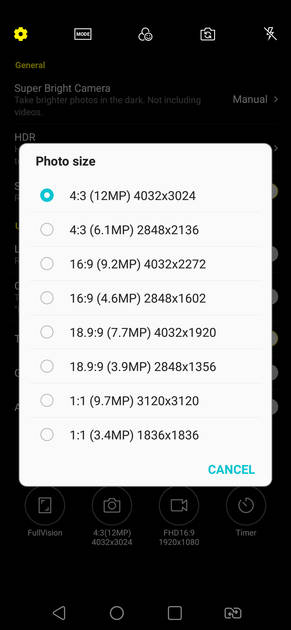
Picture Size Options
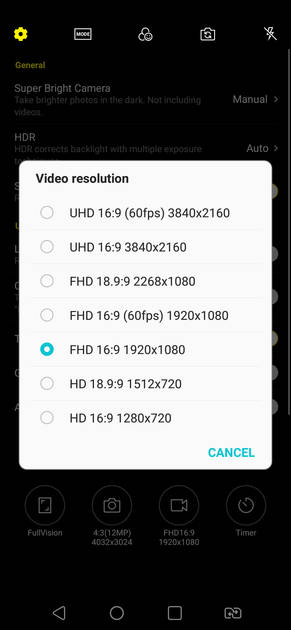
Video Size Options
|
Design |
|
|---|---|
| Height | 158.8 mm |
| Width | 75.7 mm |
| Thickness | 7.6 mm |
| Weight | 169 grams |
| Build Material | Back: Gorilla Glass |
| Water Resistance | Yes, Water resistant, IP68 |
| Ruggedness | Dust proof |
|
Click to View

|
Rear Camera
(Very Good)
|
||||||||||||||||||||||||||||||||
|---|---|---|---|---|---|---|---|---|---|---|---|---|---|---|---|---|---|---|---|---|---|---|---|---|---|---|---|---|---|---|---|---|
| Resolution | ||||||||||||||||||||||||||||||||
|
||||||||||||||||||||||||||||||||
| Autofocus | Yes, Phase Detection Autofocus | |||||||||||||||||||||||||||||||
| OIS | Yes, Optical Image Stabilization Plus | |||||||||||||||||||||||||||||||
| Flash | Yes, Dual LED Flash | |||||||||||||||||||||||||||||||
| Image Resolution | 4000 x 3000 Pixels | |||||||||||||||||||||||||||||||
| Settings | Exposure compensation | |||||||||||||||||||||||||||||||
| Shooting Modes |
Continuous Shooting High Dynamic Range mode (HDR) |
|||||||||||||||||||||||||||||||
| Camera Features |
Auto Flash Face detection Smile detection Touch to focus |
|||||||||||||||||||||||||||||||
| Video Recording | UHD @30 fps | |||||||||||||||||||||||||||||||
Rear Camera Samples

Close Up
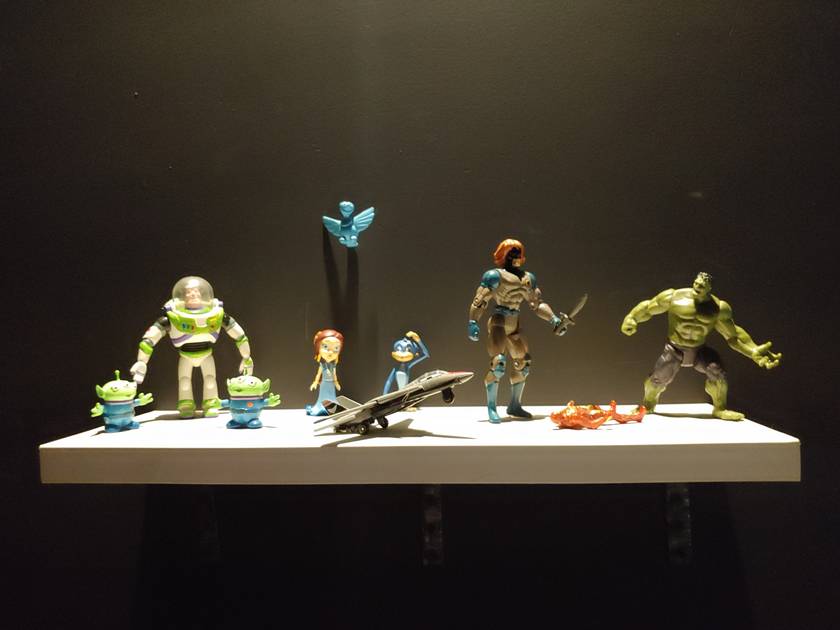
Low Light
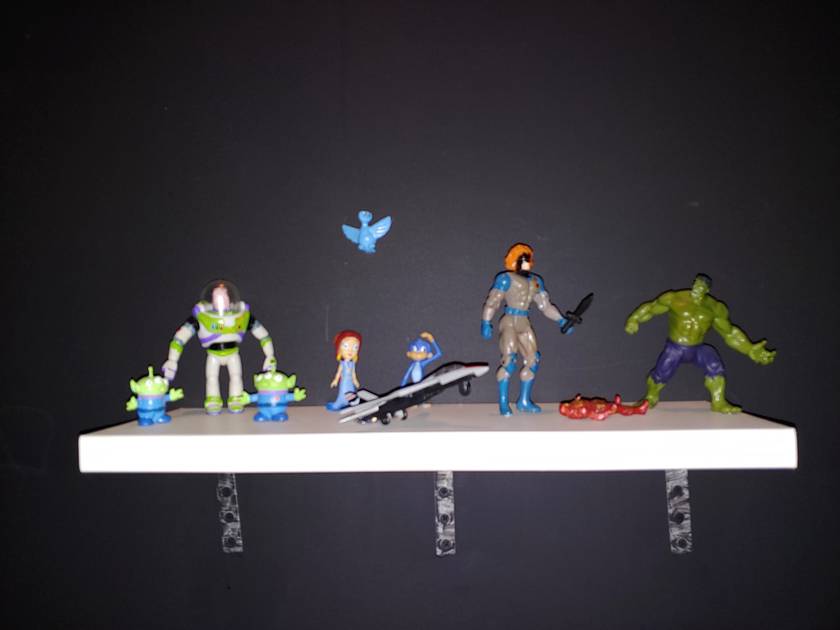
Low Light With Flash
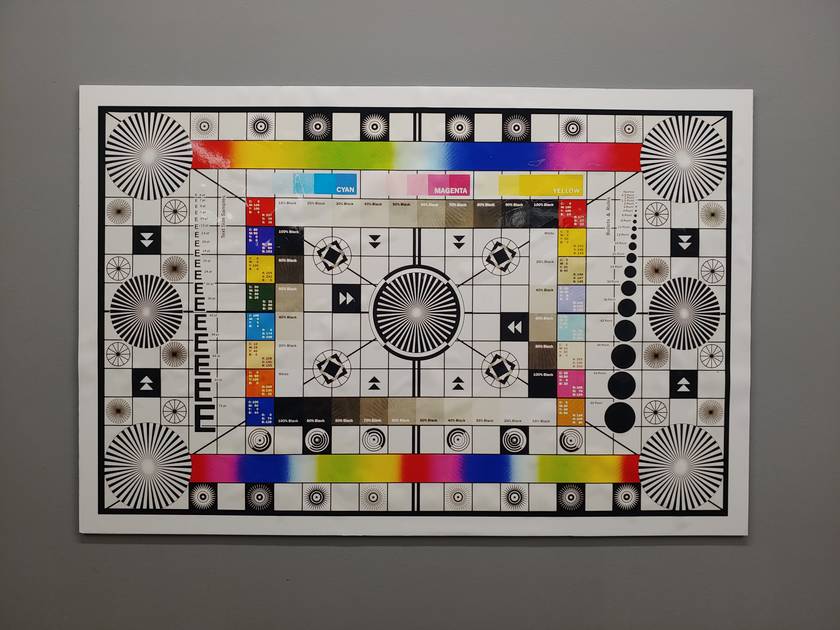
Colour Variance
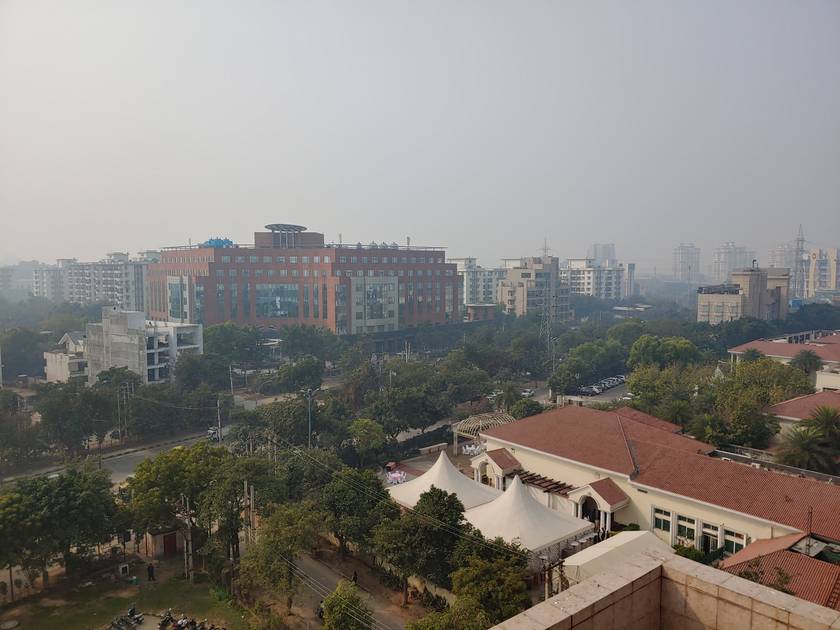
Long Shot
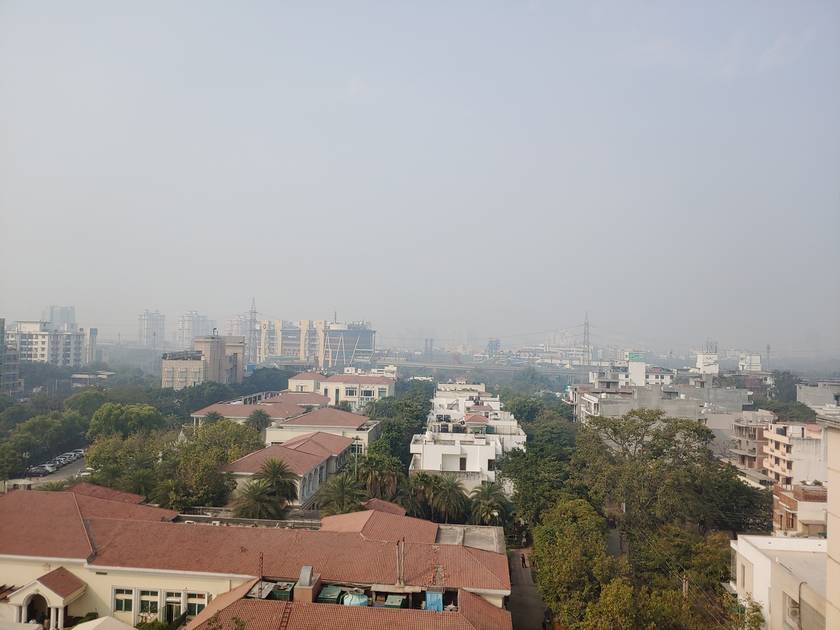
HDR Off
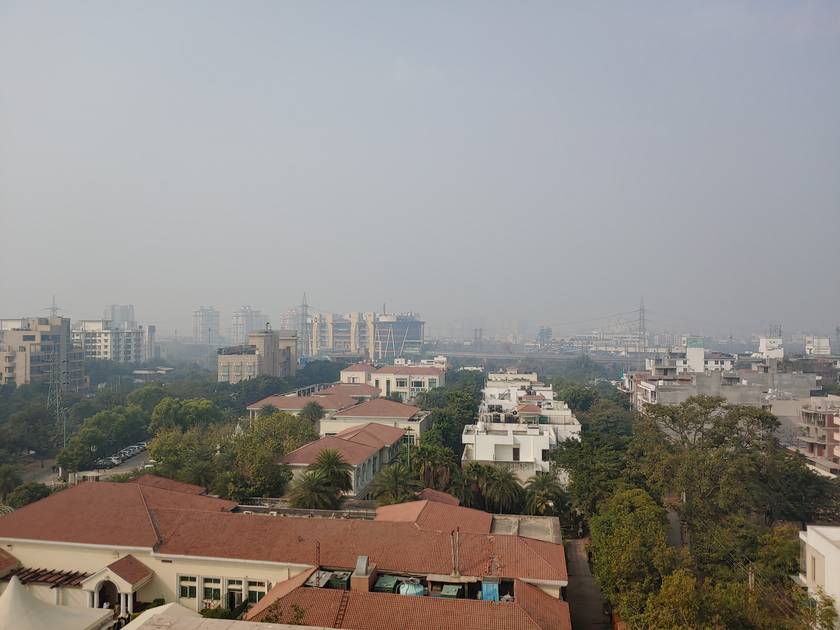
HDR On

Front Shot
|
Front Camera
(Very Good)
|
||||||||||||||||||
|---|---|---|---|---|---|---|---|---|---|---|---|---|---|---|---|---|---|---|
| Resolution | ||||||||||||||||||
|
Battery
(Very Good)
|
|
|---|---|
| Capacity | 3300 mAh |
| Battery Type | Li-Polymer |
| Quick Charging | Yes Quick Charging v3.0 |
| Wireless Charging | Yes |
Storage |
|
|---|---|
| Internal Storage | 128 GB |
| Storage Type | UFS 2.1 |
| Expandable Storage | Yes, Up to 2 TB |
Network & Connectivity |
|
|---|---|
| SIM Slot(s) | Dual SIM |
| SIM Type | SIM1: Nano, SIM2: Nano (Hybrid) |
| Network Support | 5G Not Supported, 4G |
| VoLTE | Yes |
| SIM 1 |
4G bands
Expand
|
| SIM 2 |
4G bands
Expand
|
| Wi-Fi | Yes, Wi-Fi 5 (802.11 b/g/n/ac) 5GHz |
| Wi-Fi Features | Wi-Fi Direct, Mobile Hotspot |
| Bluetooth | Yes, v5.0 |
| GPS | Yes with A-GPS |
| NFC | Yes |
Multimedia |
|
|---|---|
| Audio Jack | 3.5 mm |
Sensors |
|
|---|---|
| Fingerprint Sensor | Yes |
| Fingerprint Sensor Position | Rear |
| Other Sensors | Light sensor, Proximity sensor, Accelerometer, Compass, Gyroscope |
LG V40 ThinQ User Reviews
LG V40 ThinQ Key Highlights
| Processor | Qualcomm Snapdragon 845 |
| RAM & Storage | 6 GB + 128 GB |
| Display | 6.4", 1440 x 3120 Resolution |
| Rear Camera | 12 MP + 16 MP + 12 MP |
| Front Camera | 8 MP + 5 MP |
| Battery | 3300 mAh |





LG V40 ThinQ Price In India
| Product Name | Store | Price |
|---|---|---|
| LG V40 ThinQ (6 GB + 128 GB) | Flipkart | ₹60,000 |
Popular Links
- All Upcoming Phones
- Samsung Galaxy F70 5G
- vivo S2 FE 5G
- OPPO Find X10
- OPPO Find X10 Pro Max
- Infinix GT 50 Pro
- Samsung Mobiles
- Motorola Mobiles
- vivo Mobiles
- OPPO Mobiles
- Tecno Mobiles
- realme Mobiles
- OnePlus Mobiles