Review Summary
Expert Rating
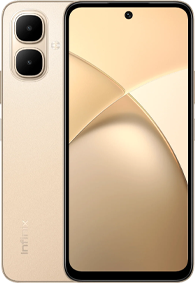
Infinix is no stranger to delivering value in the sub-Rs 7,000 entry-level segment. Known for meeting the essential needs of budget-conscious buyers with its Smart series, Infinix recently introduced the Smart 10, priced at Rs 6,799.
Boasting a 120Hz refresh rate display, stereo speakers, and a slim, portable design, the phone aims to offer well-rounded experience in the budget segment. After testing the Infinix Smart 10 for a week, here’s a detailed review evaluating its daily performance and whether it stands out as a notable option for the price.
Table of Contents
Short verdict
The Infinix Smart 10 is a compelling choice for budget-conscious users, offering a slim and lightweight design with an IP64 rating, a smooth display, stereo speakers, and AI features for everyday tasks. However, the lengthy charging times, average camera quality, and lack of 5G may disappoint some budget smartphone buyers.
Smooth 120Hz display at a budget
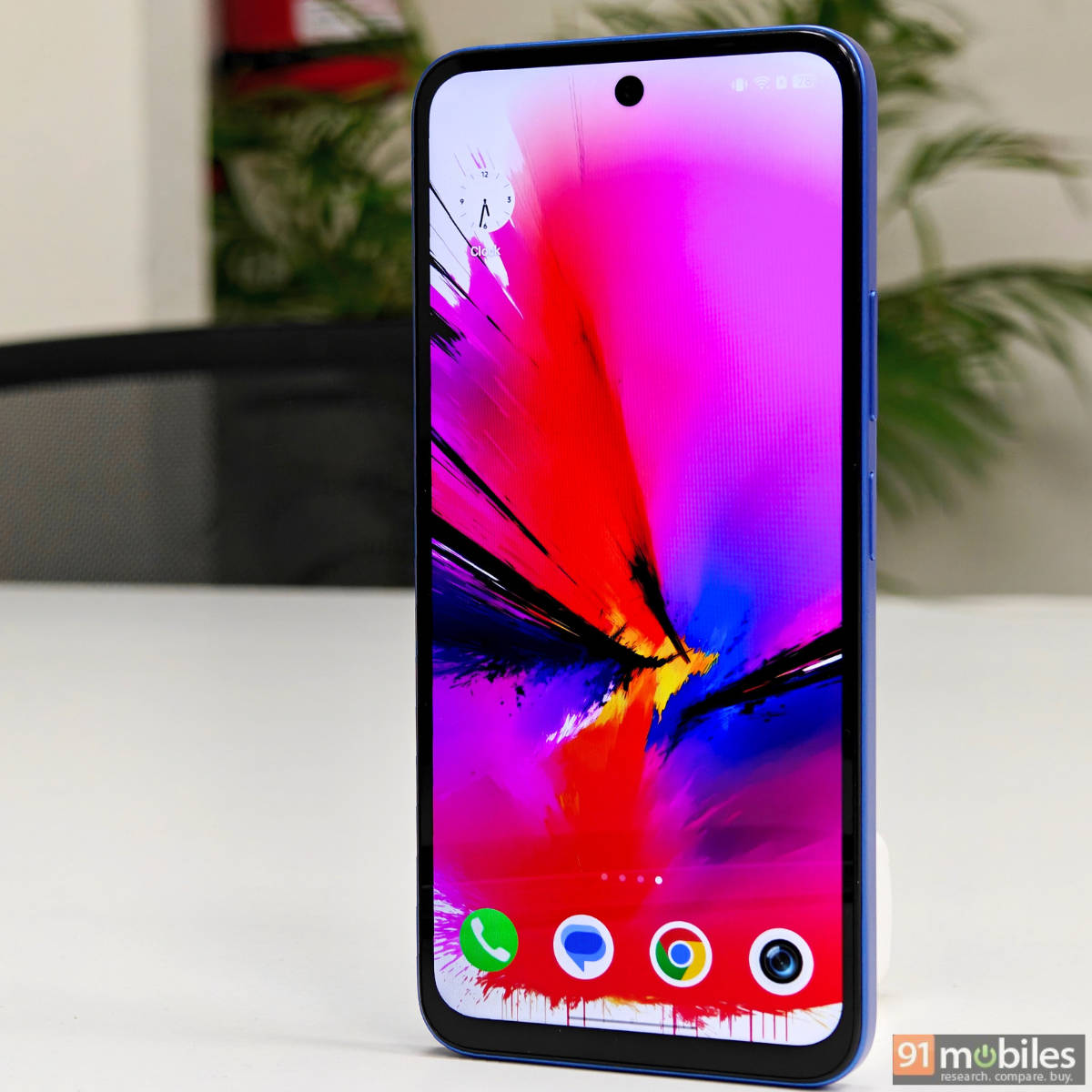
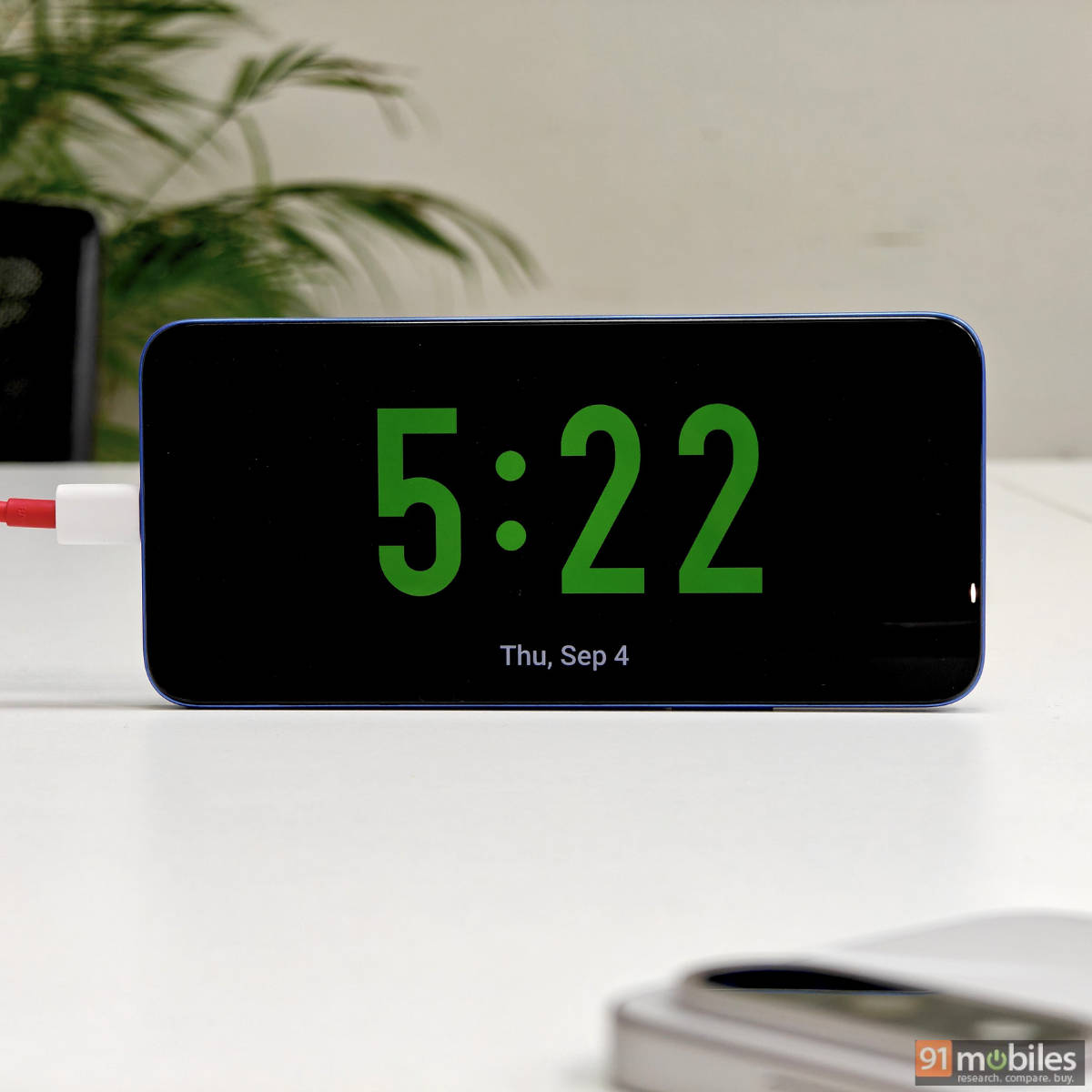
For the price, the display’s smoothness is up to the mark, and you’ll more than likely be satisfied with the scrolling experience. As for the quality of the panel, buyers can expect colours that offer a balanced visual experience, as there’s no setting to tweak the tones or white balance within the Settings app. Be it the UI elements or streaming content, the colours are lively and don’t appear dull. With stereo speakers in tow, the phone offers an immersive audio experience; however, there’s a sound imbalance, as the top speaker produces low volumes.
YouTube videos max out at 1080p resolution on the Infinix Smart 10, while the native resolution is restricted to 720p. The display supports 560 nits typical brightness, and it can reach 700 nits at the maximum level. The brightness is sufficient for indoor use; however, under a sunny sky, the display’s legibility suffers.
Sleek & stylish build
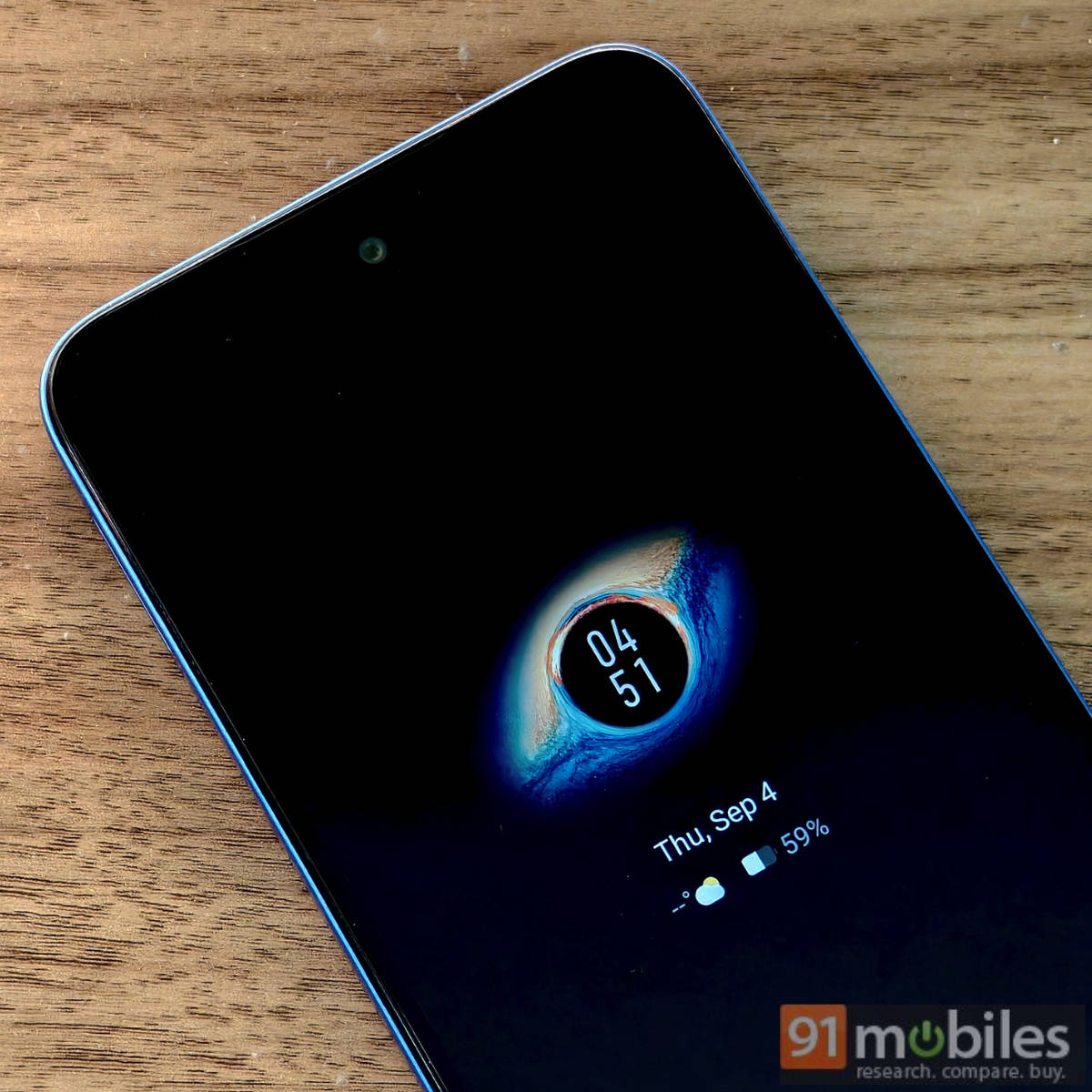
The moment you pick up the Infinix Smart 10, its lightweight design is immediately noticeable. The plastic flat frame subtly curves along the edges, offering a comfortable grip that feels secure without pressing into your palms. Weighing just 187g, the handset is lighter than rivals like the Lava Bold N1 Pro, which weighs 200g. It’s also sleeker at 8.25mm against the Bold N1 Pro’s thickness of 8.4mm.
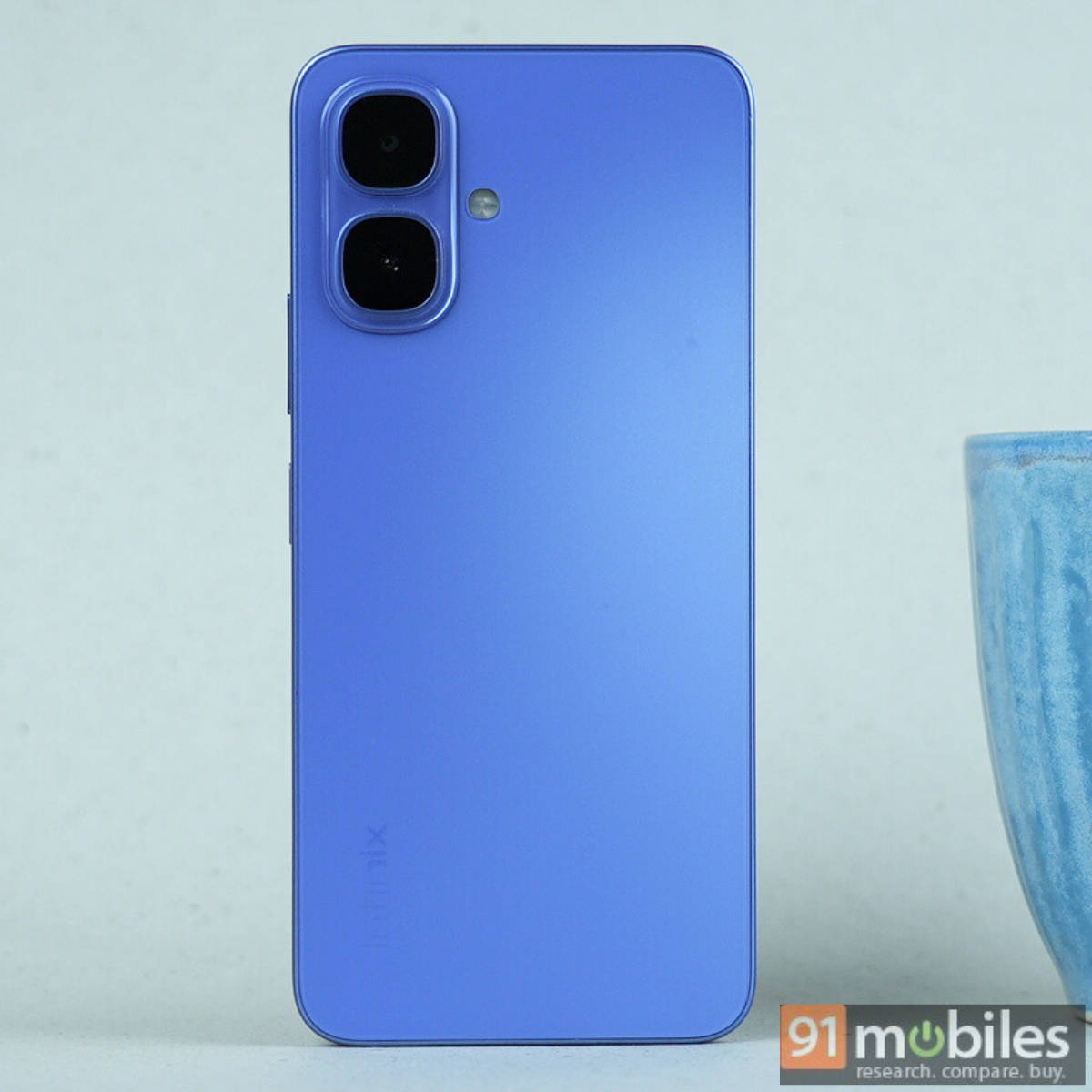
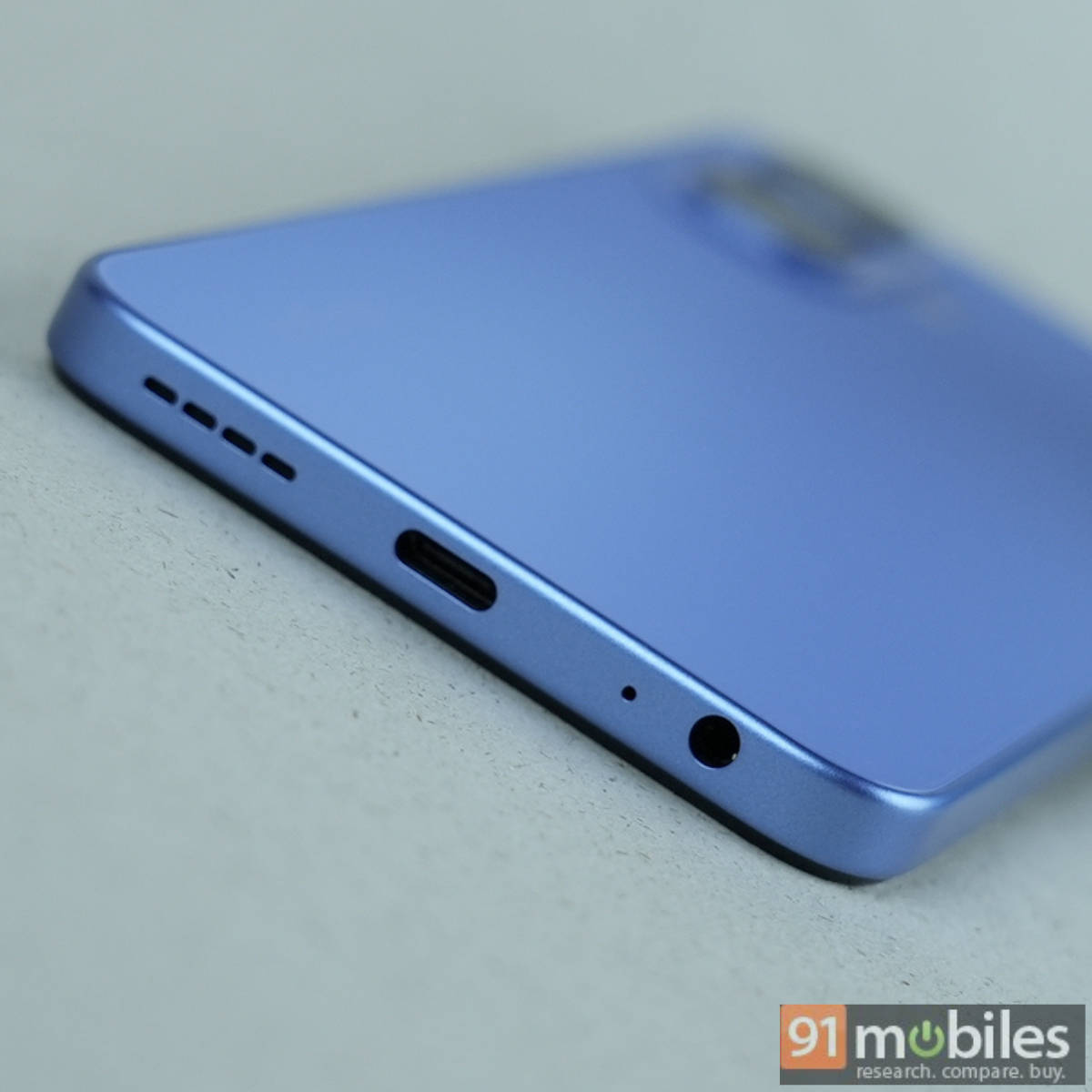
Infinix bundles a glossy transparent back cover with the phone. Using it with the phone enhances the grip as the plastic rear panel of the Infinix Smart 10 has a matte finish and may feel slippery. Right beside the charging port, there’s a 3.5mm headphone jack, while at the top, Infinix has thrown in a front LED flash below the earpiece for clicking selfies at night. The earpiece offers a decent calling experience.
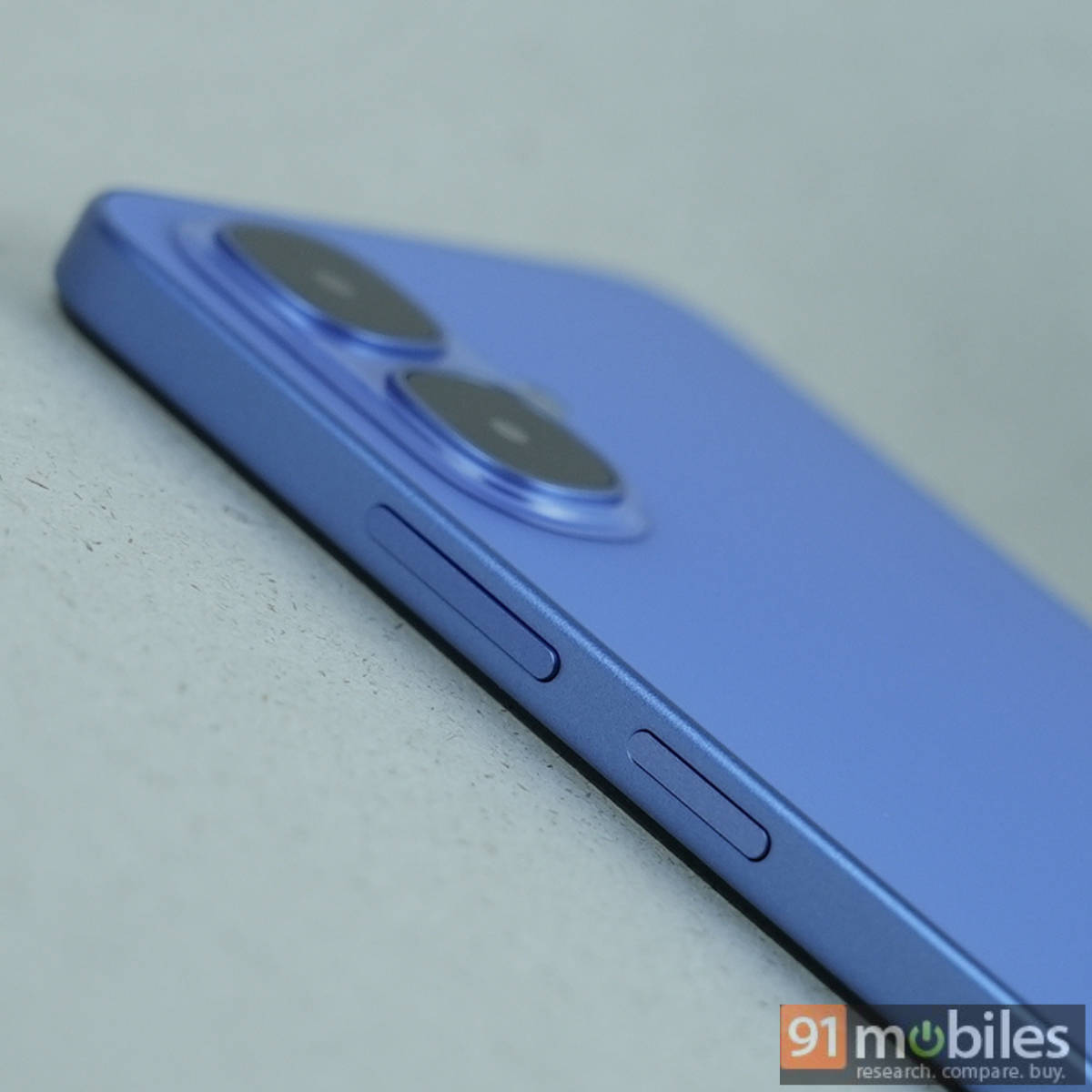
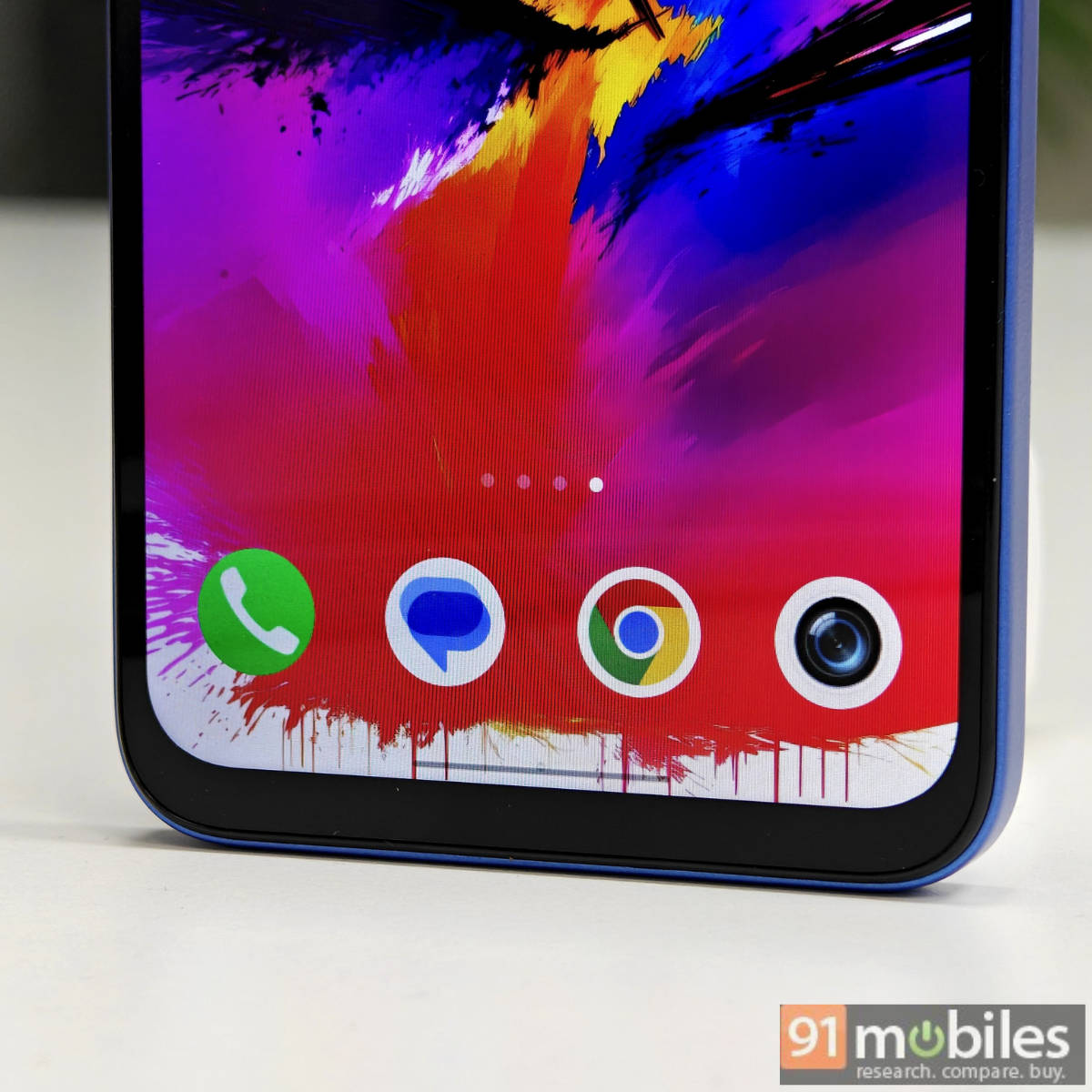
There isn’t much to complain about the display bezels and chin because that’s what you get at this price, and the same can be said for the power and volume buttons, which are tactile and placed within reach.
Okayish photography for the price
This is rare for a smartphone, but the Infinix Smart 10 rocks the same lenses for the rear and selfie cameras – an 8MP unit with a 1/4-inch sensor size that supports up to 2K resolution video capture. Along with the standard modes like video, portrait, and selfies, the camera app also gets dual video, beauty mode, pro mode, time-lapse, super night, and panorama.
Indoors, even with good lighting, there’s a slight noise in the images when pixel peeping. At night, almost anything you capture may turn out noisy and soft with low definition and details. This is to be expected from a sub-Rs 7,000 phone, as is the case with the Lava Bold N1 Pro.

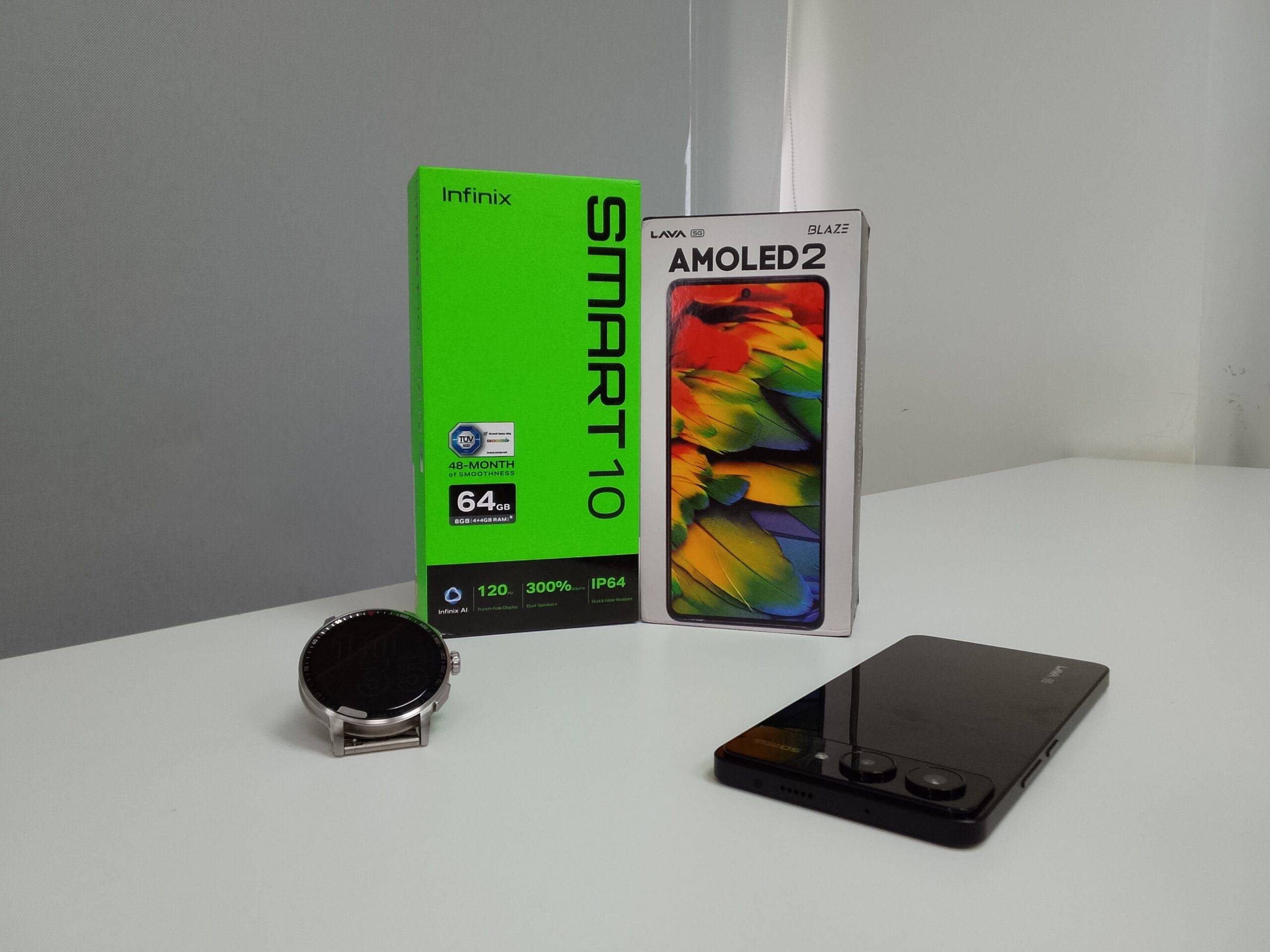


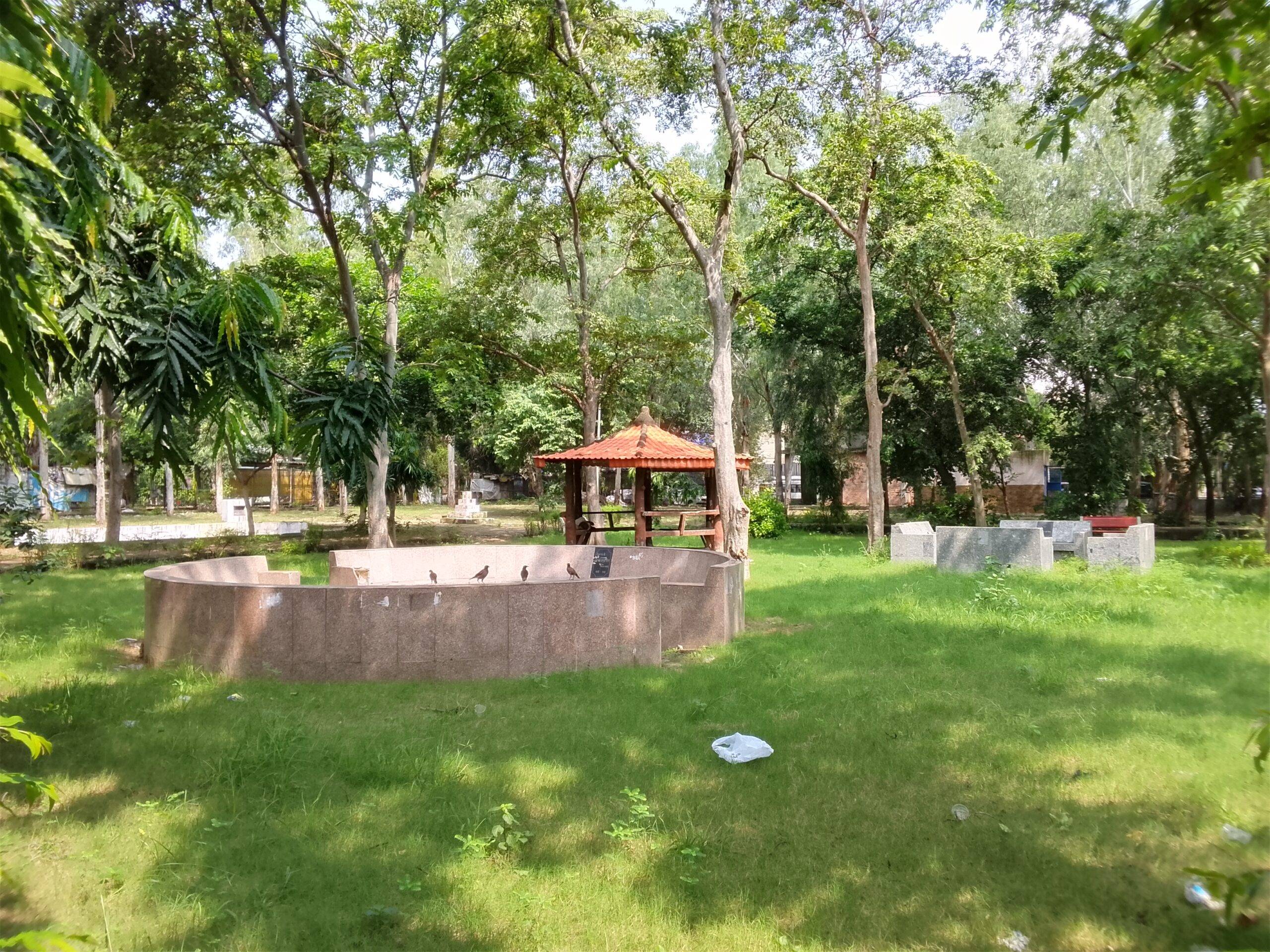



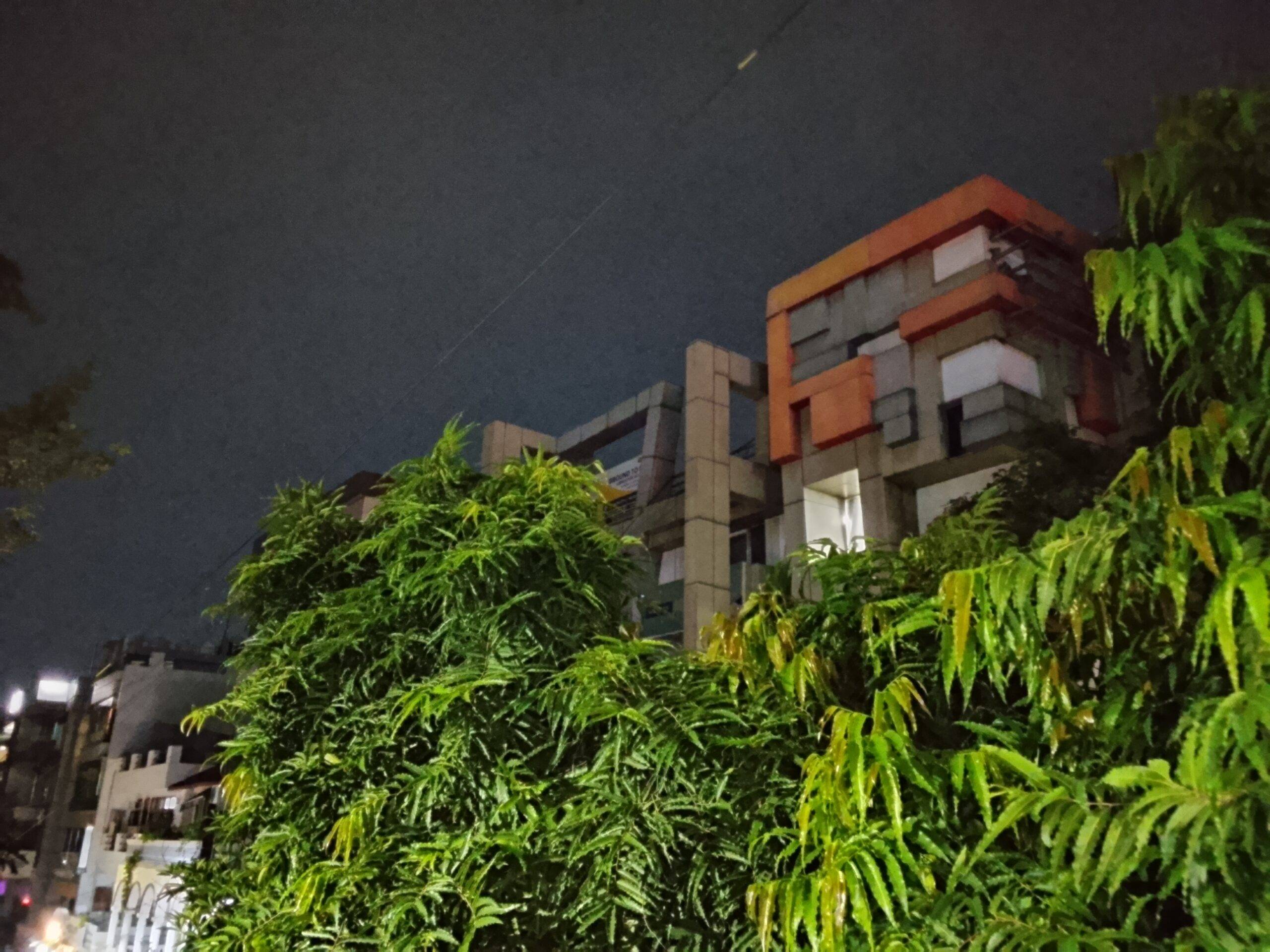



Here’s how the Infinix Smart 10 performs against its close rival, the Lava Bold N1 Pro, in various scenarios:
Daylight
In the daylight comparison, while the contrast levels are better maintained on the Infinix Smart 10, the details and colour accuracy appear better on the Lava Bold N1 Pro. The Smart 10 makes a comeback in dynamic range.


Portrait
Moving on, the skin colour and texture in the portrait mode are better rendered on the Infinix Smart 10 as the Lava Bold N1 Pro has added a warm tone. However, the Lava smartphone fares better in terms of detail and clarity. In edge detection and bokeh, the Infinix Smart 10 has done a better job.


Selfie
When it comes to selfies, the Infinix Smart 10 once again adds heavy warm and reddish tones to the subject, while Lava’s shot appears dull. Meaning, both handsets did a poor job, but the image from the Infinix handset appears to be more ideal. Lava Bold N1 Pro once again leads in detail and clarity, while the dynamic range is better on Smart 10.


Night mode
In the night mode shot, the Infinix Smart 10 has significantly boosted the colours in all areas of the image. The Lava Bold N1 has gone for a natural and realistic approach. Lava also handles the exposure of the light sources better, delivering an overall better picture.


Sufficient power for basic daily use
The performance side of things on the Infinix Smart 10 is handled by the Unisoc T250 processor, paired with 64GB eMMC storage and 4GB LPDDR4X RAM. The storage is user-expandable up to 2TB using a microSD card. This is the same 12nm chipset found on budget phones launched earlier this year, such as the itel City 100 and POCO C71. The chipset lacks 5G support; hence, the phone only supports 4G networks.

In benchmarks, the Infinix Smart 10 achieved a higher score than both the POCO C71 and Lava Bold N1 Pro in our in-house AnTuTu test. The overall AnTuTu score indicates that the handset will suffice for basic tasks, such as making calls, opening daily usage apps, and running basic-level games. Speaking of which, one can expect 30 FPS at the maximum FPS settings in BGMI. CODM runs at 60 FPS, but the handset doesn’t sustain peak refresh rate for long.

Good-looking software aided by AI features
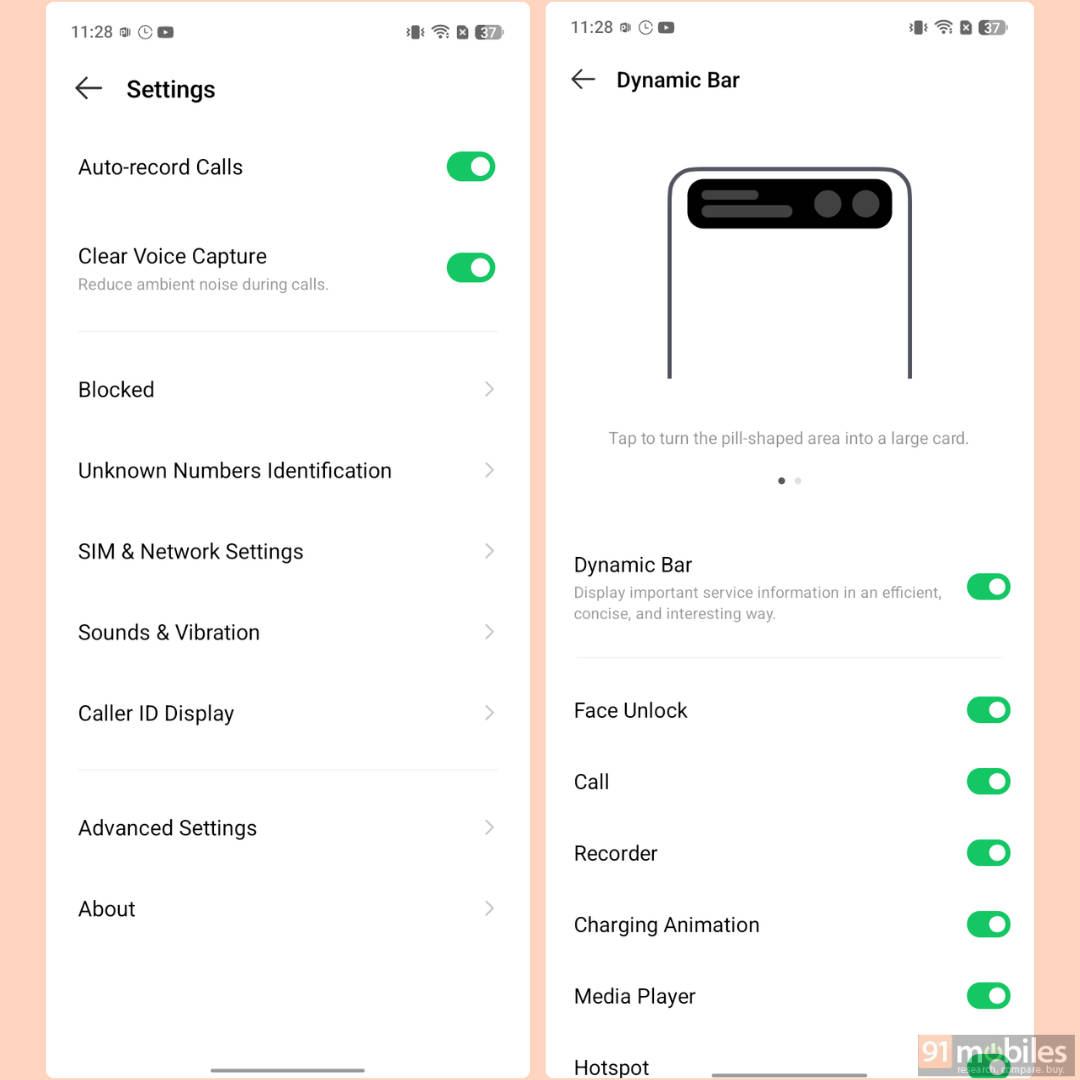
Coming to the software, the Infinix Smart 10 runs on the XOS 15 custom skin, which is based on Android 15 Go edition. If you’re looking for new-gen features like Google Circle to Search and Gemini, those are not present here. However, along with nifty features like call recording, dynamic bar, and screen recording, the Smart 10 gets Folax AI.
Folax AI is a digital AI assistant that can answer complex queries, generate images, and even alter the phone’s settings. One can consider this as an alternative to Google Gemini or ChatGPT built right into XOS 15.
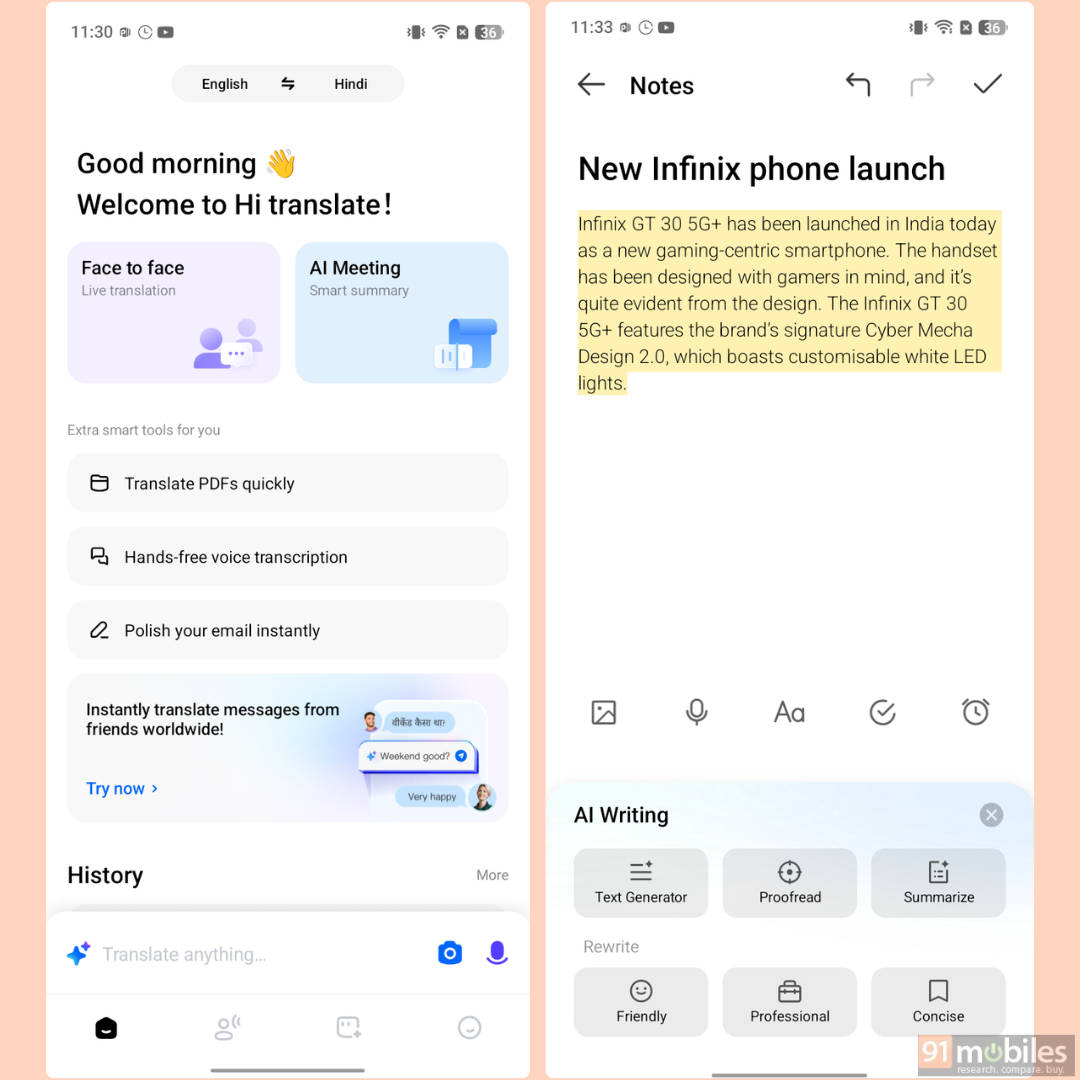
Furthermore, several AI features that I encountered when reviewing Infinix AI are also present here. These include AI Writing, AI Summary and AI Translate. I’d say Infinix did a commendable job bundling these features at the price Smart 10 retails for. Although the phone boots on the latest Android 15, unlike the Lava Bold N1 Pro, it will not receive future OS updates other than security updates for one year.

Strong battery life, lengthy charging times
The Infinix Smart 10 rocks a decent-sized 5,000mAh battery that can charge at up to 15W speeds through the bundled adapter. In our PCMark battery drain test, which consecutively runs and mimics real-world tests, the Infinix Smart 10 achieved a runtime of 11 hours and 35 minutes. This is a tad better than the Lava Bold N1 Pro, with the same battery capacity as that phone ran for 11 hours and 17 minutes.
When it comes to charging the handset, it took around 160 minutes to juice up its battery from 20 to 100 percent. This is certainly a long wait, but considering the battery doesn’t draw much power, the phone should last long on a single charge before needing to be plugged in. Overnight charging would suffice more.
Verdict: Is the Infinix Smart 10 worth buying at Rs 6,799?
For the retail price of Rs 6,799, one can’t go wrong with the Infinix Smart 10 for running basic to moderate tasks since the Unisoc T250 processor paired with a 120Hz (90Hz in most apps) refresh rate screen delivers reliable operation of the phone.
The handset is also well built for the price. It is sleek and lightweight, especially compared to its direct rivals like the Lava Bold N1 Pro, and even comes with an IP64 rating for added durability. The Smart 10 also features an additional speaker at the top for louder sound, which is still a rarity at this price.
Lastly, even though the phone won’t receive any OS upgrades, the software has adequate functions and AI features that may aid in daily workflow. The phone’s disappointments lie in significantly slow charging speeds and weak cameras, which are still manageable for the price, in case fast charging and cameras aren’t your priority.
Editor’s rating: 7.6/10
Reasons to buy:
- Lightweight and sleek, with an IP64 rating that enables easy portability of the phone.
- The 120Hz refresh rate screen is paired with stereo speakers for an enhanced content-watching experience.
- Offers several AI features for daily use, such as AI writing, summarisation, translation, and a digital assistant, Folax AI.
- Offers a great battery endurance for running daily tasks.
Reasons not to buy:
- The charging duration is considerably long.
- The cameras, while fine for the price, don’t deliver detailed results.