


Review Summary
Expert Rating
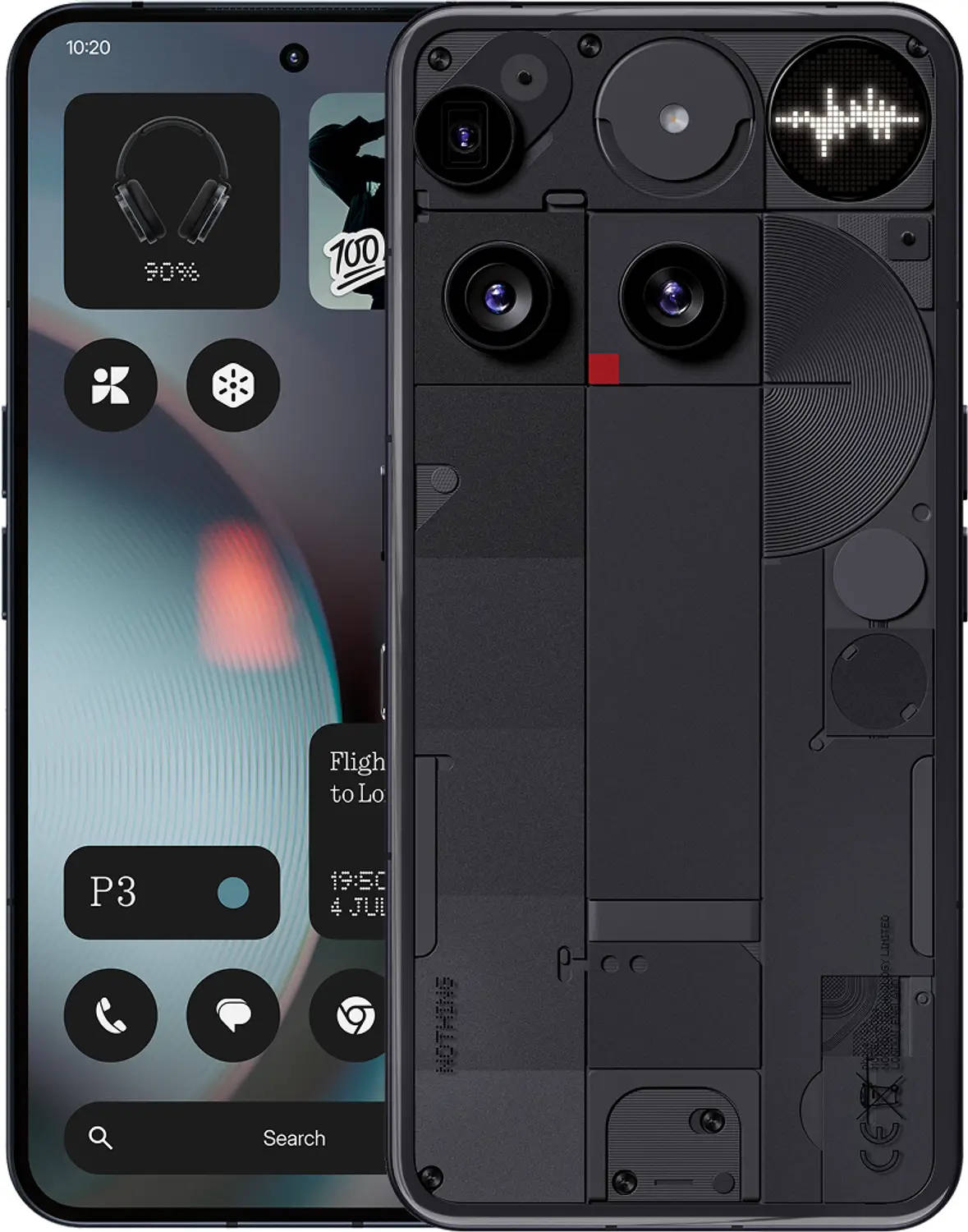
The Nothing Phone (3) made a design choice that people are going to be talking about for a while. I recently wrote about how the Phone (3) has a few things going against it, but the design wasn’t one of them. I’ll get into that a bit later. The real issue, and the reason many people are understandably frustrated, is the pricing. Nothing can justify its design decisions all it wants, but in India, that Rs 79,999 price tag makes the Phone (3) a tough sell, no matter how good it is. And make no mistake, it is a pretty good phone.
Table of Contents
In a nutshell
The Nothing Phone (3) is a capable smartphone that feels held back by its pricing and out-of-the-box design. While it gets a lot right – clean software, good battery life, great display – it simply doesn’t offer the kind of performance or camera prowess you’d expect at Rs 79,999. It’s a good phone, but one that would’ve made more sense in a more affordable price bracket.
 A bold design choice that splits opinion
| Smartphone | Thickness | Weight | IP Rating |
| Nothing Phone 3 | 8.99 mm | 218 grams | IP68 |
| Apple iPhone 16 | 7.80 mm | 170 grams | IP68 |
| Samsung Galaxy S25 | 7.2 mm | 162 grams | IP68 |
| Google Pixel 9 | 8.5 mm | 198 grams | IP68 |
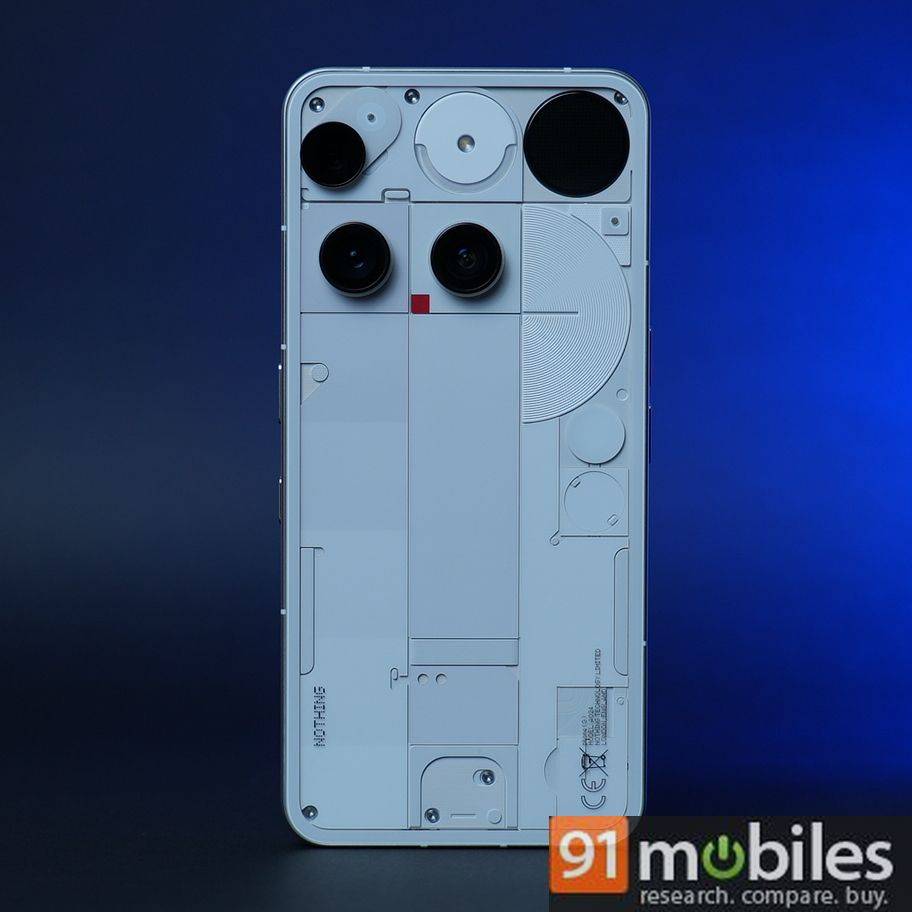
There’s a lot to unpack about the design, so I’ll try to keep this as simple as possible. The Phone (3) marks the first time Nothing has entered the premium flagship space. This is a segment that includes the iPhone 16 (review), Samsung Galaxy S25 (review), and Google Pixel 9 (review). Apple, Samsung, and Google all follow a similar design philosophy: clean, minimalistic, and symmetrical. As a result, their phones tend to look quite similar. And then comes the Nothing Phone (3).
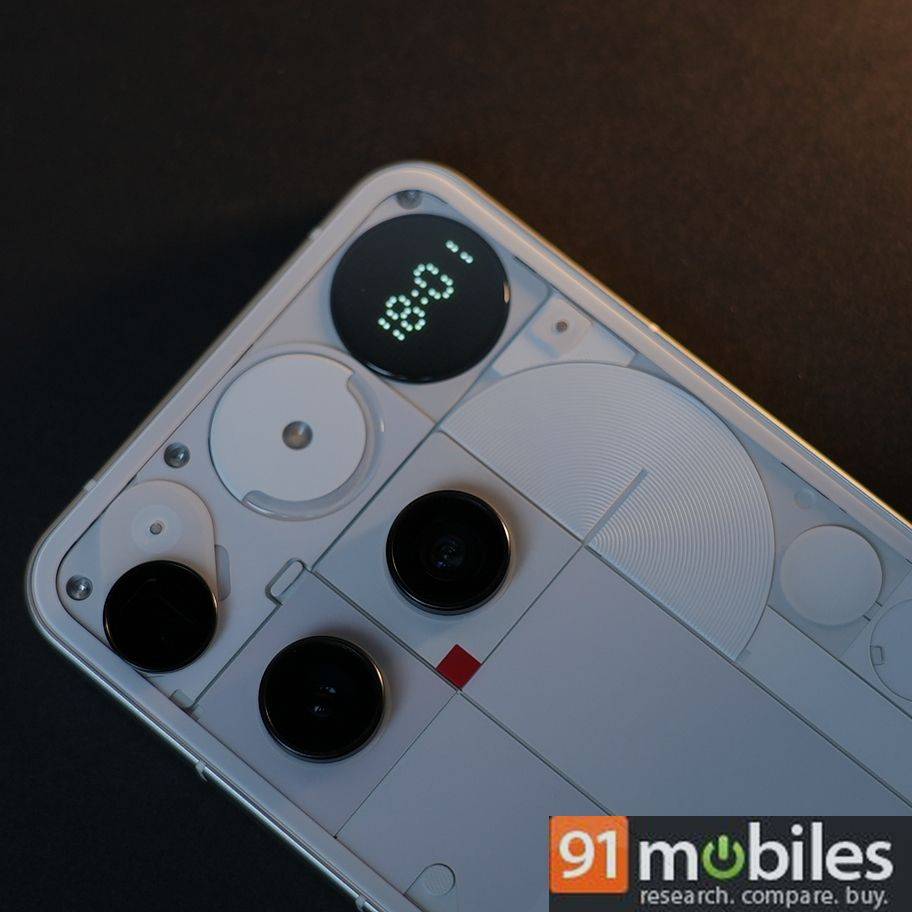
This kind of design might be easier to accept on a more affordable phone, like the Phone (3a) Pro. But when you’re spending close to Rs 1 lakh, you might not be as open to something that feels experimental. So, I’d say the design both works and doesn’t, depending on the kind of buyer you are.
That said, I do see the design as a natural evolution of what Nothing has been working on over the years. The Glyph LED lights, which previously just blinked, are now concentrated into a single circular display that feels more visual and information-focused. The tiny red dot, once purely cosmetic, now lights up and blinks when recording voice or video, making it a practical indicator.
The Glyph Matrix, as Nothing calls it, consists of 489 LEDs that display visual notifications for messages, emails, and calls. Staying true to the brand’s idea of “making tech fun again,” you also get games like spin the bottle and rock-paper-scissors, which can be played with friends and family. Nothing has also opened up the Glyph SDK to developers, so we may see more interactive features in the future.
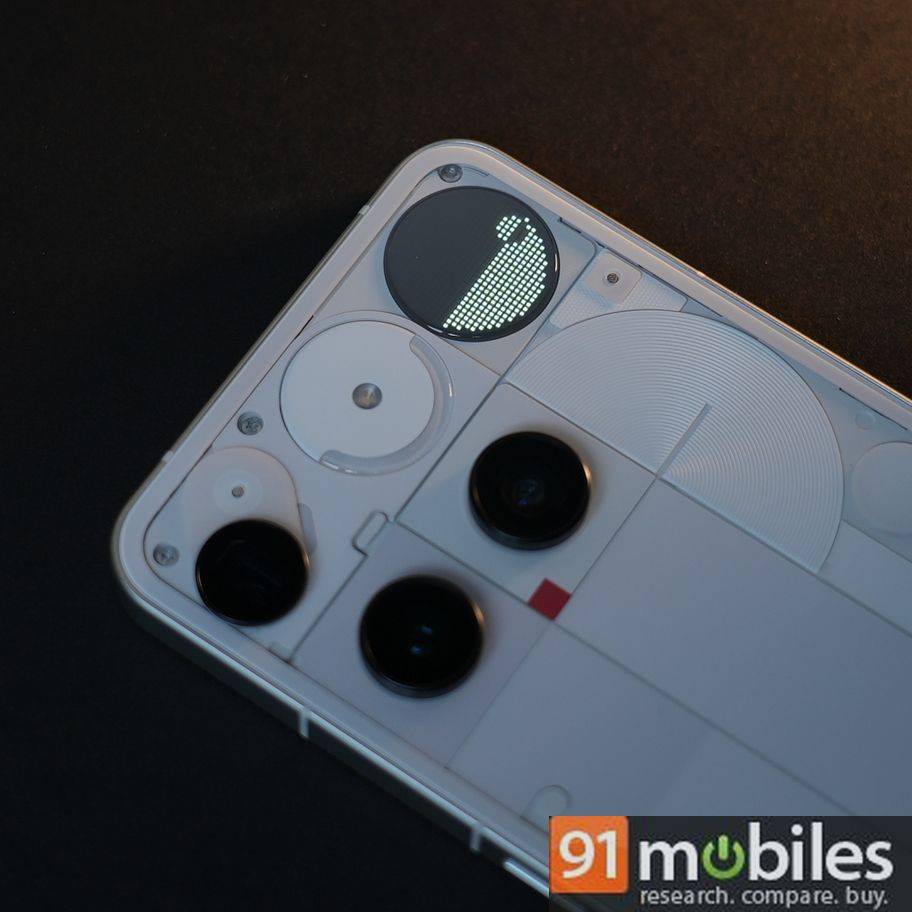
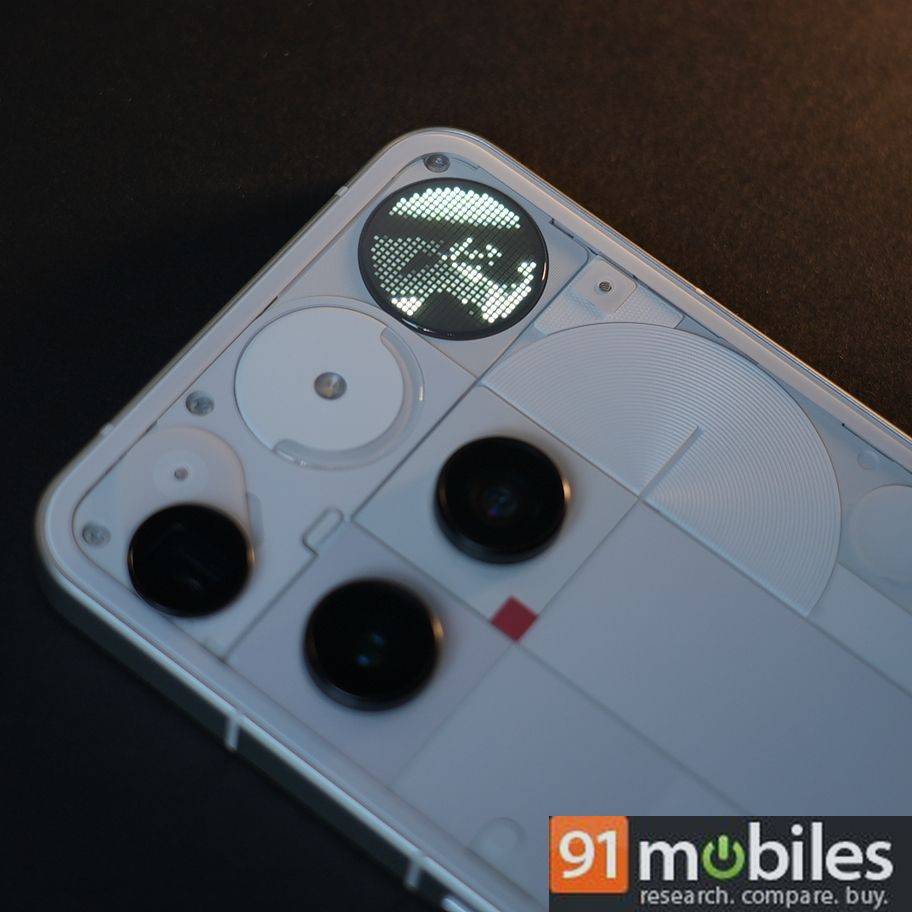
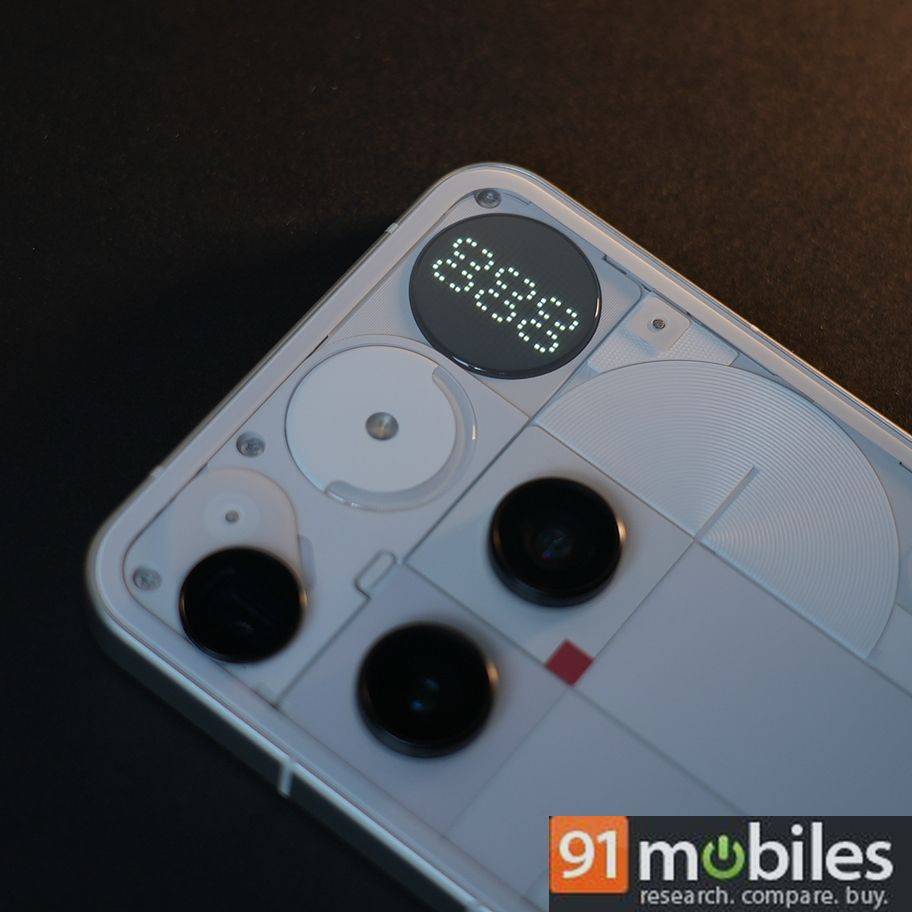
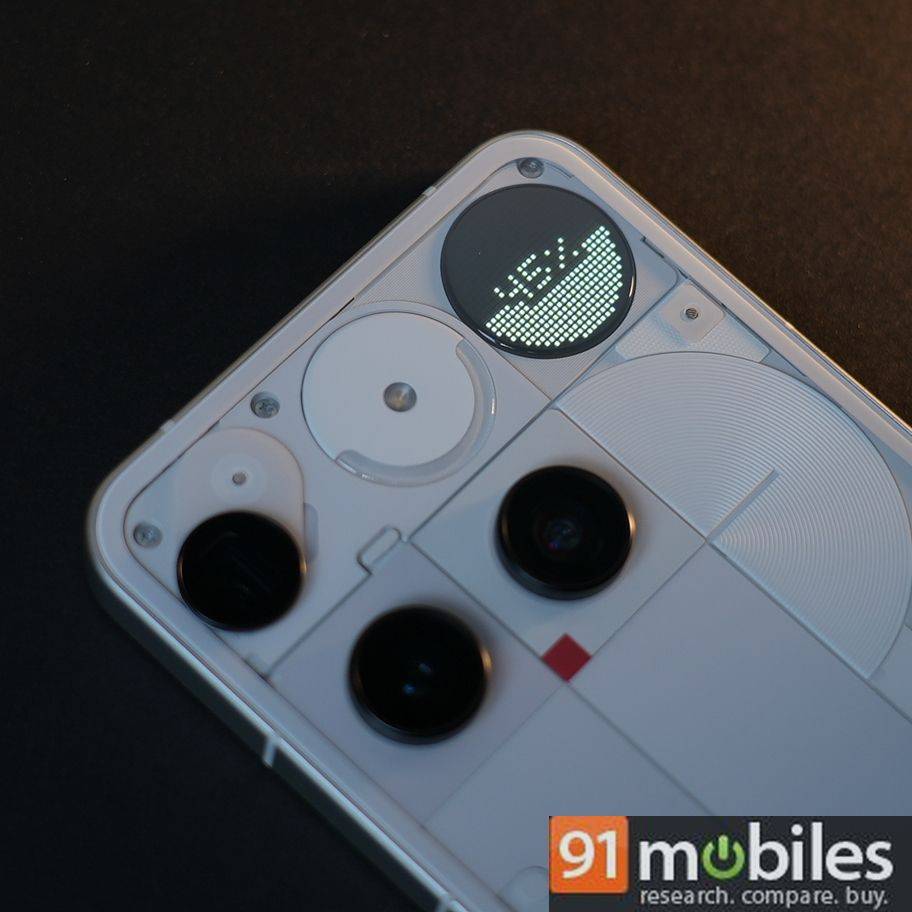
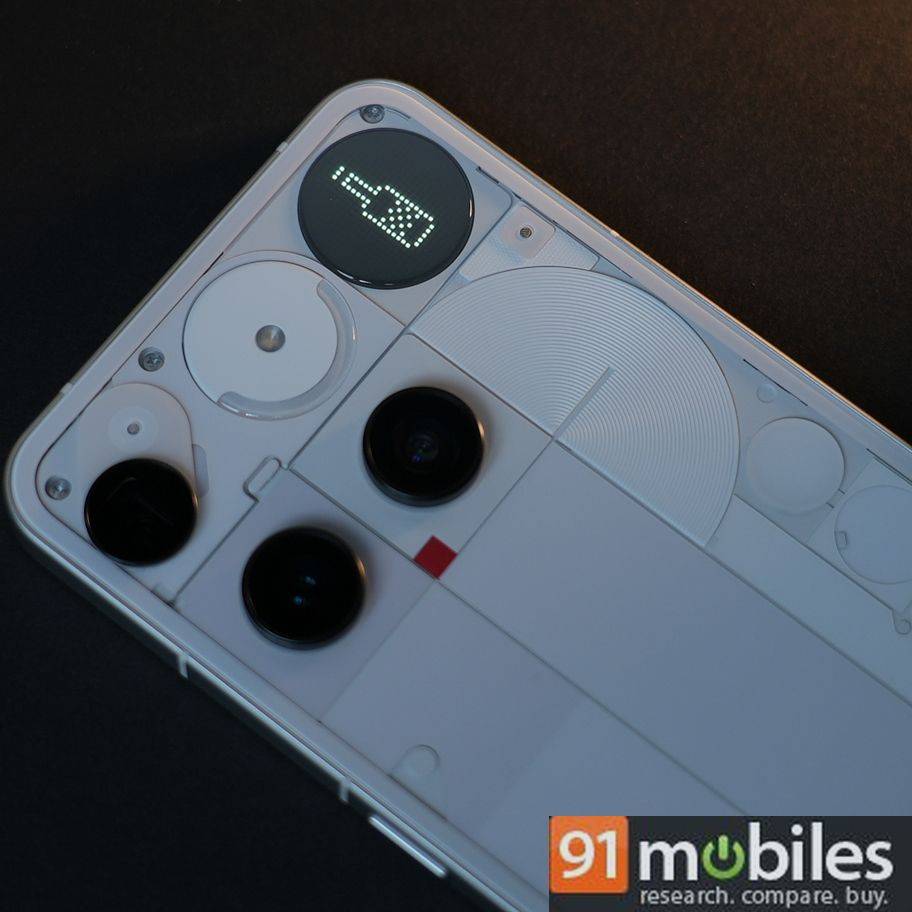
I understand what Nothing is trying to achieve with the Glyph Matrix. It wants people to engage more with a visual LED interface rather than basic light strips. However, during my time using the Phone (3) as my daily driver, I rarely found myself using features like Stopwatch or Glyph Mirror. The Glyph Toys were fun to show off once to friends, but after that, I never used them again. In fact, I found the simpler LED strips on older Nothing phones to be more practical and visually appealing compared to the Glyph Matrix on the Phone (3).
If the goal was to encourage users to put the phone face down and reduce screen time, I don’t think it really delivers. Even the pressure-sensitive button on the back, which is supposed to let you switch widgets or trigger actions, failed to work consistently in my experience.
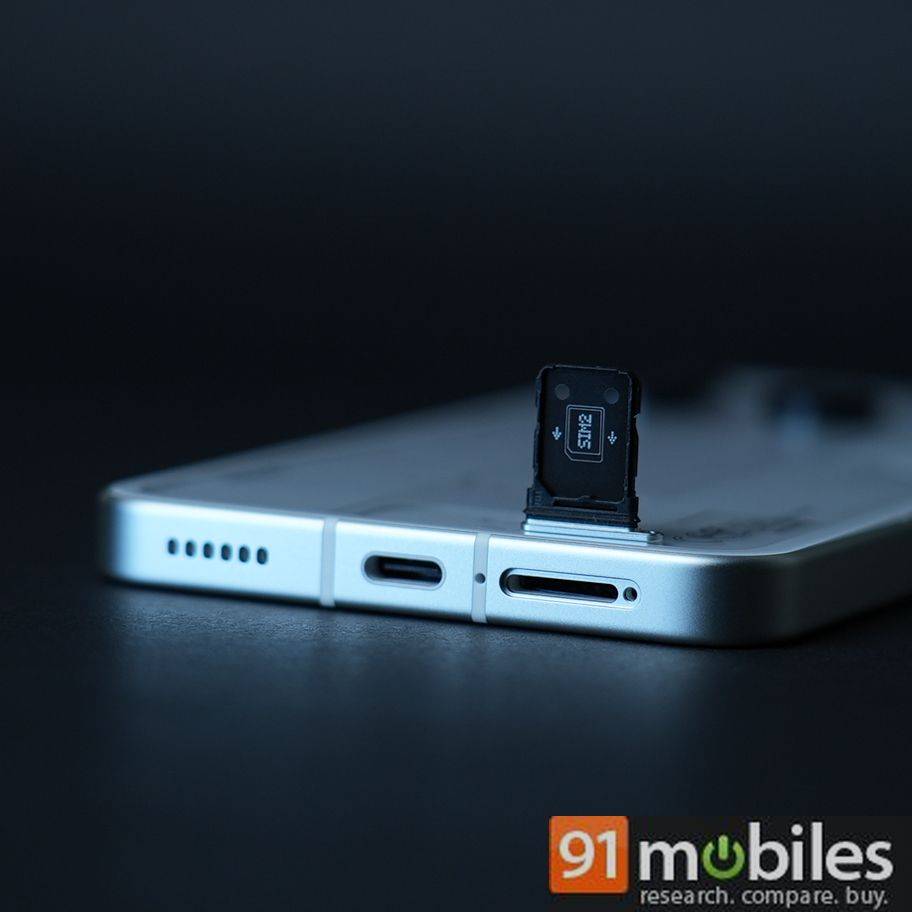
I know I said I’d try to keep this section short, but that’s easier said than done. Design and pricing are two controversial aspects of the Phone (3). But to sum up, the Glyph Matrix and asymmetrical rear design are bold choices that may not appeal to most buyers in the premium segment. On top of that, while Gorilla Glass Victus protect the back, the front uses Gorilla Glass 7i, which is a mid-range solution. Although the phone boasts an IP68 rating, the inclusion of a slower USB 2.0 Type-C port (instead of USB 3.2 on the Galaxy S25) on an Android phone priced at Rs 80,000 seems unjustifiable.
An eye-catching display
Thankfully, the display on the Nothing Phone (3) is not controversial. It features a 6.67-inch flexible AMOLED LTPS panel with an adaptive 120Hz refresh rate, 1600 nits of outdoor brightness, and a peak brightness of 4500 nits when playing HDR content. You also get 2160Hz PWM dimming, HDR10+ support, and more.
I had no complaints with the display. It delivers vibrant colours, sharp visuals, and excellent brightness outdoors. The bezels around the screen are evenly slim, adding to the phone’s premium look and feel.
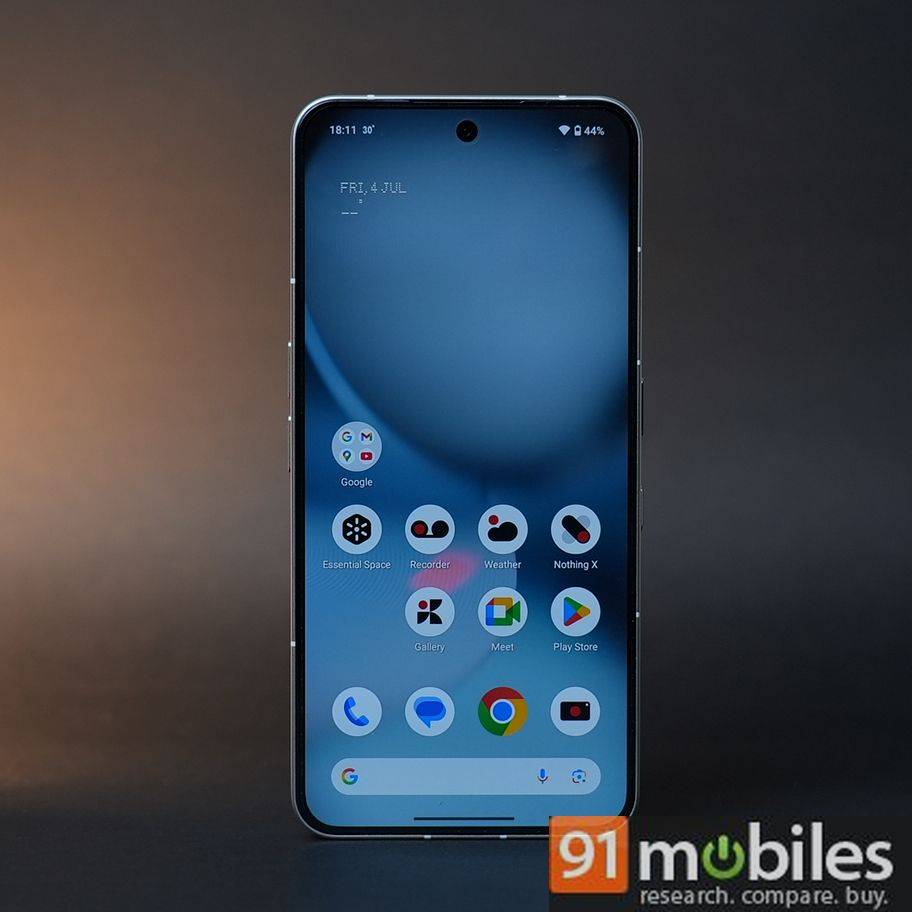
Overall, it’s a very good display that could have benefited from stronger Gorilla Glass protection on the front.
Good cameras, just not flagship-grade
The cameras on the Nothing Phone (3) are good. In fact, they’re quite good, if the phone were priced around Rs 50,000. But at Rs 80,000, the expectation is different. In this segment, the cameras need to be great.
I took some photos in London while attending the Phone (3) launch, and the main camera delivered impressive results for the most part. Images offered good colour reproduction and dynamic range. You can also experiment with filters like B&W Film, Retro, Soft Focus, and Lenticular, depending on the scene. However, the biggest drawback was the lack of sharpness and detail, especially when zooming into the photos. This is where competing phones like the iPhone 16 pull ahead.


In daylight, the primary camera captures bright and vibrant colours, though it often blows out shadows in high-contrast scenes. The macro mode uses the telephoto lens’ 3x zoom to get close to the subject, and while it works well on still objects, it struggles with movement.
Beyond 3x zoom, the camera starts to show its limitations. Shots at 6x and above tend to appear soft and grainy. Lowlight stills are just about fine and usable if there’s enough ambient light around. Zoom in and you’ll notice a lack of sharpness and clarity again.
You can shoot 4K videos at up to 60fps on all cameras, but the phone doesn’t allow seamless switching between all four lenses while recording. This is a missed opportunity, especially if Nothing is aiming to appeal to content creators. You can only switch between 1x and 3x mid-recording, or shoot separate clips using the ultra-wide or front cameras.
Videos in daylight look quite good, with decent stabilisation thanks to OIS on both the main and telephoto lenses. However, low-light videos are underwhelming and fail to deliver the same level of clarity or detail as an iPhone 16 or Galaxy S25 would.
I captured some photos with the iPhone 16 to show how the two phones perform in various scenes. Overall, iPhone 16 won this comparison, but the Phone (3) held up quite well.
Daylight
Nothing Phone (3) does pretty well in daylight scenes. Photos captured appear detailed and sharp, but Nothing tends to lean towards brighter photos, which comes at a cost. The iPhone 16, while less sharp, does a better job of retaining shadows and contrast.


Portrait
The Nothing Phone (3) edges out (pun intended) the iPhone 16 by delivering portraits with better edge detection and sharpness. However, the iPhone 16 captures more accurate colours, especially in skin tones and clothes.


Selfie
On its own, selfies from the Phone (3) look good. But next to the iPhone 16, you’ll find that the iPhone once again manages to better reproduce true-to-life skin tones, colours and dynamic range.


Low-light
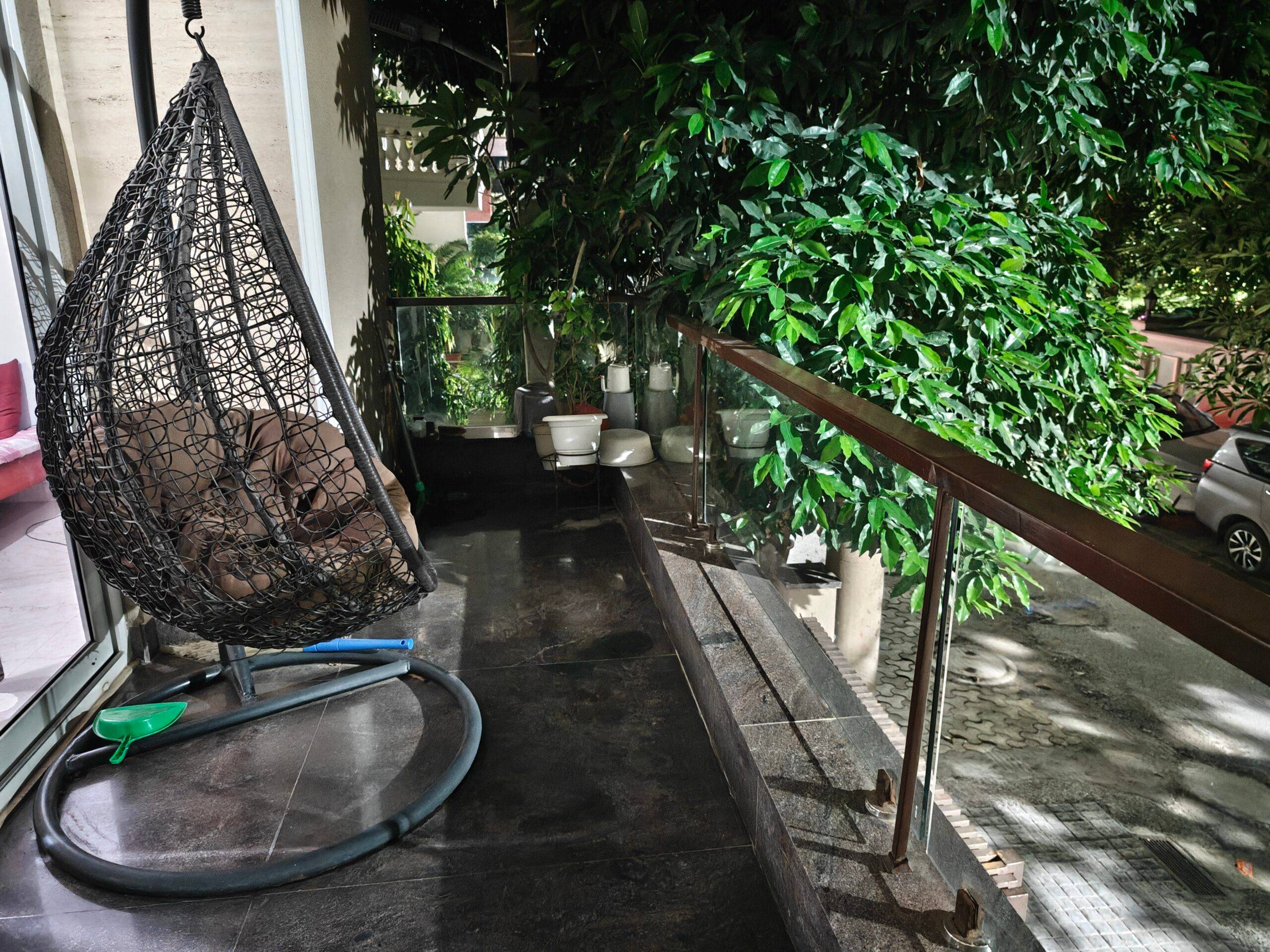
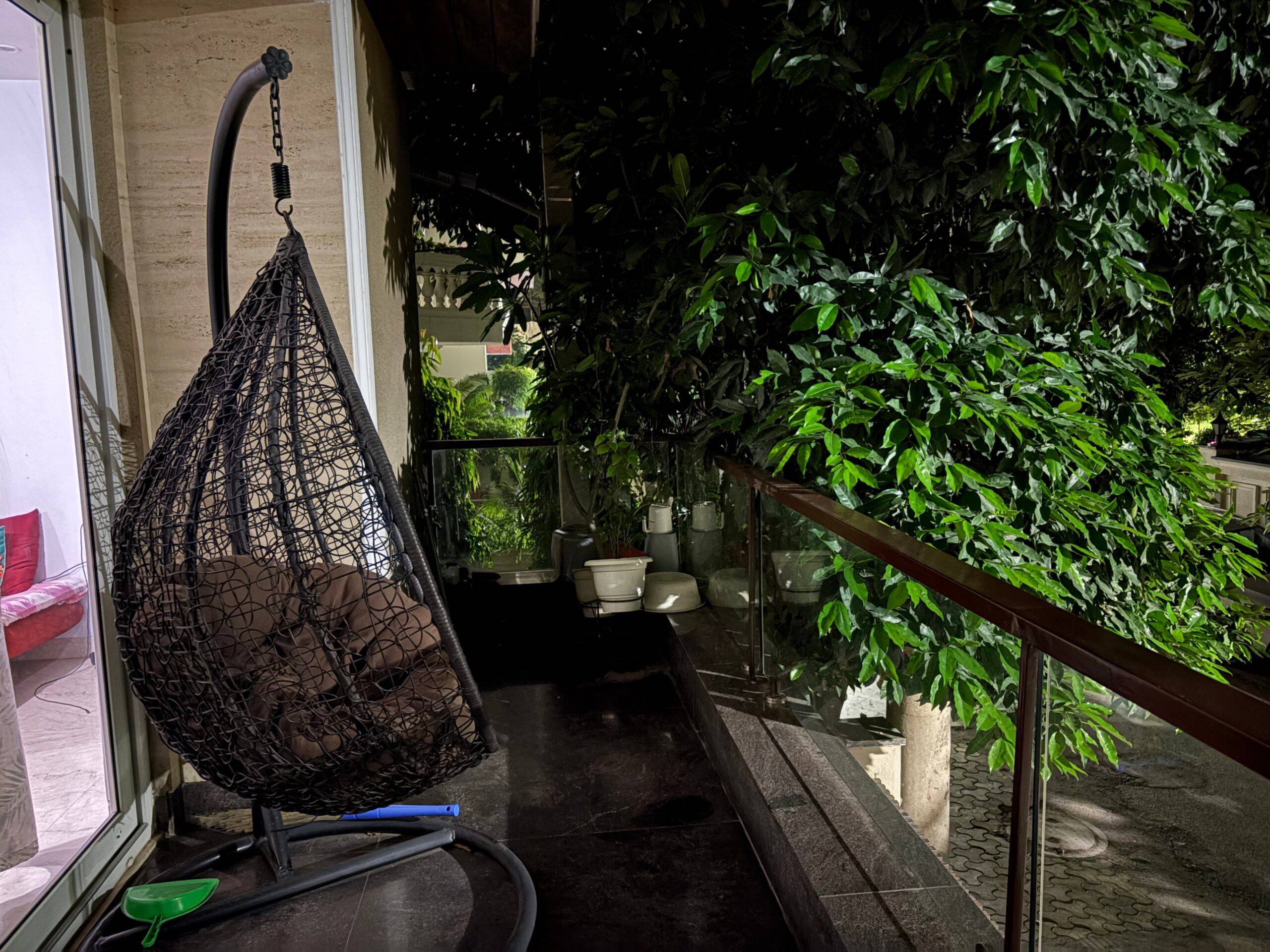
On first glance, you’ll notice the Phone (3) captures a brighter image in low light thanks to its bigger sensor size. But if you look closely, this also comes at the expense of killing natural shadows and details, such as the pattern on the floor tiles, which looks clearer on the iPhone 16.
Capable performance, but not top-tier
At Rs 80,000, an Android phone is expected to use the flagship Qualcomm or MediaTek chipset, which would be the Snapdragon 8 Elite or the Dimensity 9400. But the Phone (3) is powered by the 4nm Snapdragon 8s Gen 4 chip, which is the same chipset that powers sub-Rs 40,000 phones like the POCO F7 and iQOO Neo 10.
That said, the Snapdragon 8s Gen 4 is great. It’s a 4nm chip that makes the Phone (3) feel snappy and smooth while browsing through apps and switching between them. There are definitive performance gains over the Phone (2). You also get 12GB of base LPDDR5X RAM and 256GB of base UFS 4.0 storage. The unit I’m reviewing is the 16GB+512GB variant. Suffice it to say that this helps deliver a largely smooth and lag-free daily usage.
Benchmark scores for the Snapdragon 8s Gen 4 are also decent, reaching close to 2 million on AnTuTu. But, the Snapdragon 8 Elite and Dimensity 9400 are still more powerful, with phones like the Galaxy S25 and Vivo X200 Pro delivering better benchmark scores. It does manage to outscore the A18 chip powering the iPhone 16.



While the Phone (3) might not look like a gaming phone on the outside, the Snapdragon 8s Gen 4 is more than capable of handling graphically intensive games. We tested BGMI and Call of Duty: Mobile for around 30 minutes each and found the experience largely lag-free, with consistent frame rates around 60fps and excellent thermal efficiency.
Clean software with light AI touches
Nothing’s strength has always been in their software, and the Phone (3) gets the best version yet with Nothing OS 3.5. It will also be among the early adopters of Nothing OS 4.0. Nothing OS might seem strange to someone who has never used a Nothing phone before, but the experience is great once you get into it. It is among the cleanest skins out there, with only around 33 pre-installed apps, fewer than the iPhone 16, Galaxy S25, and even the Pixel 9.
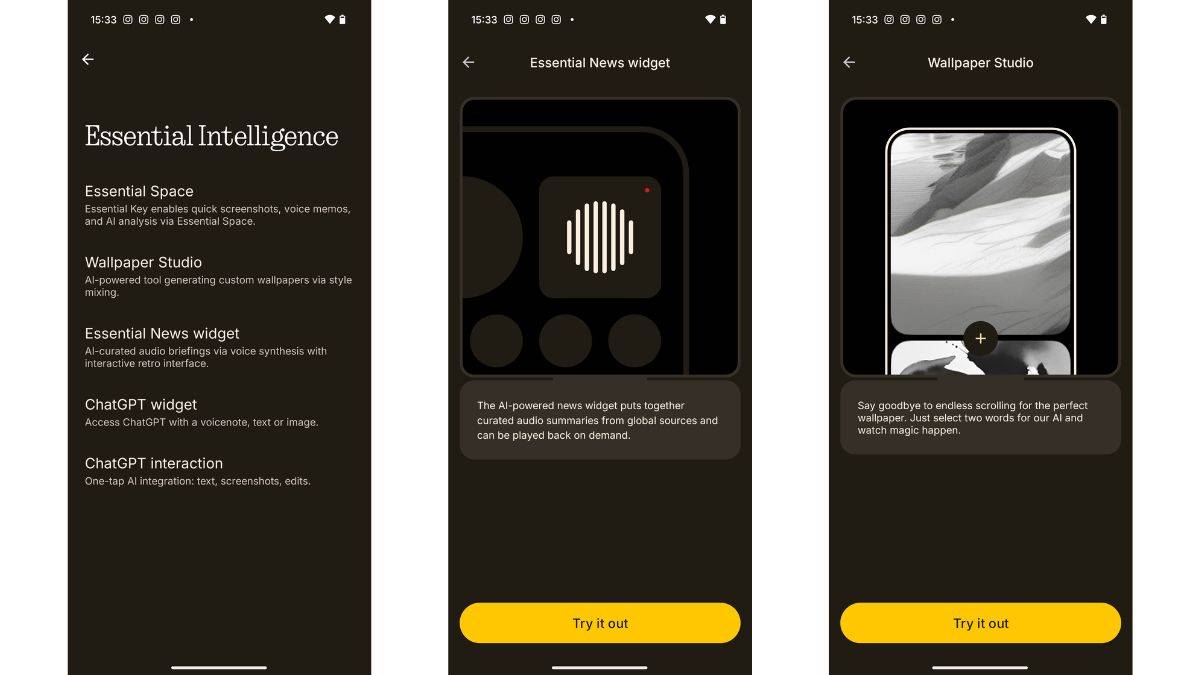
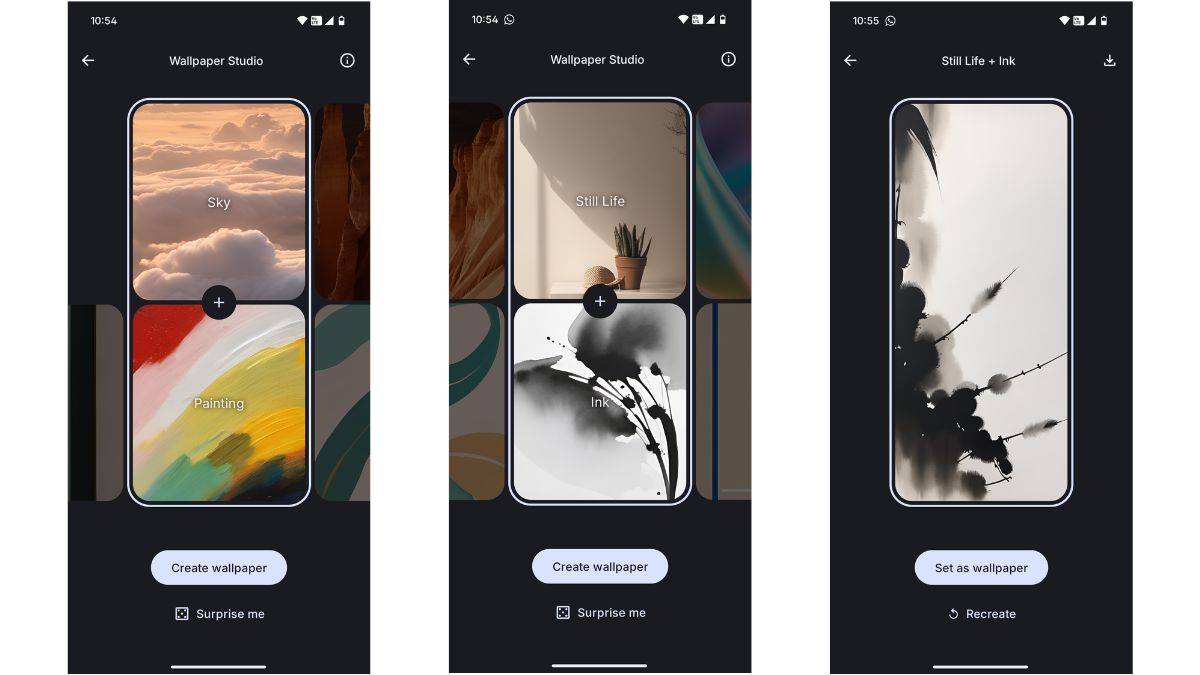
Other AI features include creating AI-powered wallpapers in Wallpaper Studio. It lets you select a combination of two words, such as Sky + Black and White, Sky + Painting, Still Life + Ink, and so on, and the AI will create wallpapers based on that combination. It’s a pretty neat way to create wallpapers if you’re bored with the pre-loaded ones. Essential News widget gives you an audio briefing of the day’s popular news (based on the topics you like). Finally, you also have ChatGPT integration.
Strong battery life, quick charging
The Phone (3) uses a 5,500mAh silicon-carbon battery, which is interesting for two reasons. First, silicon-carbon batteries typically allow manufacturers to fit a larger battery without increasing thickness. That’s why we’re seeing more phones in 2025 offering 6,000mAh or higher capacities. With that in mind, Nothing could have provided a bigger battery, but instead, you get 5,500mAh.
Paper specs aside, the Phone (3)’s battery life is excellent. It consistently delivered two days on a single charge during my week of use as a primary device. My typical day involved messaging on WhatsApp, using Google Maps while driving, checking emails, some photography, and scrolling through social media apps like Twitter and Instagram. With this usage pattern, I averaged around 6 to 7 hours of screen-on time.
Charging is also solid. The 65W wired charging is an upgrade over the Phone (2)’s 45W support and gets the battery from 20 to 100 percent in about 50 minutes. That’s faster than most other flagships in its segment. The phone also supports 15W wireless charging, 7.5W reverse wired charging, and 5W reverse wireless charging. These are respectable numbers for a flagship phone in 2025.
Final verdict: Built for the niche, not the masses
There’s no doubt that the Nothing Phone (3) stands out, sometimes for the right reasons, sometimes not. The transparent design, bold asymmetry, and the new Glyph Matrix all work together to create a phone that looks like nothing else in the flagship space. For some people, this will be reason enough to buy it. For some people.
Performance from the Snapdragon 8s Gen 4 is good, but not top-tier. Cameras are versatile and fun to use, but lack the sharpness and consistency expected at this price. Battery life is excellent, and charging speeds are respectable. The software is clean and intuitive, with a few interesting AI features, though not as deep or functional as what Samsung or Google offers.
Ultimately, the Phone (3) is a well-rounded device wrapped in an unconventional package. But at Rs 79,999, it lands in the same league as the iPhone 16 and Galaxy S25, and that’s where its charm starts to wear thin. Nothing has built a phone for the niche, not the masses.
Editor’s rating: 7.8/10
Reasons to buy:
- The unique aspect of the design makes it stand out, which might attract some buyers
- Large and attractive display with punchy colours and HDR support
- Solid battery life with fast wired charging
- Clean, bloat-free software experience
Reasons not to buy:
- Overpriced for the hardware on offer
- Asymmetrical design may not appeal to everyone
- Cameras are good, not great
 | vs | 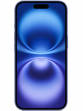 |
| vs | 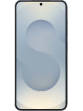 |