Review Summary
Expert Rating
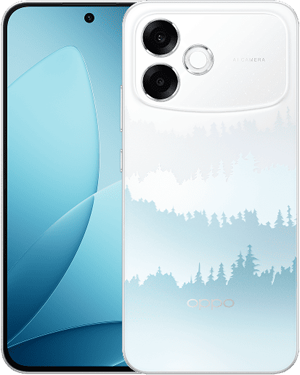
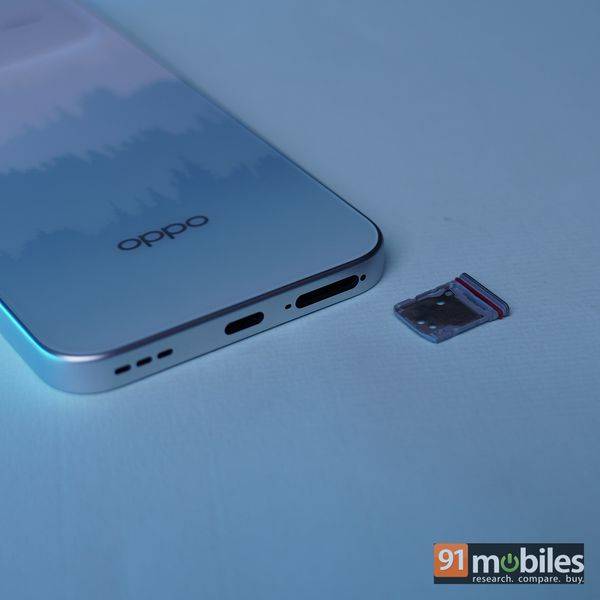
The OPPO F33 Pro in Misty Forest could easily be one of the most striking smartphone designs of the year. This colour variant introduces the industry’s first dynamic 3D depth effect, creating a layered interplay of mist and light that evokes a serene forest scene. Complementing this is a frosted-glass back with a glossy camera platform, which not only enhances visual appeal but also delivers a refined, comfortable in-hand feel.
But beyond the looks, how well does the smartphone hold up where it truly matters? At an asking price of Rs 37,999, does it deliver enough to justify the investment? Let’s dive in as I break it all down in this OPPO F33 Pro review.
Table of Contents
Verdict
The OPPO F33 Pro makes a case for itself as a stylish, durable, and dependable daily driver. While those seeking top-tier performance, sharper displays, or stronger low-light photography have better alternatives in the same price range, they may not be as good-looking as the OPPO smartphone.
Design: Pleasing aesthetics with premium durability
The OPPO F33 Pro feels like a breath of fresh air, both literally and metaphorically. I’m talking about the Misty Forest colour variant, which is inspired by nature – more particularly, the forest when there would be haze around. The handset uses a dynamic 3D depth effect to create layered visuals across the back panel, giving the design a sense of movement and depth.
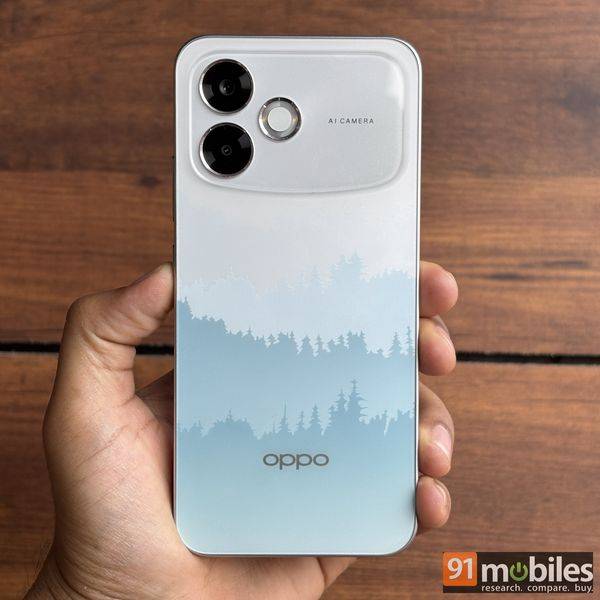
This variant draws attention effortlessly, not in a loud or gaudy manner, but with understated charm. It complements almost any outfit, while the subtle finish lends the device a calm, refined character that feels easy on the eyes. Even though the device ships with a transparent case, which will be the only one that looks good on this one, I was happy to use it without one.
Although the phone ships with a transparent case, arguably the only type that truly suits this finish, I found myself perfectly happy using it without one. The OPPO F33 Pro durability claims kind of instilled confidence in me. The handset ships with military-grade MIL-STD-810H durability to protect it from minor drops and falls. The OEM has gone with an Aerospace-Grade alloy frame, with multi-layer airbag cushioning and AGC DT-Star D+ screen protection.
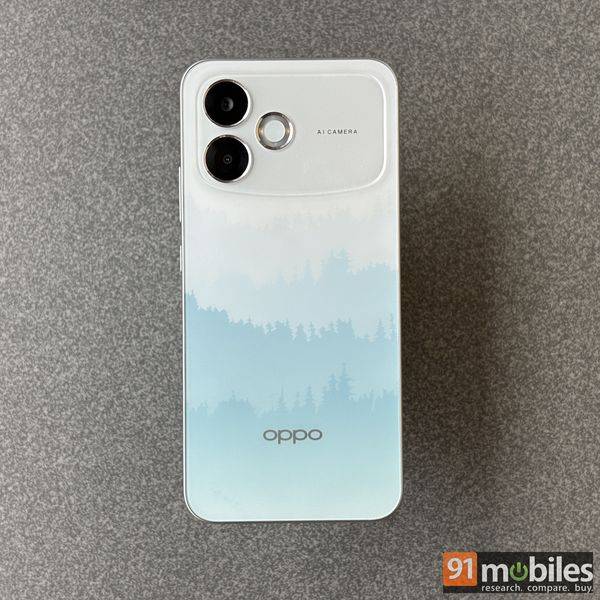
Furthermore, the OPPO F33 Pro is rated to withstand high temperatures (up to 85 degrees Celsius) and high-pressure jets, thanks to its IP69K, IP69, and IP68 ratings. Luckily, our usage of the device went without any accidents. OPPO has also nailed the finish. While the coating might initially give off a plastic-like impression, the frame beneath is solid metal. On the Misty Forest variant, the silver-painted edges add pleasing contrast to the softer back and enhance the in-hand feel with a reassuring sense of sturdiness.
The phone is also available in Passion Red and Starry Blue colourways. While these variants skip the 3D depth effect seen on Misty Forest, they retain the same large, colour-matched glossy camera module. This houses two individual sensors alongside a distinctive ring LED flash. The module remains almost flush with the body, ensuring stability while the smartphone lies flat on the surface.
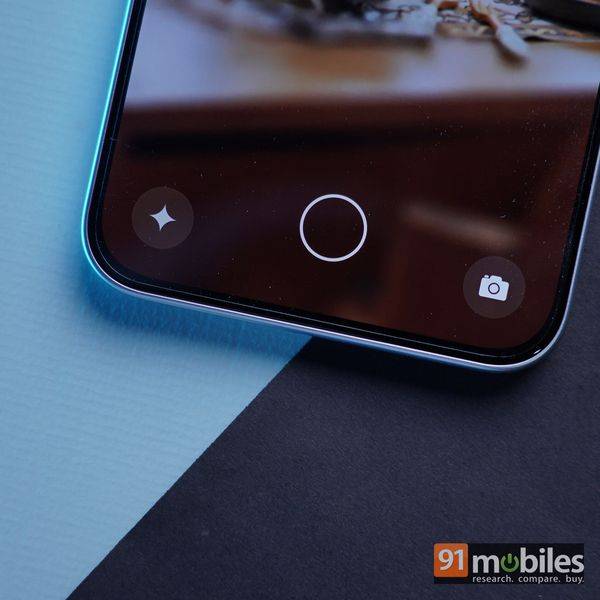
Despite its visual cues and added protection, the F33 Pro ensures that it remains comfortable to hold for prolonged usage. The handset measures just 8mm in thickness and weighs 194 grams. This is pretty impressive for a phone which packs a 7,000mAh battery.
Battery: Reliable battery life, fast charging
The sizeable 7,000mAh Silicon-Carbon battery fuels the smartphone. While we couldn’t run the PCMark benchmark to gauge synthetic endurance, real-world usage offered clearer insight. Over an hour of mixed use, including YouTube streaming and gaming, the battery dropped by around 15 percent. That figure aligns well with what we’ve seen from other smartphones in this segment packing similarly large 7,000mAh cells, suggesting dependable day-to-day stamina.
You can comfortably expect more than a day’s worth of battery life on the OPPO F33 Pro between charges. This is partly down to its performance tuning, which leans towards everyday efficiency rather than heavy-duty workloads. In my usage, where the phone served as a secondary device with Wi-Fi constantly active, it easily stretched to two full days. This included a mix of streaming, browsing, casual gaming, and social media scrolling. The OPPO F33 Pro screen time remained around five hours.
| Smartphone | Battery Capacity | Charging Support | Charging time (20% to 100% ) |
| OPPO F33 Pro 5G | 7000 mAh | 80W Super VOOC Charging | 49m |
| OnePlus Nord 6 | 9000 mAh | 80W Super Charging | 1h 5m |
| Xiaomi Redmi Note 15 Pro Plus | 6500 mAh | 100W Fast Charging | 38m |
| Nothing Phone 4a Pro | 5400 mAh | NA | 1h 2m |
The phone supports 80W SuperVOOC charging, and a charger is included in the box. It takes approximately 50 minutes to juice up the device from 20 to 100 percent. The device supports bypass and reverse wired charging.
Display: Decent viewing experience
The OPPO F33 Pro features a relatively compact 6.57-inch AMOLED display with an FHD+ resolution, a smooth 120Hz adaptive refresh rate, and peak brightness of up to 1,400 nits. While the panel is flat and framed by visible bezels, they are slim and uniformly distributed, giving the device a clean, balanced look. In everyday use, the display feels immersive, with vibrant colours and solid viewing angles that hold up well across different lighting conditions.
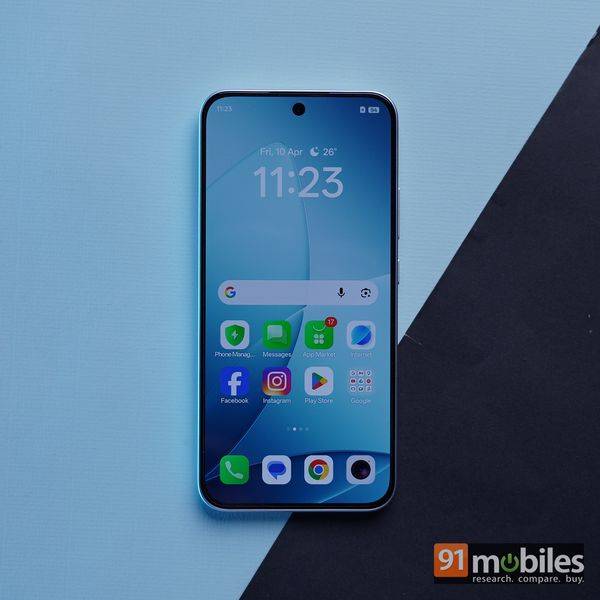
While the display feels sharp and vibrant, it could have done better with HDR support and 1.5K resolution. Both have become pretty standard in the price range and enhance the viewing experience with crisp picture quality and punchier visuals. The outdoor visibility directly under the sun is fine for reading text, but consuming multimedia content might not be convenient.
The OPPO F33 Pro offers a dual speaker setup with 300 percent audio boost. I’ve no complaint about the loudness here, but the speakers at maximum volume need further optimisation to sound clearer than muffled.
Performance: Smooth operator
At the core of the OPPO F33 Pro is the MediaTek Dimensity 6360 Max SoC, paired with 8GB of LPDDR5X RAM and up to 256GB of UFS 3.1 storage. While rivals in this segment offer faster chipsets and faster storage, the F33 Pro doesn’t prioritise them. Instead, it focuses on delivering a consistently smooth everyday experience. The Dimensity 6360 Max is a relatively new, budget-focused chip from MediaTek, debuting with the F33 series.




It’s paired with 4,289mm2 vapour chamber cooling system and Dual Engine Smoothness system, comprising Trinity Engine and Luminous Rendering Engine, for faster app launches, fluid transitions, and stutter-free experience. My usage with the smartphone has mostly been smooth, with no awkward app freezes, faster camera shutter speeds, and smooth multitasking.
The smartphone can handle gaming as well. We tested it with popular titles like BGMI and Call of Duty: Mobile, where it delivered average FPS figures in line with its rivals. However, thermals were slightly on the higher side while playing BGMI for 30 minutes, heating up by nearly 7 degrees Celsius.
That said, gameplay remained smooth and stable. Still, if gaming is a priority and you’re after sustained performance under load, options like the POCO X8 Pro and the OnePlus Nord 6 would be better picks.
| Smartphone | Pre-Installed Apps | Software Support |
| OPPO F33 Pro 5G | 66 | NA |
| OnePlus Nord 6 | 53 | 4 Year OS Updates + 6 Year Security Updates |
| Xiaomi Redmi Note 15 Pro Plus | 30 | 4 Year OS Updates + 6 Year Security Updates |
| Nothing Phone 4a Pro | 64 | 3 Year OS Updates + 6 Year Security Updates |
The OPPO F33 Pro boots Android 16-based ColorOS 16 out of the box. The experience remains pretty much the same as the other smartphones the OEM has launched lately, including the flagship OPPO Find X9 series. The similarities extend to the pre-installed apps. The handset comes with up to 66 apps, of which 12 are pre-installed. This is a lot, considering the Nothing Phone (4a) Pro comes preloaded with 30 apps.
Users can customise and personalise the smartphone with dynamic wallpapers, widget support, and the option to remove some pre-installed apps. There is a suite of OPPO AI features as well, including recompose, eraser, clarity enhancer, reflection remover, unblur, and more.
Cameras: good enough for casual photographers
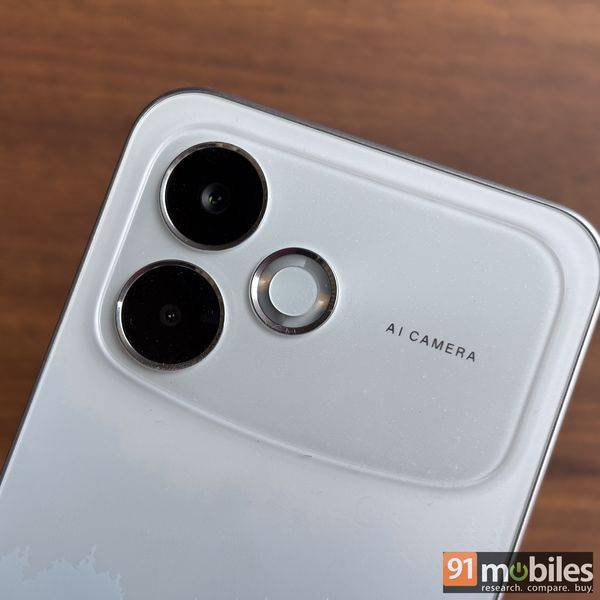
The OPPO F33 Pro sports a dual-rear camera setup, comprising a 50MP OIS primary sensor and a 2MP depth sensor. Up front, it sports a 50MP shooter for selfies and video calling. The camera modes and features are not as dynamic as the Vivo V70 FE within the segment, but you still get a variety of filters to choose from, dual-camera mode, document scanner, slow-mo, timelapse, and stickers. Unfortunately, the video recording is capped at 1080p 30fps. This shouldn’t be a deal-breaker, considering the smartphone doesn’t cater to content creators. For those, the OEM offers the Reno series.
The OPPO F33 Pro, on the other hand, caters to casual photographers. Here’s a quick comparison between the smartphone and the similarly priced Redmi Note 15 Pro+, to see how capable the cameras are.
Daylight


The OPPO F33 Pro prioritises a closer to reality representation of the scene over details, sharpness, and dynamic range. The Redmi Note 15 Pro+ with its 200MP snapper seems to be a better alternative if you prefer fine details over colour accuracy.
Portrait


In portraits, the OPPO F33 Pro outperforms the Redmi smartphone with near-accurate colours and skin tones. The details and clarity remain favourable on the Note 15 Pro+, while the edge detection is almost on par. The OPPO smartphone could even have an inconsistent bokeh effect.
Selfie


The OPPO F33 Pro selfies may appear soft at first glance, but compared to the Redmi Note 15 Pro+, it is quite realistic. You will also find the OPPO smartphone capturing superior details compared to the oversaturated Note 15 Pro+ selfies.
The OPPO F33 Pro’s selfie camera supports an auto zoom-out feature, switching from 1x to 0.6x to accommodate a wider frame and fit in more people. It works well, but only when the phone is turned horizontally. In vertical orientation, the camera would not switch to a wider view even with multiple people in the frame.
Low light (night mode)
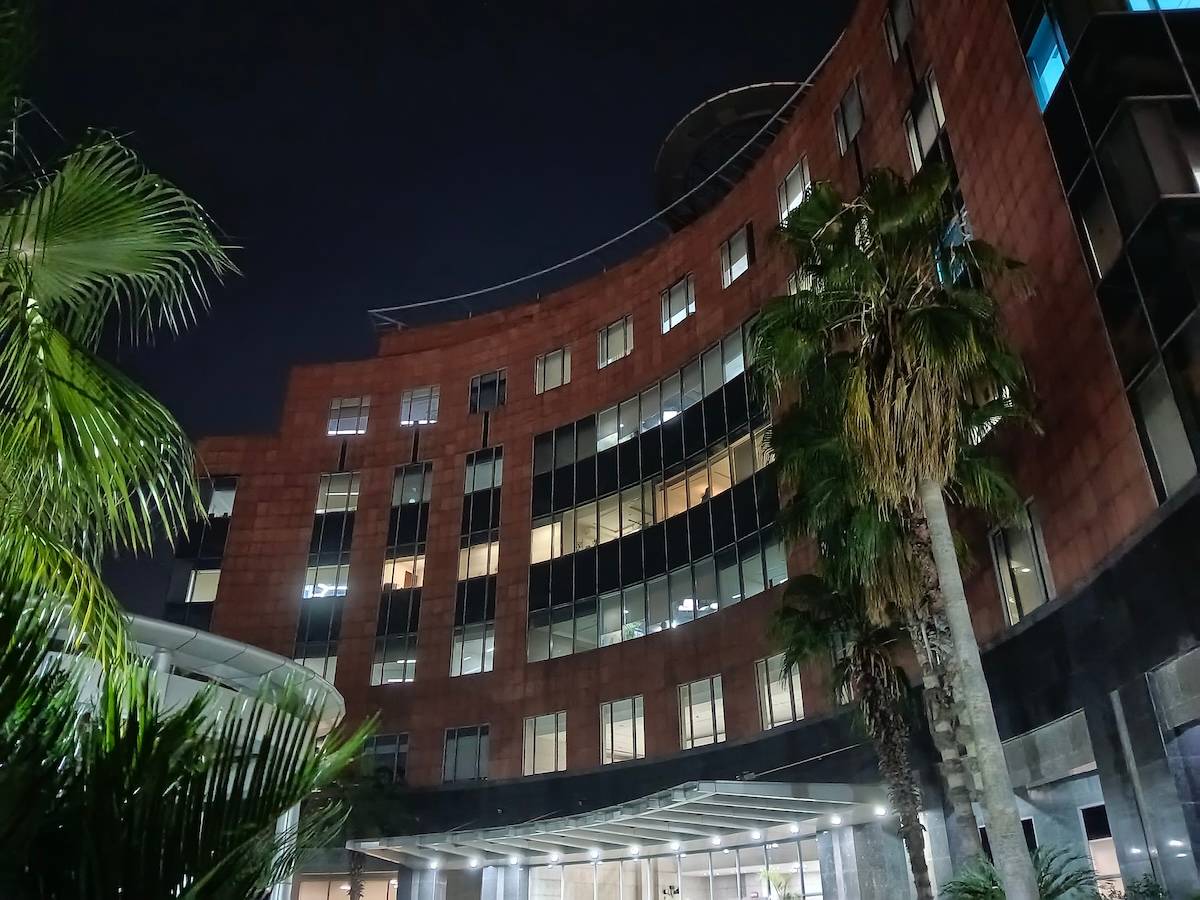
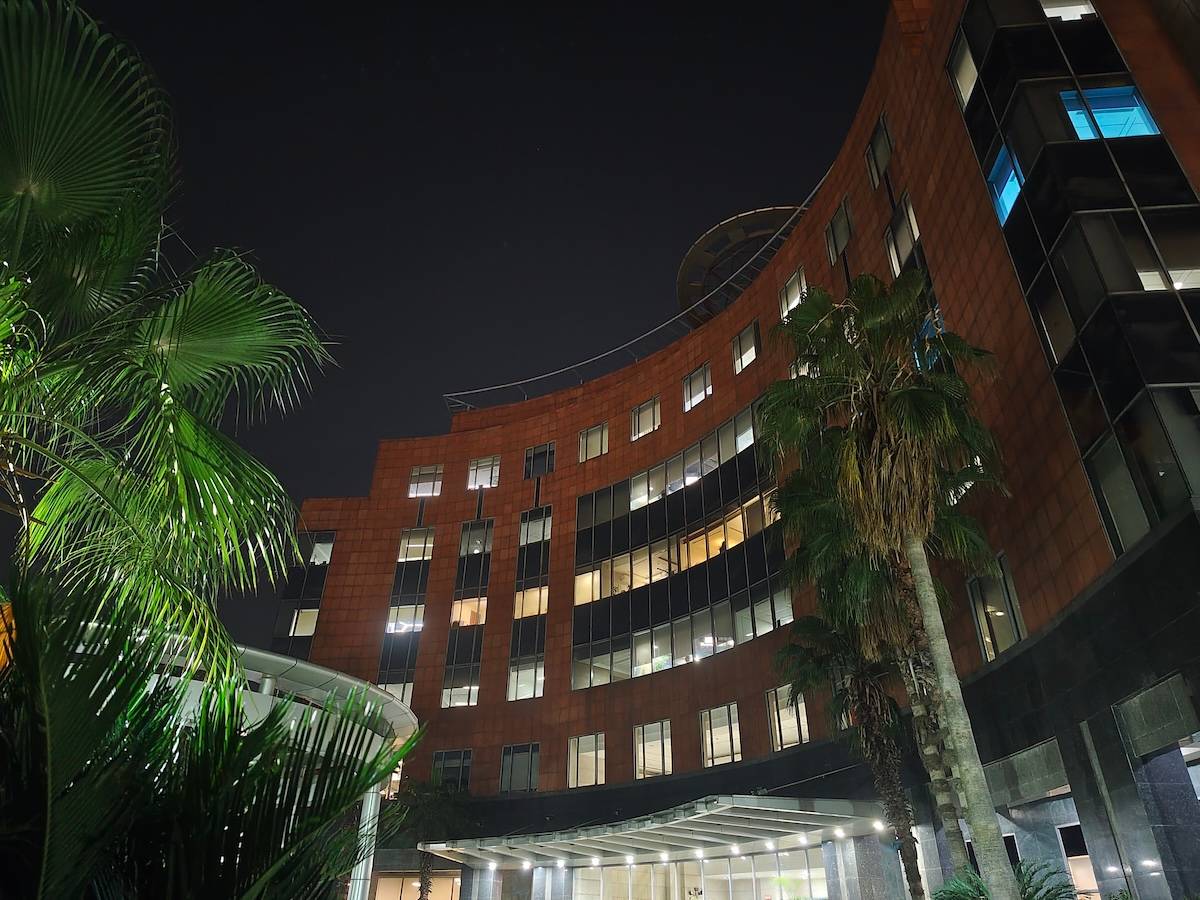
The Redmi Note 15 Pro+’s images in low light with night mode look a lot cleaner than the OPPO F33 Pro. The latter struggles with noise levels and keeping the light flare to a minimum.
Overall, the OPPO F33 Pro focuses on realism rather than detail and night photography. The cameras lean towards a more natural and true-to-life output, especially in daylight and selfies, where colours and skin tones appear relatively accurate. Portrait shots are generally pleasing, with good colour reproduction, though the bokeh can be a bit inconsistent at times.
Final verdict
First things first, the OPPO F33 Pro is not the only smartphone in the Rs 40,000 range to offer high standards of durability. The Redmi Note 15 Pro+ (review) comes closest to the OPPO smartphone within the segment, followed by the OnePlus Nord 6 (review) and the Realme 16 (review). The latter also stands out for its sleek design, and the mirror selfie next to the back camera. The OnePlus smartphone remains among the most powerful offerings, with a massive 9,000mAh battery.
As for the Redmi Note 15 Pro+, it boasts a massive 200MP camera and a relatively more capable chipset. However, none of these alternatives is as swanky as the OPPO F33 Pro. If you value that, the handset makes for a compelling buy. The Misty Forest variant, in particular, gives it a distinctive edge in a segment where most phones tend to look alike.
Furthermore, performance is tuned for consistency rather than raw power, which works well for daily tasks and casual gaming, though it may not satisfy power users. The cameras follow a similar philosophy, favouring natural colours over aggressive detail processing, which will appeal to some, but not all.
Editor’s rating: 8/10
Reasons to buy
- The Misty Forest colour option offers a striking design.
- Strong durability with IP68/IP69/IP69K ratings and MIL-STD-810H certification.
- Excellent battery life with fast 80W charging.
- Smooth, reliable day-to-day performance.
Reasons not to buy
- The display lacks HDR support and higher resolution seen in rivals.
- Although realistic, the camera output lacks details and sharpness.