Review Summary
Expert Rating
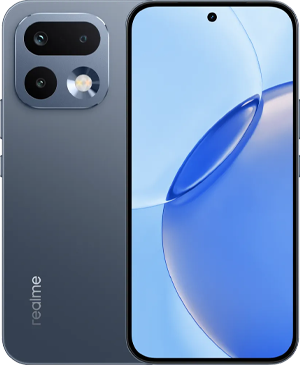
Realme 16 Pro is the brand’s latest number series model. Compared to the Realme 16 Pro+, this one is the affordable alternative offering a similar DNA but with some compromises. You’re still getting the same design, a 200MP camera, the latest realme UI 7, and a large 7,000mAh battery. Starting at Rs 31,999, how does the Realme 16 Pro compare to rivals in the same segment? And does it truly deliver in terms of performance? Let’s find out in our detailed review.
Table of Contents
Verdict
The Realme 16 Pro shines with a vibrant display, all-day battery life, loud speakers, and robust durability, making it a dependable everyday device. However, its underwhelming chipset, lack of a telephoto lens, and tendency to run warm hold it back from standing out in a crowded segment.
Quirky design + vibrant display
The Realme 16 Pro immediately catches your eye with its rather unconventional camera module. It almost feels like someone flipped the OnePlus 13s’ camera layout and pasted it onto the back. While it may not be the prettiest design out there, it does help the phone stand apart in a segment crowded with lookalikes. Realme also offers a versatile colour palette with Master Gold, Pebble Grey, and Orchid Purple, giving users plenty of choice. We reviewed the Orchid Purple variant, which strikes a nice balance between flair and subtlety, while Master Gold leans premium and Pebble Grey keeps things understated.
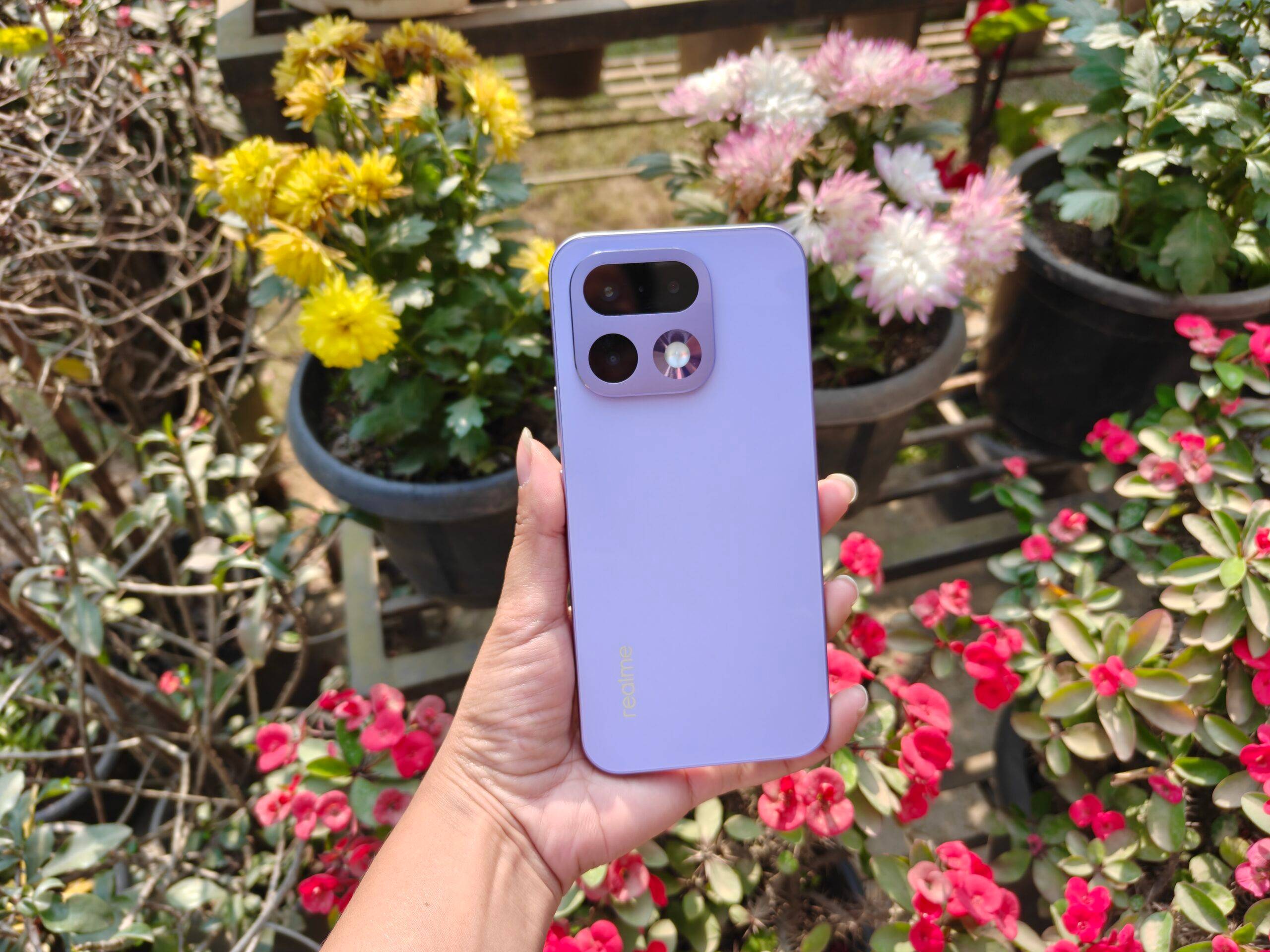
Despite its large footprint, the phone is comfortable to use for long periods. It feels light in the hand, and the matte finish enhances grip and in-hand comfort. Durability is another strong point, with the Realme 16 Pro boasting IP66, IP68, IP69, and even IP69K ratings, making it well protected against dust and water.
The front is dominated by a large 6.78-inch FHD+ AMOLED display with a resolution of 1272 x 2722 pixels and an impressive peak brightness of up to 6,500 nits. Colours look vibrant, especially with Realme’s Flux Theme wallpapers, and outdoor visibility is legible, especially with the extra brightness mode. The thin bezels only add to the immersive feel.
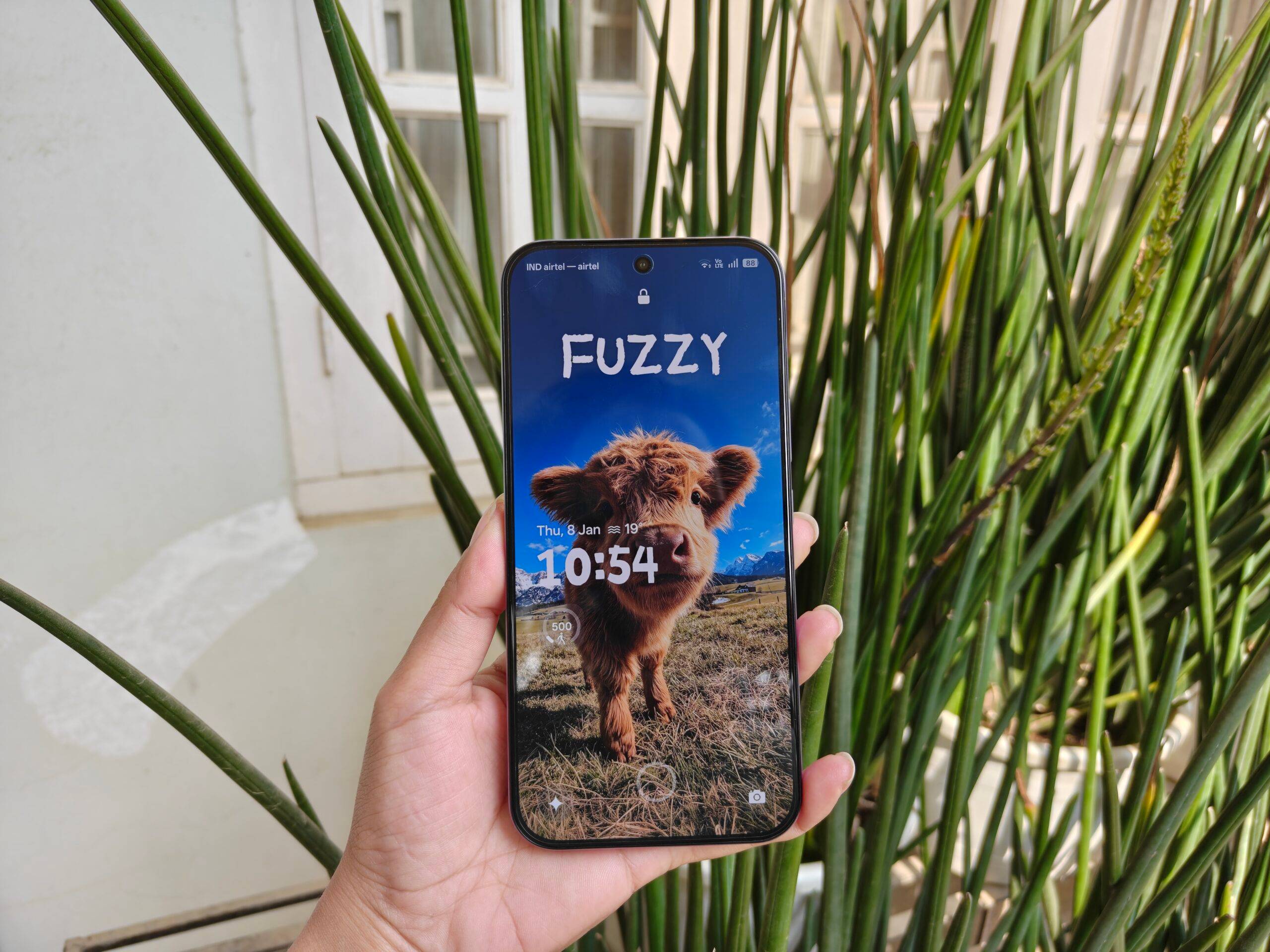
The panel supports a 144Hz refresh rate, though you’ll need to manually enable it from the settings. In practice, only Realme’s Compass app actually runs at 144Hz, with most apps capped at 120Hz, so the difference is barely noticeable in day-to-day use. Still, even at 120Hz, the scrolling experience feels fluid and satisfying.
Cameras
The Realme 16 Pro has a dual-camera setup with a 200MP main camera and an 8MP ultra-wide camera. Up front is a 50MP shooter for selfies and video calls. The dual-camera setup may not seem impressive, but the phone offers several features to keep you busy. For starters, you get the same multi-focal range from 1x to 4x as the Pro+, along with Vibe Master Mode. This helps you shoot at different zoom levels and experiment with different portrait tones.
I wasn’t particularly impressed by the primary camera in daylight. Colours often look slightly washed out and lack the punch you’d expect for quick, social-media-ready sharing, a miss for a phone clearly aimed at a mainstream, content-first audience. The low-light performance, however, was far more enjoyable, especially during the Christmas season. While the multi-focal zoom options are useful for close-ups, the results can appear overly processed, sometimes giving subjects an artificial, AI-like look.



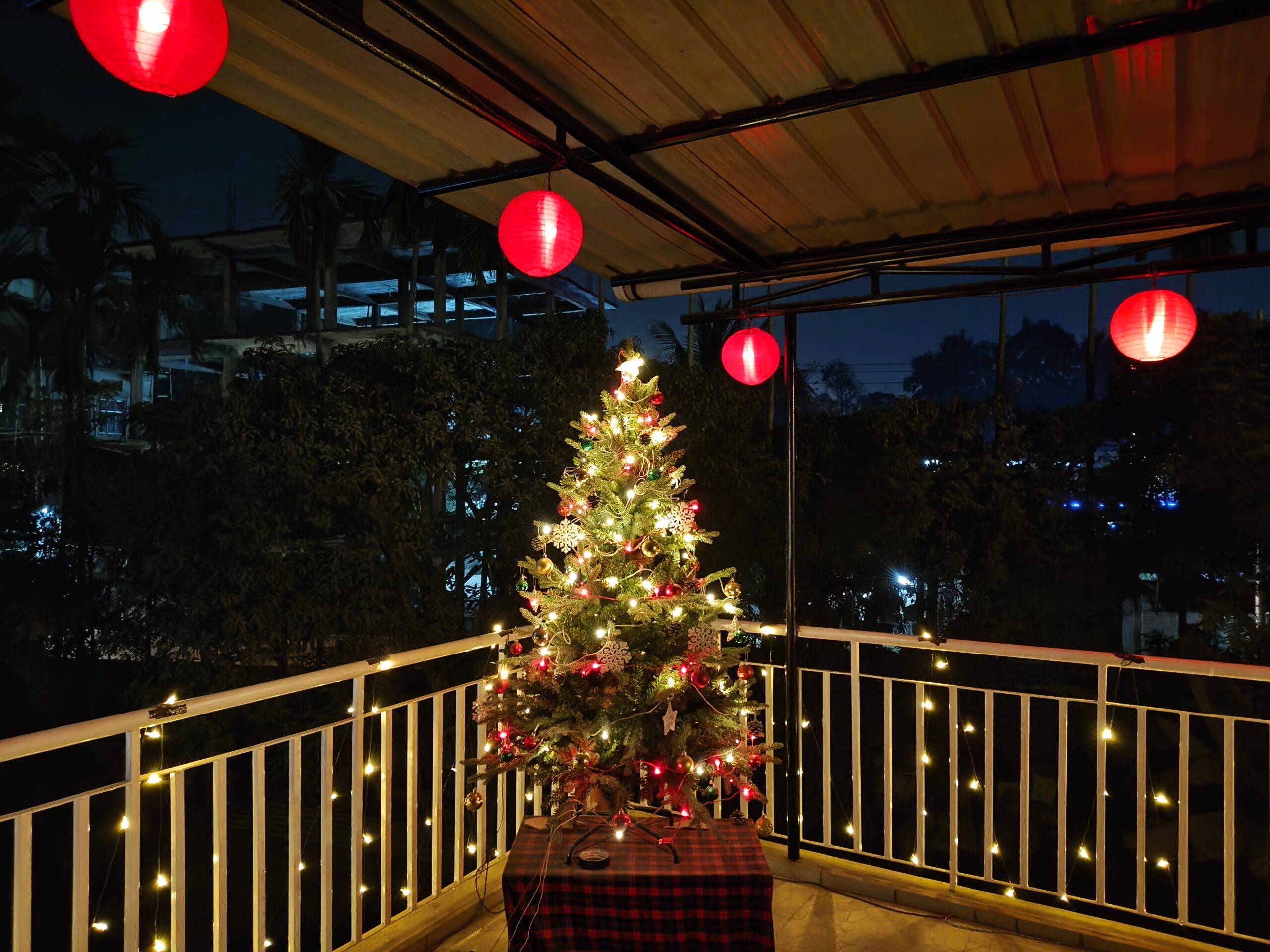

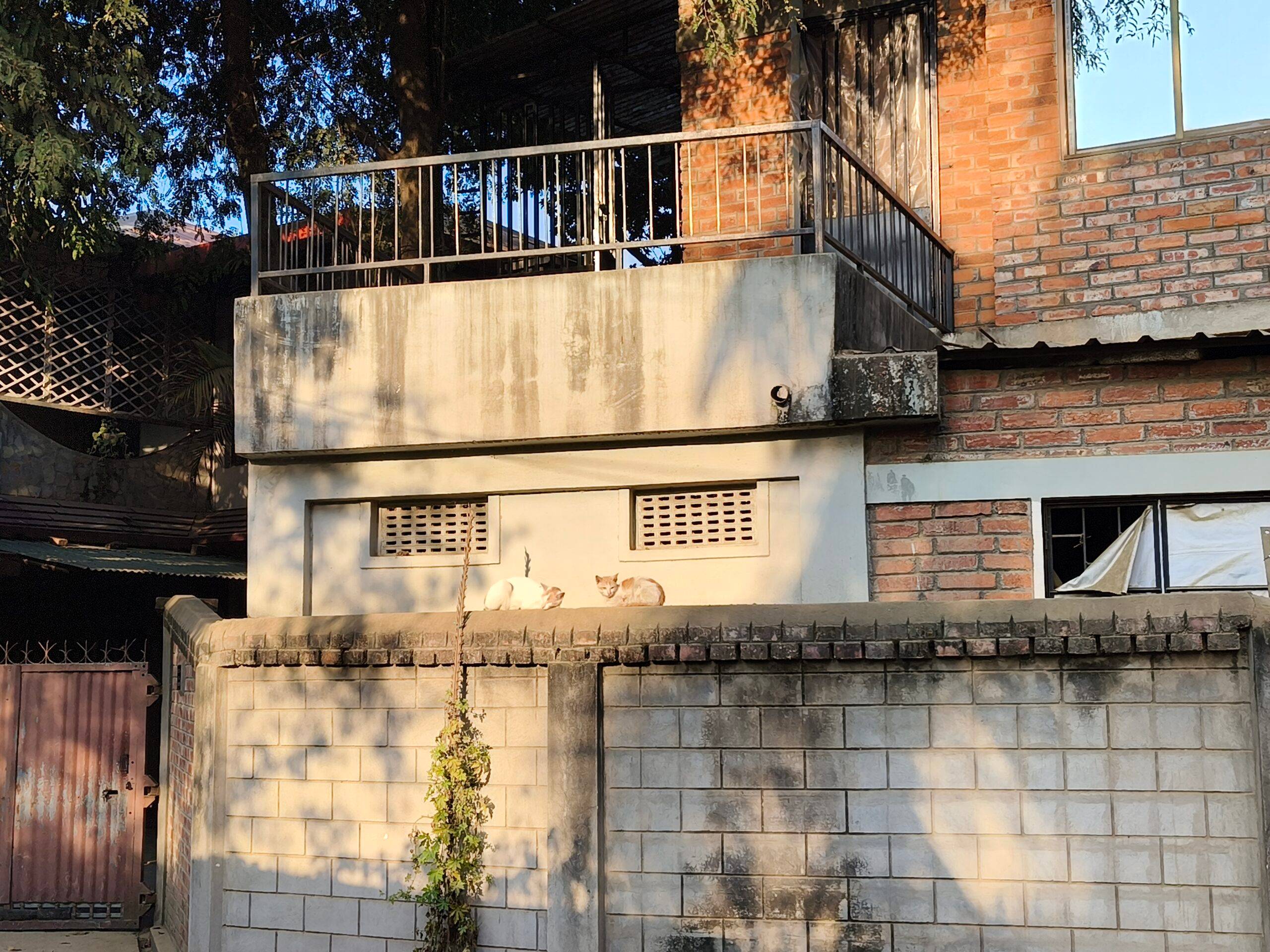


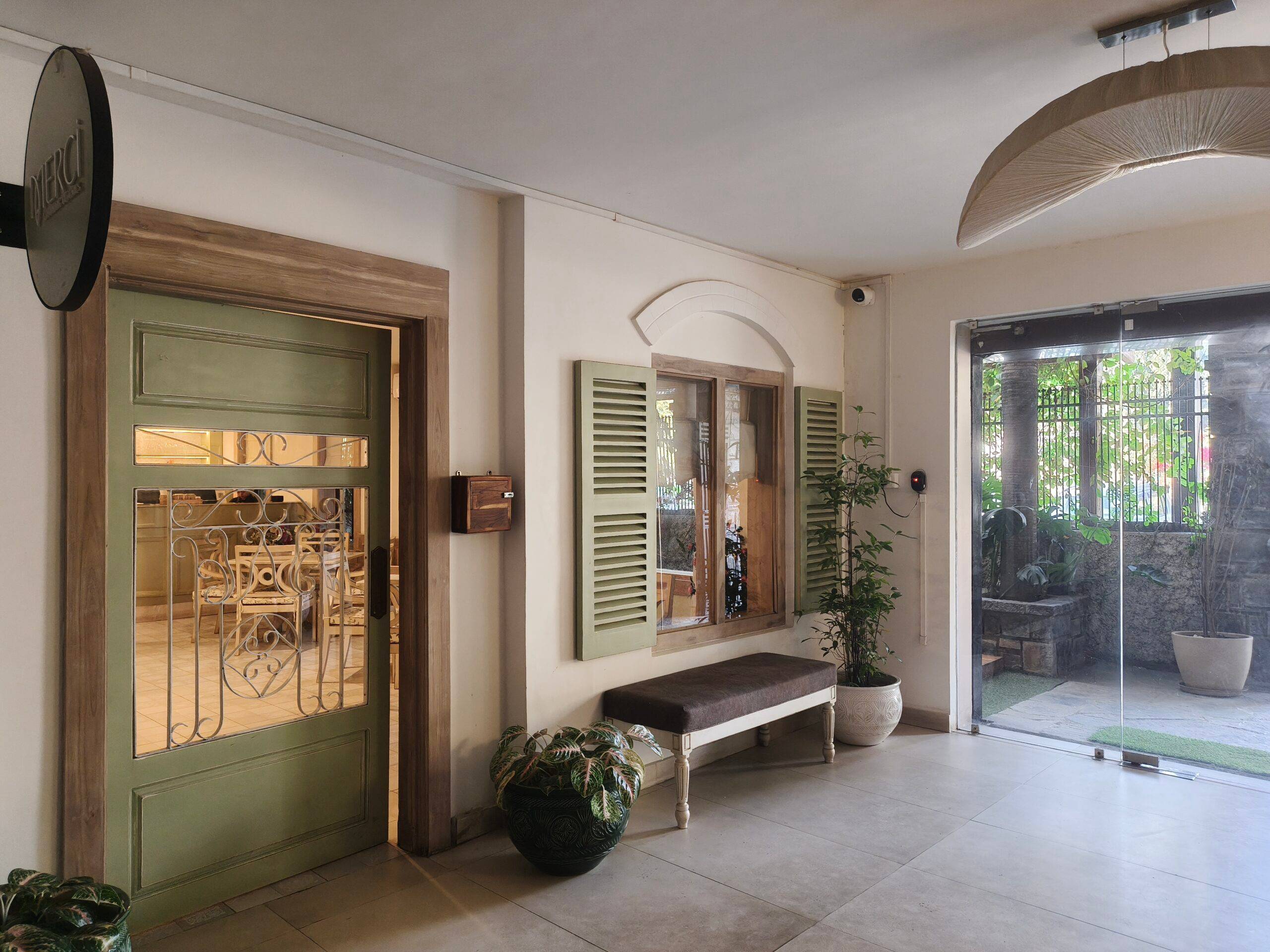


To put the Realme 16 Pro’s imaging in a better context, we also compared it with the Motorola Edge 60 Pro, currently one of the strongest camera performers in this price segment.
Daylight
In daylight conditions, both phones deliver comparable results, capturing plenty of detail and maintaining good sharpness across the frame. That said, the Realme 16 Pro holds a slight advantage, producing crisper textures and cleaner fine details. It also renders colours more naturally, whereas the Edge 60 Pro tends to apply a slight colour boost. Dynamic range is another area where the Realme pulls ahead, retaining more information in highlights and shadows.


Ultra-wide
In ultra-wide shots, the Edge 60 Pro clearly preserves more detail, whereas the Realme 16 Pro’s image appears noticeably softer. However, the Realme compensates with more balanced exposure, while the Edge 60 Pro pulls ahead in dynamic range. Overall, the gap isn’t dramatic, with both phones delivering broadly comparable results in this mode.


Selfies
In selfie mode, the Motorola Edge 60 Pro delivers more natural-looking skin tones, while the Realme 16 Pro applies noticeable smoothing. This isn’t inherently a drawback, but for accuracy, the Motorola comes closer to reality. It also captures finer details, not just on the subject’s face but also in the background.


Portrait
In portrait mode, the Realme 16 Pro renders more natural skin tones and more accurate clothing colours, while the Edge 60 Pro tends to apply a slight colour boost that makes images look a bit darker. The Realme also retains marginally better fine details, though the difference is subtle. Where the Edge 60 Pro pulls ahead is in edge detection and background blur, aided by its dedicated telephoto lens, which produces more convincing bokeh.


Low-light
Low-light performance is one of the Realme 16 Pro’s stronger areas. It manages exposure and light flares more effectively than the Edge 60 Pro, resulting in cleaner-looking shots. However, this comes at the cost of detail, with the Motorola retaining finer textures and offering slightly better dynamic range in dark scenes.


Night mode
With Night mode enabled, the balance shifts. The Realme 16 Pro further tightens control over light flares and exposure and now pulls ahead in overall sharpness, delivering noticeably crisper images than the Edge 60 Pro. On closer inspection, though, the Motorola still holds a slight edge in shadow recovery, preserving a bit more detail in the darker areas of the frame.


Performance
The Realme 16 Pro is powered by the MediaTek Dimensity 7300 Max 5G, a custom-tuned chip designed to balance performance and efficiency. On paper, however, the numbers don’t inspire much confidence. Its AnTuTu score is among the lowest in its price segment and even lower than that of its predecessor, while several cheaper rivals deliver better results.



That said, benchmarks don’t tell the whole story. In everyday use, the phone remains perfectly smooth, with no noticeable stutters while scrolling through Instagram, replying on WhatsApp, multitasking, or handling casual gaming. The limitations may start to show under heavier loads. While it manages standard frame rates in titles like COD Mobile and BGMI, it also experiences one of the highest temperature spikes in its class during extended sessions. Taken as a whole, the Realme 16 Pro may not be a performance champion, but it still holds up well as a dependable daily driver.
The Realme 16 Pro’s software experience is a major highlight. Realme UI 7.0 feels noticeably cleaner and smoother than previous versions, and with the Flux theme and refreshed wallpapers enabled, the interface looks rich and pairs well with the phone’s vibrant display. Customisation has also been expanded, with more options for fingerprint animations, icons, widgets and lockscreen styles.
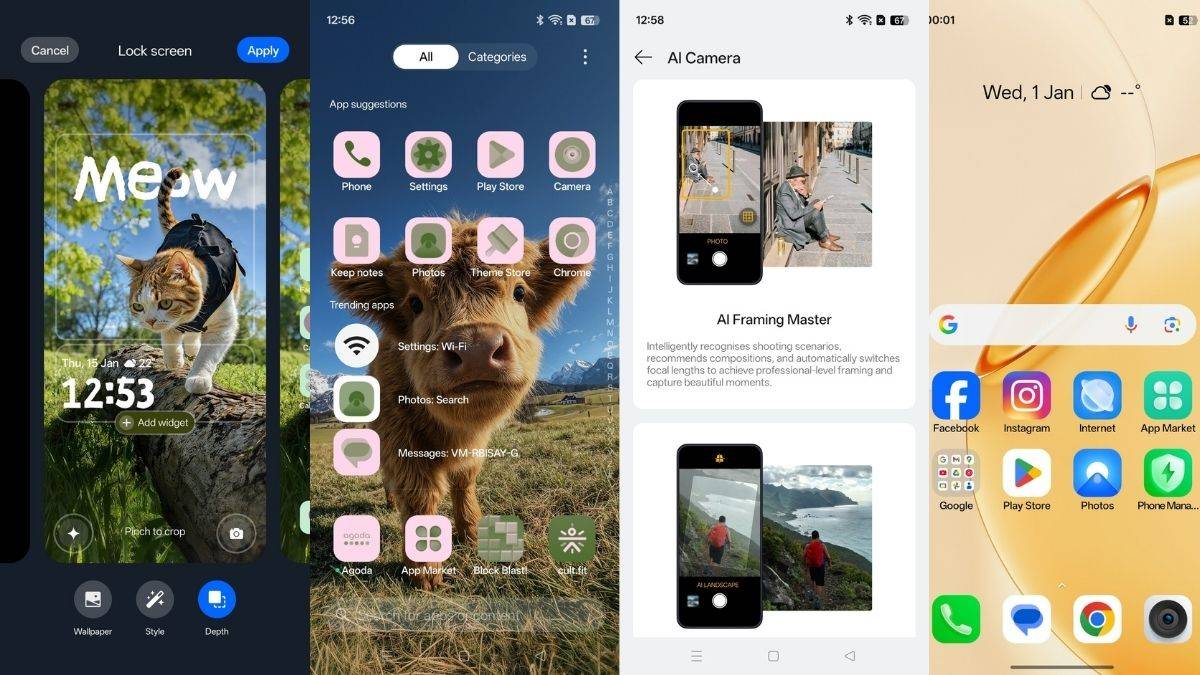
The brand has leaned further into AI this time, adding features such as AI Notify Brief, which neatly bundles non-urgent alerts into scheduled summaries, and AI Framing Master, which offers live suggestions while shooting photos to help with composition.
| Smartphone | Pre-Installed Apps | Software Support |
| realme 16 Pro | 63 | 3 Year OS Updates + 4 Year Security Updates |
| OnePlus Nord 5 | 50 | 4 Year OS Updates + 6 Year Security Updates |
| vivo T4 Pro | 59 | 4 Year OS Updates + 6 Year Security Updates |
Where Realme still trails some rivals is in long-term support. The 3+4 years of OS and security updates are in line with the segment, but phones like the OnePlus Nord 5 have begun pushing ahead with more generous 4+6 year policies.
Battery
Battery life is where the Realme 16 Pro truly shines. It packs a huge 7,000mAh cell with 80W fast charging, the same setup as the higher-end Realme 16 Pro+. In our PCMark battery test, the phone clocked 14 hours and 18 minutes, placing it among the top performers in its segment.
That endurance translates well to real-world use, too. With a mix of Instagram scrolling, video streaming, light gaming, 5G and always-on display enabled, the phone easily lasted well over a full day. When it does run low, the 80W charger is quick enough to take the battery from 20 to 100 percent in just 49 minutes, making top-ups convenient before heading out.
Final verdict
The Realme 16 Pro gets many of the fundamentals right. Its vibrant display, excellent battery life, loud stereo speakers and sturdy build make it a reliable daily driver for most people. You can comfortably get through a full day of social media, streaming and casual gaming without worrying about charging.
However, it isn’t without its drawbacks. The chipset is underwhelming for the price, there’s no telephoto camera for a more versatile photography experience, and the phone tends to run warm during extended gaming sessions. As a result, while the Realme 16 Pro is a solid all-rounder for everyday use, those who care deeply about performance or camera flexibility may want to explore better-balanced options in this segment, such as the Motorola Edge 60 Pro and the OnePlus Nord 5.
Editor’s rating: 8/10
Reasons to buy:
- The display is bright and colourful, making content look lively both indoors and outdoors.
- The large 7,000mAh battery easily delivers more than a full day of use on a single charge.
- Speakers are loud and immersive, ideal for watching videos or casual gaming.
- Multiple IP ratings add reassurance against dust and water damage in daily use.
Reasons to skip:
- The processor feels underpowered compared to rivals in the same price range.
- The lack of a telephoto camera limits flexibility for portraits and zoom photography.
- The phone tends to warm up noticeably during long gaming sessions.