As every year, the Rs 20,000 smartphone segment was hotly contested, with a variety of launches from legacy brands and new entrants. From dedicated gaming phones to phones with large camera sensors and telephoto lenses to devices with slim, compact form factors, buyers had an expansive list of phones to choose from.
With many great midrange launches, we at 91mobiles picked out the top six smartphones under Rs 20,000, which we believe stood out for their offerings, be it in terms of battery endurance, gaming performance, optics capabilities, and more. These smartphones were selected based on our day-to-day usage experience and in-house testing data. Take a look.
Note: The smartphones mentioned below are selected solely from the Rs 15,000 to Rs 20,000 price range based on their launch prices.
Table of Contents
Best value for money – Realme P4x
Launch price: Rs 15,999 (6+128GB)
The handset is set to receive two OS updates. However, if a detailed camera and an AMOLED panel for contrasty, punchy tones are on your priority list, shelling out for higher-priced phones may be the way to go. This is where our honourable-mention phone, the Moto G86 Power, comes into play.
Honourable mention
Moto G86 Power: Priced higher than the Realme P4x, the Moto G86 Power is packed with features that deliver in real-world use. While many sub-Rs 20,000 phones were capped at 1080p resolution display, this Moto phone at Rs 17,999 offers a 1.5K AMOLED display, the Dimensity 7400 chipset, a 6,720mAh battery, a 50MP LYT600 OIS-supported primary camera, Dolby Atmos stereo speakers, and an IP68+IP69 rating.
However, the downsides include a single OS upgrade (Android 16) and slow 33W charging speeds.
Best in gaming – Infinix GT 30
Launch price: Rs 19,499 (8+128GB)
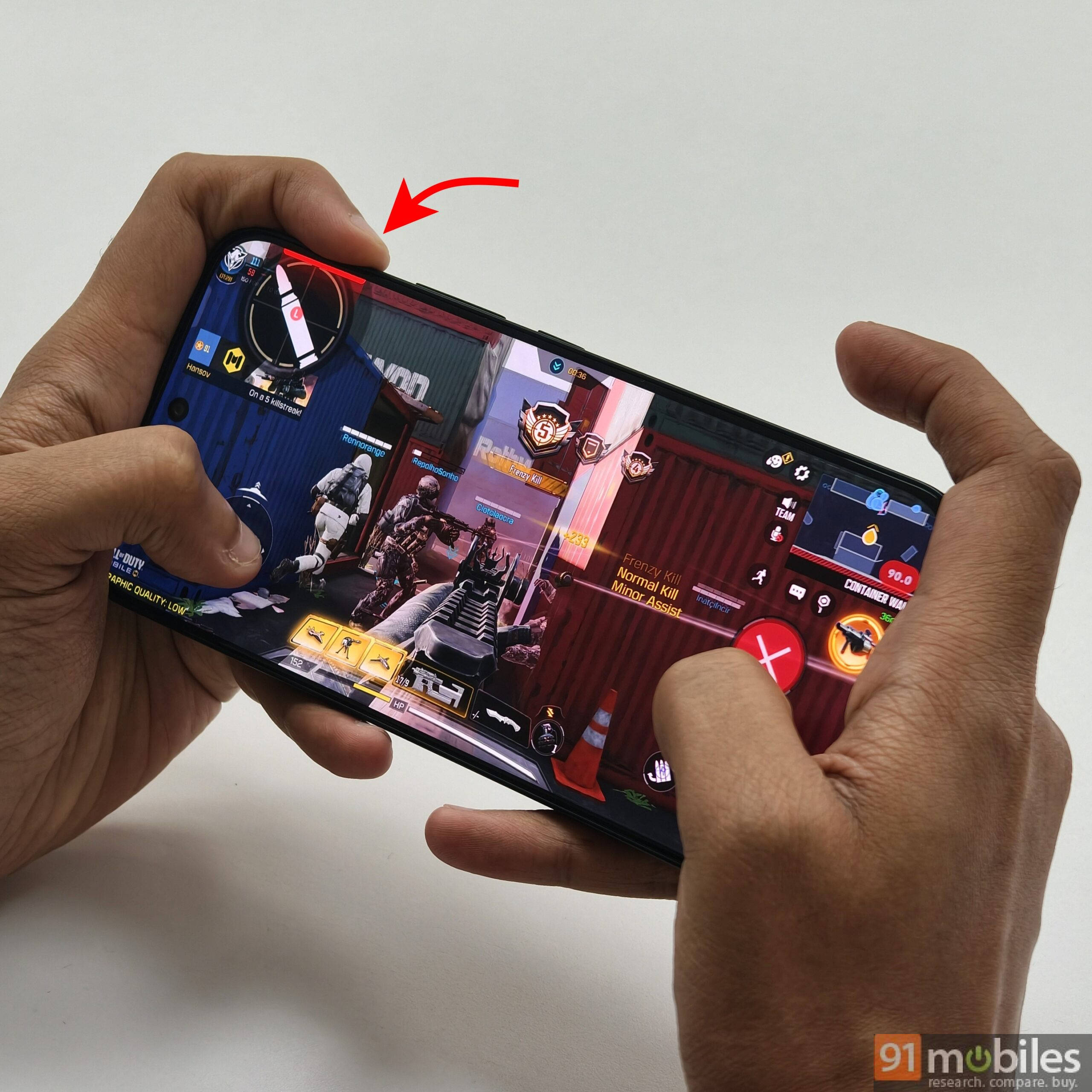
Infinix’s performance and gaming-oriented GT series once again made waves this year in the midrange segment with the release of the Infinix GT 30 (review). Taking cues from its elder sibling, the Infinix GT 30 Pro, the handset not only went all-in on gaming aesthetics but also featured shoulder triggers for precise input in fast-paced, intense games. Like many smartphones on this list, the GT 30 is powered by the Dimensity 7400 chipset, which scores 9,31,550 on the AnTuTu (v11) benchmark. As for real-world gaming performance, we recently played Call of Duty Mobile at 90 FPS for 30 minutes, and the phone consistently delivered frame rates above 86 FPS across all five matches.
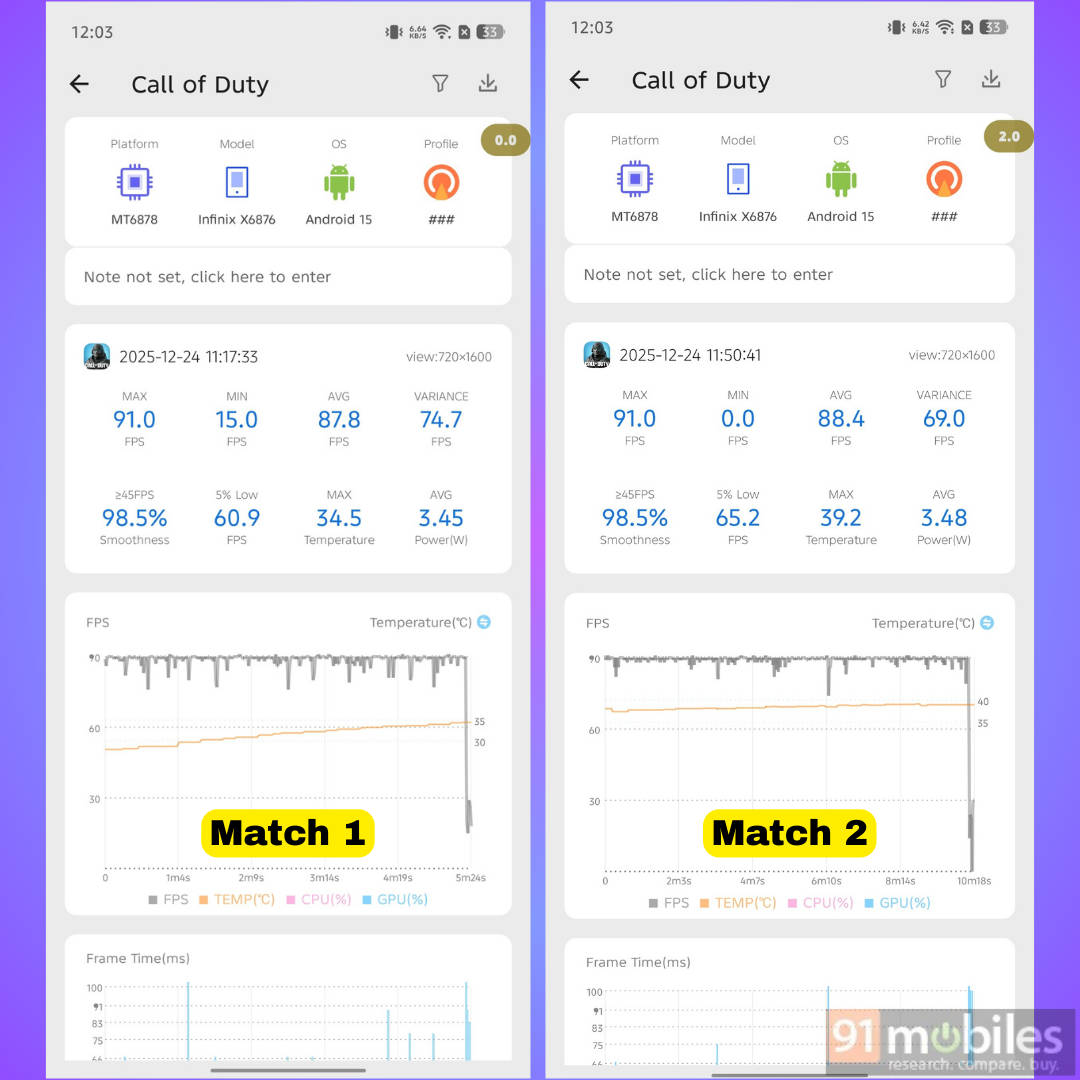
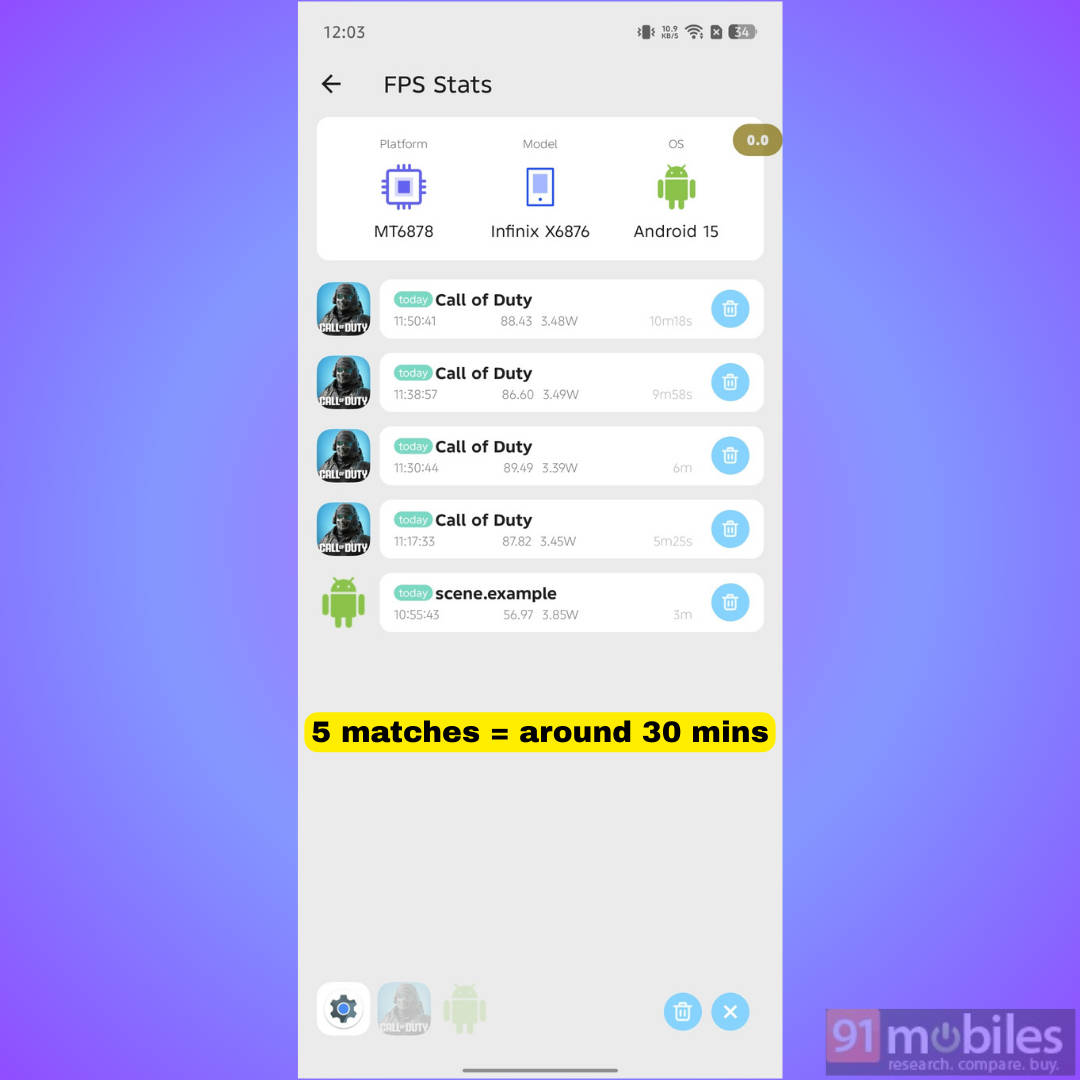
Assigning shoulder triggers to key controls, such as the fire and reload buttons, significantly improves quick reflexes and movement. Granted, the ambient temperature has been quite chilly lately, but the phone’s temperature never exceeded 40 degrees Celsius.



Furthermore, the near-symmetrical bezels on the 1.5K display, smooth, AI-rich XOS 15 software, and a strong linear x-axis haptic motor make the Infinix GT 30 a compelling smartphone for casual users as well as mobile gamers.
Honourable mention
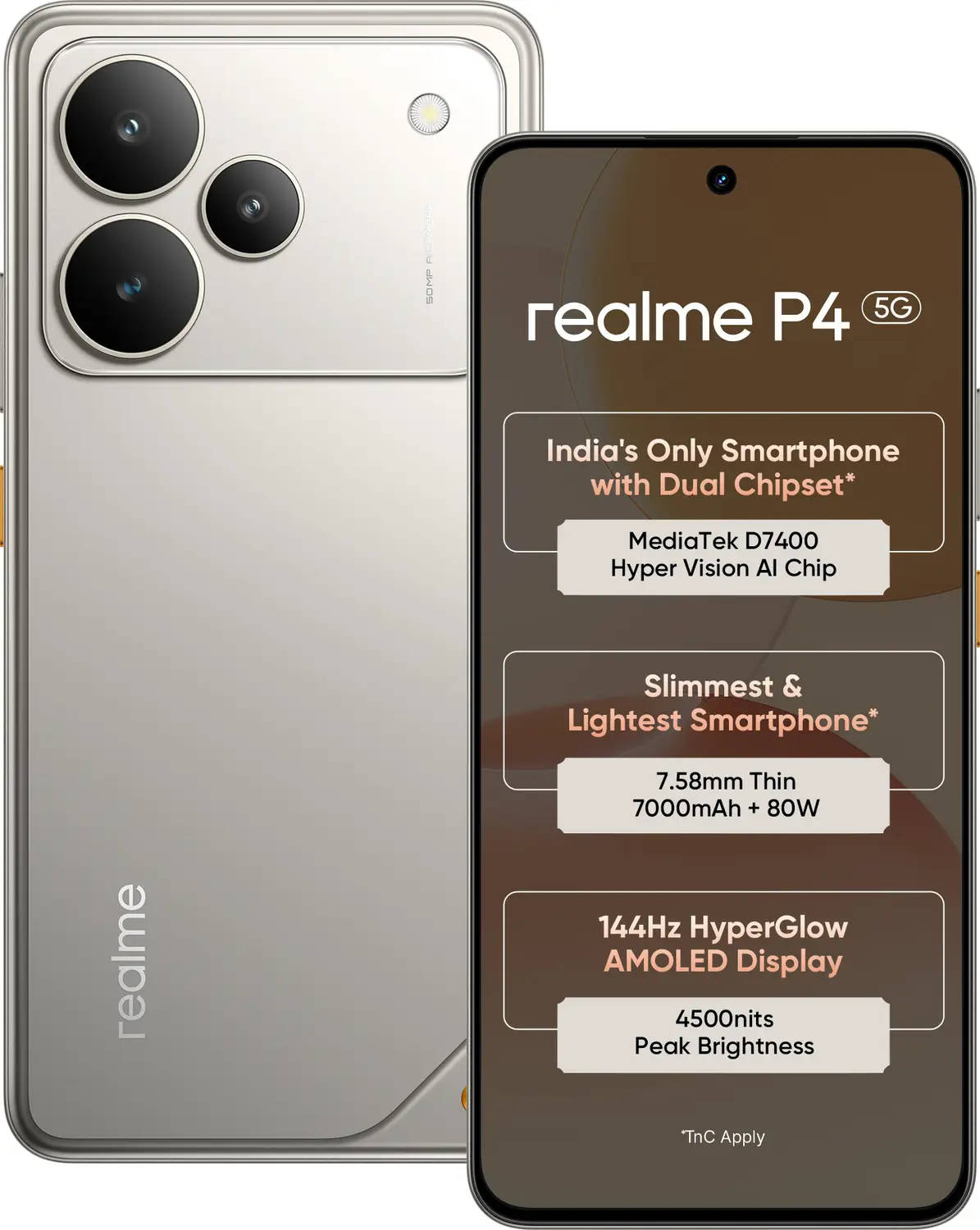
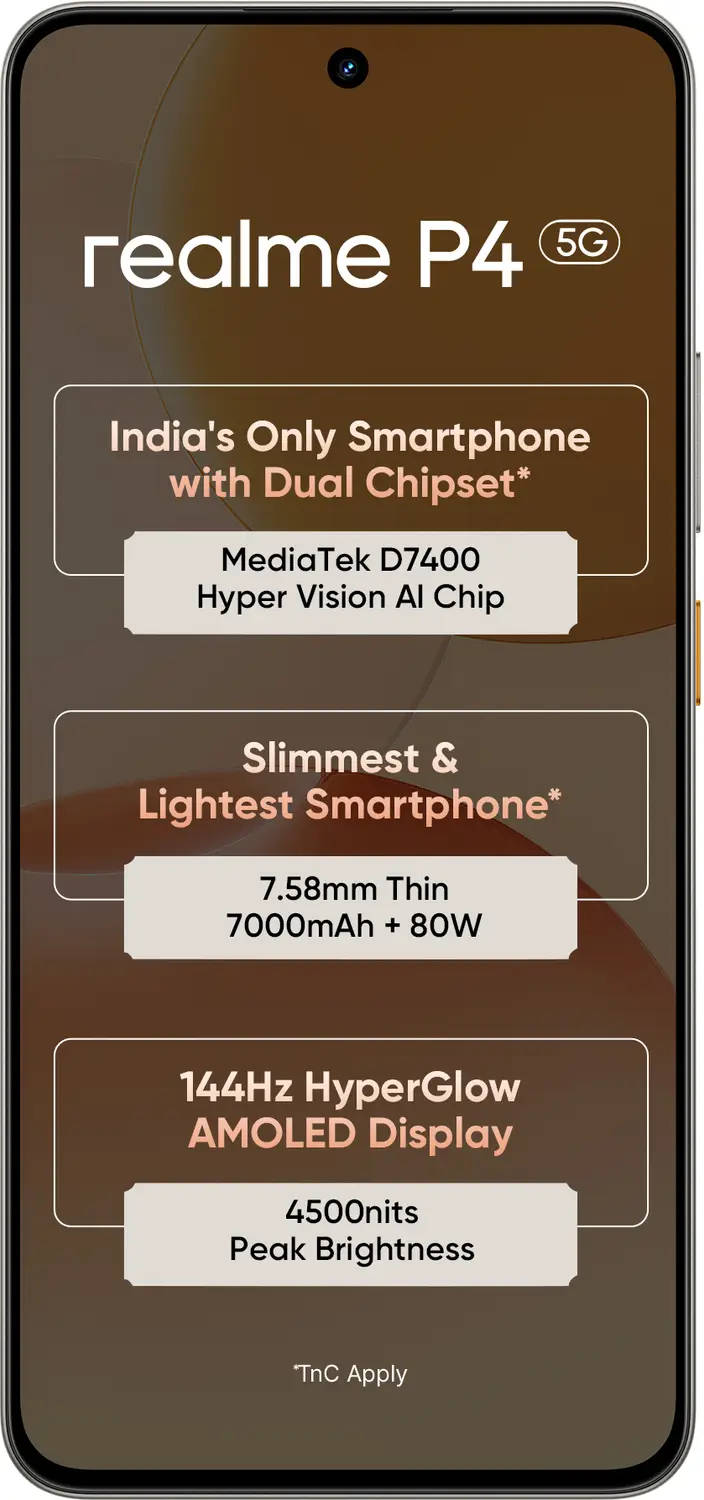
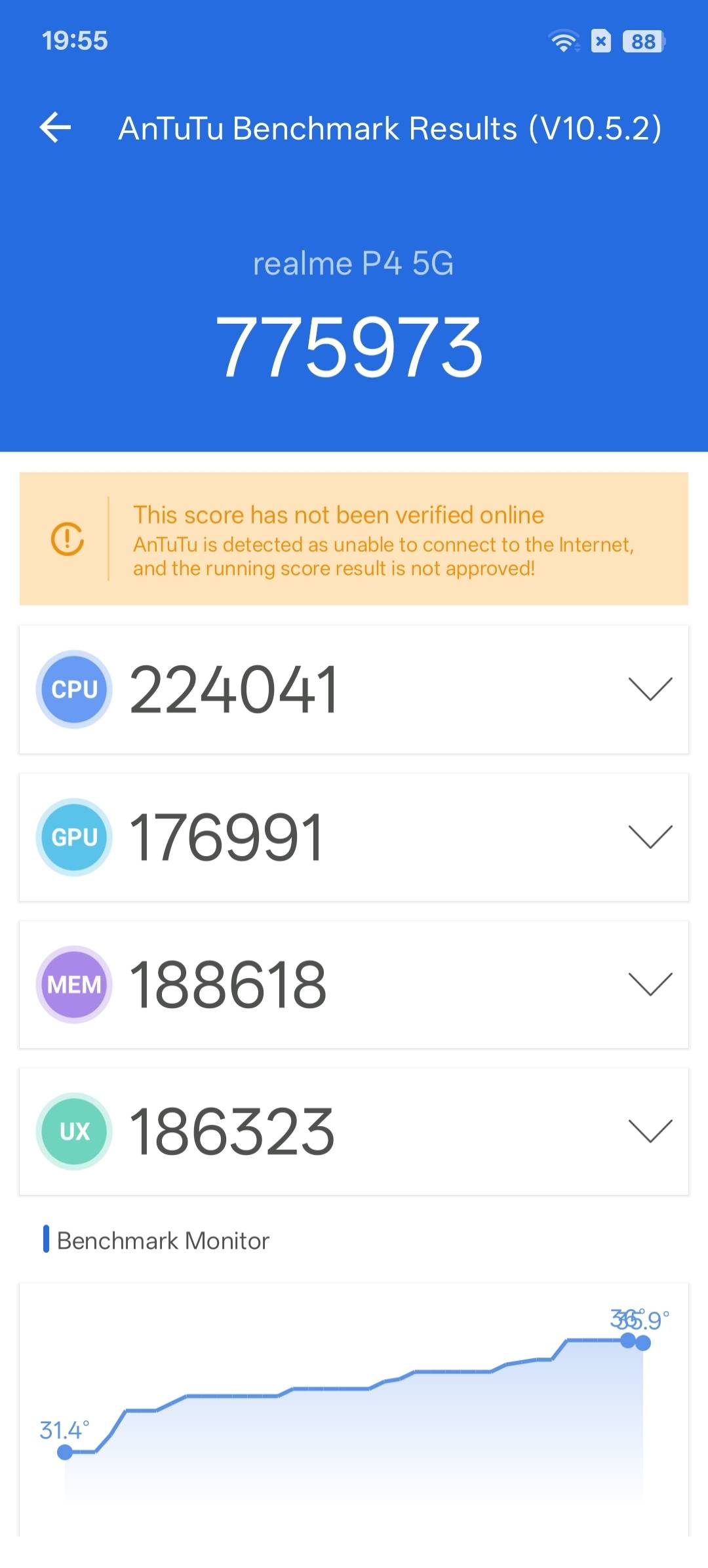
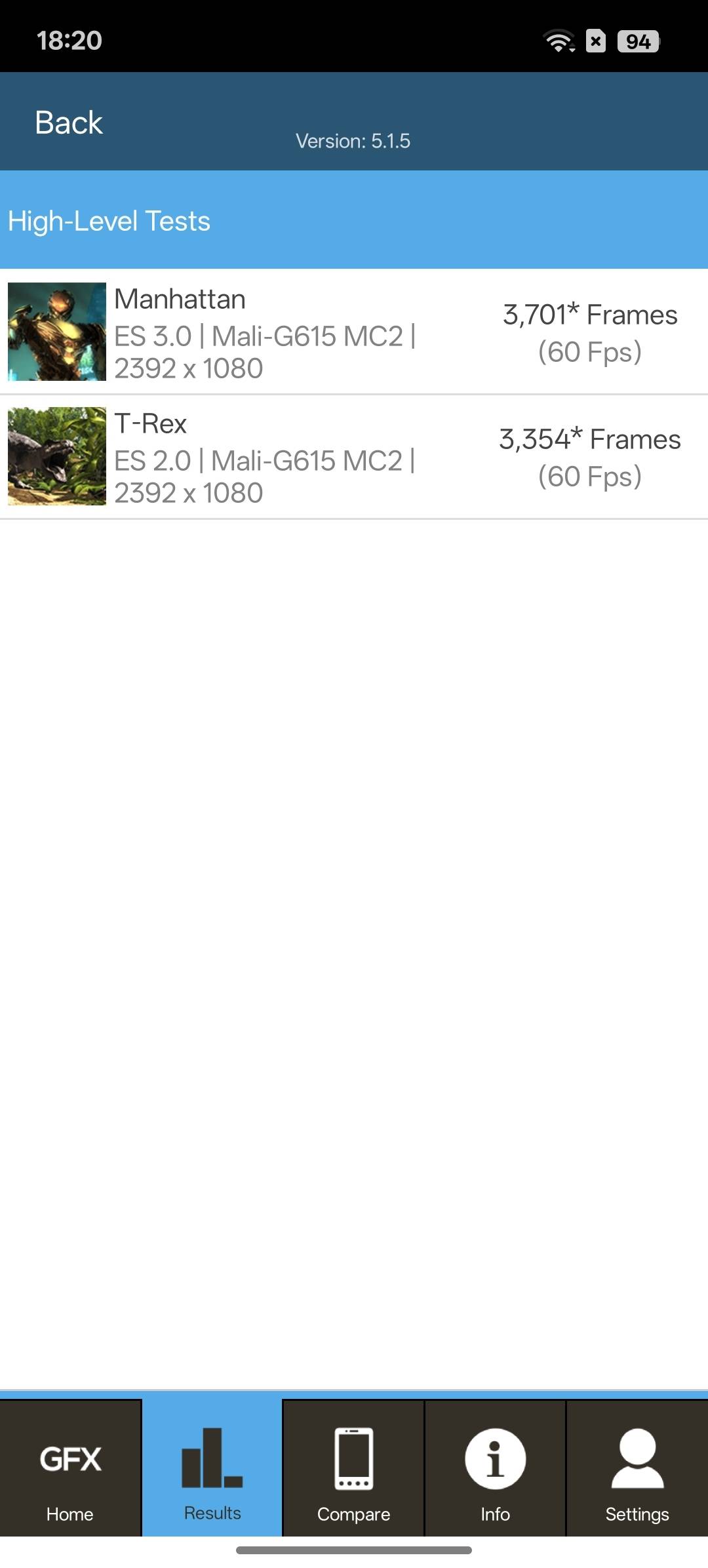
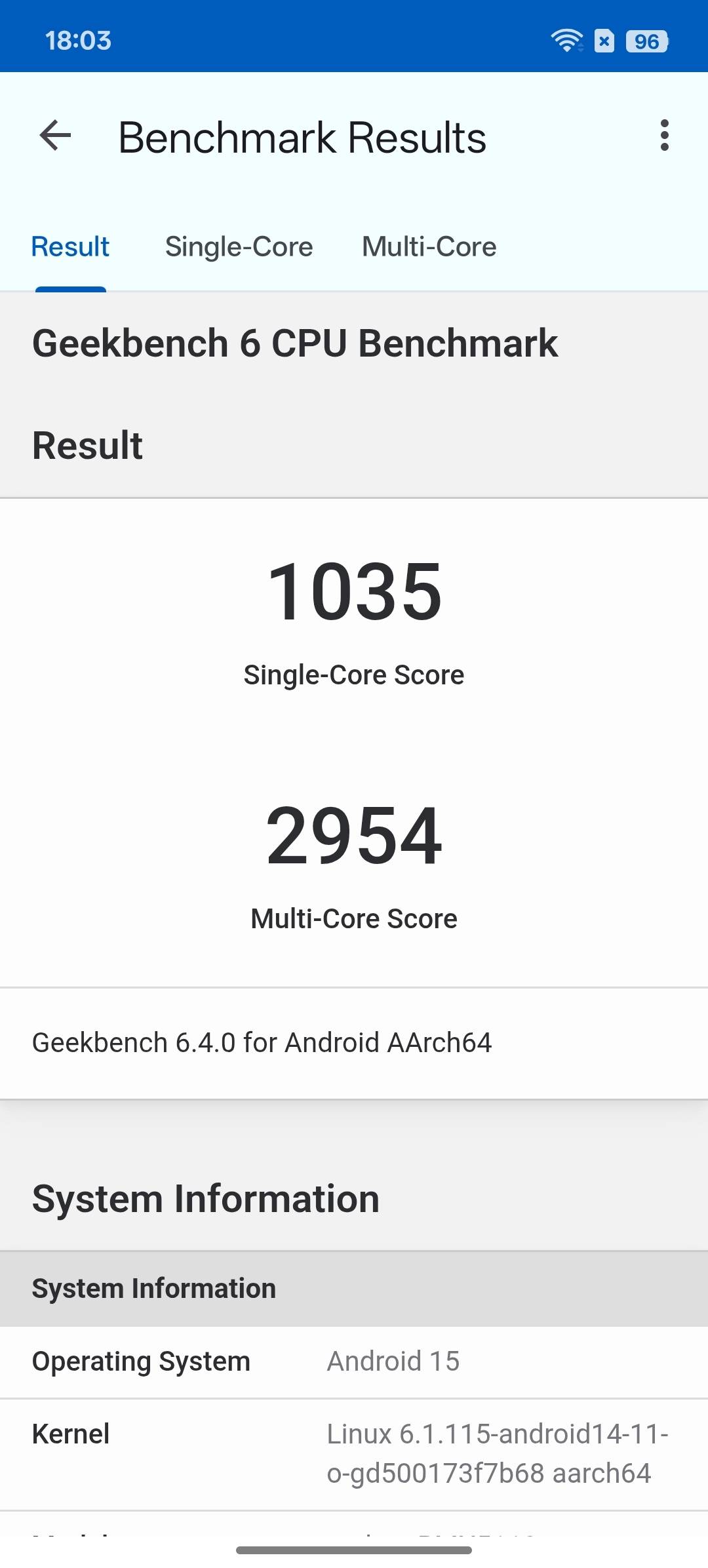
Realme P4: If you love to engross yourself in CODM’s Multiplayer mode, the Realme P4 should be your ideal pick under Rs 20,000. This is simply because frame rate interpolation allows the P4 to support up to 144 FPS in CODM for smooth gameplay. As noted in our review, it consistently achieved the said frame rates even in long-duration matches.
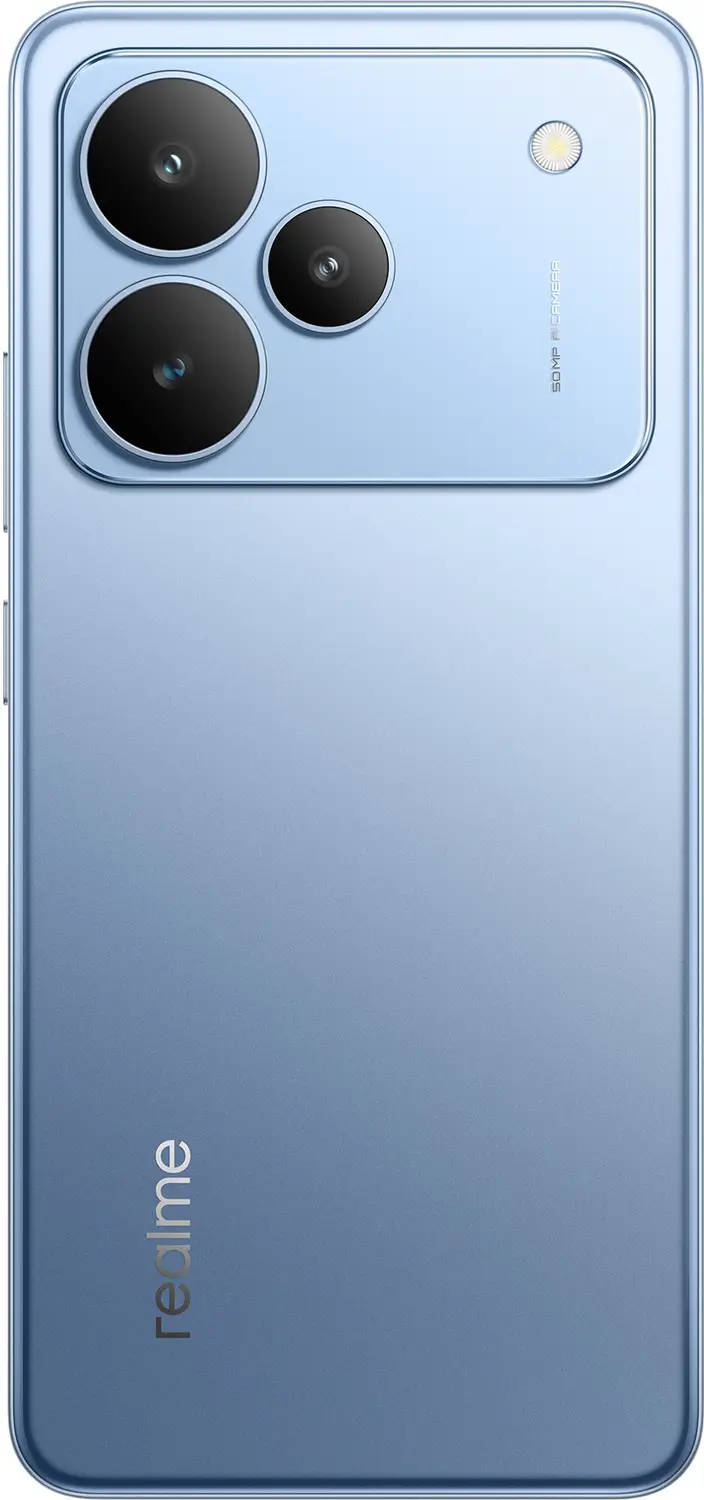
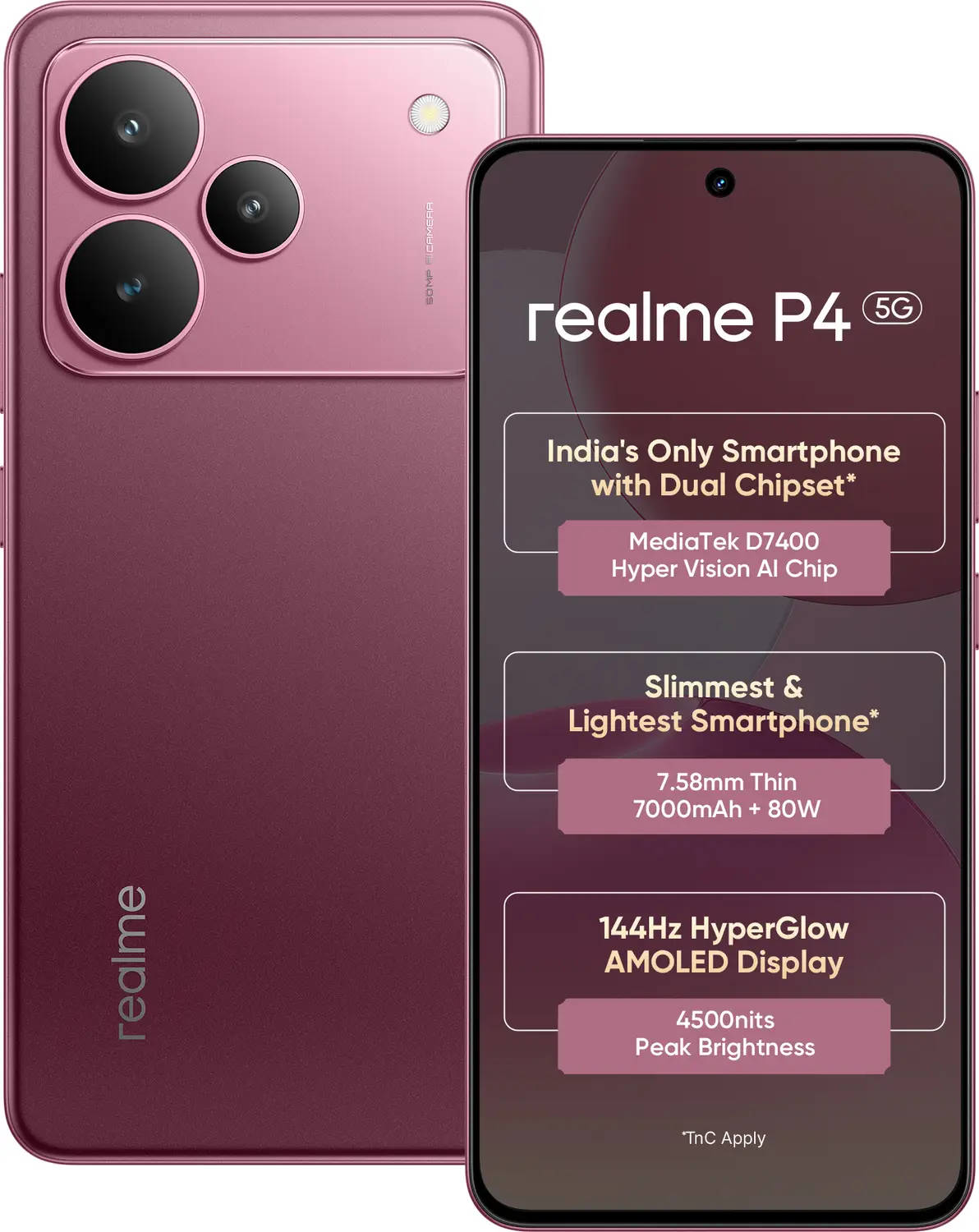
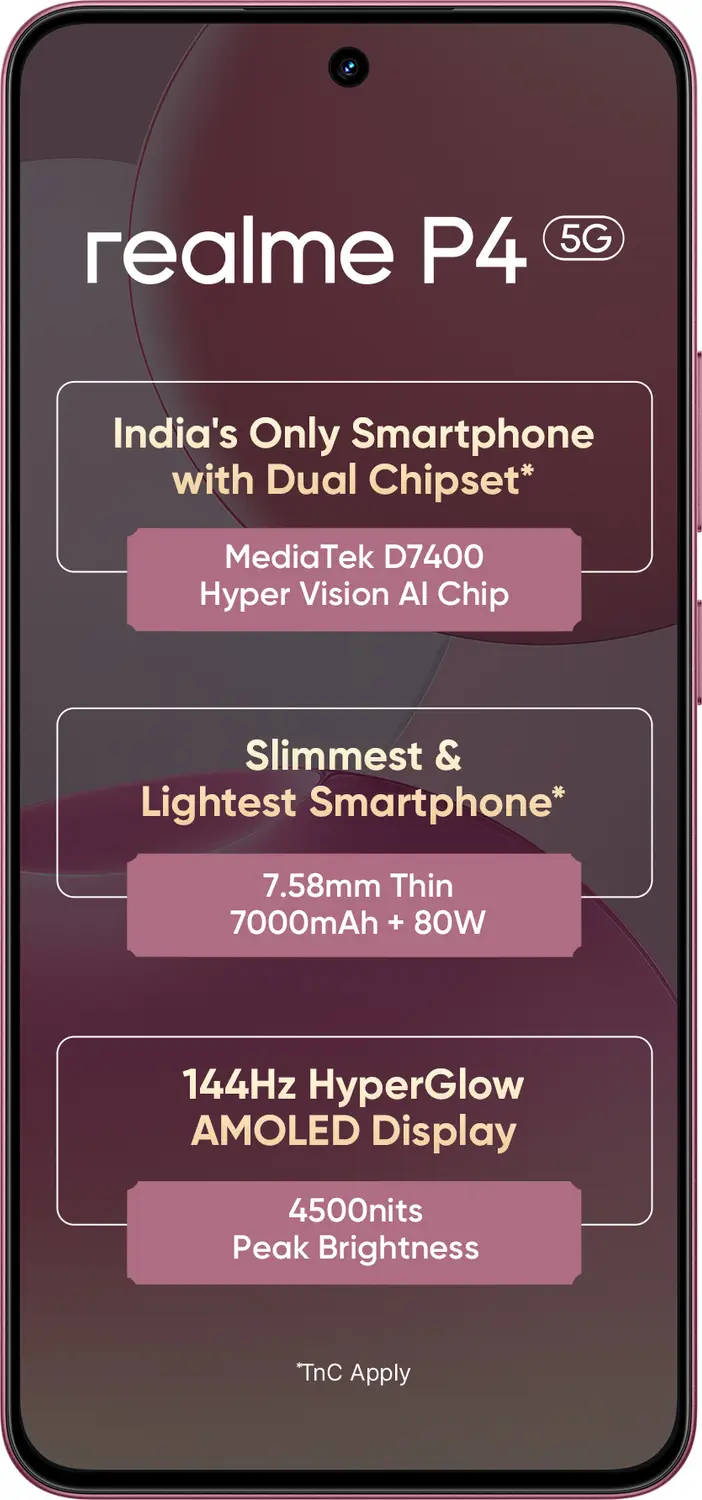
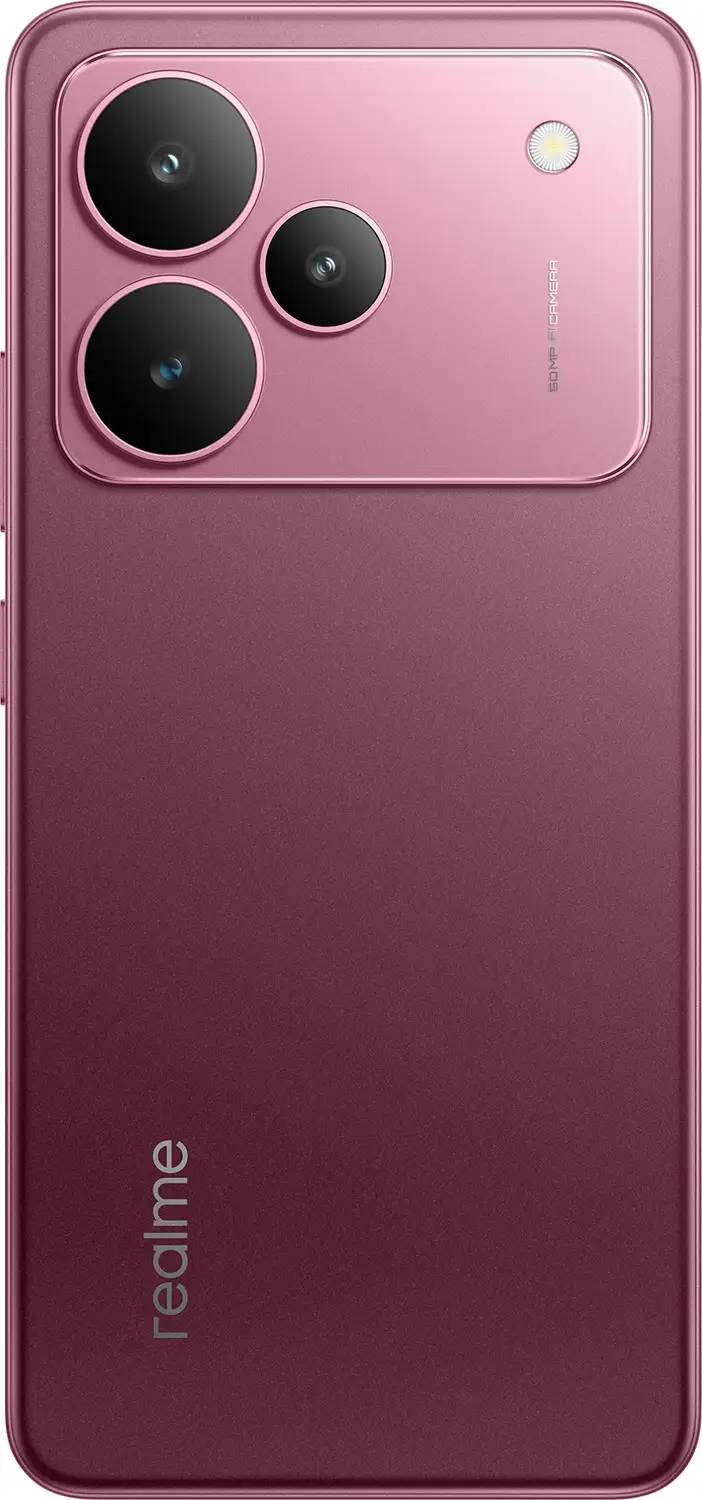
Best in battery – Realme P4
Launch price: Rs 18,499 (6+128GB)
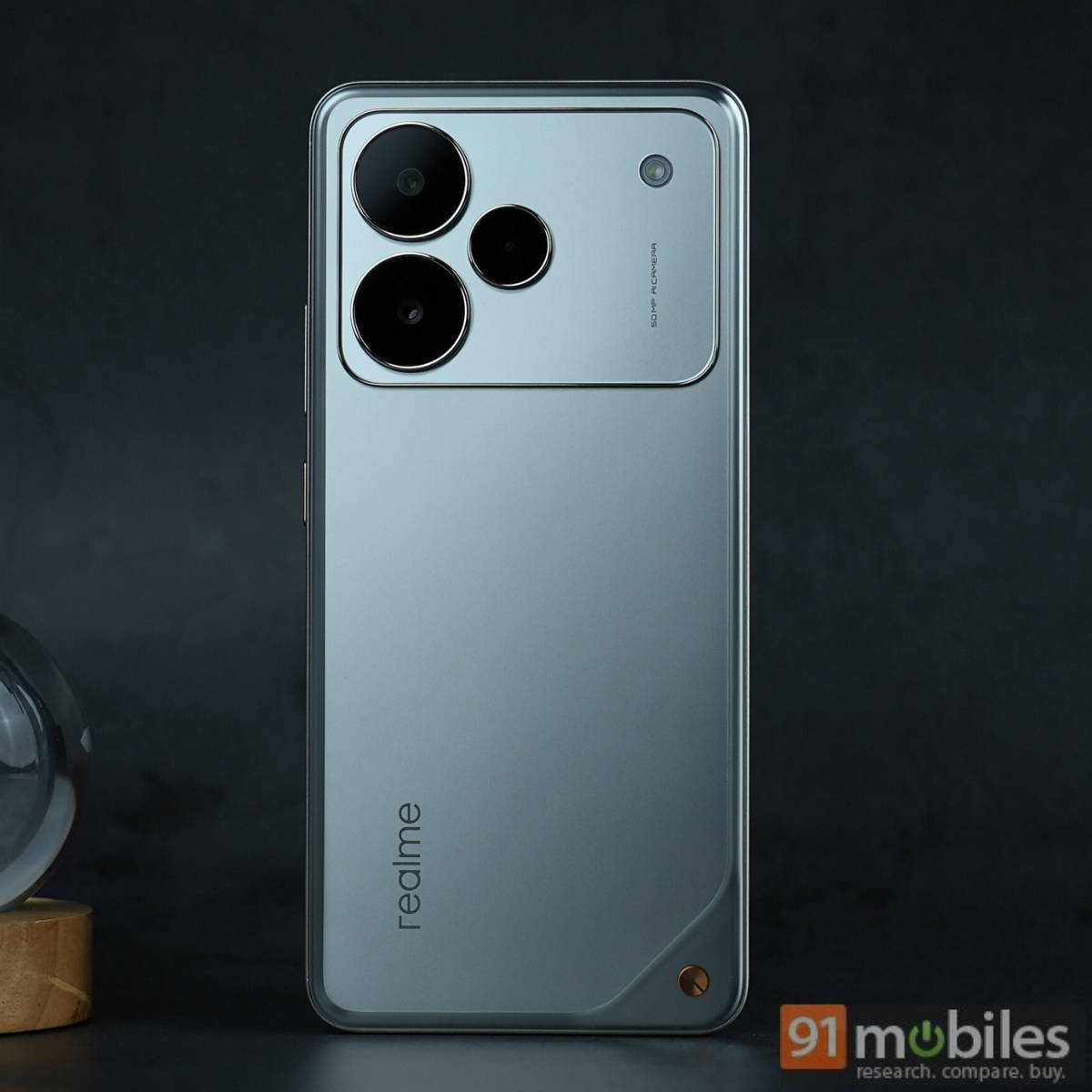
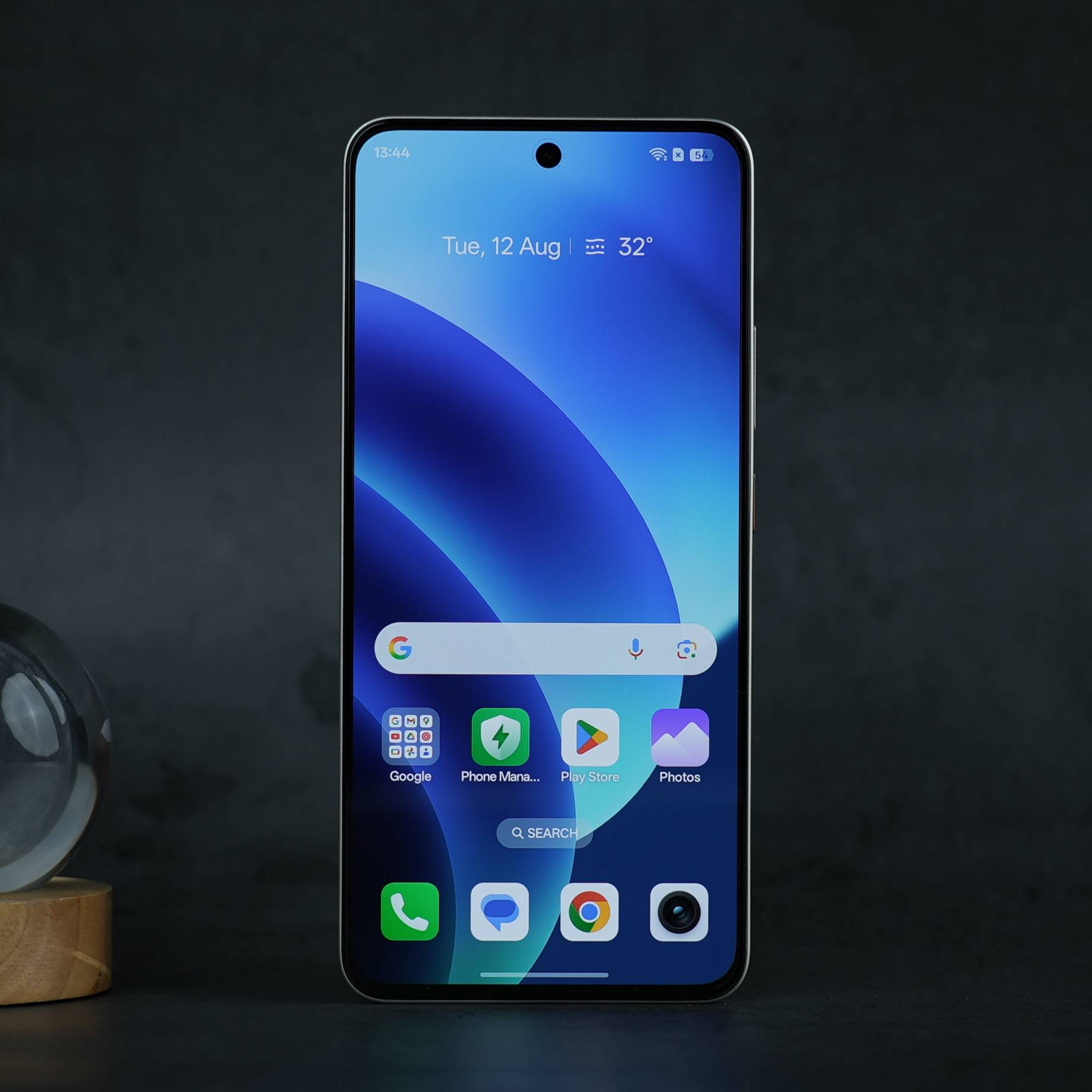
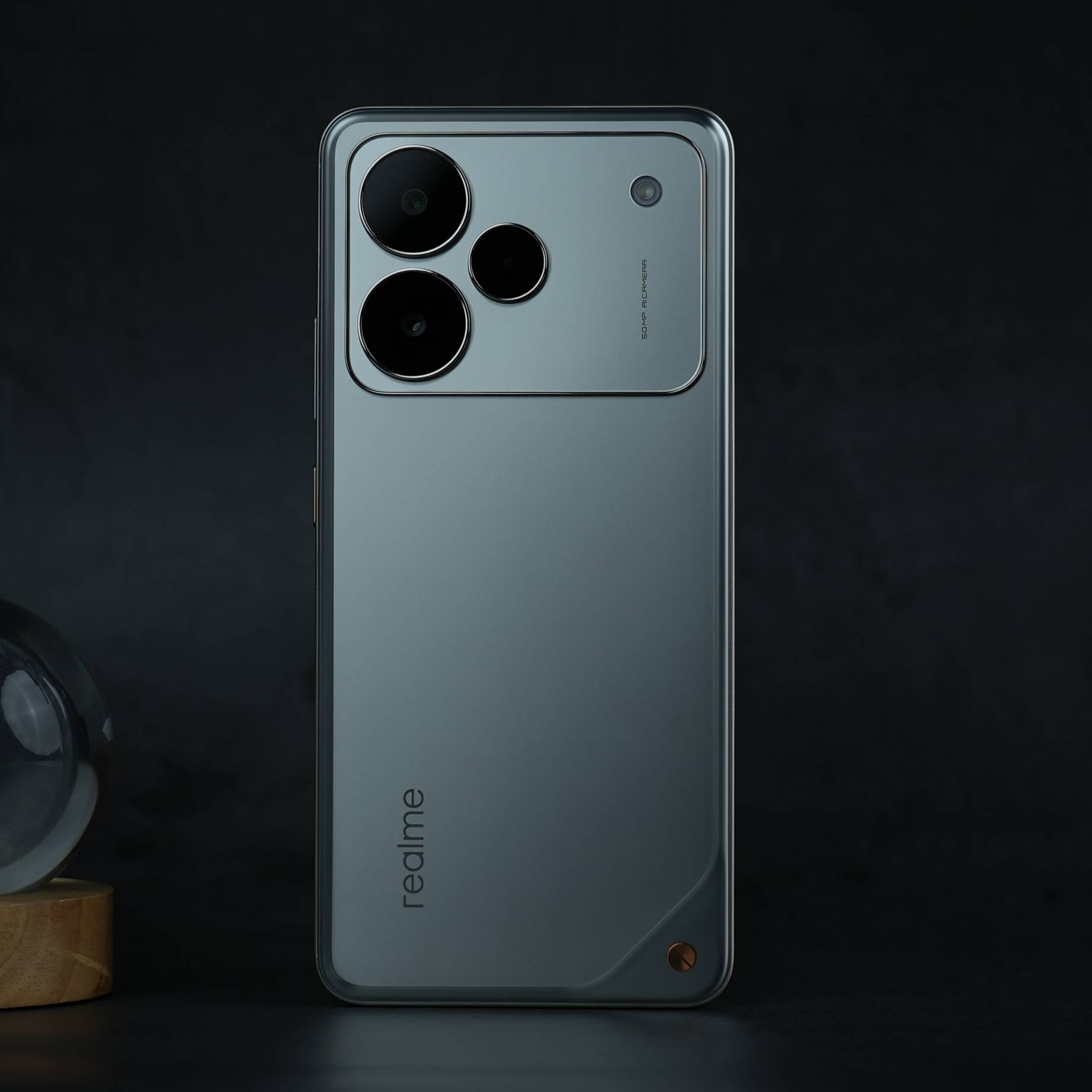
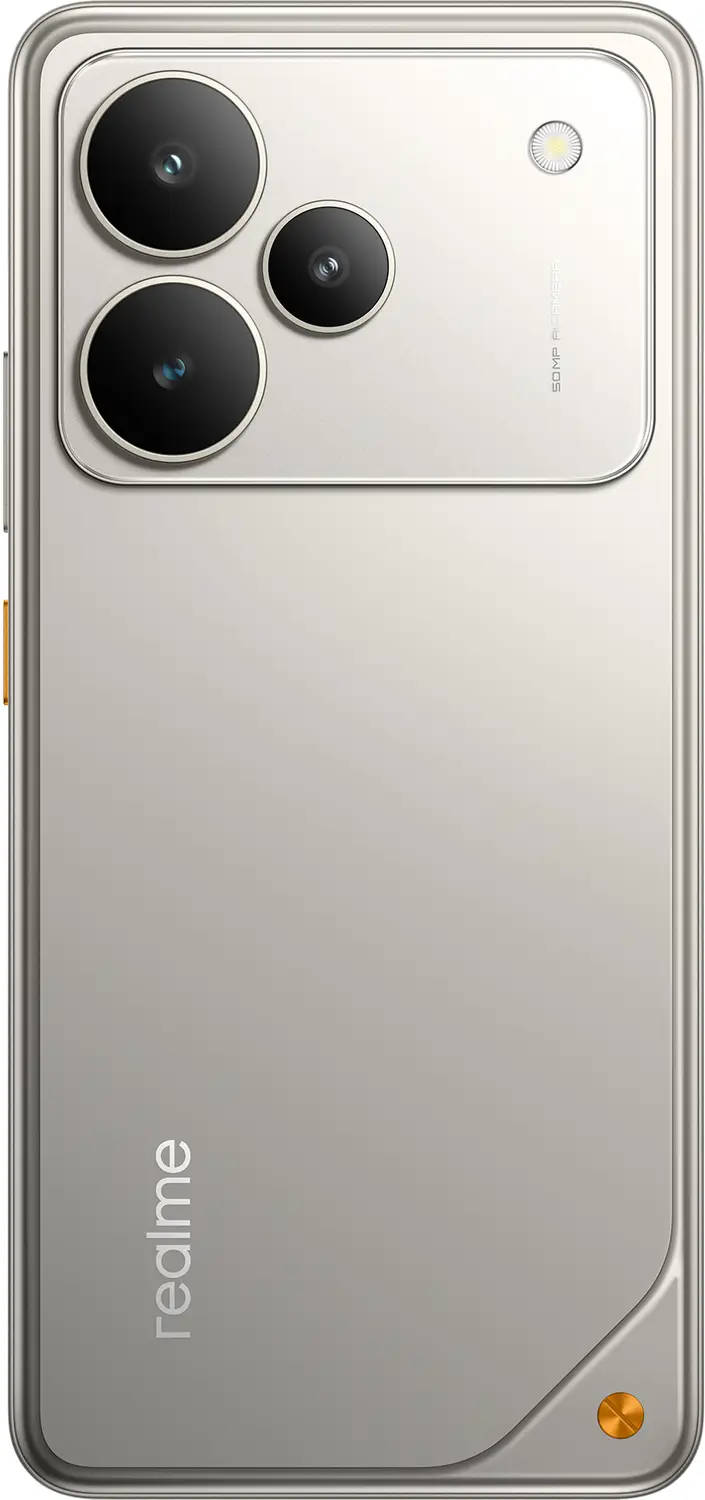
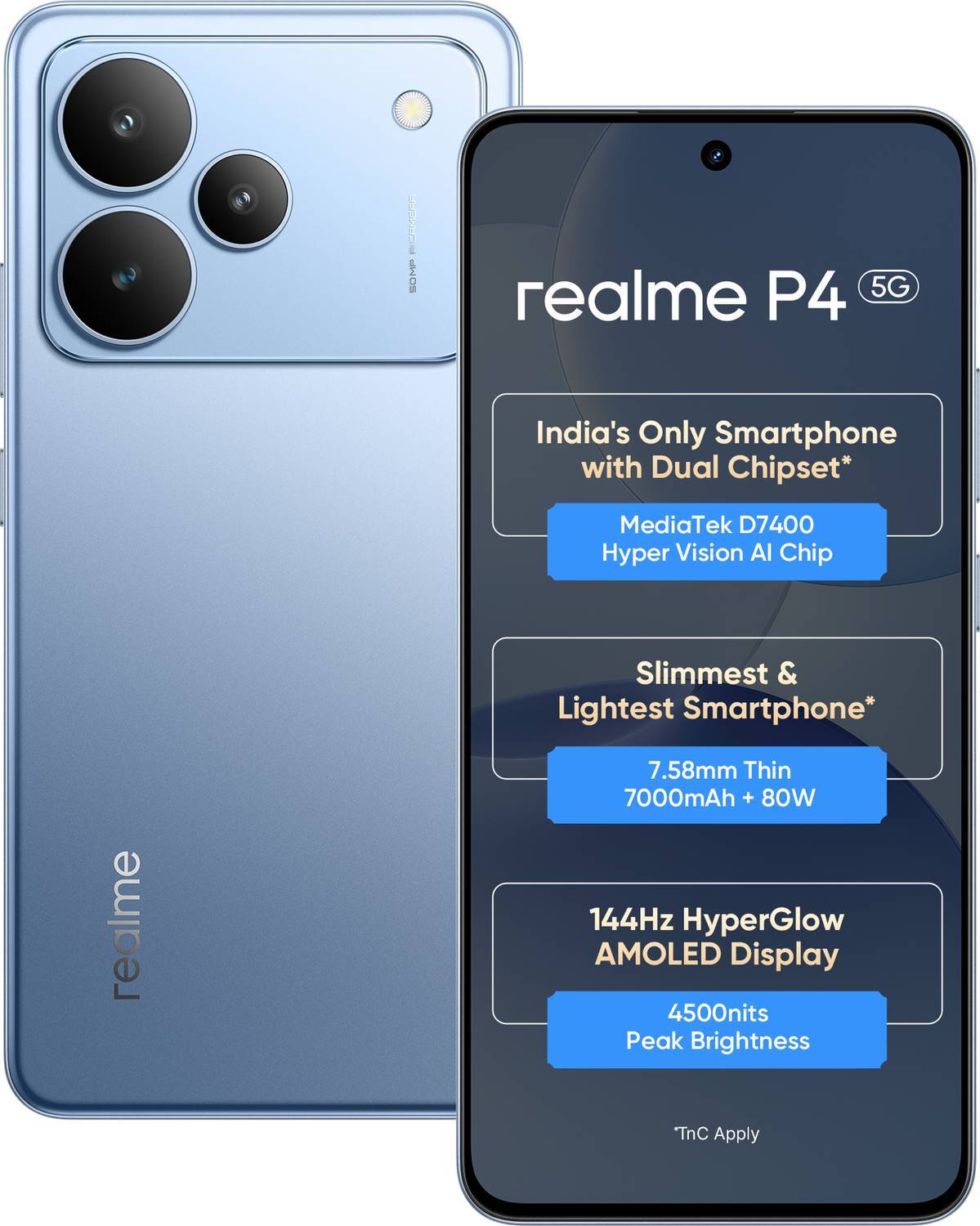
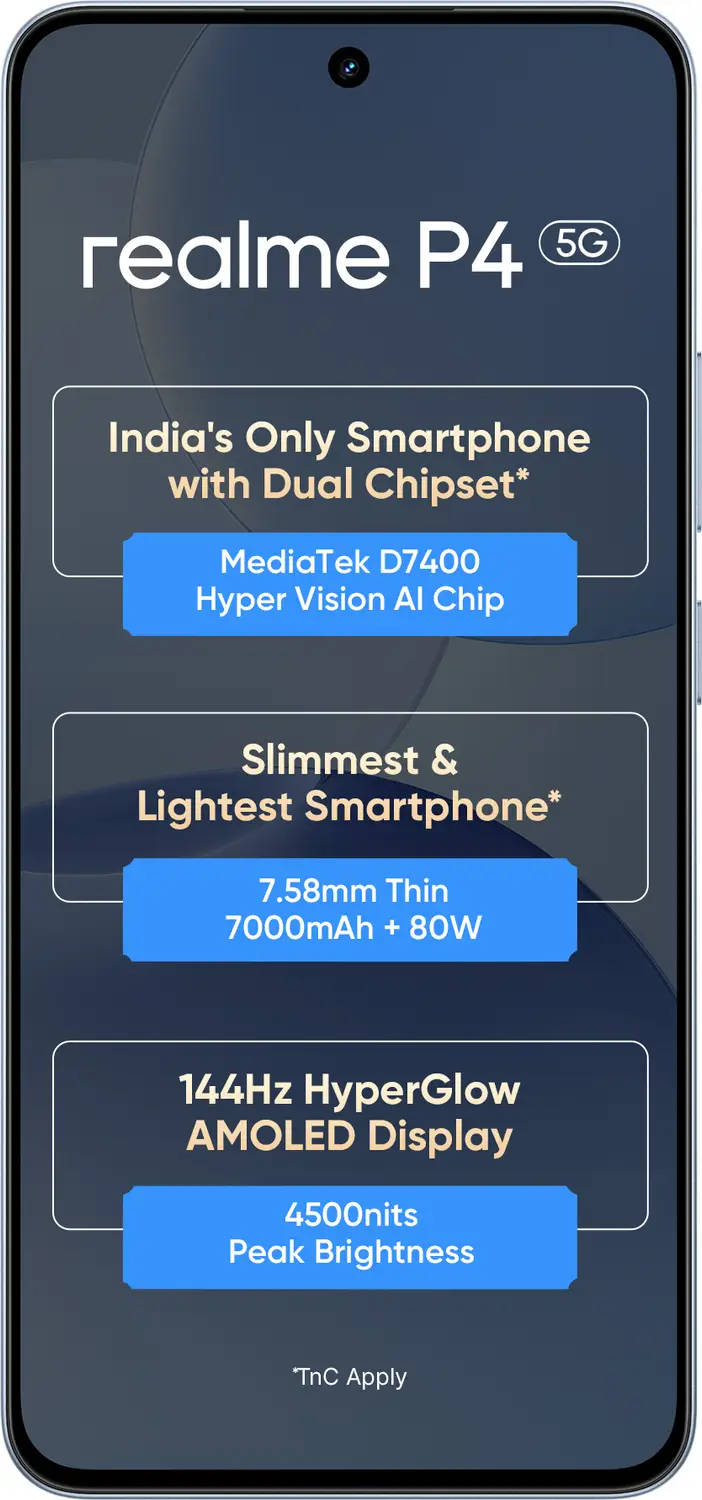
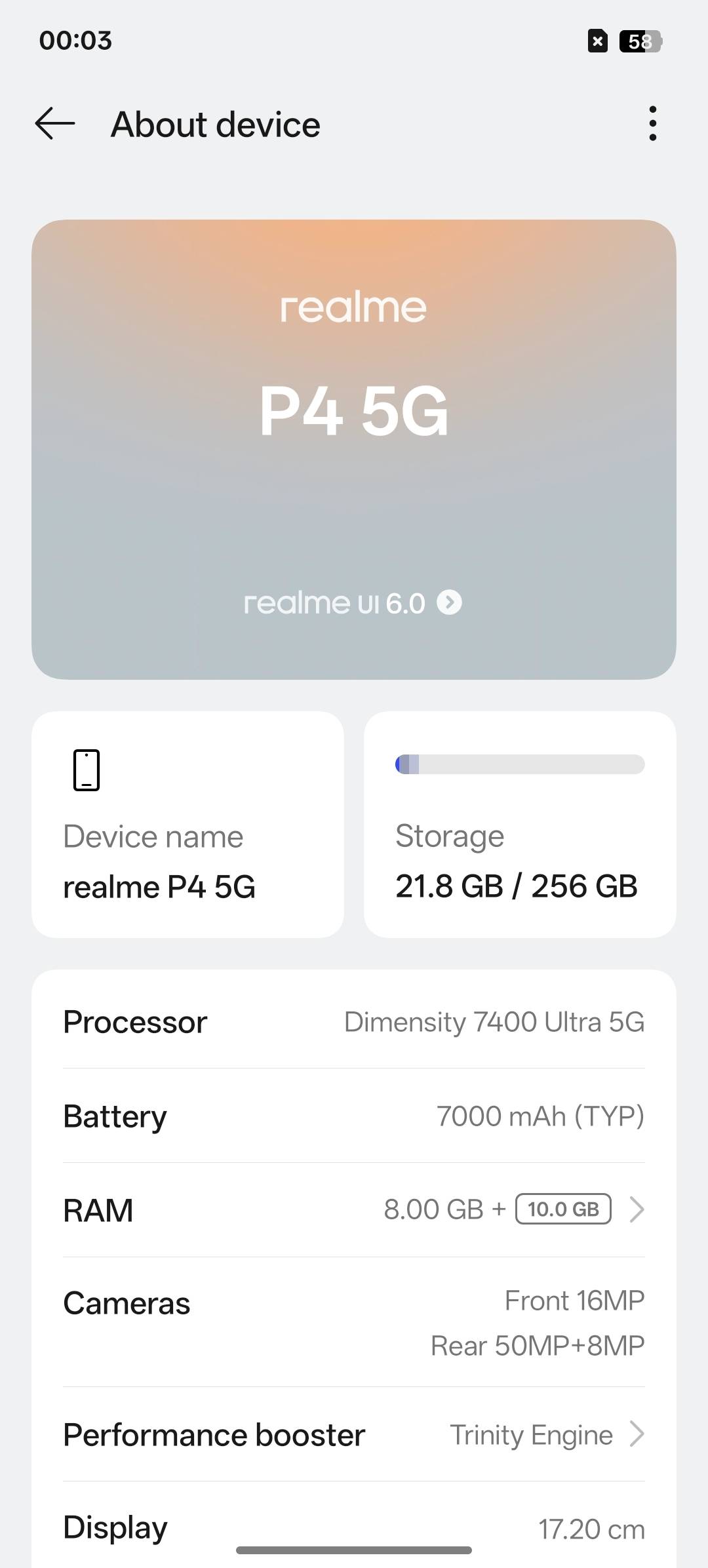
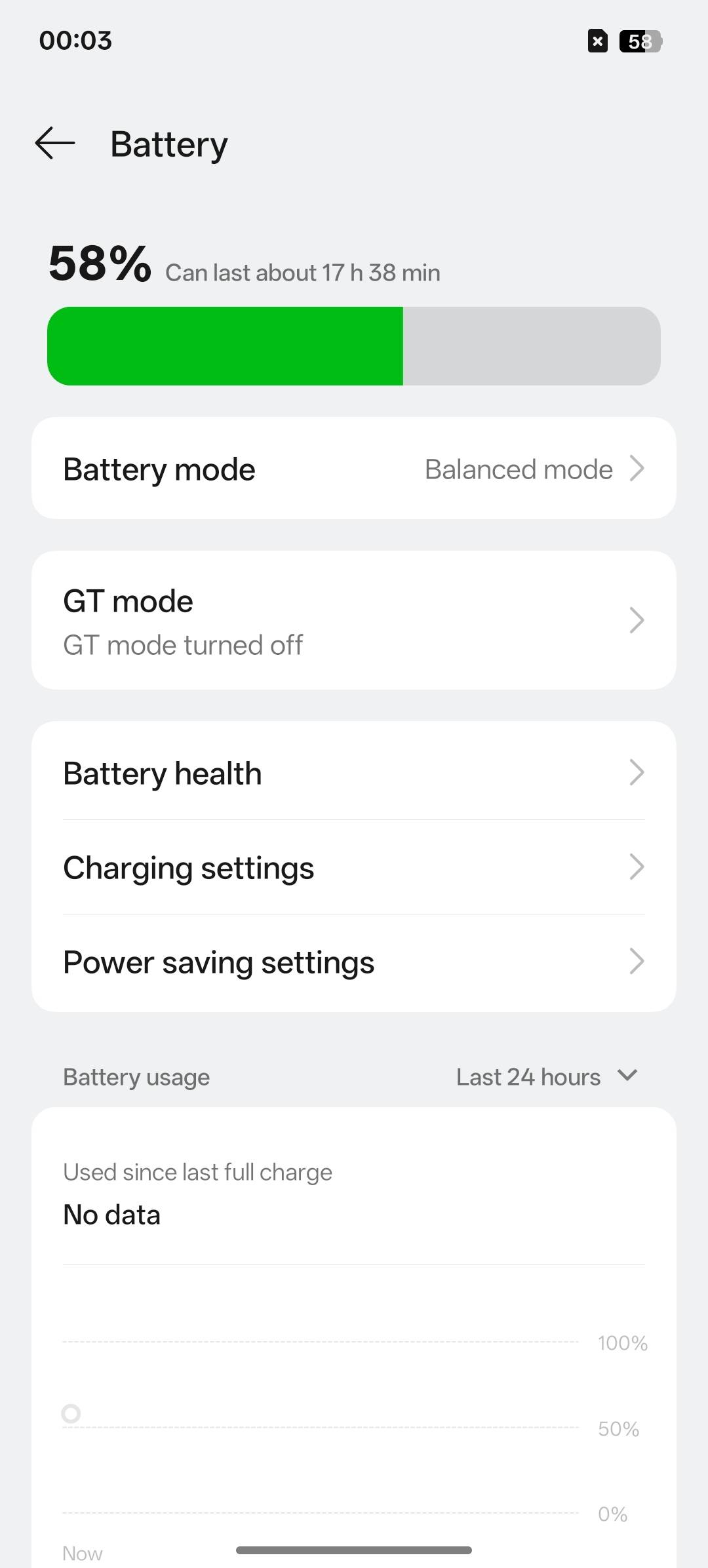
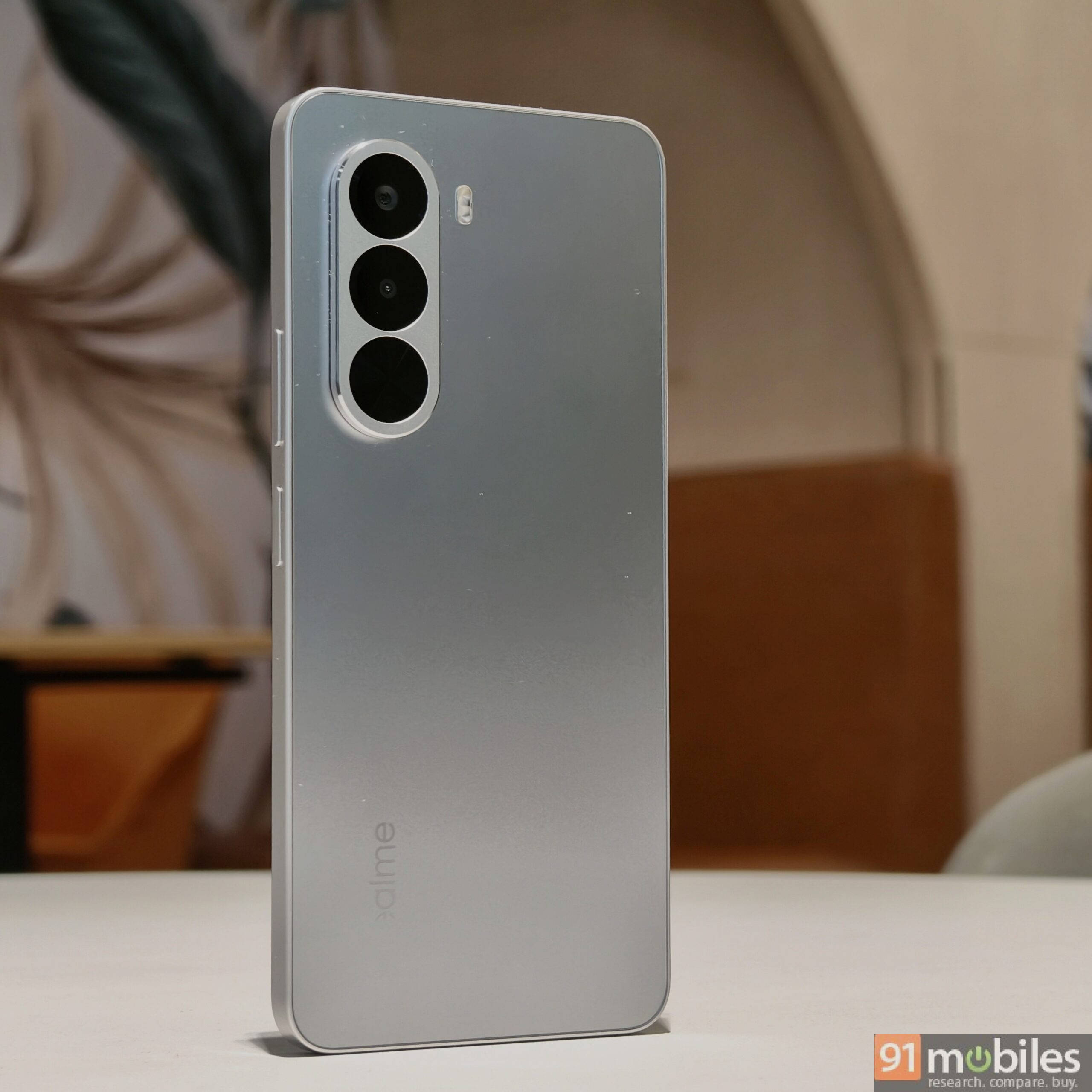
In terms of real-world endurance, the Realme P4 lasted for four days straight on light usage with 25 percent battery still left in the tank. This indicates that the battery is not only optimised to last long but also has minimal idle drain. Unlike the OPPO K13, which shares the same battery and charging combo, the P4 is noticeably lighter and slimmer at 185g and 7.6mm, compared to the K13’s 208g and 8.5mm thickness.
Honourable mentions
Realme P4x: Priced at Rs 15,999, the Realme P4x delivers excellent battery life thanks to its massive 7,000mAh cell. However, with 45W charging, it can take over 1.5 hours to reach a full charge, which isn’t as fast as the Realme P4. During our review period, the P4x consistently delivered at least 9 hours of screen-on time across more than two days of battery cycles.
Moto G67 Power (review): Also priced at Rs 15,999, the Moto G67 Power is another great smartphone for power users who demand high battery endurance. With a 7,000mAh battery, the handset once clocked over 11 hours of screen time during our usage.
Best in cameras – CMF Phone 2 Pro
Launch price: Rs 18,999 (8+128GB)
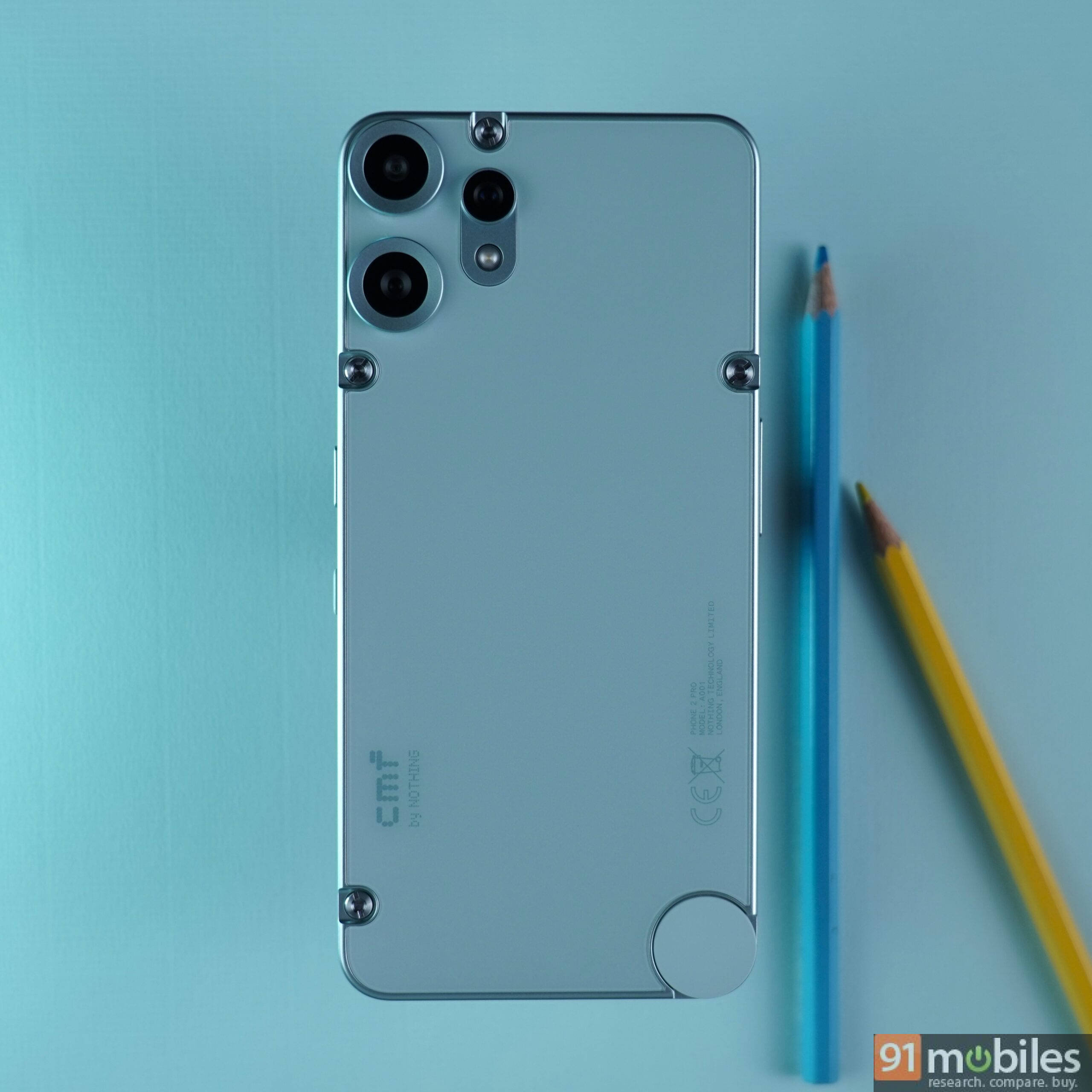
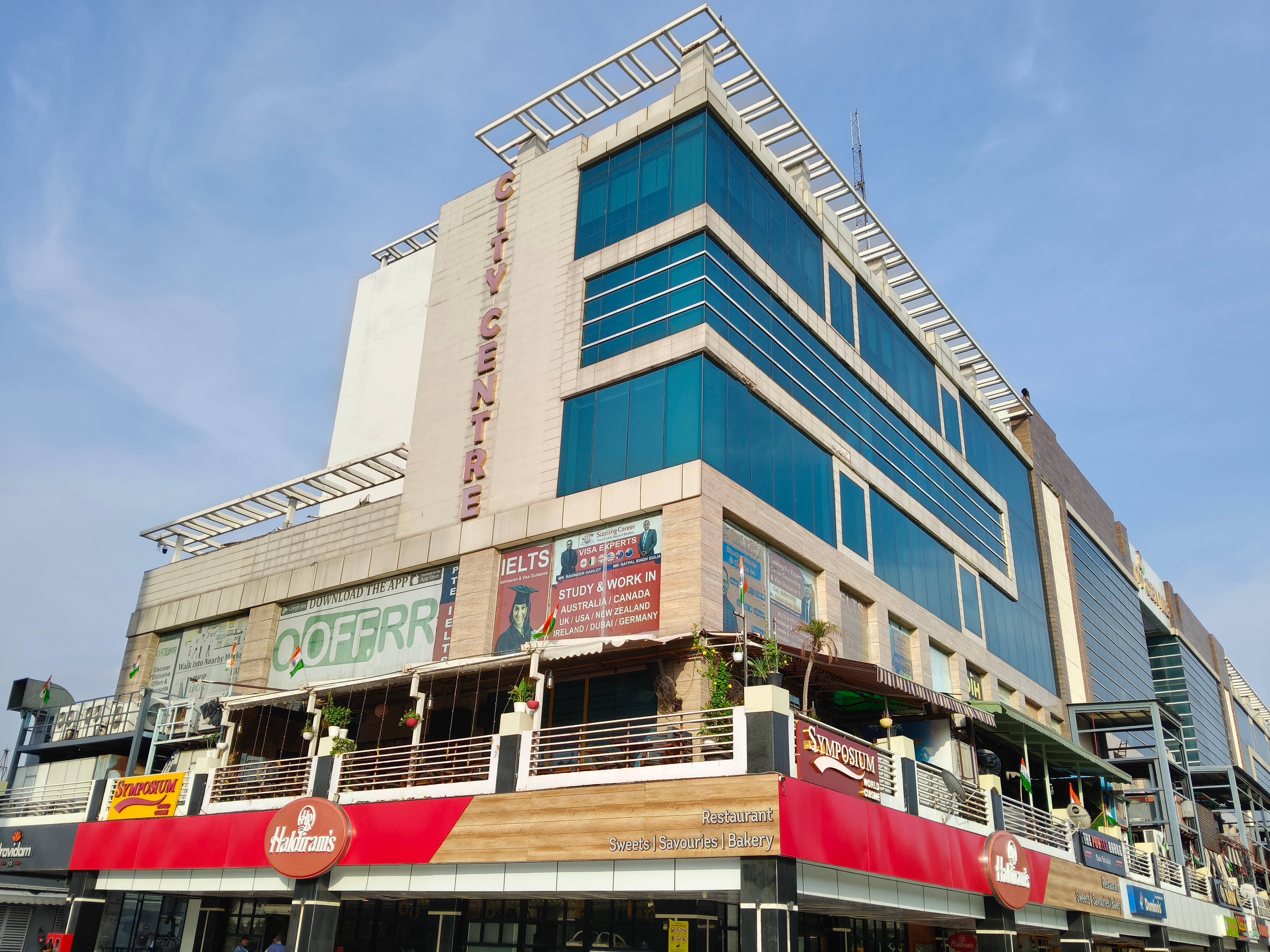
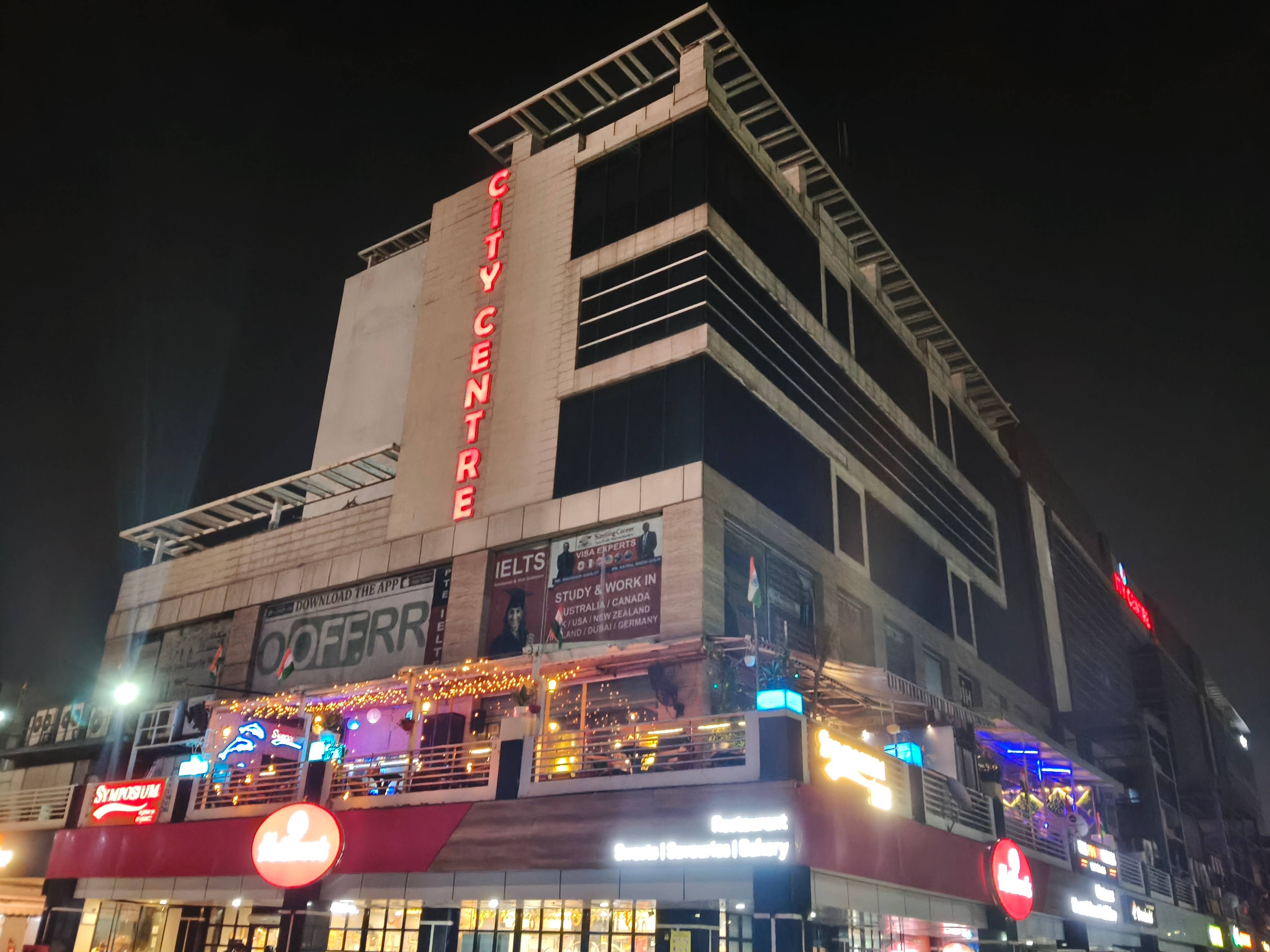
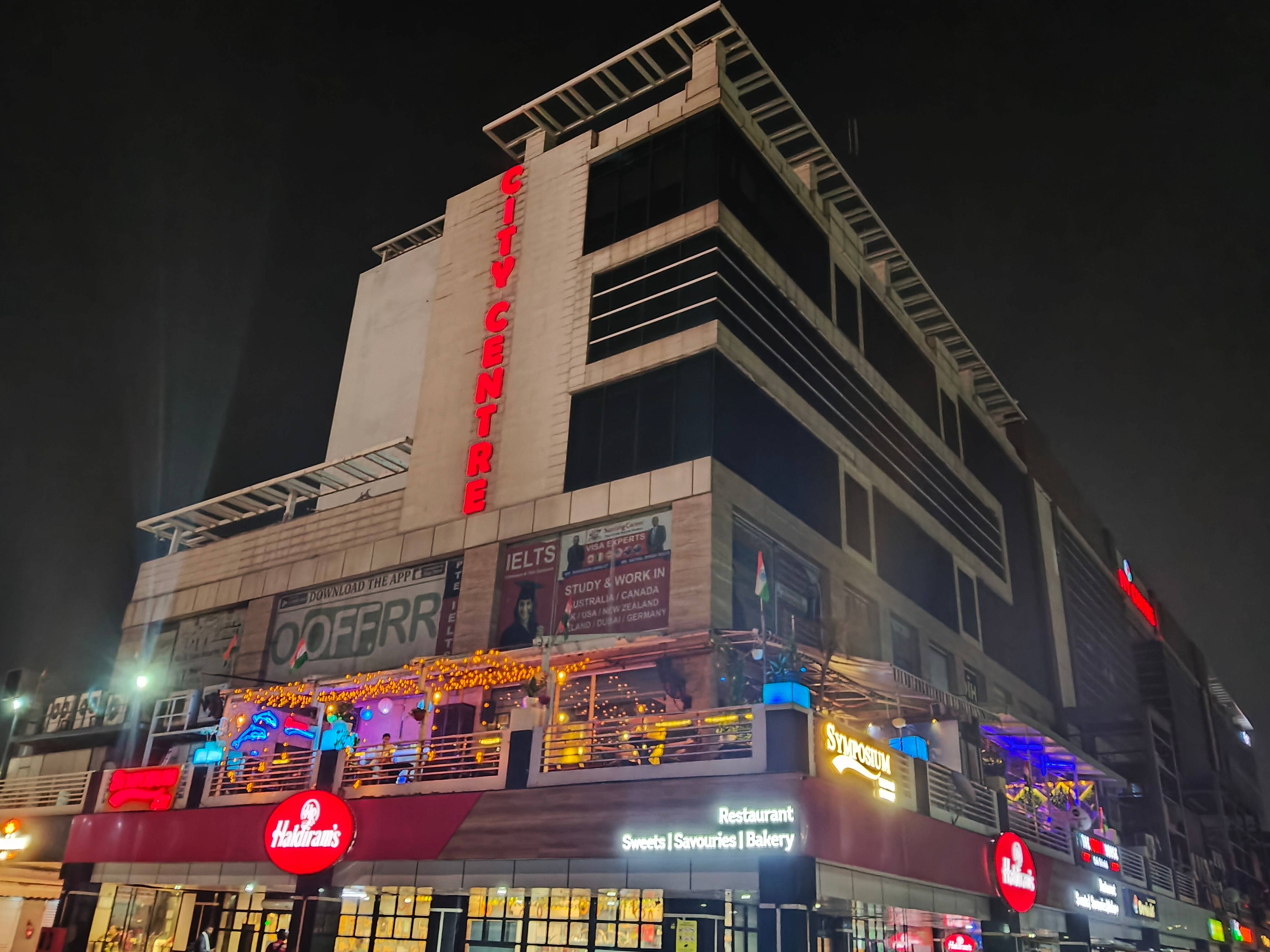
Take a look at the images shot on the CMF Phone 2 Pro:


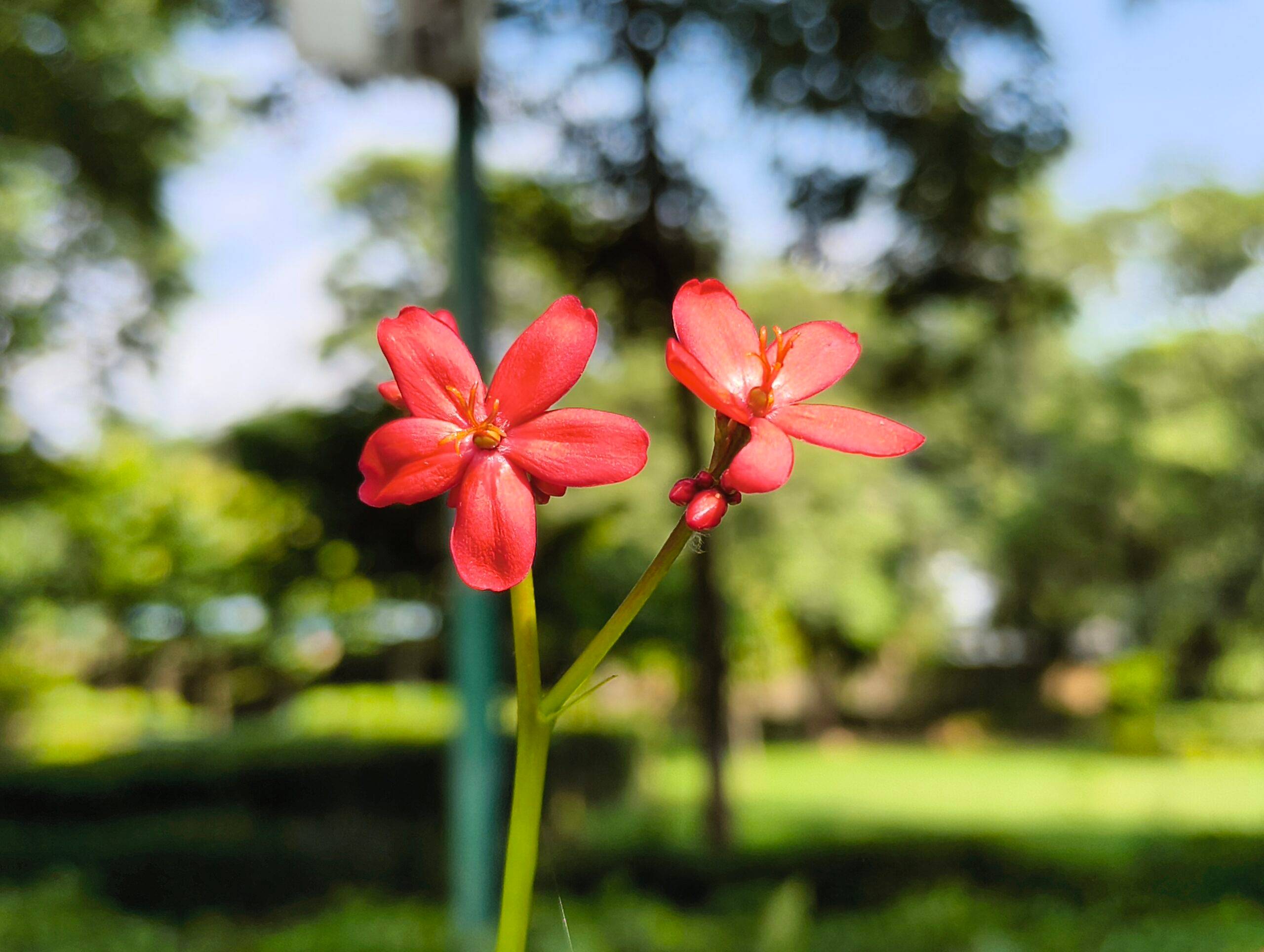
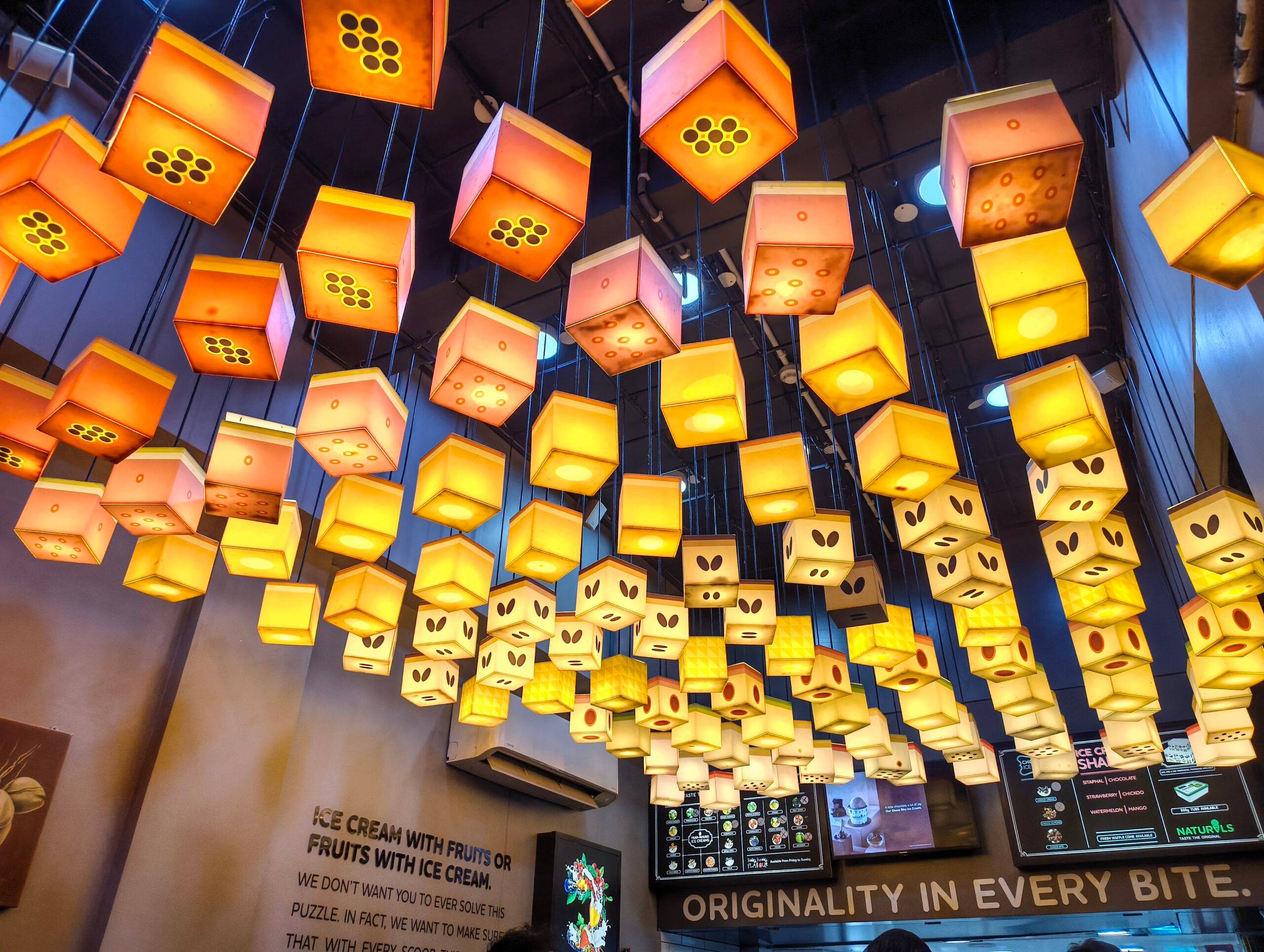

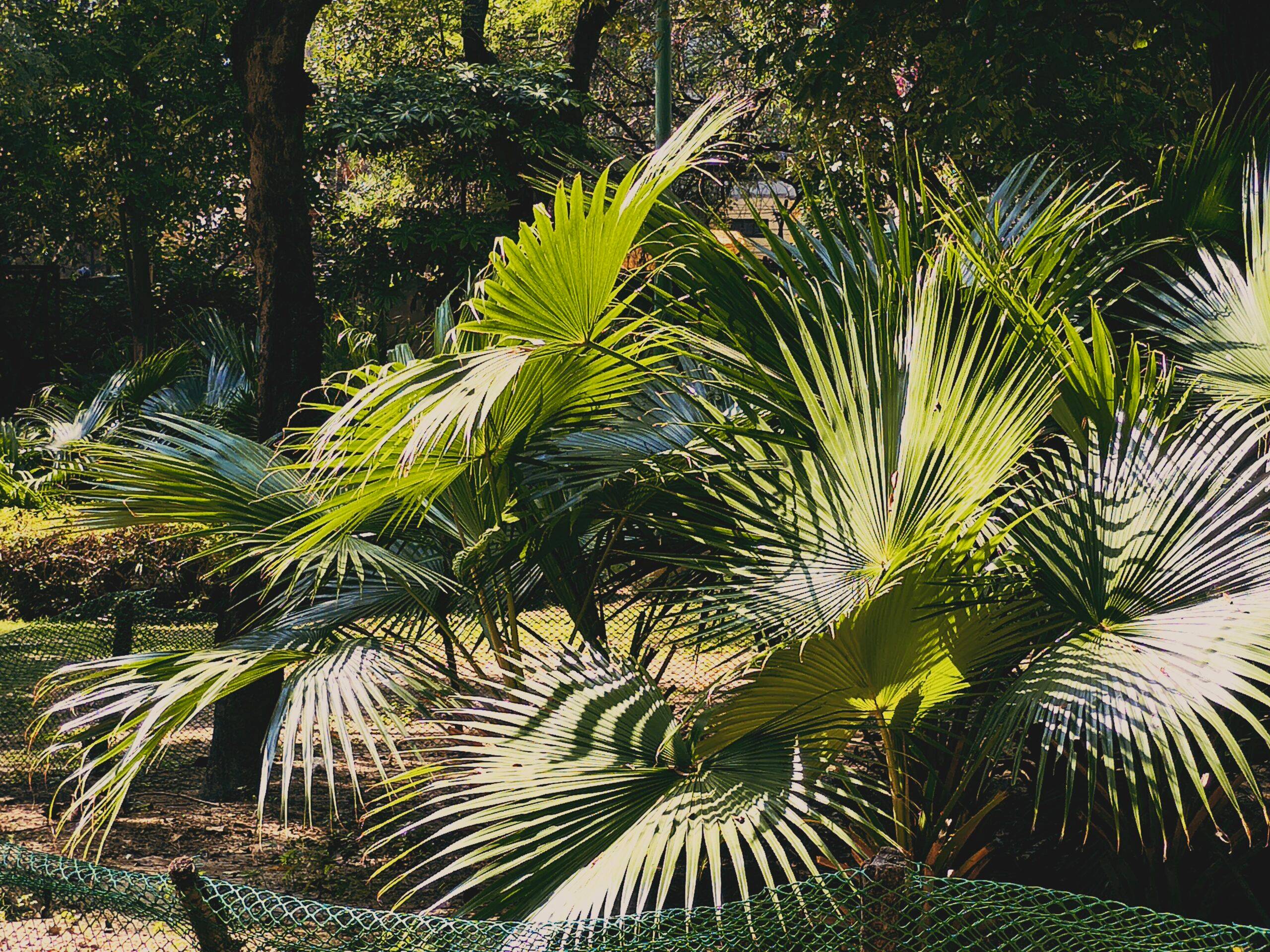

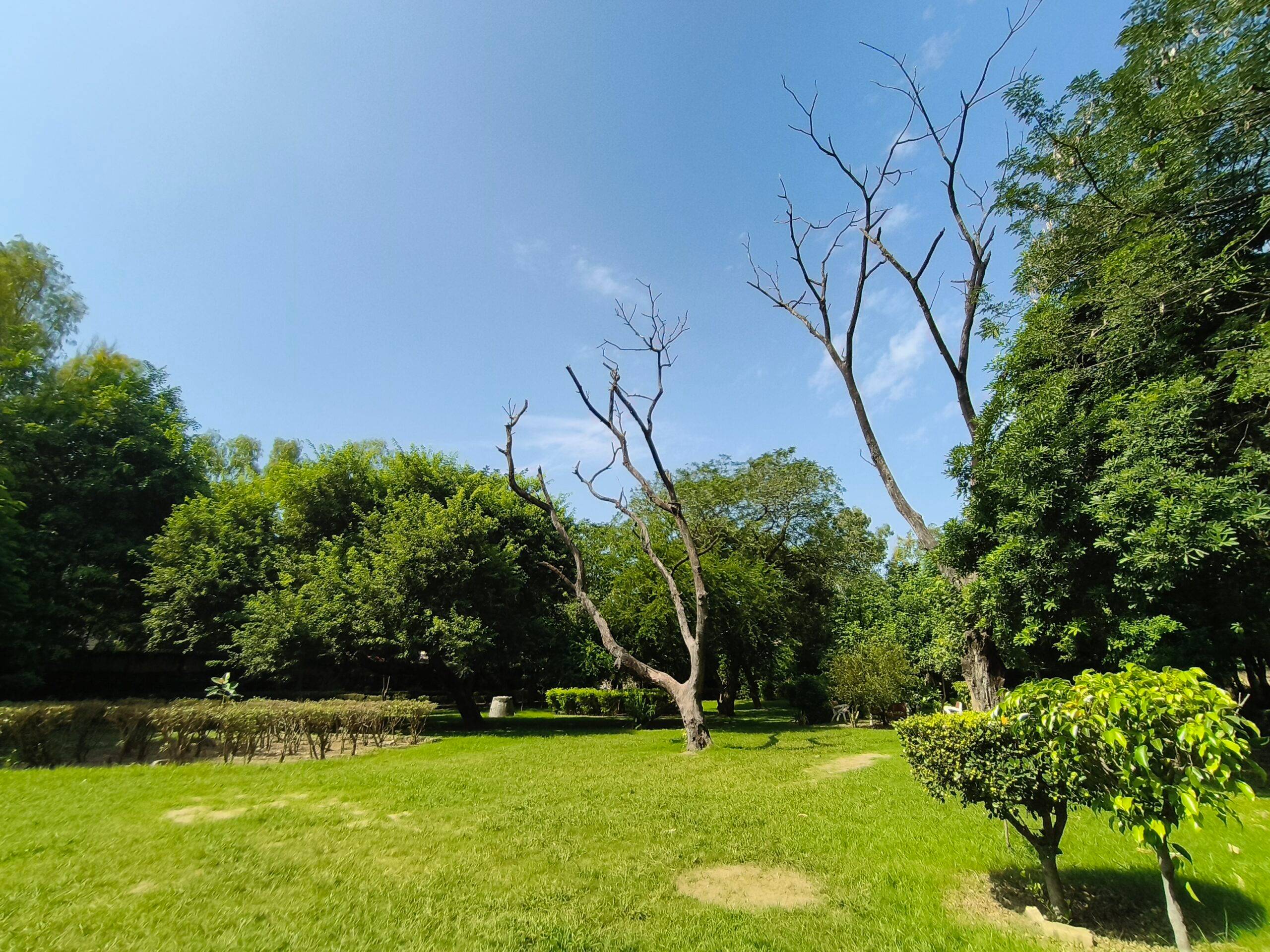
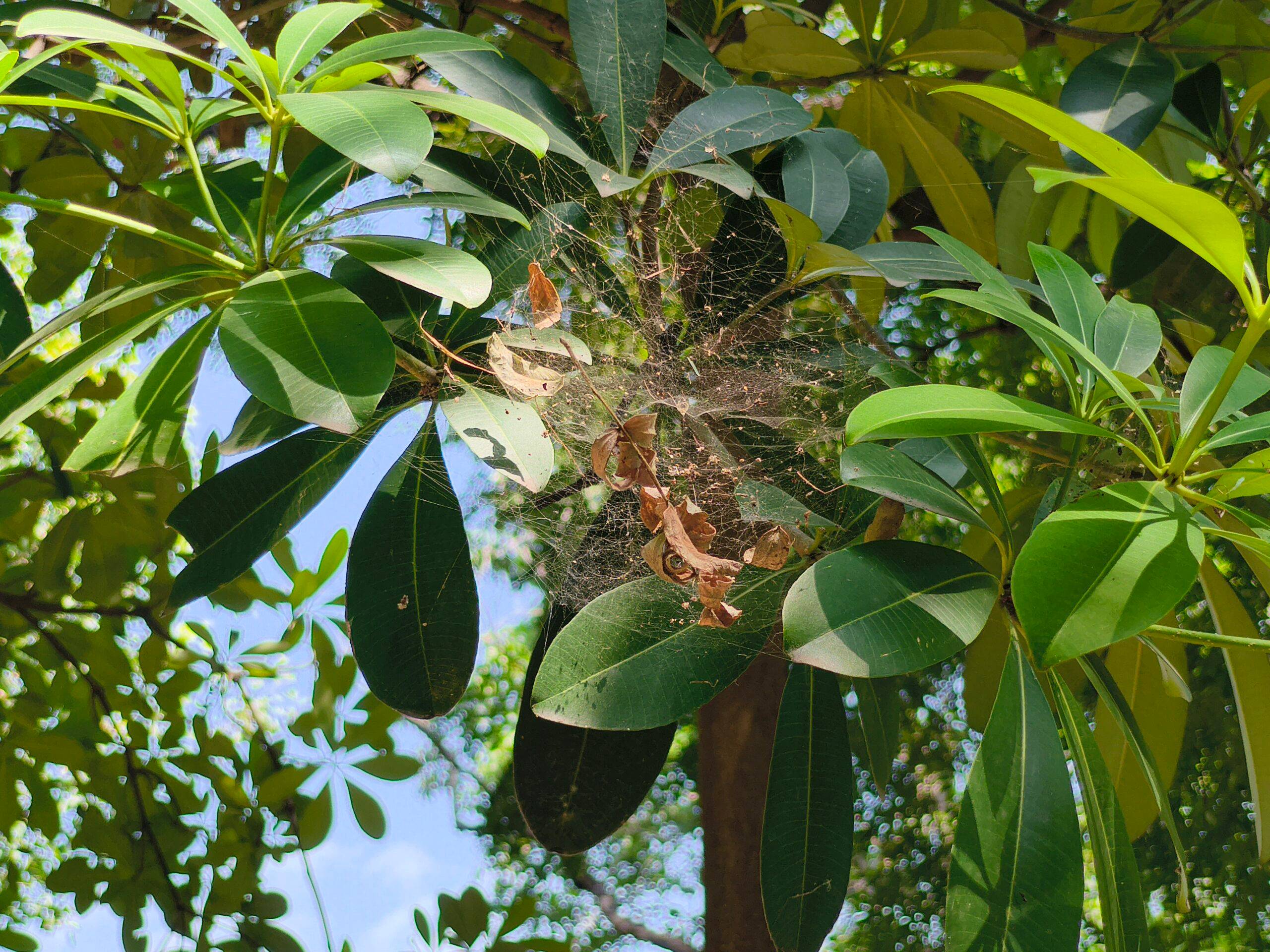








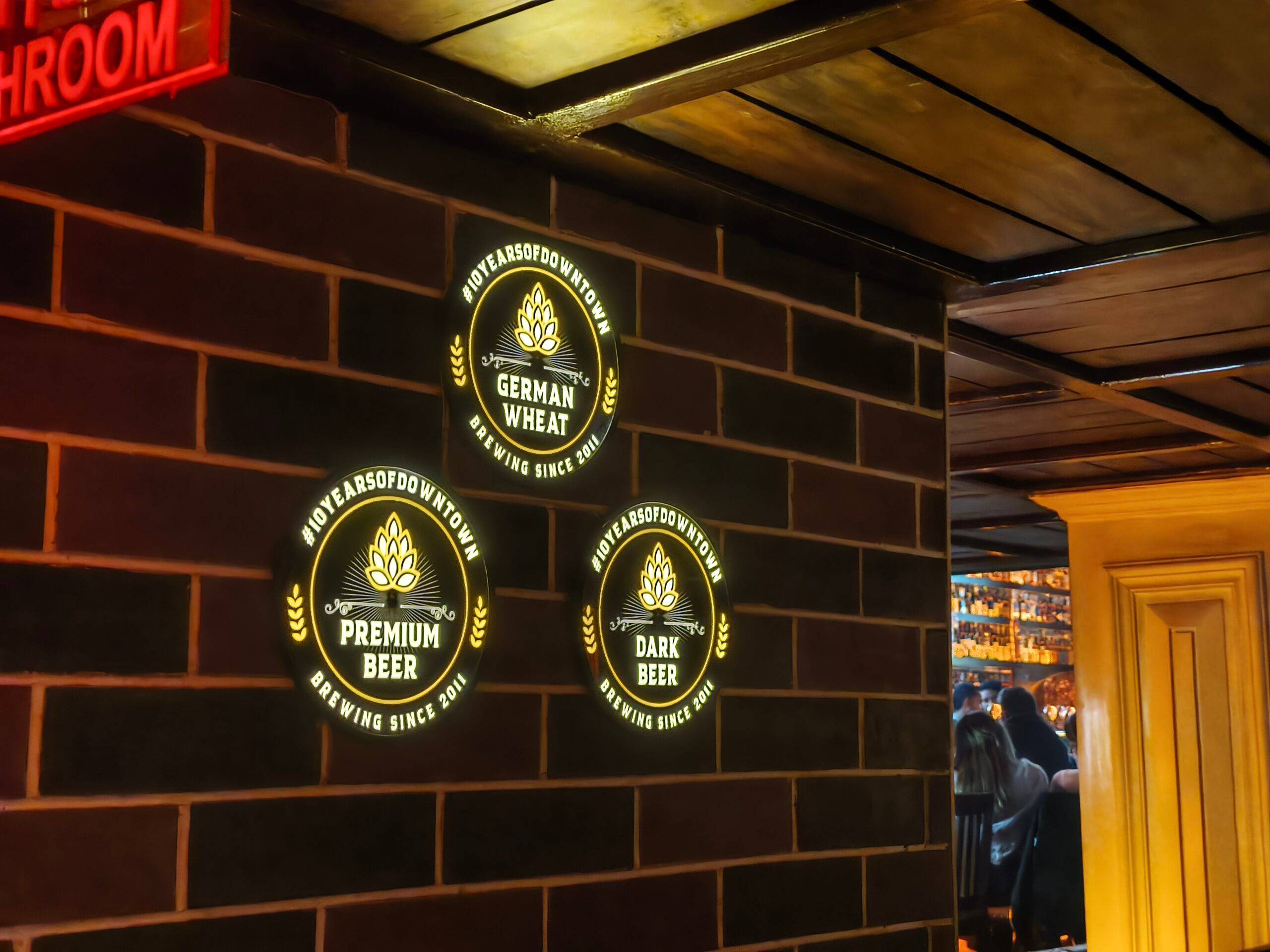


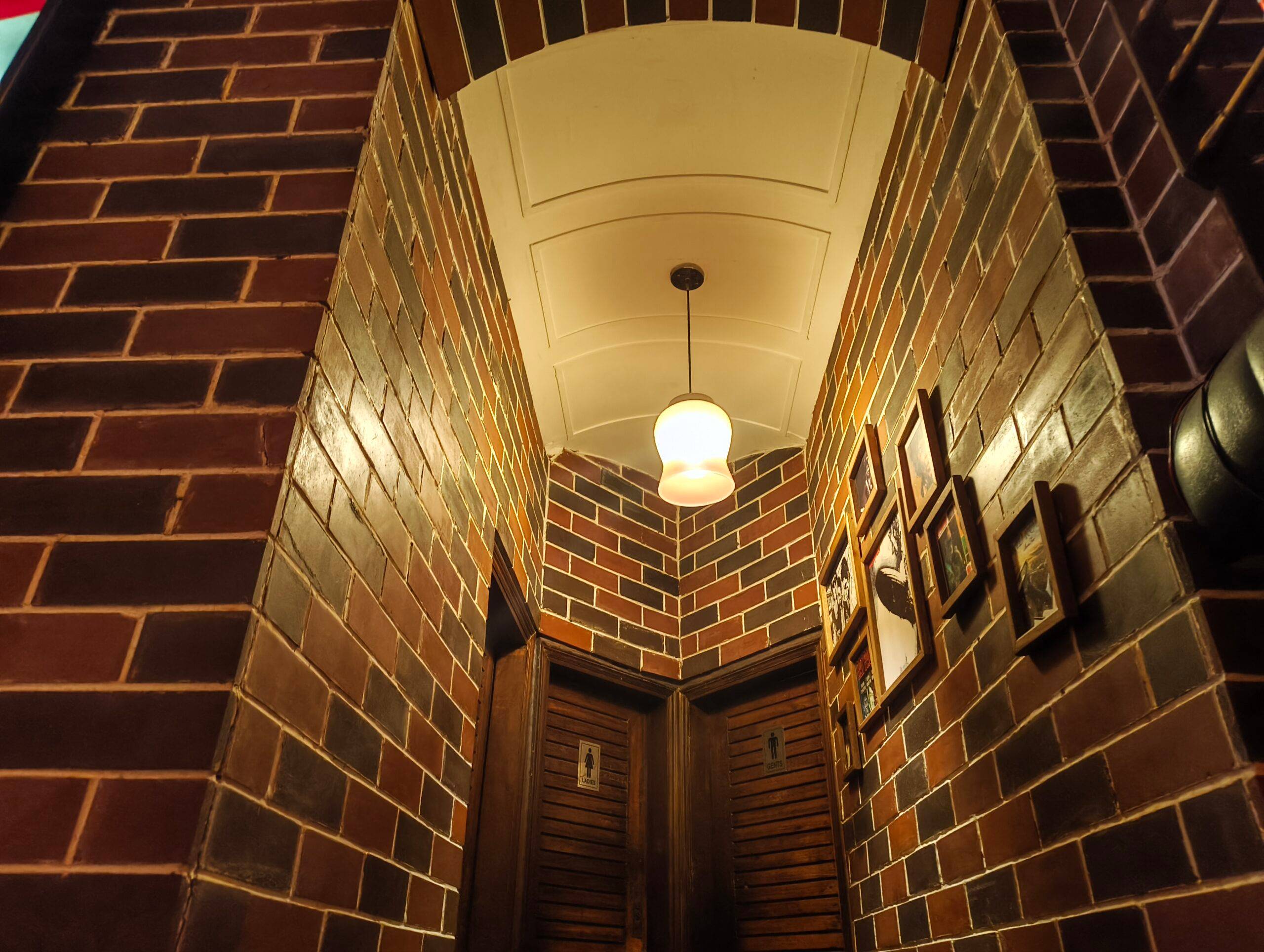


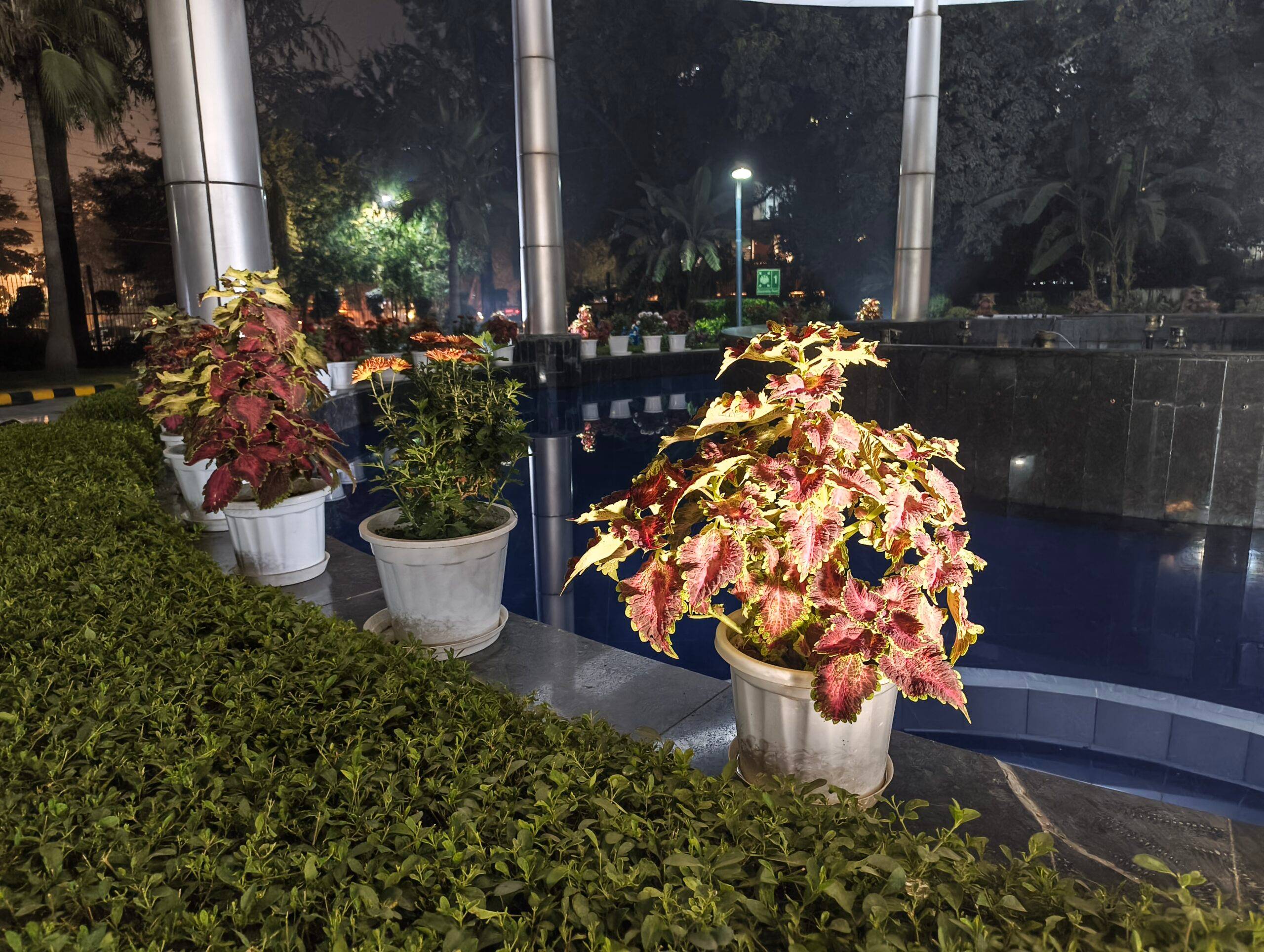





Then there’s the support for LUT presets built right into the stock camera app for capturing photos with professional-grade colour grading in real time. This is again something that was missing from other sub-Rs 20,000 phones, making the CMF Phone 2 Pro a suitable pick for creators, photography enthusiasts, and hobbyists. Furthermore, thanks to the large sensor size and wide aperture, the macros taken at 2x using the main camera are more than usable.
Honourable mentions
Moto G96 (review): Just like the CMF Phone 2 Pro, the Moto G96 carries a similarly sized 50MP 1/1.56″ main camera and even adds OIS for clearer low-light photos. Even though it misses out on a telephoto lens, the main camera of the G96 offered one of the most consistent and sharpest results compared to other sub-Rs 20,000 phones in our regular testing.
iQOO Z10R (review): Launched at Rs 19,499, the iQOO Z10R is equipped with an OIS-enabled 50MP 1/2″ main camera and a 32MP front camera. Both these lenses are capable os shooting videos in 4K, making the phone one of the most suitable picks for vloggers and content creators.
Best in software experience – CMF Phone 2 Pro
Launch price: Rs 18,999 (8+128GB)
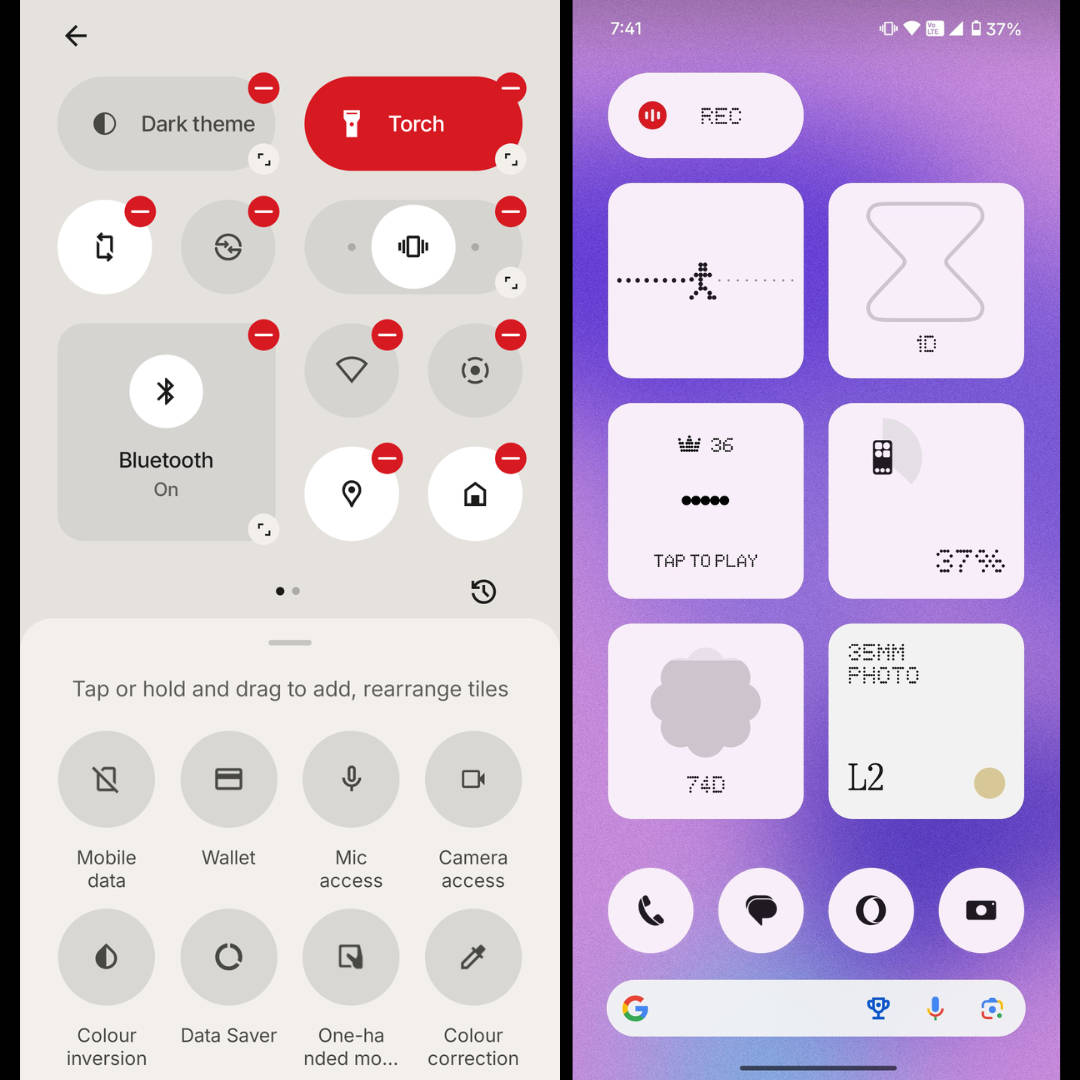
Apart from the cameras, if there’s one thing the CMF Phone 2 Pro excels at, it’s the software. At the time of writing this article, the phone hasn’t received the Nothing OS 4, which apparently brings Lock Glimpse – a wallpaper curation system-level app like Glance Lockscreen found on other software skins. This means the CMF Phone 2 Pro currently offers the cleanest software experience under Rs 20,000 alongside Lava phones. However, the software niceties don’t stop there. The CMF Phone 2 Pro is promised to receive three OS upgrades along with six years of security updates.
Honourable mentions
Realme P4: With a three-year OS upgrade promise and several pre-installed apps, Realme UI 6 on the Realme P4 is a highly versatile skin. From switching between tons of lockscreen clock styles, to customising the quick settings panel and homescreen icons in different ways, to carrying many advanced features like Live Alerts and sidebar, it has it all.
OPPO K13 (review): While OPPO’s ColorOS 15 closely resembles Realme UI 6 on the P4, the K13 holds a slight edge with its smoother, more fluid transitions and sophisticated blur effects. App animations feel notably natural, and the use of blur across the system adds a premium aesthetic appeal. However, it falls short in terms of software longevity as it only offers two OS upgrades.
Best in ergonomics and design – Tecno Pova Slim
Launch price: Rs 19,999 (8+128GB)
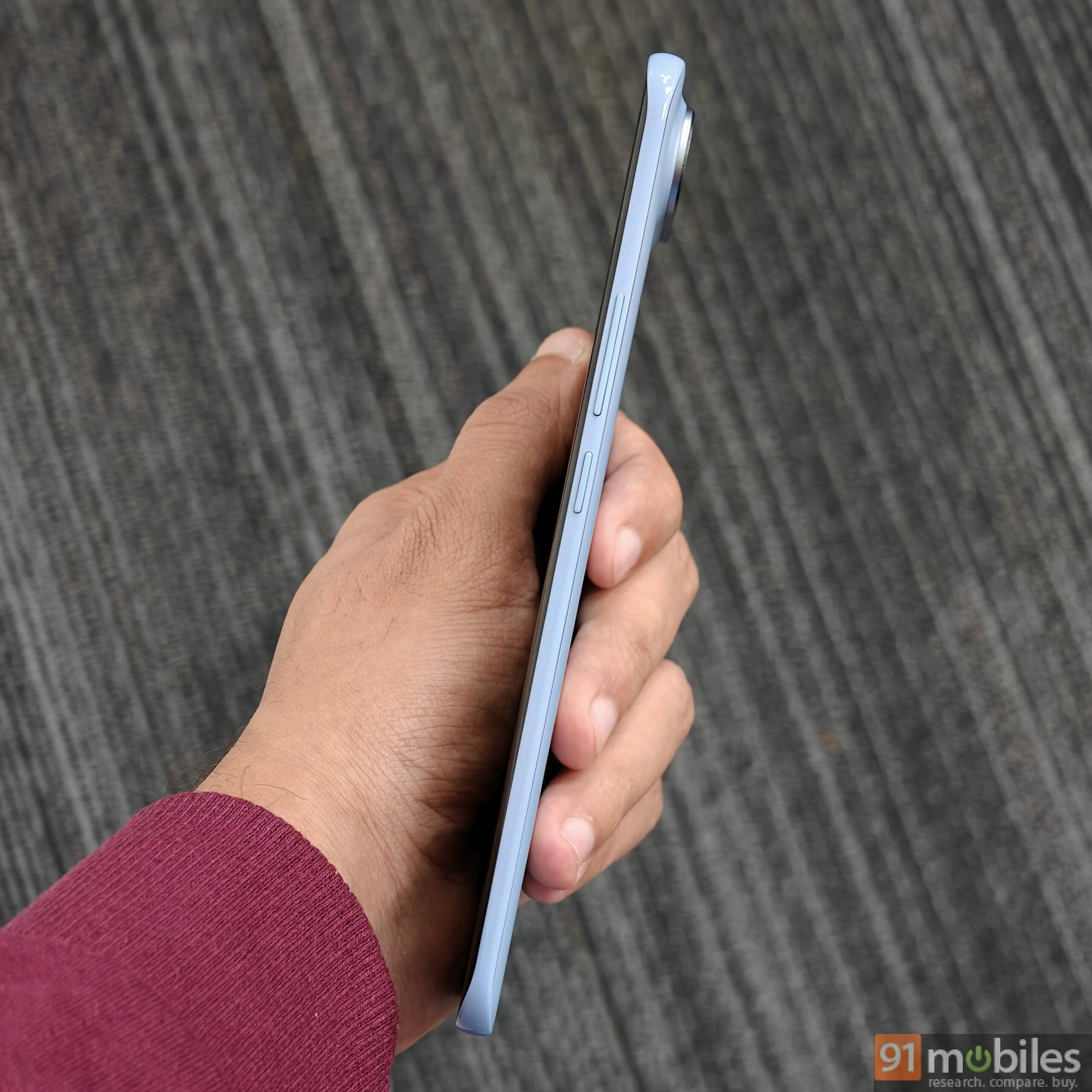
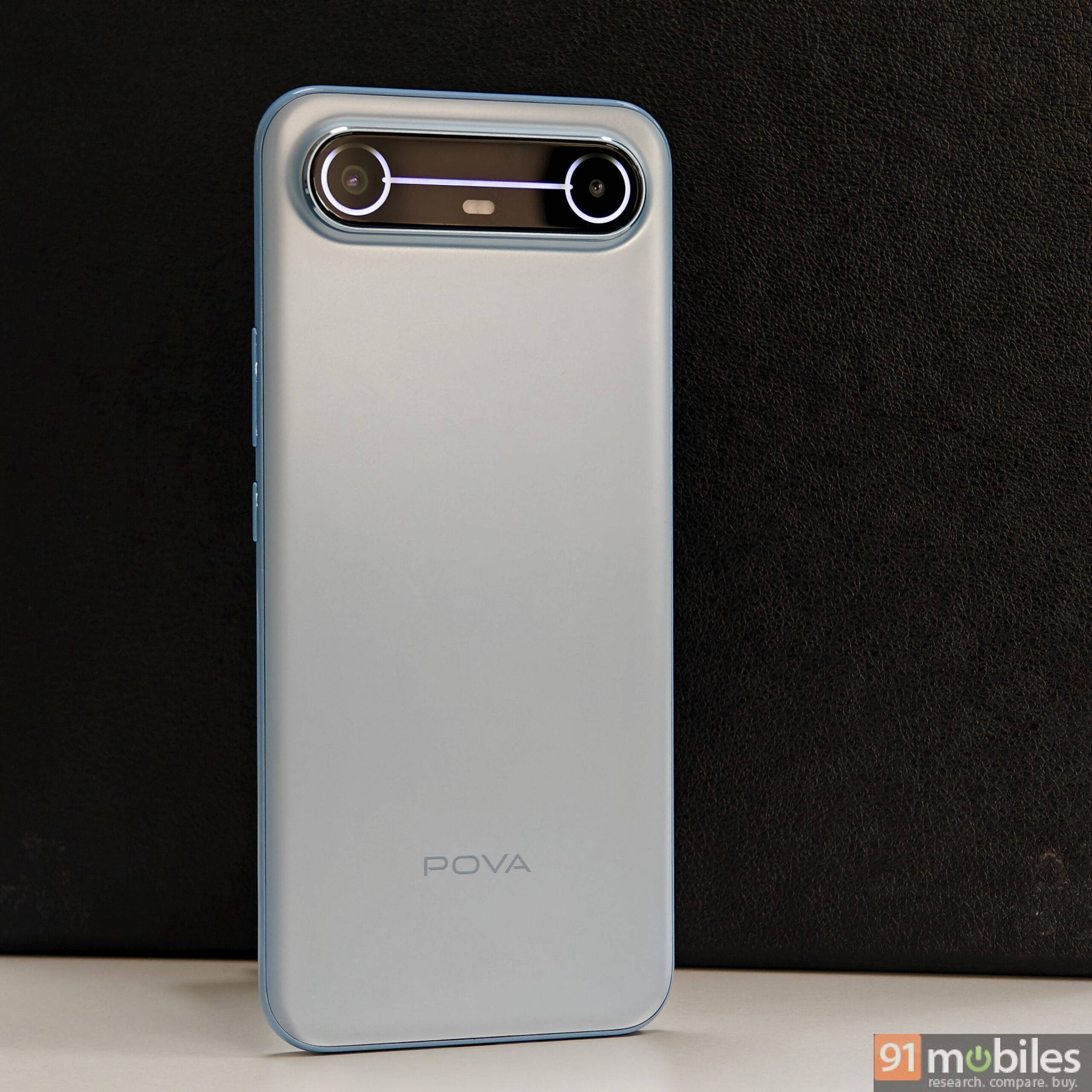
2025 marked the return of ultra-slim and sleek smartphones. While the Samsung Galaxy S25 Edge and iPhone Air impressed the audience with their streamlined designs in the premium segment, the Tecno Pova Slim brought similar ergonomics under the Rs 20,000 segment. With a razor-thin thickness of 5.95mm and 156g weight, the Pova Slim arguably remained the only smartphone to bring a radical shift to mid-range devices in terms of design.
As noted in our review, the Pova Slim is comfortable to hold and slips easily into tight spaces, such as jeans pockets. Furthermore, the device also makes a name for itself by rocking a uniquely designed oblong camera module that strikingly resembles Baymax’s eyes from the movie Big Hero 6 when the Mood Light is enabled.
Honourable mentions
Realme Narzo 90/ Realme 15T: In a sea of mid-range smartphones with 6.7-inch or bigger display sizes, the Realme Narzo 90 stood out this year for offering a 6.57-inch display under Rs 20,000. While we haven’t had a chance to review the device yet, we tested the Realme 15T (Rs 20,999 launch price), which also features a 6.57-inch display. In our opinion, this screen size offers easy portability and is sufficiently large for content viewing.
Moto G96: After the Tecno Pova Slim, the Moto G96 is the lightest smartphone we tested this year in the Rs 15,000 to 20,000 price class. With a weight of 178g, the G96 is not only exceptionally comfortable to hold thanks to its curved display and edges, but it’s just as durable with the IP68 rating for protection against heavy water splashes and dust.
While these were our favourite smartphone launches under Rs 20,000 in 2025, there are tons of upcoming smartphones to look forward to from all brands. Since Realme took the lead in introducing numerous smartphones with 7,000mAh batteries, we can expect more brands to follow suit. Hopefully, brands will also consider releasing phones with diverse form factors, such as compact and slim designs, to inject a variety into the sub-Rs 20,000 market.
realme P4 Images