BenQ expands its monitor portfolio with the launch of the PD2770U monitor at Broadcast India 2025. India is the first country globally to get this launch, underlining the brand’s growing focus on the professional creator market here. This 27-inch 4K monitor marks a significant milestone for the brand as it becomes BenQ’s first-ever monitor to feature a built-in colour calibrator, eliminating the need for external tools or manual calibration.
Price and Availability
The BenQ PD2770U will be available from November across leading broadcast and photography retail outlets, as well as on the official BenQ India website. However, the brand has not revealed the pricing for the monitor yet.
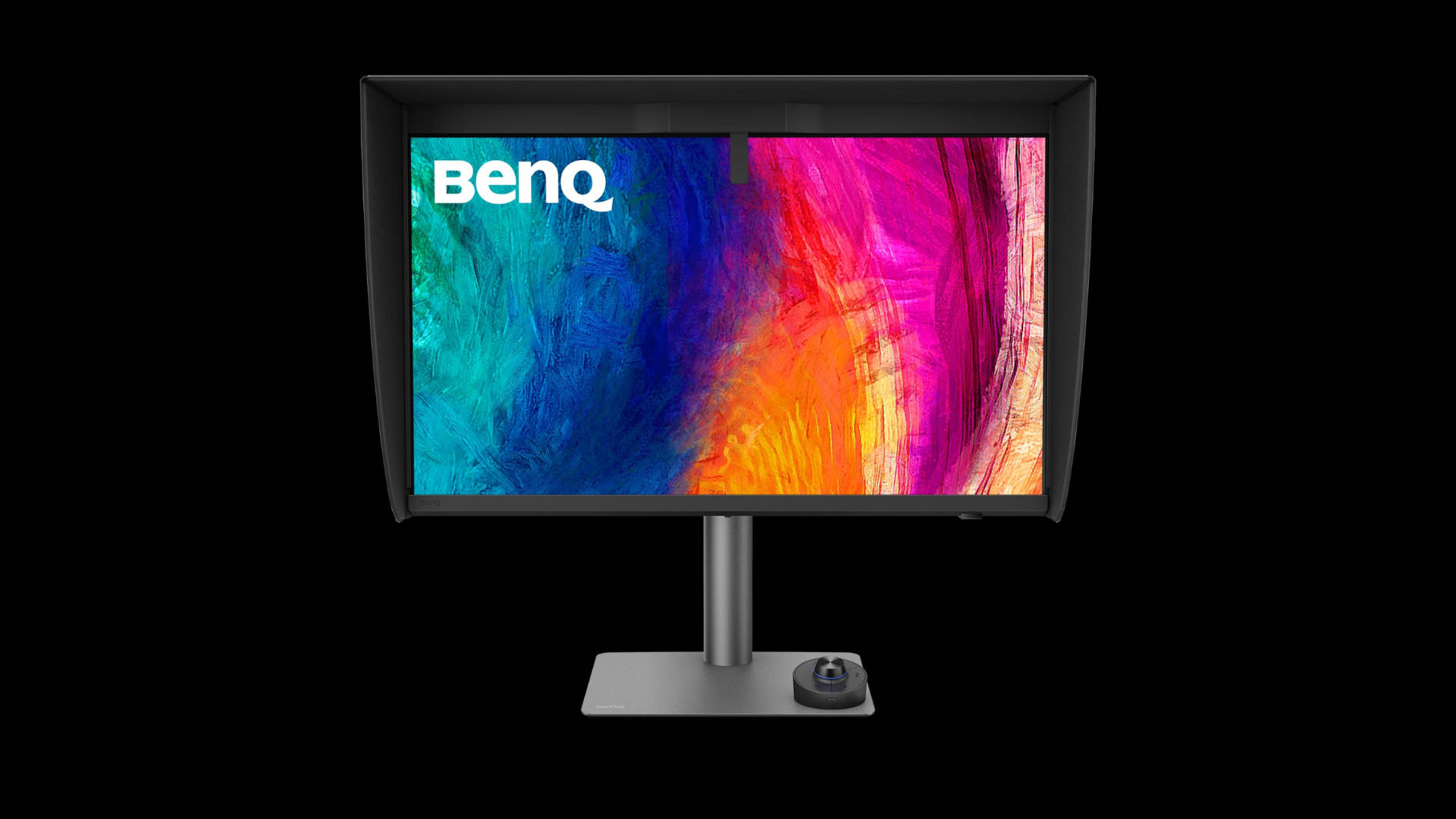
At the core of the PD2770U is BenQ’s new built-in calibration system powered by light adaptive calibration that is supposed to automatically adjust colour accuracy based on studio lighting conditions. The monitor is Pantone validated, Pantone skintone and Calman verified. Meanwhile, on the spec side, it covers 99% Adobe RGB, 99% DCI-P3, and 100% Rec.709 colour spaces, but what does it mean to have these specifications in a real-life scenario?
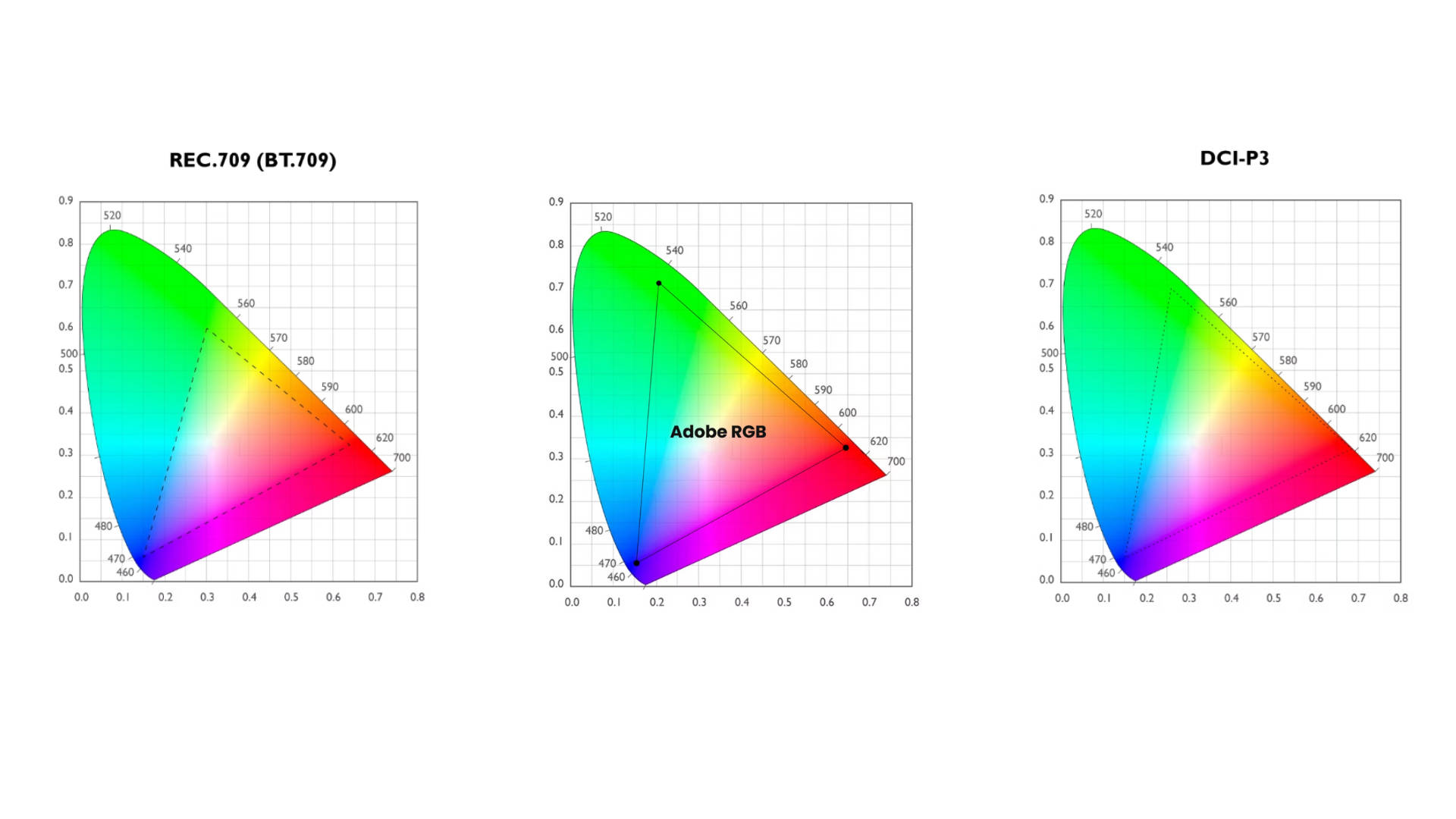
- Adobe RGB coverage: When a monitor claims 99% Adobe RGB, it means that it can display 99% of the colours defined within the Adobe RGB spectrum, which ensures near-perfect colour accuracy and vibrancy, letting professionals see colours as they truly are, which is ideal for professional photo editing and print work.
- DCI-P3 coverage: The 99% DCI-P3 coverage means the display can show almost the entire range of colours used in modern films and HDR media, giving professionals deep reds, lush greens and lifelike visuals far beyond a standard display. It is widely used today in HDR TVs, monitors and high-end laptops, especially for video editing, colour grading and content creation.
- Rec.709 coverage: It’s the standard “colour language” that makes sure the colours look the same from one device to another, whether you’re watching TV or creating your own videos. When a monitor says it supports 100% Rec.709, it means it can display all the colours within that standard accurately. In simpler terms, if you are editing or colour grading videos for YouTube, TV or OTT platforms, accurate Rec.709 coverage ensures colour consistency from edit to final screen.
For larger teams, BenQ has integrated centralised calibration management using DMS local software and RJ45 LAN port, which will allow synchronisation of colour accuracy across multiple PD2770U monitors. This should ensure consistency across every editing station, which is a good thing if you work in a collaborative post-production environment.
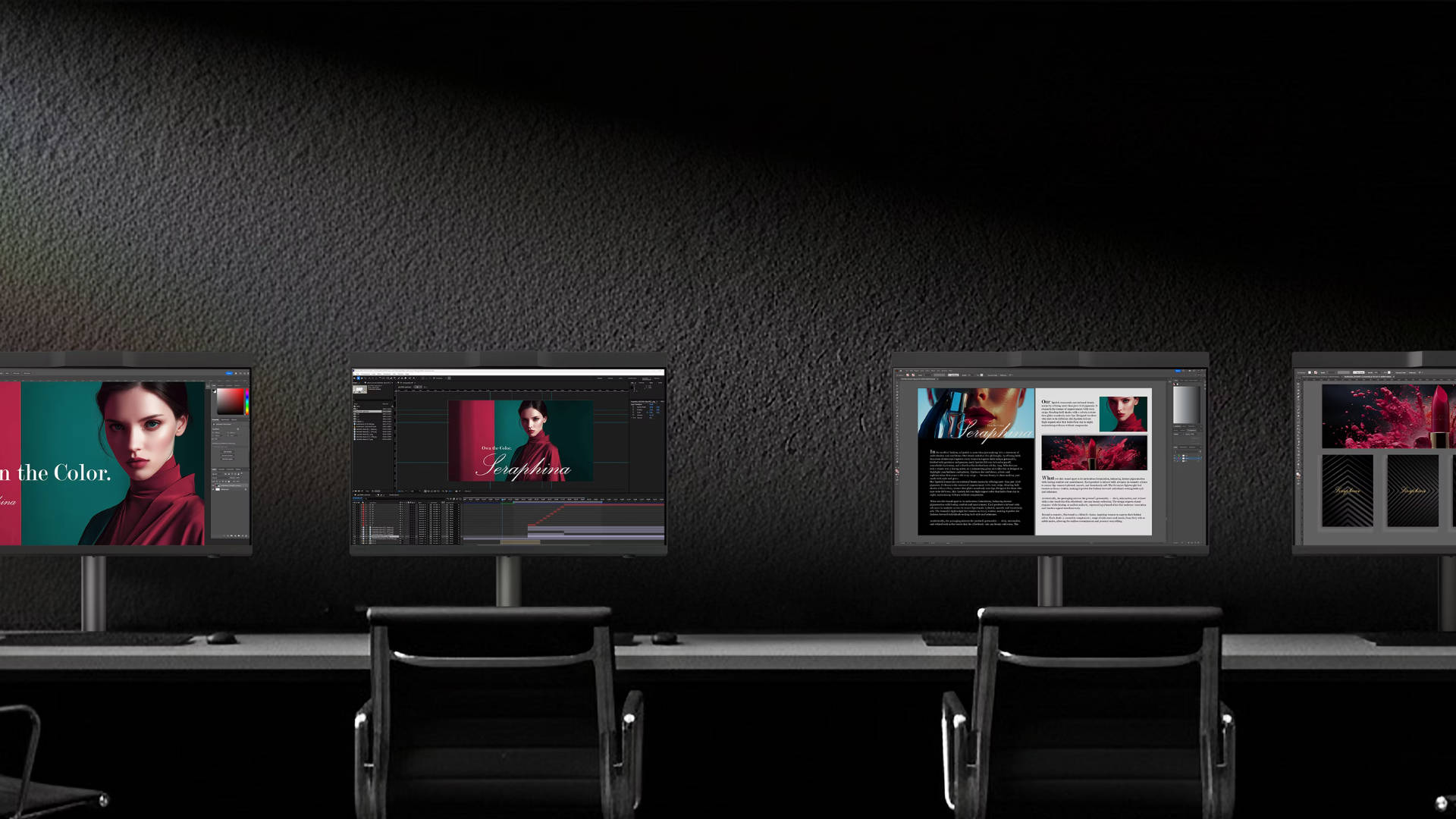
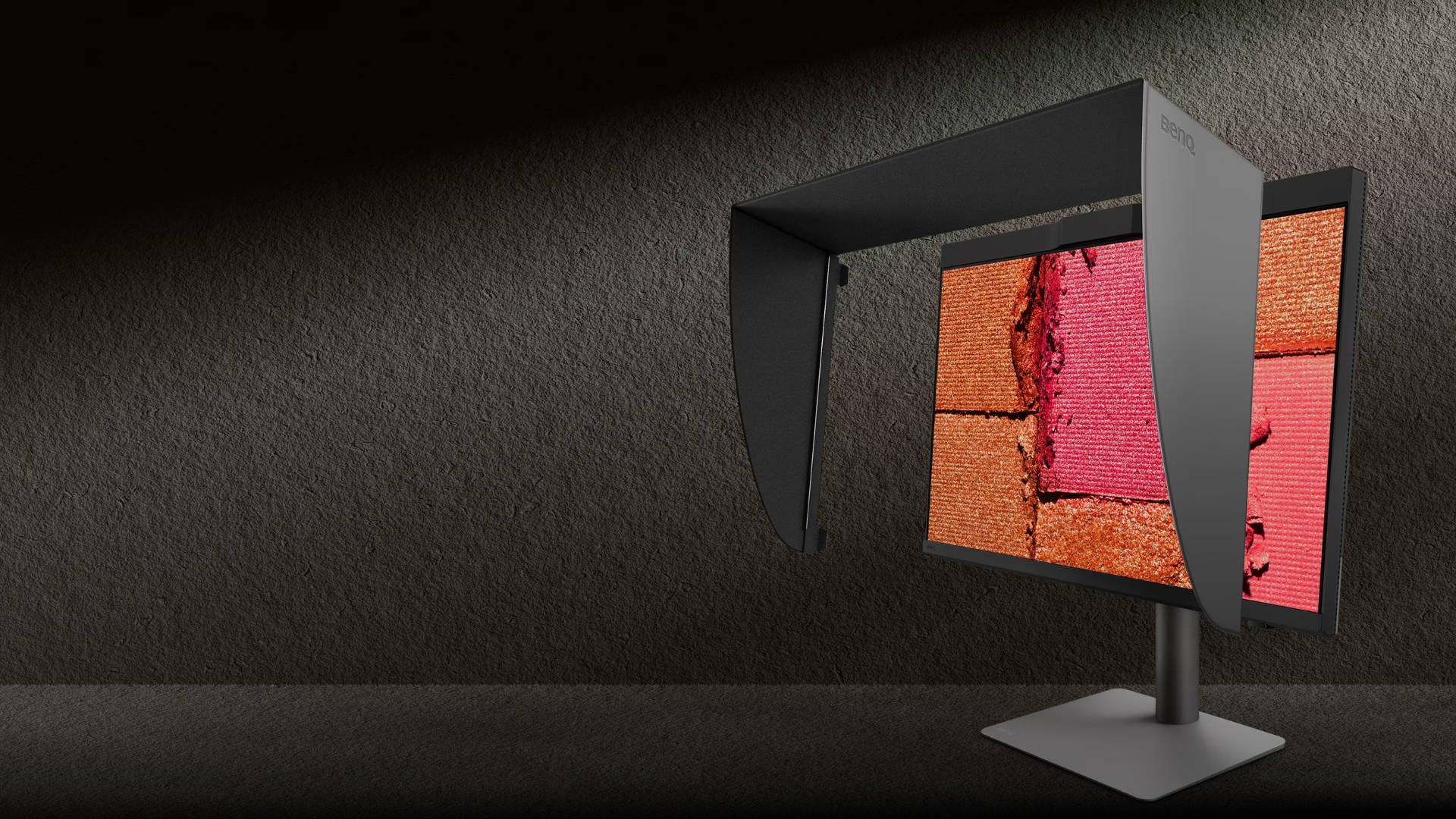
BenQ has equipped the PD2770U with a Nano Matte Panel for minimum reflection, along with a magnetic shading hood for distraction-free editing. Paired with the new Display Pilot 2 software and the Hotkey Puck G3 controller, which will allow users to quickly switch colour modes, organise workspaces and streamline their creative workflows.
The PD2770U represents BenQ’s push to democratise professional colour accuracy by embedding calibration hardware directly into the monitor, and the brand is making studio-level precision more accessible to small studios and independent creators without the usual complexity or high cost of external calibrators.
That’s about it. We will comment more on the monitor once we receive it for review, to better understand the system and its optimisation. Meanwhile, if you are in the market for a monitor at a price bracket of ₹15K, you can check out BenQ Mobiuz EX251, which is offering a balanced package of smooth performance, accurate colours, and thoughtful features, making it a smart buy for gamers who don’t want to compromise on visuals or usability.