Believe it or not, value for money used to be an easier thing to judge. You would find a capable processor, enough storage and a decent camera at the lowest possible price, and the decision largely made itself. But not anymore. That equation has changed because displays are better, batteries are larger, cameras are more ambitious and, crucially, buyers are keeping their phones for longer. The best value for money smartphones now have to provide value for a long, long time because that’s what a value conscious user demands.
That’s where the current festive market for smartphones comes in. It is led by the Samsung Galaxy M47 5G and Galaxy A56 5G, which approach the category from slightly different directions while sharing the same long software commitment. There are other brands in the mix too, including OnePlus Nord CE6, Redmi Note 15 Pro 5G and iQOO Neo 10 that bring their own strengths. There are bigger batteries and faster chipsets elsewhere, but Samsung’s two contenders make a particularly convincing case by spreading the value across the entire phone instead of just one performance area.
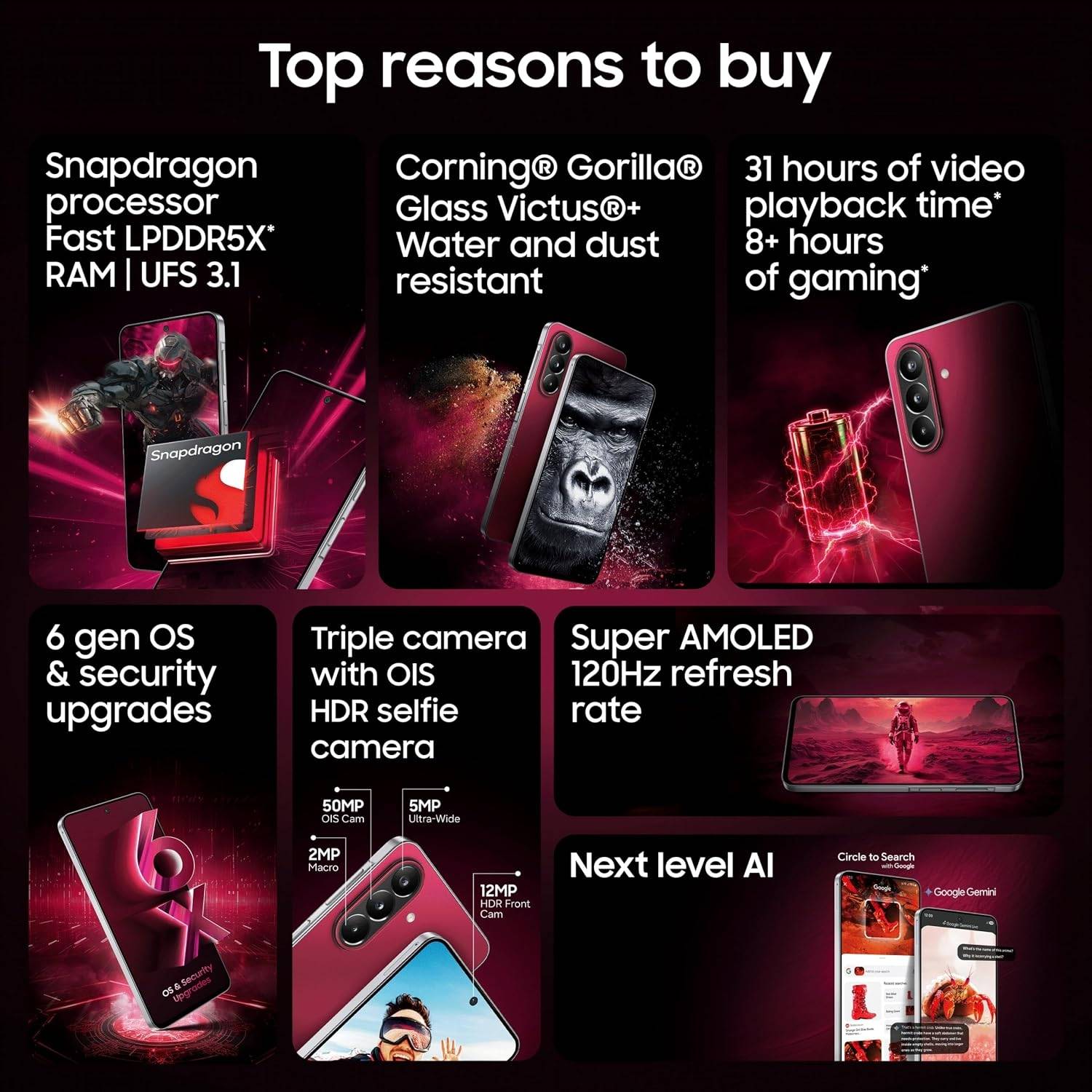
The Galaxy M47 5G is the more obvious place to start. At ₹25,999 (sale price) for the 6GB/128GB version, it combines the Snapdragon 6 Gen 3 (4nm) with a 120Hz Super AMOLED display, a 6,000mAh battery with 45W wired and bypass charging, an OIS-equipped 50MP main camera, Gorilla Glass Victus+, IP64 dust and water resistance and microSD expansion up to 2TB. Samsung also promises six generations of OS upgrades and six years of security updates. The Galaxy A56 5G, which will be available at ₹31,999 for 8GB/128GB during the Amazon Great Indian Festival sale, adds a more premium metal-and-glass build, IP67 protection, a stronger supporting camera setup and the same six-generation software commitment. That gives Samsung two slightly different answers to the same question. For perspective, the M47 focuses on battery, storage flexibility and everyday practicality while the A56 moves closer to the premium end while still offering great value to budget conscious buyers during the festive season.
Amazon Great Indian Festival 2026: dates and offers

Sale dates: 8 October 2026 onwards, with Early Deals live on Amazon before the main event.
Bank offers: Amazon is offering a 10 per cent instant discount on SBI credit and debit cards, including EMI transactions. Amazon Pay ICICI Bank credit card holders earn 5 per cent unlimited cashback with Prime, or 3 per cent without it.
Sale prices: Galaxy M47 5G 6GB/128GB: ₹25,999. Galaxy A56 5G 8GB/128GB: ₹31,999. Both on Amazon.
Table of Contents
Why performance is only one part of the value equation
The Samsung Galaxy M47 5G runs on Qualcomm’s 4nm Snapdragon 6 Gen 3, with an octa-core CPU reaching 2.4GHz. Samsung pairs it with UFS 3.1 storage and LPDDR5X memory. Storage comes in 128GB and 256GB options, with the hybrid SIM tray allowing expansion by another 2TB. The appeal here is not difficult to understand once you realise how quickly internal storage disappears once games, downloaded shows, videos and years of photographs begin piling up. Quite simply, expandable storage gives the M47 some breathing room that most phones in this price band simply do not offer. The Samsung Galaxy A56 5G takes a different route with Samsung’s 4nm Exynos 1580, LPDDR5 memory and a vapour-chamber cooling system. It is available with up to 12GB of RAM and 256GB storage, although there is no microSD expansion. Samsung says the larger cooling system is designed to improve gaming and multitasking.
There is stronger silicon in this group, though. The OnePlus Nord CE6, for instance, uses the Snapdragon 7s Gen 4, while the iQOO Neo 10 jumps to the Snapdragon 8s Gen 4 and adds iQOO’s Q1 gaming chip. The Neo 10 is easily the performance-led option here, with LPDDR5X memory and UFS 4.1 on its higher-storage variants. That gives performance enthusiasts a very clear alternative. Samsung’s advantage is that neither Galaxy phone depends on the processor alone to justify the purchase. We’ll explain ahead how performance sits alongside displays, cameras, durability and a much longer software runway, which is where the value argument becomes the most compelling.
A good display is a feature you learn to appreciate every single day
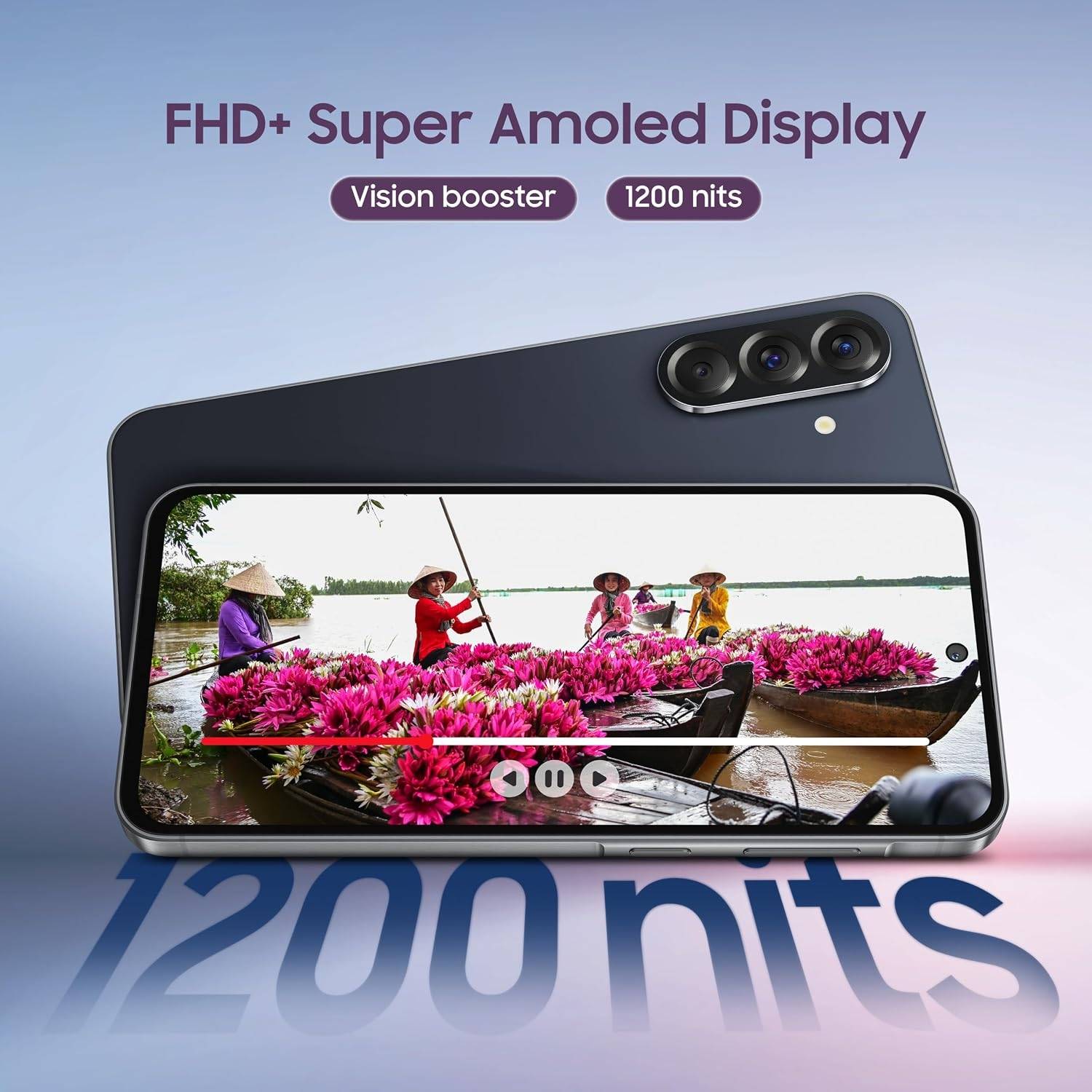
Both Samsung phones get this part right. The Samsung Galaxy M47 5G uses a 6.7-inch-class FHD+ Super AMOLED display with a 120Hz refresh rate. The A56 also gets a 6.7-inch FHD+ Super AMOLED panel at 120Hz, with 1,200 nits in High Brightness Mode. The A56 then adds Gorilla Glass Victus+ and a metal frame, along with IP67 dust and water resistance. That AMOLED foundation here is important because the display is the part of a phone you interact with constantly and we all know by now that deep black levels, strong contrast and fluid scrolling matter just as much while watching a film or editing a photograph as they do while gaming. On the M47, Gorilla Glass Victus+ and an IP64 rating for dust and water resistance add another layer of protection to what is already one of the phone’s stronger features.

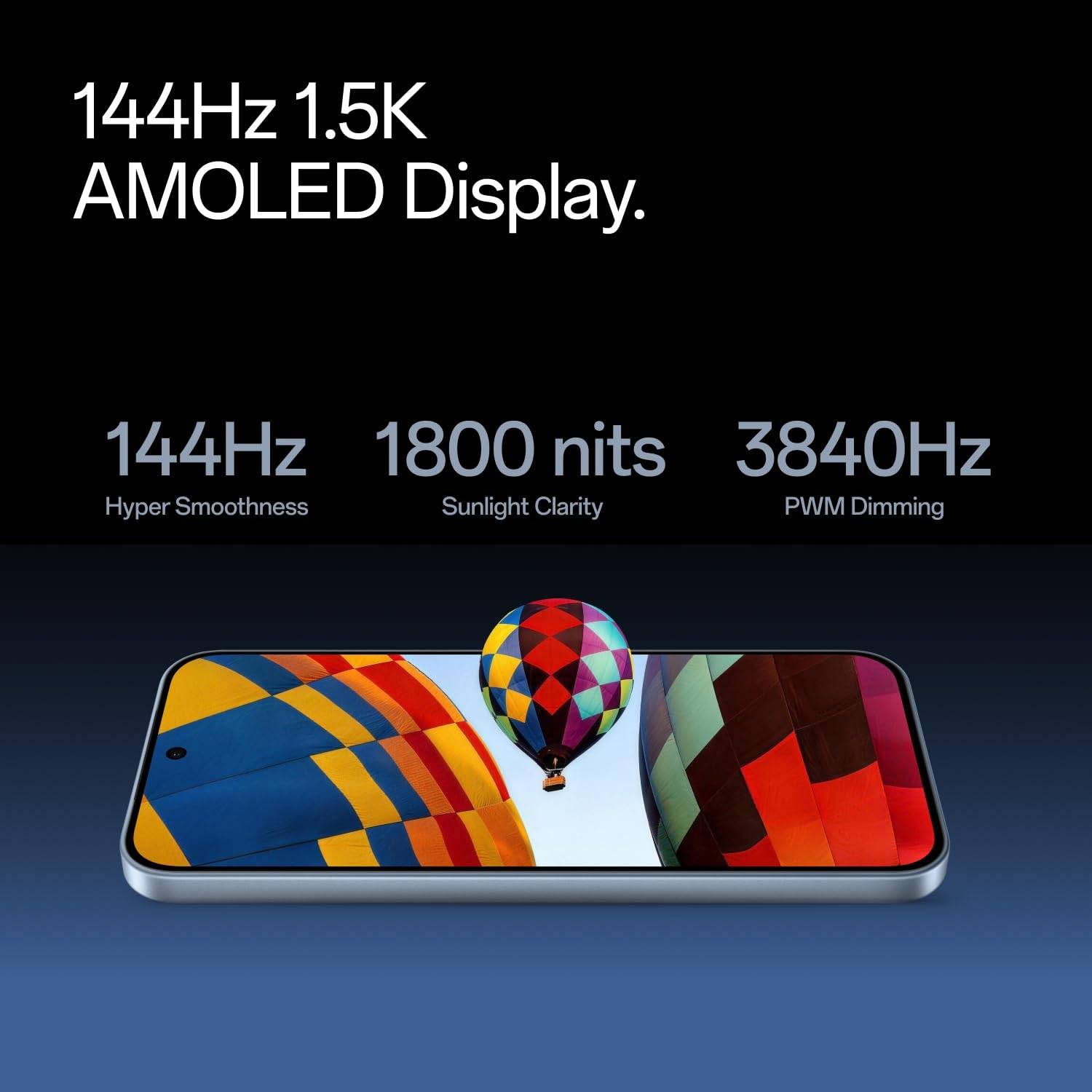
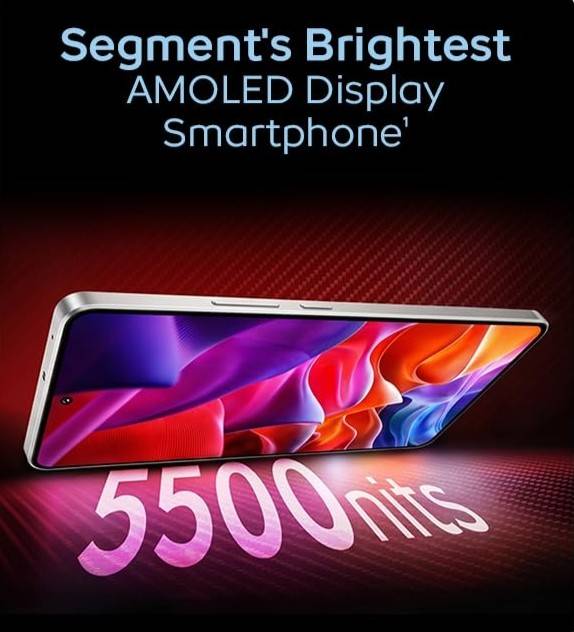
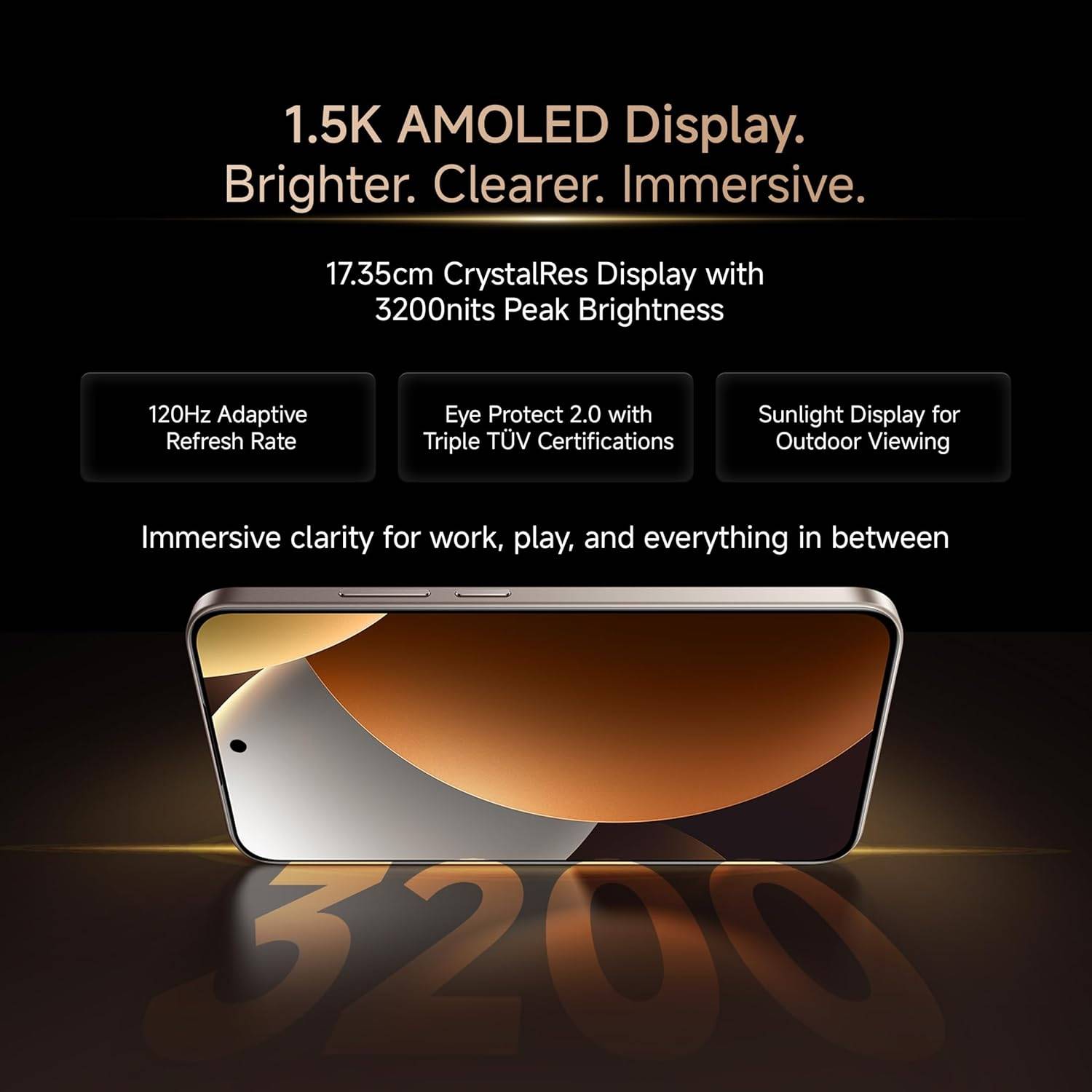
The competition is excellent here too. OnePlus gives the Nord CE6 a 6.78-inch 1.5K AMOLED panel with a 144Hz refresh rate and up to 1,800 nits HBM brightness. The iQOO Neo 10 also uses a 6.78-inch 1.5K AMOLED display running at up to 144Hz, while the Redmi Note 15 Pro 5G has a 6.83-inch 1.5K 120Hz AMOLED panel, Dolby Vision and Gorilla Glass Victus 2. This is one of the rare comparisons where there really is no poor screen. Samsung’s case rests instead on what accompanies it, particularly on the A56: a sturdy frame, proper IP67 certification and long-term software support that make the display part of a phone designed to last rather than simply impress at first glance.
Battery life has become a numbers game, and the numbers are huge
The Samsung Galaxy M47 5G carries a 6,000mAh battery with 45W wired charging and bypass charging, which sends power straight to the phone during long gaming sessions instead of cycling it through the battery. Samsung rates the M47 for more than 31 hours of video playback. The A56 uses a 5,000mAh battery with the same 45W charging support and is rated for up to 29 hours of video playback. Neither is trying to set a battery-capacity record, because this group contains some enormous cells. OnePlus puts an 8,000mAh battery inside the Nord CE6 and combines it with 80W SUPERVOOC charging. The company claims 2.5 days of use under its test conditions, along with around 10 hours of BGMI gaming. The Redmi Note 15 Pro 5G uses a 6,580mAh silicon-carbon battery and 45W charging, while the iQOO Neo 10 pairs 7,000mAh with 120W FlashCharge. Those are genuine strengths. Someone buying almost entirely for battery endurance or very fast charging has obvious reasons to look at OnePlus or iQOO.
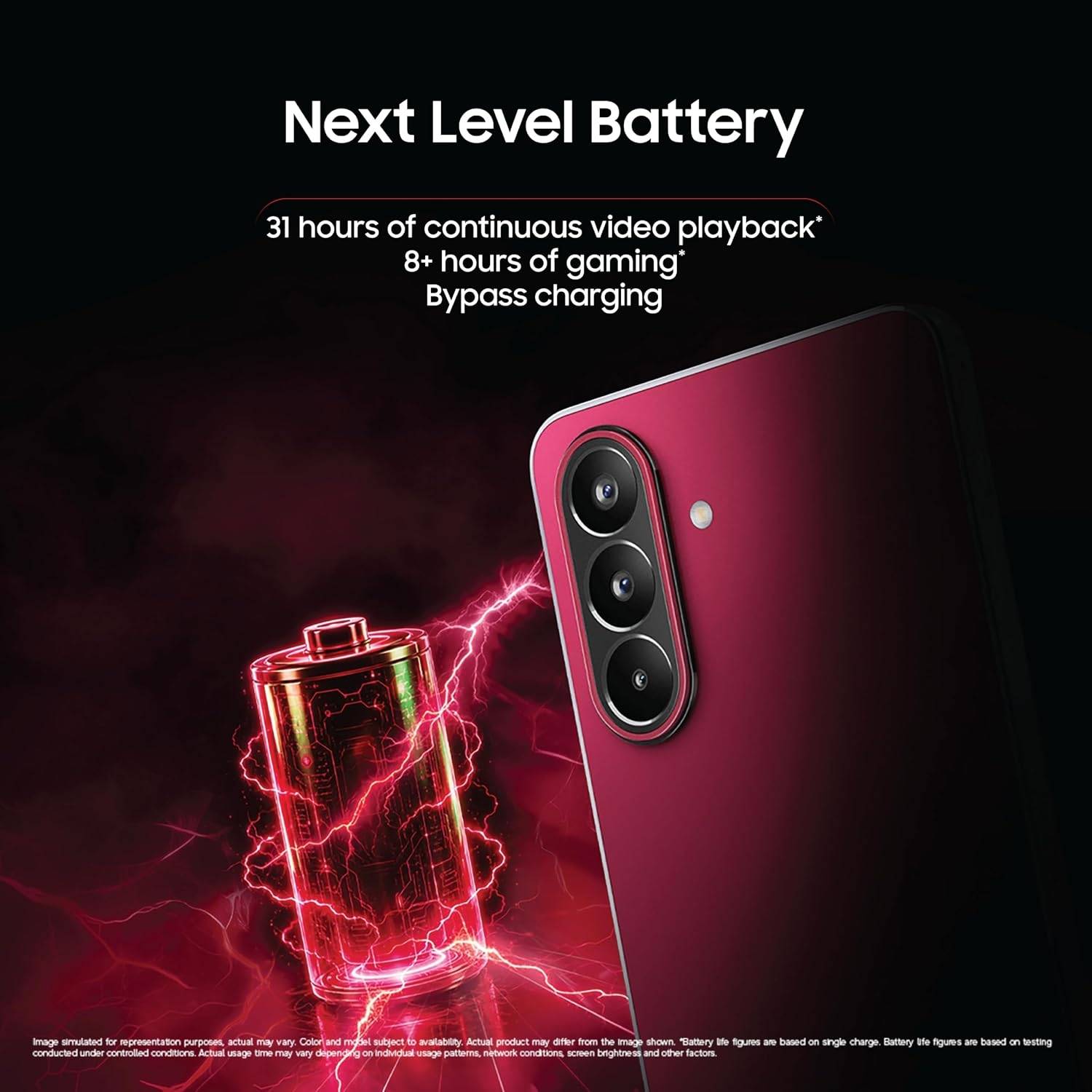
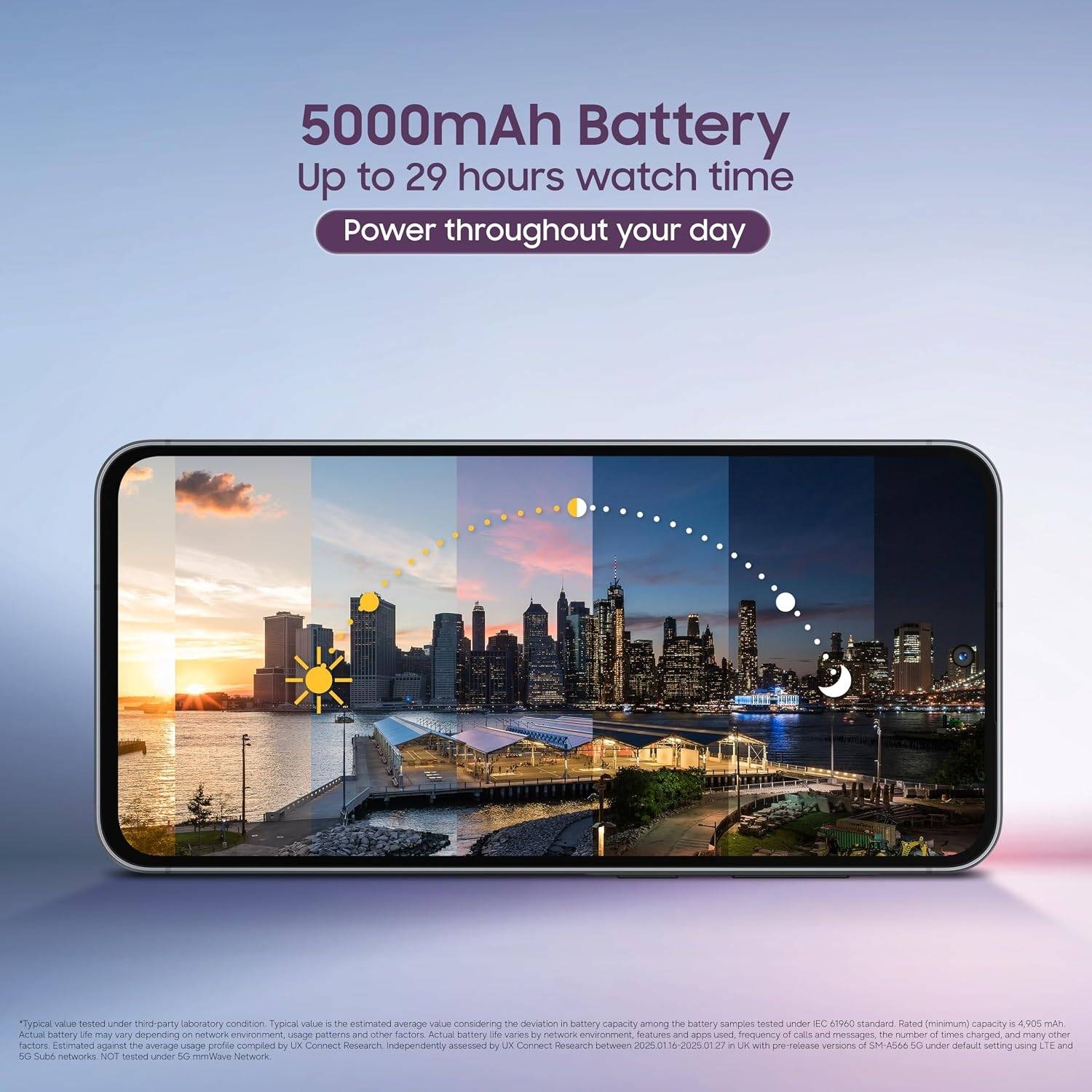
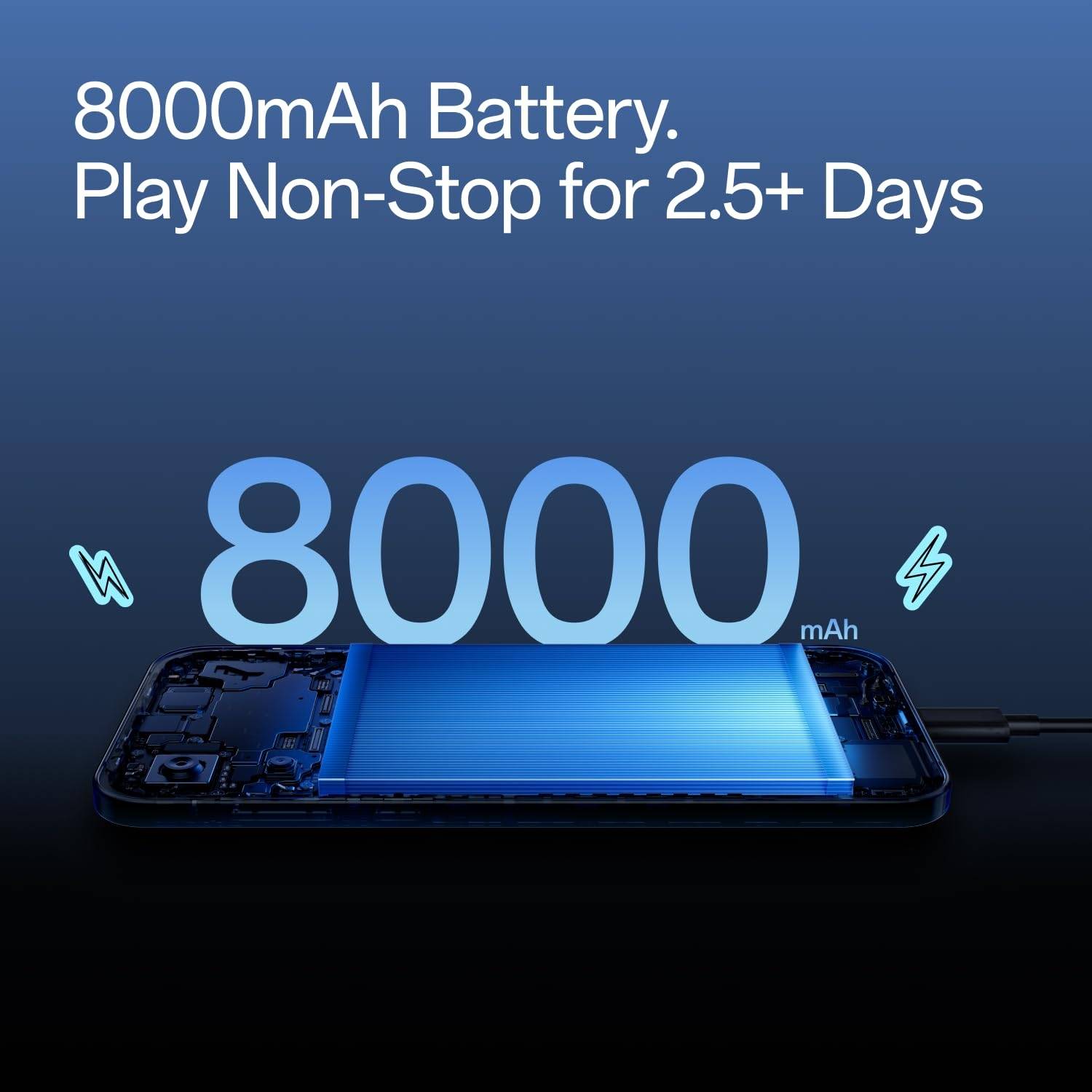
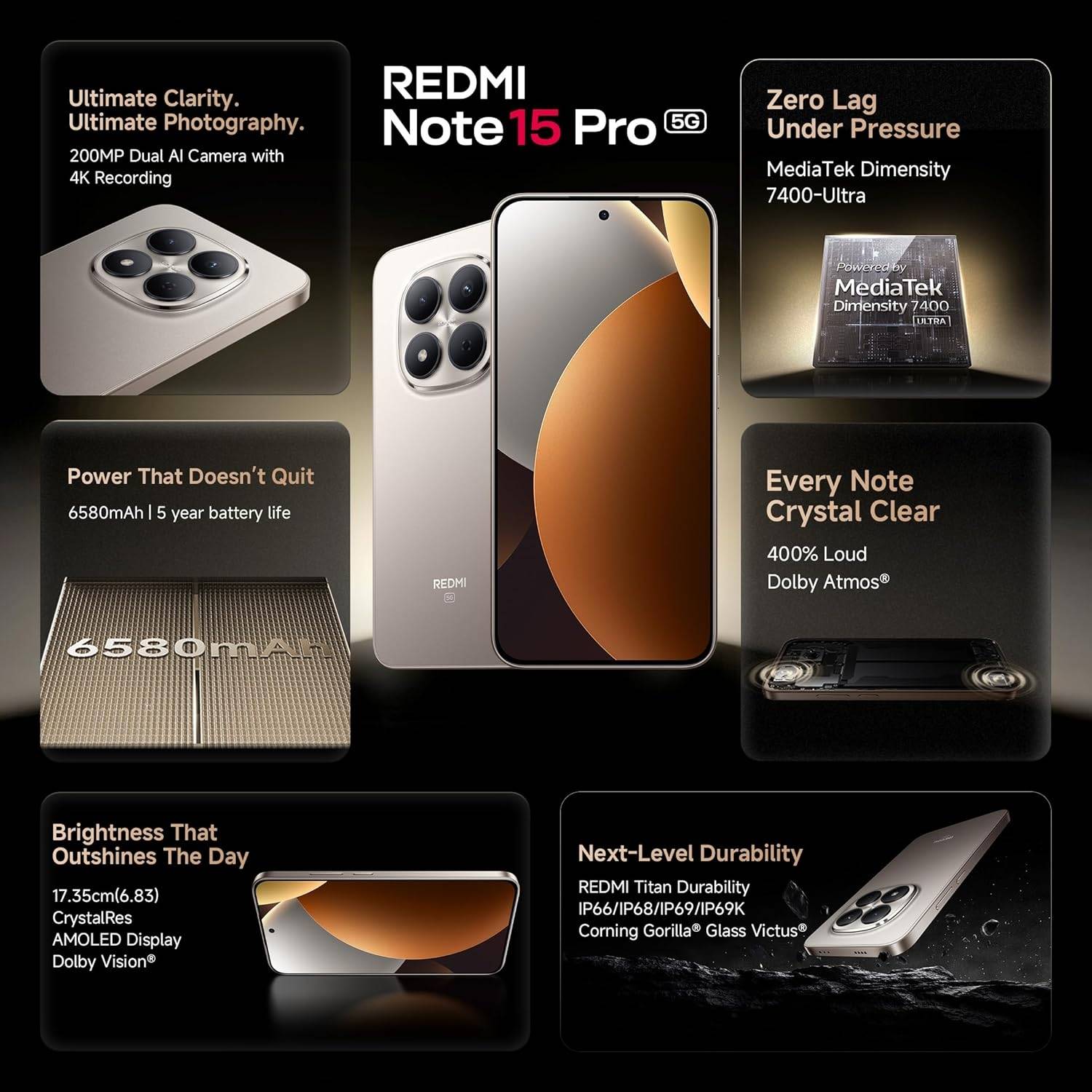
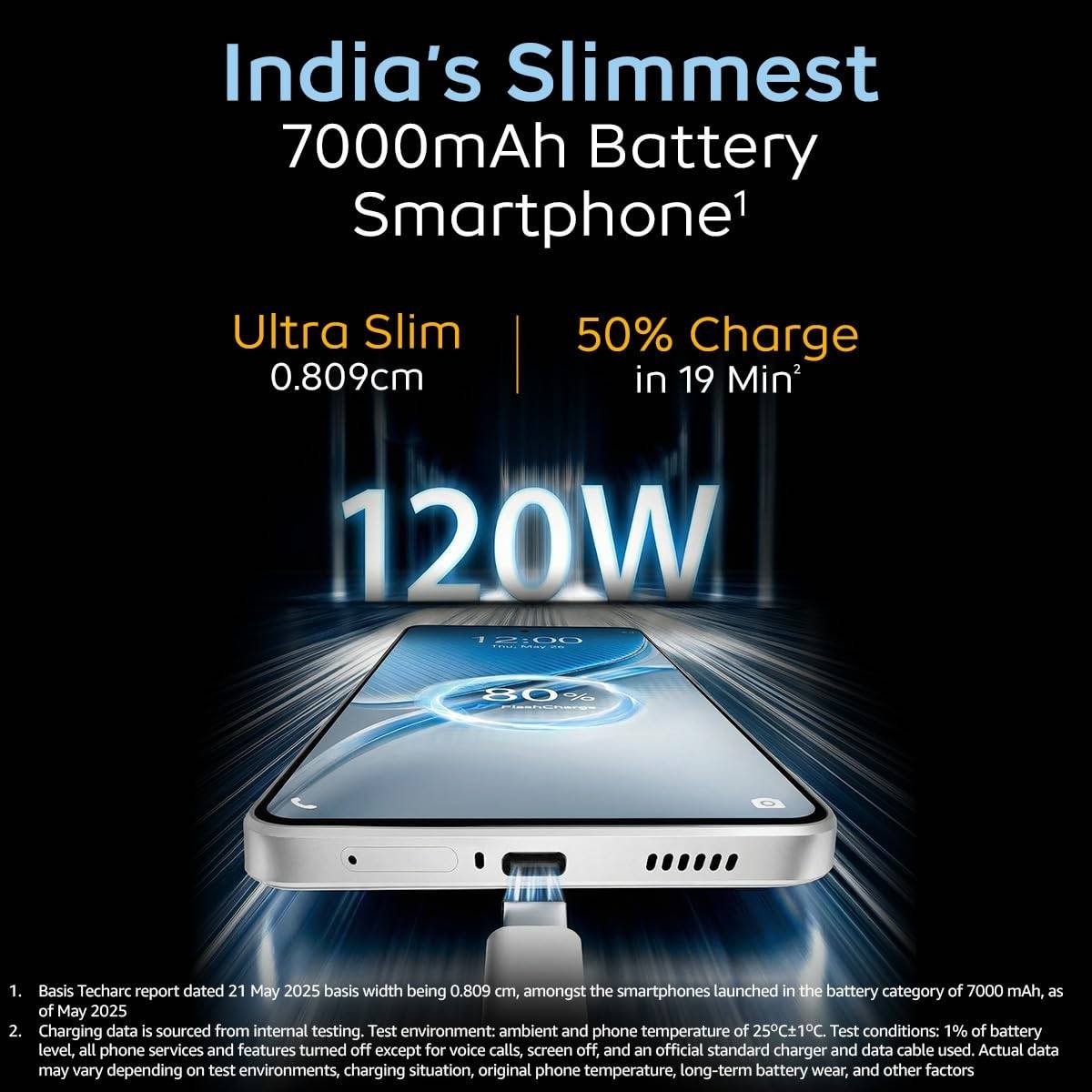
Even then, the Samsung Galaxy M47 still lands in very comfortable territory at 6,000mAh, and importantly weighs 206g. Samsung has not chased capacity to the point where the rest of the design becomes secondary. The A56 goes further in the other direction: its 5,000mAh battery is smaller, but the phone weighs 198g and is only 7.4mm thick, while retaining the metal frame and Victus+ protection.
Why cameras separate a good spec sheet from a good everyday phone
The Samsung Galaxy M47 5G uses a 50MP f/1.8 primary camera with optical image stabilisation, a 5MP ultrawide and a 2MP macro camera. It records 4K video at 30fps and has a 12MP front camera. That combination gives the M47 something useful beyond the megapixel count: OIS on the main camera and a proper ultrawide for wider scenes. The Galaxy A56 develops that formula with a 50MP OIS main camera, 12MP ultrawide and 5MP macro, along with a 12MP front camera capable of 4K recording. Samsung also adds its image-editing tools, while the wider 12MP ultrawide makes the A56 the more versatile Galaxy camera system of the two.
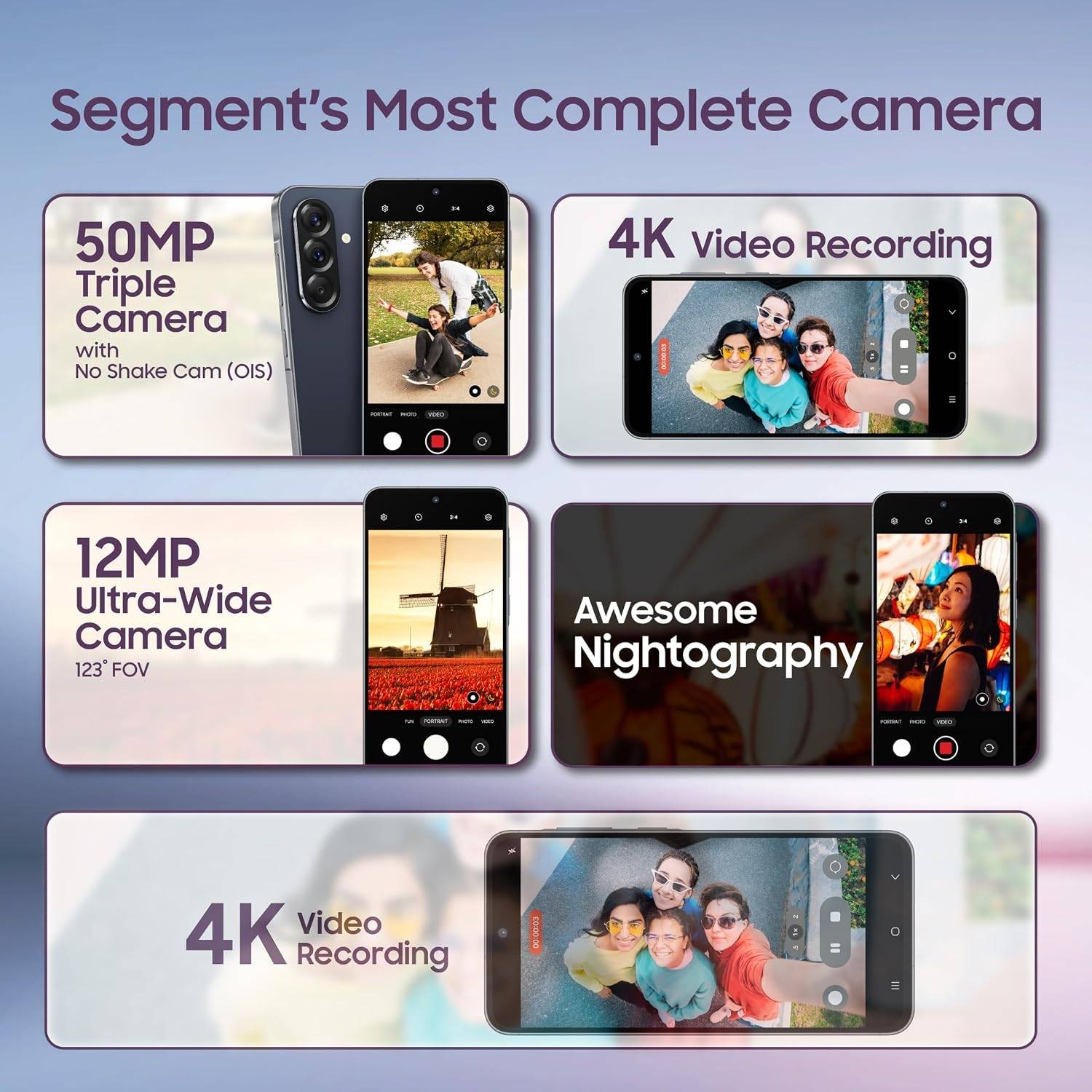
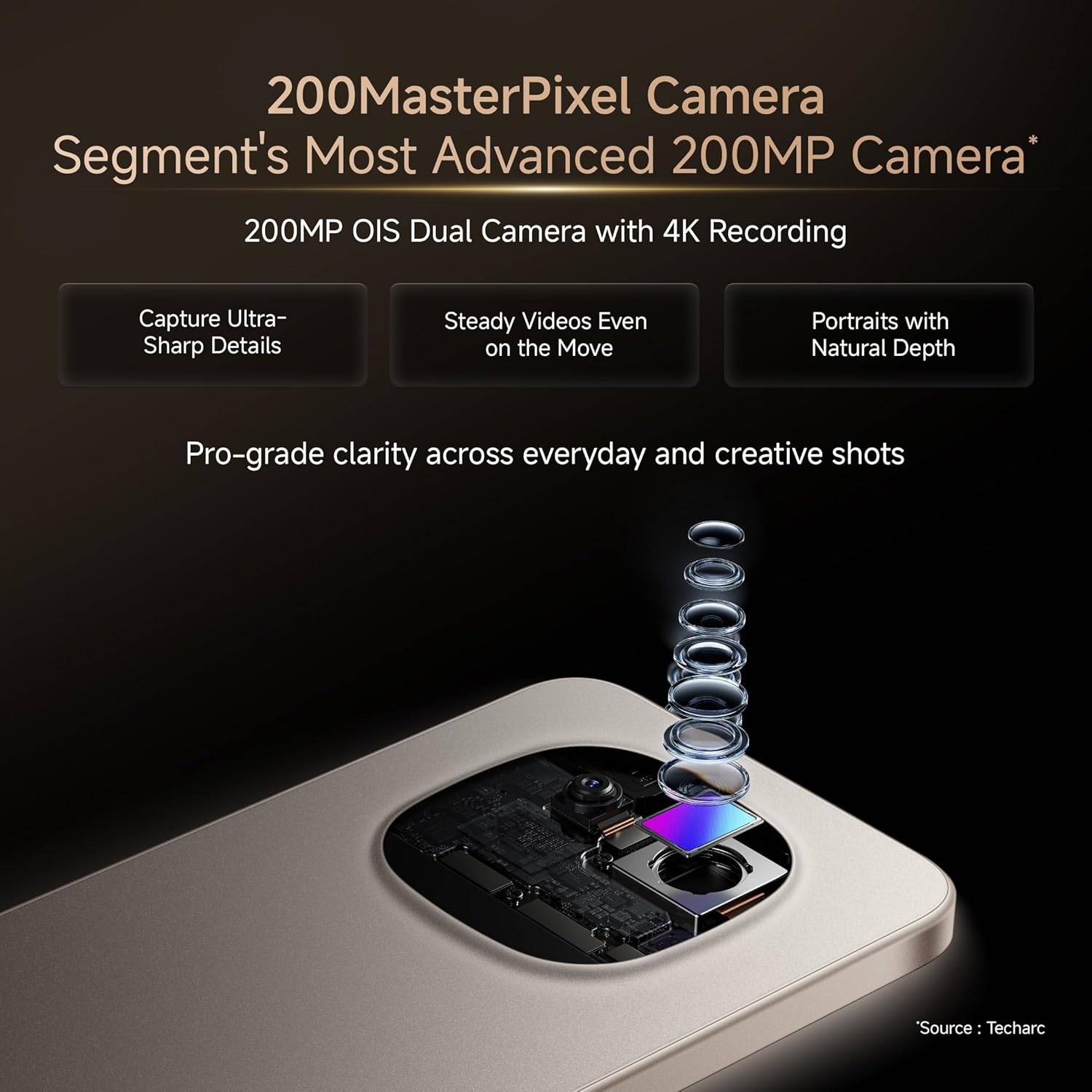
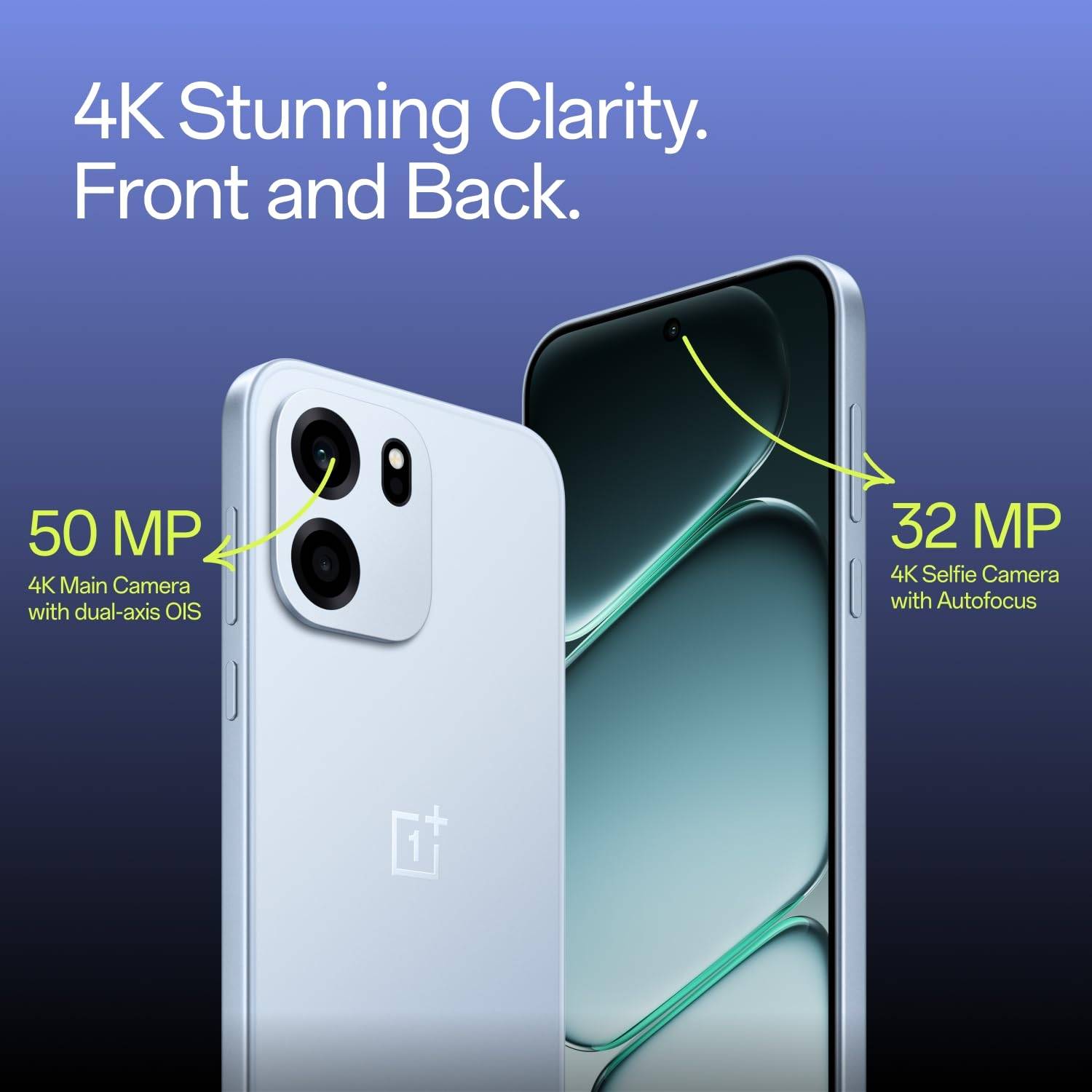
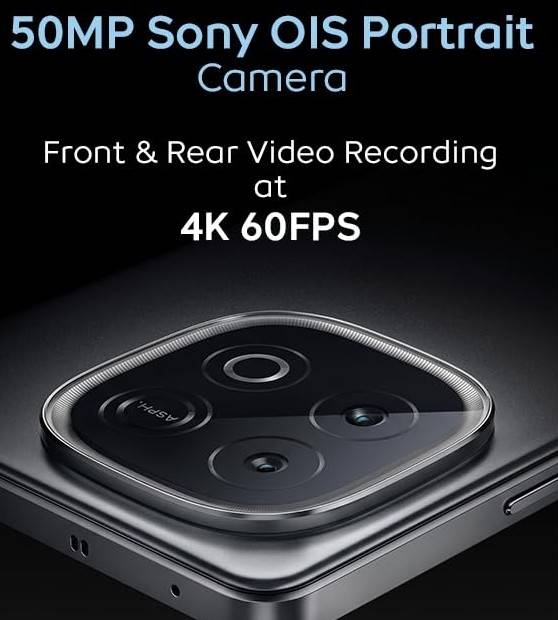
Xiaomi takes the most aggressive approach to camera hardware. The Redmi Note 15 Pro 5G uses a 200MP f/1.7 main sensor with OIS and an 8MP ultrawide, with 4K/30fps recording and a 20MP front camera. By comparison, the OnePlus Nord CE6 combines a 50MP main camera with dual-axis OIS and a 32MP autofocus selfie camera, with 4K recording available at the front and rear. The iQOO Neo 10, too, has a 50MP Sony OIS main camera, an 8MP ultrawide and a 32MP front camera. OnePlus therefore has a strong selfie and video proposition but Samsung’s strength is consistency across both devices. The M47 gives buyers OIS and an ultrawide without abandoning its value focus, while the A56 adds a substantially better 12MP ultrawide and a more premium camera package overall.
Software support is where value becomes much easier to measure
A phone that receives updates for longer has more time to justify what you paid for it. Samsung promises six generations of OS upgrades and six years of security updates for both the Galaxy M47 5G and Galaxy A56 5G. It is one of the strongest arguments for either Galaxy phone because the benefit increases with time. The hardware does not need replacing simply because software support has ended, and buyers who keep a device for four or five years have much more certainty about where they stand.
Xiaomi also deserves credit here. The Redmi Note 15 Pro 5G comes with a commitment to four Android OS upgrades and six years of security updates, which is unusually strong in its class. OnePlus offers two OS upgrades and four years of security updates on the Nord CE6 while iQOO promises three OS upgrades and four years of security patches for the Neo 10. That leaves Samsung with the longest major-OS commitment in this particular comparison, and it is difficult to think of a specification more directly connected to long-term value.
How the five value-for-money phones compare
Specification | Galaxy M47 5G | Galaxy A56 5G | OnePlus Nord CE6 | Redmi Note 15 Pro 5G | iQOO Neo 10 |
Price and storage | ₹25,999, 6GB/128GB | ₹31,999, 8GB/128GB | ₹33,999, 8GB/128GB | ₹31,999, 8GB/128GB | ₹41,999, 8GB/256GB |
Processor | Snapdragon 6 Gen 3 | Exynos 1580 | Snapdragon 7s Gen 4 | Dimensity 7400-Ultra | Snapdragon 8s Gen 4 |
Display | FHD+ Super AMOLED, 120Hz | 6.7-inch FHD+ Super AMOLED, 120Hz | 6.78-inch 1.5K AMOLED, 144Hz | 6.83-inch 1.5K AMOLED, 120Hz | 6.78-inch 1.5K AMOLED, 144Hz |
Battery | 6,000mAh, 45W, bypass charging | 5,000mAh, 45W | 8,000mAh, 80W | 6,580mAh, 45W | 7,000mAh, 120W |
Rear cameras | 50MP OIS + 5MP UW + 2MP macro | 50MP OIS + 12MP UW + 5MP macro | 50MP OIS + 2MP | 200MP OIS + 8MP UW | 50MP OIS + 8MP UW |
Front camera | 12MP | 12MP | 32MP AF | 20MP | 32MP |
Expandable storage | Up to 2TB | No | No | No | No |
Durability highlight | Gorilla Glass Victus+, IP64 | Victus+, metal frame, IP67 | IP66/IP68/IP69/IP69K | Victus 2, IP66/IP68/IP69/IP69K | IP65, MIL-STD-810H tested |
Software commitment | 6 OS generations + 6 years security | 6 OS generations + 6 years security | 2 OS upgrades + 4 years security | 4 OS upgrades + 6 years security | 3 OS upgrades + 4 years security |
Which phone offers the best value this festive season?
There is no shortage of impressive hardware here. The OnePlus Nord CE6 has a huge 8,000mAh battery and an excellent 144Hz AMOLED display. The iQOO Neo 10 is comfortably the performance specialist, with the Snapdragon 8s Gen 4 and 120W charging. Xiaomi’s Redmi Note 15 Pro 5G brings a 200MP OIS camera, strong durability and a notably good update policy.
The Samsung Galaxy M47 5G is the phone, though, that ties the value proposition together most neatly. Its 120Hz Super AMOLED display, 6,000mAh battery, OIS camera and expandable storage cover the things that matter immediately, while six generations of Android upgrades give the purchase a much longer horizon. There is no single specification doing all the selling and that’s where the main appeal lies; in how little you are asked to give up elsewhere. The Galaxy A56 5G, too, makes an equally clear case a step above it. The metal frame and Victus+ glass give it a more premium feel, IP67 protection adds reassurance, the 12MP ultrawide is more useful than the token secondary cameras often found in this segment, and Samsung backs it with the same six-generation update promise.
That is ultimately what separates a good festive offer from genuine value. A discount can make almost any phone look attractive for a week, but the best value-for-money smartphones are the ones that still feel like the right choice years after purchase.
Frequently asked questions
Q. Which is the best value-for-money phone at the Amazon Great Indian Festival 2026?
For most buyers, the Samsung Galaxy M47 5G offers the most balanced value in this group. It combines a 120Hz Super AMOLED display, a 6,000mAh battery, a 50MP OIS main camera, microSD expansion up to 2TB and IP64 protection with six generations of OS upgrades. The iQOO Neo 10 is faster and the Nord CE6 has a bigger battery, but neither matches that update promise.
Q. Galaxy M47 5G vs Galaxy A56 5G: which offers better value?
The Galaxy M47 5G suits buyers who want a bigger battery and expandable storage, while the Galaxy A56 5G suits those who want a more premium build. The M47 has a 6,000mAh battery and microSD support up to 2TB, and the A56 adds a metal frame, an IP67 rating and a 12MP ultrawide camera. Both get six OS upgrades and six years of security updates.
Q. Is the iQOO Neo 10 better value than the Galaxy M47 5G?
Only if performance is your top priority. The iQOO Neo 10’s Snapdragon 8s Gen 4 and 120W charging make it the fastest phone in this comparison. The Galaxy M47 5G is the better long-term buy, with six OS upgrades against iQOO’s three, microSD expansion up to 2TB, which the Neo 10 lacks, and bypass charging for long gaming sessions.
Q. Which value phone gets the longest software support?
The Samsung Galaxy M47 5G and Galaxy A56 5G do, with six generations of Android OS upgrades and six years of security updates each. The Redmi Note 15 Pro 5G is next, with four OS upgrades and six years of security updates, followed by the iQOO Neo 10 with three OS upgrades and the OnePlus Nord CE6 with two.
Q. Is the Galaxy M47 5G water resistant?
Yes. The Galaxy M47 5G is rated IP64, which means it is dust-tight and protected against splashing water, though not designed for submersion. Its display is covered with Corning Gorilla Glass Victus+. Buyers who want stronger water protection can look at the Galaxy A56 5G, rated IP67, or the Nord CE6 and Redmi Note 15 Pro 5G, which carry IP68 and IP69 ratings.