India’s tablet market shrinks 19.7 percent in Q3 2025 despite strong consumer demand: IDC


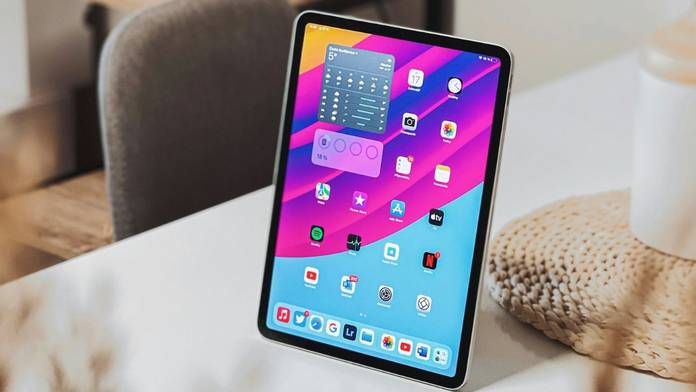
India’s tablet market declined 19.7 percent year-over-year (YoY) in the third quarter of 2025 (July–September), with total shipments falling to 1.33 million units, according to data from the International Data Corporation (IDC). The downturn came despite strong consumer momentum, as a sharp fall in commercial demand pulled overall numbers down. IDC’s report shows contrasting trends within the market. Detachable tablets grew 7.3 percent YoY, but slate tablets, which make up the majority of shipments, dropped 29.4 percent YoY, resulting in an overall contraction.
The consumer segment emerged as a bright spot, rising 13.5 percent YoY and marking its strongest growth in more than ten years. The surge was driven by festive-season demand and aggressive channel strategies, including deep discounts, bank offers, exchange schemes, and refreshed product lineups. Vendors also increased targeted sell-in to capture the seasonal upswing, the report added.
This robust performance contrasted sharply with the commercial segment, which saw shipments fall 53.5 percent YoY. Education deployments declined 61.9 percent, while shipments to small offices dropped 47.9 percent, reflecting delayed institutional projects, tighter IT budgets, and longer upgrade cycles.
Online retail continued to gain prominence, with e-tail channels posting 53.9 percent YoY growth in Q3 2025. IDC noted that online platforms played a key role in driving affordability-led adoption across the country.
Samsung Leads Market; Lenovo, Xiaomi, Apple, Acer Follow
Samsung maintained its leadership position with a 37.5 percent market share, strengthening its hold on both the commercial (49.7 percent) and consumer (32.6 percent) segments. The company benefited from large public-sector education deals and an aggressive inventory push focused on online channels.


Lenovo secured second place with a 16.8 percent share, aided by strong consumer traction, particularly for Motorola-branded tablets, which captured a 19.3 percent share. The brand also saw gains in enterprise deployments, boosting its commercial performance.
Xiaomi ranked third with a 15.5 percent share, supported by a 21.8 percent presence in the consumer segment. Competitive pricing, attractive exchange bonuses, and bundled accessories during major online sales events contributed to its momentum.
Apple stood fourth with a 9.2 percent market share. While facing stiff Android competition in the consumer segment, it held a 10.6 percent share there and maintained a steady 5.8 percent in the commercial market, buoyed by consistent enterprise and education demand.
Acer rounded out the top five with a 7.9 percent share, driven primarily by its strong commercial presence. Fulfillment of key education contracts helped Acer secure a 26.4 percent share in the commercial segment, along with stable enterprise deployments.
Commenting on the market outlook, Bharath Shenoy, Research Manager, Devices Research, IDC India & South Asia, said tablets are poised to play a more strategic role across both consumer and commercial segments.
“India’s tablet market continues to show resilience, with growth opportunities emerging across both consumer and commercial segments. As advanced AI capabilities become more integrated, tablets are evolving into handy productivity devices, offering personalized experiences and more efficient workflows. At the same time, rising PC prices are expected to increase further in the coming quarters. In this environment, tablets are becoming a compelling choice for first-time buyers and a cost-effective option for government-funded initiatives, effectively filling the gap left by traditional PCs,” Shenoy noted.
The findings suggest that while short-term fluctuations remain, tablets are well positioned to gain relevance as affordable, AI-ready productivity tools in the quarters ahead.