Samsung’s Galaxy S26 Ultra wants to put a film studio in your pocket


We expect our phones to take excellent photos, and for the most part, they do. But professional-grade video has remained a stubborn frontier. High-end filmmaking requires massive files, complex colour-grading software, and desktop computers powerful enough to handle it all.
With the Galaxy S26 Ultra, Samsung is making a bold claim: it wants to democratise mobile filmmaking. By introducing the Advanced Professional Video (APV) codec and Cinematic Look-Up Tables (Cine LUTs), the tech giant promises to bring complex studio workflows to a device that fits in your pocket.
The promise is undoubtedly appealing. But in the notoriously demanding world of video production, does the reality match the ambition?
Table of Contents
Solving the file size dilemma: the APV codec
Anyone who has tried to shoot and edit high-resolution 4K or 8K video on a phone knows the immediate hurdle: storage and quality degradation. Every time you edit, compress, and save a video file, it loses a bit of visual data.To solve this, Samsung developed APV (Advanced Professional Video), an open-source codec — essentially a digital packing method. In layman’s terms, APV is designed to compress massive video files so they don’t instantly fill up your phone’s storage, claiming to reduce file sizes by over 10% compared to existing standards. More importantly, it promises to protect the video from losing quality as you chop, change, and render it through multiple rounds of editing. The promise here is significant for mobile creators who want to shoot heavy, data-rich video without needing to instantly offload it to a hard drive.
Colour grading for the rest of us: Log and Cine LUTs
If you have ever wondered why professional movies look so cinematic compared to smartphone videos, a lot of it comes down to colour grading. Professionals shoot video in a format called “Log”, a very flat, grey, washed-out profile. While it looks dull initially, Log captures a massive amount of detail in the darkest shadows and the brightest highlights, mimicking how the human eye actually sees light.

To bring that flat footage to life, editors apply a LUT (Look-Up Table). You can think of a LUT as an incredibly complex, mathematical Instagram filter that applies specific cinematic colour profiles to the footage. Historically, this required dedicated software and a steep learning curve.
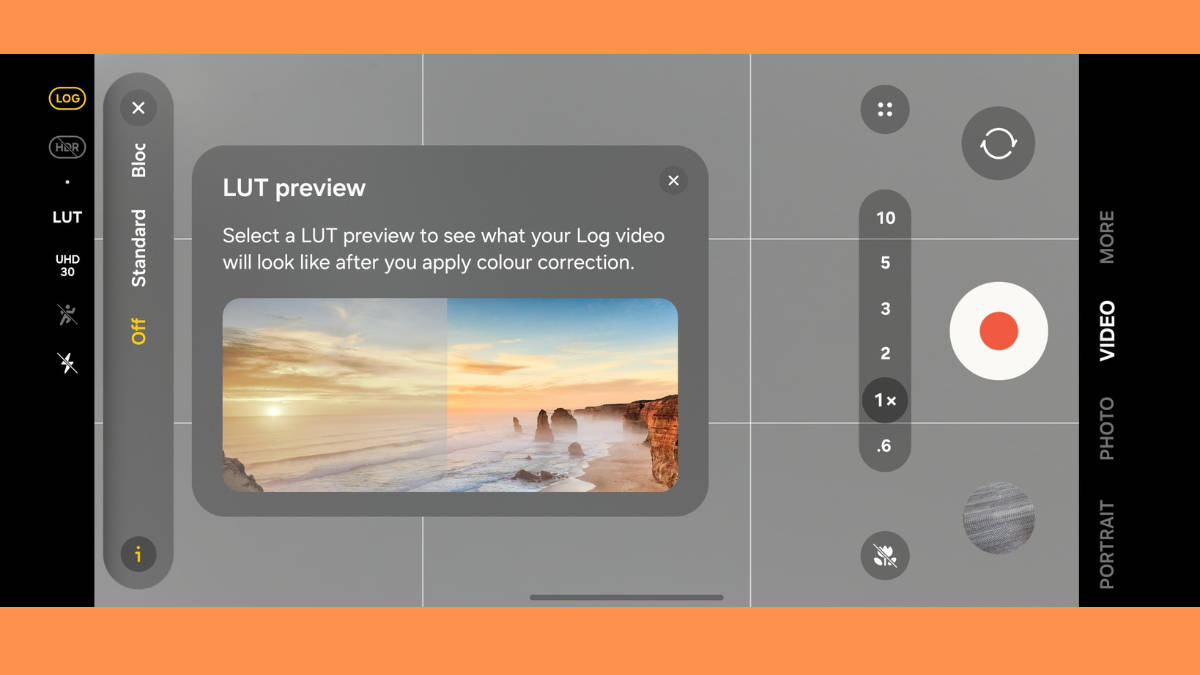
The Galaxy S26 Ultra aims to make this entirely frictionless. The phone allows users to shoot in Samsung Log, but crucially, it lets you preview what the final Cine LUT will look like in real-time while you are recording. You can then apply the grade directly on the phone with standard editing tools. Samsung is effectively taking a process that used to require a studio monitor and dedicated colourist, and turning it into a simple tap on a touchscreen.


The long-term picture
Ultimately, the true value of the Galaxy S26 Ultra’s new video features isn’t about replacing high-end cinema cameras; it is about raising the baseline for everyone else.If Samsung’s APV and Cine LUT integration work seamlessly, the long-term benefits are substantial. An independent journalist can shoot, colour-grade, and publish broadcast-ready footage entirely from the field. A small business owner can produce polished promotional material without hiring a production crew or learning complex desktop software. An indie musician can experiment with cinematic music videos using just the device in their hand.
By hiding the complexity of professional video production behind a user-friendly interface, Samsung isn’t just selling a better camera. It is lowering the barrier to entry—and for the creators who rely on these tools every day, that might be the most valuable feature of all.