
Movie |
Murder | Prosecutor
Disclaimer: All content and media belong to original content streaming platforms/owners like Netflix, Disney+ Hotstar, Amazon Prime Videos, JioCinema, SonyLIV etc. 91mobiles entertainment does not claim any rights to the content and only aggregate the content along with the service providers links.


Best Actor in a Leading Role | 1982 | Paul
Best Actress in a Supporting Role | 1982 | Melinda
Best Writing Screenplay Written Directly for the Screen | 1982 | Kurt
Best Actress in a Motion Picture Drama | 1982 | Sally
Best Screenplay Motion Picture | 1982 | Kurt
1982 | Sydney
Best Drama Written Directly for the Screen | 1982 | Kurt
Best Supporting Actress | 1981 | Melinda
Budget 12,000,000 USD
Box Office Collection 40,716,963 USD
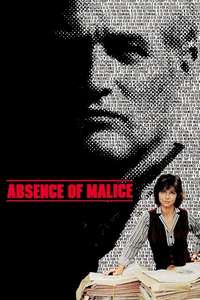
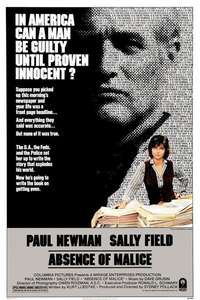
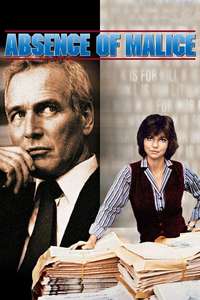
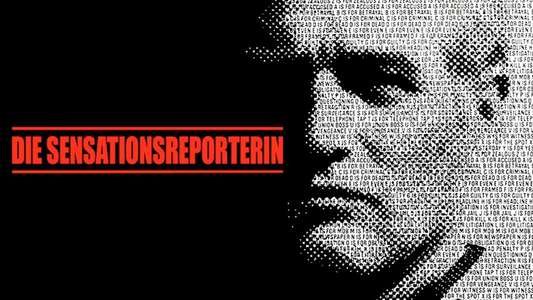
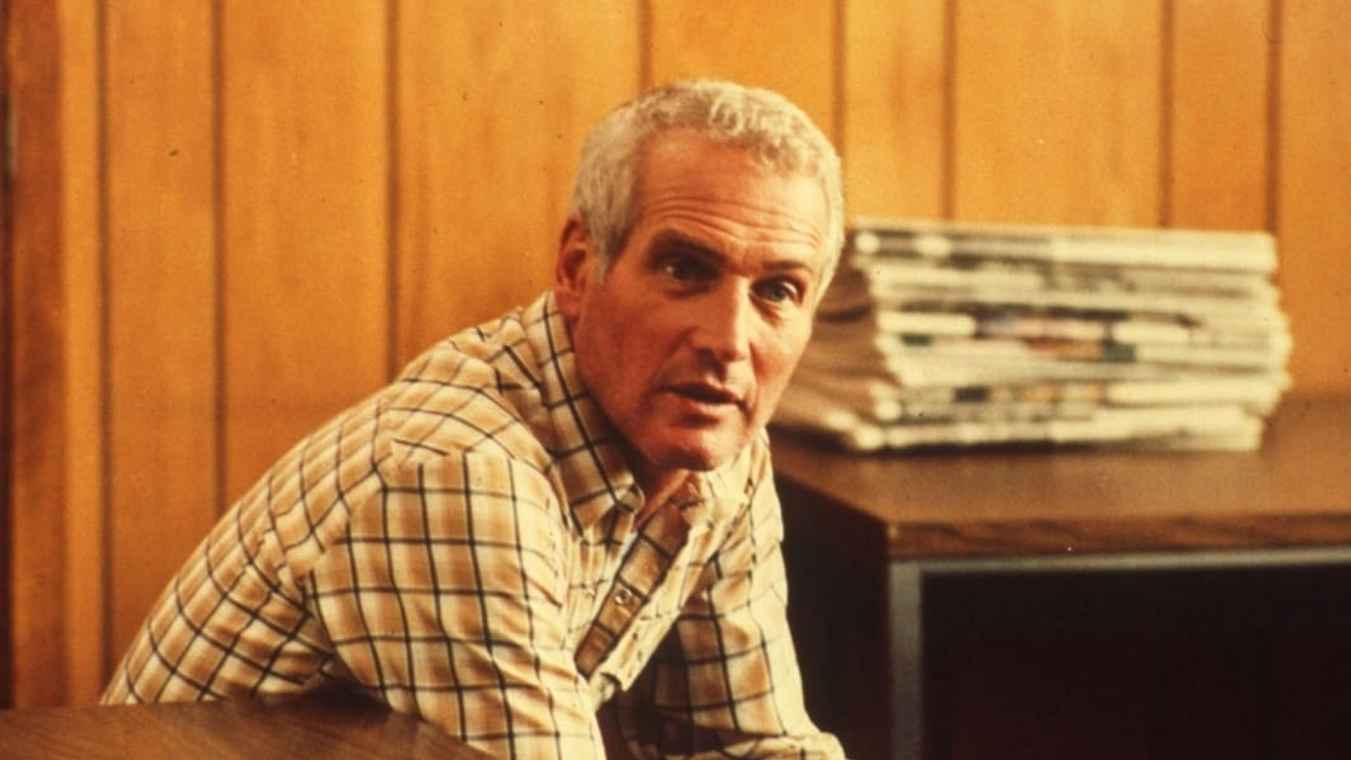
According to writer Kurt Luedtke in the DVD special feature The Story Behind Absence of Malice (2004), the film's story was inspired by the media law legal case of Times v Sullivan [i.e., The New York Times Co. v. Sullivan, 376 U.S. 254 (1964)]. Luedtke summarized this case by saying that American libel laws, due to the precedent set by this case, indicate that truth is not always necessary to journalism in situations involving public figures. As such, a newspaper can effectively make a bad mistake and hurt a public figure and the latter cannot always collect damages for it.
According to Frank DiGiaomo, Paul Newman stated that this picture was a direct attack on the New York Post because it had published a caption with a photo of Newman, a caption that Newman stated was inaccurate. A row occurred, and the Post allegedly banned his name from appearing in the paper.
At around the time the picture launched in theaters, lead actor Paul Newman said: "I would say that 90% of what people read about me in the newspapers is untrue. Ninety percent is garbage. [Reporters] are expected to come up with something sensational every night of the week to keep their readers' noses buried in the pages, and, well, you tell me. If nothing's happening, what do you do? Well, in their case, they make it up."
Star Paul Newman once said of this movie whilst publicizing The Verdict (1982): "I'd rather have the freedom to do the kind of pictures like The Verdict (1982) . . . I enjoyed kicking the beejeezus out of the press in Absence of Malice (1981)."
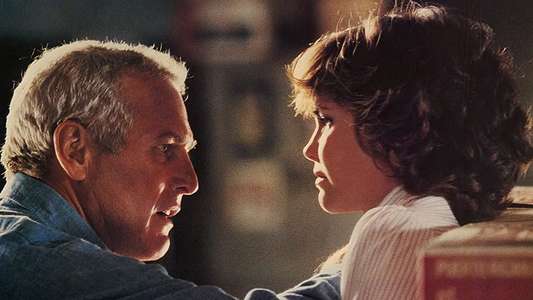
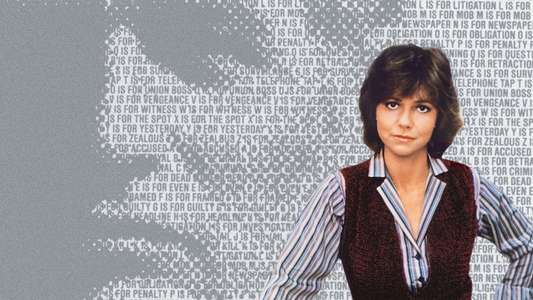
Paul Newman and director Sydney Pollack were both gourmet chefs, and had a running culinary competition throughout filming, with Sally Field as the judge. Though a good sport at first, Sally grew tired of eating gourmet meals night after night, and she began begging off her judging duties in favor of hamburgers and omelettes at local diners.
"James J. Wells: I tell you something, you're a smart fellow. Don't get too smart. I'm pretty smart myself. Michael Gallagher: Everybody in the room is smart. Everybody's just doing their job - and Teresa Perrone's dead. Who do I see about that? James J. Wells: Ain't nobody to see. I wish there was. You're excused now, sir."
"James J. Wells: What'd you figure you'd do after government service, Elliott? Elliott Rosen: I'm not quitting. James J. Wells: You ain't no presidential appointee, Elliott; the one that hired you is me. You got thirty days."