

Movie |
Sponge Divers | Diving
Disclaimer: All content and media belong to original content streaming platforms/owners like Netflix, Disney+ Hotstar, Amazon Prime Videos, JioCinema, SonyLIV etc. 91mobiles entertainment does not claim any rights to the content and only aggregate the content along with the service providers links.







Best Picture of the Month for the Whole Family May | 1957
Best Music Scoring | 1958
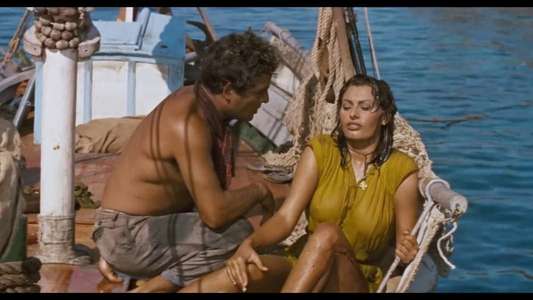
Whilst filming Boy on a Dolphin (1957), Sophia Loren was required to walk in a trench in order to give audiences the impression that her diminutive co-star, Alan Ladd, was taller than she.
Originally, the film was to star Cary Grant. It was four days into shooting in Greece when Grant canceled. His wife, Betsy Drake, had survived the sinking of the Andrea Doria ocean liner and he went to be with her. Robert Mitchum was then considered, before Spyros Foukas signed Alan Ladd.
Alan Ladd is clearly standing on a box in the museum. As he walks away, it is clear that he is stepping down; then the scene ends.
Clifton Webb's character in the film is named Victor Parmalee. Webb's real name was Webb Parmalee Hollenbeck.
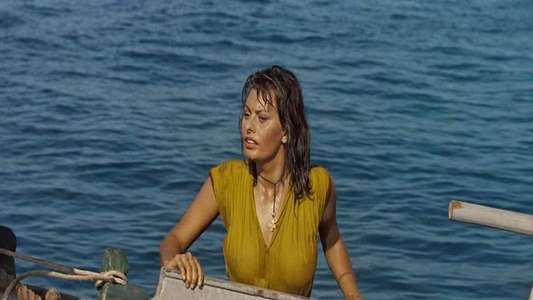
This is Sophia Loren's American film debut, coming out in April of 1957. Some people have reported that The Pride and the Passion (1957) is actually her first film, but that film was released in July of 1957.
"Monk at Meteora Monastery: [Upon meeting Parmalee, who has just ascended to the Meteora Monastery via a hand-operated "elevator"] Welcome to Meteora. Victor Parmalee: May I ask, who carries your insurance? Monk at Meteora Monastery: We put our trust in the Almighty. Victor Parmalee: A very safe company."
"Phaedra: He's important man, Mr. Calder, huh? Victor Parmalee: In his pedestrian way. "Incorruptible Jim," I call him. Phaedra: You know him a long time? Victor Parmalee: Our paths have crossed and re-crossed: in Dresden, Rotterdam, Florence - wherever the Nazis looted. Raphaels, Rembrandts, even down to a dreary little china pot, which belonged to Madame Pompadour... there was always Captain Jim Calder of the U.S. Army, restoring priceless objects to their rightful owners - a typical middle-class gesture."