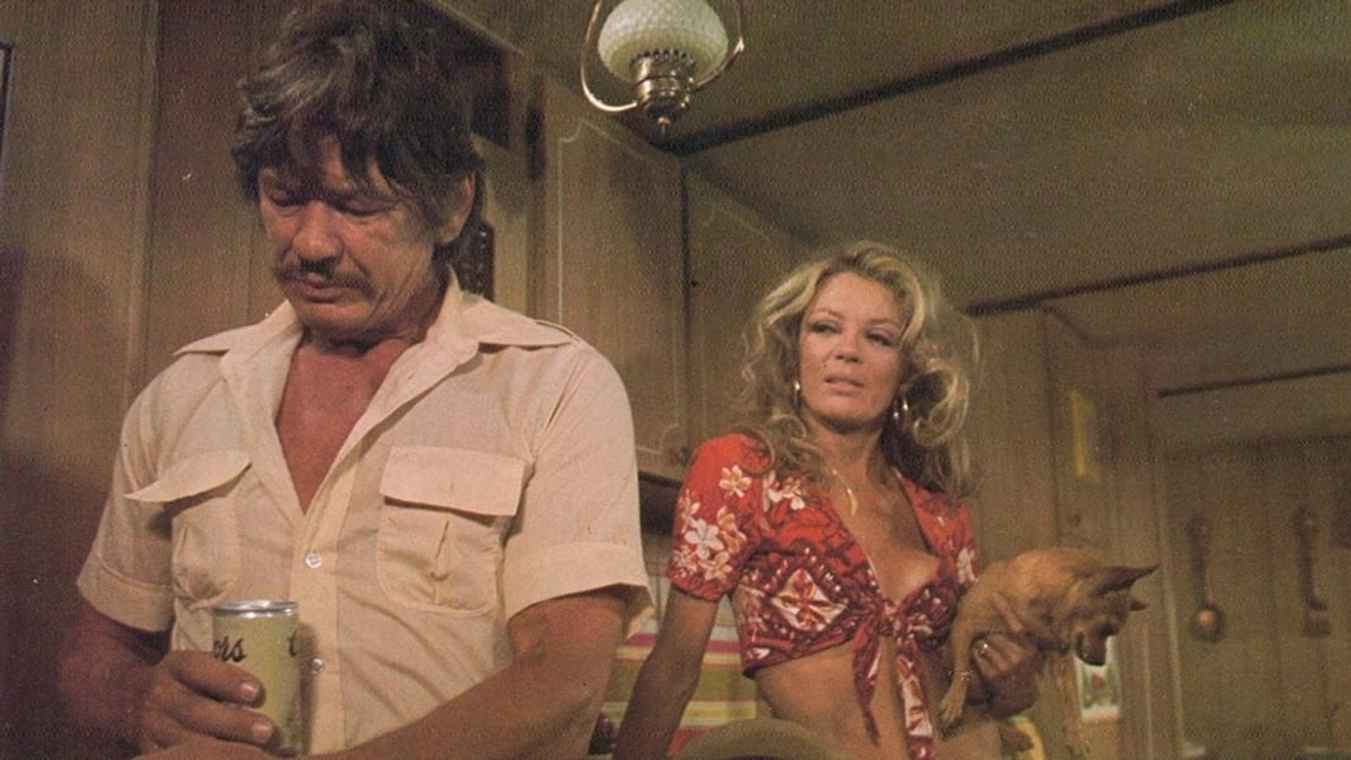

Movie |
Trying To Escape | Prison
Disclaimer: All content and media belong to original content streaming platforms/owners like Netflix, Disney+ Hotstar, Amazon Prime Videos, JioCinema, SonyLIV etc. 91mobiles entertainment does not claim any rights to the content and only aggregate the content along with the service providers links.

Best Sound Editing Dialogue | 1976
Budget 1,000,000 USD
Box Office Collection 16,000,000 USD
This movie was inspired by the real 1971 helicopter rescue and breakout of Joel David Kaplan from a Mexican prison which was orchestrated by lawyer Vasilios Basil Choulos. Film Critic Roger Ebert has said of this: "Kaplan was the scion of an American sugar-and-molasses empire with Latin American connections, and in the early 1960s, he was a courier for Fidel Castro. The Mexicans imprisoned him in 1962 on a highly questionable murder charge, and there were rumors that the C.I.A. was somehow involved. He was in prison nine years before his sister hired a California helicopter pilot to carry out a neat little mission spiriting Kaplan out of the prison yard. Ramparts published material about the C.I.A. connection, but Kaplan wouldn't talk, then or later. The movie's naturally more concerned with the rescue mission, than with any shadowy political implications. But there are a couple of leftovers from the original story in the sinister persons of a C.I.A. operative and the hero's rich grandfather. They seem to be in cahoots, although how or why is a little unclear."
Because this movie was based on a real-life prison escape in Mexico, the Mexican Government would not permit the movie to be filmed there.
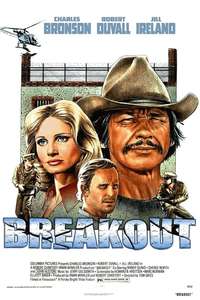
Reportedly, Charles Bronson's salary was $1 million.
This was the first major studio film to be released in the now-common saturation pattern, debuting at over 1,000 movie theaters simultaneously with 1,300 prints in the U.S. This was coupled with 17,000 advertising radio spots. Columbia Pictures claimed that this was "the most spectacular saturation blitz of any motion picture". Soon afterward, this wide release method was used for Jaws (1975) as well.
Robert Duvall became interested in the gypsy culture whilst working with gypsy extras on the set of this movie. Duvall drew on this experience as a writer and director when he later made Angelo My Love (1983).
"Myrna: I have to be convincing and I've never been raped. Nick Colton: We should all be so lucky."
"Jay Wagner: [Referring to a conjugal visit from his wife] The day I'm reduced to making love in here is the day I give up."