
Movie |
Hypnotism | Cat
Disclaimer: All content and media belong to original content streaming platforms/owners like Netflix, Disney+ Hotstar, Amazon Prime Videos, JioCinema, SonyLIV etc. 91mobiles entertainment does not claim any rights to the content and only aggregate the content along with the service providers links.


Budget 64,000 USD
Box Office Collection 7,000,000 USD
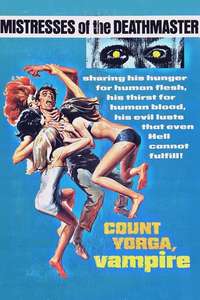
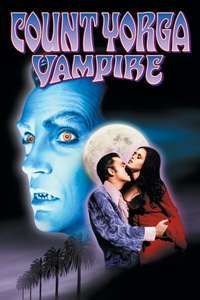
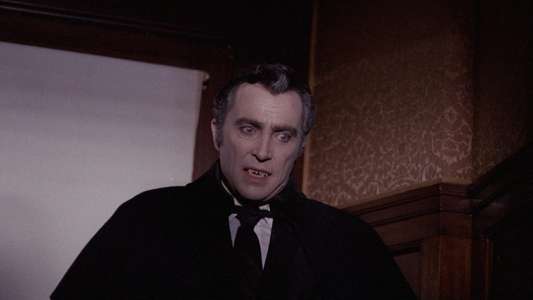
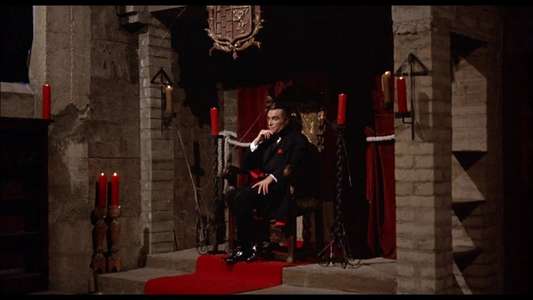
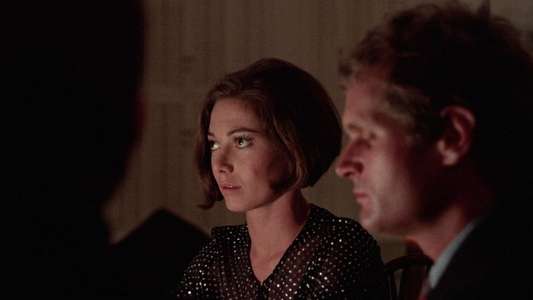
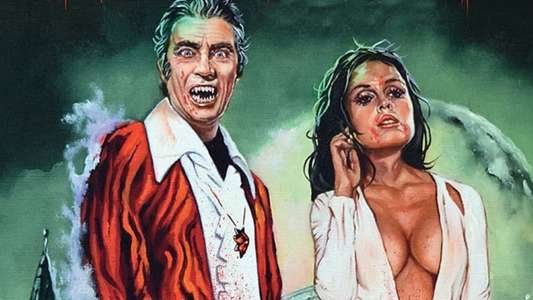
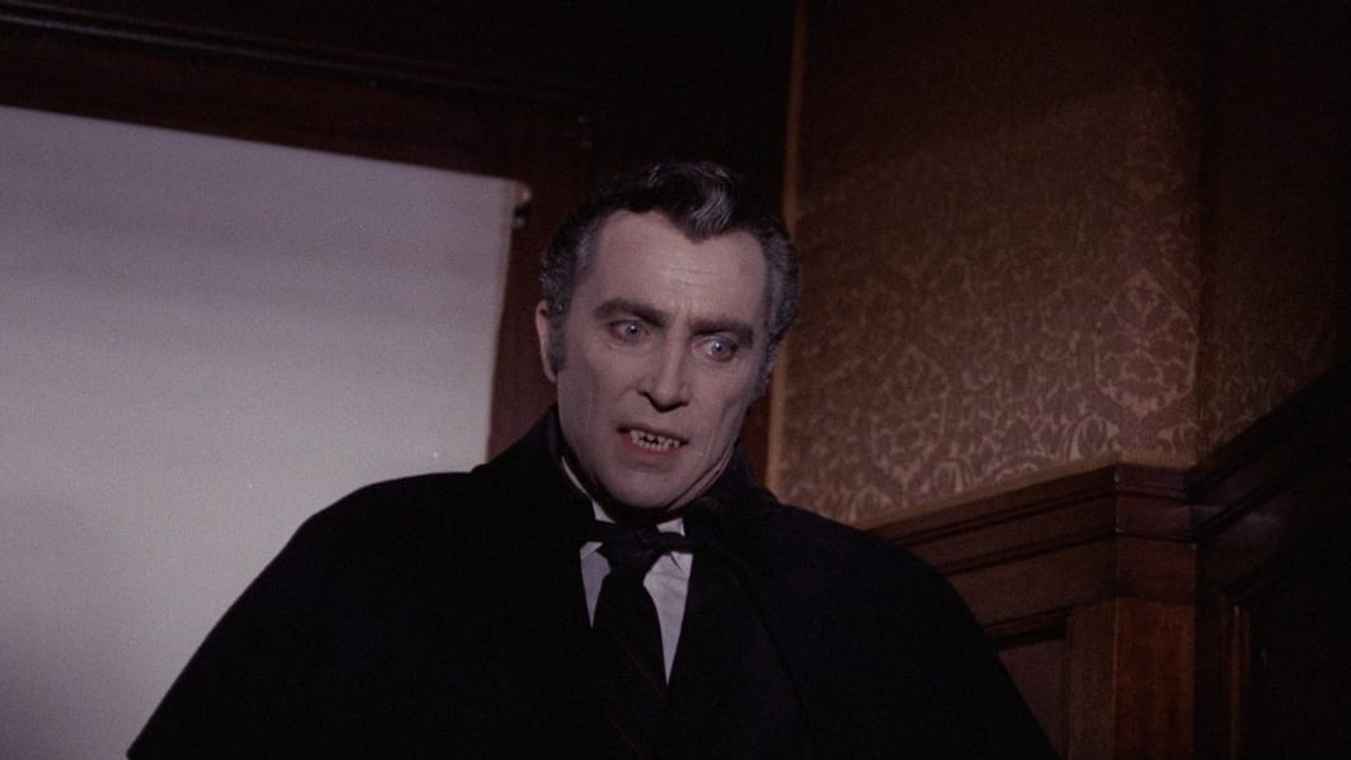
The movie was originally conceived as a low-budget, soft-core, porno film with the title was "The Loves of Count Iorga, Vampire!" Later however the decision was made to film it as a regular horror movie with the less erotic "Count Yorga, Vampire!" title. This name change explains the poor animation of the phrase "Count Yorga" in the title as it now appears on-screen. The original title (and original Iorga spelling) had been restored by the 1990's, but all prints were identical to the original 1970 release. Apparently no additional footage survives from its original erotic premise. (It's worth noting that actors often pronounce the count's name within the film as "Iorga" (ee-yor-ga), not "Yorga" (yor-ga).
American International Pictures had planned to revive Count Yorga as an adversary for the abominable Dr. Phibes in the film "Dr. Phibes Rises Again (1972)" (1972). While this plan was eventually dropped actor Robert Quarry (who plays Count Yorga) did appear in the film as Darrus Biederbeck. He also went on to costar with Vincent Price and Peter Cushing in "Madhouse" (1974).
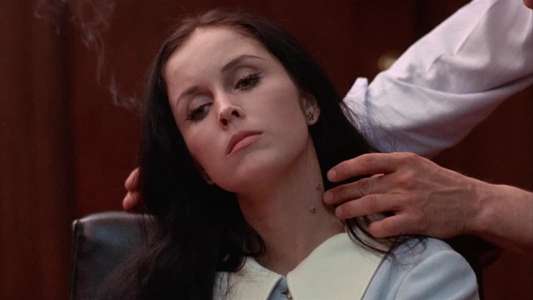
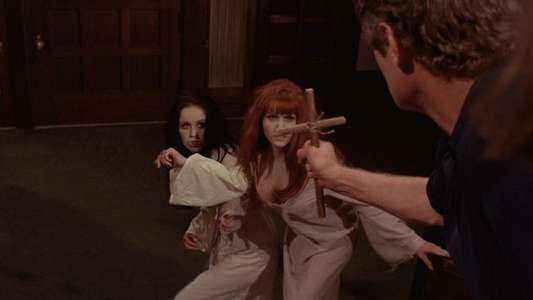
The scene where Erica is discovered eating her pet cat was accomplished by slathering a sedated kitten with canned lasagna.
"Count Yorga: Doctor Hayes, what an unexpected surprise. Dr. James Hayes: Yes, so much so that I almost had a massive coronory."
"Narrator: A vampire, in ancient belief, was a malignant spirit who when the earth lost its sunlight rose nightly from its dark grave to suck blood from the throats of the living. Its powers were many. It could see in the dark, which was no small ability in a world half-veiled from light. Its hypnotic skills baffled the domain of science. It was of a cunning more than mortal, for its cunning was a growth of ages, since it could not die by the mere passing of time. It had to have been by a wooden stake driven deep into its heart, or exposure to the rays of the sun, which would instantly decompose its body into a miasma of putrid decay. The believers of this superstition referred to vampires as the living dead. I seem to be making use of the past tense. Perhaps the present would be more precise, for it stands to reason that if one is superstitious, even on a small, seemingly insignificant level, one must be vulnerable to all superstitions, conceivably even those of vampires."