
Movie |
Nuclear War | Based On Novel Or Book
Disclaimer: All content and media belong to original content streaming platforms/owners like Netflix, Disney+ Hotstar, Amazon Prime Videos, JioCinema, SonyLIV etc. 91mobiles entertainment does not claim any rights to the content and only aggregate the content along with the service providers links.



Outstanding Technical Direction Camerawork Video for a Miniseries Movie or a Special | 2000
Outstanding Lighting Direction Electronic | 2000 | John A.
Best Single Genre Television Presentation | 2001
Best Miniseries or Motion Picture Made for Television | 2001
Outstanding Producer of LongForm Television | 2001
Outstanding Directorial Achievement in Movies for Television | 2001 | Stephen
Best Sound in a Motion Picture or Miniseries | 2000
Best Lighting in a Motion Picture or Miniseries | 2000
Best Direction of a Motion Picture or Miniseries | 2000 | Stephen
Best Ensemble in a Motion Picture or Miniseries | 2000
Outstanding Achievement in Movies Miniseries and Specials | 2000
Outstanding Sound Mixing for a Miniseries or a Movie | 2000
Outstanding Directing for a Miniseries Movie or a Special | 2000
Outstanding Casting for a Miniseries Movie or a Special | 2000 | Anthony
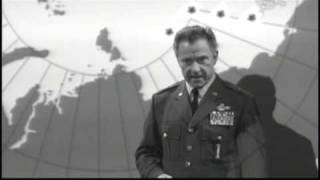
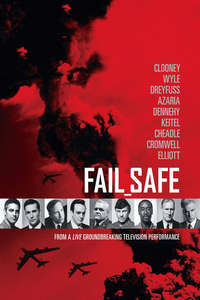
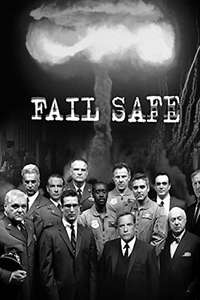
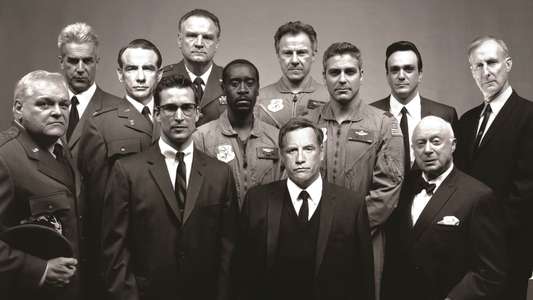
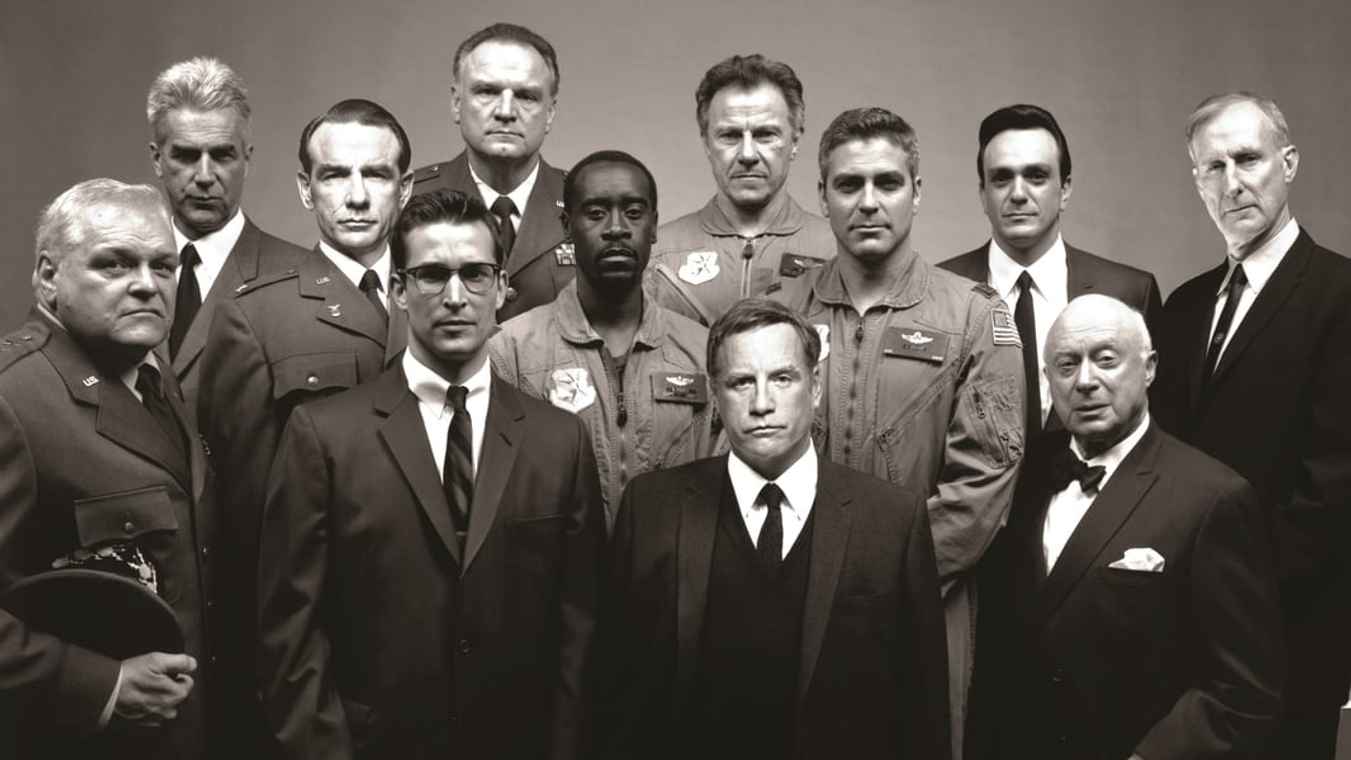
The movie was performed on live television in black and white, and required two soundstages on the Warner Brothers studio lot. Harvey Keitel (Brigadier General Warren Black) had to run between the two stages for some of his scenes.
Broadcast live on April 9, 2000.
The computer in the command center is made up from components of a real IBM AN/FSQ-7 Combat Direction Central, built in 1954 to protect the U.S. from Soviet bomber attack. It was the largest and heaviest computer system ever built, the full system weighed six thousand tons (twelve million pounds, or 5,443.1 metric tons), and took up an entire floor of a bomb-proof blockhouse. Components of decommissioned systems were sold for scrap and bought by film and television production companies who wanted futuristic looking computers, despite the fact they were built in the 1950s. The components used in this film were previously used in The Time Tunnel (1966), The Towering Inferno (1974), and Independence Day (1996), amongst many others.
The first feature-length fictional show broadcast live on CBS in 40 years.
George Clooney wanted the show broadcast in black and white both for stylistic reasons (as it was set in the 1960s), and because live broadcasting produced garish color.
"Col. Jack Grady, Command Pilot Group 6: [answering the phone] Tommy? Tommy Grady, Col. Grady's Son: Dad! How long is this one gonna be? Col. Jack Grady, Command Pilot Group 6: Shouldn't be too late. Tommy Grady, Col. Grady's Son: Are you sure? Col. Jack Grady, Command Pilot Group 6: I'm positive. Tommy Grady, Col. Grady's Son: Only fools are positive. Col. Jack Grady, Command Pilot Group 6: Are you sure? Tommy Grady, Col. Grady's Son: I'm positive."
"Prof. Groeteschele: In every war, even a thermonuclear war, you must have a victor and you must have a vanquished. History tells us that the culture which is best prepared, has the best retaliatory policy, and the best defense, will have an ancient and classical advantage. Brig. Gen. Warren Black: To be victorious... Prof. Groeteschele: Yes, General. It would be the victor, in that it would be less damaged than its enemy. Gen. Stark: *We* would be the victor. Prof. Groeteschele: That would be our hope, General. Brig. Gen. Warren Black: Groeteschele, your argument doesn't recognize that thermonuclear war is not the extension of policy, it is the end of everything: People, policy, institutions... Prof. Groeteschele: My argument, General Black, is that if only one of us is to survive a nuclear exchange, I prefer that it be our culture and not the Soviets'. Wouldn't you? Brig. Gen. Warren Black: Culture? With most of its people dead? It's vegetation burned off? Do you really think that the world you describe *is* a culture? The idea of war has changed since the advent of the Bomb. Gen. Stark: Yes, but war's function remains the same, Blackie. Whether it's a spear thrown, or a nuclear bomb. Prof. Groeteschele: War is still the resolution of economic and political conflict. Brig. Gen. Warren Black: In these times, in any possible war, the overwhelming majority of citizens are going to be killed. Does this still suggest to you that war is a resolution of conflicts? Prof. Groeteschele: Yes, General, the situation is no different then it was a thousand years ago. There were primitive wars in which entire populations were completely wiped out. The point remains: Who will be the victor, and who will be the victim? So short of disarmament, for which you seem to be arguing, and to which I highly doubt the Soviets would agree, what shall we do? These weapons exist. We can face that, or we can close our minds to it. Brig. Gen. Warren Black: Groteschele, this world is no longer man's theater. Man has been made into a spectator. We define policy by discussing the possibility of a winnable nuclear exchange. Once one knows where he wants to go, he can collect a great amount of logic and fact to support his argument. My fear is that both we and the Soviets are settled on mutual destruction. We are now rallying our different logics to support our identical conclusions. And if we are not careful, gentlemen, we will both get the results that we want."