
Movie |
Holiday | London, England
Disclaimer: All content and media belong to original content streaming platforms/owners like Netflix, Disney+ Hotstar, Amazon Prime Videos, JioCinema, SonyLIV etc. 91mobiles entertainment does not claim any rights to the content and only aggregate the content along with the service providers links.

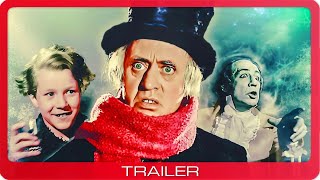
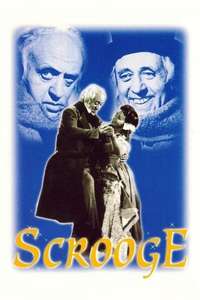
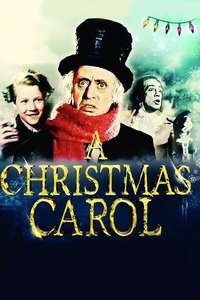
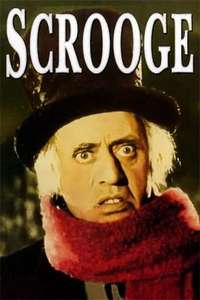
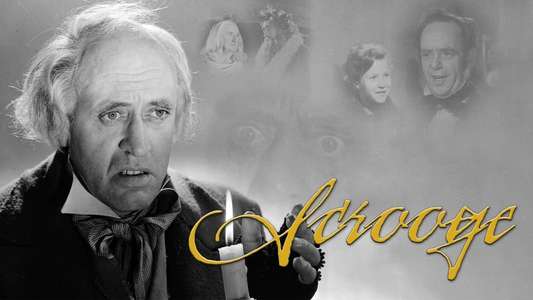
The word "humbug" provides insight into Ebenezer Scrooge's hatred of Christmas, as it describes deceitful efforts to fool people by pretending to a fake loftiness or false sincerity. Therefore, when Scrooge calls Christmas a humbug, he is claiming that people only pretend to be charitable and kind in an effort to delude him, each other, and themselves. In Scrooge's eyes, he is the one man who is honest enough to admit that no one really cares about anyone else, so (to him) every wish for a Merry Christmas is one more deceitful effort to fool him and take advantage of him. This is a man who has turned to profit because he honestly believes everyone else will someday betray him or abandon him the moment he trusts them.
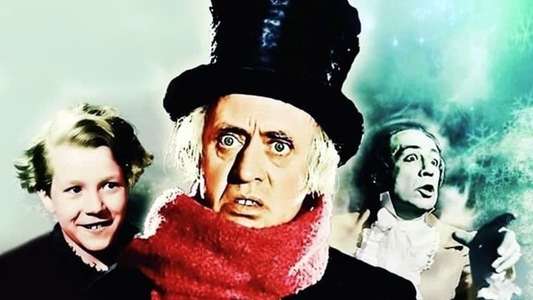
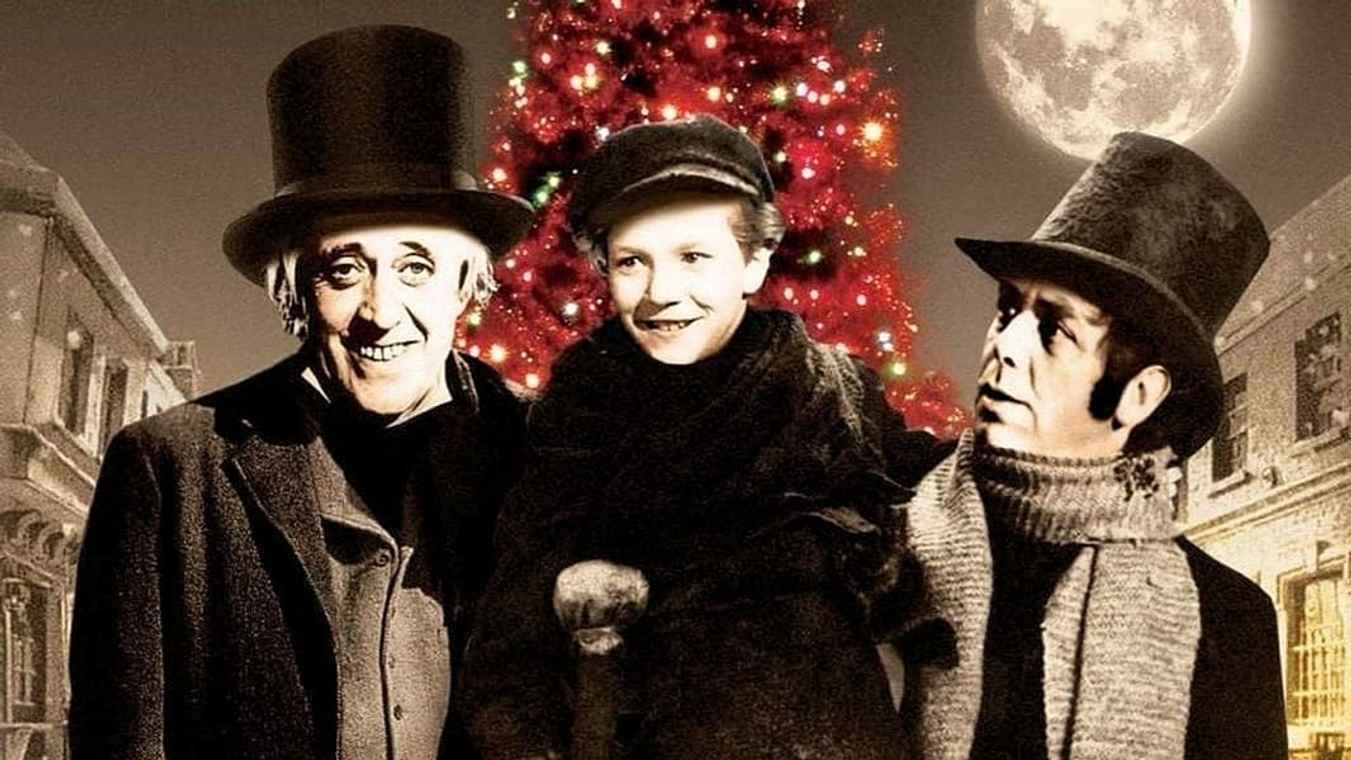
Changes to the screenplay from the Charles Dickens book were made, mostly in the Christmas Past sequence. Among these changes are: reversing the birth order of Scrooge and his sister, so as to add that Scrooge's mother died giving birth to him; creating a character named "Mr. Jorkin" and flashbacks of several incidents in Scrooge's past (his sister's death, meeting Jacob Marley, taking over Fezziwig's warehouse, and Marley's death) which do not appear in the book.
The song that Mr. Jorkin whistles after offering Ebenezer Scrooge a job is "The Lincolnshire Poacher", wherein a poacher sings how much he loves unlawfully entering property and trapping game there. Poaching can also be the practice of hiring an employee away from a competitor, which is what Mr. Jorkin is doing with Scrooge.
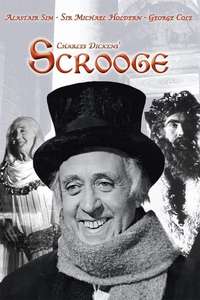
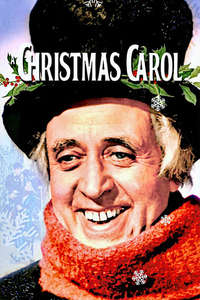
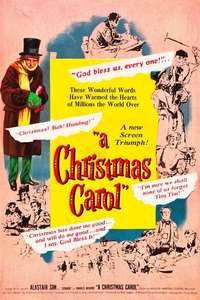
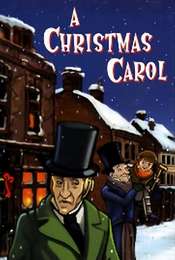
Although this movie is widely regarded as the best version of Charles Dickens' story, it is the only one which omits Ebenezer Scrooge's famous line: "If I could work my will, every idiot who goes about with 'Merry Christmas' on his lips should be boiled in his own pudding and buried with a stake of holly through his heart." Alastair Sim would eventually get a chance to say it, however, when he reprised his role in the animated A Christmas Carol (1971), which also featured Sir Michael Hordern returning as Jacob Marley.
Scrooge was likely based on a real person named John Meggot (born John Elwes), who was a local celebrity, a member of Parliament, and a famous miser from Charles Dickens' part of England. Meggot was dead by the time Dickens was born, but he heard quite a bit about "Scrooge" from locals where he grew up. An article about him revealed some facts about the life of the famous miser: "John was educated at the Westminster School, an exclusive boarding school in Westminster Abbey in London. He spent more than a decade there, then lived in Switzerland for a few years before returning to England. When he was in his 20s and 30s, Meggot gave little hint of the man he would become. He dressed well, spent money freely and moved among London's most fashionable circles. He developed a taste for French wines and fine dining. He was a skilled horseman and fox hunter, and had a passion for gambling. He bet, and often lost, thousands of pounds in card games. The eccentric politician became the subject of local lore because he was so stingy and selfish and his eccentric life style: "where his own comfort and material well-being were concerned, Elwes would not part with a penny. Where once he dressed in rags only to impress his uncle, he now wore them all the time, and never cleaned his shoes--that might wear them out faster." Friends said he looked "like a prisoner confined for debt." Like his uncle, Elwes allowed his estates to fall into ruin. He refused to buy a carriage and wondered how anyone could think he could afford one. Riding a horse was cheaper, especially the way he did it: before setting off on a journey, he'd fill his pockets with hard-boiled eggs so he wouldn't have to pay for meals in taverns. He rode in the soft dirt by the side of the road rather than on the road itself, so that he wouldn't have to buy horseshoes for his horses. He traveled hours out of the way to avoid toll roads. If he needed to stop for the night, he'd find a spot by the side of the road that had lots of grass (so that his horse could eat for free) and sleep beneath a tree to save the price of a room at an inn. Elwes' mania for frugality extended to his own family. He had two sons out of wedlock (because marriage cost money) and refused to pay for their education. '"Putting things into people's heads," he explained, "was the sure way to take money out of their pockets."' Dickens heard all of this and was inspired to put together a fable about how the modern virtues of capitalism come head to head with the old-fashioned values of Christmas; and how this character would have to make a choice between the two.
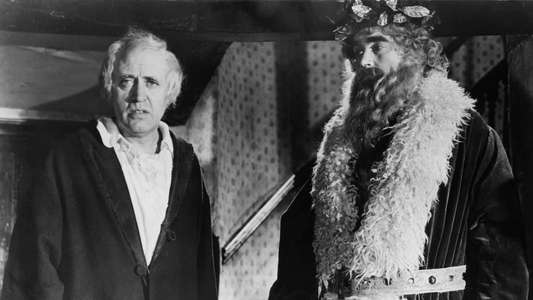
"Spirit of Christmas Present: My time with you is at an end, Ebenezer Scrooge. Will you profit from what I've shown you of the good in most men's hearts? Ebenezer: I don't know, how can I promise! Spirit of Christmas Present: If it's too hard a lesson for you to learn, then learn this lesson! [opens his robe, revealing two starving children] Ebenezer: [shocked] Spirit, are these yours? Spirit of Christmas Present: They are Man's. This boy is Ignorance, this girl is Want. Beware them both, but most of all, beware this boy! Ebenezer: But have they no refuge, no resource? Spirit of Christmas Present: [quoting Scrooge] Are there no prisons? Are there no workhouses?"
"Jacob Marley: I wear the chain I forged in life! I made it link by link and yard by yard! I gartered it on of my own free will and by my own free will, I wore it!"