
Movie |
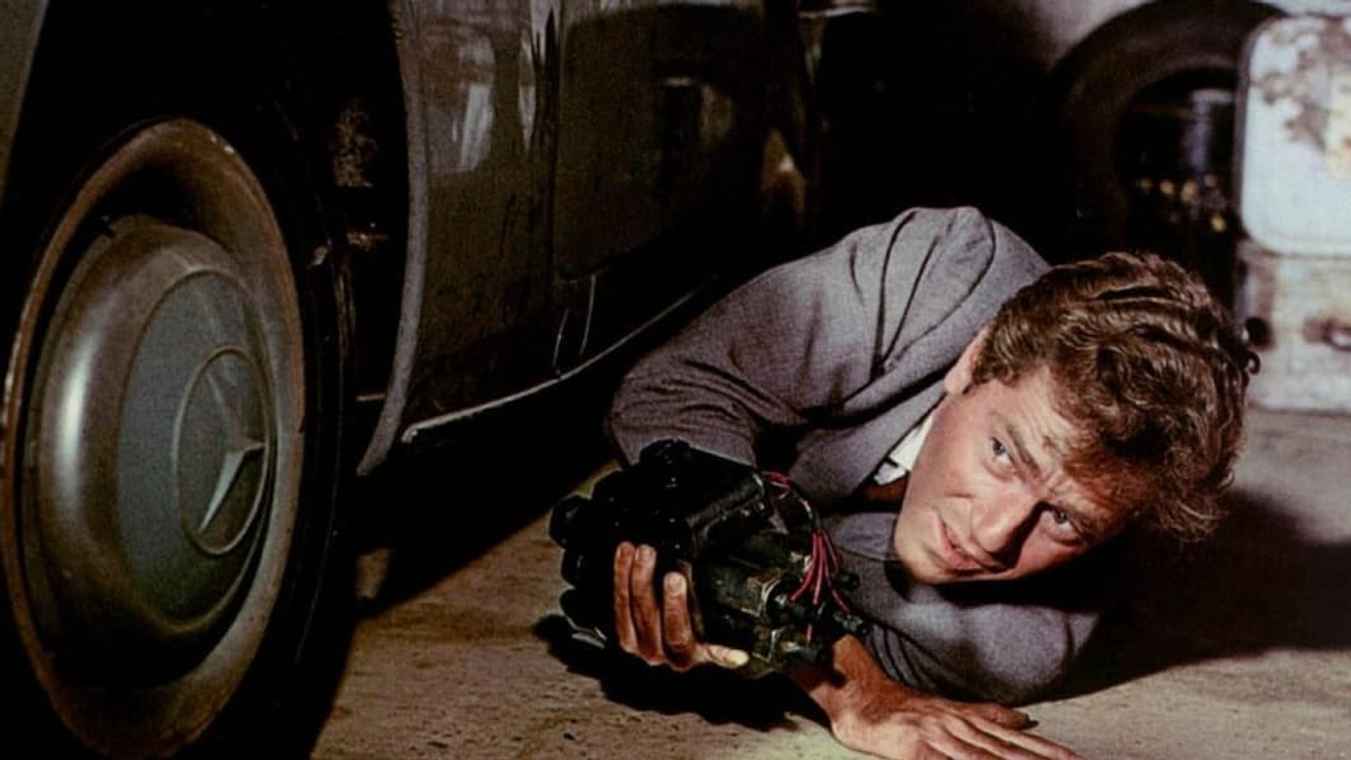
Spy
Disclaimer: All content and media belong to original content streaming platforms/owners like Netflix, Disney+ Hotstar, Amazon Prime Videos, JioCinema, SonyLIV etc. 91mobiles entertainment does not claim any rights to the content and only aggregate the content along with the service providers links.

Best British Screenplay | 1967 | Harold
Best British Film Editing | 1967
Best British Art Direction Colour | 1967
Best Motion Picture | 1967 | Harold
Box Office Collection 1,500,000 USD
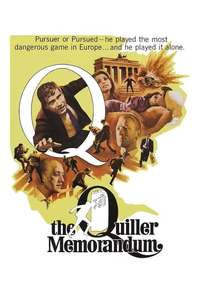
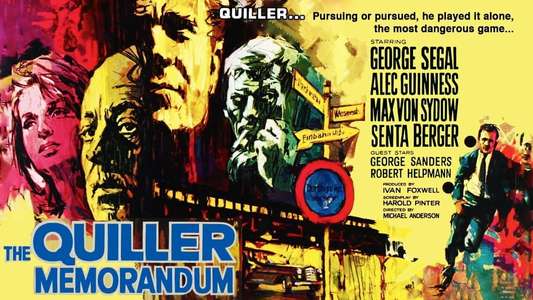
The source novel "The Berlin Memorandum" is billed in the credits as being by Adam Hall. This is a nom de plume for author Trevor Dudley Smith.
Even though this movie was made over twenty years after the end of World War II, the devastation of Berlin was so vast, the set decorators weren't required to "re-create" exterior areas for filming, just interiors.
BBC produced a television series, "Quiller (1975)," about the Quiller character.
The score was composed by John Barry, who became notable for the early James Bond spy movie soundtracks. Barry composed the score for this movie between "Thunderball (1965)" and "You Only Live Twice (1967)."
In adapting (Trevor Dudley Smith writing under his nom de plume) Adam Hall's novel "The Berlin Memorandum", screenwriter Harold Pinter altered the emphasis of the book to be less a spy thriller and more a meditation on the human condition and the duplicitous nature of identity.
"Quiller: Met a man called Oktober. Pol: Oh yes? Quiller: Know him? Pol: We've never actually met. Quiller: At the end of our conversation, he ordered them to kill me. Pol: And did they?"
"Pol: Let me put it this way. There are two opposing armies drawn up on the field but there's a heavy fog- they can't see each other. Oh, they want to, of course, very much. You are in the gap between them. You can just see us, you can just see them. Your mission is to get near enough to see them, to signal their position to us so giving us the advantage. But if, in signaling their position to us, you inadvertently signal our position to them it is they who will gain a very considerable advantage. That's where you are, Quiller. In the gap."