Like every year, Mobile World Congress 2026 brought together some of the biggest names in tech, their demos and their showcases. Leading brands came prepared with bold ideas, new hardware, and a clear vision of where mobile technology is heading. Foldable phones, modular concepts, camera upgrades, and AR hardware all had a great showing this year, with dollops of AI thrown in. And we made sure to get up close with as many of them as we could. After going through everything the event had to offer, we picked the ones that stood out enough to earn recognition.
These are our annual Best of MWC Awards, covering the products and showcases that made us stop and take notice. From a flagship that raises the bar on what a smartphone camera can do to a foldable that feels like it belongs in your pocket. There was also some exciting work happening in the AR and XR space and a modular phone concept that got us thinking about where the industry could go next. We put these awards together to give credit where it is due and to highlight what we feel are some of the most important moments from a very busy week in Barcelona.
Deepak Dhingra (Senior Director, Brand & Content Strategy) attended MWC 2026 in person and brought back the insights that helped shape this piece.
Table of Contents
Best Flagship Smartphone: Xiaomi 17 Ultra
Xiaomi showed up to MWC 2026 with the 17 Ultra and also brought along a Leitzphone special edition of the same device. The core phone, the Xiaomi 17 Ultra, garnered a lot of attention, and for good reason.
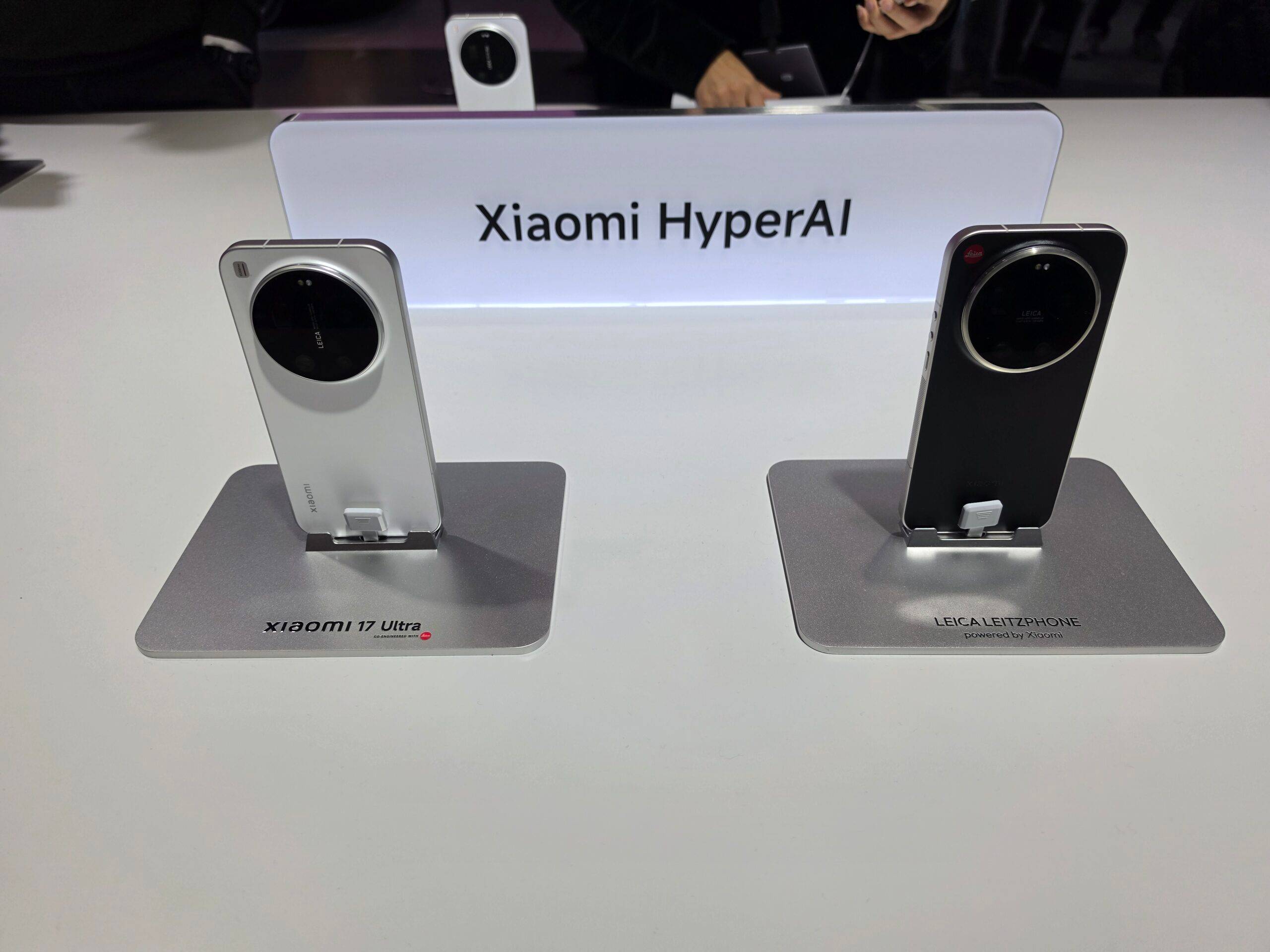
It is built around the promise of a stellar camera system, and it delivers on that with a 1-inch LOFIC sensor that handles low light better than most phones in its class. The Leica camera system also gets a refined treatment this time around, making the whole shooting experience feel more polished from end to end.
We have our full review of the Xiaomi 17 Ultra up on the website, and our in-house expert sums it up well by calling it Xiaomi’s best camera phone to date. If photography is the main reason you buy a phone, the phone is meant for you. It is less of a smartphone with a good camera and more of a camera that happens to be a smartphone.
Most Promising Camera Phone: Vivo X300 Ultra
Vivo brought the X300 Ultra to MWC 2026 and confirmed a global launch for the device the very same month. It was on display with the new Zeiss 400mm Extender Kit attached, and the whole setup looked purpose-built for professional photography. The white colourway and the dedicated mounting case made sure it caught attention on the show floor.
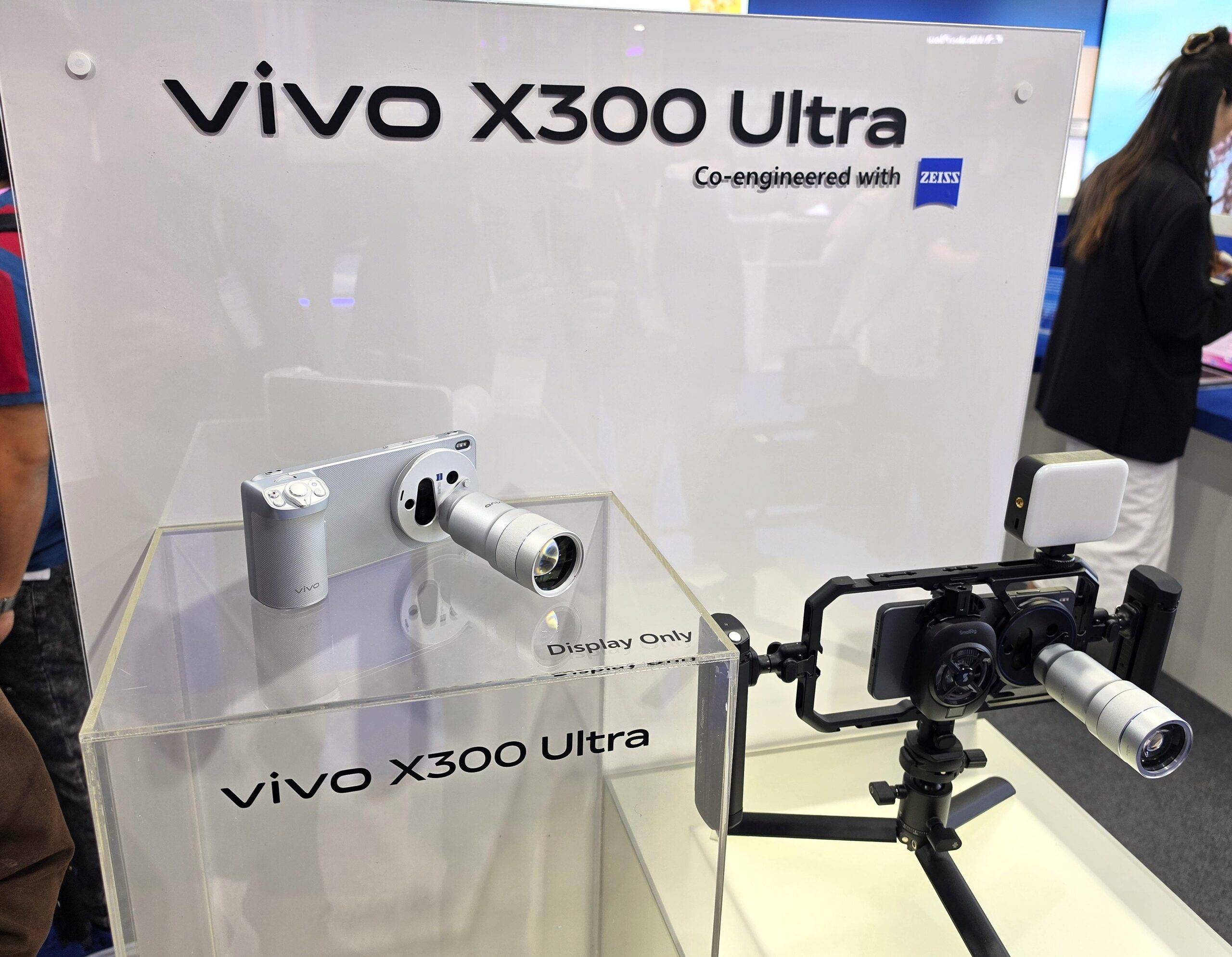
The highlight here is the new telephoto kit. As per some recent leaks, the 400mm teleconverter can push all the way to 1600mm, delivers a 200MP output at 17.4x zoom, and holds CIPA 4.5 image stabilisation even with the converter attached. The full Zeiss lens lineup spans 14mm all the way to 400mm, covering every major focal length that a photographer would actually need. If the X300 Ultra delivers on this promise when it hits the market, it will be a very hard phone to ignore for photography enthusiasts, which makes it a worthy recipient of this award.
Best Foldable Smartphone: Motorola Razr Fold
Motorola has spent years giving Samsung a challenge in the flip segment with its more affordable but very capable Razr flip phones, but this new Razr Fold signals a big shift. This is the brand’s first serious attempt at a book-style foldable, and it does not feel like a first draft. Our hands-on experience with this device at MWC left a deep impression. The build quality holds up on close inspection, the hinge feels sturdy, and the 8.1-inch display inside is large enough to make the form factor feel worthwhile.
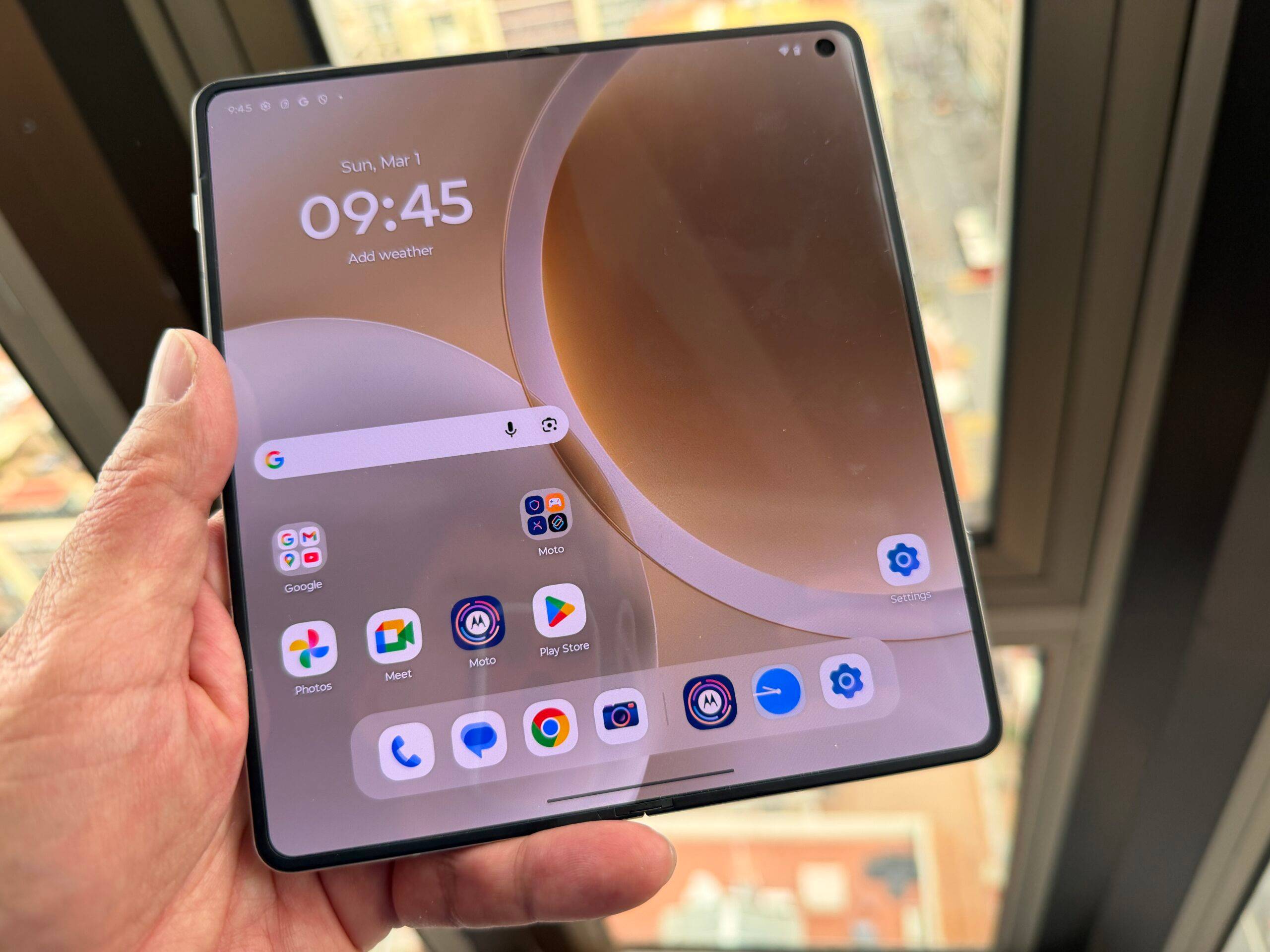
What makes it a good challenger is that Motorola has not cut corners here. The camera system scores 164 on DXOMARK, which puts it ahead of every other foldable on the market right now, and the phone is rated for 10 years of everyday use with 7 years of software updates. Samsung has owned this space for a long time, but the Razr Fold arrives with enough conviction to make buyers think twice before defaulting to the obvious choice.
Best Mid-Range Smartphone: Nothing 4(a)
Nothing has always played the design card in a segment where most phones look identical, and the Phone (4a) makes that case better than most. First revealed at MWC 2026, the Phone (4a) keeps the brand’s signature transparent back, a detail that sounds simple but does more for shelf appeal than any specification on paper. You can check out our first impressions of the device here to know more about the phone.
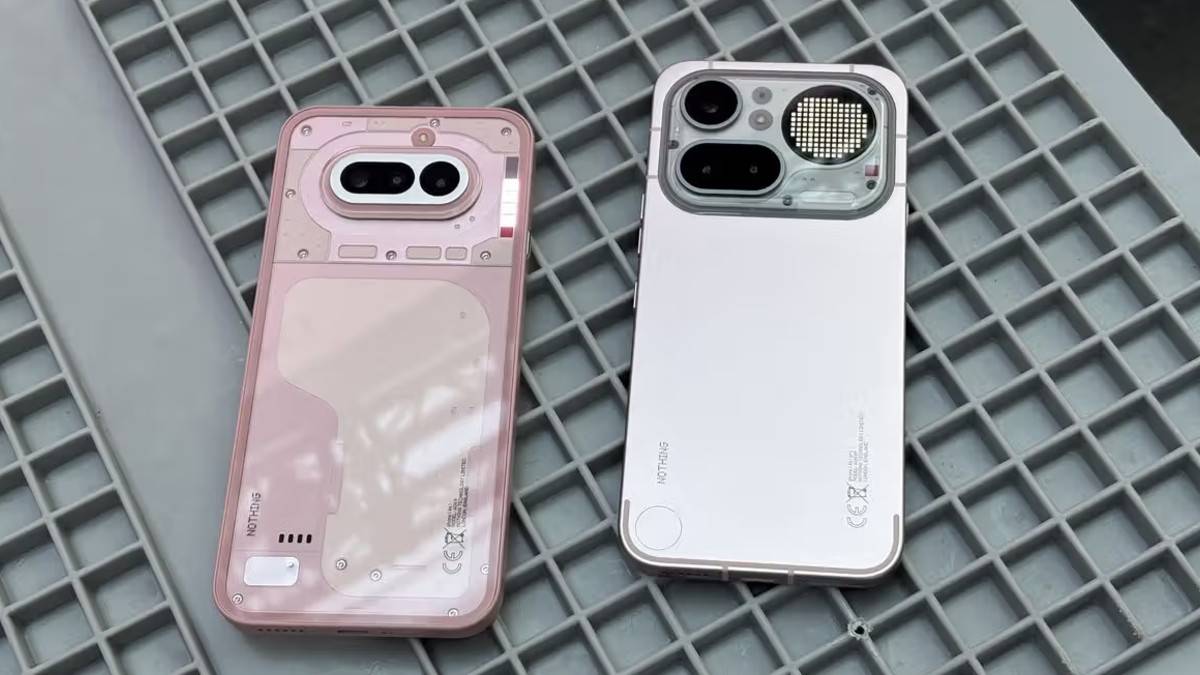
What earns the Phone (4a) this spot is that it does not try to punch above its weight in ways that feel forced. It sets a clear price point, backs it up with a capable camera system and a solid display, and delivers a satisfactory everyday experience that matters for mid-range buyers. In a segment full of phones that look and feel interchangeable, Nothing gives buyers a good reason to pick it over the crowd.
Best Connected Tech Ecosystem: MediaTek
MediaTek came to MWC 2026 with a big story to tell. Its “AI for Life: From Edge to Cloud” showcase covered phones, smart glasses, in-car systems, home devices, and data centre hardware, all presented as parts of the same connected picture rather than separate product lines.
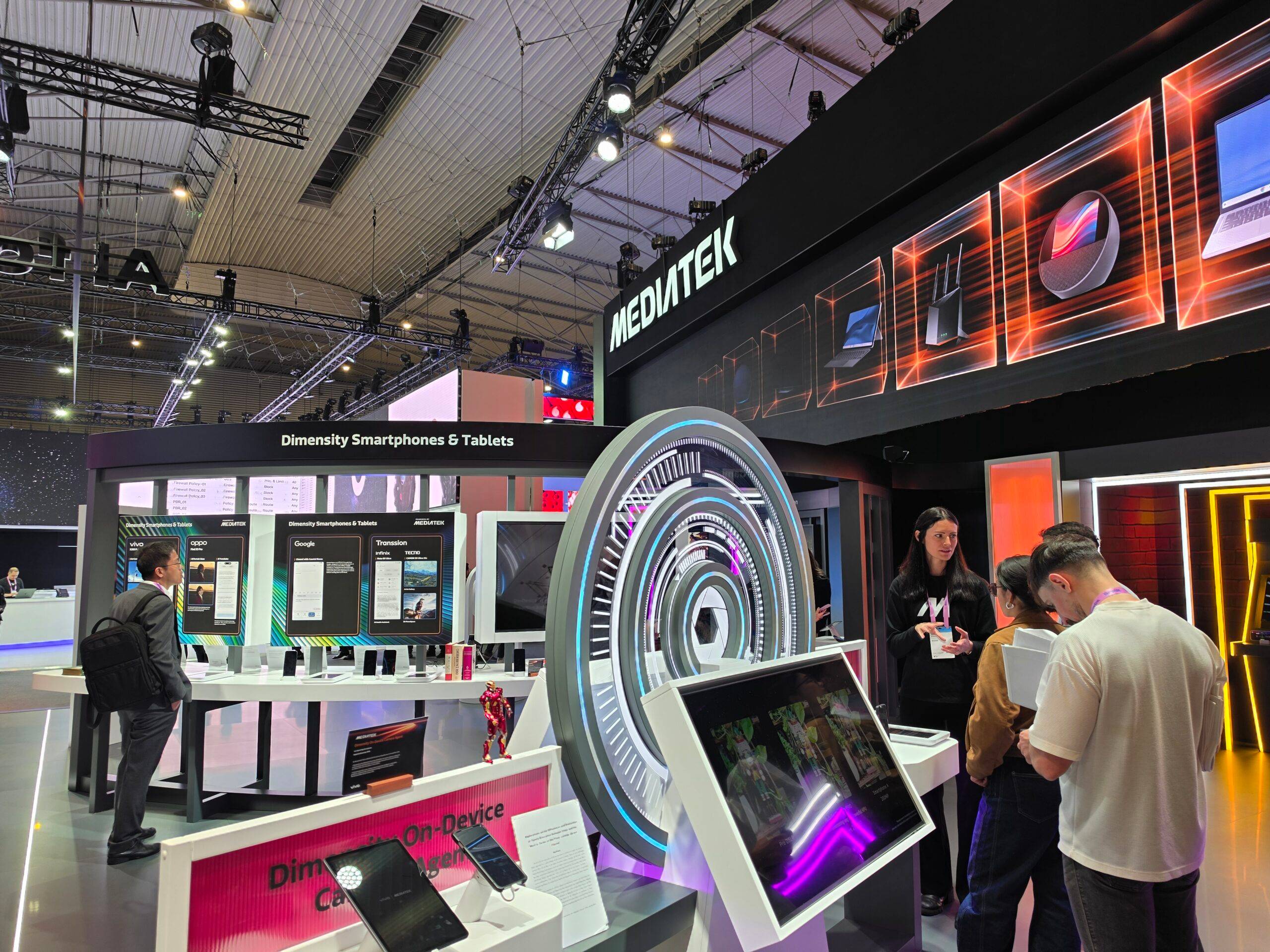
The demos made that vision feel only more real as MediaTek showed a 6G radio interoperability test, a 5G-advanced router with Wi-Fi 8, and a live satellite video call from inside a car. The thread connecting all of it was the idea that AI should work across your devices without you having to think about it, no matter the network. That is a wide ambition, and MWC 2026 was where MediaTek made the clearest case yet that it has the technology to back it up, making it the clear choice for this award.
Best Concept Smartphone: Tecno Modular Concept
Tecno’s modular concept phone was one of the more interesting ideas on the MWC 2026 show floor. The base device is incredibly thin at around 4.9mm, and the whole idea is that you snap on only the hardware you actually need, using magnetic modules for extra battery, additional camera modules, or even off‑grid communication.
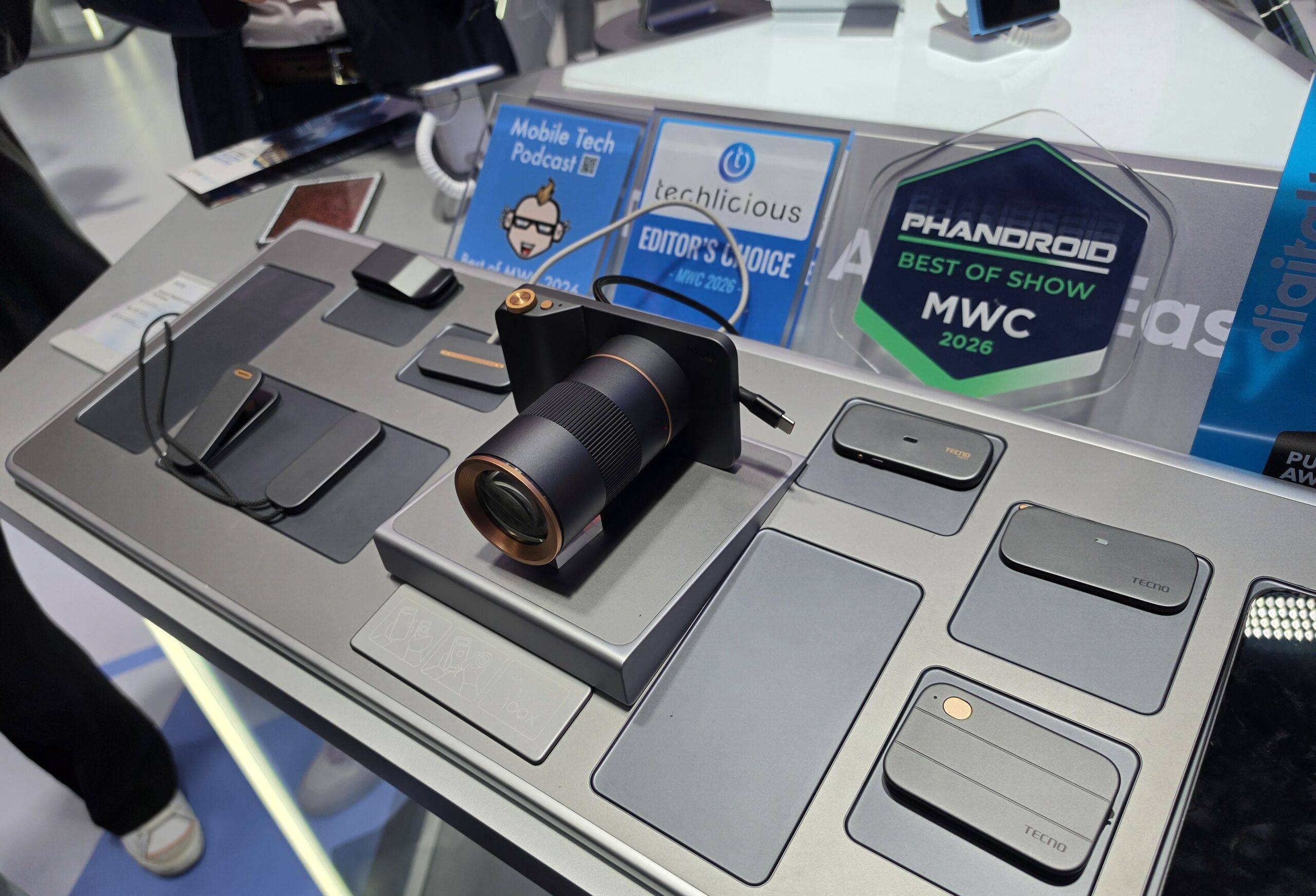
What was impressive to us was how practical that felt compared to older modular experiments. On its own, the phone is light and easy to carry, and when you add a camera grip, a telephoto lens, or a stackable power bank, it starts to feel like a tool built for a specific day rather than a tech demo. It is still very much a concept, but as a look at how modular phones could work in real use, Tecno’s take was one that felt worth keeping an eye on.
Advancement in AR/XR Technologies: Qualcomm
Qualcomm’s booth at MWC 2026 emphasised how AI-native architectures will be fundamental to 6G. The showcase that stood out for us was the large assortment of smart glasses and AR/XR headsets on display. The Snapdragon XR platform already sits at the core of several headsets and smart glasses in the market, and that seems to be only growing as more brands look to build lighter, more capable AR hardware.
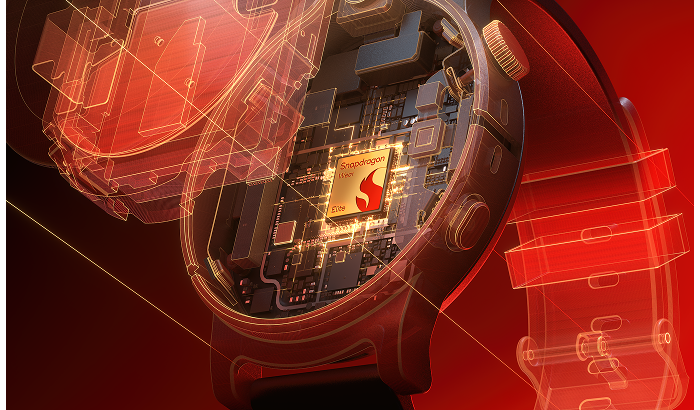
What made Qualcomm’s showing even more relevant this year was the Snapdragon Wear Elite, a platform aimed at smaller devices like smart glasses and AI-enabled accessories. It keeps the broader XR ecosystem moving, and it gives brands a good base to build from without starting from scratch.
Best Innovation: Lenovo Go Fold Concept
The Legion Go Fold is still a concept, but it was one of the more interesting things Lenovo brought to MWC 2026. The idea is pretty straightforward here: take a gaming handheld, give it a foldable screen, and let the device shift between different modes depending on what you need. When folded, it works like a regular handheld you’d use. Once you open it up, you get a much larger display with detachable controllers that rearrange around it.
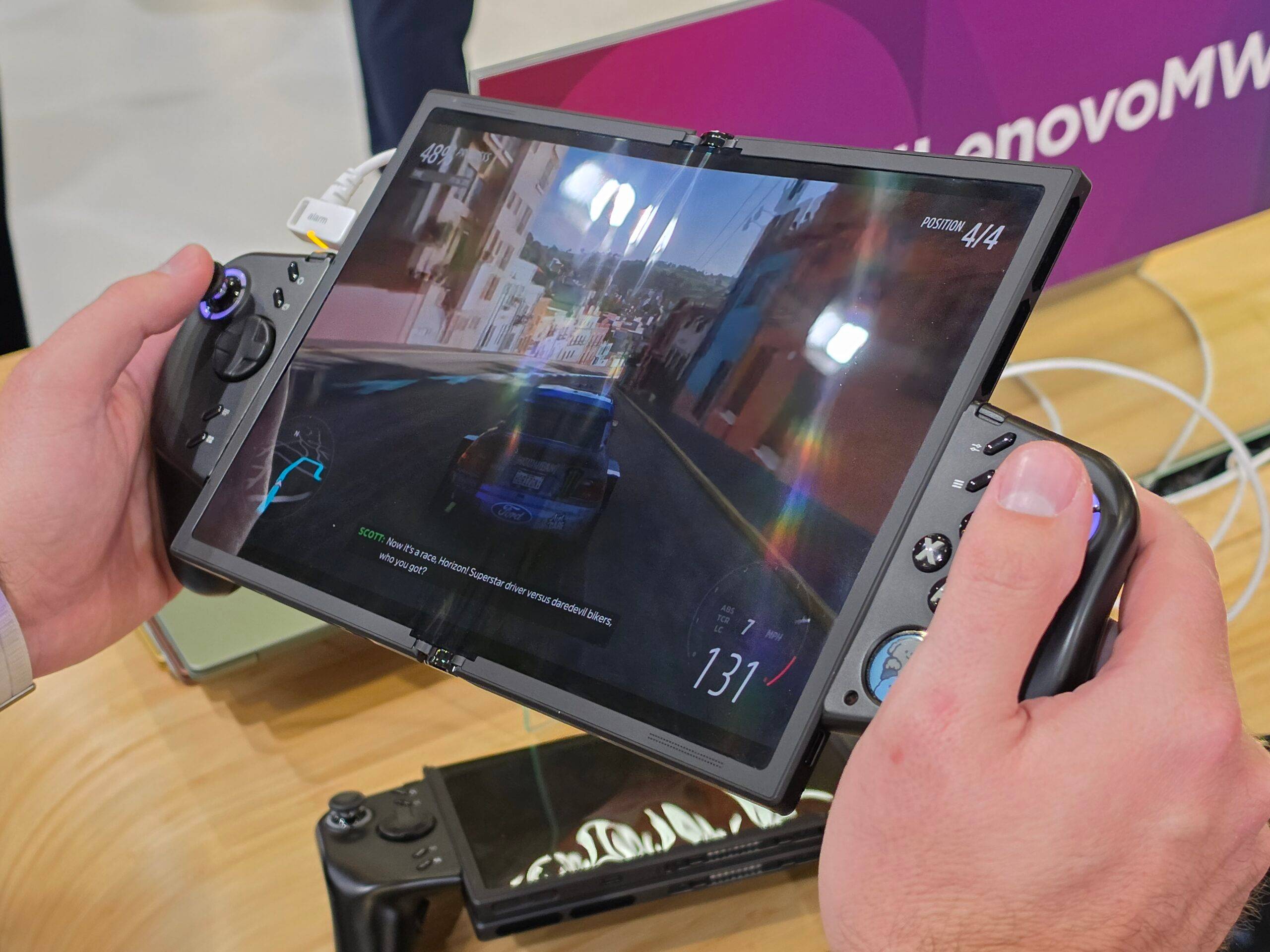
What caught our attention is how it does not try to be restricted to one single thing. You can game on it, prop it up in a split view for two things at once, or clip on a keyboard and use it closer to, say, a small laptop. None of that is confirmed for a real product yet, but as a look at where portable gaming could go, it was a pretty fresh idea at a show that had plenty of foldables.
Most Immersive Booth Experience: Samsung
Samsung always has a big presence at MWC, and this year was no different. The booth was split across multiple zones, covering everything from the Galaxy S26 series to AI features across phones, tablets, and wearables, and there was enough to keep you busy for a good while without it feeling like a product catalogue walk.
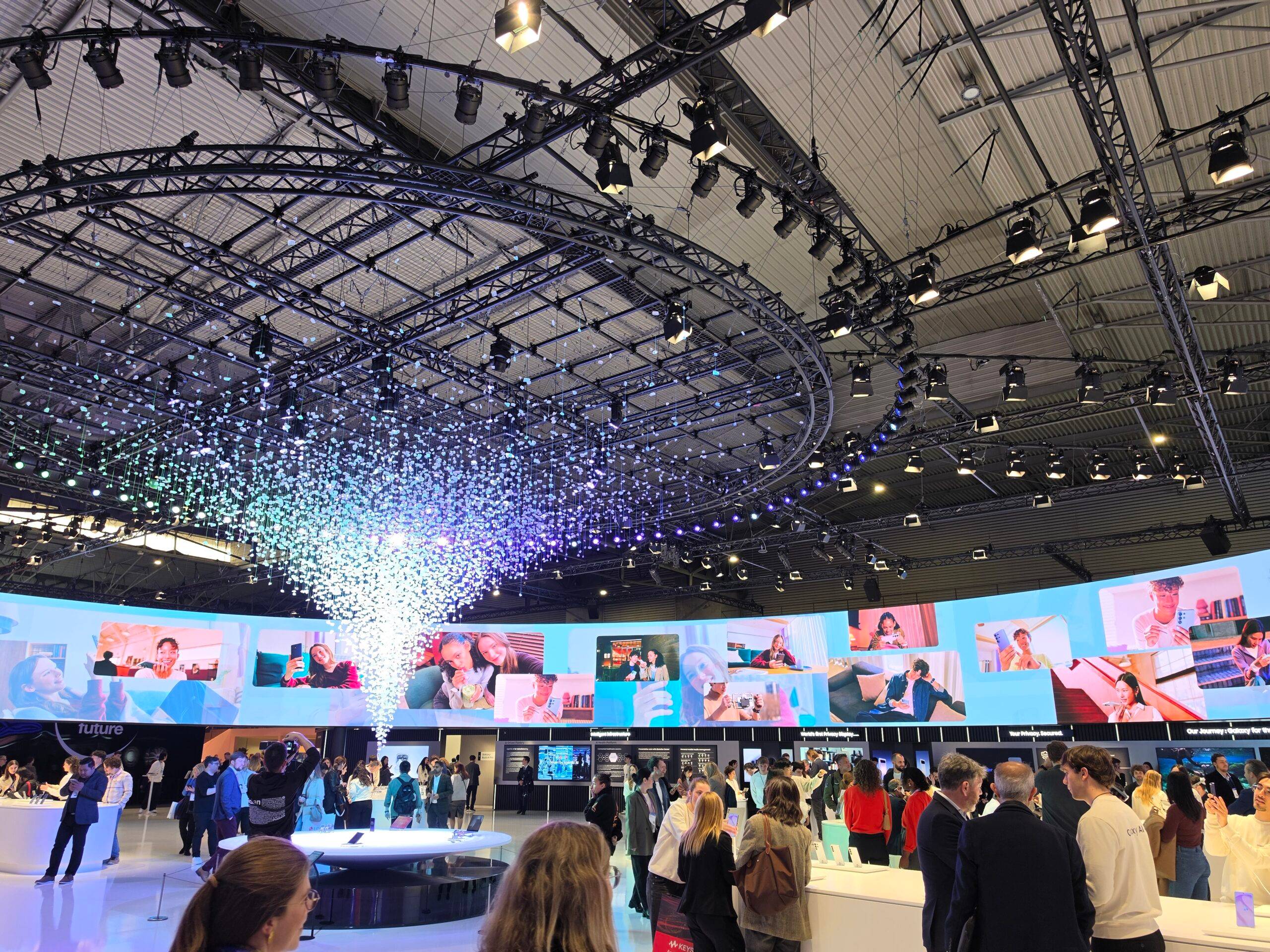
The whole hands-on experience of the booth felt quite different from the others. Each zone was set up for you to try things rather than just look at them, and the variety meant there was something new around every corner. It left a strong enough impression to warrant a win in this category.