At MWC 2026 in Barcelona, TCL CSOT revealed its next-generation display technologies with the theme “Super Pixel Beyond Limits.” The company introduced its new Super Pixel architecture and showed significant improvements in inkjet-printed OLED (IJP OLED). It focused on performance, efficiency, and sustainability.
Super Pixel aims to redefine display performance.
TCL emphasised Super Pixel as its latest advancement in pixel architecture. Instead of just increasing resolution, the company redesigned its sub-pixel arrangements. This should improve clarity, efficiency, and refresh performance.
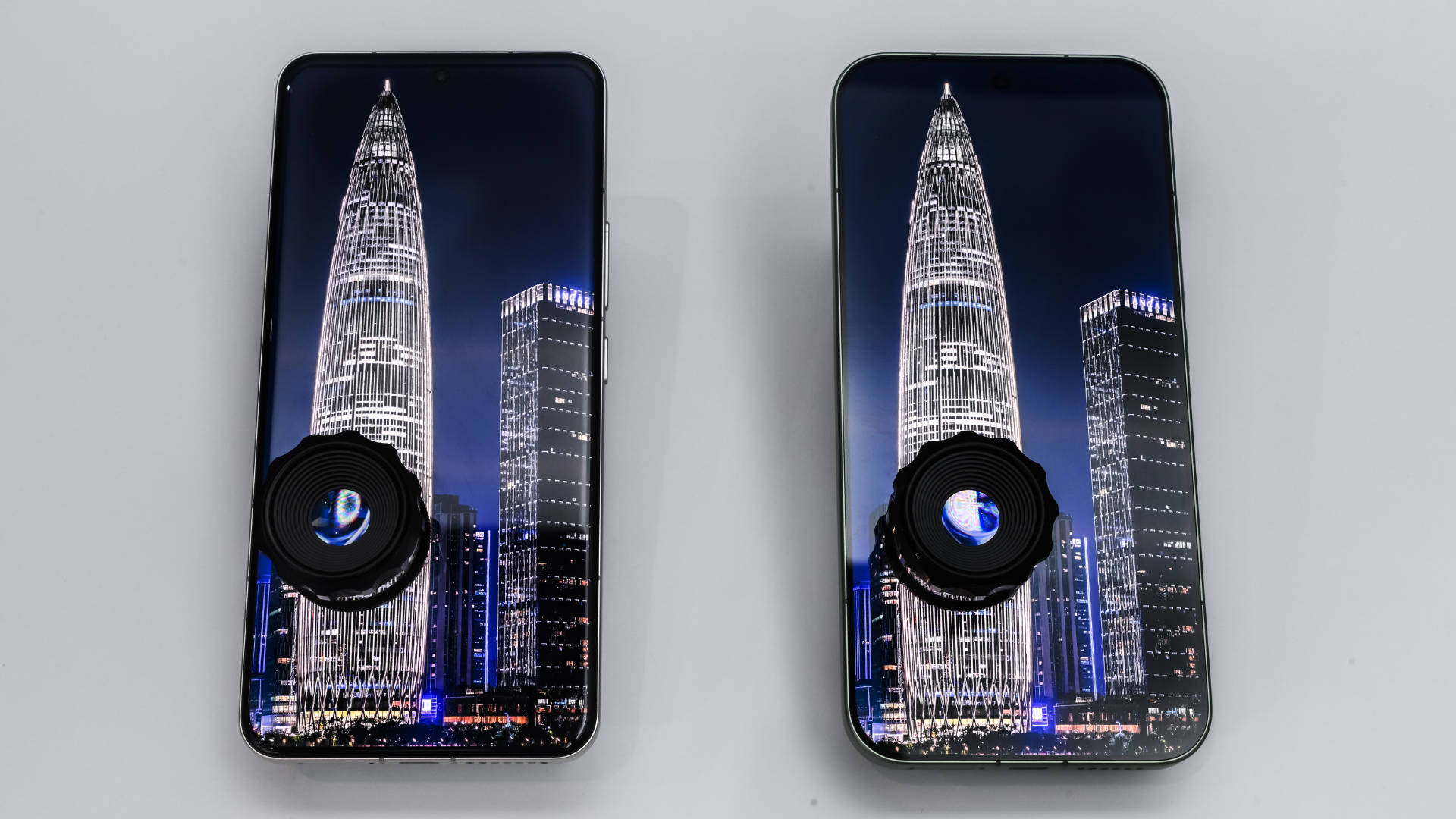
According to TCL, Super Pixel increases sub-pixel density by about 1.8% for sharper visuals. It also cuts energy use by up to 25% while keeping image quality. Additionally, it supports refresh rate improvements of up to 40%, allowing for smoother motion in everyday applications.
The technology debuted in three 6.9-inch mobile panels: a high-clarity version, a low-power model, and a high-refresh-rate option. For consumers, this means that if battery life, visibility outdoors, and practical usability are priorities, especially in mid-to-high-end phones, panels built on efficient architectures like Super Pixel may deliver better everyday performance.
Inkjet-Printed OLED moves closer to large-scale production.
TCL also expanded its focus on IJP OLED technology. Unlike traditional OLED manufacturing, inkjet printing makes production easier, reduces material waste, and may lower costs at scale.
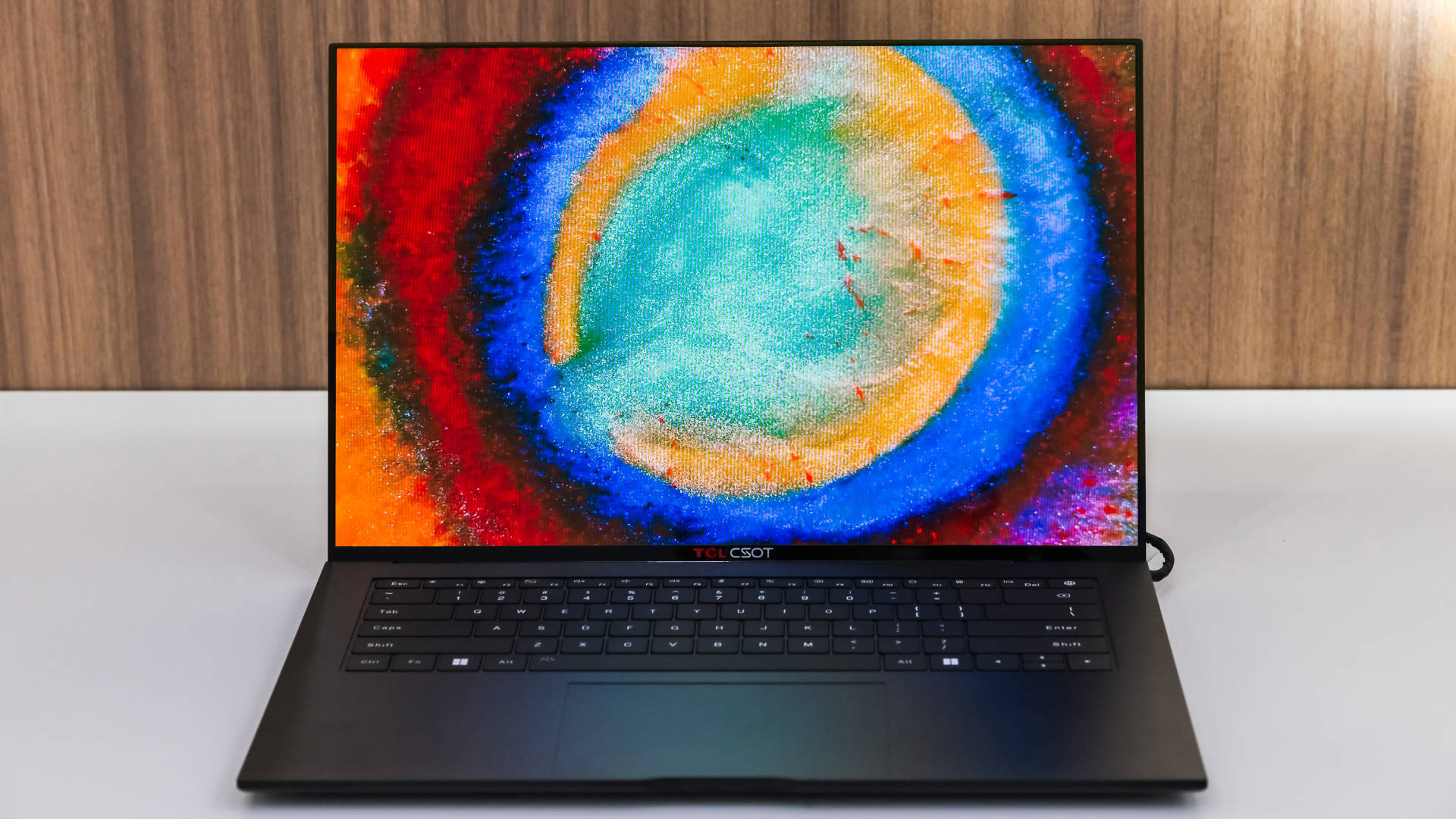
The company has started building what it calls the world’s first 8.6-generation IJP OLED production line. At MWC 2026, it showcased several world-first products made using this method.
One of these is a 14-inch ultra-thin rigid IJP OLED notebook display, which is just 0.77mm thick and weighs under 77 grams. TCL claims this makes it about 50% lighter than standard options.
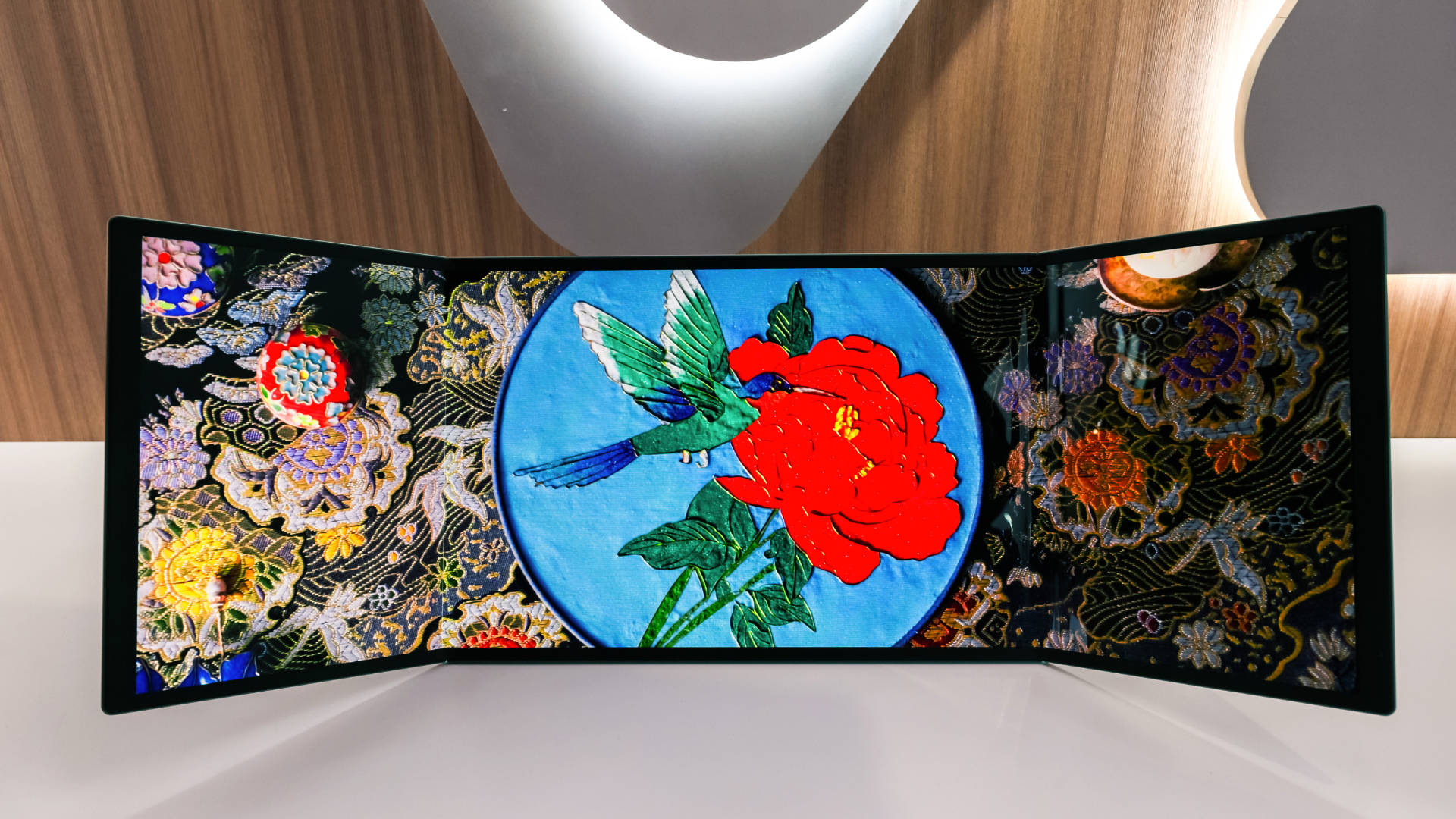
TCL also displayed a 28-inch foldable IJP OLED monitor with a tri-fold design. The display changes from a compact 16-inch size to a 28-inch ultra-wide screen. With a thickness of 4.48mm when unfolded and a folding radius of 1.8mm, TCL promotes it as a portable productivity solution.
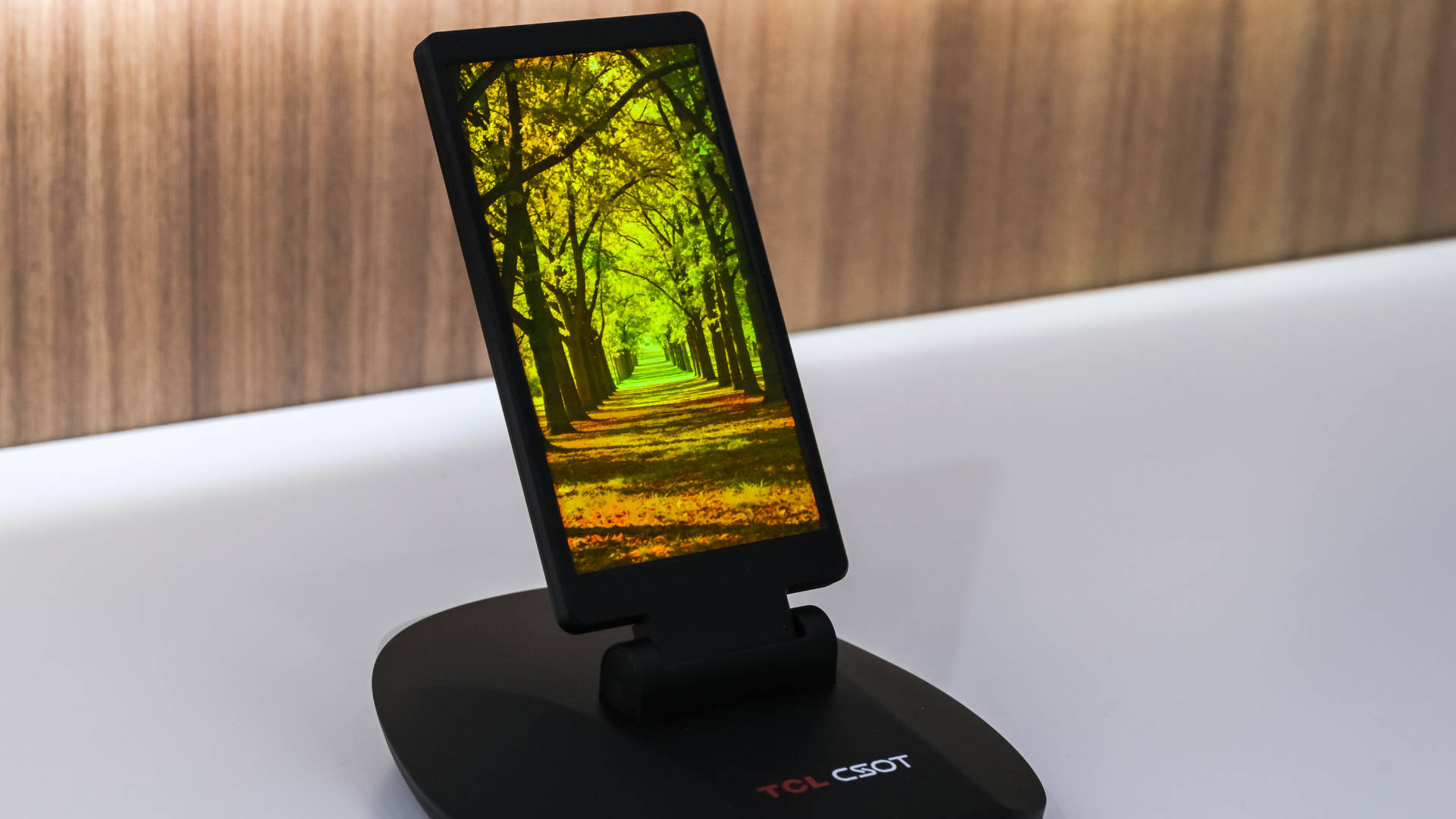
Another highlight is a 5.65-inch Real Stripe RGB IJP OLED mobile panel. It offers 390 PPI resolution and features a true RGB stripe layout to enhance fine-text rendering and colour accuracy.
APEX philosophy focuses on experience, efficiency, and imagination
TCL CSOT grouped these technologies under its APEX framework. It stands for Amazing display experience, Protective eye health, Eco-friendliness, and eXtreme imaginative potential. Under the “Amazing” category, the company showcased what it claims is the world’s brightest OLED mobile display. It can reach 15,000 nits peak brightness for improved readability in sunlight.
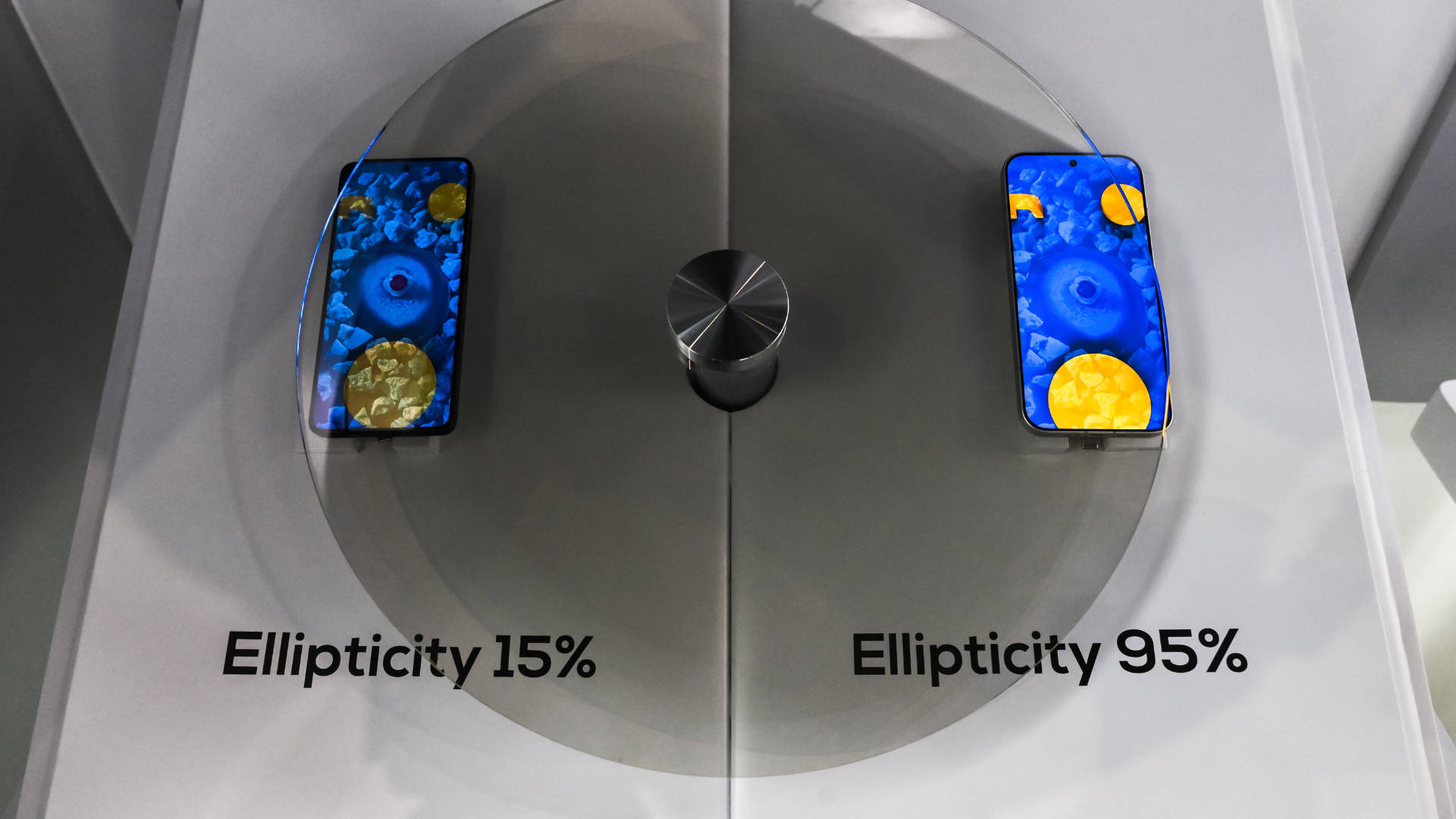
For eye protection, the brand unveiled a Natural-light-certified OLED mobile display. It uses a second-generation circular polariser to cut glare and improve contrast. The panel aims to mimic natural light to lessen eye strain.
On the sustainability front, TCL displayed a low-power OLED mobile display that cuts power use by up to 45% through tandem light-emitting structures and a polariser-less process.
Finally, under the “X” category, TCL presented a 0.05-inch silicon-based Micro LED display designed for AR glasses. It boasts a pixel density of 5,080 PPI and peak brightness exceeding 4 million nits, while consuming less than 10mW of power.

That said, CSOT’s latest display innovations could significantly impact future smartphone development. By enhancing panel efficiency and lowering power consumption, technologies like Super Pixel and low-power OLED can improve battery life or allow for slimmer designs. The push for extreme brightness also tackles practical usability, especially outdoors. At the same time, advancements in inkjet-printed OLEDs may make premium display quality more accessible.
Together, these developments prioritise efficiency, scalability, and real user benefits over raw specifications. Compared to competitors like Samsung’s AMOLED, LG’s OLED, and BOE’s advanced panels, TCL CSOT focuses on the efficiency and scalable manufacturing of its Super Pixel and IJP OLED technologies, rather than just pursuing higher resolutions or refresh rates.
Meanwhile, Samsung leads in overall panel quality and ecosystem integration. LG’s OLED is known for its colour accuracy and cinema-level performance. TCL emphasises power efficiency, extreme brightness, and innovative designs like ultra-thin and foldable displays. These advancements could greatly benefit future smartphones and portable devices.