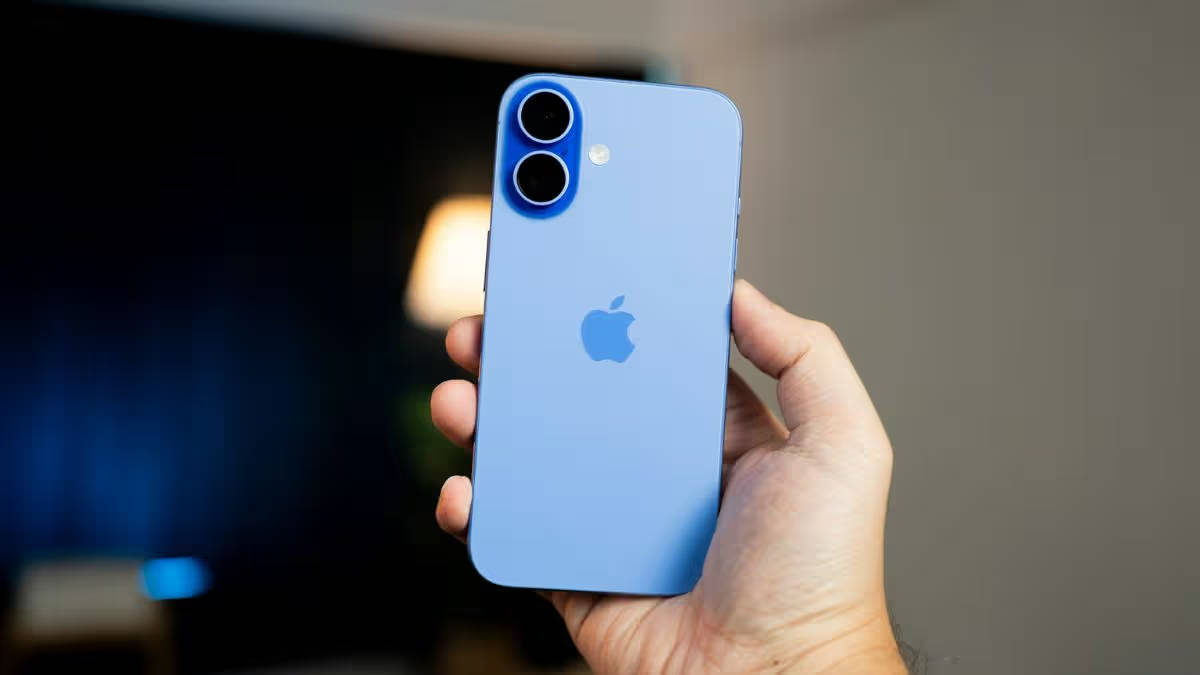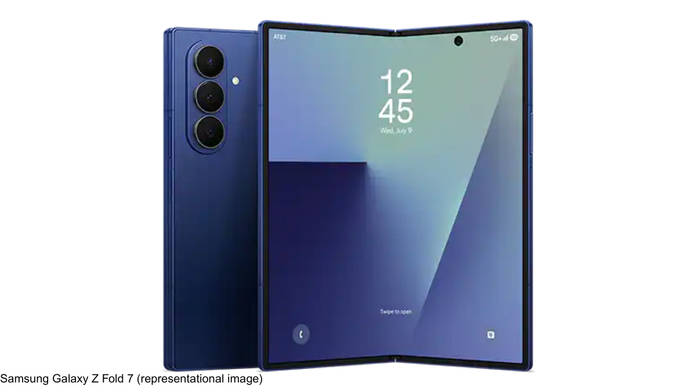
Apple is expected to launch its first foldable iPhone in 2026, says Bloomberg’s Mark Gurman in a recent Power On newsletter. It will likely be a premium device with a book-style folding design, similar to the Samsung Galaxy Z Fold 7. While Apple’s most significant Android rival, Samsung, has already released seven generations of foldables, Apple has yet to release its first. But in classic Apple fashion, arriving late might be part of the plan.
Gurman reiterates a familiar narrative: Apple enters late, but when it does, it reshapes the category. The iPhone wasn’t the first smartphone. The iPad wasn’t the first tablet. But both became industry benchmarks. The same could happen with foldables: a category that has been steadily evolving, but still hasn’t broken into the mainstream in a way that slab-style smartphones once did.
Samsung deserves credit for pushing the segment forward. Its latest lineup, including the Galaxy Z Fold 7, Z Flip 7, and the more affordable Z Flip 7 FE, reflects years of research and development, design iteration, and growing consumer interest. Early impressions and pre-order data suggest that foldables are finally becoming viable daily drivers, at least in the Android space.
Interestingly, Apple is reportedly sourcing key components, including the folding OLED panel, from Samsung Display. That means Samsung could benefit twice, once from selling parts to Apple, and again if Apple’s entry drives wider adoption of foldables.
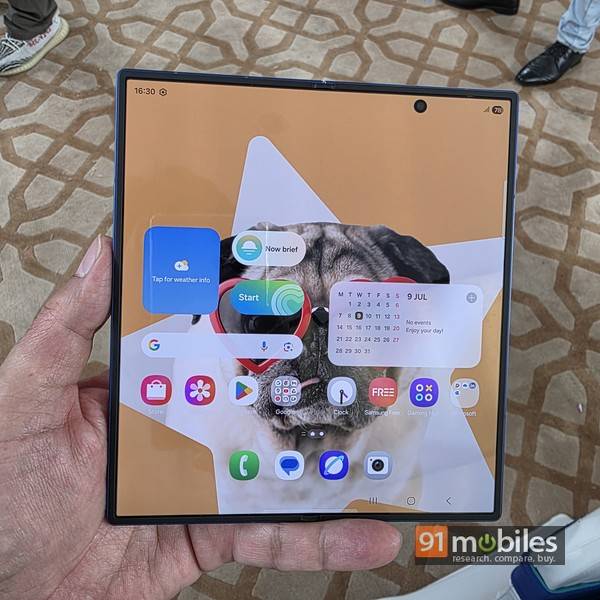
But beyond supply chains and timelines, what makes Apple’s potential entry significant is its ability to mainstream new formats. Foldables are still seen by many as niche, expensive, and fragile. What Apple brings isn’t just brand power or polish, but a track record of solving those pain points through tight hardware-software integration. iOS on a foldable could feel radically more refined than anything Android has offered so far. According to Gurman’s latest report, iOS 27 will “prioritise” software features tailored for Apple’s upcoming foldable.
And let’s not forget China, one of the world’s most important smartphone markets and a region where Gurman says interest in foldable devices is surging. This, according to Gurman, is one of the reasons behind Apple’s decision to work on a foldable. A foldable iPhone could help Apple reassert its dominance in the region as it fends off rising competition from brands like Huawei and Vivo. The company also has the scale and marketing muscle to shift perception at a global level.
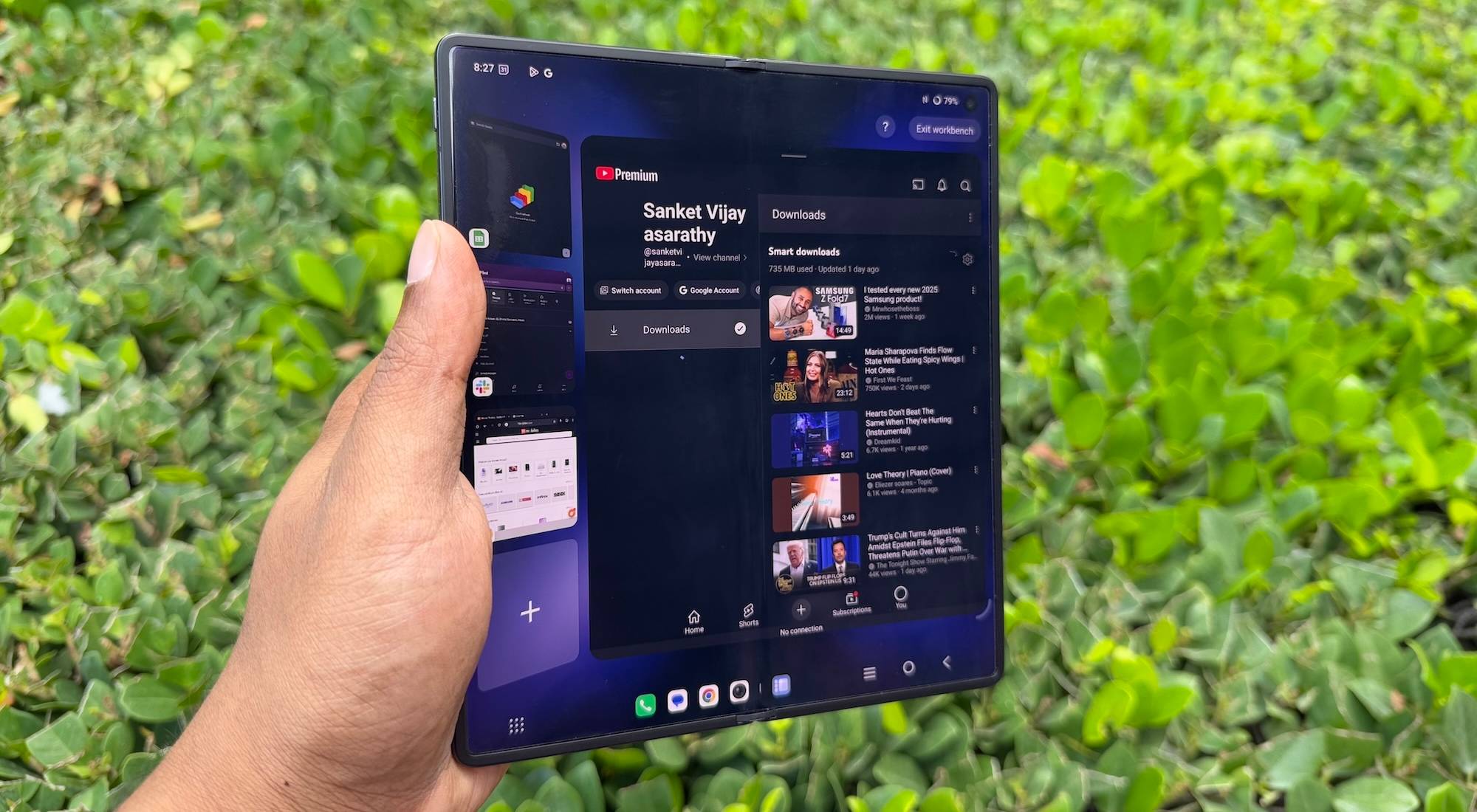
By waiting, Apple has had the chance to observe what works and what doesn’t. It has seen the issues around creases, hinge durability, and poor software optimisation in some foldables. It has also witnessed user hesitation around form factor tradeoffs. All of this gives Apple a rare advantage: the opportunity to skip the awkward first chapters and start on a more refined page.
And if Apple delivers a foldable that looks and feels unmistakably Apple-polished, seamless, and intuitive, it could attract not only loyal iPhone users but also Android users who have been on the fence. That, in turn, could finally make foldables mainstream, not just in South Korea or China, but globally.
In conclusion, Apple’s delay isn’t a sign of indecision. It seems like a calculated risk. And if the company gets the execution right, the folding iPhone might not just compete with Samsung, it could validate the entire category. In doing so, Apple would do what it’s done time and again: take a good idea and make it feel inevitable.