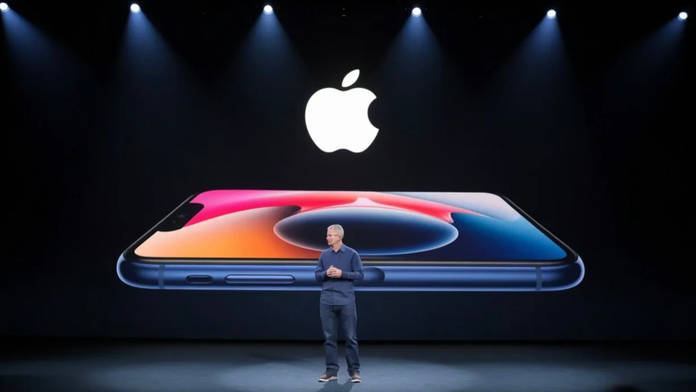
Apple has confirmed that it will start unveiling new products on Monday, March 2nd, kicking off a week of launches that could refresh nearly every corner of its lineup: iPhones, Macs, iPads, and its home devices. In a post on X, Apple CEO Tim Cook wrote, “A big week ahead. It all starts Monday morning!” along with the hashtag #AppleLaunch, hinting that Apple plans to space out announcements over several days before wrapping up with an invite‑only Special Experience on March 4th.
A big week ahead. It all starts Monday morning! #AppleLaunch pic.twitter.com/PQ9gM2Gl2r
— Tim Cook (@tim_cook) February 26, 2026
Apple hasn’t officially said what it’s bringing like always, but leaks and reports point to a full ecosystem refresh. The likely lineup includes the iPhone 17e, new MacBook Pro models with M5 Pro and M5 Max chips, a refreshed MacBook Air with the standard M5, a new lower‑cost MacBook, updated iPad models, and upgrades to devices like the Mac Studio, Apple TV 4K, HomePod mini, and Studio Display.
iPhone 17e: same design, refreshed internals
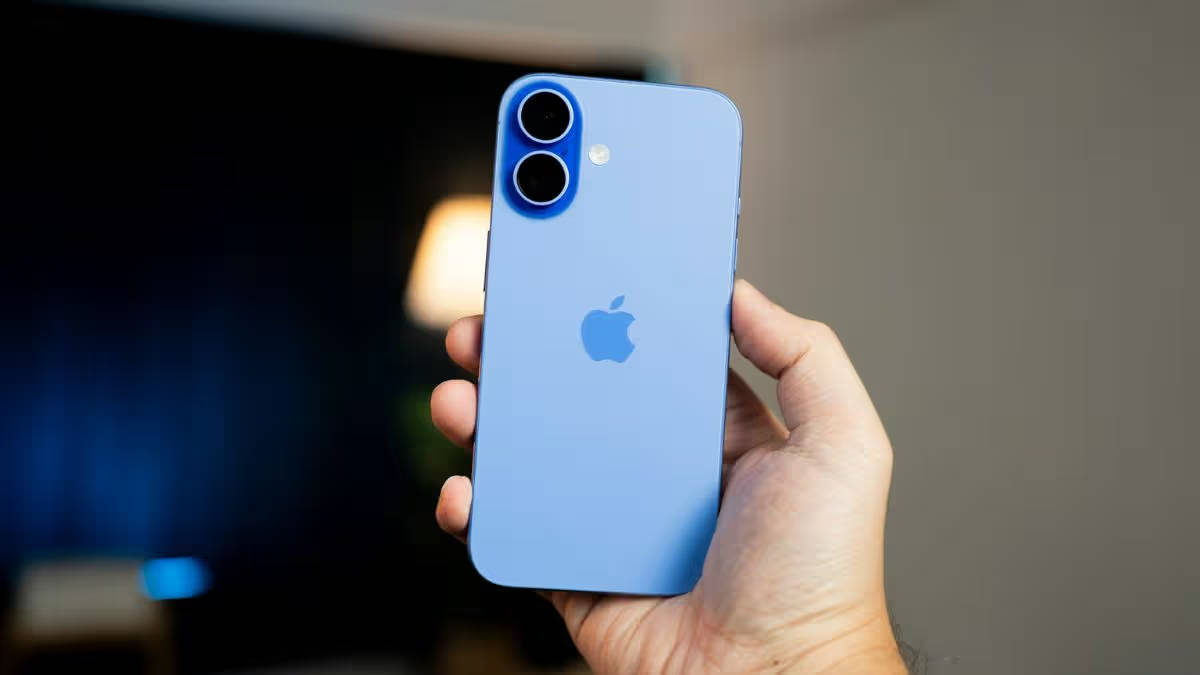
The iPhone 17e (roundup) is expected to stick to Apple’s continuing strategy with the cheaper iPhone: keeping the design conservative and bringing newer silicon down to a more affordable tier. After the iPhone 16e upgraded to the A18 chip, the 17e is rumoured to move up to the A19 processor used in the mainstream iPhone 17 line. That should mean better overall speed, stronger graphics, and smoother on‑device AI features, without a full‑blown redesign. The phone is said to keep the same 6.1‑inch display with a notch, a single 48MP rear camera, and a 60Hz panel without always‑on display. Possible tweaks include slightly slimmer bezels, Dynamic Island, MagSafe support, and a boosted 18MP front camera with Centre Stage for better framing in video calls.
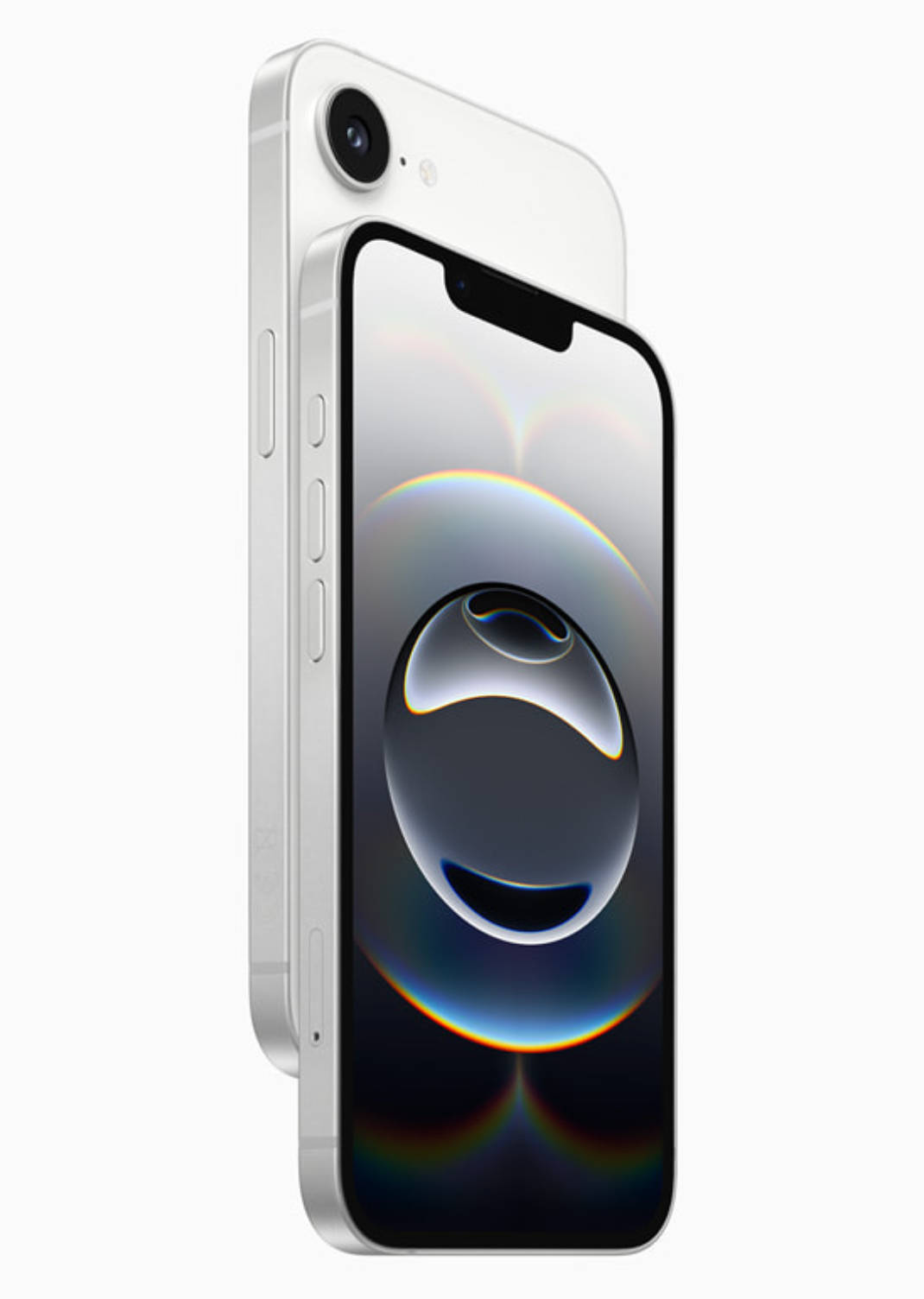
In markets like India, the iPhone 17e will sit in the same space as Samsung’s Galaxy S FE variants and Google’s Pixel A series. Buyers who care about long‑term software updates, strong resale value, and tight integration with an iPhone and Mac ecosystem will likely see it as a solid everyday phone. Those who put a premium on high‑refresh‑rate screens or more flexible camera setups may still lean toward Android alternatives.
New MacBooks plus a cheaper entry
Apple is expected to refresh its MacBook Pro lineup by introducing 14‑inch and 16‑inch models with M5 Pro and M5 Max chips. These are aimed at professionals who need sustained performance for video editing, coding, and 3D or motion work. There’s no report of a major design overhaul, so the upgrade decision will mostly come down to whether the extra performance and efficiency are worth the cost for current users.
The MacBook Air is also likely to get a subtle refresh, moving from the existing M4 chip to the standard M5 while keeping its slim, lightweight design and long battery life intact. If Apple adds the N1 networking chip, users could see steadier Wi‑Fi and Bluetooth performance, which matters for remote workers and anyone juggling cloud‑based workflows.
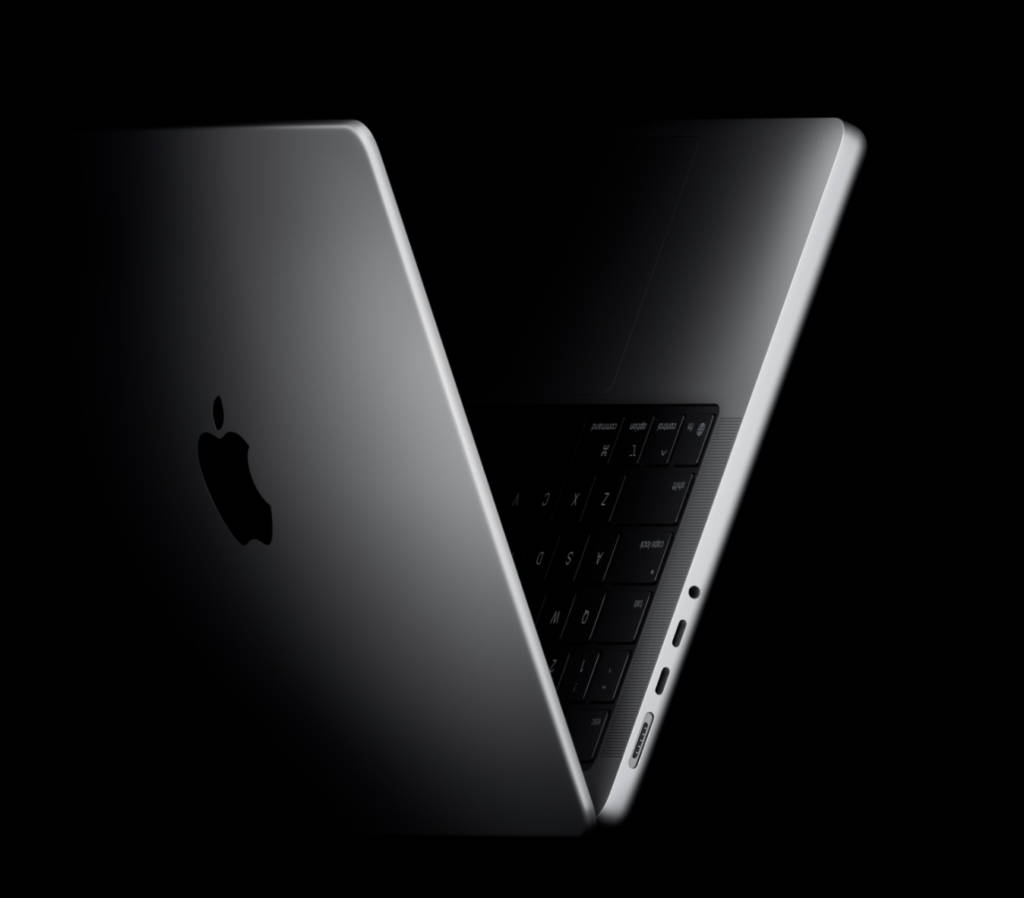
Most interesting is the rumoured lower‑cost MacBook, widely expected to run on an iPhone‑class A18 Pro chip. Performance is said to approach that of M1‑based Macs in many everyday tasks, which could make it a real contender for students and casual users. A smaller display, simpler chassis — possibly a mix of aluminium or even plastic — and slightly lower brightness could help Apple hit a starting price between USD 599 (around Rs 55,000) and USD 699 (around Rs 64,000). If that materialises, the machine will go up against budget Windows laptops from HP, Lenovo, and ASUS, giving newcomers a gentler way into the Mac ecosystem without the usual price jump.
Looking beyond March, reports suggest Apple is also working on touchscreen MacBook Pro models for late 2026. These are said to feature OLED displays and touch‑friendly modes in macOS that adapt the interface when you use your fingers. For buyers planning a three to four‑year laptop life, that possibility might make it worth waiting if they’re drawn to a hybrid laptop‑tablet experience.
iPads
Apple is expected to refresh both its entry‑level iPad and the iPad Air, with the focus almost entirely on newer chips rather than redesigns. The next base model — likely called the iPad 12 — is tipped to move from the A16 to either an A18 or A19 chip, depending on the report. Either way, it would be a step up from the current iPad 11, mainly in performance and power efficiency. The device is expected to keep its 11‑inch Liquid Retina display and start at 128GB of storage, making it a more comfortable option for students who need room for apps, notes, photos, and videos. For buyers weighing discounted older iPads, the extra longevity and smoother multitasking may be enough to justify the small extra cost.
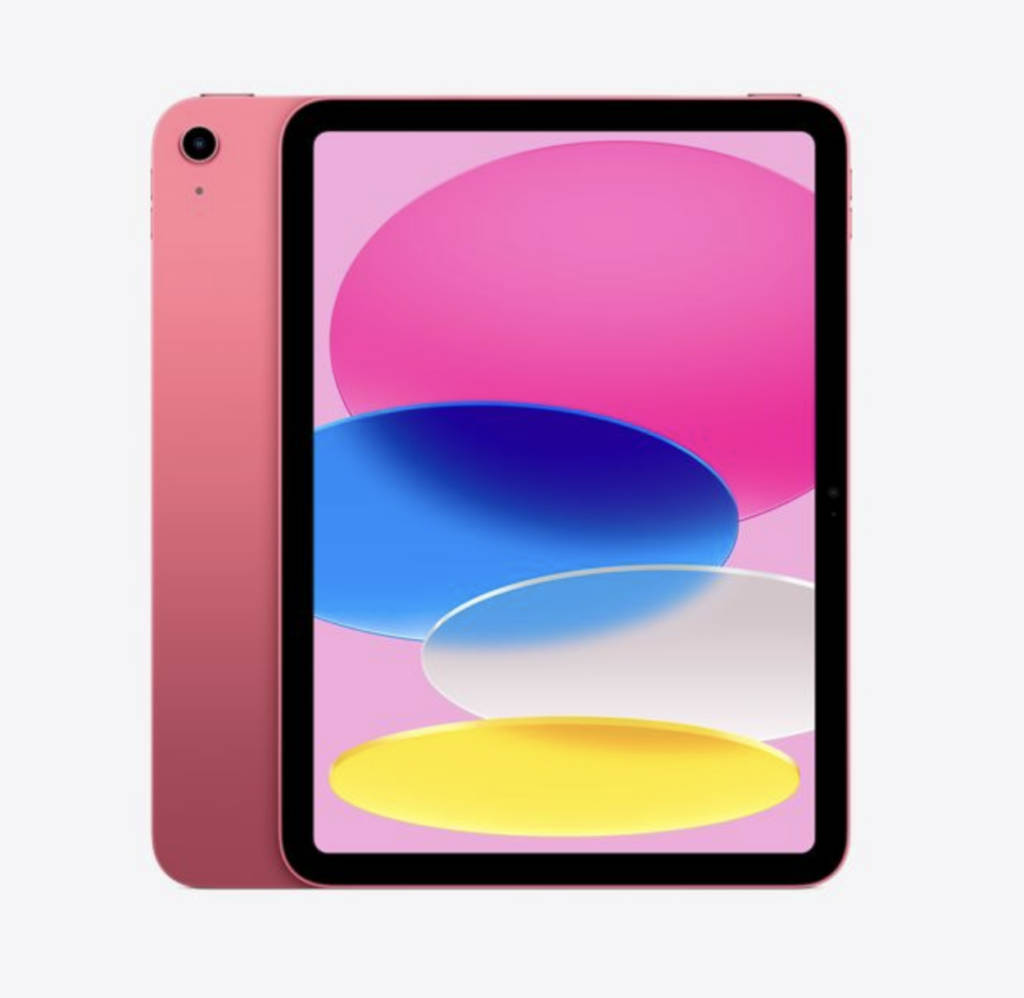
The iPad Air is also expected to move from the M3 to the M4 chip, while keeping its 11‑inch and 13‑inch sizes. The current M3 version could bring slightly longer runtime along with faster multitasking and smoother Apple Intelligence‑style features. For users who want a tablet that can reliably handle light work, note‑taking, and light creative apps, the Air is likely to stay the sweet spot.
Desktop Macs and displays
On the desktop side, Apple is reportedly preparing an updated Mac Studio with M5 Max and M5 Ultra chips, aimed at professionals in video editing, 3D rendering, and serious software development. These chips are meant to shorten render times, speed up complex workflows, and handle heavier multitasking. New Studio Displays are also expected, with mini‑LED panels and higher resolutions, including a likely 32‑inch, 6K option.
Home and entertainment
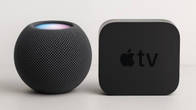
Apple is also expected to refresh its living‑room and smart‑home lineup. The next Apple TV 4K is rumoured to run on an A18 or A17 Pro chip, which could unlock more AI‑driven features and more responsive apps. It could have a built‑in camera, apparently added to support FaceTime calls from the TV, which would position Apple TV more clearly as a video‑call hub for the living room.
The HomePod mini 2 is likewise expected to get a newer S‑series chip and improved wireless connectivity, including Wi‑Fi 7 support.
Apple’s week‑long rollout suggests it’s less about hyping a single star product and more about tightening the whole ecosystem. Across iPhones, Macs, iPads, and home devices, the expected updates point to better performance and deeper integration.