Apple Pay to launch in India by mid-2026, in talks with major banks for rollout: report


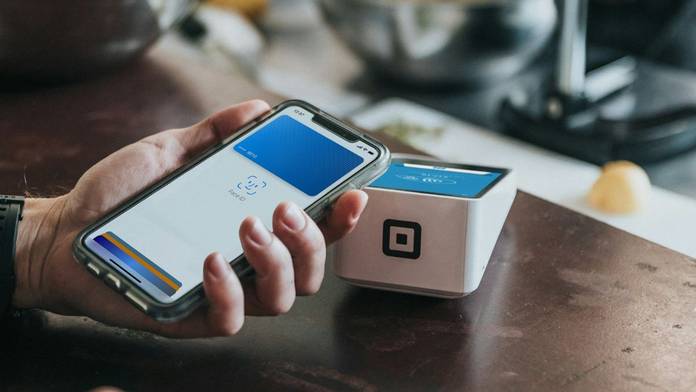
More than a decade after its global debut, Apple Pay might finally enter India, potentially by mid-2026. Launched in September 2014 in the US, Apple Pay has since expanded across major global markets. India, despite being one of the world’s fastest-growing digital payments ecosystems, has remained a notable exception. That may soon change.
It was earlier reported that Apple Pay might launch in India by the end of 2026. The iOS 26.4 beta version also hinted at this launch, further adding to the speculation. Now, another report has surfaced online, and this time by Bloomberg, with more concrete details about Apple Pay’s launch in India. Apple is reportedly in advanced discussions with leading Indian banks, including ICICI Bank, HDFC Bank, and Axis Bank, to enable card-based contactless payments at launch. The company is also said to be working with global payment networks such as Visa and Mastercard.
Show Full Article
In parallel, Apple Pay is expected to eventually support India’s government-backed Unified Payments Interface (UPI), developed by the National Payments Corporation of India. Regulatory processes are reportedly influencing the timing of full UPI integration.
India represents a strategically important market for Apple, not just because of its size, but because of its digital maturity. UPI has transformed how Indians transact, making QR-based payments nearly frictionless. As a result, Apple Pay will not be entering an emerging space but rather one that is already deeply penetrated and highly competitive.
The competitive landscape includes dominant domestic players such as PhonePe and Paytm, along with global payment services like Google Pay and Amazon Pay. These platforms are tightly integrated with UPI and have become everyday utilities for bill payments, peer transfers, merchant QR payments, and cashback-driven promotions. It’s interesting to see how Apple Pay fits into this crowd.


Apple’s primary advantage lies in ecosystem integration. Apple Pay is not a standalone app but a deeply embedded service within the iPhone and Apple Watch ecosystem. Payments are authenticated using Face ID, Touch ID, or device passcode, and card information is tokenised so that actual card numbers are not stored on the device or shared with merchants. This privacy-forward positioning aligns with Apple’s broader brand narrative around user security and data protection.
At launch, Apple Pay in India is expected to support NFC-based contactless payments for credit and debit cards, in-app purchases, and online transactions through the Apple Wallet interface. Over time, if UPI integration is fully implemented, the platform could support QR-based merchant payments and peer-to-peer transfers, allowing it to compete more directly with existing apps. Without UPI, however, its utility may initially be concentrated among a niche crowd rather than the masses.
iPhone users who frequently rely on credit cards may find Apple Pay enhances speed and security. Those who rely heavily on UPI-based QR transactions for everyday payments may see limited value unless seamless UPI support is rolled out quickly.
Ultimately, Apple’s entry into India’s payments market signals a delayed but steadily growing investment in the country. Apple opened its first official retail store in India in 2023, which has quickly expanded to a total of five stores across the country. Apple also launched its online store in India in 2023 as part of its retail expansion in the country. iPhones are undoubtedly one of the most sought-after handsets in India, despite an expansive Android market, so Apple Pay might just see a quick adoption when it finally arrives here.