OpenAI has introduced ChatGPT for Teens, a dedicated experience designed for users aged 13 to 17. The new version focuses on learning, critical thinking and responsible AI use, while adding stronger safety protections and additional controls for parents. OpenAI will automatically place users into the ChatGPT for Teens experience when it identifies them as under 18 or when they state that they are between 13 and 17.
Table of Contents
ChatGPT for Teens focuses on learning
OpenAI has built the teen experience around learning, with tools designed to help students understand concepts rather than simply provide answers. It includes Study Mode, which guides students through problems step by step, along with quizzes and learning visualisations to help them practise and understand difficult concepts. A new Responsible Homework Reminder can recognise when a student appears to be trying to shortcut an assignment and redirect them towards Study Mode instead.
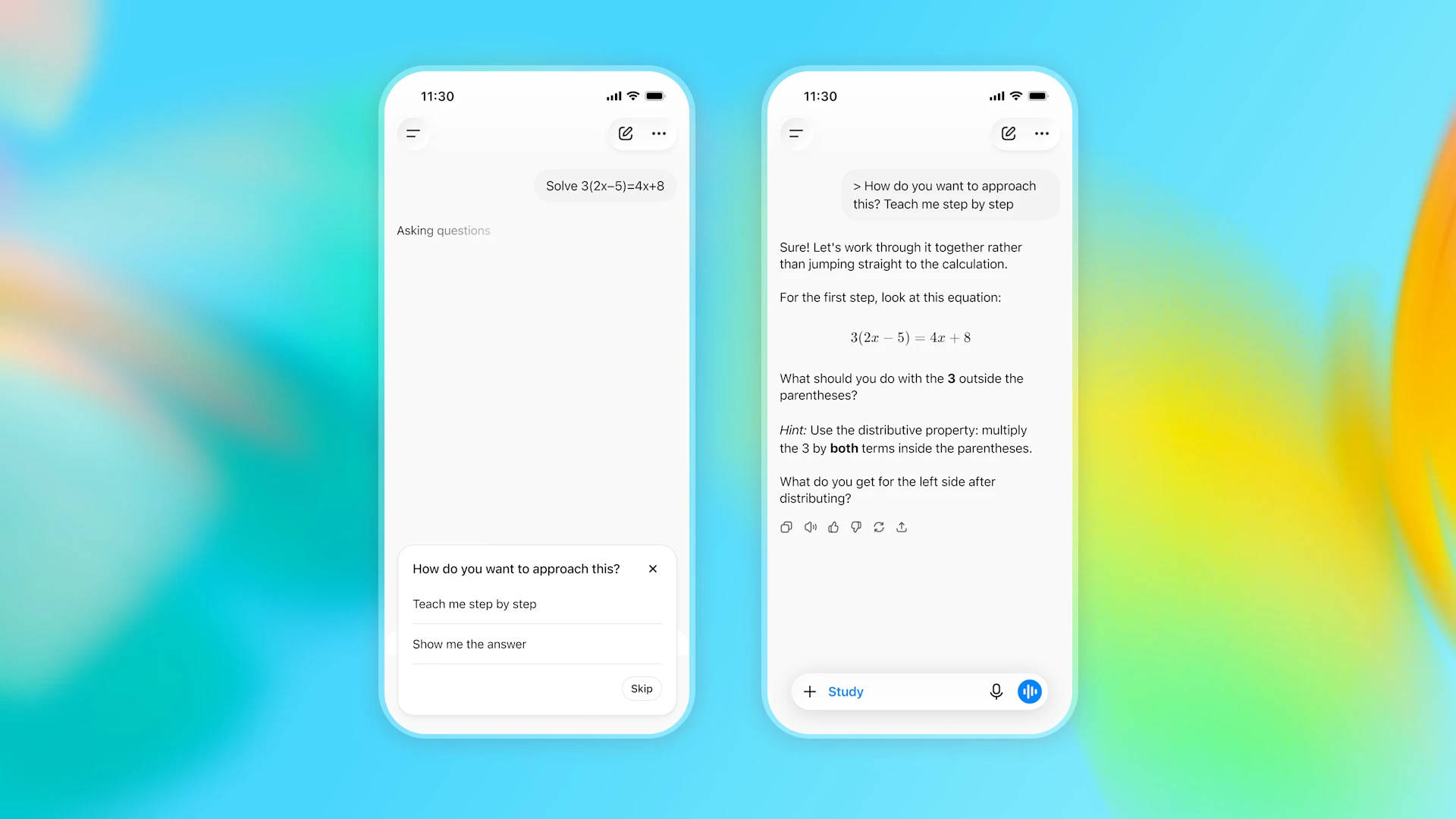
OpenAI is also adding Study Hours, which allows teens or their parents to set times when Study Mode remains on by default. The company says the feature is intended to help turn better study habits into a routine. The goal is to give teenagers access to AI support outside the classroom while keeping them involved in the learning process.
Stronger safeguards for teen users
Safety is another major focus of ChatGPT for Teens and OpenAI says protections will be enabled by default for users under 18. The company will employ age-appropriate safeguards to reduce exposure to harmful or developmentally inappropriate content.
These protections cover areas including self-harm, eating disorders, violence, dangerous activities and explicit sexual or graphic content. OpenAI says the safeguards are based on its under-18 principles and guidance from developmental science and experts.
OpenAI launches Parents’ Guide in India
Alongside the launch, OpenAI has also introduced its Parents’ Guide to Learning with ChatGPT in India. The practical guide is designed to help parents understand ChatGPT for Teens, set up parental controls, support learning and encourage healthier AI habits at home.
Pragya Misra, Head of Strategy & Global Affairs, India, OpenAI, said parents and educators have an important role to play as young people learn and explore AI. She added that the company wants adults to stay involved, encourage critical thinking and establish age-appropriate boundaries around AI use.
OpenAI also hosted Open Dialogues on Youth Safety and AI in India, bringing together parents, educators and public voices to discuss how young people can use AI safely and responsibly.
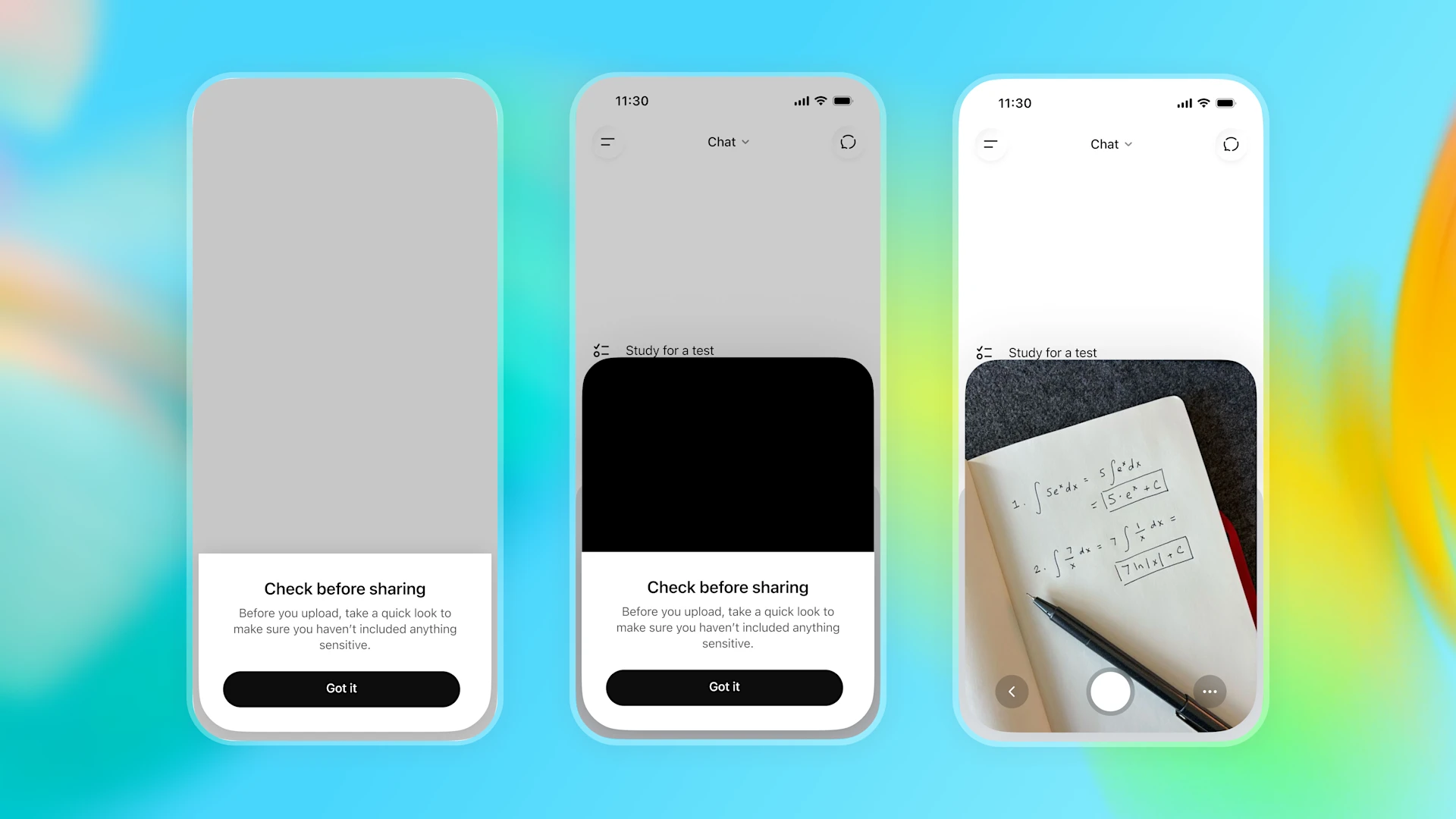
Parents who plan to let their teens use ChatGPT can link their accounts to access additional controls, including Quiet Hours, selected settings and limited safety notifications. OpenAI is also adding teen-specific onboarding and reminders around sensitive image sharing, giving parents more visibility and control over how younger users interact with the chatbot.
ChatGPT for Teens offers a more controlled experience than standard ChatGPT, with age-specific safeguards, parental controls and learning-focused features. This could make it useful for busy parents who want to give their children additional support with schoolwork without having to be available for every question or topic.
The experience could prove particularly useful for students who need help understanding difficult topics or practising outside the classroom, with Study Mode designed to guide them through problems rather than simply provide answers. Parents should still review the available controls and discuss responsible AI use with their teens, as these safeguards are designed to reduce risks but do not replace parental oversight.
OpenAI wants to encourage healthier AI use
OpenAI is also adding features to encourage healthier AI habits among teens, including break reminders and clearer cues that ChatGPT is an AI. Its updated under-18 safeguards also prevent romantic language or behaviour that could encourage emotional dependence, alongside sensitive-image reminders and teen-specific onboarding protocols.
OpenAI says teens are already using AI to learn new skills and build projects beyond schoolwork, and ChatGPT for Teens is designed to support these uses while keeping safety in focus. OpenAI is also partnering with CodeAI to help students and educators better understand how AI works and use it responsibly.
This latest move reflects that the company plans to adapt its products for younger users, rather than treating them as a smaller version of the general audience. While the added safeguards are a step in that direction, their effectiveness will ultimately depend on how well they work in real-world use.